Cart
0
You may also like



Peripheral neuropathy affects the nerves outside the brain and spinal cord, causing symptoms such as nerve pain, muscle weakness, and loss of sensation in the hands and feet. Here's the direct answer up front: according to the National Institute of Diabetes and Digestive and Kidney Diseases (NIDDK), once nerve damage occurs it generally can't be reversed — not in a short time, and often not at all. The realistic goal is to stop it from getting worse and to manage symptoms.
That said, several evidence-informed steps can meaningfully improve symptoms and protect the nerve function you still have. Here's what actually has support behind it, and where the evidence is weaker than commonly claimed.
For people with diabetes, high blood sugar levels are a leading cause of peripheral neuropathy. This is the single best-supported intervention: the American Diabetes Association's Standards of Care recommend keeping blood glucose in your target range specifically to help prevent or delay peripheral neuropathy.

This has some of the more encouraging clinical evidence among non-drug options. A supervised 10-week aerobic and strength-training program in people with diagnosed diabetic peripheral neuropathy produced significant reductions in pain and neuropathic symptom scores, along with measurable increases in nerve fiber density on skin biopsy. Ten weeks isn't an overnight fix, but it shows that structured exercise can meaningfully help, not just support general health.
Vitamin B12 deficiency is a recognized, treatable cause of nerve damage, and correcting a genuine deficiency is worth doing. But taking B vitamins or other supplements when you're not deficient hasn't been shown to reverse existing neuropathy — supplementation helps most clearly when it's correcting an actual shortfall, which a blood test can confirm.
Uncontrolled blood pressure can damage the small blood vessels that supply nerves, compounding nerve damage from diabetes. Managing it alongside blood sugar is part of standard care for protecting remaining nerve function.
A physical therapist can build a program targeting pain, muscle strength, and mobility. TENS (transcutaneous electrical nerve stimulation) is used by some patients to help manage pain signals, with results varying by individual — ask your provider whether it's appropriate for you.
Alcohol, certain heavy metals, and some medications can contribute to nerve damage. Reducing alcohol intake and reviewing your medication list with your doctor if you suspect a drug is contributing to symptoms are reasonable, low-risk steps.
Peripheral neuropathy is often a complication of other conditions such as diabetes, autoimmune disorders, or kidney disease. Treating cuts, sores, or blisters promptly — especially on feet with reduced sensation — helps prevent complications, and regular check-ups help your care team track any changes.
Alpha-lipoic acid is widely marketed for nerve health, but the evidence is weaker than commonly assumed: a 2024 Cochrane review of randomized trials found it probably has little or no effect on diabetic neuropathy symptoms after six months compared with placebo. It's generally well tolerated, but shouldn't be relied on as a primary treatment. Acupuncture and other complementary approaches may help some people manage discomfort, but strong evidence specifically for reversing nerve damage is lacking. Always check with your doctor before adding any supplement, especially alongside other medications.
Completely reversing peripheral neuropathy in a short time isn't something current evidence supports, and claims that promise otherwise deserve skepticism. What the evidence does support: controlling blood sugar, staying consistently active, and correcting any real vitamin deficiencies can meaningfully reduce symptoms and protect the nerve function you have left — with some people noticing improvement within weeks of starting a structured routine.
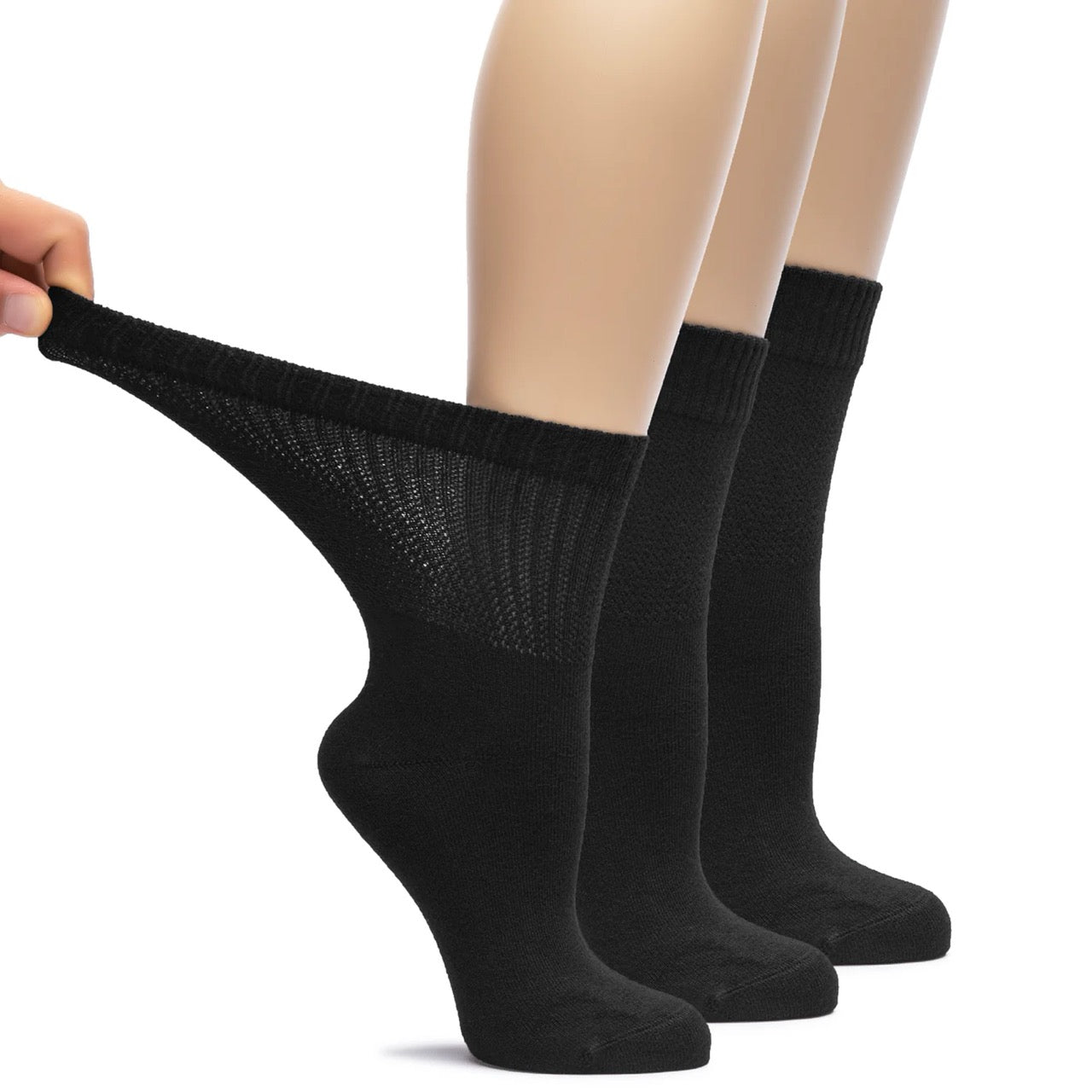
For more on managing neuropathy day to day, see our related article on Do Diabetic Socks Help with Neuropathy?, which covers how sock features can support comfort for people managing neuropathy symptoms.
This article is for general information and is not medical advice. Talk to your doctor about your specific diagnosis and treatment options.
He has been working for more than 20 years in the textile industry and has work experience in many parts of the world.