Cart
0
You may also like
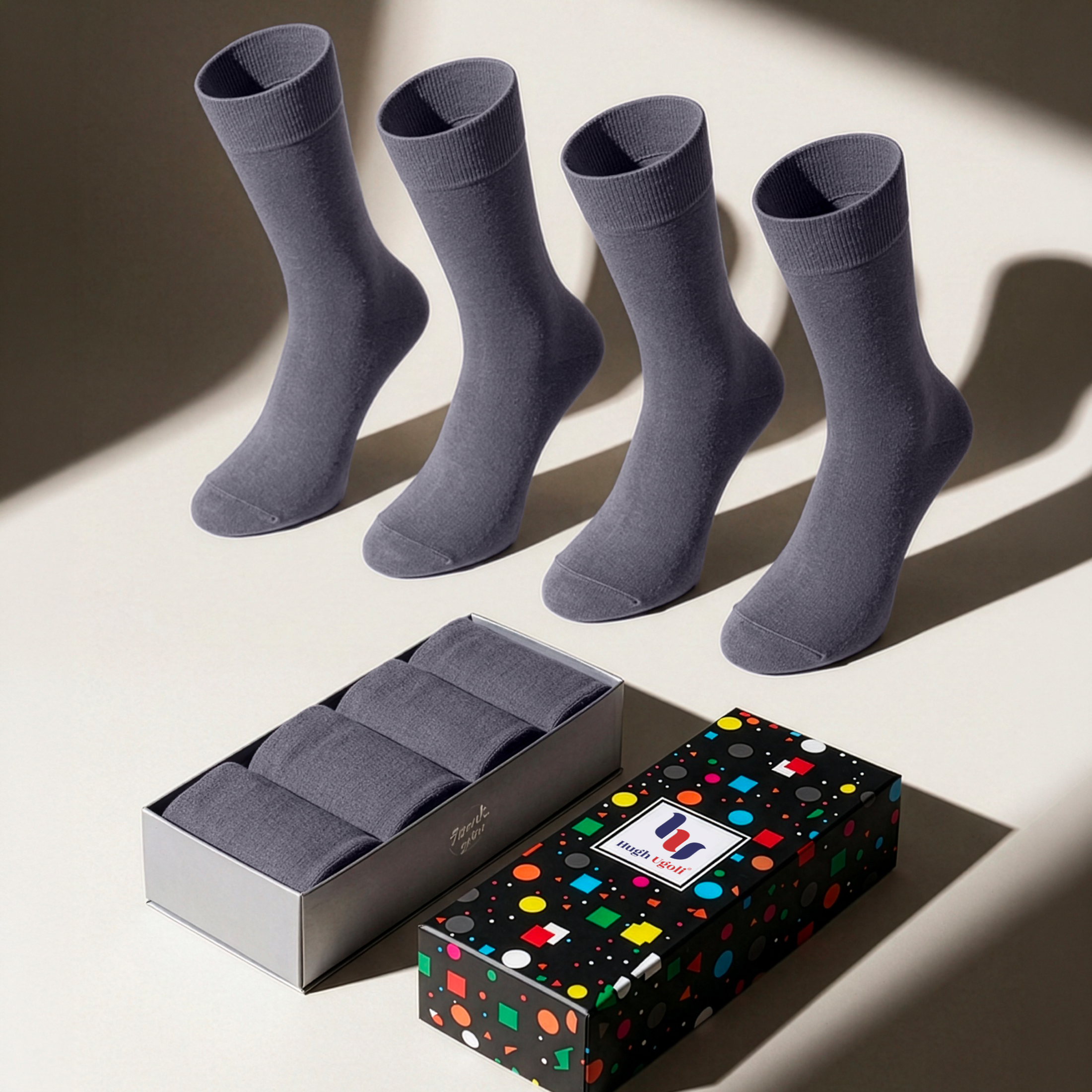
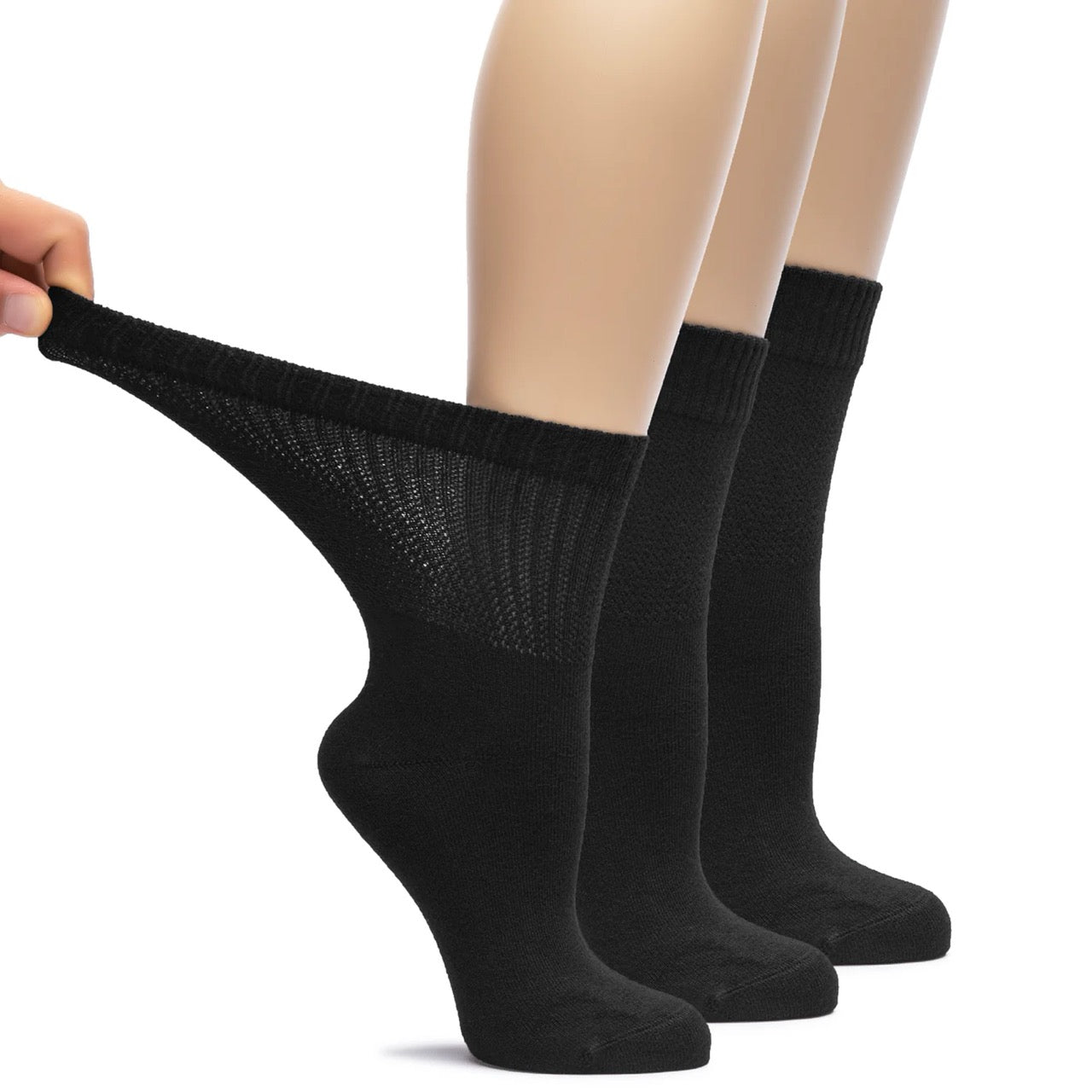

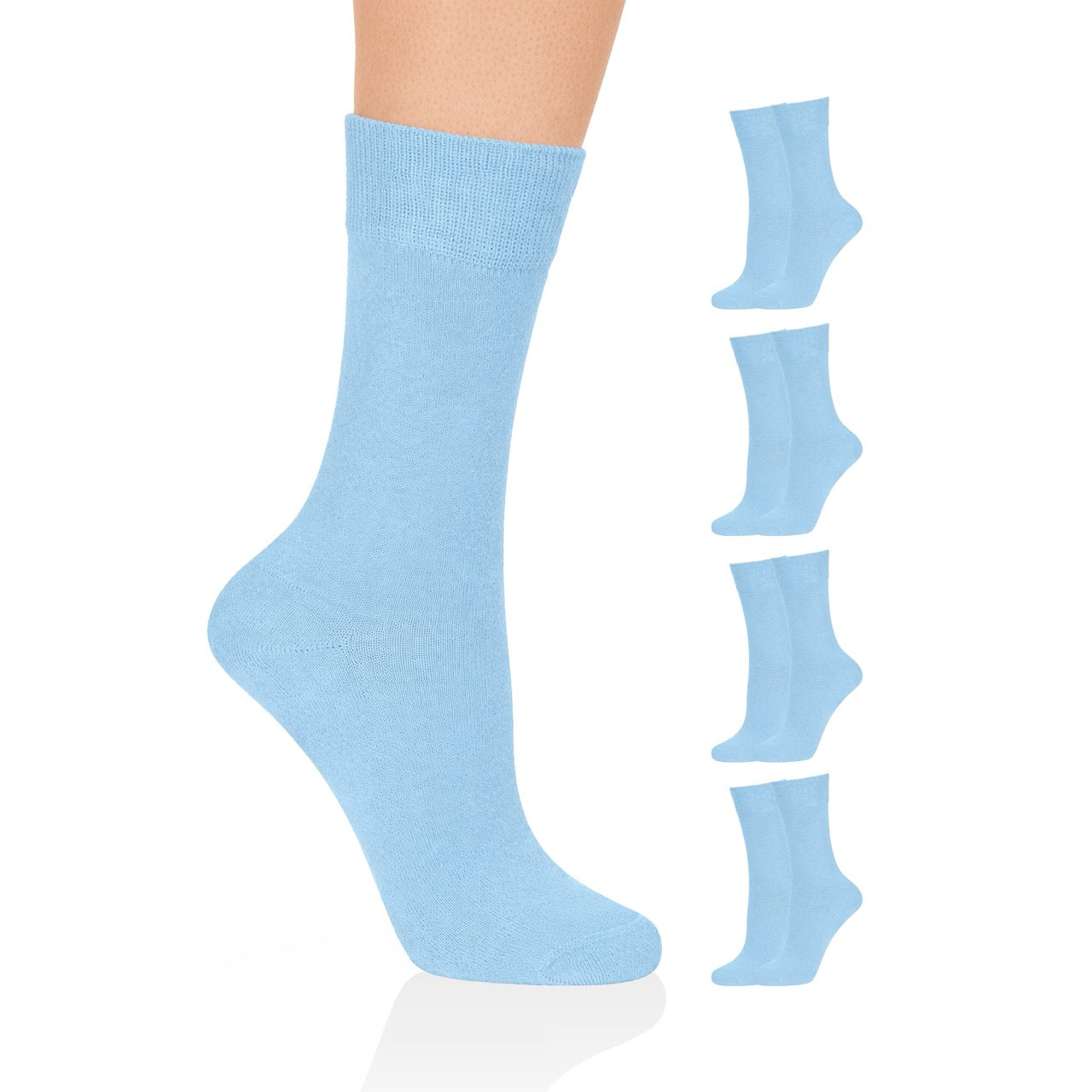
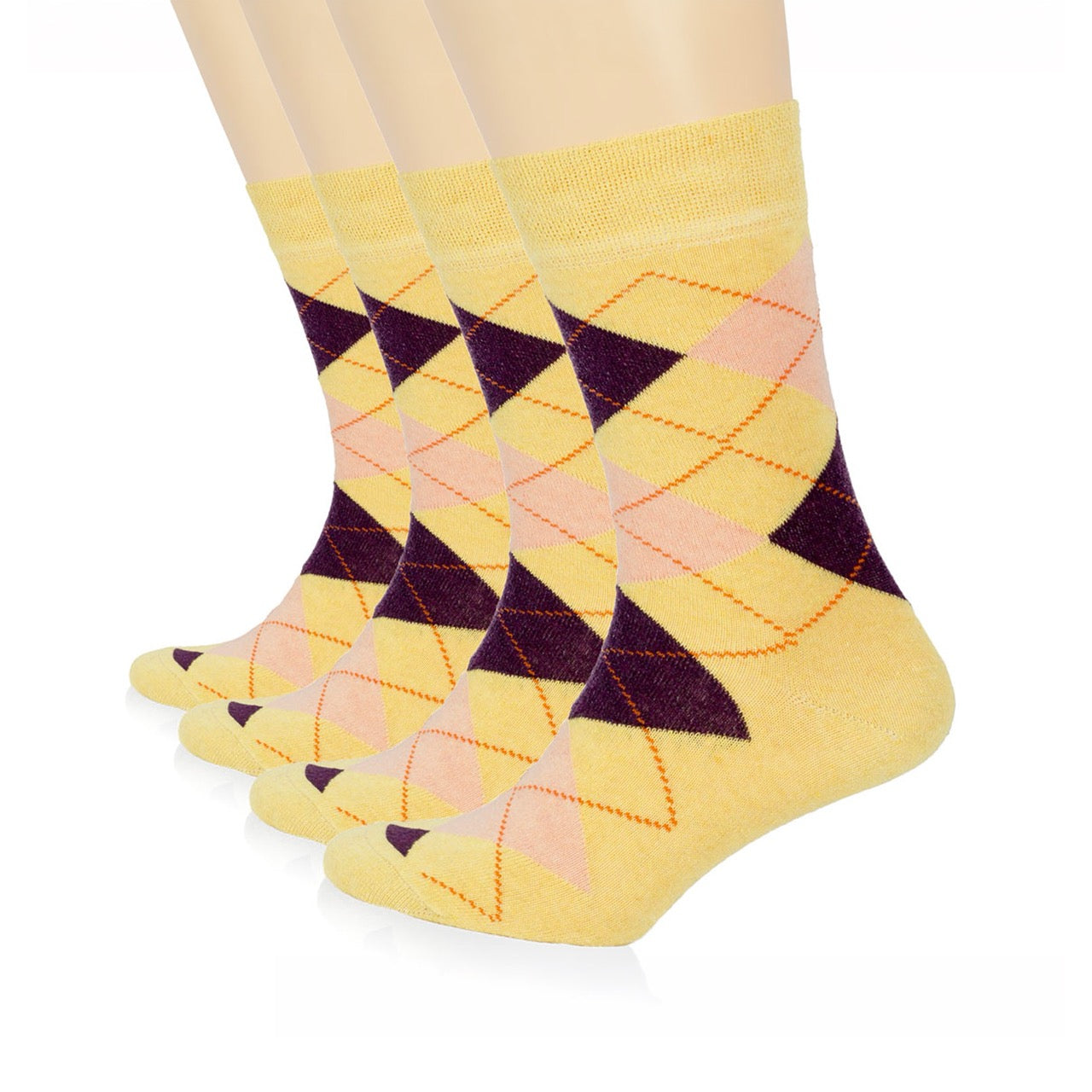


Most people think about sock quality in terms of how socks feel on the foot or how long they take to wear through at the heel. Fewer think about wash count — the number of times a pair can go through the laundry and come out the other side still performing well. But wash count is arguably the more revealing measure of quality, because it captures something the feel of a new sock can't tell you: how well the construction holds up over months and years of repeated laundering.
A sock that feels luxurious out of the packaging but degrades within twenty washes is a worse value than a sock that feels merely good new and holds that quality through a hundred. Understanding what actually happens to a sock in the wash, how construction affects durability, and how your own habits shift the numbers significantly gives you a much more useful framework for evaluating socks than a first impression ever can.
Calendar time is a misleading measure of sock lifespan because it doesn't account for how often socks are actually used and washed. Someone who owns four pairs of socks and wears them in tight rotation washes each pair roughly twice a week — that's over a hundred washes per pair per year. Someone who owns twelve pairs and rotates through all of them washes each pair roughly once every two weeks — fewer than thirty washes per pair per year. The same twelve-month period produces dramatically different wear and wash accumulation depending purely on rotation size.
Wash count cuts through this variability. If a well-made sock should survive at least one hundred washes before meaningful degradation, that tells you everything you need to know regardless of whether those hundred washes happen in a year or three years. It's a measure of the sock's actual capacity rather than a calendar estimate that requires you to already know how often you do laundry and how many pairs you own.
It also frames the cost calculation more honestly. A sock that costs twice as much but lasts three times as many washes is a better value even if it's harder to justify at the point of purchase. Thinking in wash count rather than price per pair is how people who actually care about long-term sock quality make decisions.
Every wash cycle introduces a specific set of stresses that degrade the sock's materials incrementally. Understanding which stresses do the most damage helps explain why certain washing habits matter as much as they do.
The elastic fibers that give a sock its cuff tension and overall shape retention are among the most heat-sensitive components of any sock's construction. Elastic breaks down through a process called thermal degradation — repeated exposure to high temperatures causes the polymer chains in the elastic fiber to lose their ability to return to their original length after being stretched. The result is a cuff that snaps back less firmly with each wash cycle until it stops snapping back meaningfully at all.
Washing temperature is the single biggest variable affecting how quickly this happens. Socks washed consistently at 60°C or higher can begin showing meaningful elastic degradation within twenty to thirty wash cycles. The same socks washed at 30°C or 40°C can retain good elastic tension for three to four times as many cycles. This isn't a small difference — it's the difference between a sock that starts slipping after six months and one that holds its position for two years, despite being the same sock.
The tumbling and agitation of a washing machine cycle subjects fabric to repeated mechanical stress — stretching, compressing, rubbing against other garments and against the drum itself. Over many cycles, this breaks down the fiber structure progressively: yarns loosen, the knit structure opens up slightly, and the fabric becomes less dense and less supportive. The visible signs of this process are pilling — small fiber balls that form as broken fiber ends tangle together on the fabric surface — and a gradual loss of the tight, even texture the sock had when new.
Heavy-duty and standard cycles apply more mechanical agitation than delicate or gentle cycles, which is why cycle selection matters. Turning socks inside out before washing directs the machine's agitation toward the inner surface, which has more cushioning material to absorb it, and protects the outer surface that shows wear first visually.
If hot washing degrades elastic significantly, tumble drying at high heat compounds the problem substantially. The dryer subjects socks to sustained elevated temperatures while simultaneously stretching and compressing them through the tumbling action. The combination of heat stress and mechanical stress in a dryer cycle is considerably more damaging to both elastic and fiber structure than washing alone.
Socks that are washed in warm water and air-dried will consistently outlast socks that go through the same wash but then spend thirty minutes in a hot dryer. The difference in total wash count before visible degradation is large enough — often double or more — that air drying is one of the most effective single habits for extending sock lifespan, with no cost and no tradeoff in cleanliness.

Setting clear expectations here requires separating the quality tiers, because the answer varies significantly between them.
A commodity sock — the type sold in large multipacks at a low per-pair price — is typically constructed to a minimum viable specification. The elastic is adequate when new, the fiber blend is chosen for cost rather than durability, and the knit density is optimized for production efficiency. These socks commonly begin showing meaningful degradation within thirty to fifty wash cycles under typical home washing conditions. That's not a failure of the sock so much as a reflection of what it was built to deliver.
A mid-range sock from a brand that pays attention to construction — reinforced heels and toes, quality elastic, appropriate fiber blends — should be capable of surviving at least one hundred wash cycles before the cuff noticeably loses tension or the heel fabric thins meaningfully. This represents a practical lifespan of roughly one to three years depending on rotation size and washing frequency.
A well-made sock from a brand that uses quality fiber, reinforced construction throughout, and appropriate elastic — and that is cared for correctly with cool-to-warm washing and air drying — can reasonably be expected to survive one hundred fifty to two hundred wash cycles before functional decline. Some high-quality wool and bamboo socks properly maintained by their owners last considerably longer than this. These aren't theoretical numbers; they're what the construction of genuinely quality socks supports when the care conditions are met.
Wash durability isn't a single property — it's the aggregate result of several construction decisions that each contribute to how well the sock holds up over repeated laundering.
The base fiber determines the foundation of wash durability. Pure cotton without any synthetic addition is the most common fiber in commodity socks, and it provides adequate durability in light use but degrades relatively quickly under frequent, warm washing. Combed cotton — a higher-grade processing method that removes short fibers and aligns the remaining ones — performs meaningfully better than standard cotton, producing a smoother, more resilient yarn that maintains its structure through more wash cycles.
Nylon is the most important additive for wash durability. Even a ten to twenty percent nylon content in a predominantly natural-fiber sock significantly improves resistance to mechanical abrasion and fiber breakdown under repeated laundering. The nylon fibers interlock with the natural fiber yarns and reinforce the structure at a microscopic level, particularly at the heel and toe where abrasion is concentrated. A combed cotton or bamboo sock with a nylon component will outlast a pure-fiber sock of similar apparent quality in terms of wash count by a meaningful margin.
The heel and toe are where socks wear out first — not because the rest of the sock is particularly durable, but because these areas bear the most mechanical stress during both wear and washing. A sock without reinforced construction in these areas relies on the same fabric density that covers the rest of the foot to handle the concentrated stress of heel strike and toe friction, which it typically can't do indefinitely.
Reinforced heels and toes add denser knitting, additional fiber layers, or stronger yarn specifically in these high-wear zones. The reinforcement doesn't change how the sock looks from the outside, but it substantially delays the thinning and eventual breakthrough that causes most socks to become unwearable. A reinforced heel and toe can extend the functional wash life of a sock by thirty to fifty percent compared to the same sock without that construction detail.
The cuff is the component that most commonly fails before the rest of the sock. Low-quality elastic degrades faster under heat and mechanical stress, losing its recovery force well before the fabric body of the sock shows significant wear. A sock whose cuff has stopped holding up is effectively at the end of its useful life even if the heel and toe are still intact, because a sock that slides down the leg throughout the day is no longer serving its purpose.
Quality elastic — typically featuring a higher proportion of spandex or elastane of a grade chosen for heat resistance — maintains its snap through significantly more wash cycles than the elastic used in commodity production. This is a component that is largely invisible at the point of purchase but becomes the decisive factor in how long the sock remains genuinely wearable.
The comparison between bamboo viscose and cotton is worth examining specifically, because bamboo has become the primary fiber alternative to cotton in quality everyday and dress socks.
Bamboo viscose, when produced from quality raw material through a careful manufacturing process, has several properties that translate to better wash durability than standard cotton. The fiber is naturally finer and softer, which means it sits more densely in the yarn without adding bulk. It has a natural resilience — a tendency to return toward its original shape after being stretched — that cotton lacks. And it maintains its softness through repeated washing more consistently than cotton, which tends to stiffen and coarsen as the fiber structure breaks down.
In practice, a well-made bamboo sock typically outperforms a comparable cotton sock across wash count in terms of softness retention, shape retention, and the maintenance of the drape and feel that made it appealing in the first place. The heel and toe reinforcement and elastic quality still matter equally in both fiber types, but when those construction elements are equal, bamboo's inherent fiber resilience tends to produce a sock that feels closer to new for longer. A bamboo dress sock with reinforced construction typically holds its feel and shape through more wash cycles than an equivalent cotton dress sock precisely because the base fiber starts with a resilience advantage.
Cotton's strength in wash durability comparisons is in its resistance to the type of heat damage that bamboo viscose is somewhat more susceptible to. A high-quality combed cotton sock washed correctly can achieve excellent wash durability, and it tolerates slightly warmer washing temperatures than bamboo without the same degree of fiber stress. A combed cotton dress sock with reinforced heels and toes is a genuinely durable option for people who want predictable wash performance across a wide range of laundry conditions. The key qualifier in both cases is construction quality — the fiber advantage only materializes when the rest of the sock is built to support it.
The manufacturer's construction sets the ceiling for how many washes a sock can survive. Your washing habits determine whether it reaches that ceiling or falls well short of it. The gap between ideal-condition wash count and typical-household wash count is large enough that habits matter considerably.
Washing temperature is the highest-leverage variable. Moving from 60°C to 30°C washing can roughly double the number of wash cycles before elastic degradation becomes noticeable. This single change, applied consistently, extends sock lifespan more than almost any other single adjustment you can make.
Cycle selection adds further gains. A delicate or gentle cycle versus a standard or heavy cycle means less mechanical agitation per wash, which reduces fiber breakdown and pilling over time. For dress socks and fine-knit everyday socks, a gentle cycle loses nothing in terms of cleaning effectiveness — socks don't carry the kind of ground-in soil that requires heavy agitation to shift — and gains meaningfully in terms of fabric preservation.
Drying method, as discussed earlier, is the other major lever. Air drying rather than tumble drying at high heat removes one of the two most significant stress sources. Combined with cool washing, air drying can push the effective wash count of a quality sock well past what the same sock would achieve under standard household conditions.
Mesh laundry bags provide an additional layer of protection by preventing socks from tumbling directly against the drum or tangling with heavier items that introduce more mechanical stress. They're a low-cost addition that reduces abrasion per cycle across the life of the sock.
Knowing what degradation looks like in practice helps identify when a sock has passed the point where it's worth continuing to wash and wear it.
The most reliable early indicator is elastic recovery. A sock whose cuff is beginning to fail will return slowly or incompletely when you stretch it to double its resting width and release. If the cuff takes more than a second or two to return, or doesn't return fully, the elastic has degraded past the point of reliable sock retention during wear. This typically becomes noticeable before visible wear appears at the heel or toe.
Pilling density on the inner surface is the second early indicator. Some pilling is normal and doesn't affect function significantly. Dense, matted pilling that makes the inner surface noticeably rougher than it was when new indicates fiber breakdown that has progressed to the point where the fabric is generating friction rather than reducing it.
Heel transparency is the clearest indicator that a sock has reached functional end of life. When held to light, a sock whose heel fabric has thinned sufficiently will be visibly translucent at the contact area. At this stage, the cushioning is effectively gone and the risk of breakthrough is high. The sock has exceeded its useful wash count regardless of how the rest of it looks.
A good pair of socks — properly defined as one with quality fiber, reinforced construction, and quality elastic — should be capable of surviving at least one hundred wash cycles before meaningful degradation, and often considerably more when care conditions are good. Most socks fall short of this not because the construction can't support it, but because washing at high temperatures, using heavy cycles, and tumble drying at high heat remove most of the margin that quality construction provides. The habits that extend wash count cost nothing and sacrifice nothing in cleanliness: cooler water, a gentler cycle, and air drying. Applied consistently, they're the difference between socks that need replacing every few months and socks that remain genuinely good for years.
A well-made sock with quality fiber, reinforced heels and toes, and good elastic construction should survive at least one hundred wash cycles before meaningful degradation under typical home washing conditions. With careful washing — cool temperatures, a gentle cycle, and air drying — the same sock can last one hundred fifty to two hundred or more wash cycles before the cuff loses tension or the heel fabric thins significantly. Commodity socks typically begin showing degradation within thirty to fifty wash cycles.
Washing socks at 30°C to 40°C rather than 60°C or higher is one of the most effective changes for extending wash life. High temperatures accelerate the breakdown of elastic fibers in the cuff, causing the sock to lose its grip and shape far earlier than it would under cooler conditions. The same socks washed at lower temperatures can retain good elastic tension through roughly twice as many wash cycles as identical socks washed hot.
Yes, significantly. Tumble drying at high heat subjects socks to sustained elevated temperatures combined with mechanical agitation, which accelerates both elastic degradation and fiber breakdown more than washing alone. Air drying after a cool wash removes the drying heat stress entirely and can roughly double the number of wash cycles a sock survives before visible degradation sets in. It is one of the most impactful single changes available for extending sock lifespan.
Quality bamboo viscose tends to retain softness and shape through more wash cycles than standard cotton at the same weight, because the fiber has greater natural resilience and maintains its structure better under repeated laundering. That said, construction quality matters as much as fiber type — a well-made cotton sock with reinforced construction will outlast a poorly made bamboo sock regardless of fiber claims. When construction quality is equal, bamboo's inherent fiber resilience gives it a durability advantage over wash count, particularly in terms of feel retention.
The clearest signs are elastic that no longer snaps back firmly when stretched, visible thinning or translucency at the heel or toe when held to light, dense pilling on the inner surface that makes the fabric rough rather than smooth, and a sock that no longer holds its shape after washing. The elastic test is typically the earliest indicator — a cuff that returns slowly or incompletely has degraded past the point where the sock will stay up reliably during wear, regardless of the condition of the rest of the fabric.
He has been working for more than 20 years in the textile industry and has work experience in many parts of the world.