Cart
0
You may also like
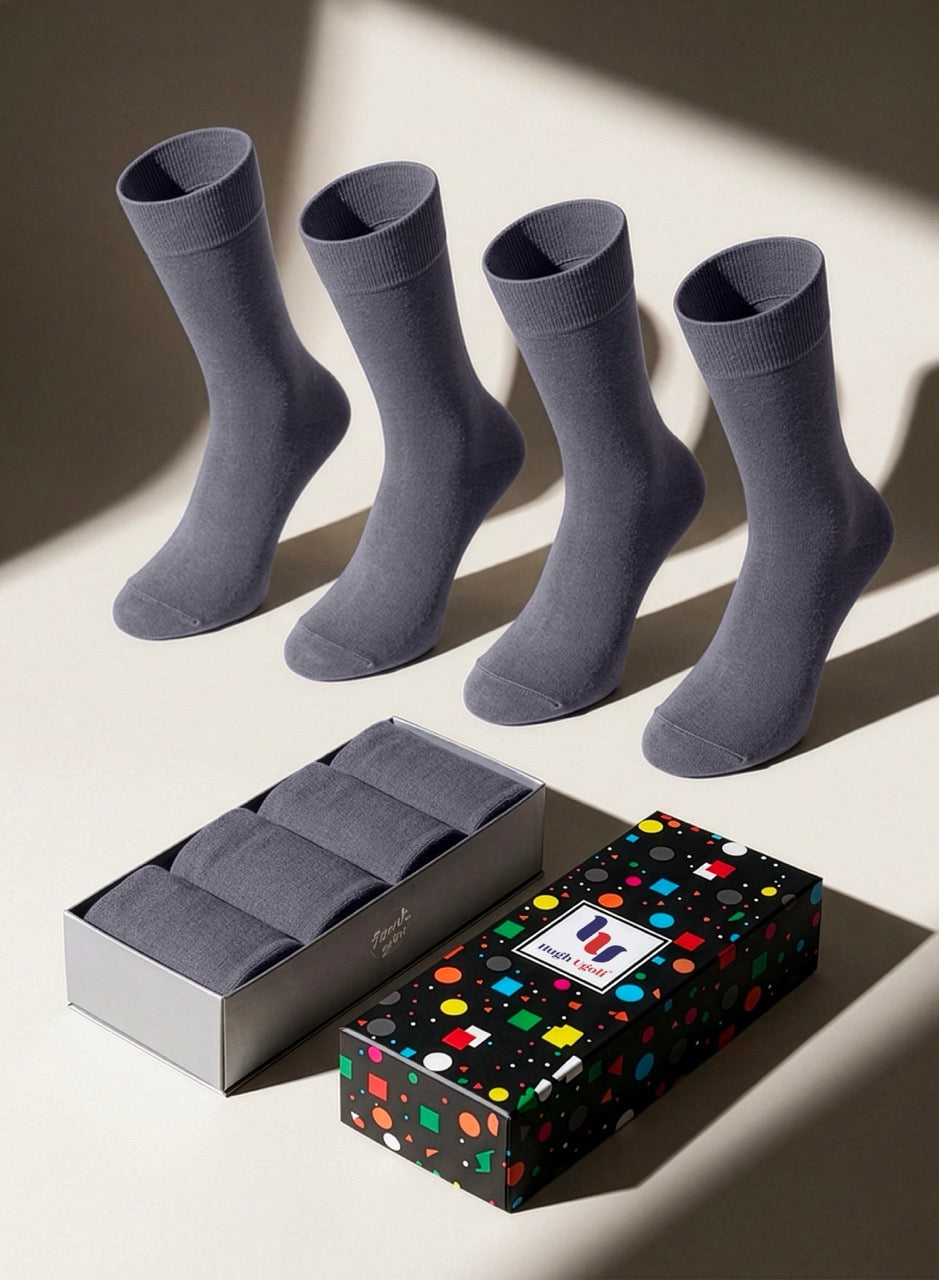
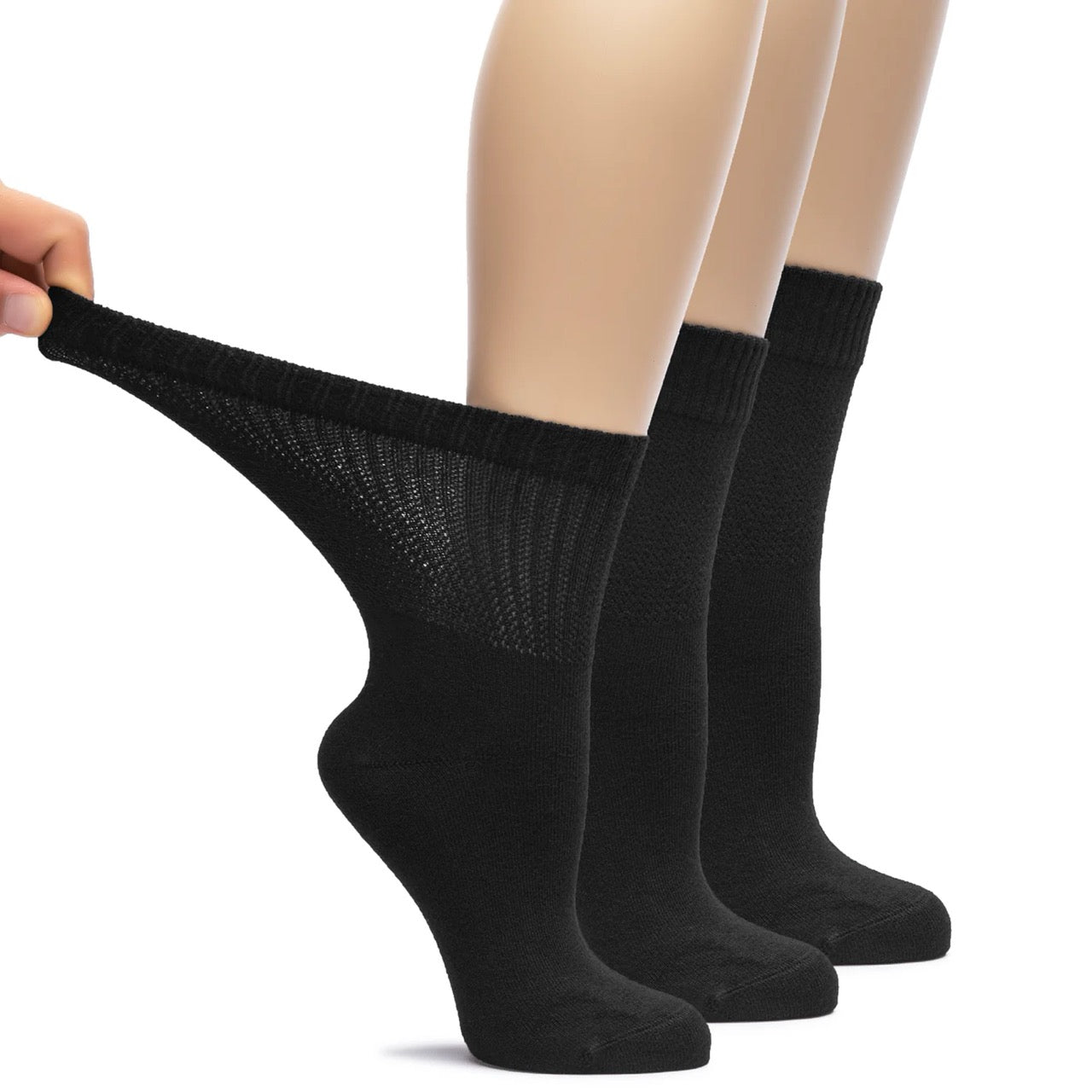
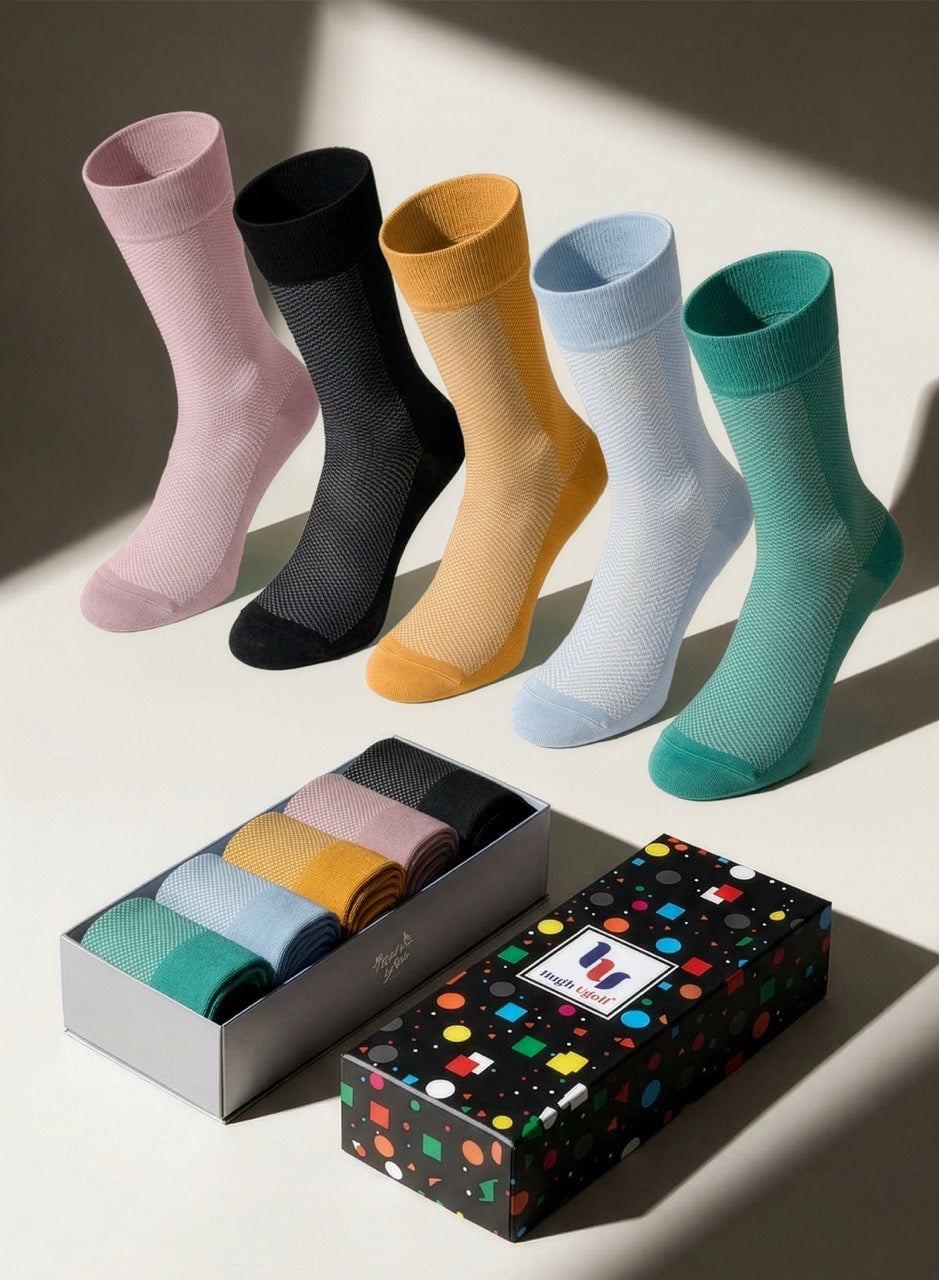
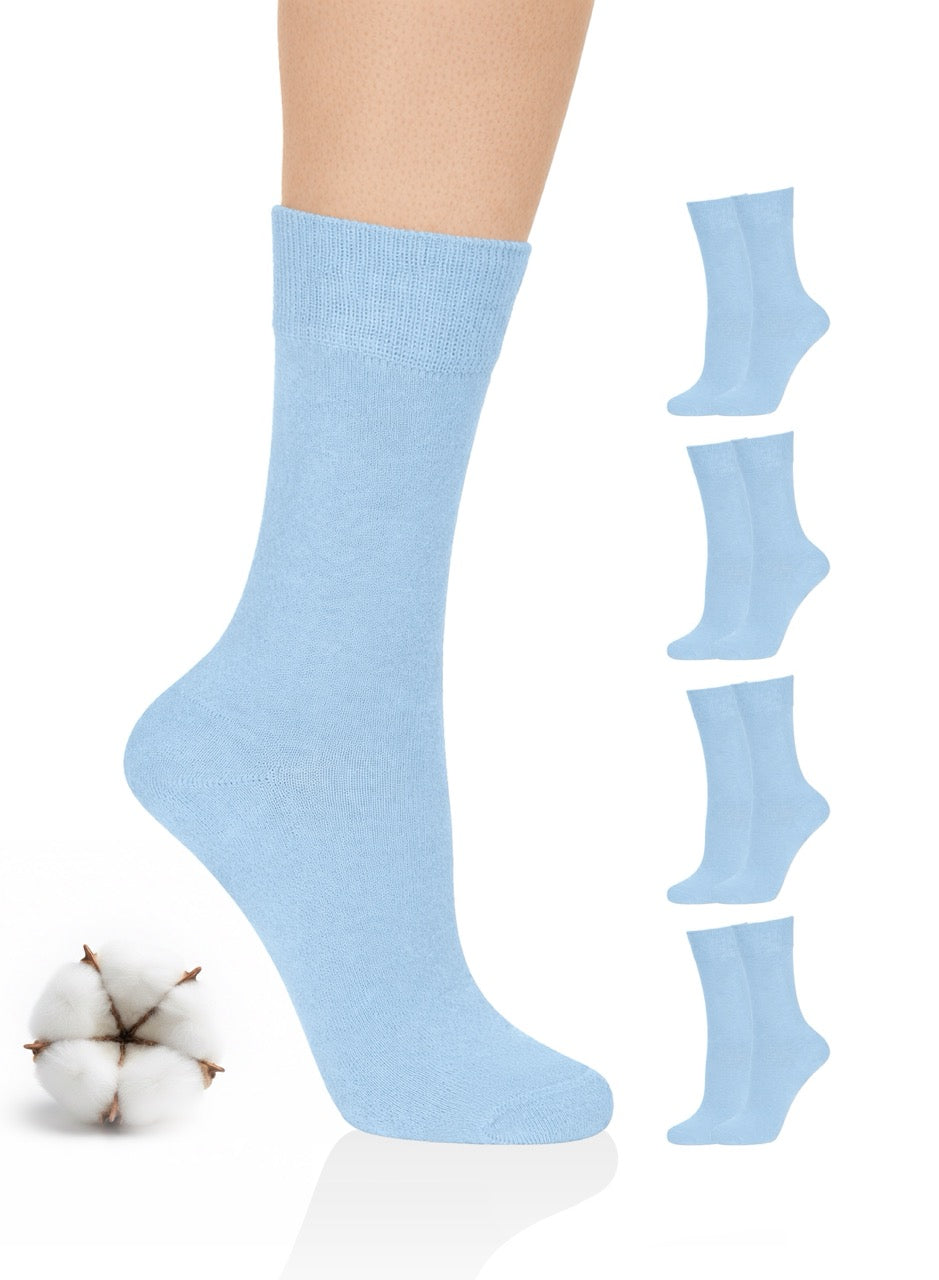
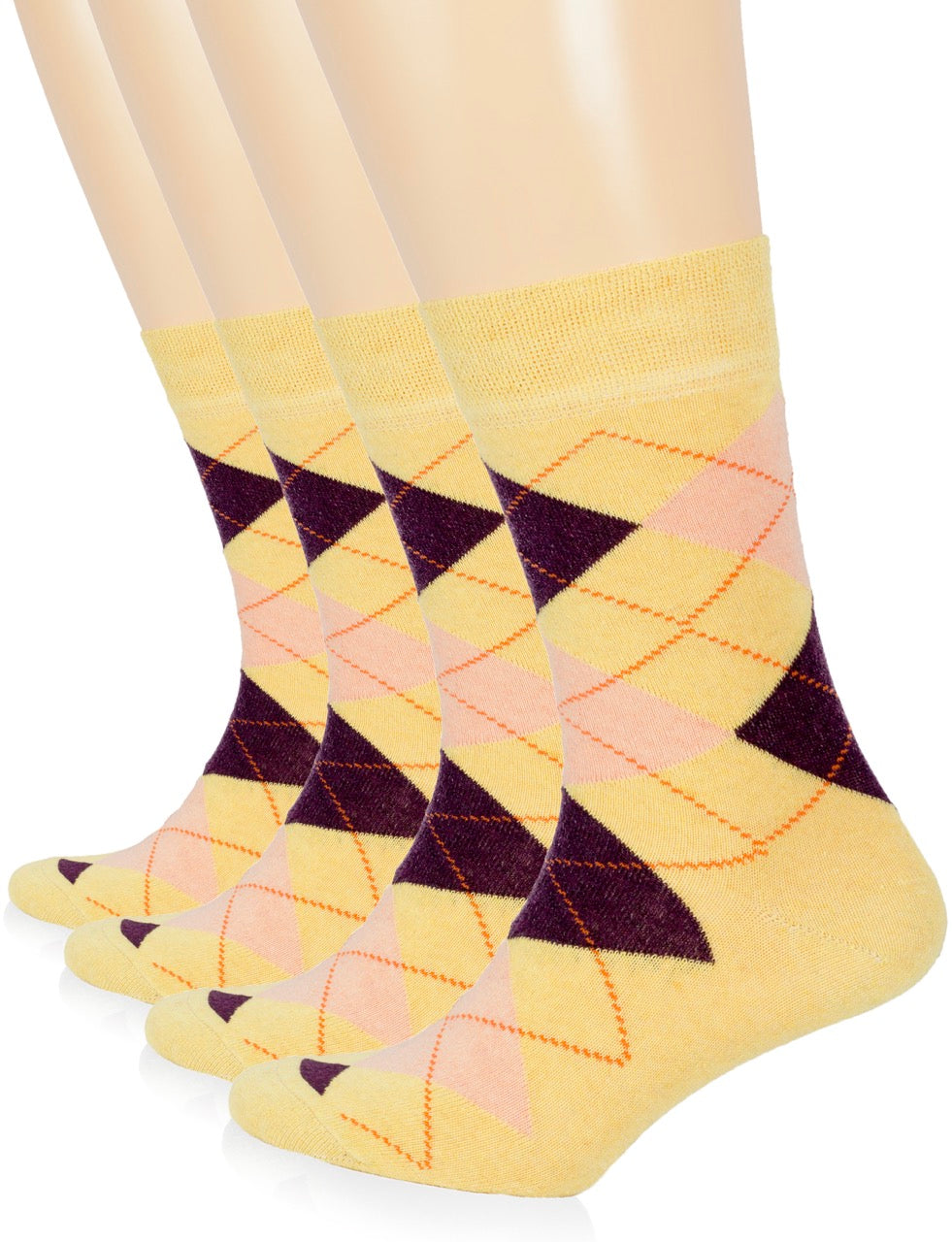


Selecting the right socks is crucial not only for comfort but also for foot health. Choosing the wrong socks can lead to various foot problems, including blisters, fungal infections, and discomfort. Socks serve not just to keep feet warm, but also to cushion the foot, absorb moisture, and protect the skin from abrasion. In this guide, we'll explore common mistakes people make when choosing and wearing socks, and provide tips to help you avoid them.
The material of the socks is vital:

A common mistake is wearing socks that are too tight or too loose. Socks that are too tight can restrict blood flow and contribute to circulation problems, especially important for individuals with diabetes or circulatory issues. On the other hand, socks that are too loose can slip and bunch, causing irritation and blisters.
Improper care of socks can also lead to problems:
By understanding these key aspects and choosing socks thoughtfully, you can enhance your foot health and comfort significantly.
Socks that are too tight may restrict circulation, leave pressure marks, and cause discomfort, especially during long periods of wear.
Cotton socks are comfortable, but they tend to absorb moisture rather than wick it away. For sweaty feet, moisture-wicking blends or wool may perform better.
Socks should generally be washed after every wear to reduce odor, bacteria buildup, and moisture-related foot problems.
Sport-specific socks with cushioning, moisture management, and arch support are usually best for athletic activities and prolonged movement.
Yes. Poorly fitting socks or socks that trap moisture can increase friction and contribute to blisters and skin irritation.
High heat can damage elastic fibers, shrink materials, and reduce the lifespan and fit of socks over time.
He has been working for more than 20 years in the textile industry and has work experience in many parts of the world.