Cart
0
You may also like
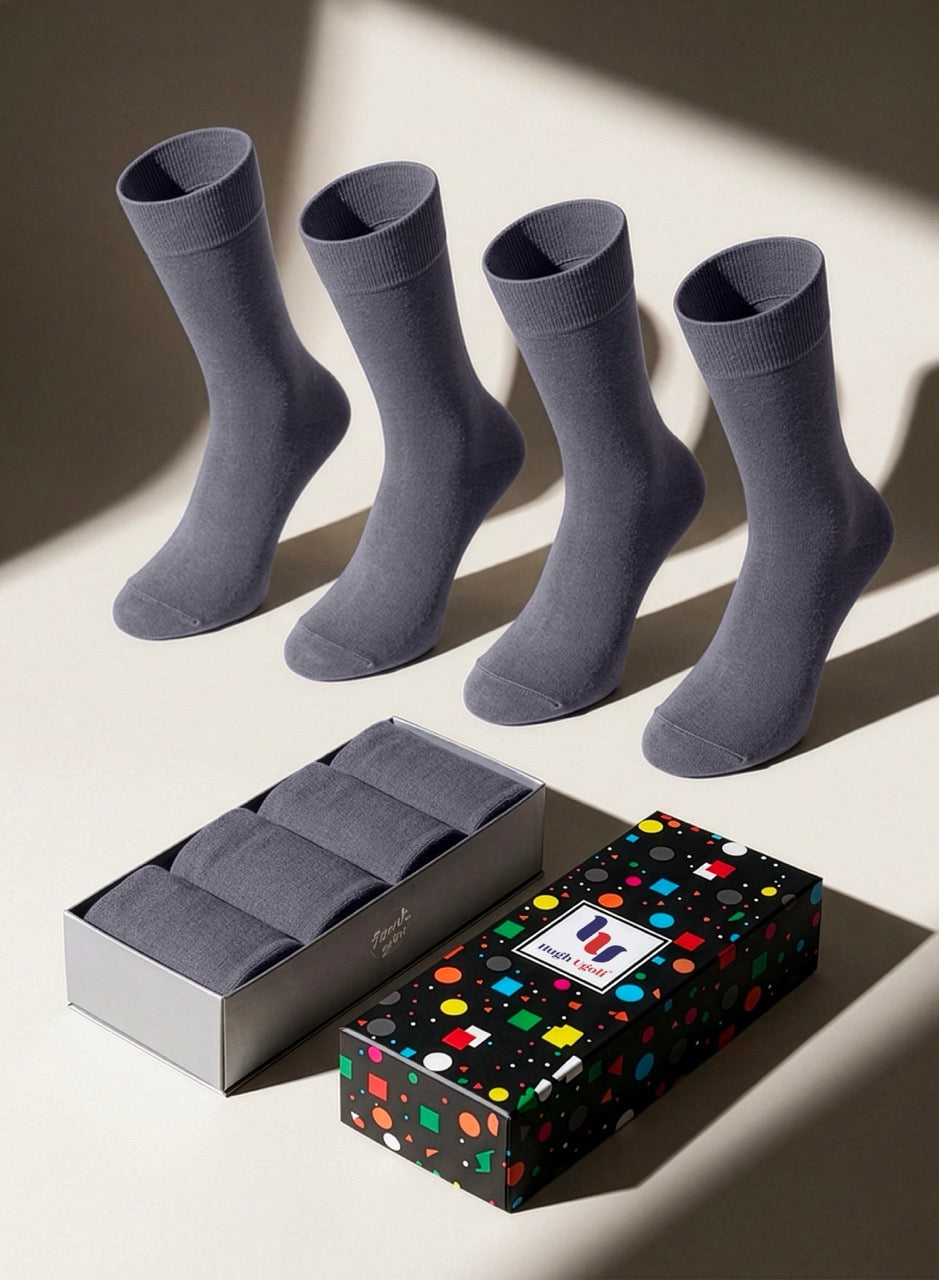
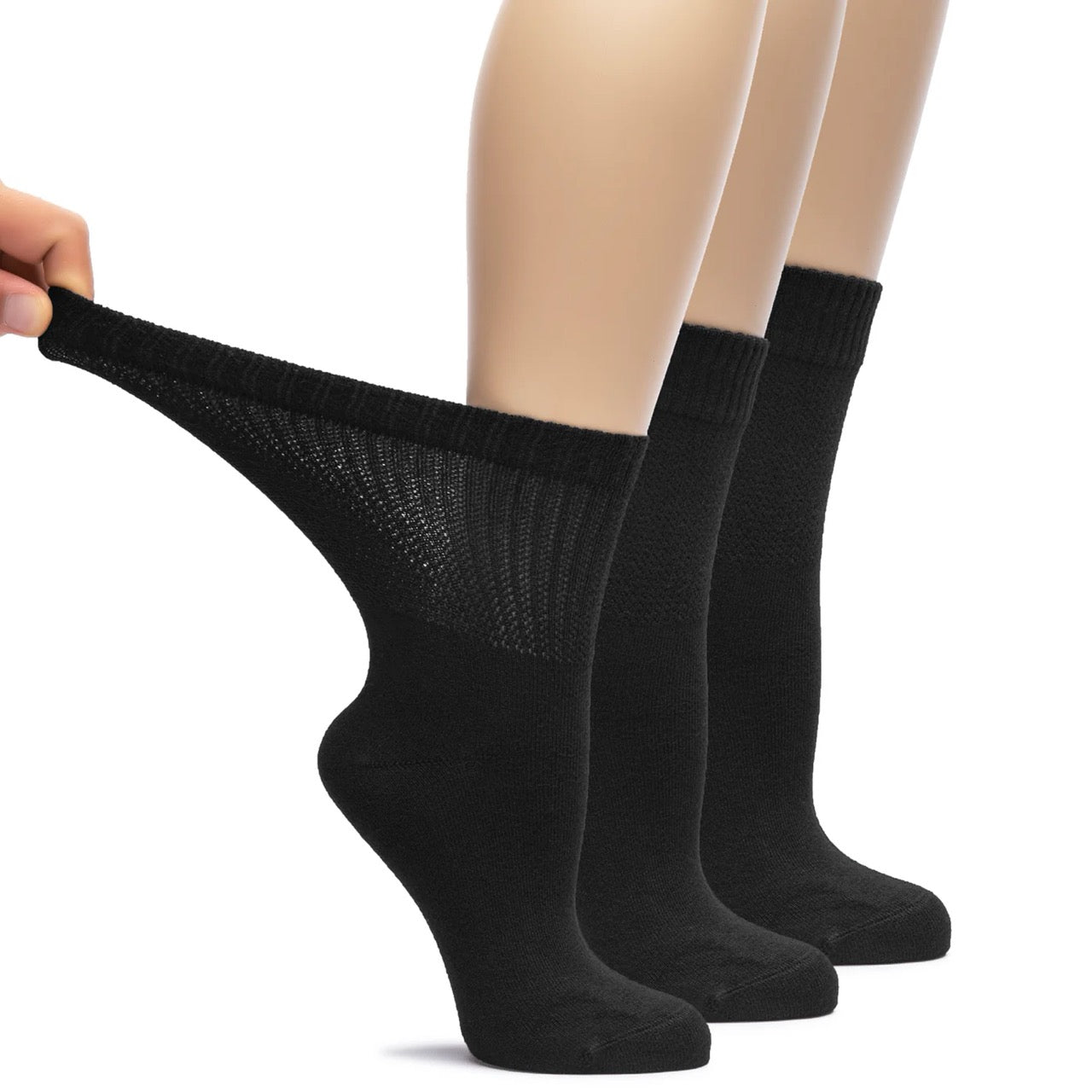
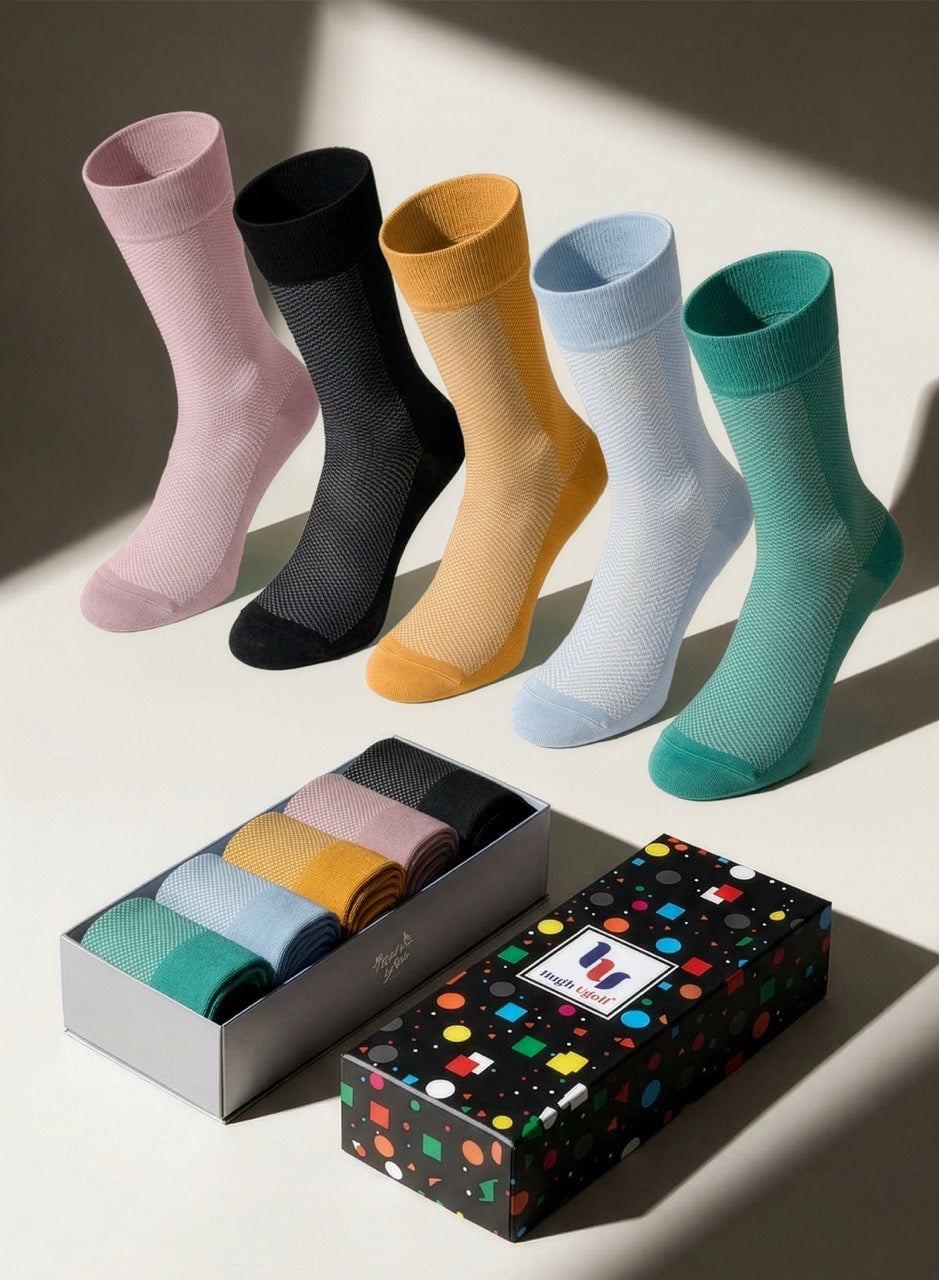
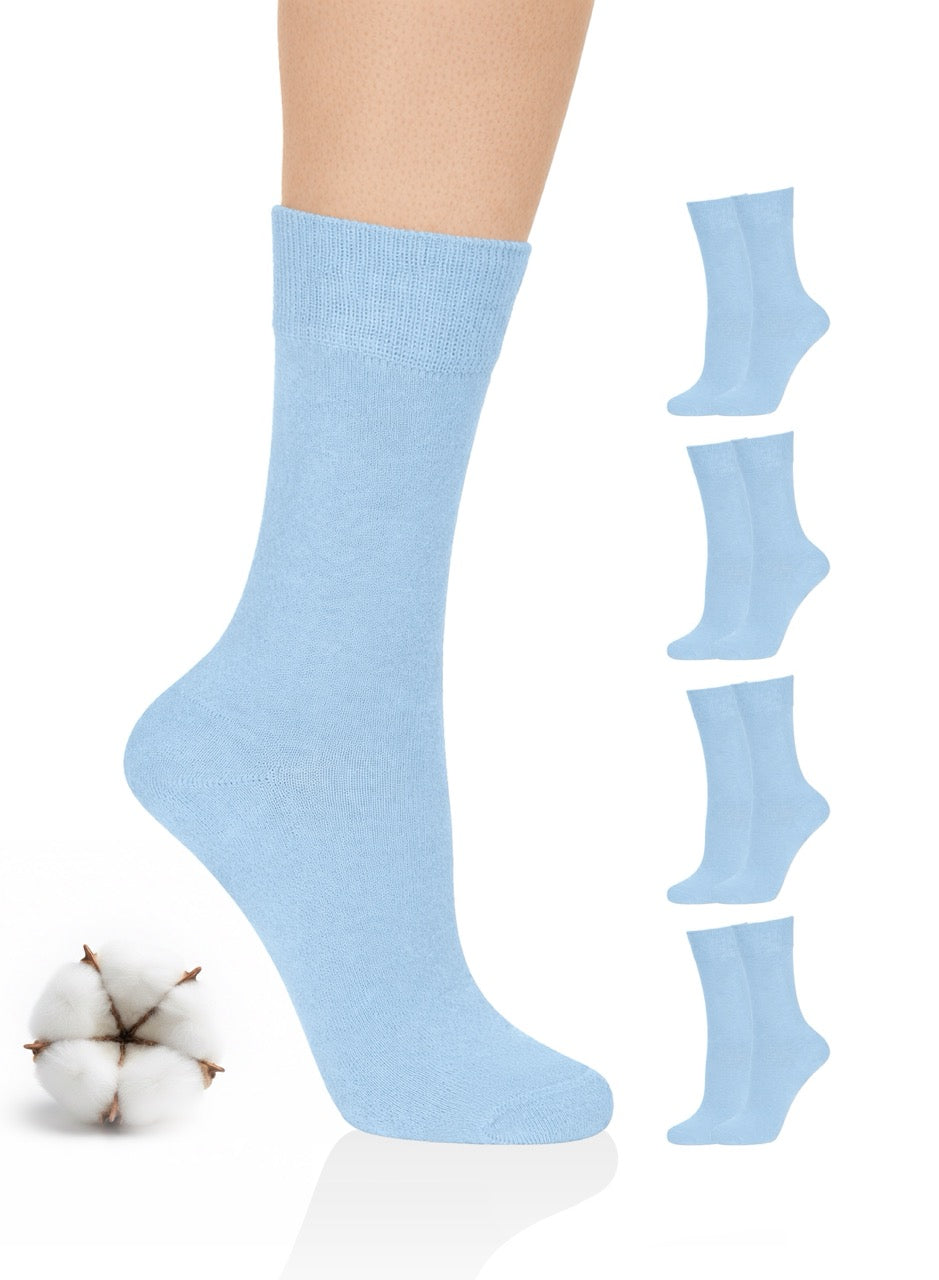
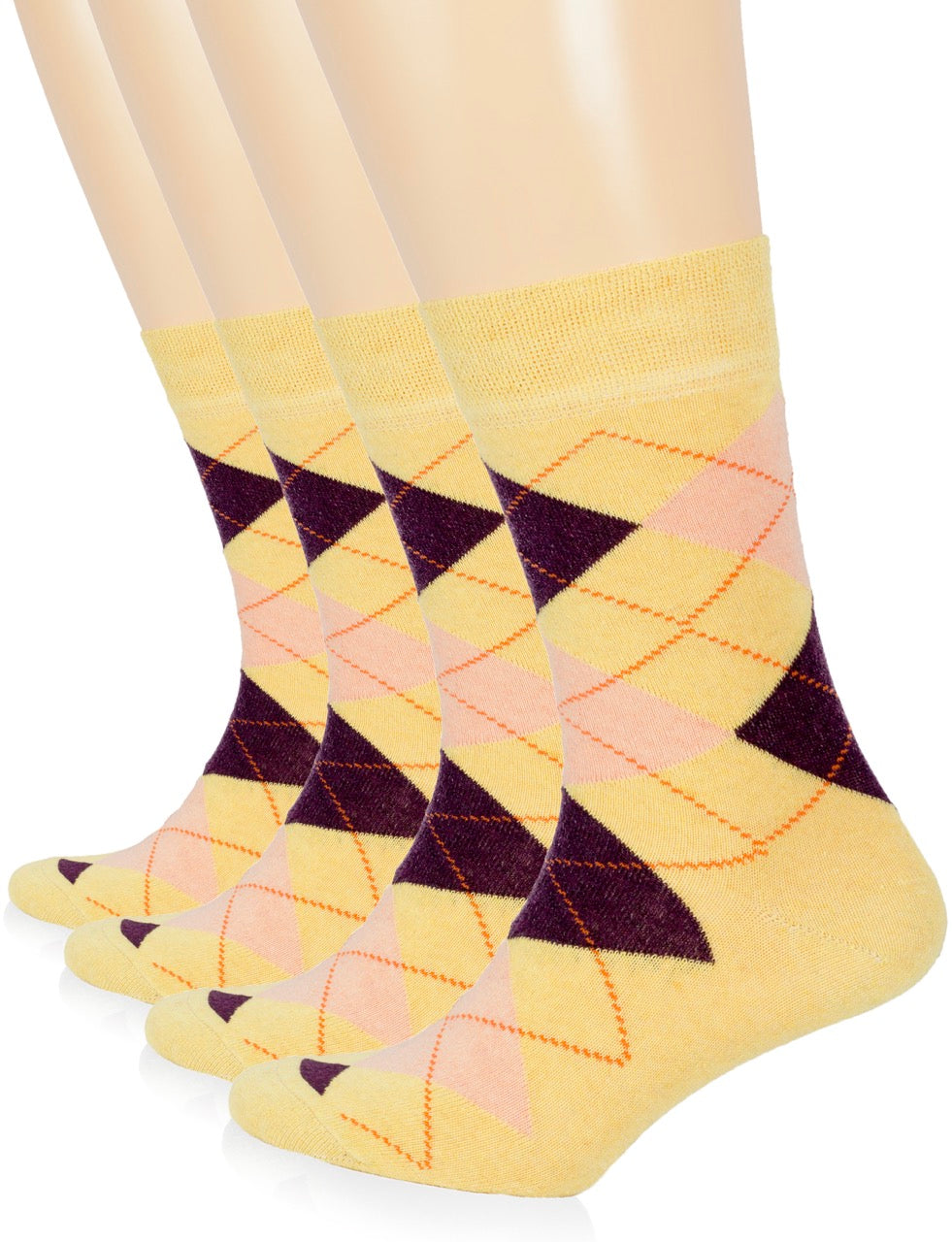
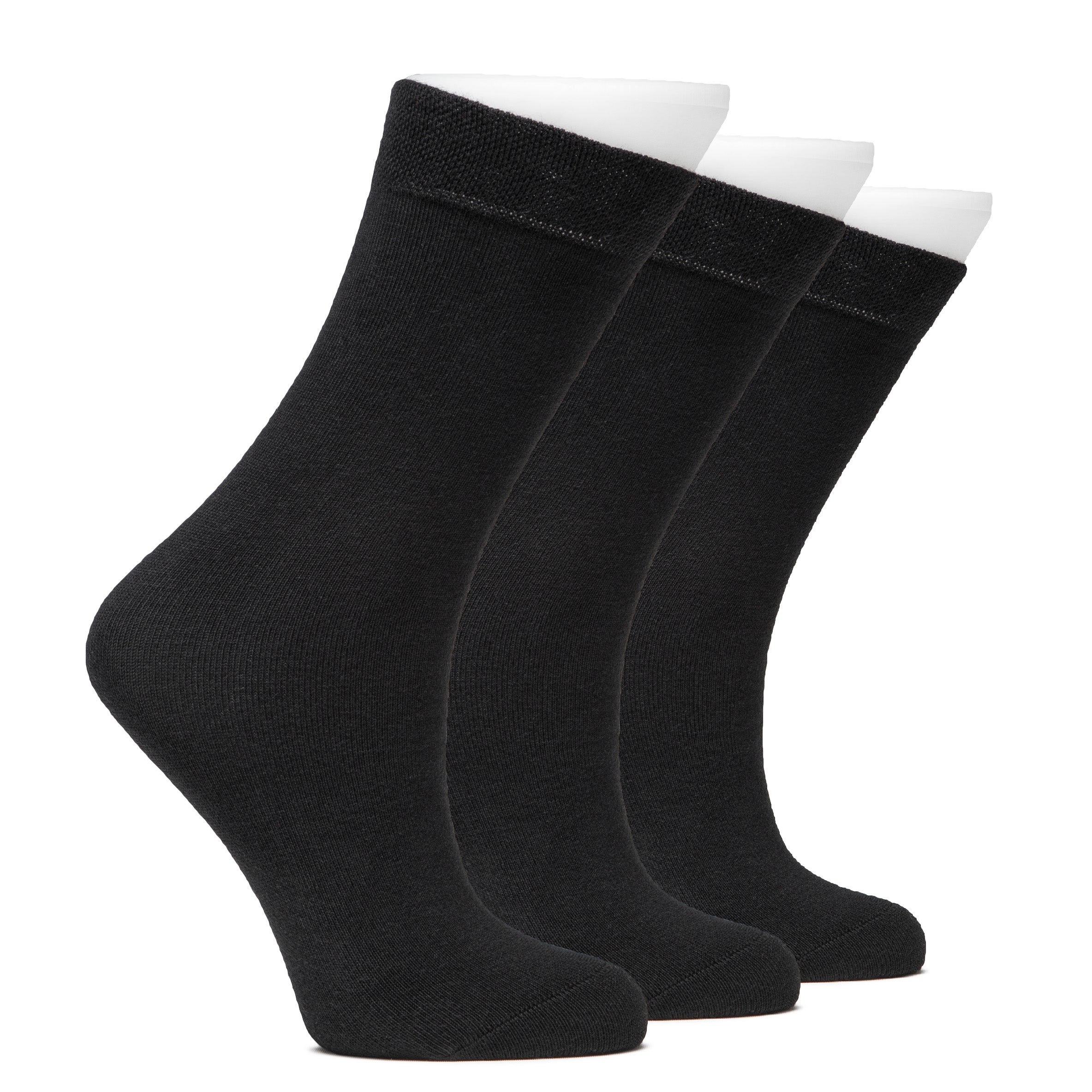
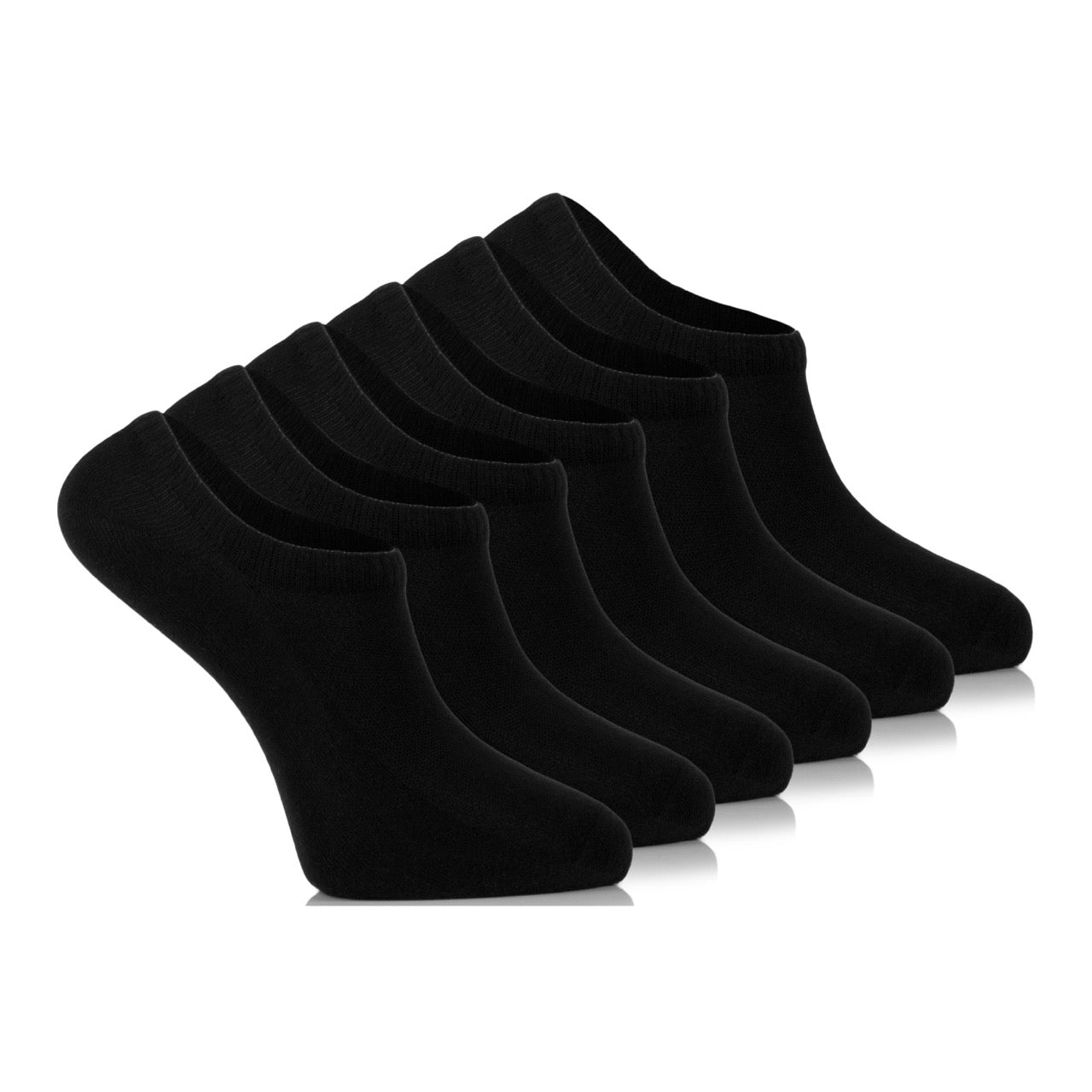
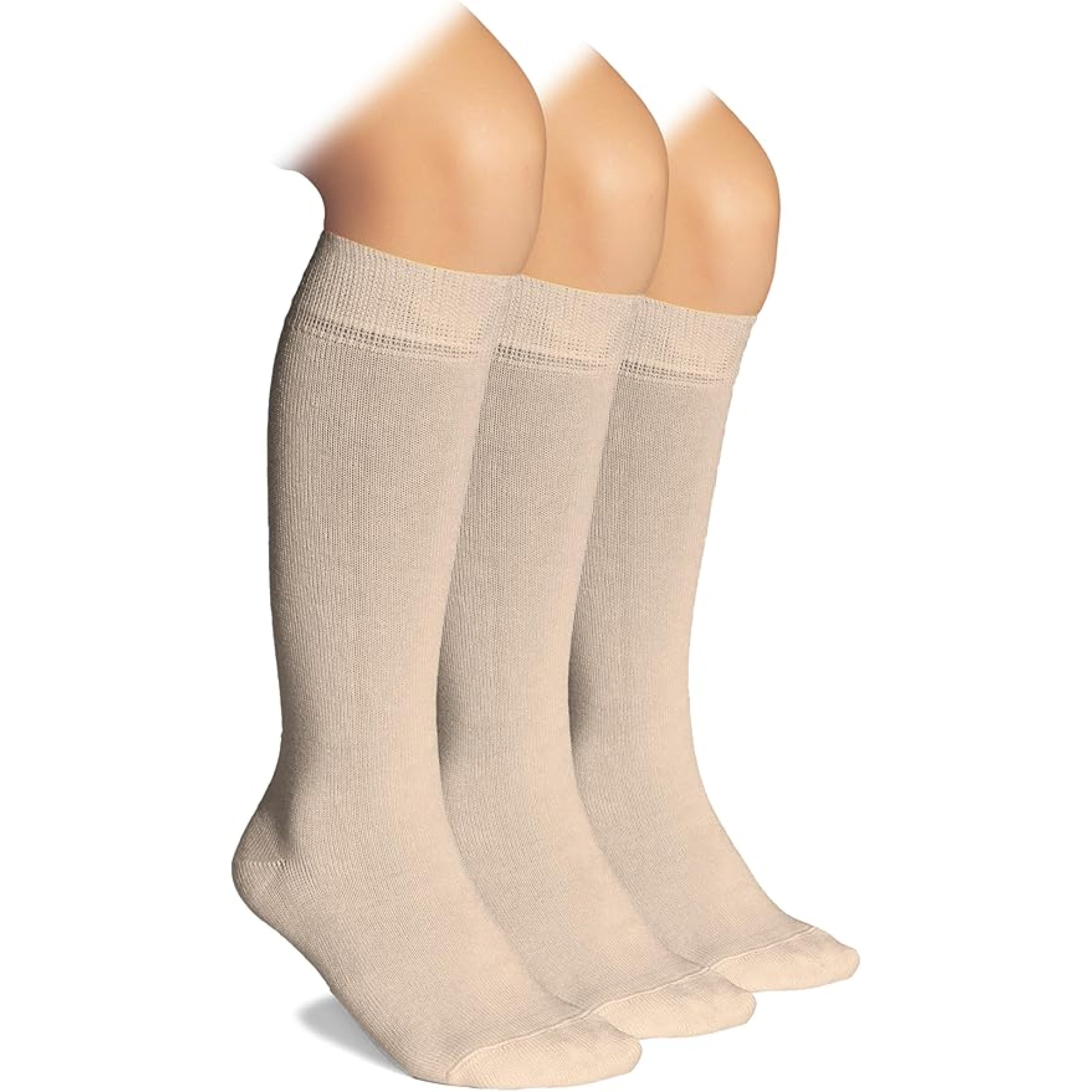


Finding comfortable men’s socks that don’t feel tight can make a significant difference in your daily comfort. Whether you’re heading to work, relaxing at home, or spending long hours on your feet, the right pair of socks helps your feet stay comfortable, supported, and dry.
Many people assume tightness is normal, but socks that feel restrictive can lead to discomfort, poor circulation, and long-term foot issues. This guide explains how to find the perfect pair of socks that offer comfort without pressure.
Comfortable socks should: Fit snugly without squeezing, allow airflow, wick moisture, and maintain elasticity without pressure. Choose soft materials like merino wool or breathable blends, and always check sizing before buying.
Socks can feel tight for several reasons. Understanding these causes helps you avoid common mistakes when choosing a pair of socks.
Not all tightness is bad, but discomfort is a clear sign that the socks are not the right fit.
Comfortable socks are designed to support your feet without restricting movement. They should feel secure but not tight.
Key features include:
The goal is to find socks that allow your feet to move naturally while still providing support.
The most important step in finding the perfect pair is choosing the correct size.
A proper fit ensures that socks stay in place without squeezing. Socks that are too small can create pressure, while oversized socks may bunch up and cause discomfort.
A well-fitting pair of socks should gently hug your foot without leaving marks on your skin.

The material of your socks plays a major role in how they feel throughout the day.
Merino wool is one of the best materials for comfortable socks. It helps regulate temperature and keeps your feet dry by managing moisture.
This means your feet stay warm in cold conditions and cool in warmer environments.
Cotton socks are soft and breathable, but pure cotton can retain moisture. Blended fabrics often provide better balance between softness and durability.
Socks designed to wick moisture help your feet stay dry, reducing discomfort and preventing irritation.
This is especially important for all-day wear or physically demanding activities.
Elasticity determines how socks stay in place without feeling tight.
Good socks stretch enough to fit comfortably but return to their shape without squeezing.
Socks with non-binding cuffs are ideal for avoiding pressure around the calf. These designs help maintain comfort without restricting circulation.
Compression socks are designed differently from regular socks. They apply pressure to improve circulation.
While they can be helpful for long hours or travel, they are not always suitable for casual wear if comfort is your main priority.
If you choose compression socks, select a mild level to avoid excessive tightness.
For daily use, choose socks that prioritize comfort and flexibility. Lightweight materials and soft construction are ideal.
If you spend long hours standing or walking, look for socks with arch support and moisture control.
For sports or outdoor activities, socks should provide durability, breathability, and a secure fit without pressure.
When you find the perfect pair of socks, you’ll notice the difference immediately.
Comfortable socks should feel almost unnoticeable once worn.
Avoiding these mistakes helps you build a sock collection that supports your daily needs.
Instead of relying on a single type of sock, consider having multiple options.
Having the right socks for different situations ensures consistent comfort.
Even the best socks can lose their comfort if not properly cared for.
Proper care helps your socks maintain their shape and softness.
Finding comfortable men’s socks that don’t feel tight comes down to fit, material, and design. The right pair of socks supports your feet, keeps them dry, and allows natural movement without pressure.
By choosing high-quality materials like merino wool, ensuring the correct size, and focusing on comfort-first design, you can improve how your feet feel every day.
The perfect pair of socks doesn’t just fit well—it makes your entire day more comfortable.
They should feel snug but not tight, with no pressure marks or discomfort.
Yes, overly tight socks can restrict circulation and cause discomfort over time.
Merino wool and breathable blends are excellent for keeping feet dry and comfortable.
Yes, if they have proper fit, moisture control, and balanced elasticity.
Replace them when they lose elasticity, feel tight, or no longer provide support.
He has been working for more than 20 years in the textile industry and has work experience in many parts of the world.