Cart
0
You may also like

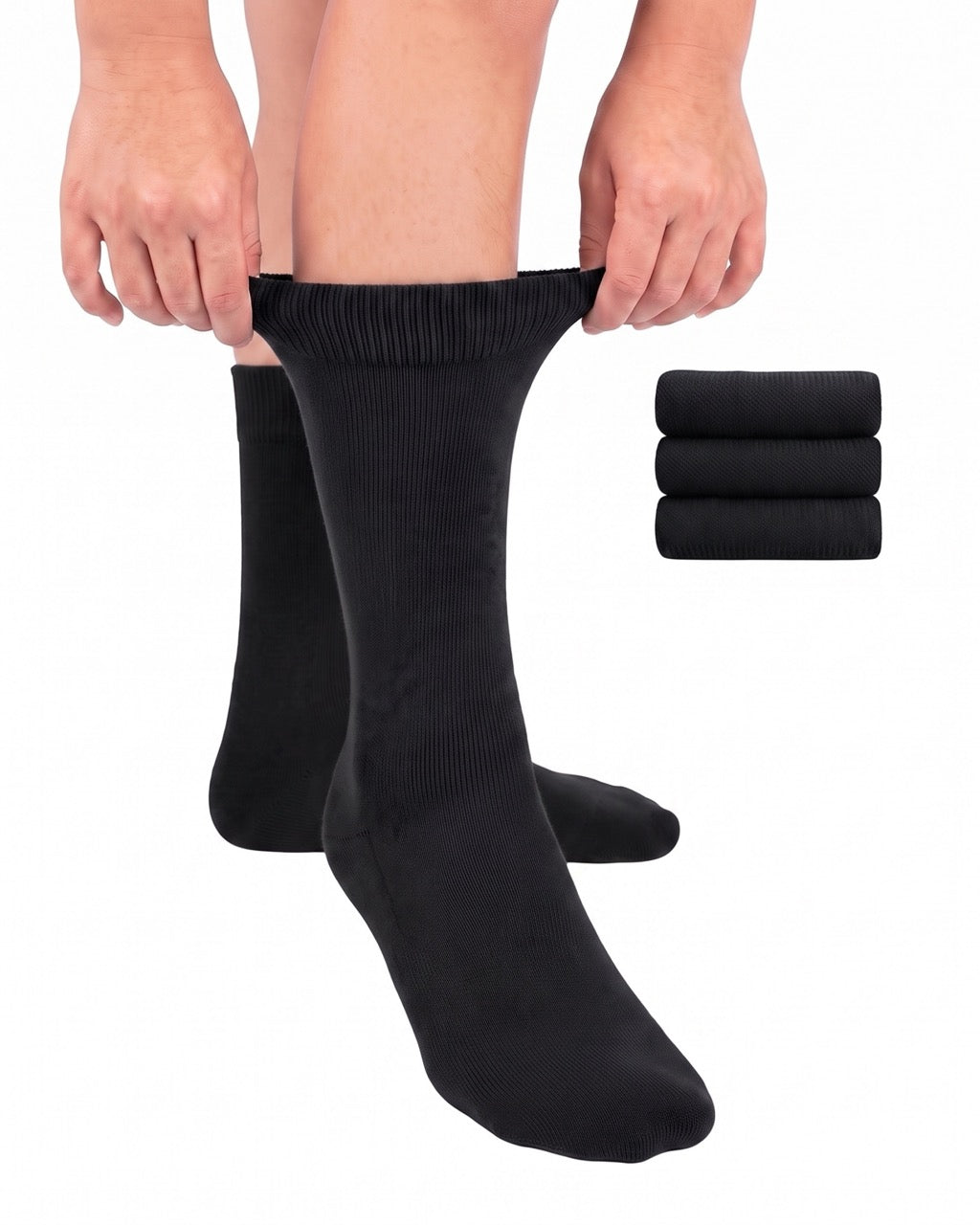
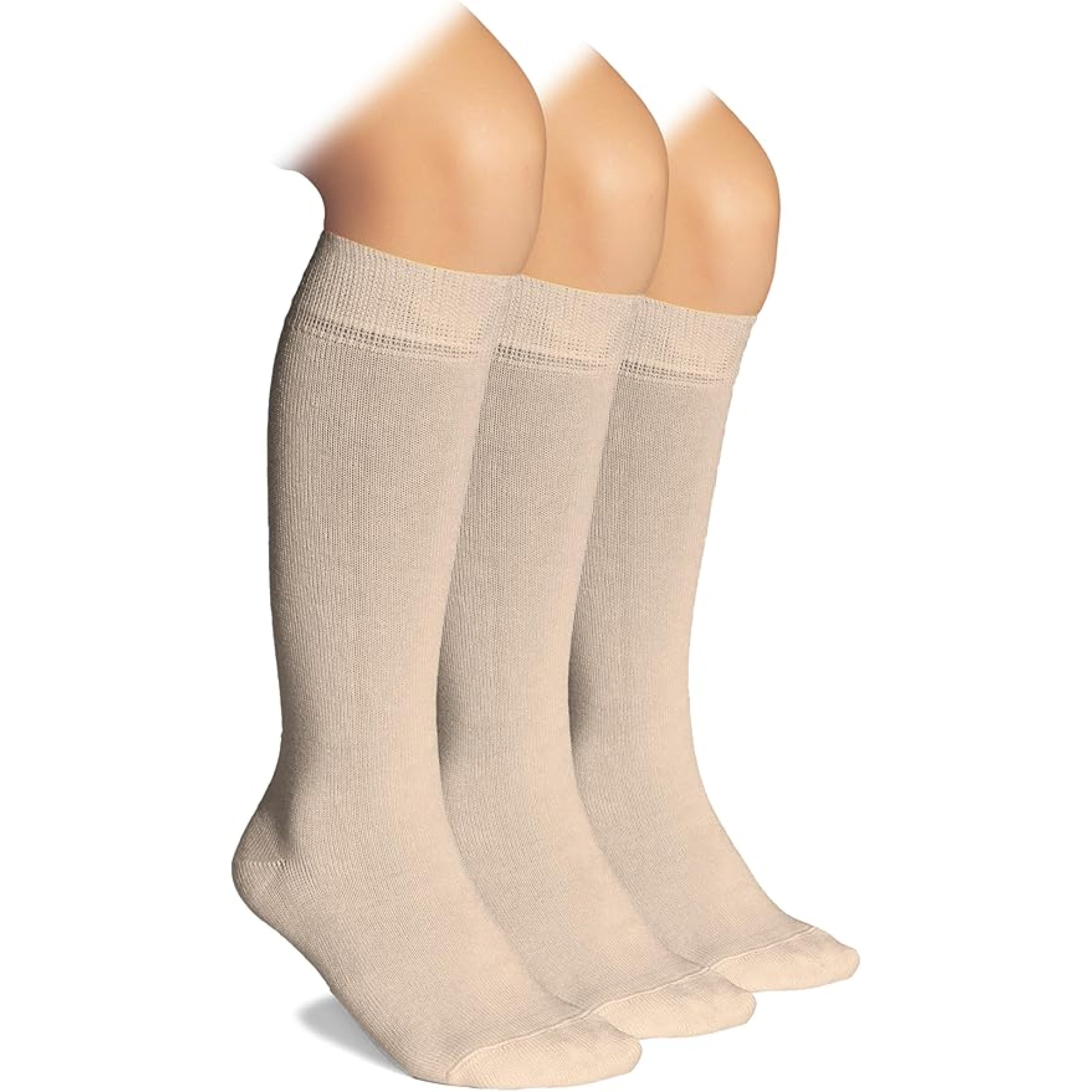


For people who spend long hours on their feet, comfort is no longer optional-it’s essential. From healthcare workers to retail staff and warehouse employees, all-day workers are increasingly turning to support socks to improve how their legs feel throughout the day.
Modern support socks, especially those with graduated compression, are designed to enhance day comfort, reduce swelling, and improve blood circulation. These benefits make them a practical solution for anyone dealing with physically demanding routines.
Standing for long periods places continuous stress on your legs and feet. Over time, this can lead to discomfort, swelling, and fatigue.
Common issues include:
Without proper support, these symptoms can worsen and even contribute to long-term problems such as varicose veins or circulation issues.
Support socks are no longer limited to medical use. Today, they are widely used by professionals seeking better comfort and performance during long shifts.
Compression socks offer targeted leg support that helps maintain energy levels and reduce discomfort. They are designed to improve blood flow and prevent the buildup of fluid in the lower legs.
For all-day workers, this means less fatigue and more consistent comfort throughout the day.

Compression socks improve comfort by supporting the body’s natural circulation system. They apply gentle pressure to the legs, encouraging blood to move upward.
This process helps:
By improving circulation, compression socks improve how your legs feel during and after long hours of work.
Graduated compression is the key feature behind effective support socks. It means the compression level is strongest at the ankle and gradually decreases up the leg.
This design supports improved blood flow and prevents blood from pooling in the lower legs.
Graduated compression is especially useful for people standing for long periods, as it helps maintain steady circulation throughout the day.
Choosing the right compression level is important for both comfort and effectiveness.
For most all-day workers, moderate compression provides the best balance between comfort and performance.
The benefits of compression socks go beyond simple comfort. They support both short-term relief and long-term leg health.
These benefits make compression socks a practical choice for anyone with demanding daily routines.
Support socks are especially helpful for workers who experience physical strain during their jobs.
They are also beneficial for people concerned about circulation issues, including risks related to deep vein thrombosis or blood clot formation.
Ignoring leg fatigue and swelling can lead to more serious issues over time. Poor circulation may increase the risk of conditions such as varicose veins or venous insufficiency.
Compression socks help reduce these risks by improving blood flow and supporting healthy circulation.
For individuals who spend long hours on their feet, wearing compression socks is a proactive way to protect leg health.
Comfortable support socks are made with materials that allow airflow and help manage moisture. This keeps feet dry and prevents irritation.
A good pair of compression socks should feel snug but not restrictive. Proper fit ensures effective compression without discomfort.
High-quality socks maintain their compression level over time. Durable materials ensure consistent performance even with daily use.
Modern support socks are designed for day comfort. They can be worn throughout a full shift without causing discomfort or pressure points.
To get the most benefit, wear compression socks during periods when your legs are under the most strain.
Wearing them consistently helps maintain improved blood flow and reduce fatigue.
To ensure maximum comfort and effectiveness, avoid these common mistakes:
Proper selection and care are essential for long-term performance.
All-day workers are choosing more comfortable support socks because they provide real, noticeable benefits. From reducing swelling to improving circulation, these socks help your legs feel better and perform better.
Compression socks offer a simple yet effective solution for managing the physical demands of long workdays. With the right compression level and fit, they can transform your daily comfort and support long-term leg health.
For anyone standing or working for extended hours, investing in quality support socks is a practical step toward better comfort and overall well-being.
Support socks help reduce swelling, improve circulation, and minimize muscle fatigue during long work hours.
Moderate compression (15-20 mmHg) is ideal for most people working long hours.
They help support blood flow and reduce pressure on veins, which may lower the risk over time.
Yes. Compression socks designed for daily use are safe when properly fitted.
You can wear them throughout your workday, typically up to 8–12 hours, depending on comfort.
He has been working for more than 20 years in the textile industry and has work experience in many parts of the world.