Cart
0
You may also like
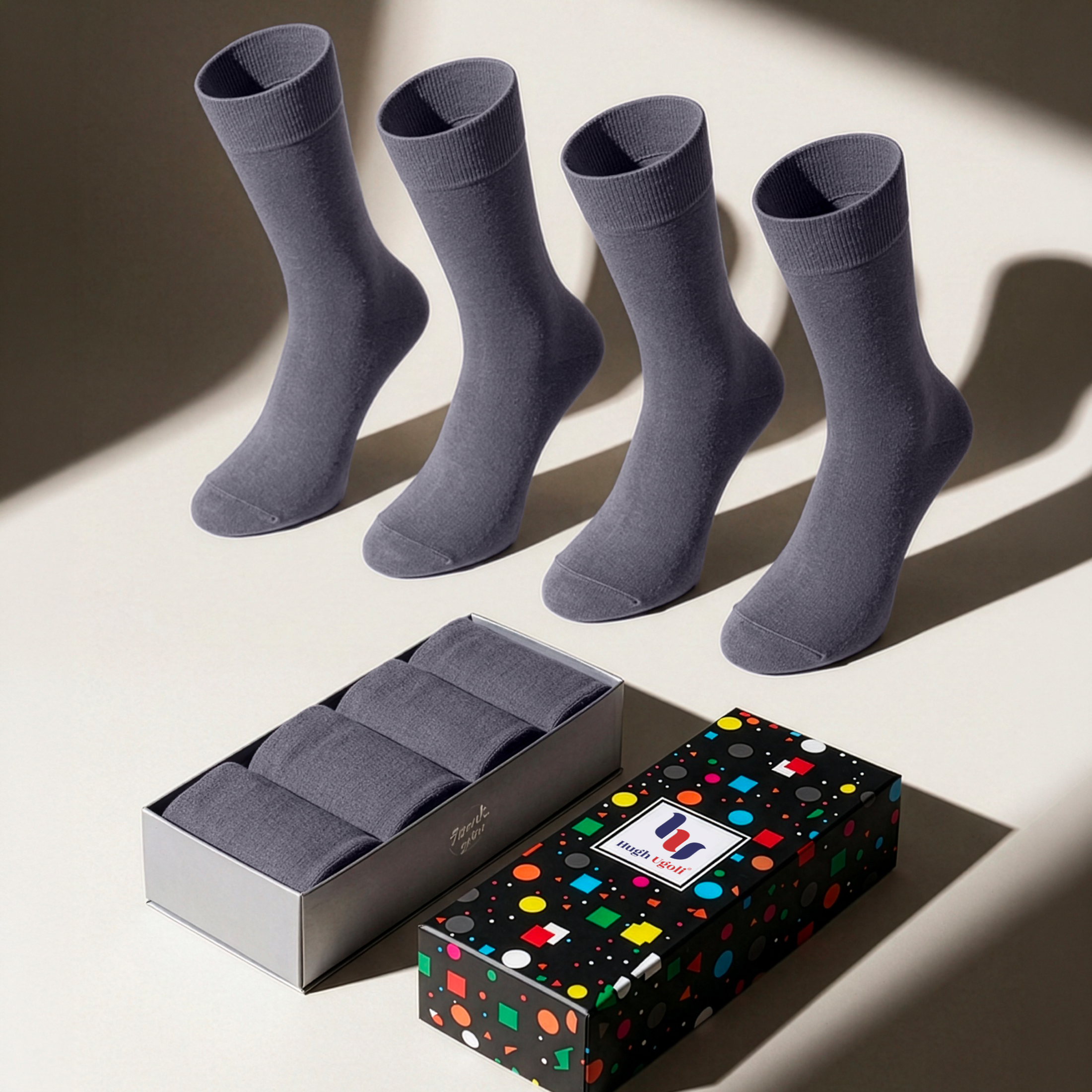
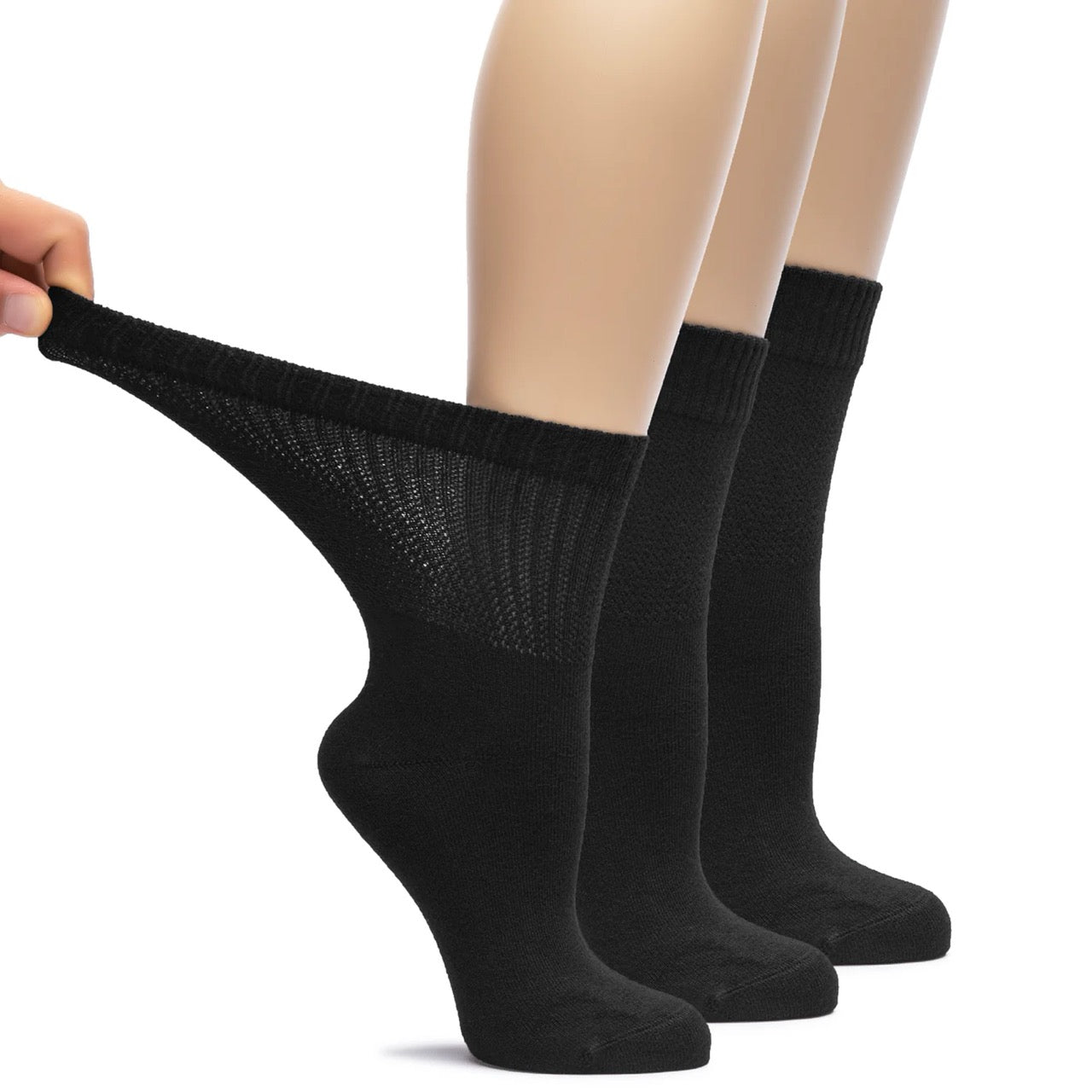
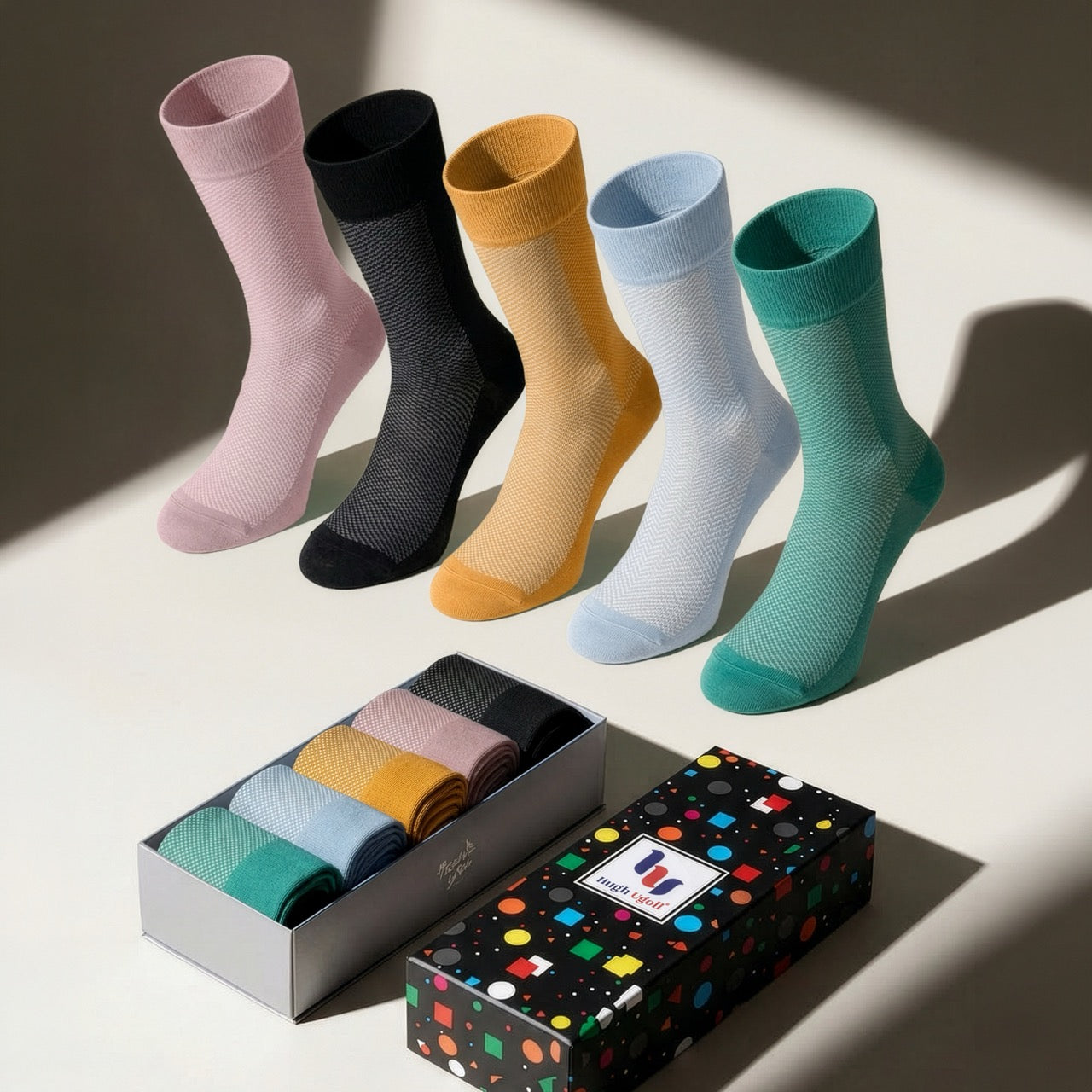
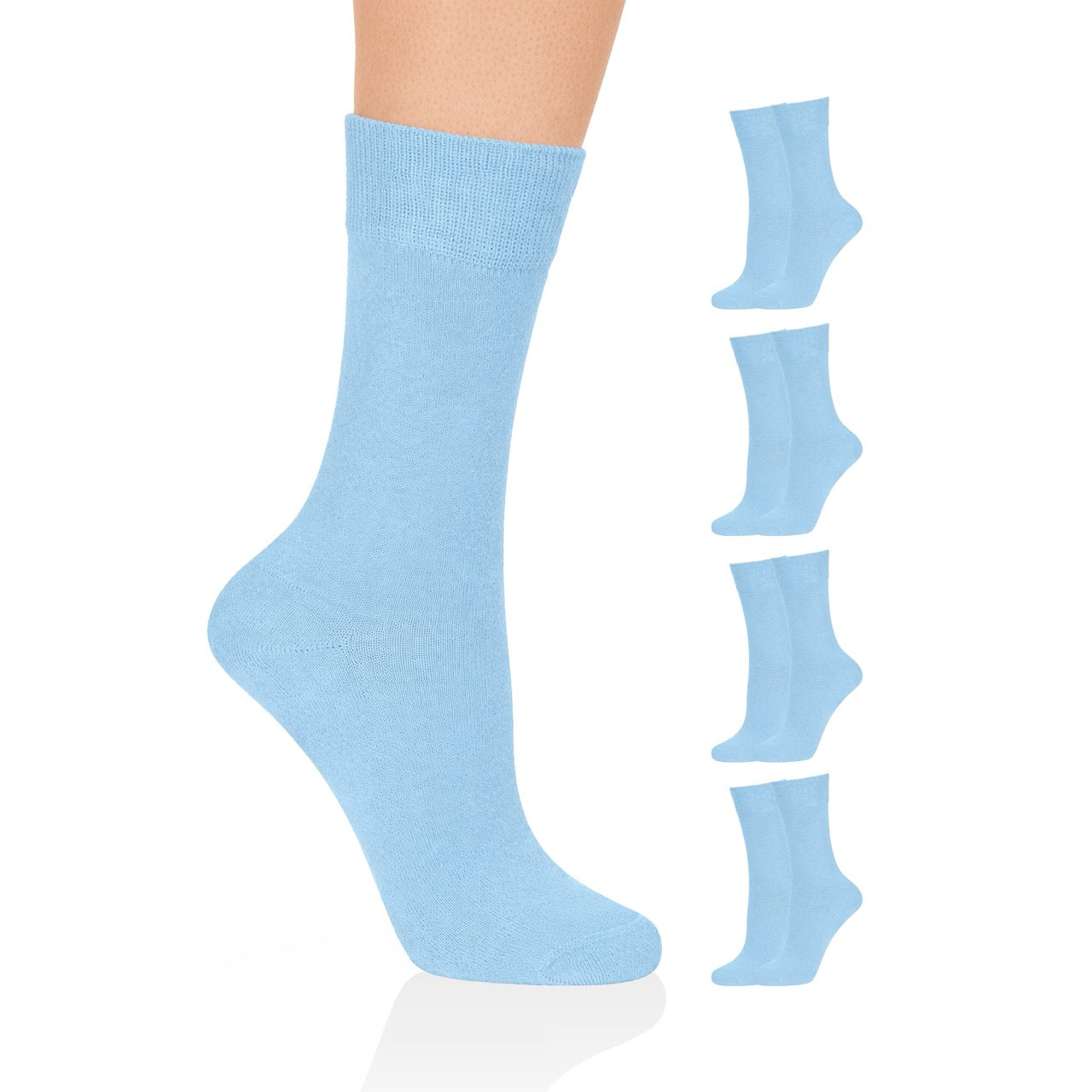
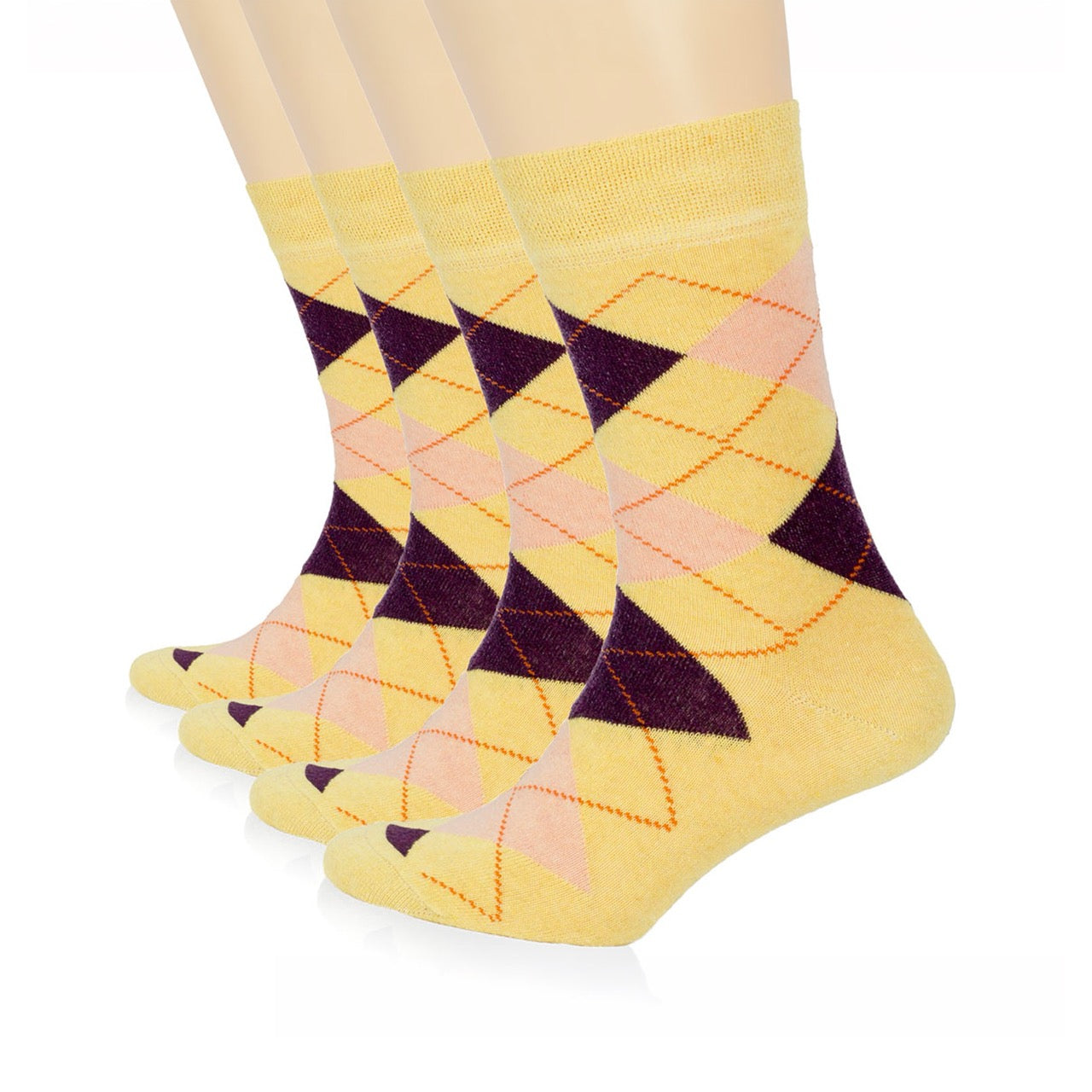
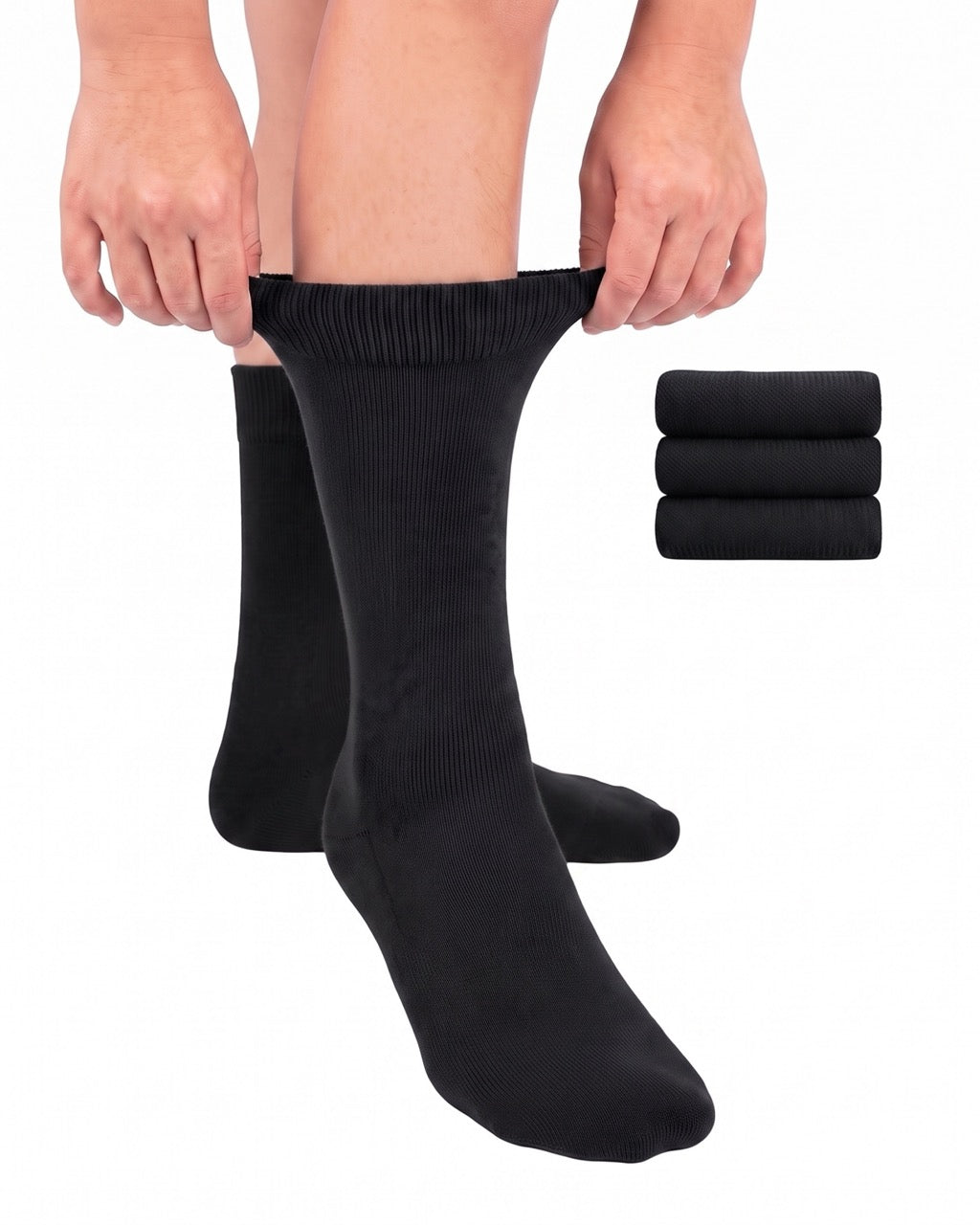
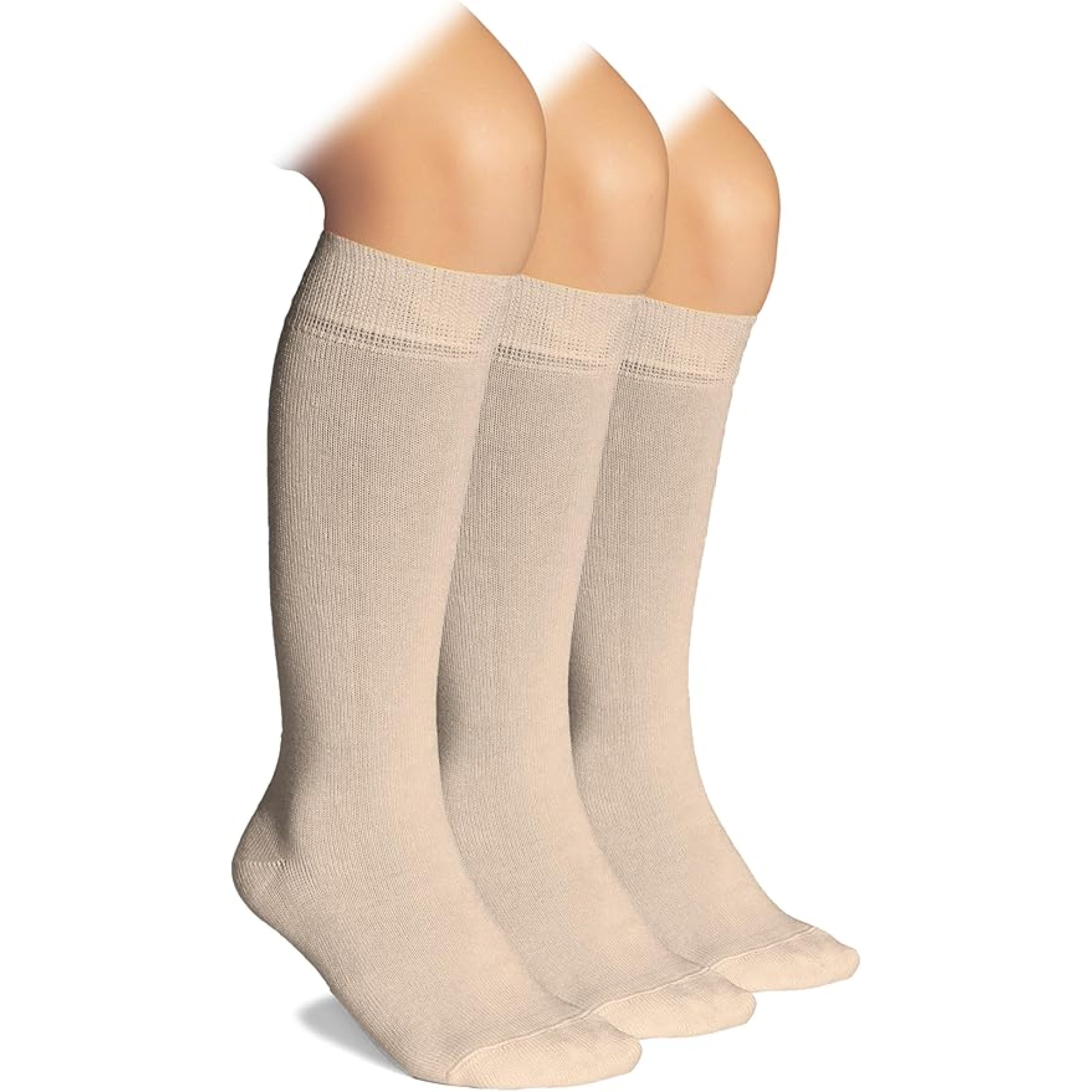


It's a surprisingly common question: should you sleep with socks on or off? Some people cannot imagine going to bed without socks, while others find the idea uncomfortable. The answer depends on personal preference, room temperature, circulation, and the type of socks you wear.
Research suggests that for many people, wearing the right socks to bed may actually help them fall asleep faster and improve overall sleep comfort. However, not all socks are suitable for overnight wear.
For many people, wearing socks to bed can help regulate core body temperature, keep feet warm, and support relaxation before sleep. The best results usually come from lightweight, breathable socks made from natural materials rather than tight or restrictive socks.
Many people struggle with cold feet at bedtime.
When your feet feel cold, your body often has a harder time relaxing and preparing for sleep.
Warming the feet encourages blood vessels near the skin to expand, which helps the body release heat more efficiently.
This process can help signal that it is time to sleep.
One of the most important factors in sleep is core body temperature.
As bedtime approaches, the body's internal temperature naturally begins to decrease.
Warm feet can actually help this process by encouraging heat distribution through the body.
This is one reason some studies suggest people may fall asleep faster when their feet are comfortably warm.
For many individuals, yes.
Warm feet often help the body relax more quickly before sleep.
By improving temperature regulation and helping maintain comfortable circulation, socks may help some people:
Some research even suggests certain individuals may sleep faster and stay asleep more consistently when their feet remain comfortably warm.
Sleep interruptions often occur when people become too hot or too cold during the night.
For those who frequently experience cold feet, comfortable socks may help them:
Comfort plays an important role in sleep quality.

Not everyone benefits from wearing socks overnight.
Some individuals naturally sleep warm and may find socks uncomfortable.
In these situations, socks can contribute to overheating and discomfort.
Personal preference always matters.
The kind of socks you wear to bed makes a significant difference.
Good sleep socks should be:
Tight socks are generally not ideal for overnight wear.
Many sleep experts recommend socks made of natural fibers.
Socks made of natural materials often provide better temperature regulation than heavy synthetic alternatives.
These materials help maintain comfort without causing overheating.
Merino wool is particularly popular because it naturally regulates temperature.
Unlike traditional wool, modern merino fibers are soft and lightweight.
This helps keep feet warm without becoming excessively hot.
If you choose to sleep in socks, always wear a clean pair.
Fresh socks help:
Sleeping in socks worn throughout the day is generally not recommended.
Some socks can trap moisture, especially if they are made from low-quality materials.
Moisture buildup may lead to:
This is why breathable materials are important for sleep.
Compression socks are designed for circulation support and daytime wear.
Unless specifically recommended by a healthcare provider, most people do not need to sleep in compression socks.
For bedtime comfort, soft non-binding socks are usually a better choice.
Comfortable socks may help support relaxation by helping maintain warmth in the feet.
Warm feet encourage blood vessels near the skin to open slightly, which may assist with blood circulating more efficiently near the surface.
This contributes to the feeling of warmth and relaxation before sleep.
Some individuals experiencing hot flashes may wonder whether socks help or worsen symptoms.
The answer varies.
For some people, maintaining a stable temperature improves comfort. Others may prefer lighter bedding and no socks.
Experimenting with different sleep setups can help identify what works best.
While socks may improve comfort, they are only one piece of healthy sleep habits.
Strong good sleep hygiene practices include:
Socks can support sleep, but they are not a substitute for overall sleep hygiene.
Every sleeper is unique.
Some people sleep best with warm feet and soft socks, while others prefer sleeping barefoot.
Factors that influence this include:
For many individuals, wearing socks to bed can improve comfort, help regulate core body temperature, and make it easier to fall asleep faster. Breathable materials such as merino wool and other natural fibers often provide the best balance of warmth and airflow.
Ultimately, the decision comes down to personal comfort. If warm feet help you relax and sleep better, a clean pair of lightweight socks may be a simple addition to your nighttime routine.
For most people, sleeping with comfortable, breathable socks is perfectly safe and may improve sleep comfort.
Yes. Warm feet may help support the body's natural temperature regulation process before sleep.
Soft, breathable socks made from natural materials such as merino wool, bamboo, or lightweight cotton blends are often ideal.
Most people do not need compression socks overnight unless specifically advised by a healthcare professional.
Yes. Thick or poorly breathable socks may cause overheating for some individuals, especially in warm sleep environments.
He has been working for more than 20 years in the textile industry and has work experience in many parts of the world.