Cart
0
You may also like
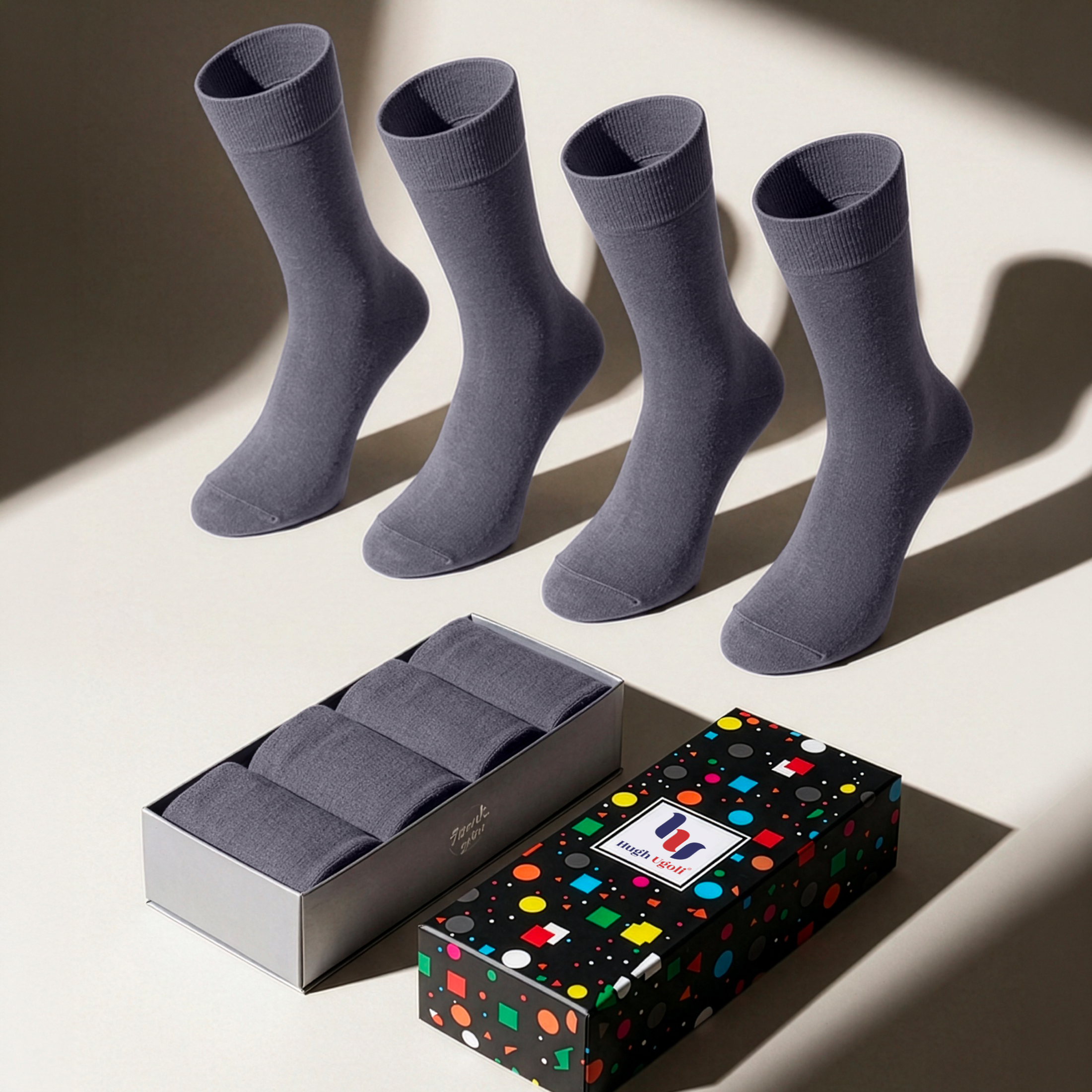
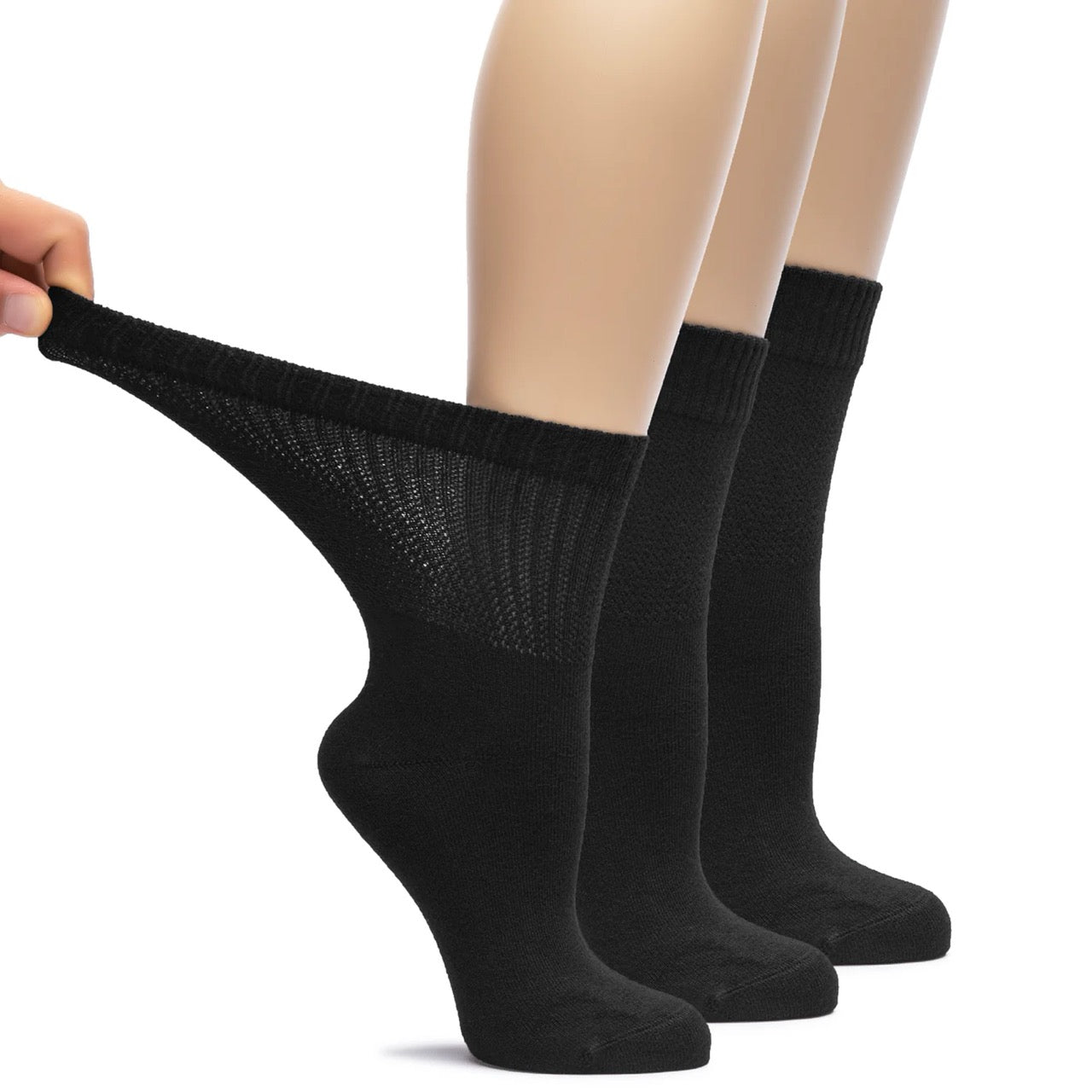
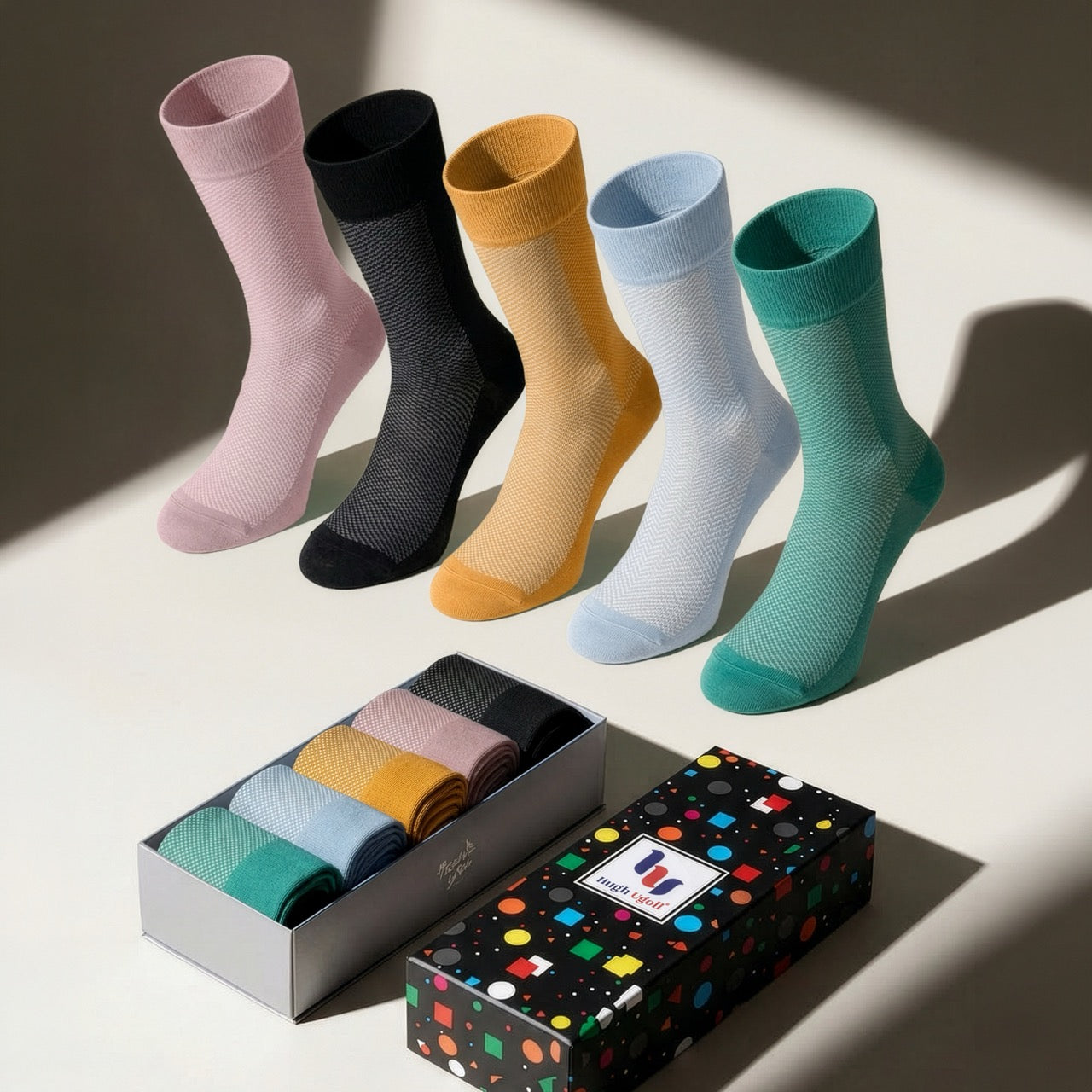
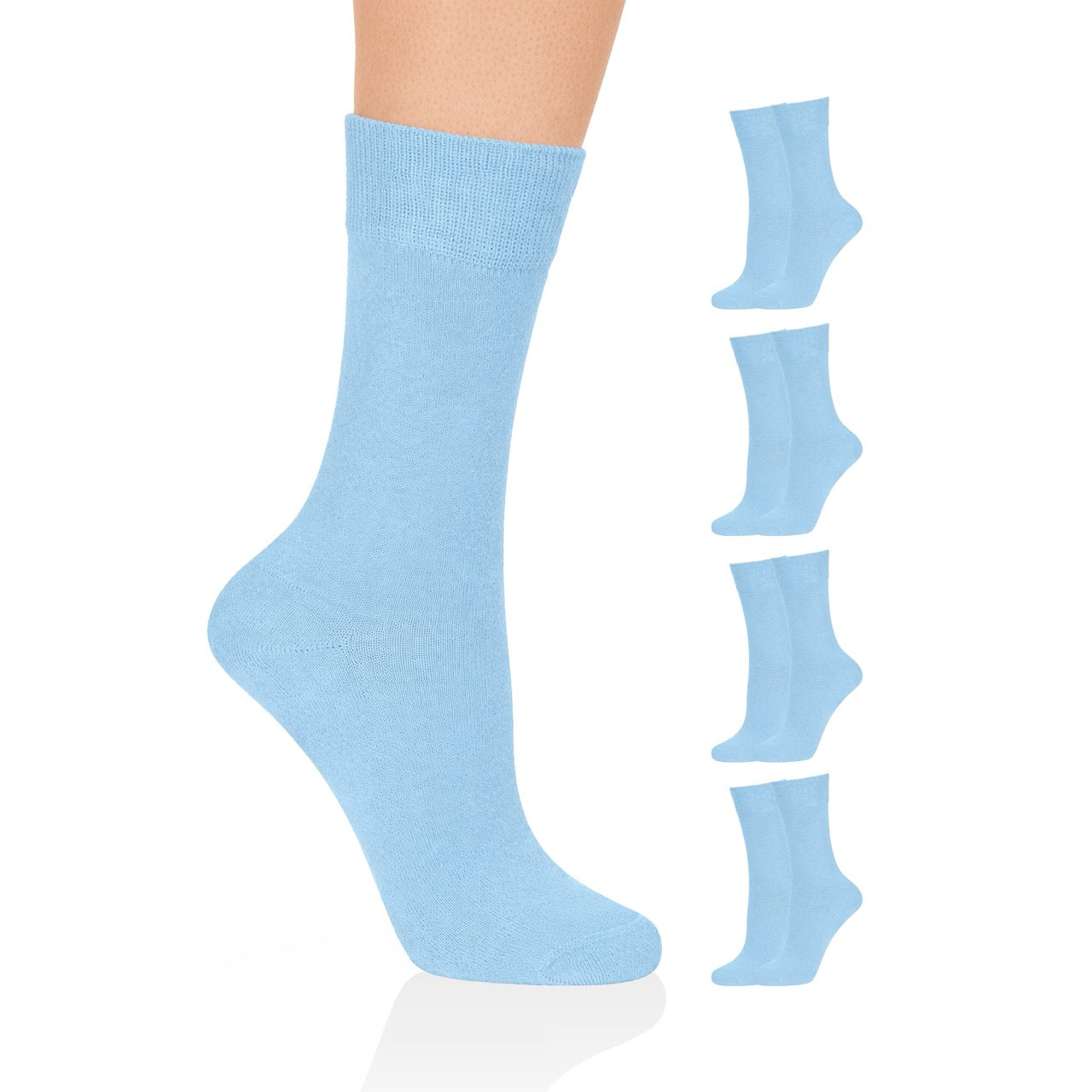
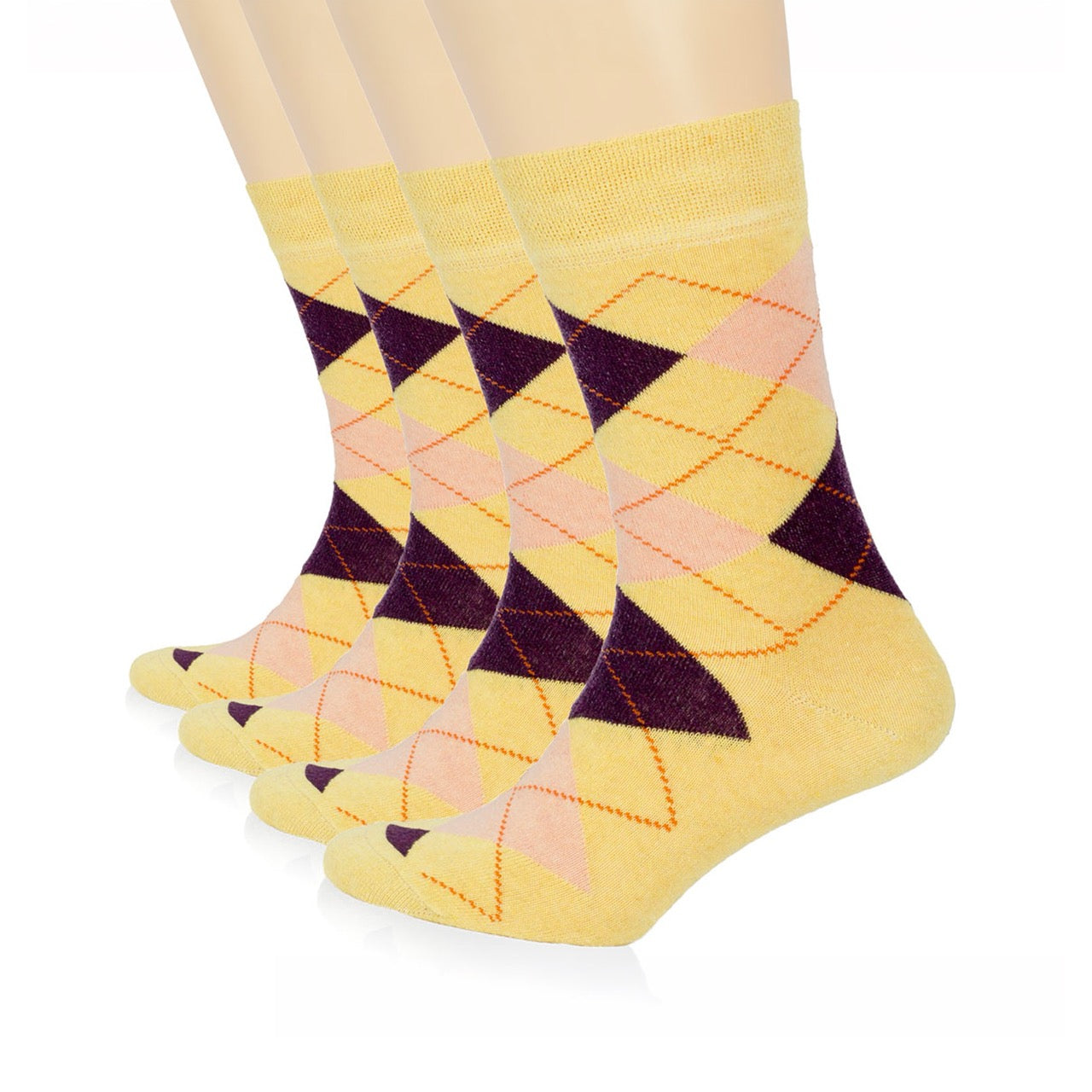
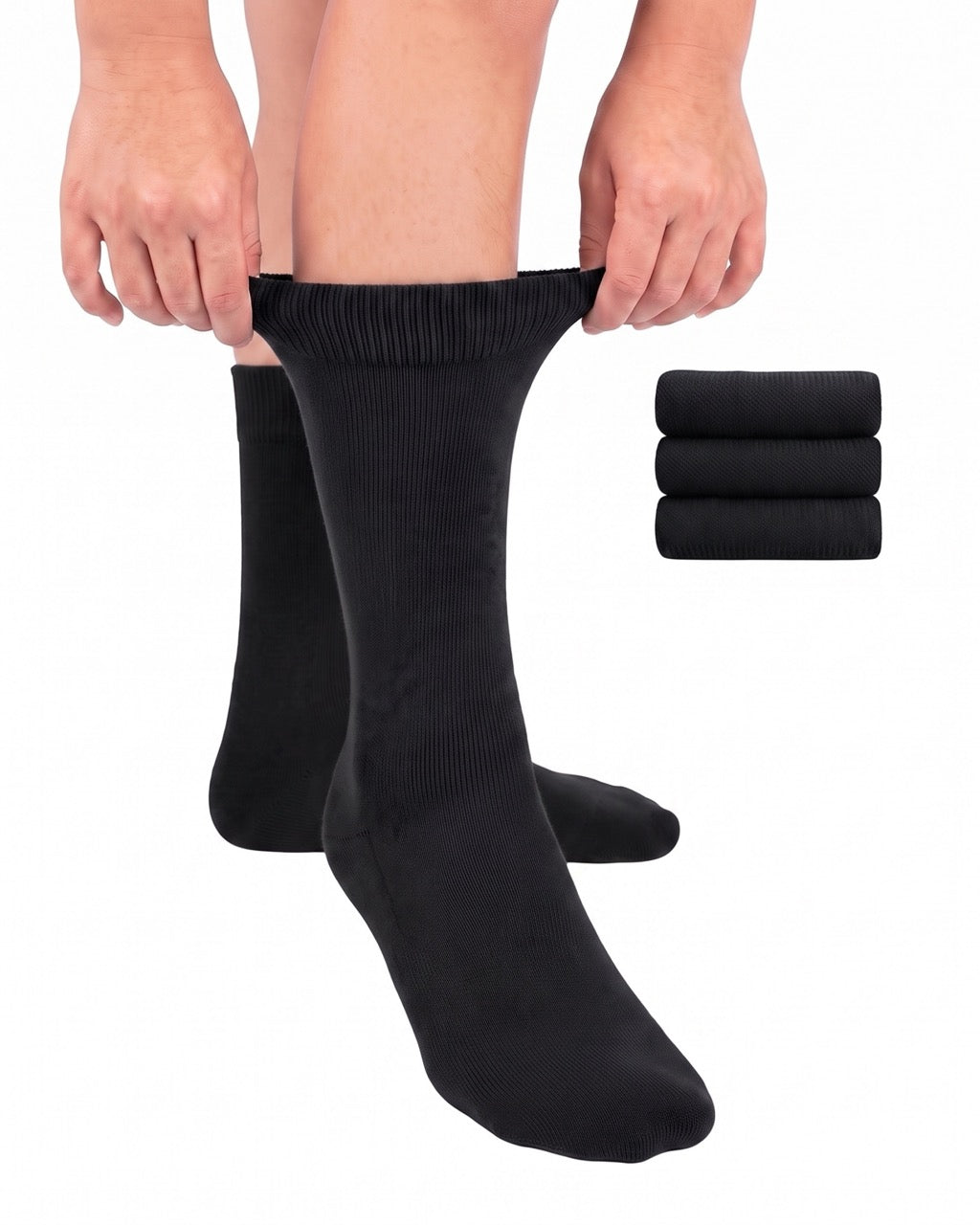
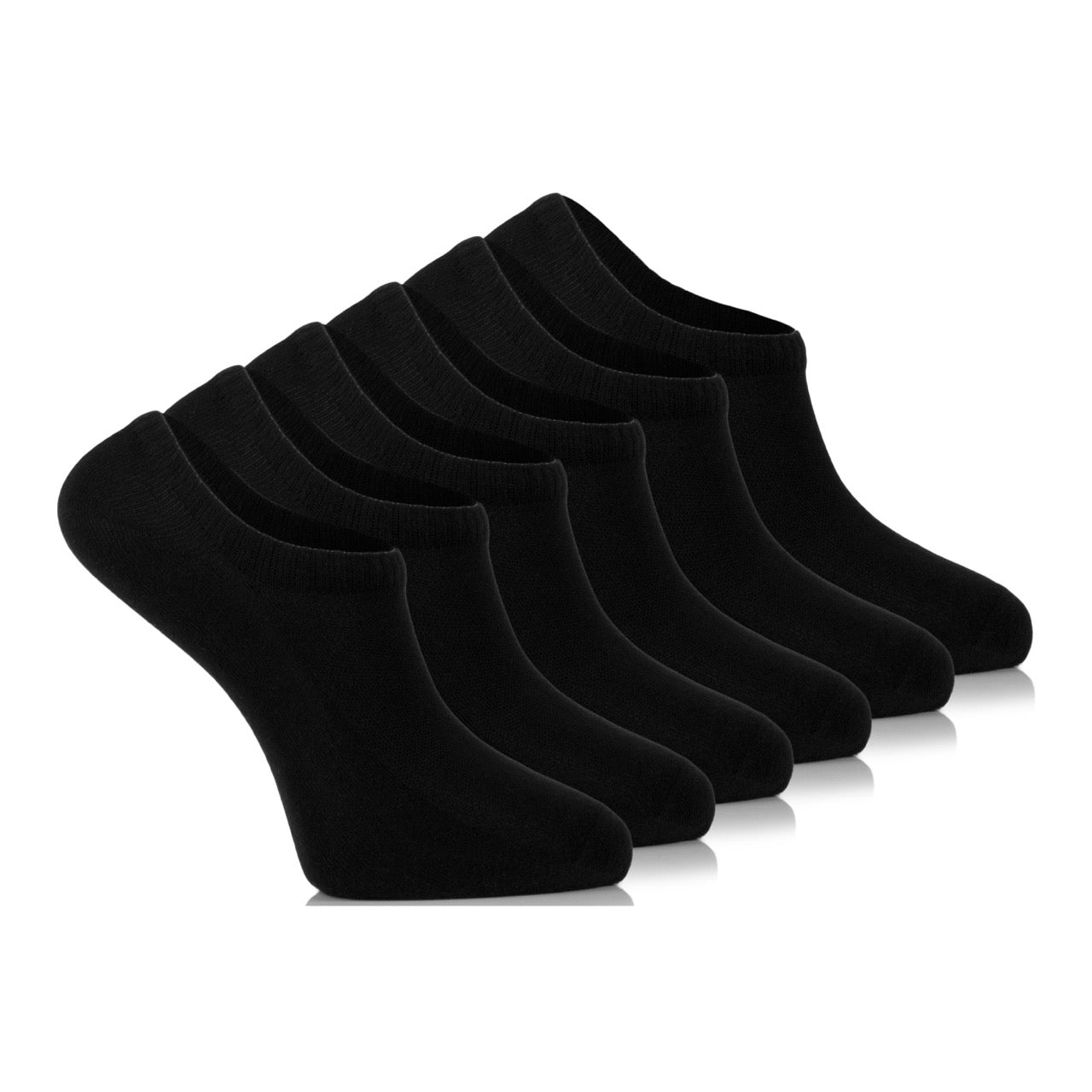
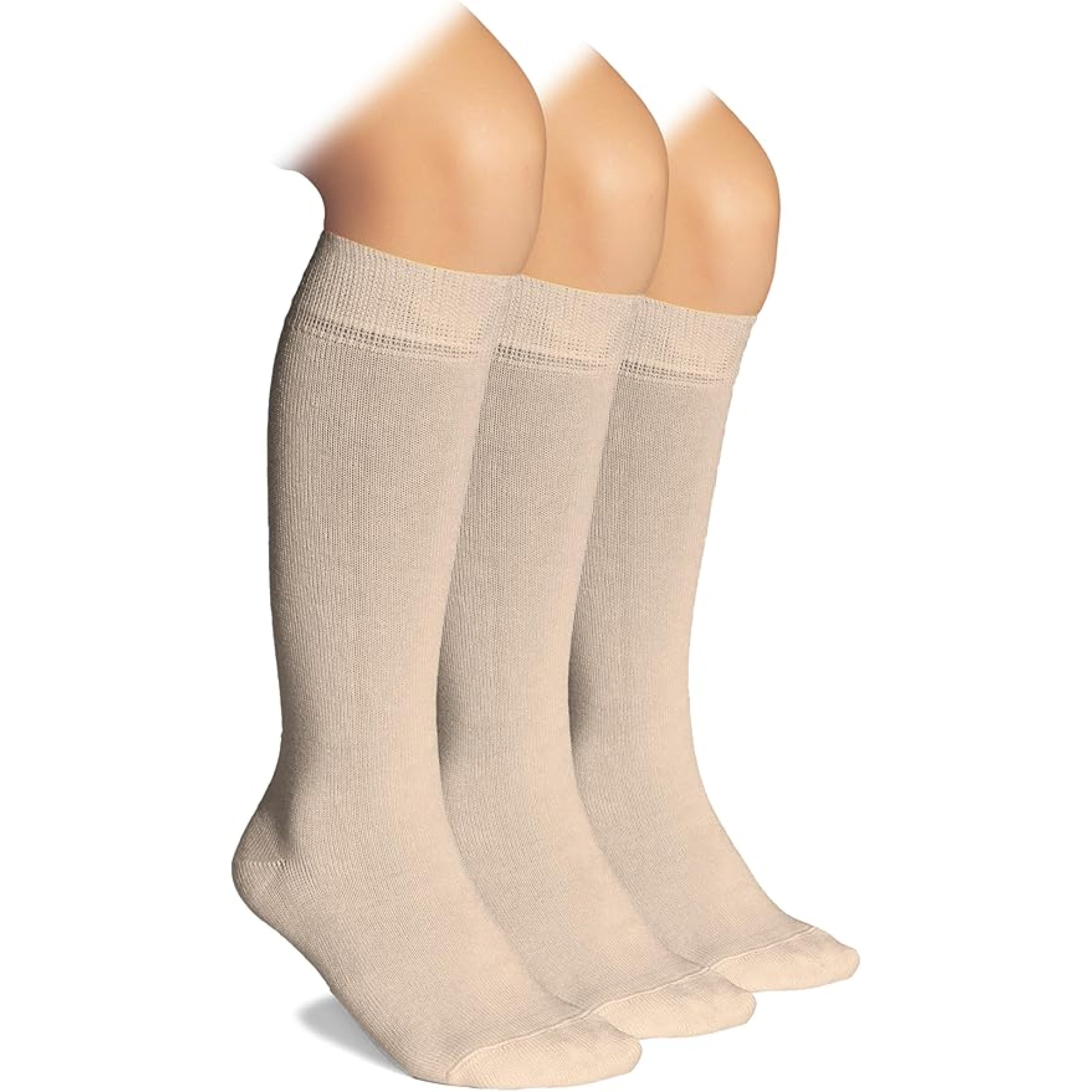


If your skin reacts easily, the sock itself is often the first variable worth changing. Soft, breathable fibres such as organic cotton, bamboo viscose and fine merino wool sit more gently against the skin and move moisture away from it, which matters because damp skin chafes more readily. Fit counts just as much: socks that bunch or slip create friction, while cuffs that dig in add pressure. Pair the right sock with a fragrance-free detergent, clean dry feet and a fresh pair each day, and most everyday irritation settles down.
Key Takeaways
Finding the right sock can be a game-changer for people with sensitive or itchy skin. Whether it’s a mild dryness, a persistent rash, or a full-blown reaction, your feet deserve the same care you’d give any other part of your body. From 100% organic cotton to mindful hygiene habits, the tips below will help you reduce irritation and keep your feet comfortable day after day.
Your socks are in constant contact with one of the most sensitive and heavily used parts of your body—your feet. If the fabric or weave causes friction, it can easily aggravate dry skin, leading to further itchiness. Opting for gentler, more breathable materials is key to preventing discomfort.
Moisture trapped against the skin often leads to microbial buildup, which can worsen itchiness and even trigger infections. Some socks feature moisture-wicking abilities to combat sweat and reduce irritation, while others might exacerbate it if they hold onto moisture.
If you suffer from chronic sensitivities, the right socks can be a proactive measure against persistent itching. By choosing specific fabrics and maintaining good foot hygiene, you can sidestep minor skin issues before they escalate.
For many, 100% cotton socks—particularly 100% organic cotton—provide the gentle touch needed to avoid flare-ups. Cotton is breathable and less likely to cause allergic reactions, making it an excellent pick for people with sensitive skin. Organic options go a step further by omitting pesticides or harsh chemicals during cultivation.
Bamboo is another popular choice because it offers a silky-smooth texture and natural antibacterial properties. By helping regulate temperature and wick away moisture, bamboo socks can prevent the sweat buildup that causes itchy skin or rashes.
Although “wool” might sound rough, Merino wool stands out for its ultra-fine fibers. It’s both insulating and moisture-wicking, making it surprisingly gentle on sensitive feet. However, if you have severe allergies, always test a small swatch or a single sock before committing to a full set.

Before wearing any socks, make time to wash your feet thoroughly using mild soap and lukewarm water. Gentle cleansing removes sweat, dead skin cells, and potential irritants. Dry your feet well, especially between the toes, to discourage bacterial or fungal growth that can worsen itchiness.
Ill-fitting socks that bunch or slip can rub against itchy skin, creating friction and exacerbating irritation. Look for sizes that conform snugly to your foot shape without feeling tight. Elastic cuffs should be secure but not overly constricting—particularly important if you have circulation issues.
The detergent you use can leave residues that irritate sensitive skin. Opt for fragrance-free, hypoallergenic formulas designed to reduce irritation. A double rinse cycle can also help remove any lingering chemicals.
Even the best socks can’t handle constant wear without break time. Let them air out between uses to minimize odor and microbial buildup. Consider rotating your pairs and avoid wearing the same socks two days in a row.
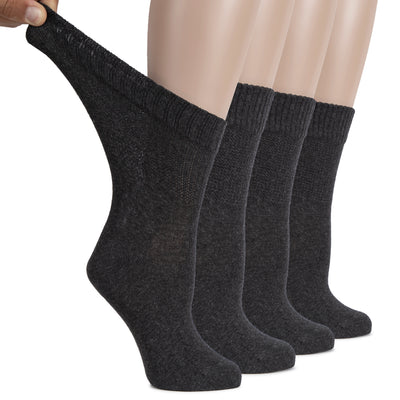
If you’re on the hunt for gentle sock solutions, Women’s Cotton Diabetic Crew Thin Socks – Hugh Ugoli Socks stand out as a strong contender for anyone grappling with sensitive skin. Key features include:
Soft Cotton Blend: Helps reduce irritation while promoting breathability.
Seamless Toe Construction: Minimizes friction points that can inflame itchy or dry skin.
Non-Binding Top: Enhances comfort and circulation, crucial for those prone to skin issues or swelling.
These socks are an excellent choice for day-long wear, whether at home or on the go.
Hydrate Your Skin: Regularly apply a foot cream or lotion formulated for sensitive skin. This extra moisture barrier helps stave off dryness and itchiness.
Clip Toenails Carefully: Trimming your nails straight across lowers the chance of ingrown nails, which can become infected or add to skin irritation.
Keep Shoes Clean: Bacteria or fungi can linger in sweaty shoes. Air out footwear and consider using antibacterial sprays to keep things fresh.
Monitor Skin Changes: If you notice persistent redness, peeling, or worsening symptoms, consult a healthcare provider. Sometimes foot issues need more specific treatments.
Dealing with itchy skin or sensitive skin doesn’t mean you have to settle for uncomfortable socks. By exploring 100% organic cotton, bamboo, or other gentle fabrics, you can find a pair that keeps your feet happy all day long. Combine these materials with thoughtful laundry choices, proper foot hygiene, and a well-fitting design to create a truly irritation-free experience.
For more insights into foot care and how the right socks can enhance overall foot health, be sure to check out our blog post on “Stay Fresh in Warmer Months: Socks That Reduce Sweating and Prevent Odor”. With the right steps and proper foot care, you can finally keep itchiness at bay and walk through your day in comfort and confidence.
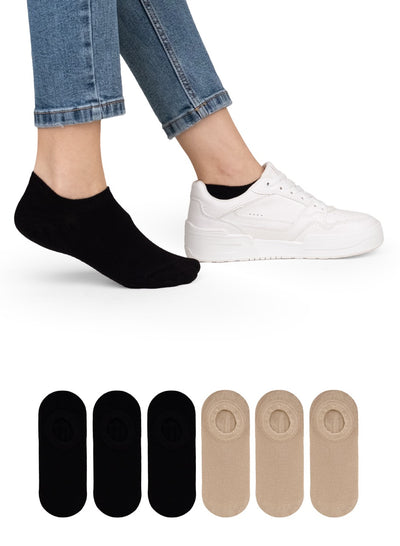
Shop our full Cotton Socks for Women collection, including the Women's Bamboo No-Show Plain Non-Slip Socks, for more gentle, skin-friendly options. For further reading, see our guide on 5 Benefits of Seamless Socks for Women's Comfort. You may also like our related article on Socks for Sensitive Skin: Choosing the Best Materials for Comfort. The Women's Cotton Diabetic Crew Thin Socks featured above are also available to shop directly.
This article is for general information and is not medical advice. Talk to your healthcare provider about your own feet.
Soft, breathable fibres such as organic cotton, bamboo viscose and fine merino wool are the usual choices, because they sit smoothly against skin and move moisture away.
They can. Rough weaves, trapped moisture, detergent residue and a tight or slipping fit are all common contributors.
Many people find bamboo viscose comfortable because it is very soft and handles moisture well, which helps keep skin dry.
Seamless toe construction removes a raised ridge that rubs inside the shoe, so it is commonly recommended for sensitive feet.
Daily is the usual advice, and sooner after heavy sweating or exercise, to keep feet clean and dry.
Discover All Hugh Ugoli Socks
Shop All Socks