Cart
0
You may also like
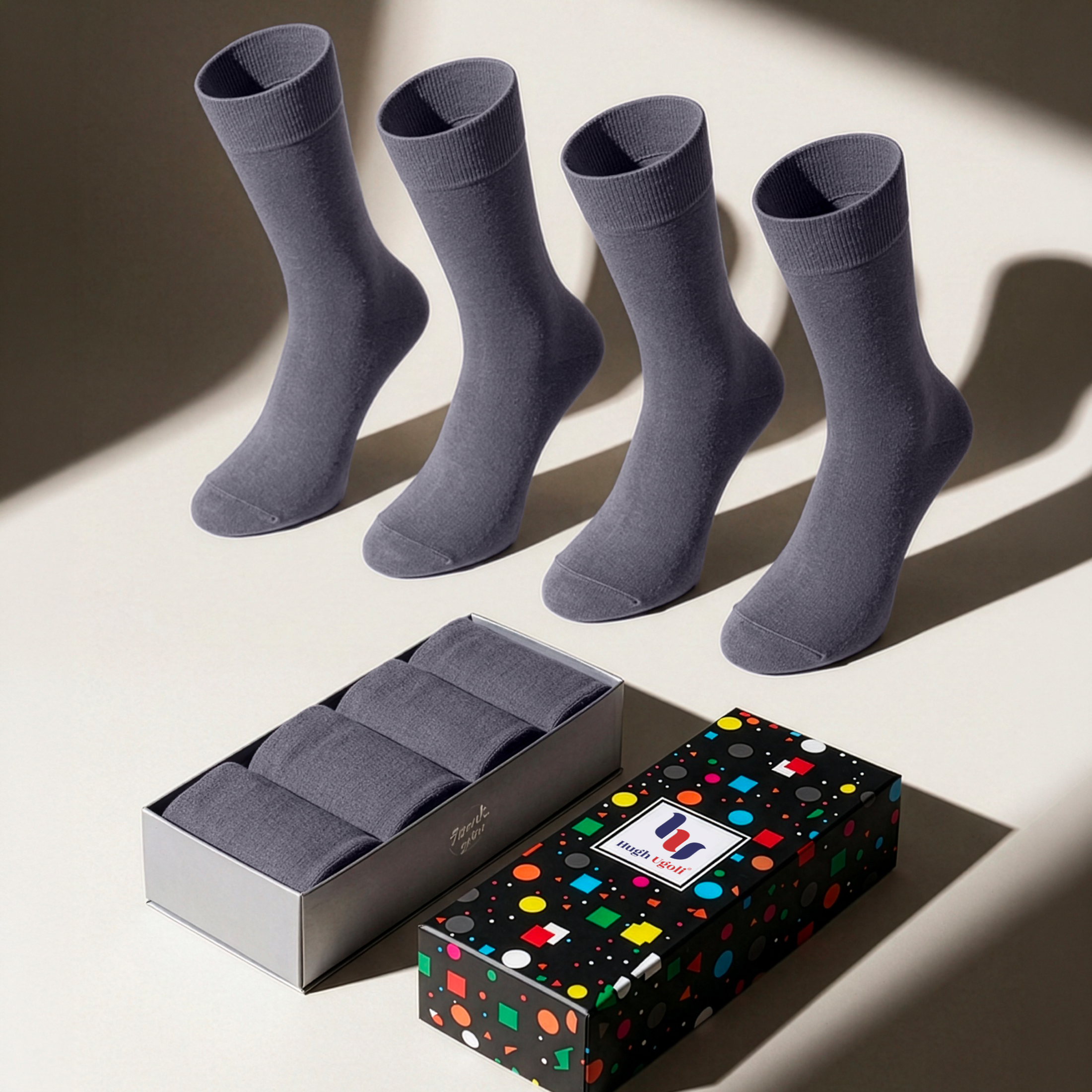
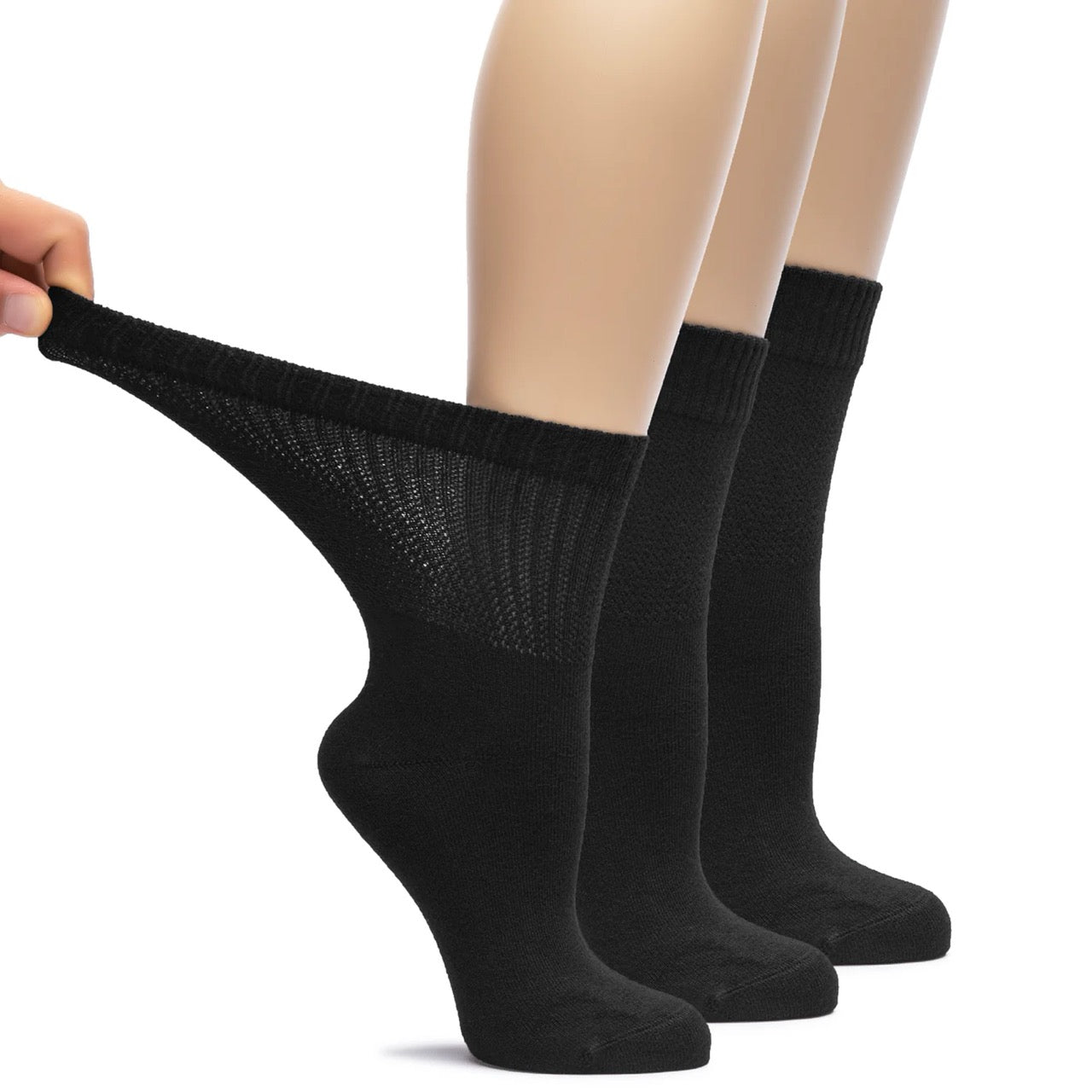
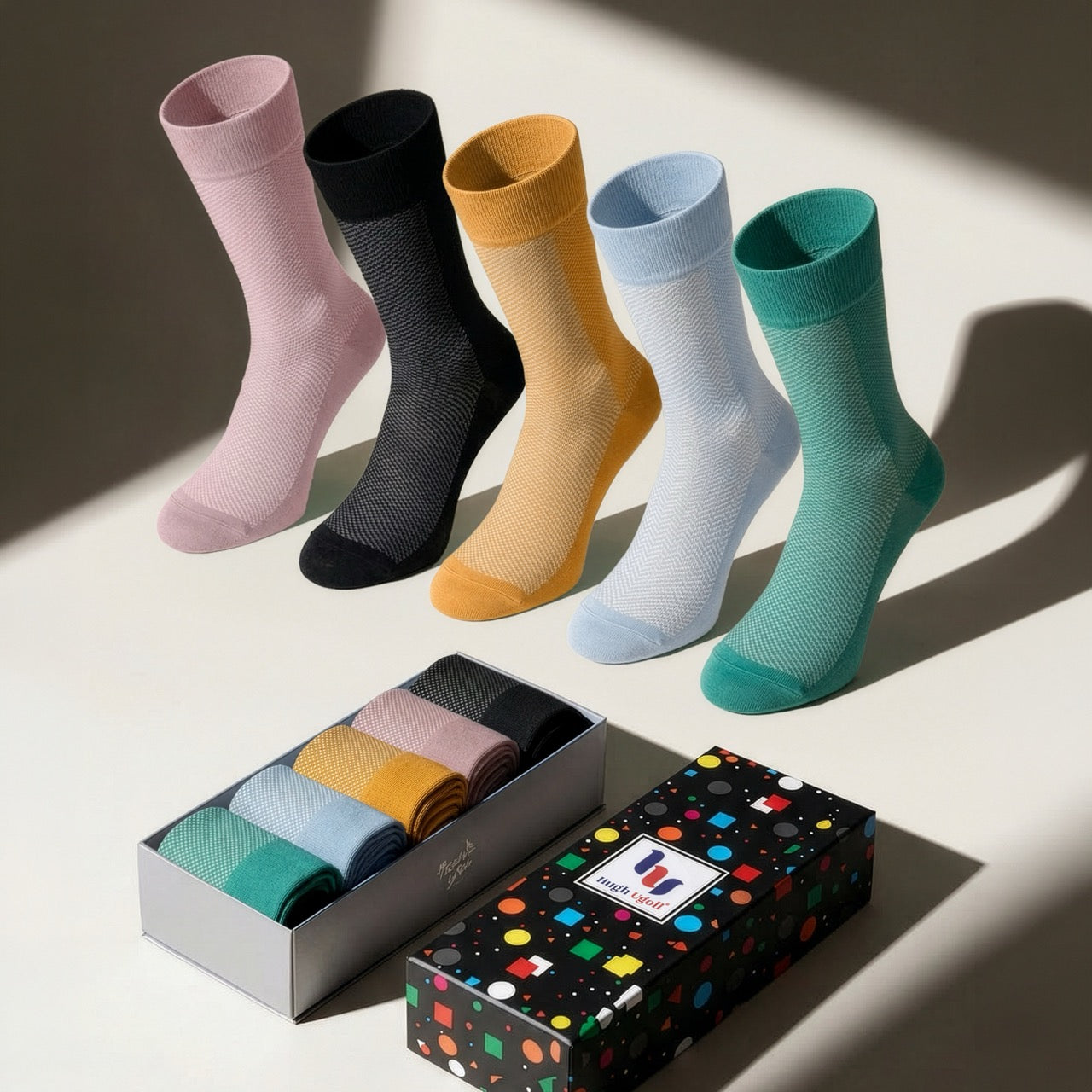
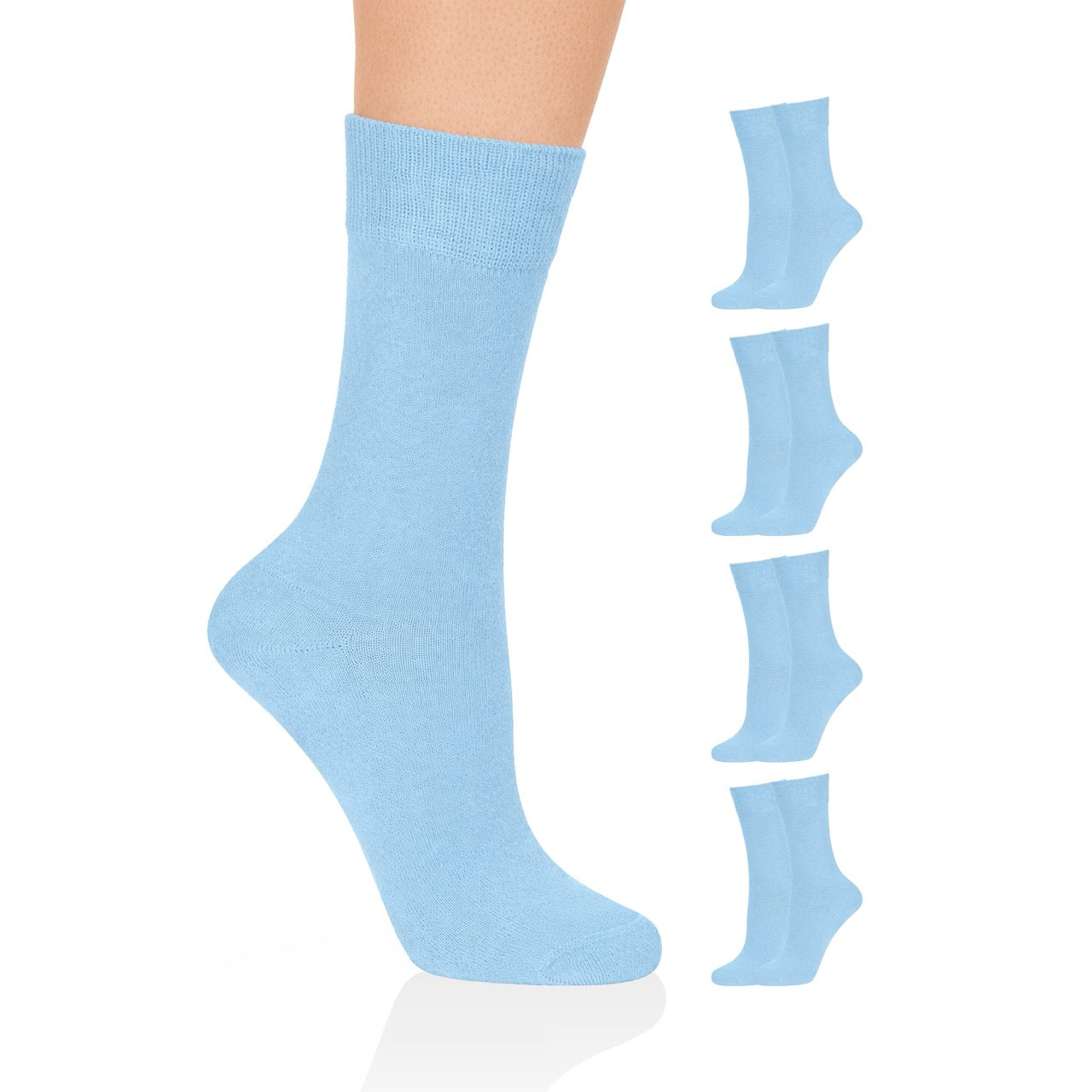


Socks may look simple, but sock heights play a major role in comfort, performance, and style. From everyday errands to formal events and outdoor adventures, understanding different types of socks helps you make smarter choices for your feet.
The right sock length affects warmth, moisture control, shoe compatibility, and even how confident you feel wearing them. This guide breaks down the most common sock lengths and explains when each one works best.
Sock height is not just about looks. It influences how socks interact with your shoes, how well they stay in place, and how they protect your skin.
Choosing the wrong height can lead to slipping, irritation, or lack of coverage in cold weather. Choosing the right sock supports comfort throughout everyday wear.
While styles continue to evolve, most socks fall into a few standard height categories. Each one serves a different purpose depending on activity, climate, and personal style.
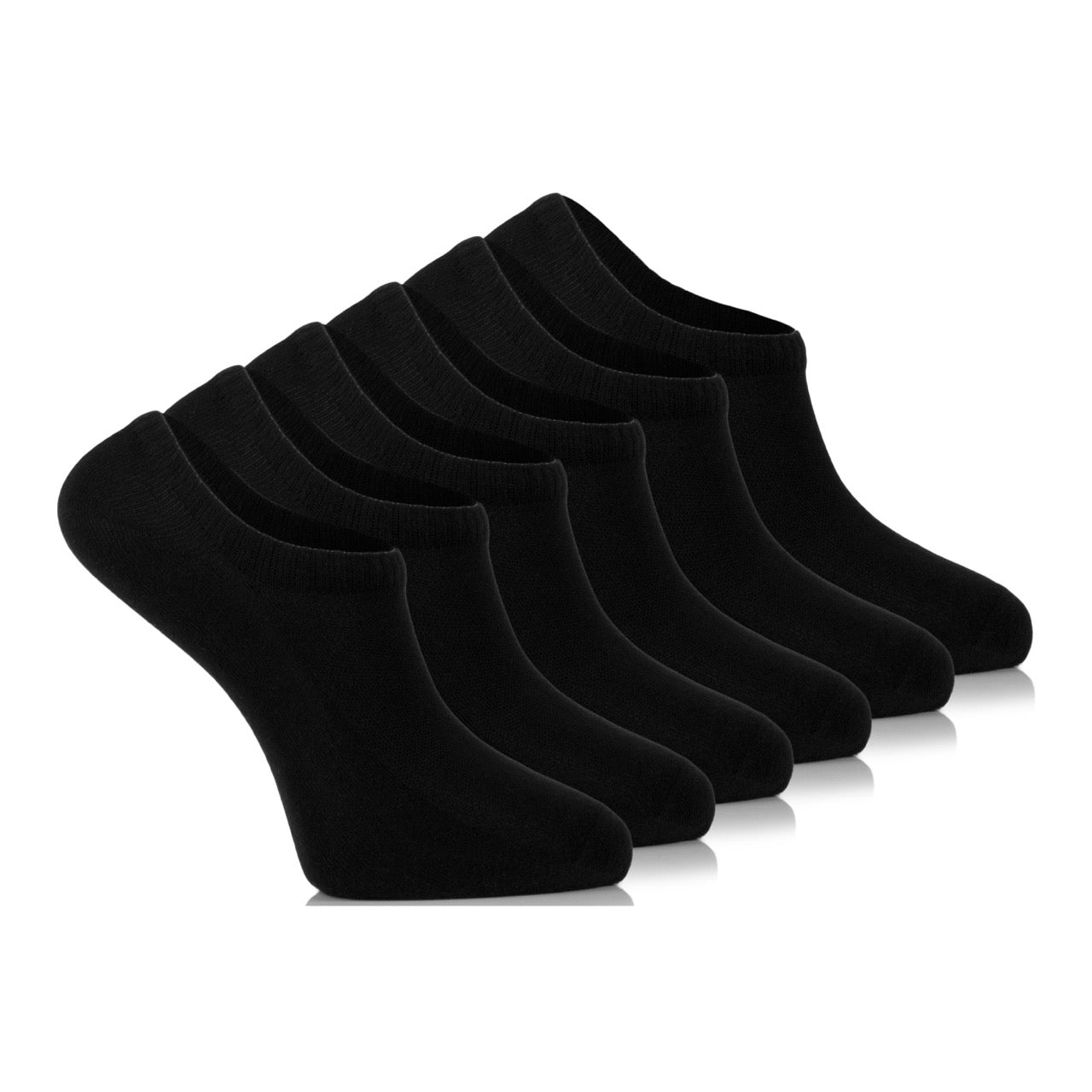
No-show socks are designed to stay hidden inside the shoe, providing a sock-free appearance while still offering basic comfort and hygiene.
They are commonly worn with loafers, slip-ons, and low-profile sneakers, making them a popular choice for summer outfits and casual looks.
Because they offer very minimal coverage, no-show socks may slip during extended wear or high-movement activities. Models with silicone heel grips help improve stability and reduce friction.
An ankle sock sits just above the ankle bone. It provides minimal coverage while offering basic protection between foot and shoe.
Ankle socks are popular for warm weather, gym sessions, and casual outfits. They pair well with sneakers and low-cut shoes.
However, ankle socks may not provide enough protection in rugged shoes or during activities like trail running, where debris and friction are concerns.

Quarter socks rise slightly above ankle socks, offering a bit more coverage without reaching mid-calf.
They are a practical middle ground for people who want extra protection without the feel of taller socks. Quarter socks work well with trainers and casual footwear.
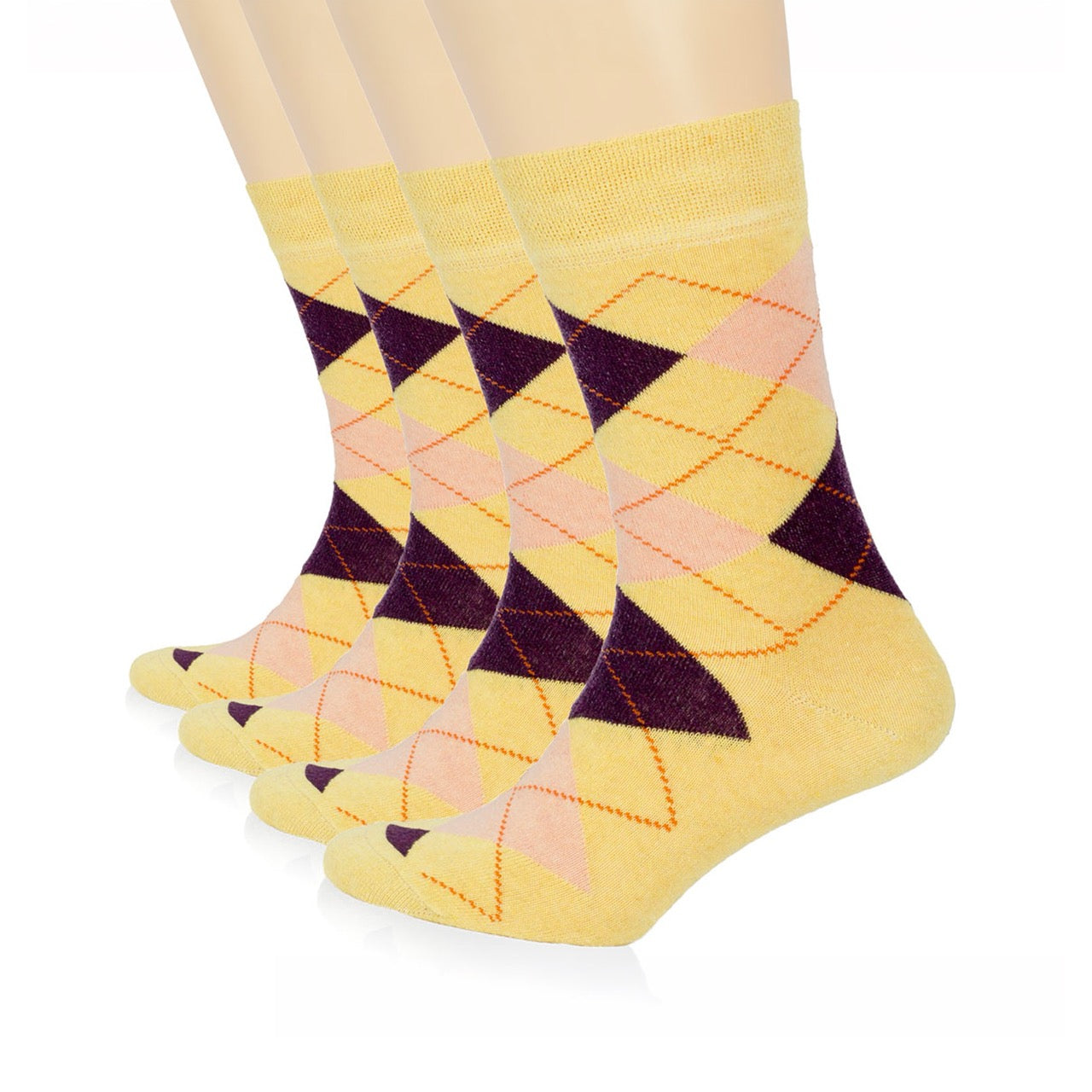
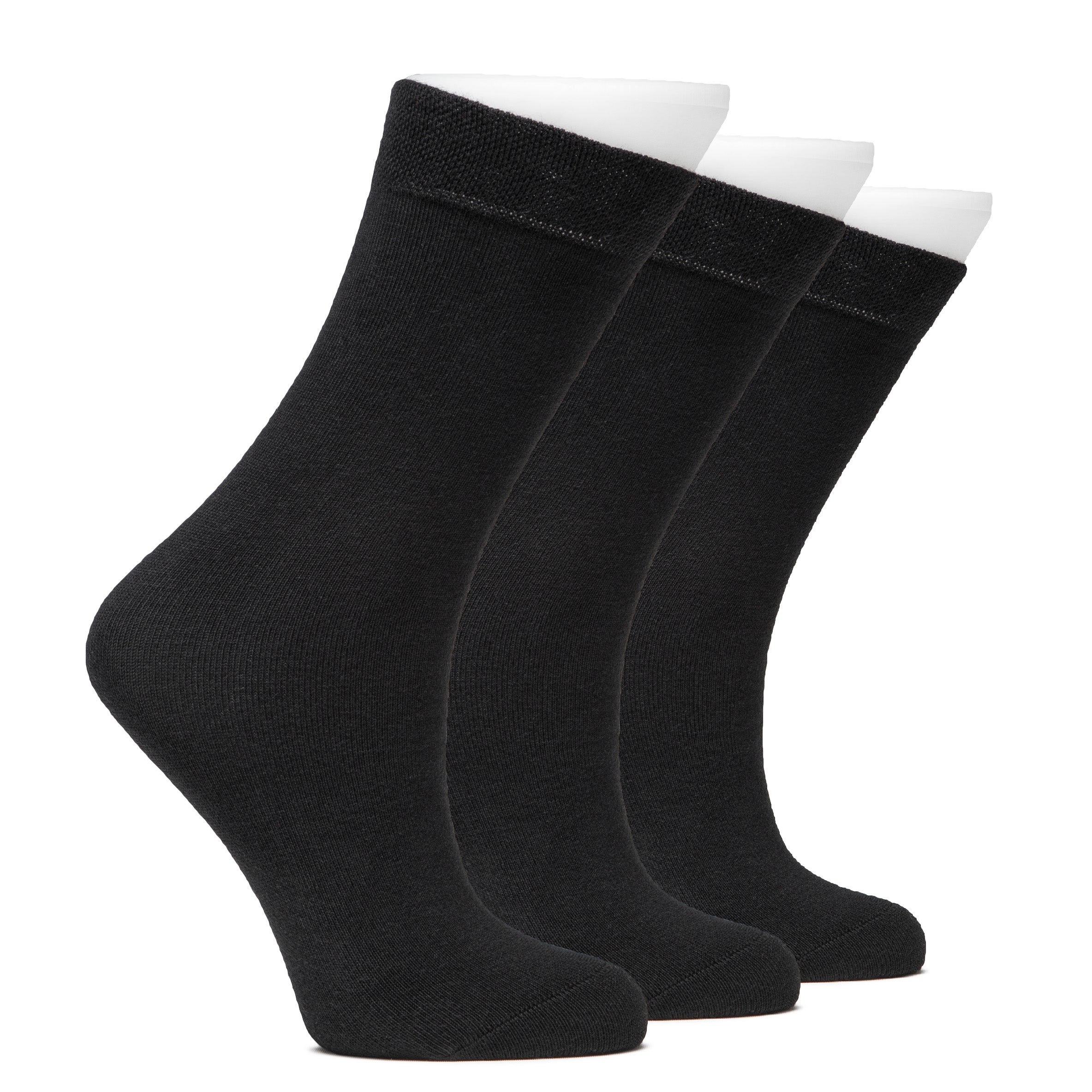
Crew socks are one of the most versatile sock heights. They typically reach the mid-calf area and provide balanced coverage.
Crew socks are suitable for daily activities, light workouts, and cooler conditions. Their length helps prevent rubbing from shoes and offers more warmth.
Many people choose crew socks because they stay in place and work with a wide range of shoe type, from sneakers to casual boots.
Mid calf socks extend slightly higher than standard crew socks. They provide added protection and coverage for longer wear.
These socks are often chosen for outdoor activities, colder temperatures, or when additional support and stability are desired.
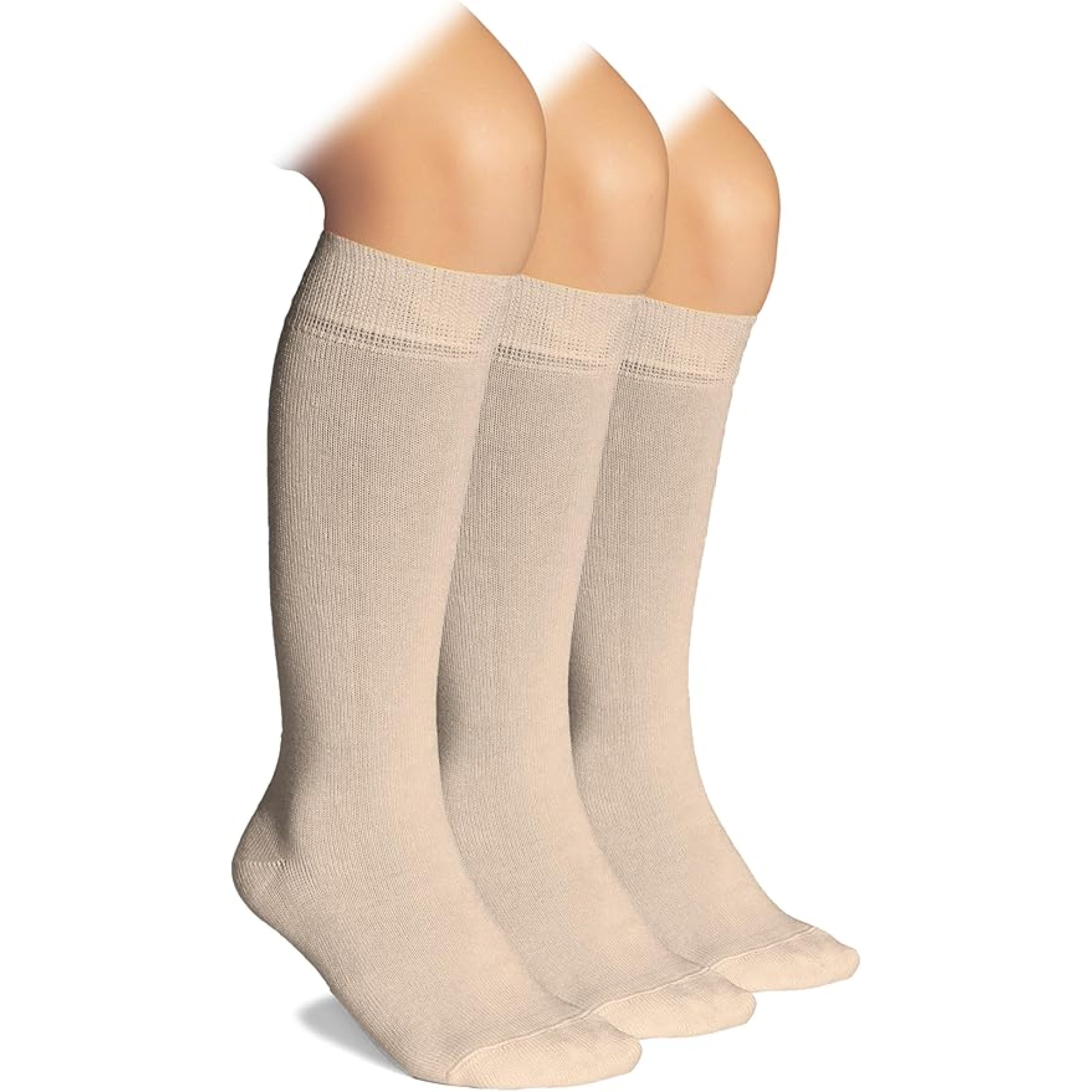
Knee high socks offer maximum coverage, extending up to the knee. They are designed for warmth, protection, and specific functional needs.
Knee high socks are useful in cold weather, long periods of standing, or situations where extra warmth and coverage matter most.
Comfort depends on more than softness. Sock height influences how socks stay in place and how they distribute pressure on the leg.
Taller socks can provide extra warmth and protection, while shorter socks feel lighter and cooler. The key is balancing comfort with function.
Moisture wicking properties matter at every sock height. Sweat does not only collect on the foot; it can build up along the ankle and lower leg.
Longer socks help manage moisture over a larger surface area, keeping skin dry during long days or physical activity.
Socks and shoes work as a system. Choosing the right sock height depends heavily on what you wear on your feet.
When wearing dress shoes, socks should provide coverage when sitting or walking. Crew or mid-calf socks prevent exposed skin and create a polished look.
Short socks often feel out of place with formal footwear, even if they are comfortable.
Sneakers and casual shoes pair well with ankle, quarter, or crew socks depending on preference and activity level.
During activities like trail running or long walks, crew height socks offer better protection against friction and debris.
In colder months, sock height becomes more important. Longer socks trap heat and help keep legs warm.
Crew, mid-calf, and knee high socks are better suited for winter conditions, especially when paired with boots.
Sock height also plays a role in personal style. Some people prefer show socks that add color or personality to an outfit.
Crew and knee high socks offer more visible space for patterns, while ankle socks remain discreet.
When it comes to choosing the right sock, consider how long you will wear them and what activities you plan to do.
Regardless of length, high quality socks maintain their shape, manage moisture, and feel comfortable longer.
Poorly made socks may slide down, bunch up, or lose elasticity, making even the right height uncomfortable.
Sock heights are not just a fashion choice. They affect comfort, warmth, and overall foot health.
By understanding different sock lengths and matching them to your lifestyle, you can build a sock collection that works for every season and situation.
Crew socks are the most versatile option for daily use.
They can work, but crew socks provide better protection for longer distances.
Mid-calf or knee high socks offer more warmth and coverage.
Yes. Longer socks manage moisture over a larger area.
He has been working for more than 20 years in the textile industry and has work experience in many parts of the world.