
Cart
0
You may also like
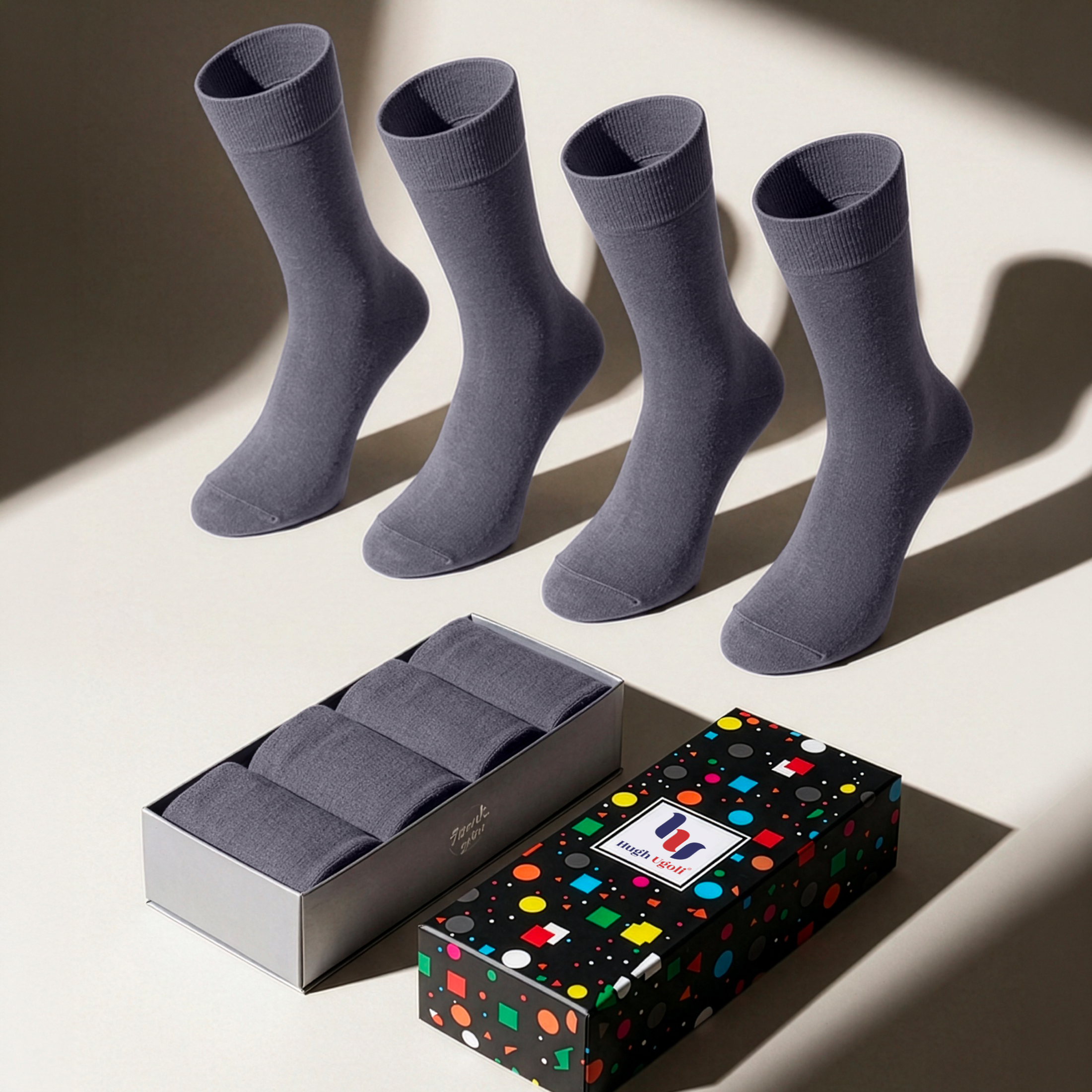
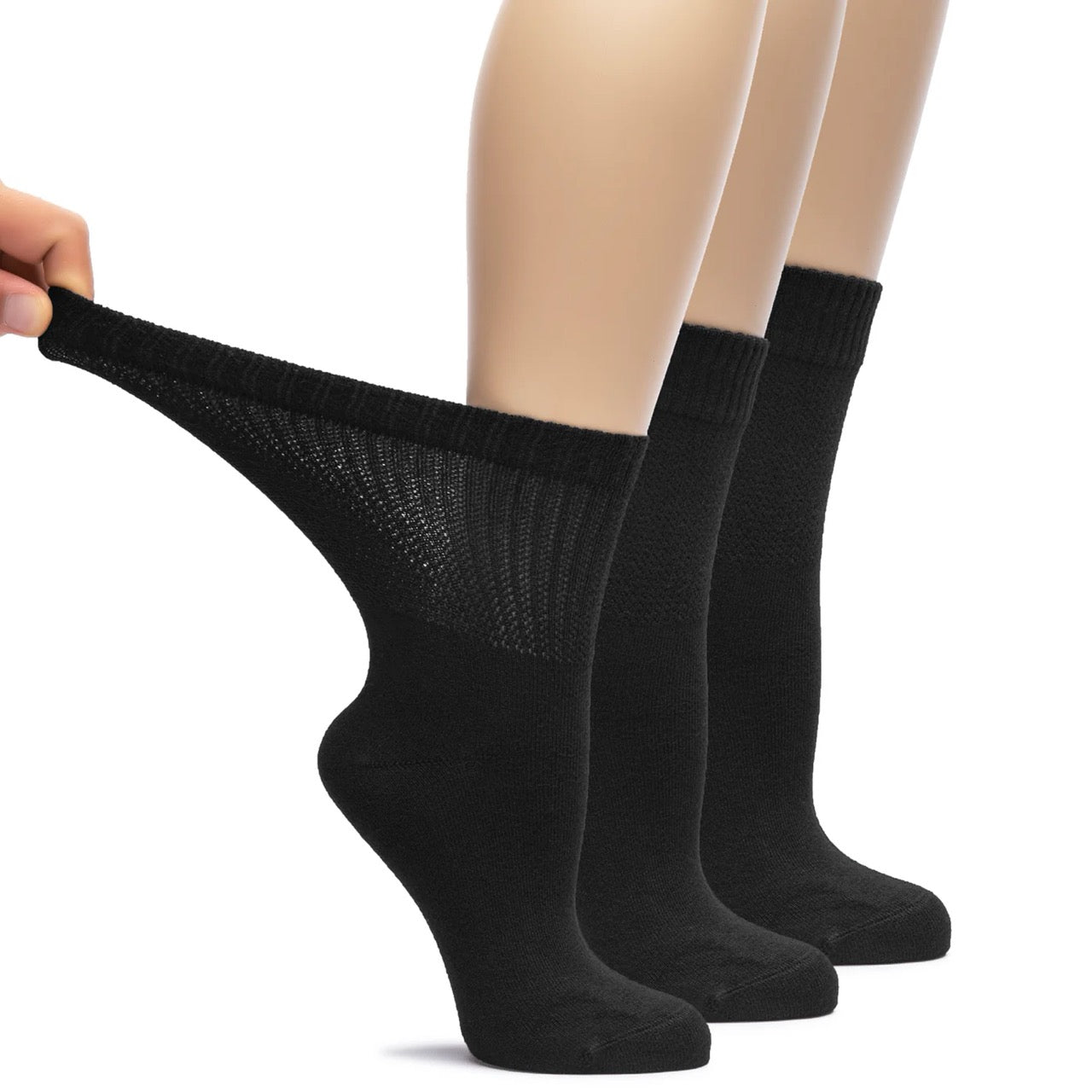
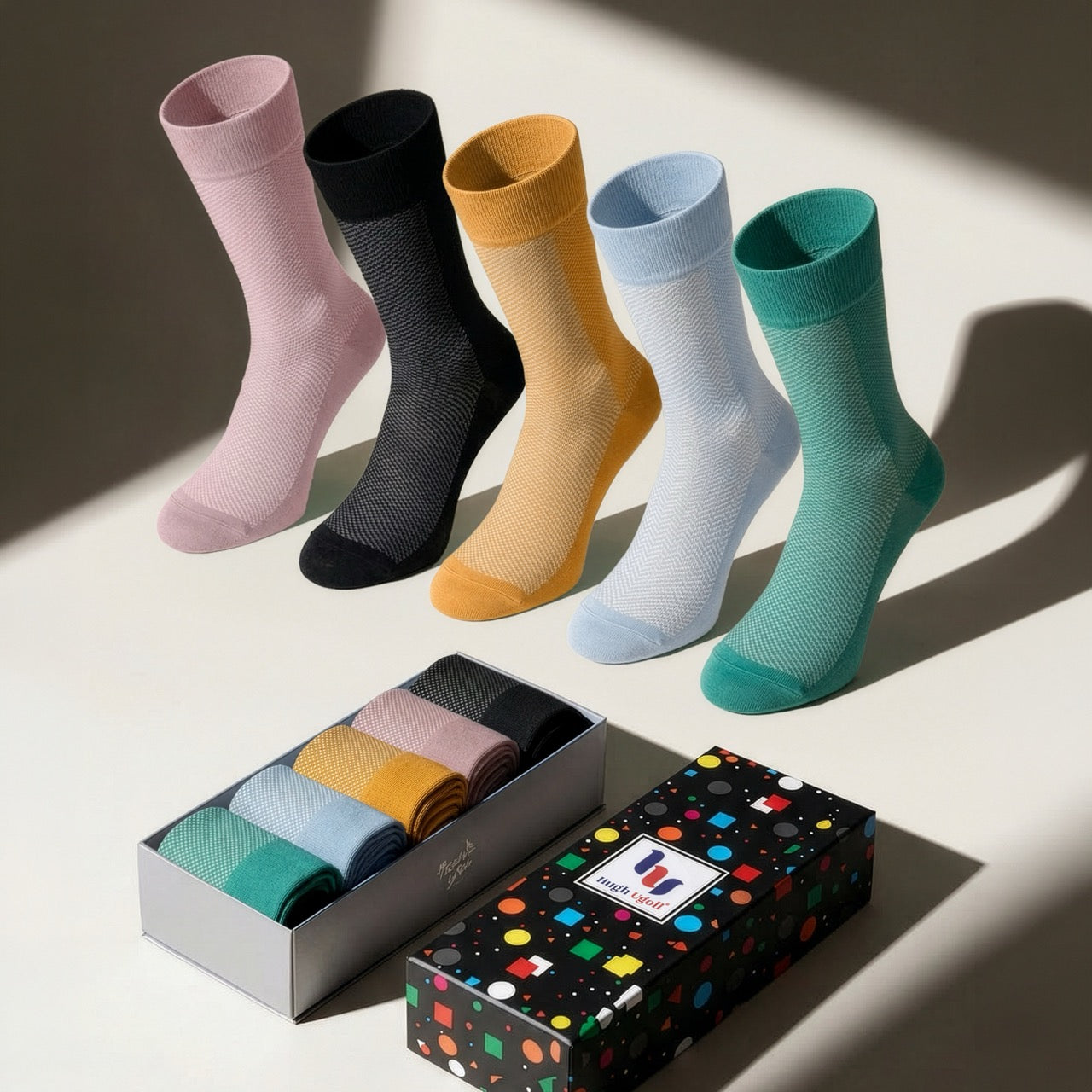
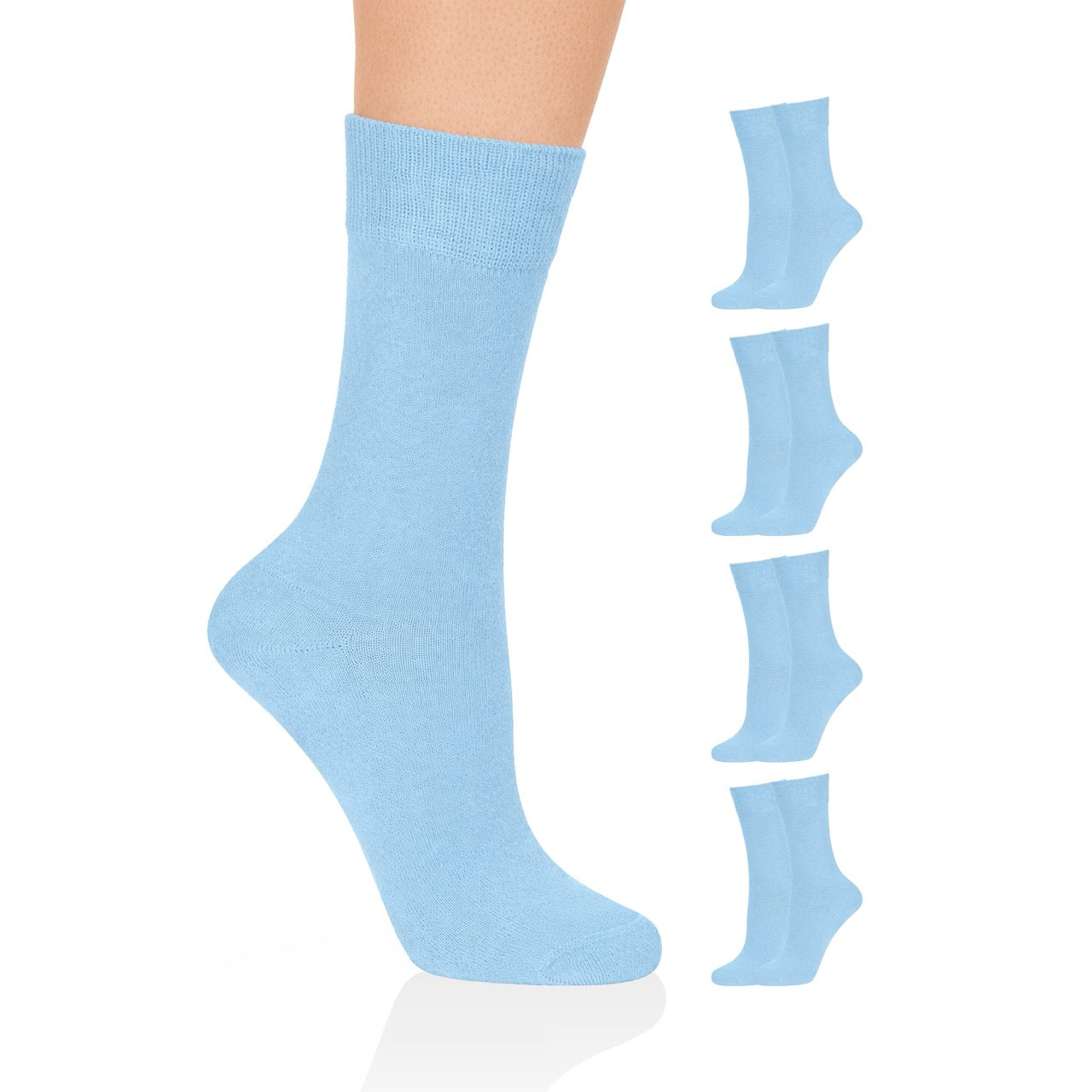
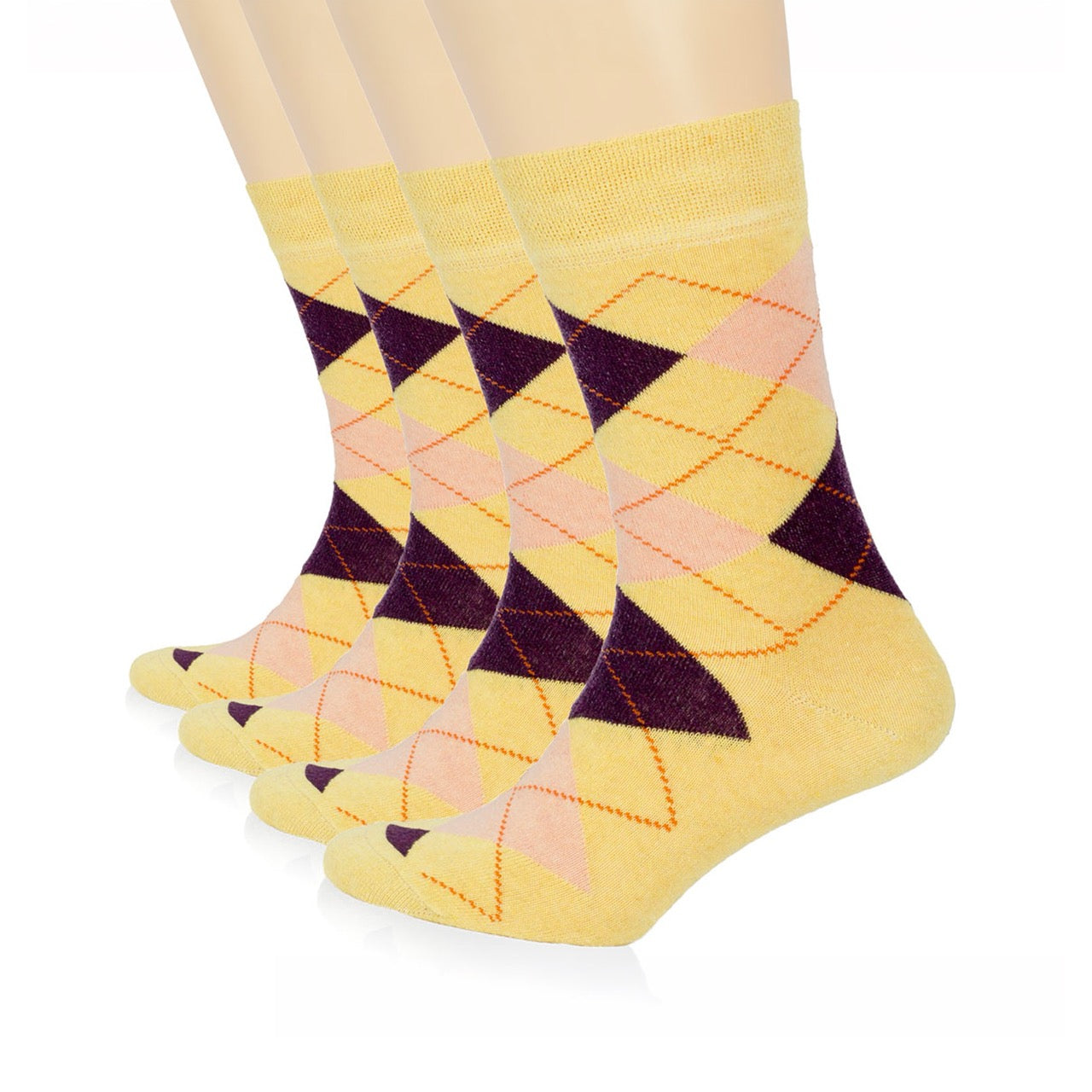


Bamboo and wool both handle sweat well, but they work differently. Bamboo viscose absorbs moisture quickly and feels cool and smooth against the skin, which suits warm rooms, dress shoes, and anyone who wants a softer sock. Wool, especially merino, leans on regulation rather than fast absorption: it holds a good deal of moisture while still feeling dry, and it insulates in the cold without overheating indoors. For a stable, mild environment bamboo is usually the more comfortable pick. For changing temperatures, travel, and long days on your feet, wool tends to adapt better.
Key Takeaways
Choosing the right pair of socks often comes down to one key question: which material keeps your feet dry and comfortable throughout the day? Among the most popular choices today, bamboo socks and wool socks stand out for their performance, comfort, and natural benefits.
Both materials are praised for their ability to manage moisture, regulate temperature, and support daily comfort. But they do so in different ways. Understanding these differences helps you choose the best option for everyday wear.
Moisture is the root cause of many foot issues. When sweat stays trapped, feet feel uncomfortable and become more prone to odor, irritation, and skin problems.
Socks with strong moisture wicking properties pull sweat away from the skin, helping feet stay dry and comfortable across long days and changing weather conditions.
Bamboo socks have gained popularity for their softness and sustainability. Made from processed bamboo fibers, they are often promoted as eco friendly alternatives to traditional materials.
Bamboo socks offers excellent moisture absorption. The structure of bamboo fibers allows them to draw sweat away from the skin quickly.
This makes bamboo socks a strong choice for people who experience sweaty feet during everyday activities or long hours indoors.
Bamboo fibers are known for their natural antibacterial qualities. These antibacterial properties help reduce odor-causing bacteria, keeping socks fresher between washes.
Many people describe bamboo socks as having incredible softness. This makes them ideal for individuals with sensitive skin or allergies.
The smooth texture reduces friction, which can be beneficial for daily wear, especially in dress shoes or casual footwear.

Wool socks, particularly those made from merino wool, have long been trusted for comfort and performance. They are commonly associated with hiking and cold climates, but they also perform well in everyday settings.
Wool fibers can absorb a significant amount of moisture while still feeling dry. This allows wool socks to regulate sweat without creating a damp sensation.
As a result, wool socks help keep feet dry and comfortable during both active days and slower routines.
One of wool’s standout features is temperature regulation. Wool insulates in cooler environments yet remains breathable when temperatures rise.
This means wool socks help keep feet warm in colder conditions without overheating indoors.
Like bamboo, wool also has natural antibacterial properties. These properties help limit odor buildup, making wool socks suitable for extended wear.
When comparing bamboo socks and wool socks, both materials socks excel at moisture management, but their strengths differ slightly.
Bamboo fibers absorb moisture quickly and feel cool against the skin. This makes bamboo socks particularly comfortable for indoor environments or warmer days.
Wool focuses more on moisture regulation than absorption. It manages sweat gradually while maintaining a dry feel, even when moisture levels increase.
Bamboo socks tend to perform best in stable, moderate climates. They feel light and breathable, making them suitable for office settings and daily routines.
Wool socks adapt better to changing weather conditions. This versatility makes them popular for travel, commuting, and outdoor activities.
For everyday use, the choice depends on lifestyle and environment.
Bamboo socks are often preferred for:
Wool socks are commonly chosen for:
Both bamboo and wool are considered more sustainable than many synthetic materials. Bamboo grows quickly with fewer resources, while wool is renewable and biodegradable.
Choosing between them often means balancing softness, climate needs, and personal comfort preferences. If bamboo's moisture-wicking softness sounds like the right fit, browse our bamboo socks for women collection.
When it comes to moisture control, there is no single winner for everyone. Bamboo socks provide quick absorption and a soft feel, while wool socks deliver balanced regulation across temperatures.
The best choice is the one that fits your routine, footwear, and comfort expectations. For more on fabric choices, see Bamboo vs. Cotton: Best Materials for Kids' Socks and The Best Sock Fabrics Ranked: From Cotton to Cashmere.
Both perform well. Bamboo absorbs moisture quickly, while wool regulates it steadily over longer stretches.
Many people prefer them. Bamboo's smooth fibres reduce friction, which matters if your skin reacts to rougher fabrics.
Merino wool regulates temperature and stays comfortable in mild warmth, though bamboo usually feels cooler in real heat.
Bamboo suits indoor and warm settings, while wool adapts better to varied conditions and long days on your feet.
Both are generally considered more sustainable. Bamboo grows quickly with fewer inputs, and wool is renewable and biodegradable.
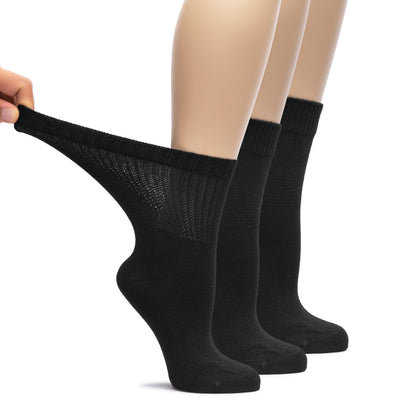

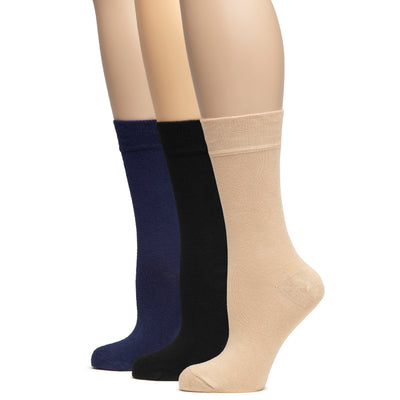
Discover All Hugh Ugoli Socks
Shop All Socks


