Cart
0
You may also like
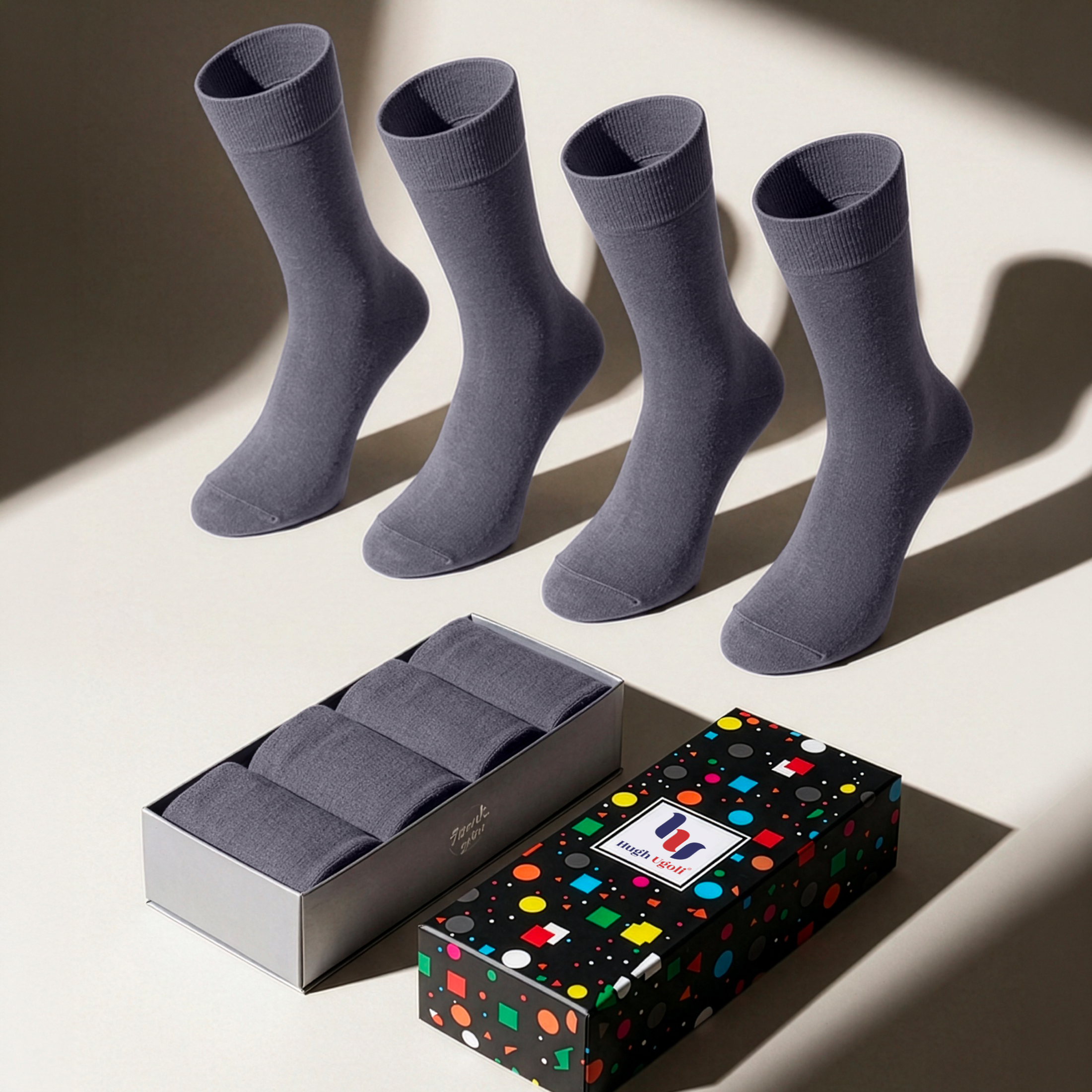
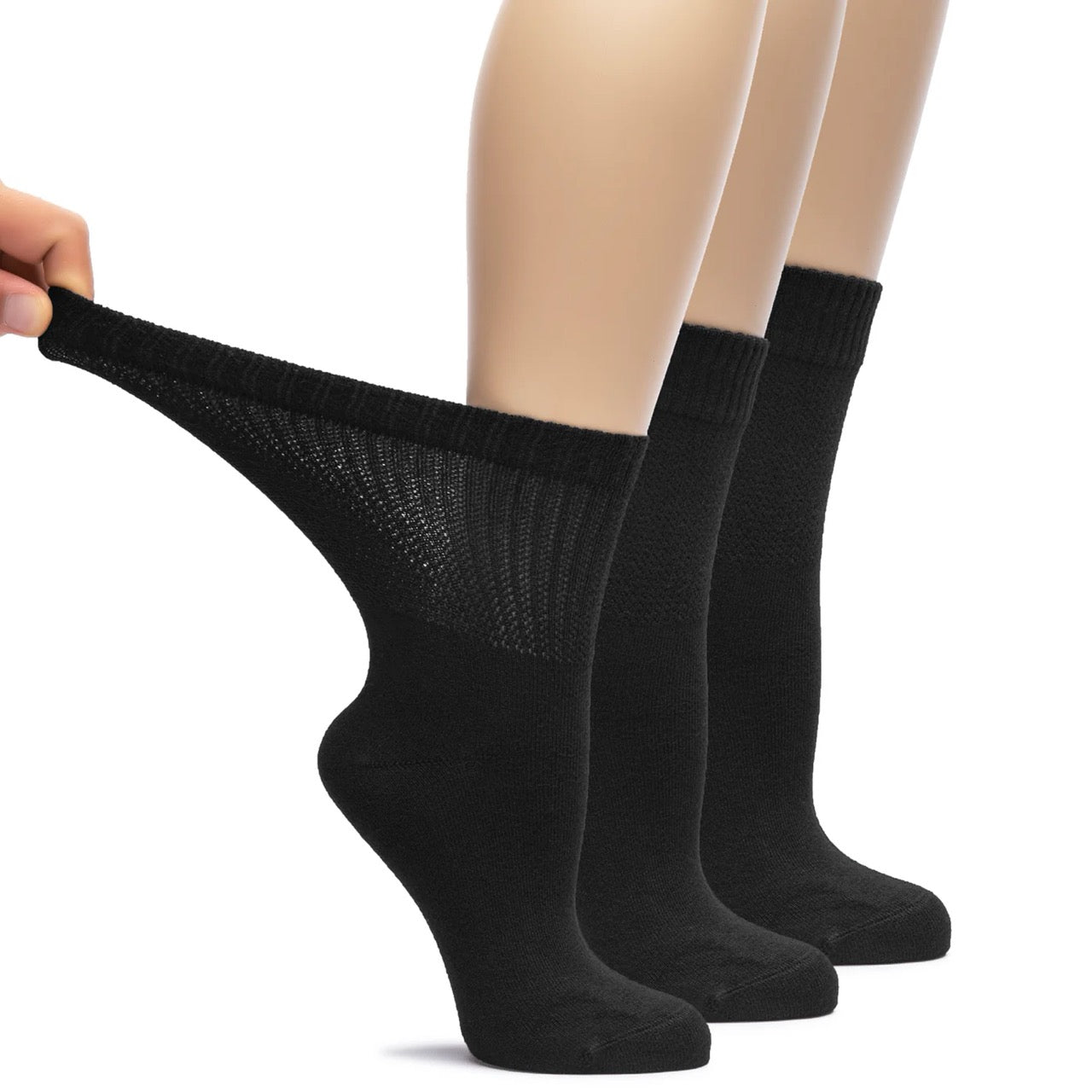
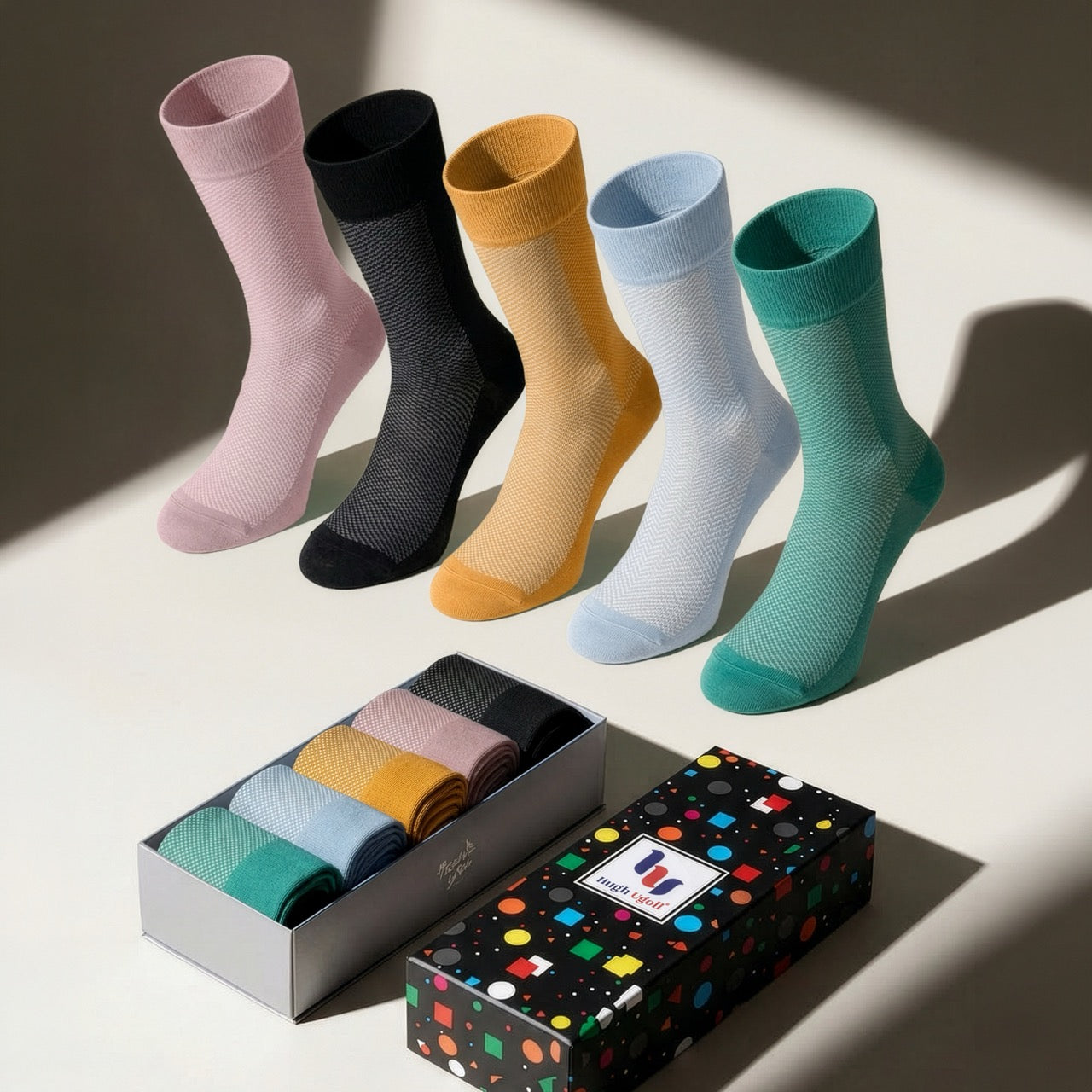
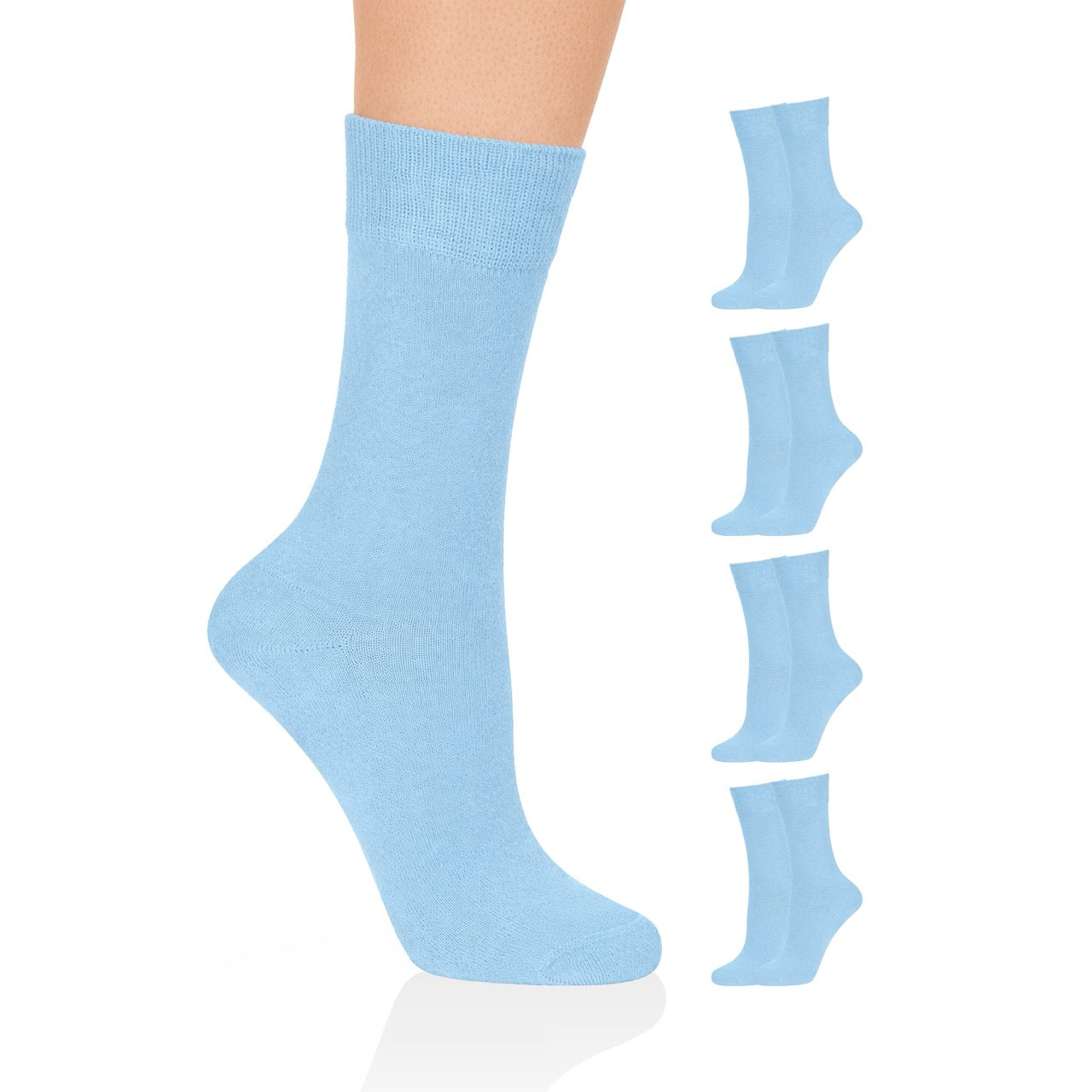
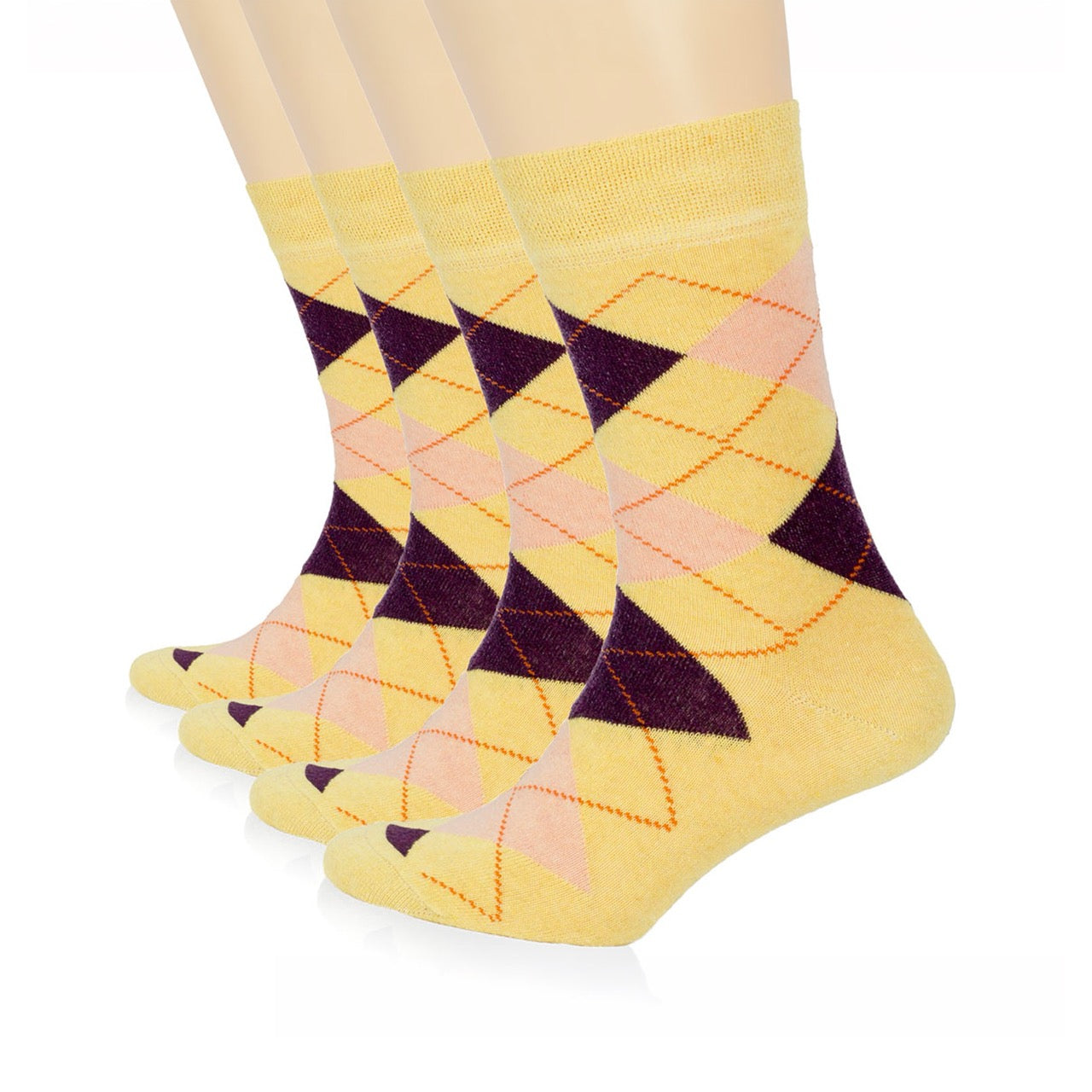


Socks are often treated as a simple accessory, but the way socks fit can quietly shape your long-term foot health. Wearing tight socks may feel secure at first, yet over time they can contribute to discomfort, skin problems, and circulation issues that are easy to overlook.
Understanding how wearing tight socks affects your feet helps you make better choices for daily comfort and long-term wellness.
Tight socks apply constant pressure to the foot and ankle. While this pressure may seem harmless, it can slowly restrict circulation and interfere with normal blood flow.
When socks are too snug, they may leave deep lines around the ankles or calves. These marks are often a visible sign that circulation is being compromised.
Healthy feet rely on steady blood flow. Tight elastic bands can compress blood vessels, leading to poor circulation over time.
Reduced circulation may cause cold feet, swelling, or a heavy feeling by the end of the day. For some people, this discomfort gradually becomes a daily issue rather than an occasional annoyance.
Socks with a proper fit support comfort without squeezing, allowing blood to move naturally through the foot and ankle.
Tight socks increase friction between fabric and skin. This constant rubbing can lead to blisters and irritation, especially around toes, heels, and seams.
Over time, friction can break down the skin’s natural barrier. Once the skin is damaged, it becomes easier for bacteria and fungi to enter.
This is why the wrong socks can slowly turn minor discomfort into ongoing skin problems.

Tight socks often limit airflow. Without proper ventilation, moisture builds up inside the sock.
When sweat cannot evaporate, feet struggle to stay dry. Even socks made with moisture wicking fibers can underperform if the fit is too tight.
Damp conditions increase the risk of fungal infections such as athlete foot. Over time, recurring moisture can weaken the skin and worsen discomfort.
It is important to distinguish between compression socks and socks that are simply too tight.
Compression socks are designed with controlled pressure to improve circulation. Tight socks, on the other hand, apply uneven pressure that may do more harm than good.
Wearing tight socks without medical guidance can unintentionally restrict blood flow instead of supporting it.
Many people overlook early warning signs. Common indicators include:
Over time, repeated pressure from tight socks can affect overall foot health. Skin becomes more sensitive, circulation may worsen, and daily discomfort becomes more noticeable.
For individuals already prone to circulation issues, tight socks may amplify existing problems rather than protect the feet.
Switching to loose socks with a gentle, non-restrictive top can help relieve pressure around the ankle.
Socks that allow natural movement help protect your feet while still offering structure and support.
A balanced fit reduces friction, allows airflow, and supports healthier skin throughout the day.
Selecting socks is not just about size. Look for features that promote comfort without compression:
Socks that fit correctly help reduce friction and moisture buildup. This lowers the risk of conditions like athlete foot, skin cracking, and irritation.
Over time, proper socks can also help improve circulation simply by avoiding unnecessary restriction.
Socks are only one part of foot care, but they play a daily role. Pairing well-fitting socks with good hygiene and breathable footwear creates a healthier environment for your feet.
Paying attention to comfort today can prevent long-term issues tomorrow.
Yes. Tight elastic bands can compress blood vessels and reduce healthy blood flow over time.
No. Compression socks are designed to apply controlled pressure, while tight socks apply uneven, often harmful pressure.
Well-designed loose socks use balanced construction to stay up without squeezing.
Yes. Increased friction and moisture can lead to blisters and skin irritation.
He has been working for more than 20 years in the textile industry and has work experience in many parts of the world.