Cart
0
You may also like

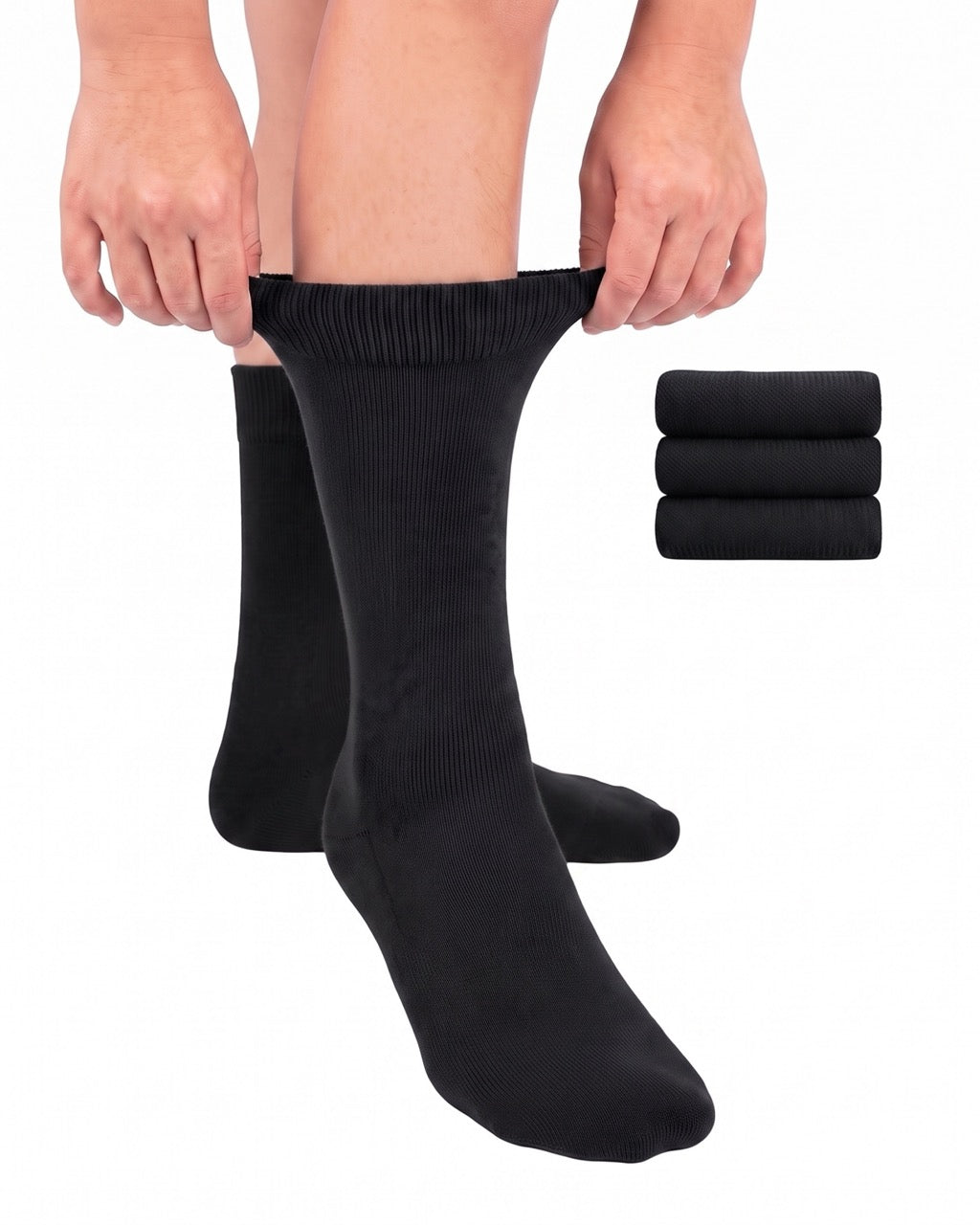


Nursing shifts are physically demanding. Long hours on your feet, constant movement, and minimal rest can leave your legs feeling heavy, tired, and uncomfortable. For many healthcare workers, the right pair of support socks is not a luxury—it is a daily necessity.
Support socks, especially compression socks for nurses, are designed to improve comfort, reduce leg fatigue, and support circulation during long shifts. Choosing the right pair can make a noticeable difference in how your legs feel at the end of the day.
Healthcare workers often spend long shifts standing or walking. This constant pressure affects blood flow in the lower legs, which can lead to swelling, discomfort, and even long-term issues like varicose veins.
When your legs feel tired after hours of work, it is often due to reduced circulation. Support socks help counter this by applying gentle pressure that encourages blood to move more efficiently.
Compression socks for nurses are specifically designed for daily wear, offering structured support without sacrificing comfort.
Compression socks use a method called graduated compression. This means the pressure is strongest at the ankle and gradually decreases as it moves up the leg. This design supports natural circulation and helps reduce swelling.
The level of compression is measured in millimeters of mercury mmHg. This measurement indicates how much pressure the socks apply to your legs.
For most nurses, 15-20 mmHg graduated compression is considered ideal. This level provides enough support to reduce leg fatigue without feeling too tight or restrictive.

Proper fit is one of the most important factors when choosing compression socks. Socks that are too tight can restrict blood flow, while loose socks will not provide effective support.
Always consider your calf circumference when selecting a size. Measuring your calf ensures that the socks fit comfortably and deliver the correct level of compression.
A well-fitted pair of socks should feel snug but not uncomfortable. They should stay in place throughout your shift without slipping or bunching.
The right level of compression is essential for comfort and effectiveness. For most healthcare workers, 15-20 mmHg is the recommended range.
This level of compression supports circulation, reduces swelling, and helps prevent discomfort during long shifts. It is strong enough to be effective while still suitable for daily wear.
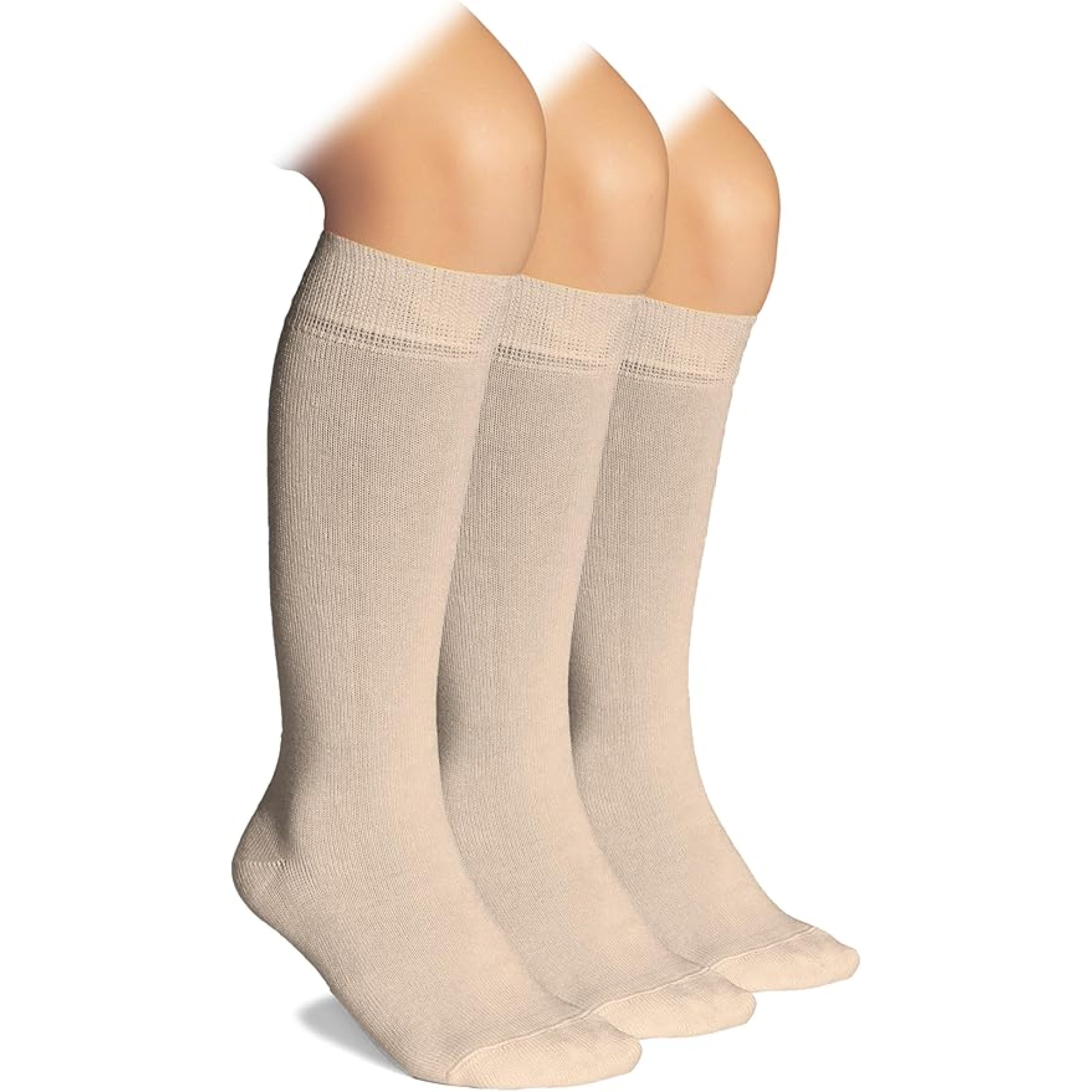
Knee high compression socks are the most common choice for nurses. They provide full coverage from the ankle to just below the knee, supporting the entire lower leg.
This length ensures that pressure is distributed correctly, helping reduce swelling in both the ankles and calves. Knee high compression socks are also easy to pair with scrubs and work shoes.
During long shifts, your feet can become warm and sweaty. Socks made with breathable and moisture-wicking materials help keep your feet dry and comfortable.
Materials like merino wool blends or performance fabrics pull moisture away from the skin, preventing irritation and discomfort. This is especially important for maintaining hygiene and comfort during extended wear.
Arch support plays a key role in reducing foot fatigue. Socks that include built-in arch support help stabilize your feet and improve overall comfort.
Additional cushioning in high-impact areas can also make a difference. These features help absorb pressure from constant walking and standing.
Wearing compression socks consistently can provide several benefits for nurses and other healthcare workers.
These benefits make compression socks a practical solution for anyone working in demanding environments.
To get the most benefit, it is important to wear compression socks properly.
When worn correctly, compression socks offer consistent support without discomfort.
Proper care helps maintain the elasticity and effectiveness of your compression socks.
Air dry methods are especially important, as high heat can reduce the level of compression over time.
Even high quality compression socks can be ineffective if used incorrectly.
Avoiding these mistakes ensures that your socks continue to perform as intended.
Support socks are an essential tool for nurses managing long shifts. The right pair can reduce leg fatigue, improve circulation, and provide lasting comfort throughout the day.
When choosing compression socks for nurses, focus on proper fit, the correct level of compression, breathable materials, and supportive design features like arch support. Knee high compression socks with 15-20 mmHg graduated compression are a reliable choice for most healthcare workers.
With the right socks, your legs feel lighter, your feet stay comfortable, and your overall workday becomes more manageable—no matter how long your shift lasts.
15-20 mmHg graduated compression is generally recommended for nurses. It provides support without being too restrictive for daily wear.
Yes. Knee high compression socks support the entire lower leg, helping reduce swelling and improve circulation during long shifts.
Measure your calf circumference and follow the sizing chart. Proper fit ensures effective compression and comfort.
Yes. Compression socks designed for daily wear are safe and effective for regular use during nursing shifts.
Wash in cold water with mild detergent and air dry to maintain elasticity and performance.
He has been working for more than 20 years in the textile industry and has work experience in many parts of the world.