Cart
0
You may also like
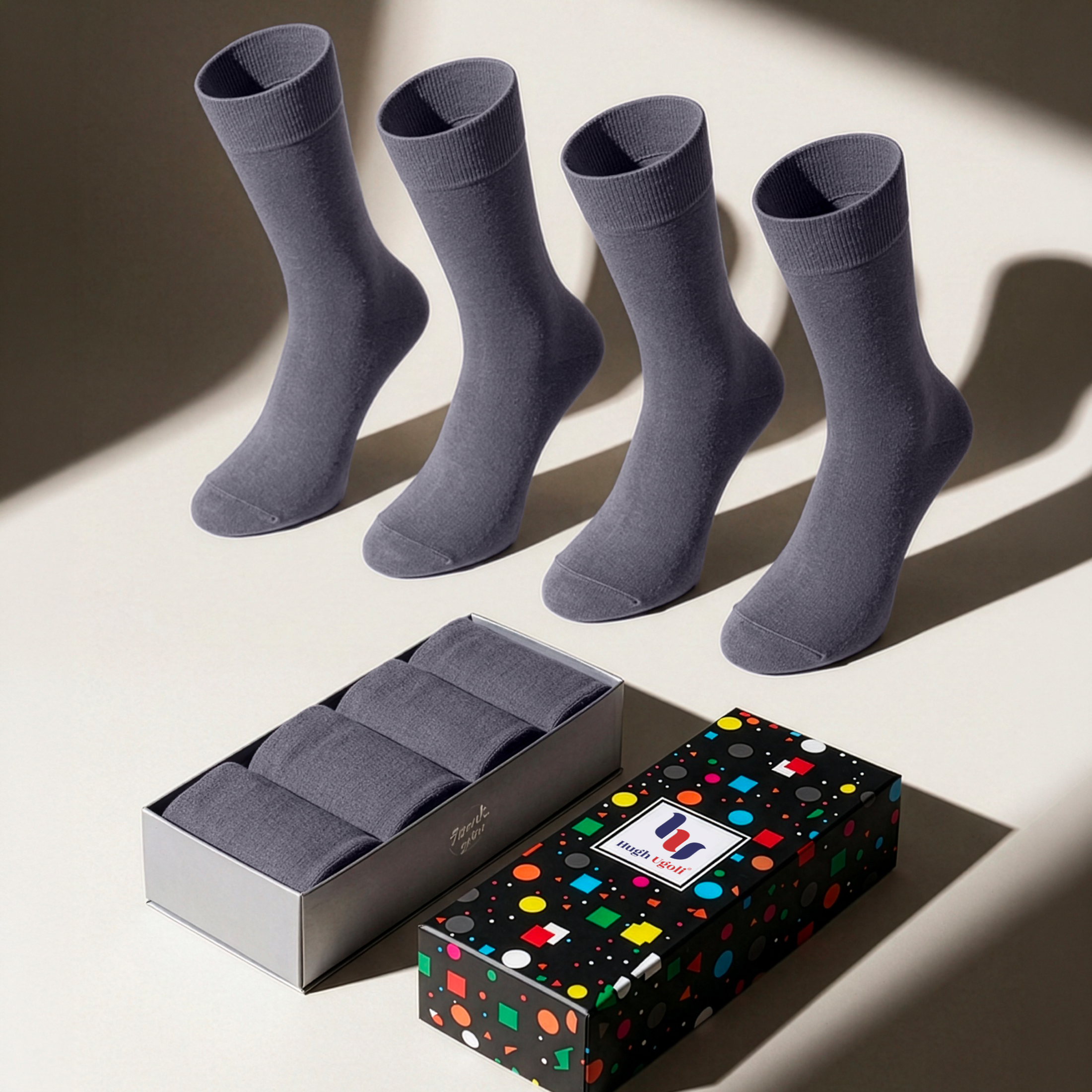
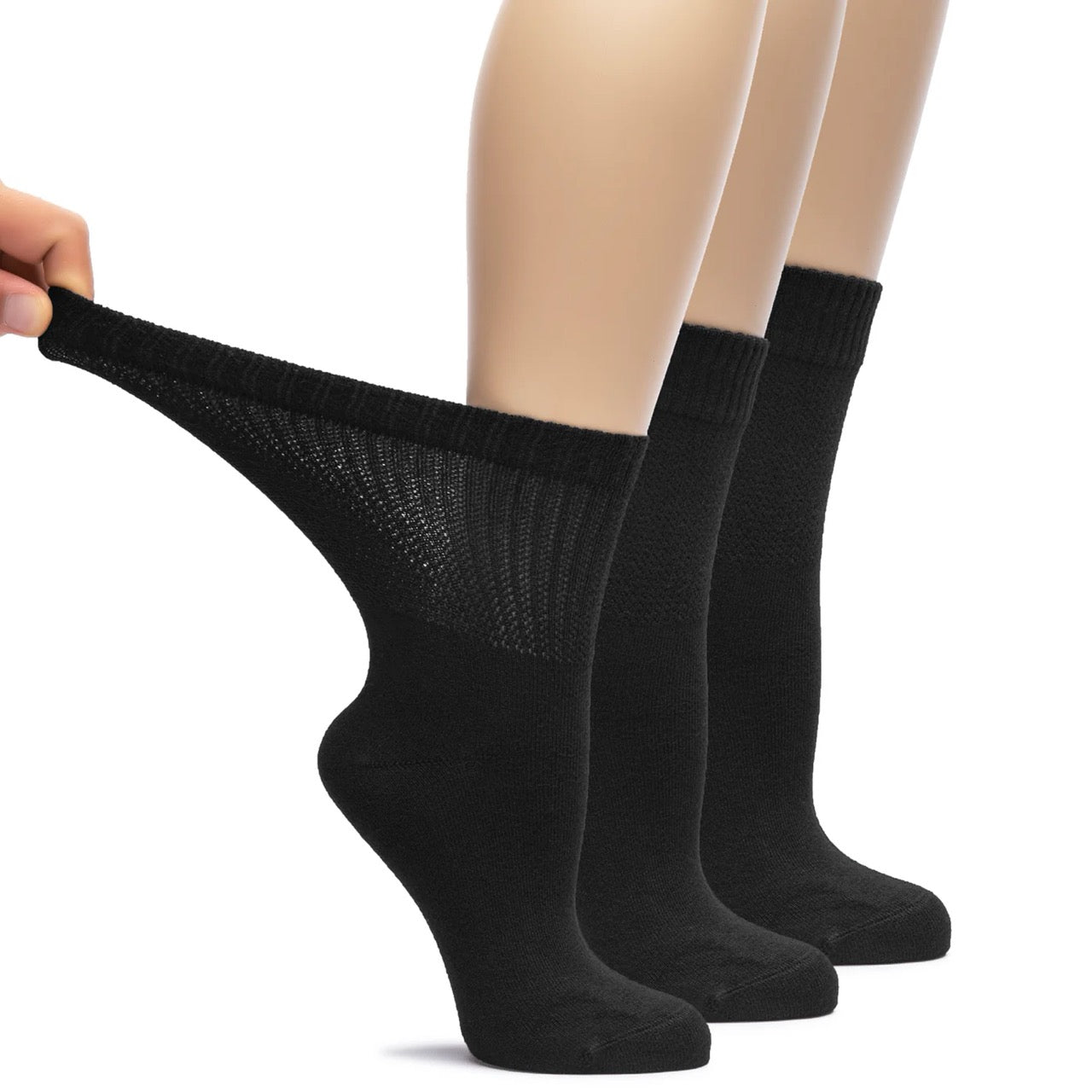
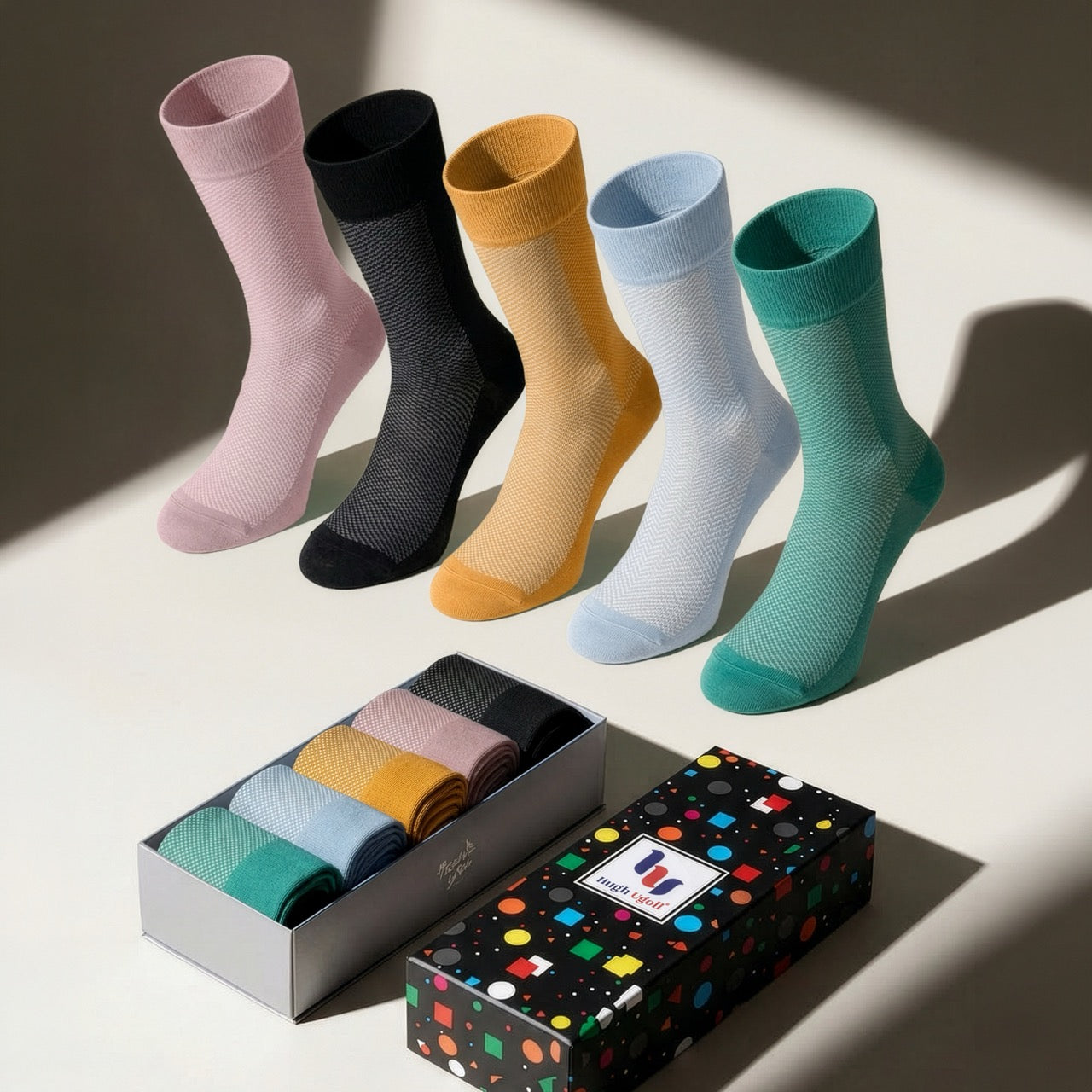
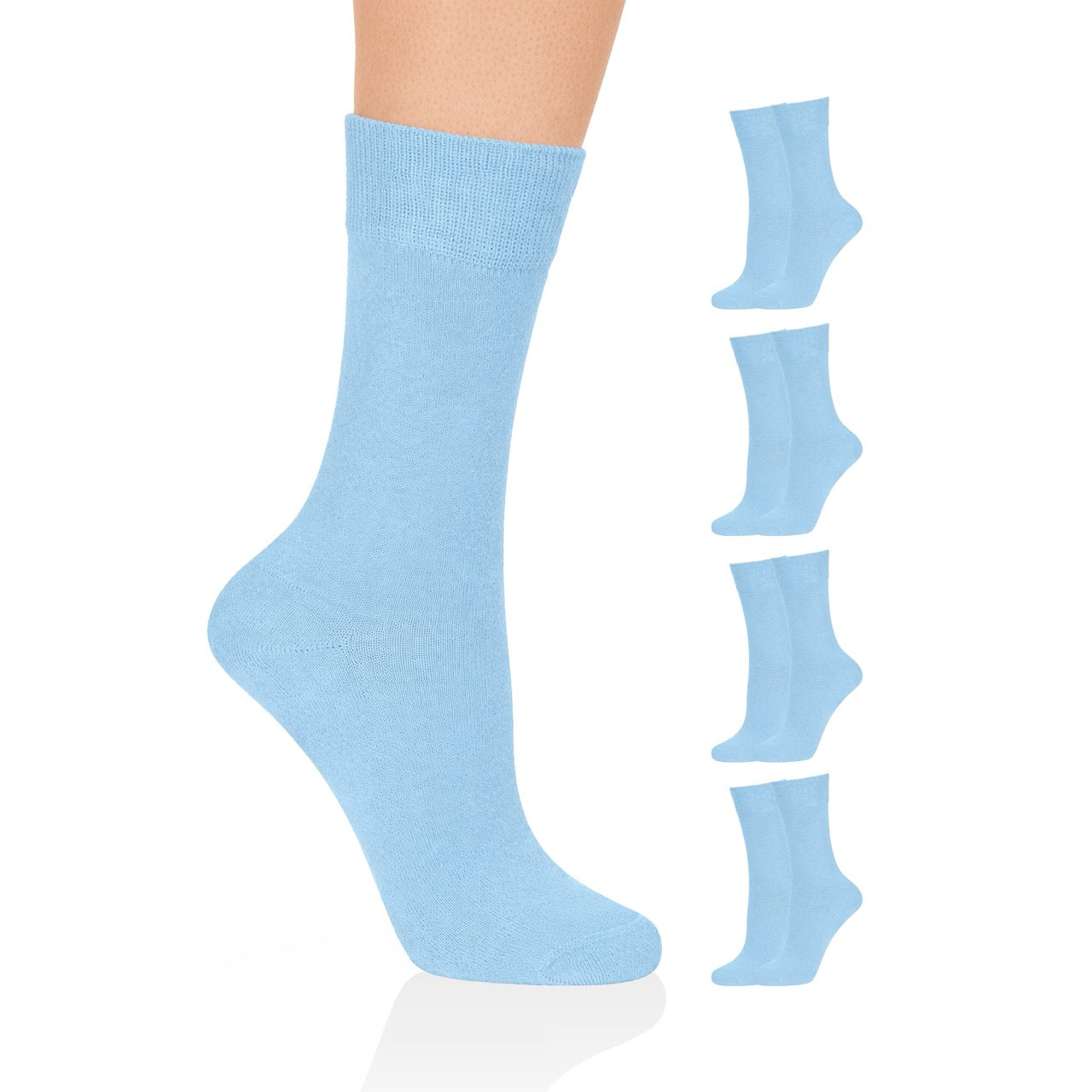
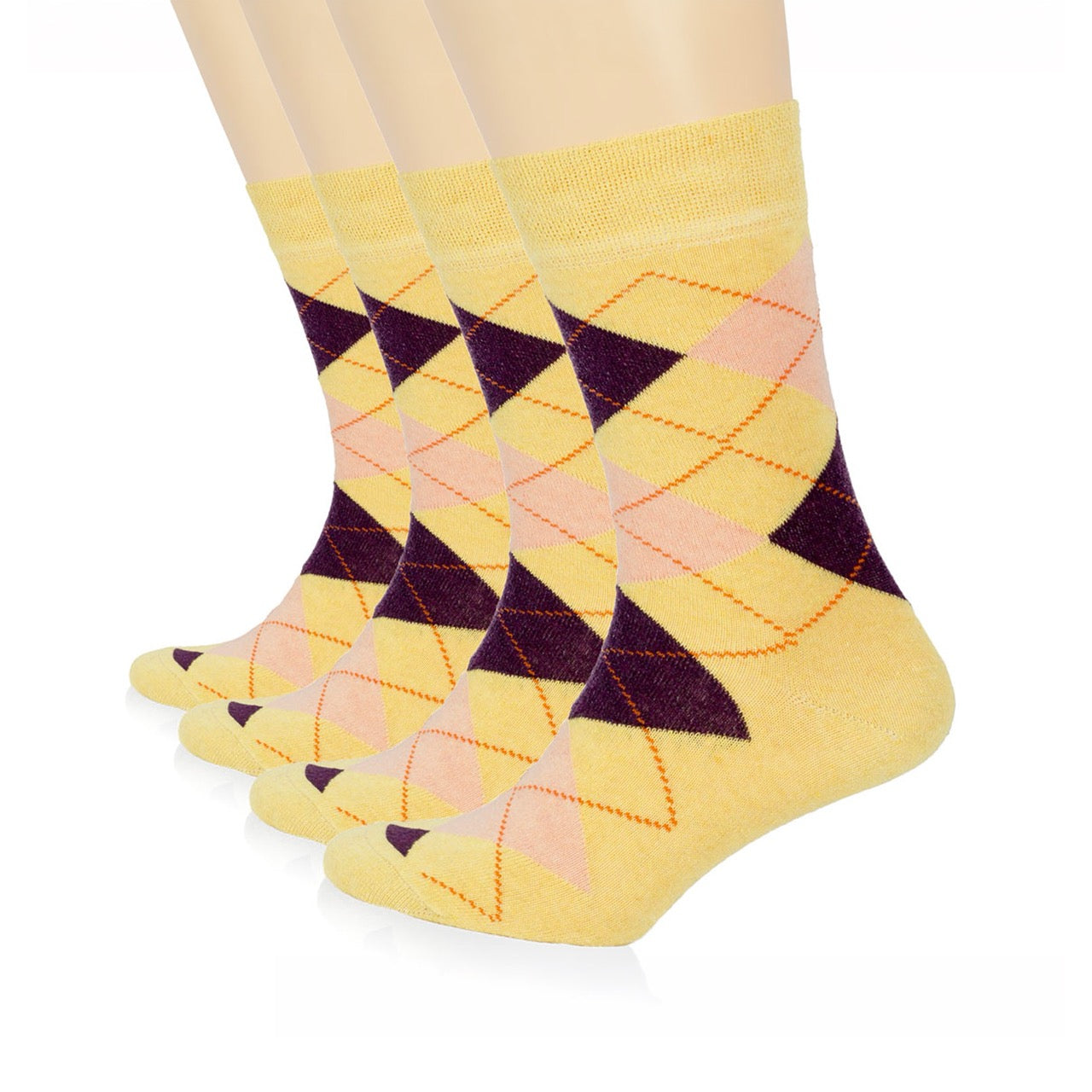
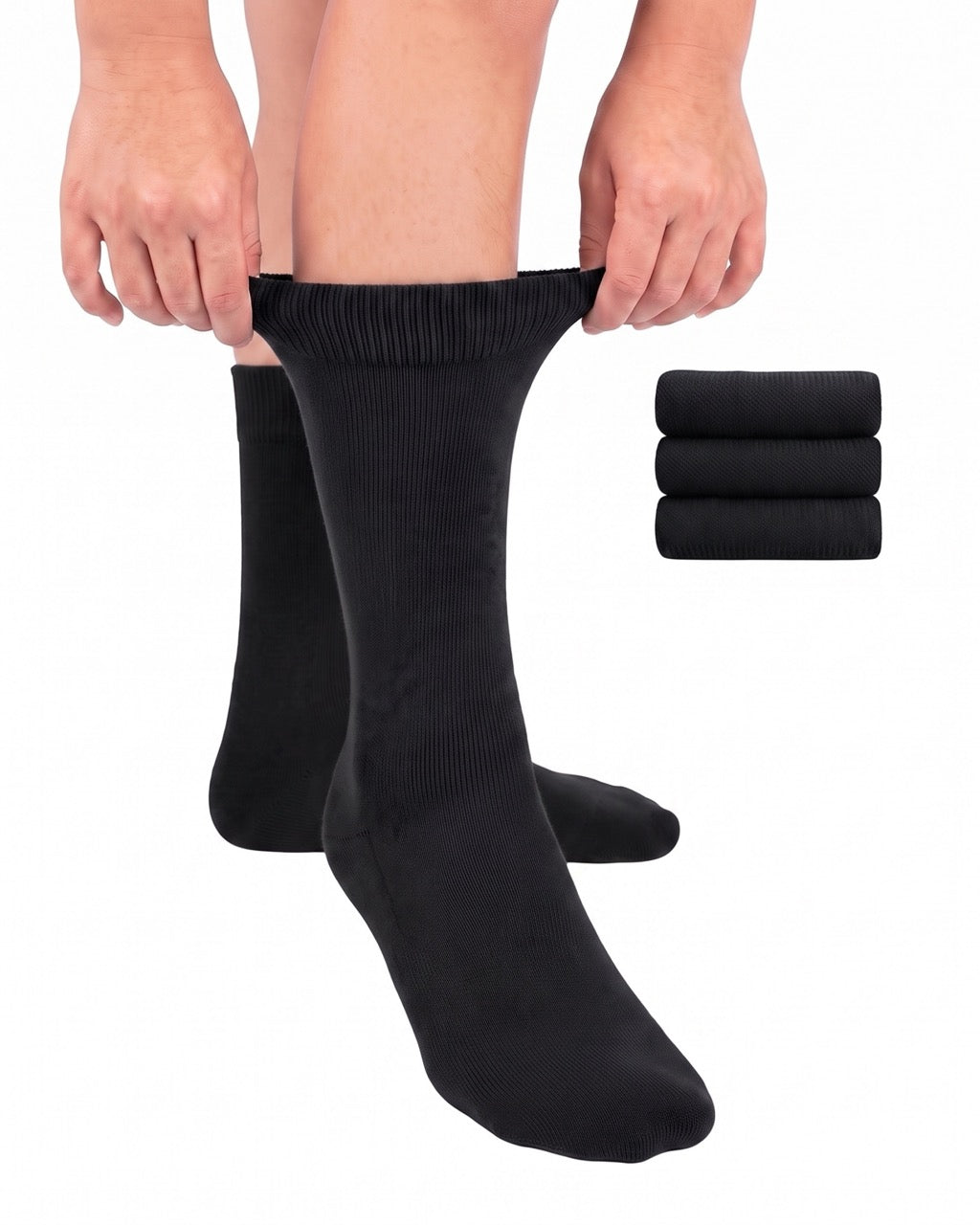
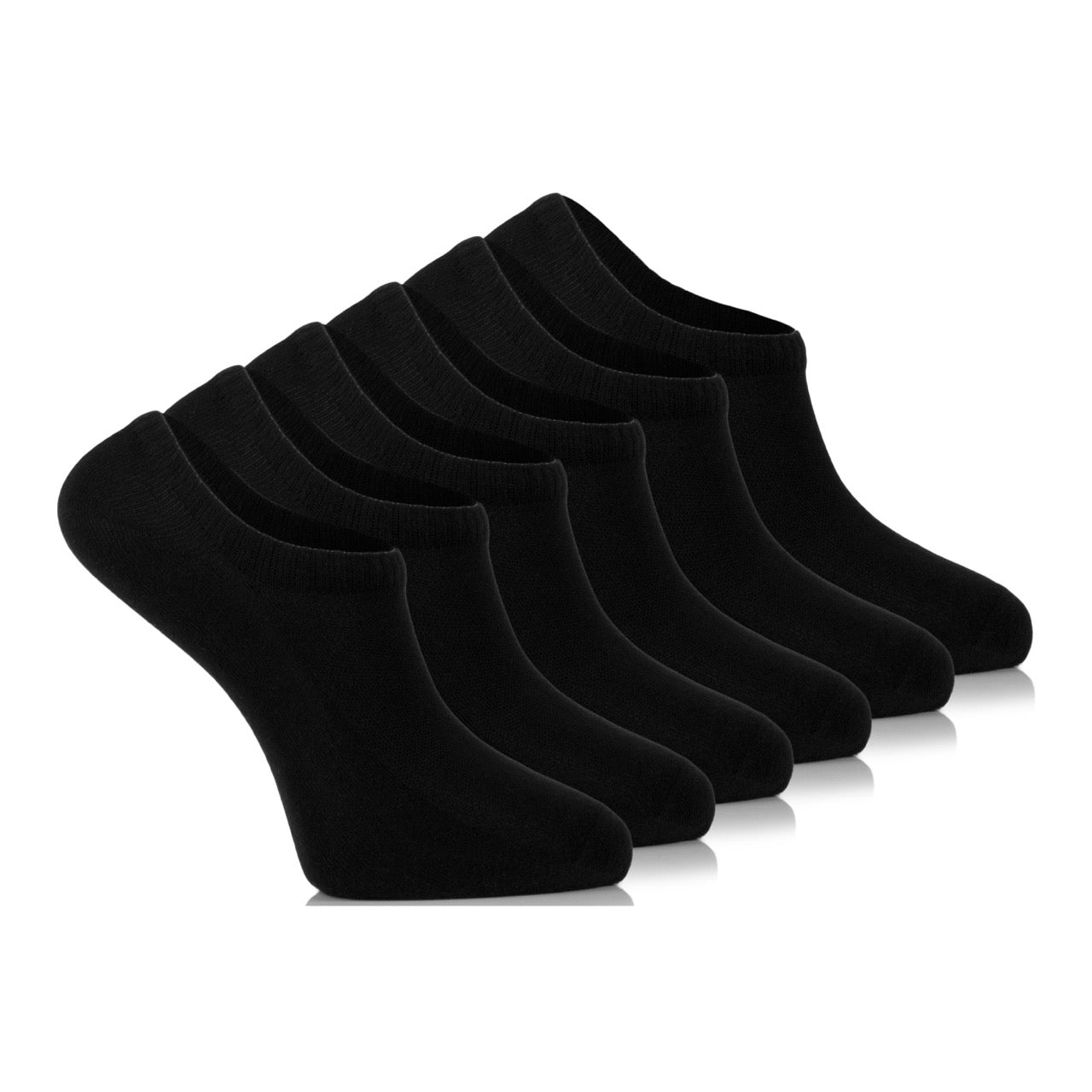
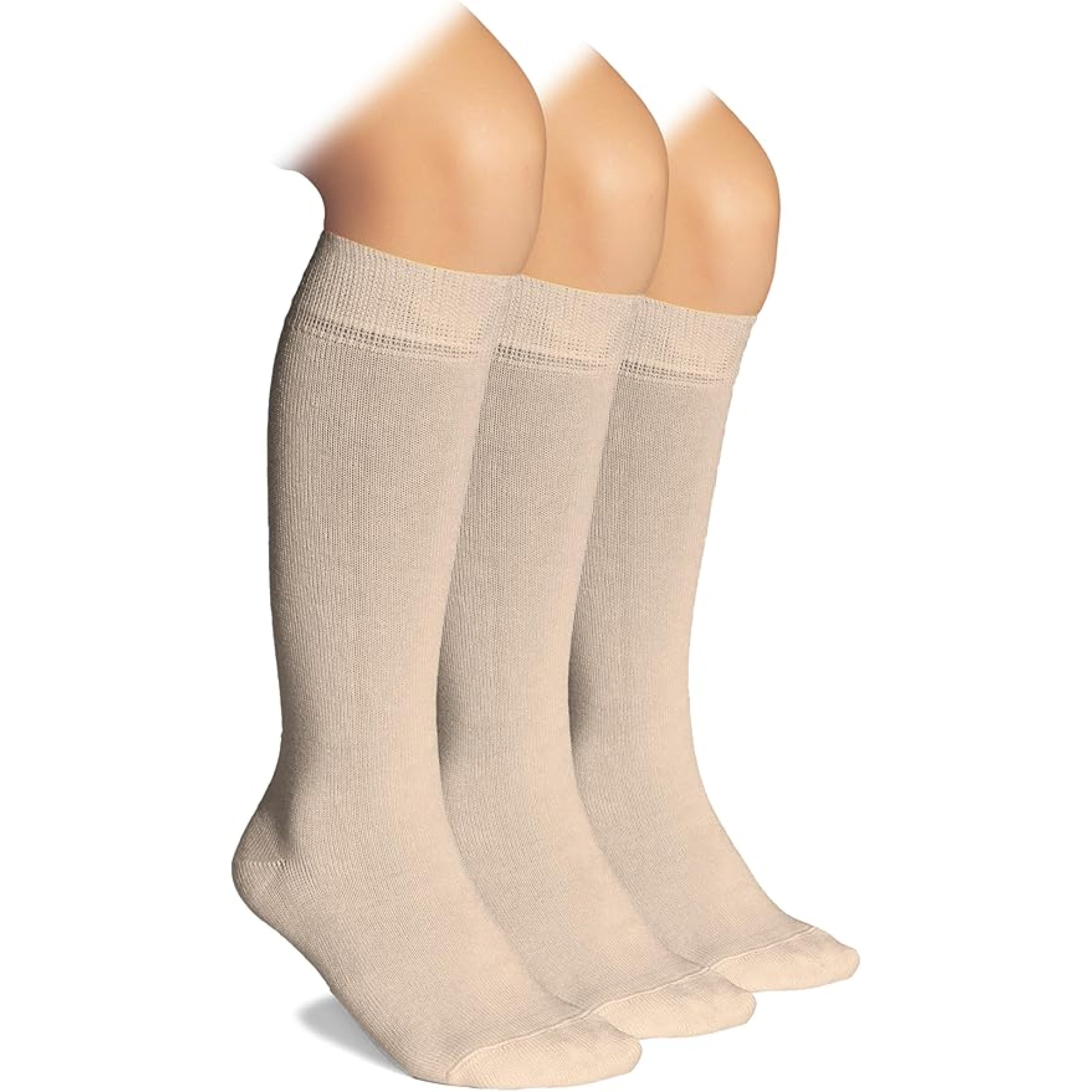


Comfortable men’s socks are often overlooked, yet they play a critical role in how your feet feel throughout the day. Whether you're heading to the office, spending hours on your feet, or engaging in outdoor activities, the right pair of socks can completely change your experience. But what actually makes socks comfortable?
The answer goes beyond just softness. Factors like sock materials, moisture control, fit, and purpose all contribute to how socks perform. Understanding these elements helps you choose pairs of socks that keep your feet dry, supported, and comfortable in every situation.
Your feet carry your entire body weight. When socks fail to provide proper support or moisture control, discomfort builds quickly. Poor-quality socks can lead to sweating, irritation, and even long-term foot fatigue.
Comfortable socks are designed to maintain balance—keeping your feet dry, regulating temperature, and ensuring a proper fit. This is especially important for everyday wear, where small discomforts can accumulate over time.
The foundation of comfortable socks lies in the materials used. Different sock materials perform differently depending on the environment and activity.
Cotton socks are widely used because they feel soft and natural against the skin. However, cotton absorbs moisture rather than wicking it away. This means your feet may not stay dry during long hours or high activity.
For casual, everyday wear in mild conditions, cotton socks can still be a comfortable option. But for performance or extended use, other materials offer better moisture control.
Merino wool is one of the most versatile materials available. Unlike traditional wool socks, it is lightweight, breathable, and comfortable for all-day wear.
Merino wool socks are ideal for both everyday wear and outdoor activities, making them a reliable choice across different conditions.
Synthetic fibers such as polyester and nylon are engineered for performance. These materials excel at wicking away moisture and maintaining durability over time.
Athletic socks and hiking socks often use synthetic blends because they help keep feet dry and reduce friction during movement. These socks are designed to handle high-intensity environments.

Moisture is one of the biggest factors affecting comfort. When your feet stay dry, they feel better and remain healthier.
High-quality socks use moisture-wicking technology to pull sweat away from the skin. This process helps:
Moisture control is especially important during outdoor activities, long workdays, or in warm weather conditions.
No matter how good the materials are, a sock that doesn’t fit properly will never feel comfortable.
A well-designed sock fits snugly without being tight. It should:
A proper sock fits your foot shape, ensuring that pressure is evenly distributed. This reduces friction and helps prevent discomfort during movement.
Arch support is often overlooked in everyday socks but plays a major role in comfort. Socks that include built-in arch support help stabilize the foot and reduce fatigue.
This feature is especially important for:
Supportive socks offer better alignment and help your feet feel more comfortable over time.
Temperature control is another key factor in comfortable socks. Your feet should feel neither too hot nor too cold.
Materials like merino wool regulate temperature naturally. They keep feet warm in cold weather and cool in warmer conditions.
In contrast, poorly designed socks can trap heat, leading to sweaty feet and discomfort. Choosing the right materials ensures that your feet stay comfortable throughout the day.
Not all socks are designed for the same purpose. Choosing the right type based on your activity makes a significant difference.
For daily use, comfortable socks should focus on breathability, softness, and moderate support. Cotton blends or lightweight merino wool are ideal.
Athletic socks are designed for movement. They often include synthetic fibers, moisture-wicking features, and targeted cushioning.
These socks help reduce friction and keep feet dry during workouts or sports.
Hiking socks require durability and advanced moisture control. Merino wool and synthetic blends are commonly used to handle long distances and varying weather conditions.
These socks also provide extra cushioning in high-impact areas like heels and toes.
For cold weather, wool socks are the best choice. They provide insulation while still allowing moisture to escape, keeping feet warm and dry.
Comfort is not just about how socks feel on the first wear. High-quality socks maintain their performance over time.
Durable socks:
Investing in better socks means fewer replacements and more consistent comfort.
Instead of relying on a few pairs, it is better to build a versatile sock collection. Having different pairs of socks for different situations ensures consistent comfort.
This approach allows you to choose the right socks for each situation, improving overall comfort.
Comfortable men’s socks are not defined by a single feature. They are the result of multiple factors working together—materials, fit, moisture control, and design.
The best socks keep your feet dry, regulate temperature, and provide consistent support throughout the day. Whether you are wearing them for everyday use, sports, or outdoor activities, choosing the right socks makes a noticeable difference.
When socks are designed for comfort, your feet feel better—and that impacts how you move, work, and live every day.
Merino wool and high-quality synthetic blends are the best options. They regulate temperature and provide excellent moisture control.
Yes, but they are better for light use. Cotton absorbs moisture, so it may not keep feet dry during long or active days.
Moisture control helps keep feet dry, reduces friction, and prevents discomfort and odor.
Yes. Arch support helps stabilize the foot and reduces fatigue, especially during long hours of standing or walking.
It is best to have multiple pairs for different uses, including everyday wear, athletic activities, and cold weather conditions.
He has been working for more than 20 years in the textile industry and has work experience in many parts of the world.