Cart
0
You may also like
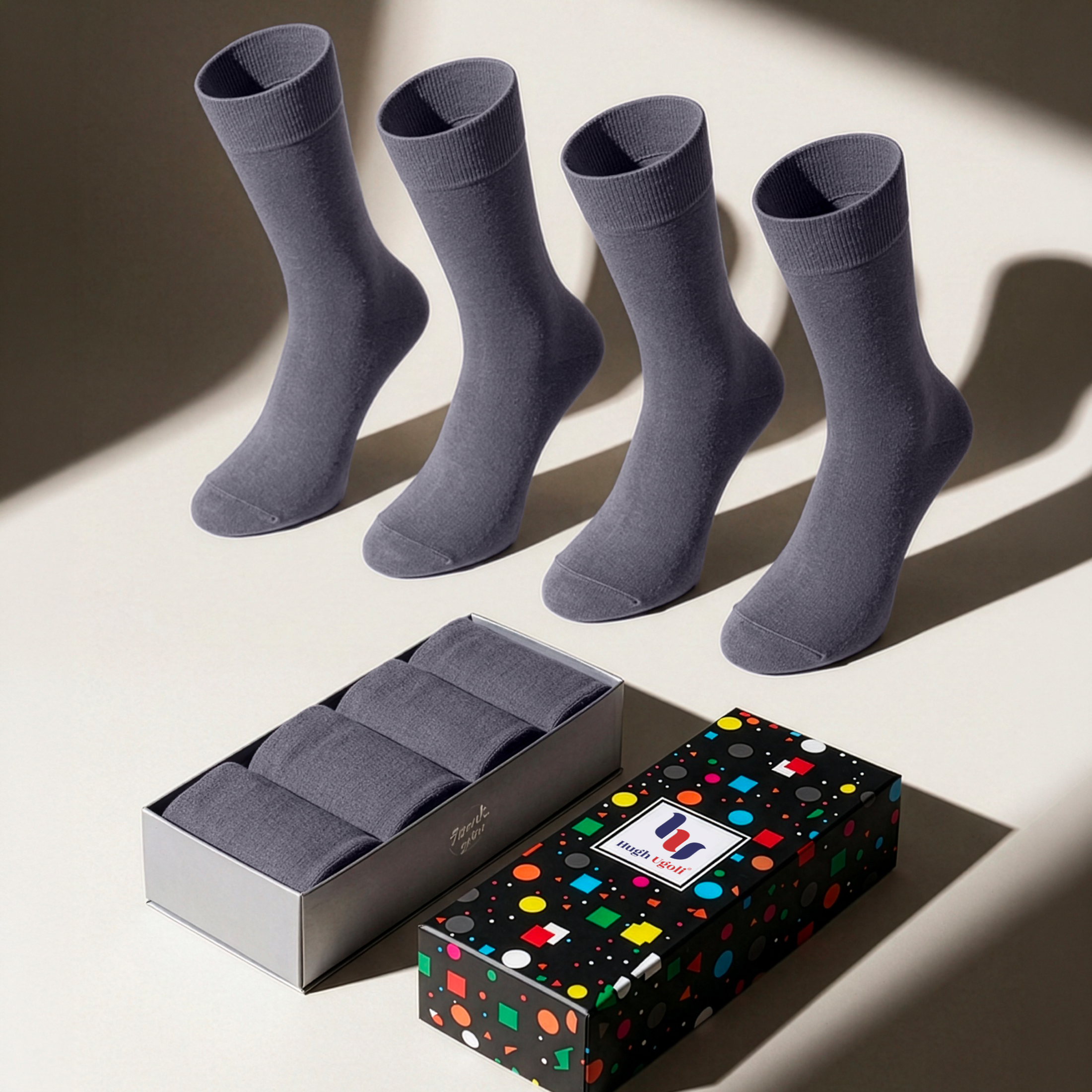
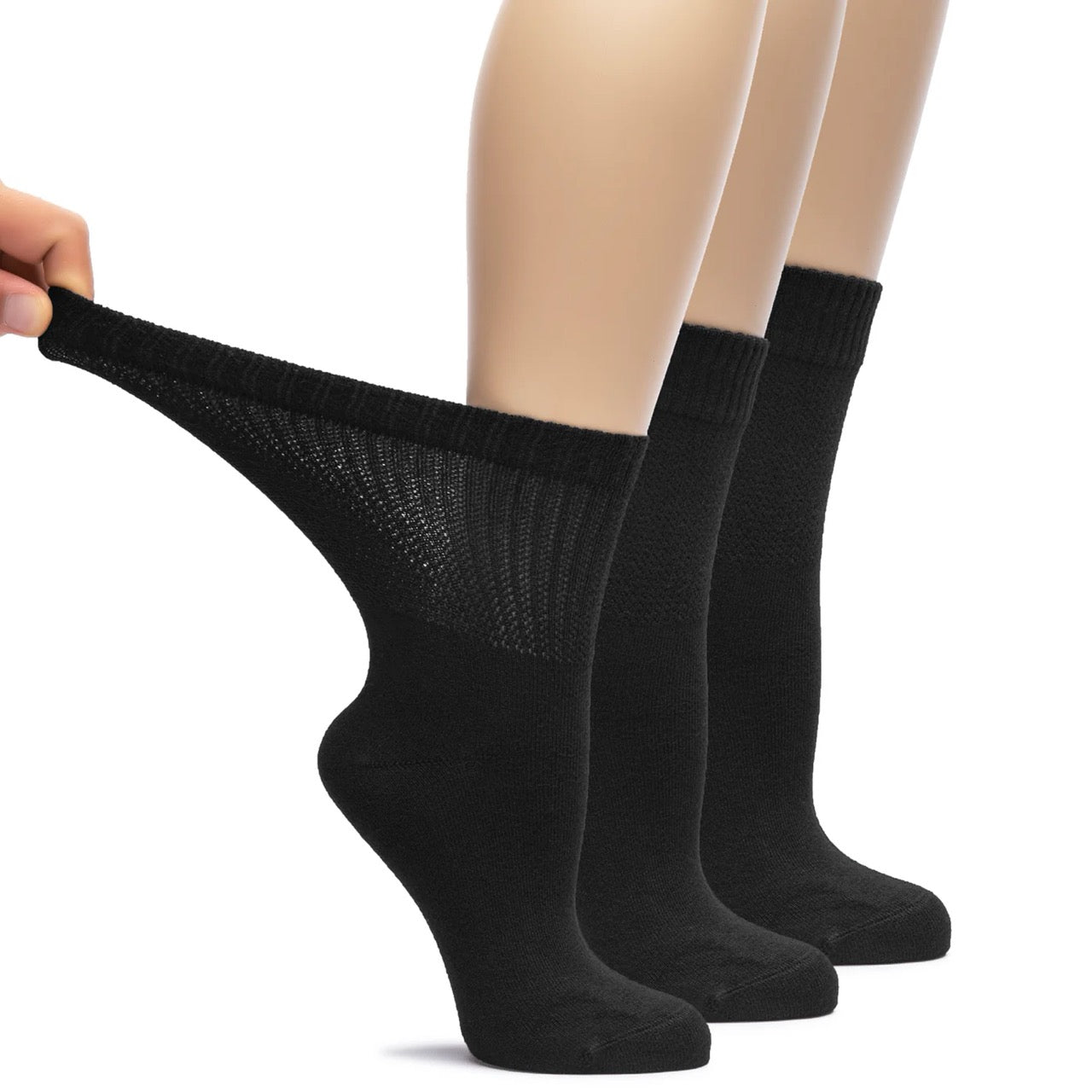

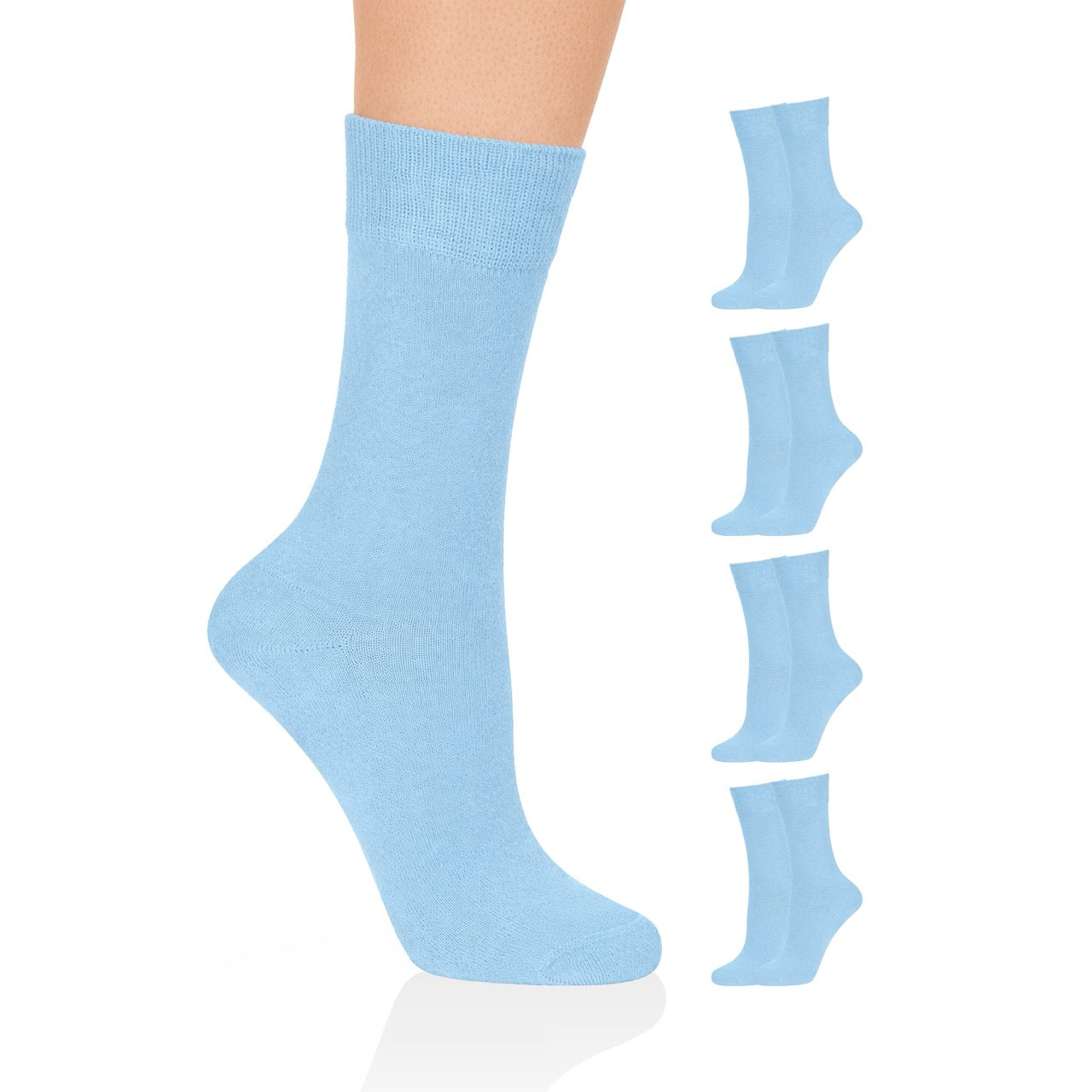
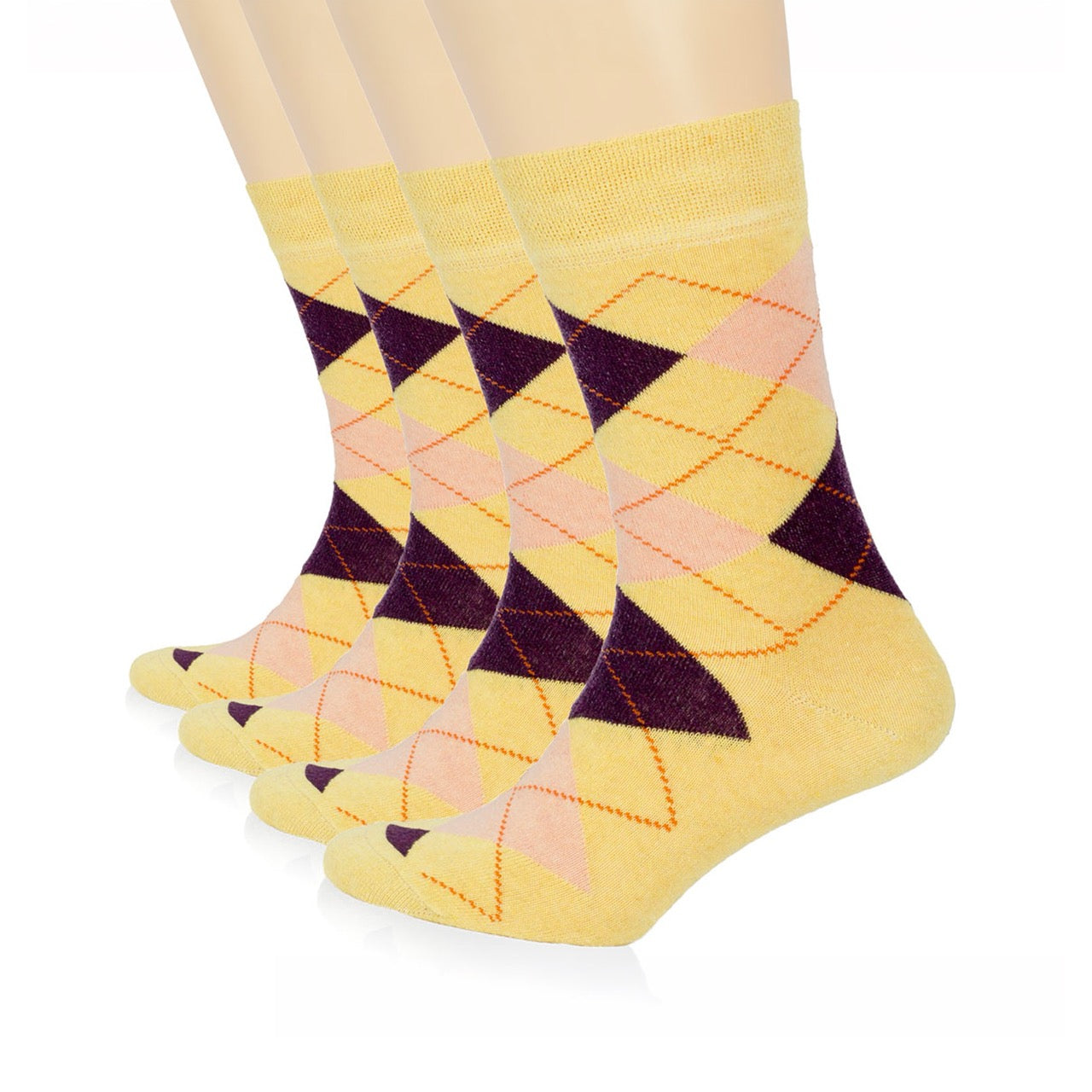
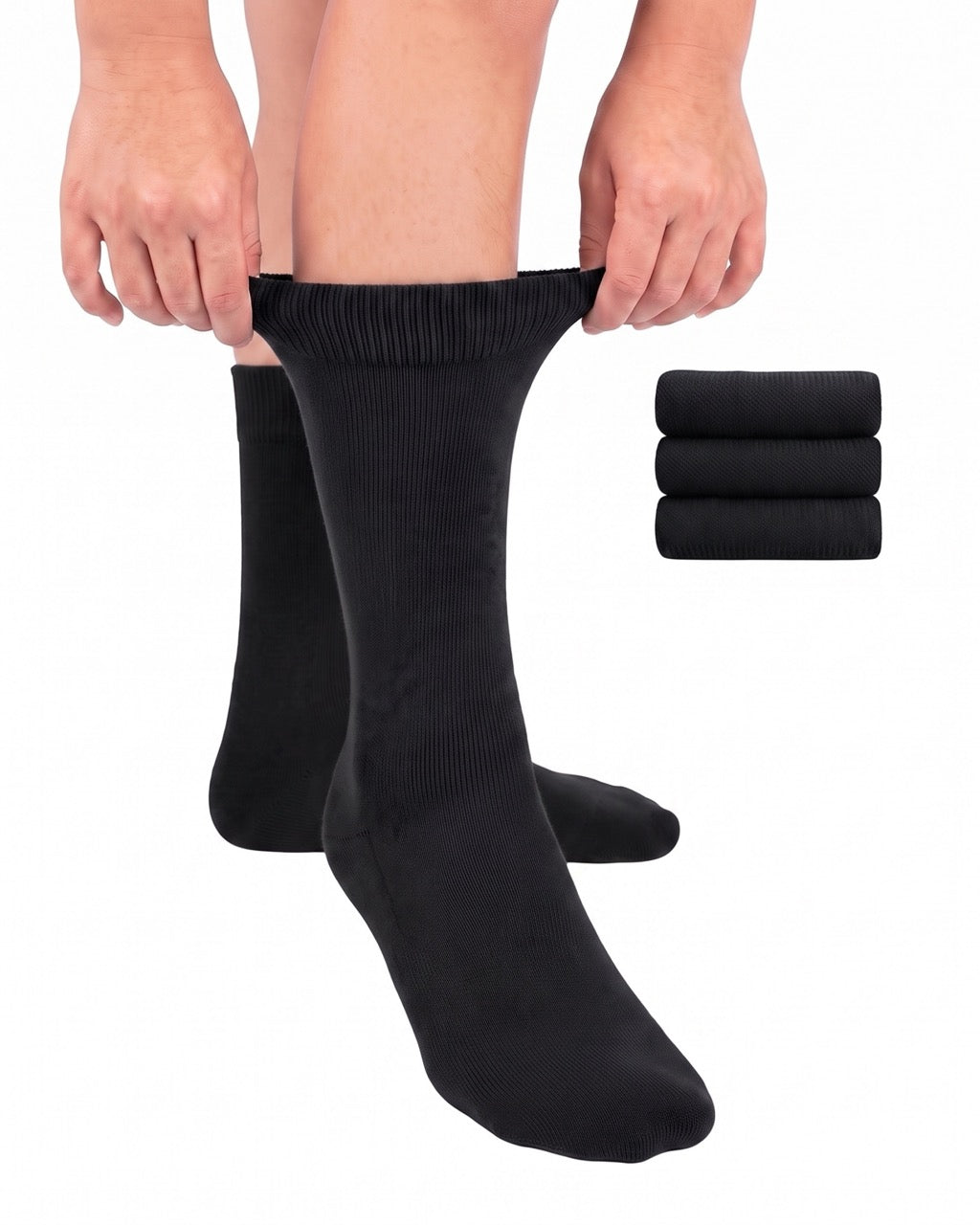
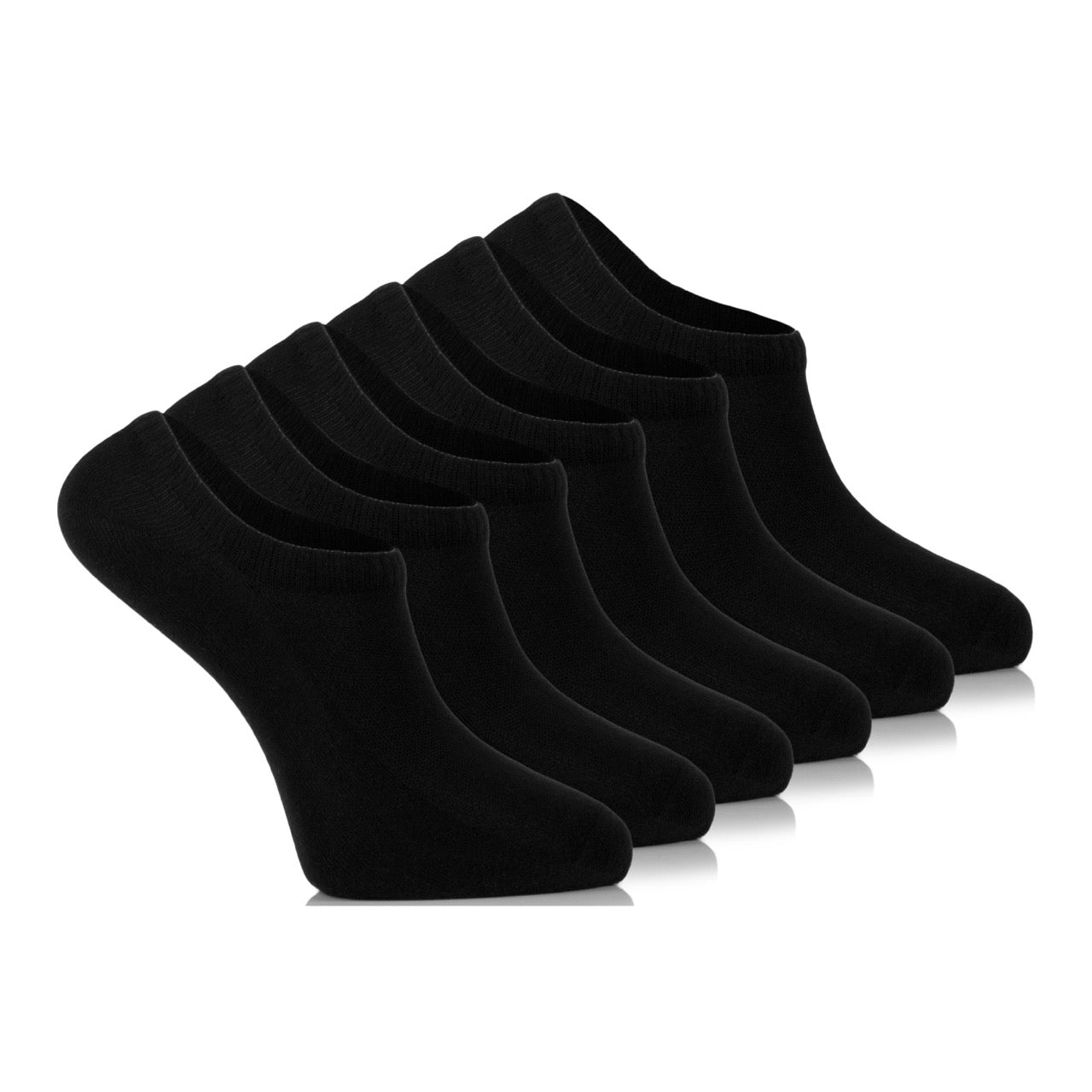
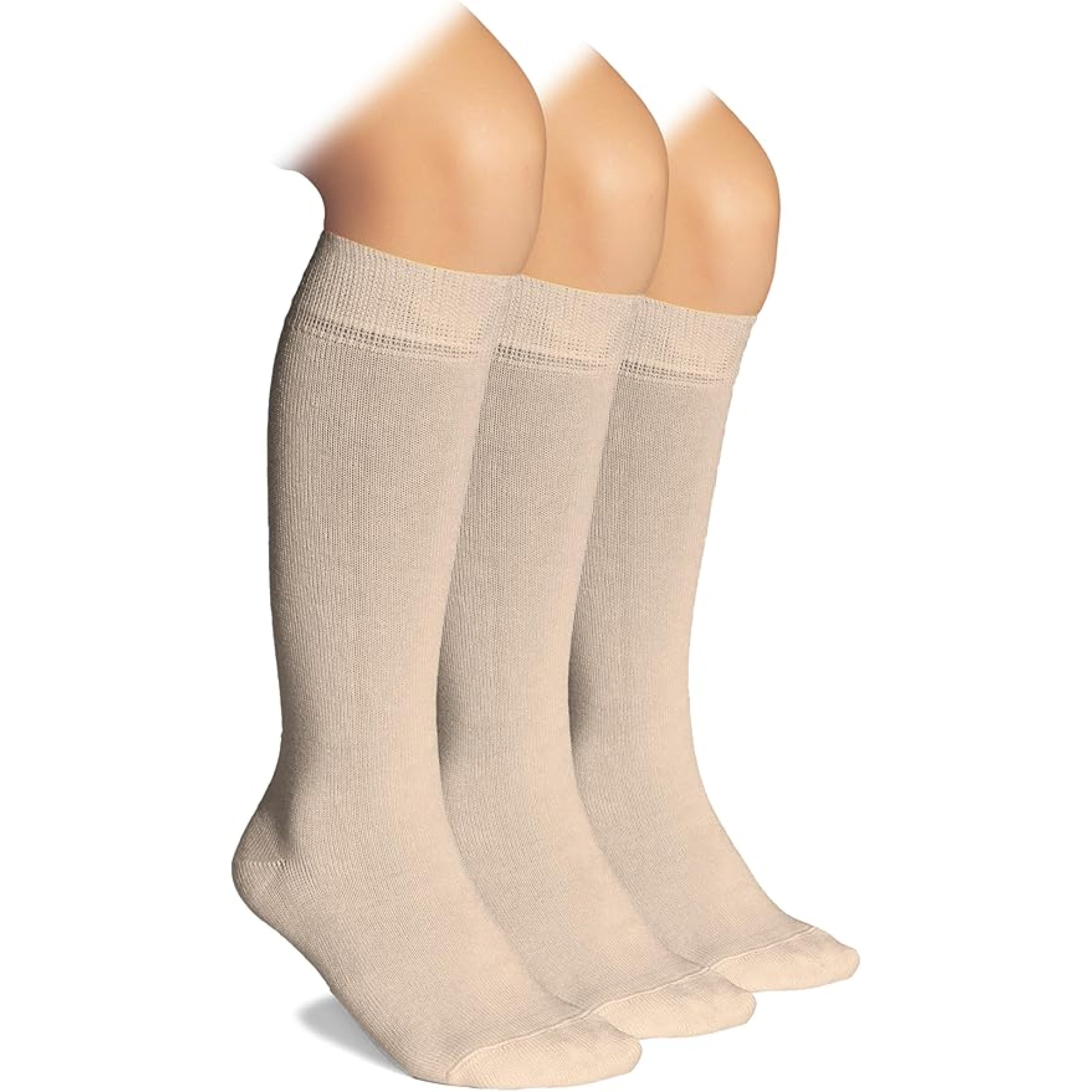


Long workdays can take a serious toll on your legs and feet. Whether you’re standing for hours, walking constantly, or sitting for extended periods, poor circulation can lead to discomfort, swelling, and fatigue. This is where support socks—especially compression socks for men-make a real difference.
Designed to improve circulation and reduce fatigue, these socks are no longer just for medical use. Today, they are widely used by professionals, travelers, and anyone dealing with long hours on their feet.
This guide explains how compression socks work, what features to look for, and how to choose the best pair of compression socks for daily use.
When you spend long hours standing or sitting, blood flow in your legs can slow down. This leads to swelling, discomfort, and a heavy feeling in your legs.
In more serious cases, poor circulation may contribute to conditions like varicose veins or even increase the risk of deep vein thrombosis DVT. While this is more common in medical situations, maintaining healthy blood flow is important for everyone.
Support socks are designed to address this issue by helping your body move blood more efficiently.
Compression socks are designed using graduated compression technology. This means the pressure is strongest at the ankle and gradually decreases as it moves up the leg.
This structure helps improve circulation and reduce swelling by encouraging blood to flow upward toward the heart.
Most compression socks for men are made with materials like nylon spandex blends, which provide elasticity and durability while maintaining comfort.
A graduated compression sock supports natural circulation by applying controlled pressure. This design improves blood flow and reduces the feeling of tired legs.
Unlike regular socks, compression socks actively support your vascular system throughout the day.

Compression levels are measured in millimeters of mercury mmHg. Choosing the right level is essential for both comfort and effectiveness.
For most people working long hours, mild to moderate compression or 15-20 mmHg is the most practical choice.
Wearing compression socks regularly can provide several benefits, especially during demanding workdays.
These benefits make compression socks a practical solution for daily wear.
Compression socks are useful for a wide range of people, not just those with medical conditions.
For these groups, wearing compression socks can significantly improve comfort and energy levels.
Knee high socks are the most common design for compression use. They provide full coverage from the ankle to just below the knee, ensuring proper pressure distribution.
This length is ideal for improving circulation and reducing swelling throughout the lower leg.
A pair of compression socks should fit snugly without being too tight. Proper sizing ensures effective compression and prevents discomfort.
Always check size charts and consider calf circumference when selecting socks.
High-quality compression socks include moisture wick technology to keep feet dry. Materials like nylon spandex blends help maintain breathability while providing stretch.
This is especially important during long workdays when heat and sweat can build up.
Compression socks should maintain their shape and compression levels even after repeated use. Durable materials ensure long-term performance and consistent support.
Modern compression socks are designed for daily use. They combine functionality with comfort, making them suitable for both work and casual settings.
When selecting compression socks, consider your daily routine and level of activity.
If you work long hours on your feet, moderate compression with breathable materials is ideal. For lighter use, mild compression may be sufficient.
Some brands, such as Bombas Everyday Compression Socks, offer designs focused on comfort and style while maintaining performance. These types of socks balance support with everyday wearability.
To get the most benefit, it is best to wear compression socks during periods of prolonged activity or inactivity.
Putting them on in the morning before swelling begins is the most effective approach.
Even the best compression socks will not perform properly if used incorrectly.
Avoiding these mistakes ensures consistent performance and comfort.
Proper care helps maintain the effectiveness of compression socks.
Maintaining your socks properly ensures they continue to improve circulation and reduce fatigue over time.
The best men’s support socks are those that combine effective compression with everyday comfort. Designed to improve circulation and reduce fatigue, these socks are essential for anyone dealing with long workdays.
By choosing the right compression levels, proper fit, and high-quality materials, you can significantly improve how your legs and feet feel throughout the day.
Whether you are a healthcare worker, office professional, or someone constantly on the move, a reliable pair of compression socks can make a noticeable difference in your daily comfort and overall well-being.
15-20 mmHg is ideal for most people. It provides effective support without being too tight for daily wear.
Yes. Knee high socks provide full coverage and ensure proper graduated compression across the lower leg.
They can help reduce pressure on veins and improve blood flow, which may lower the risk of developing varicose veins.
Yes. Compression socks designed for daily use are safe and beneficial when worn correctly.
Replace them when they lose elasticity or no longer provide consistent compression.
He has been working for more than 20 years in the textile industry and has work experience in many parts of the world.