Cart
0
You may also like

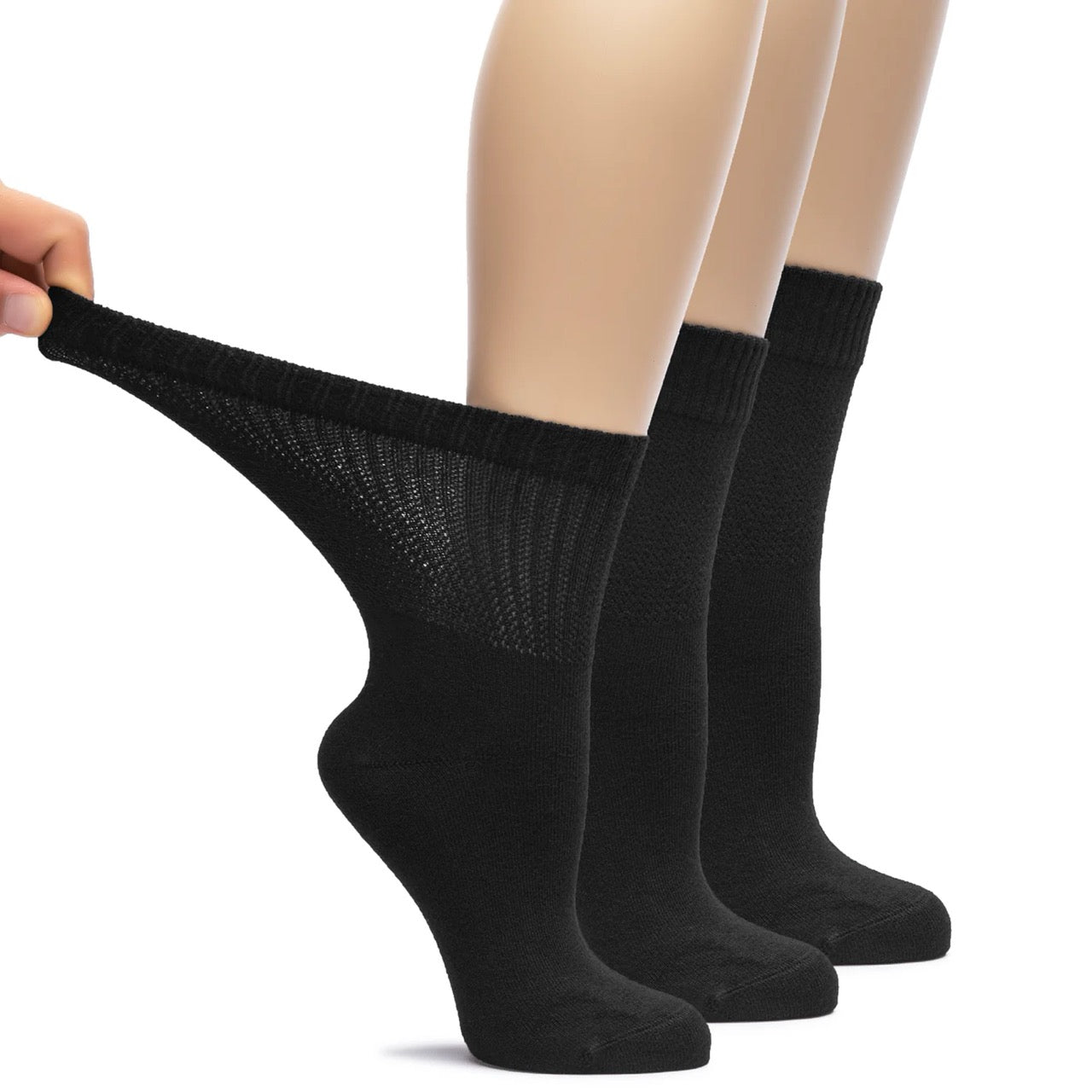

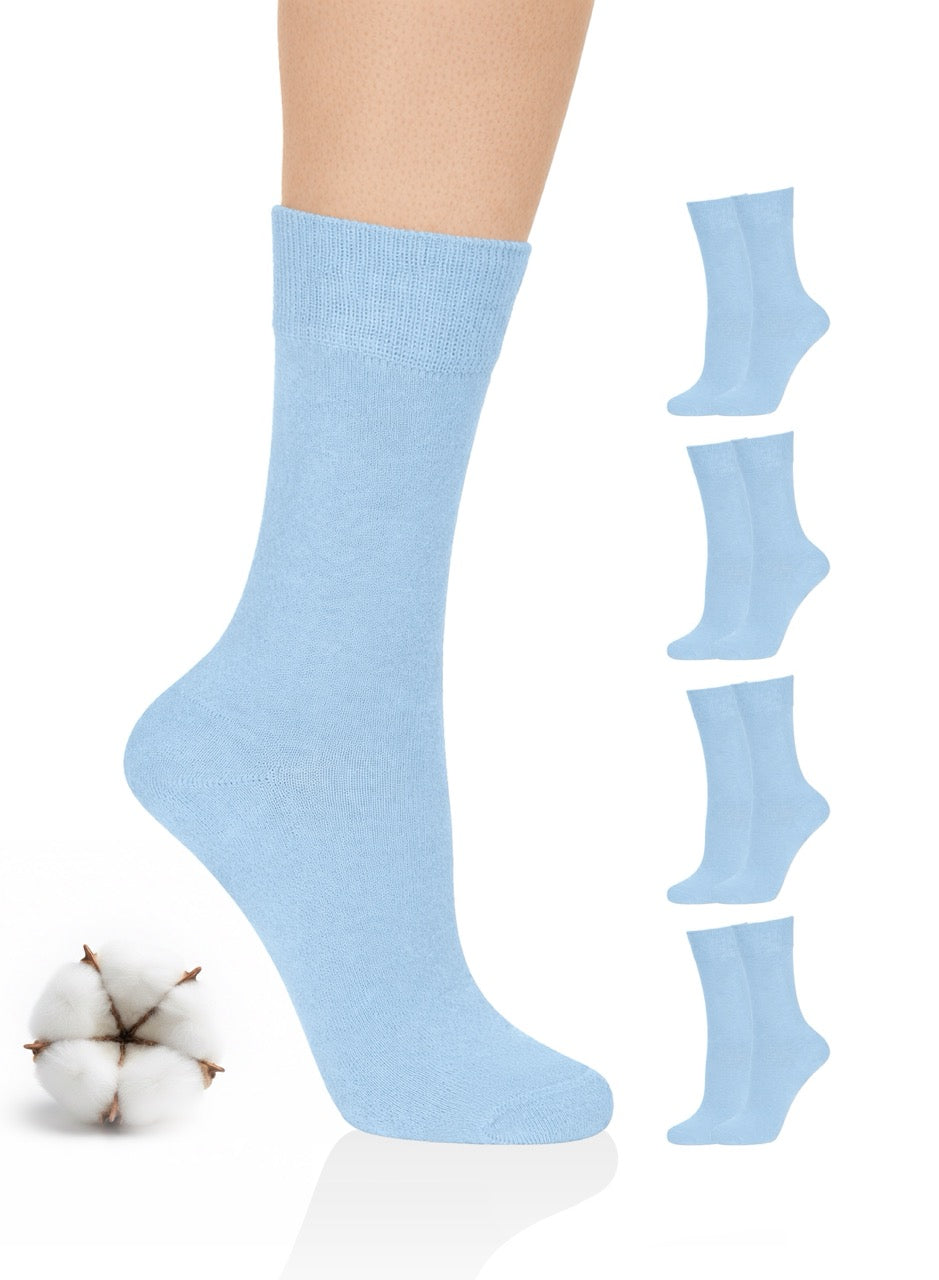
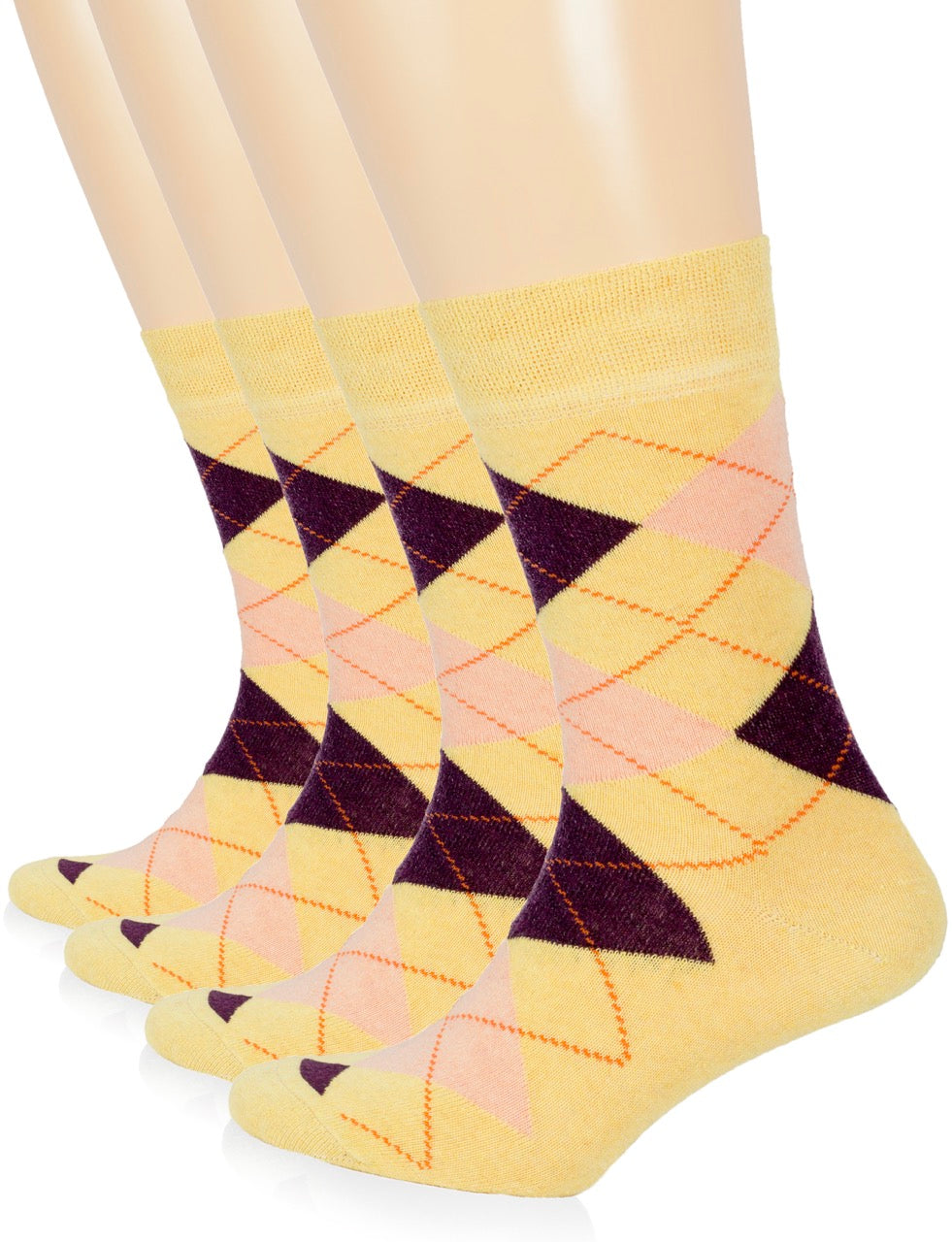
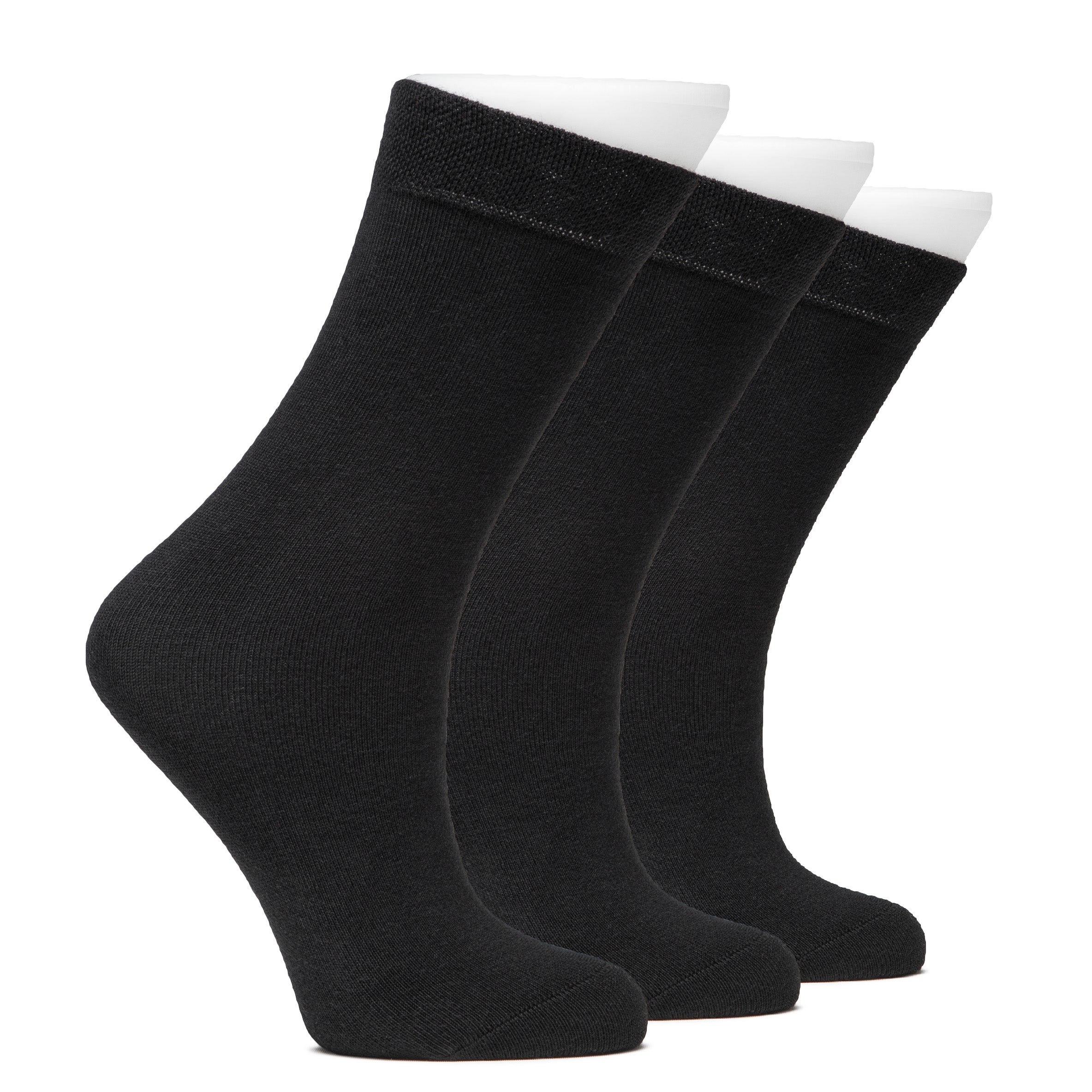
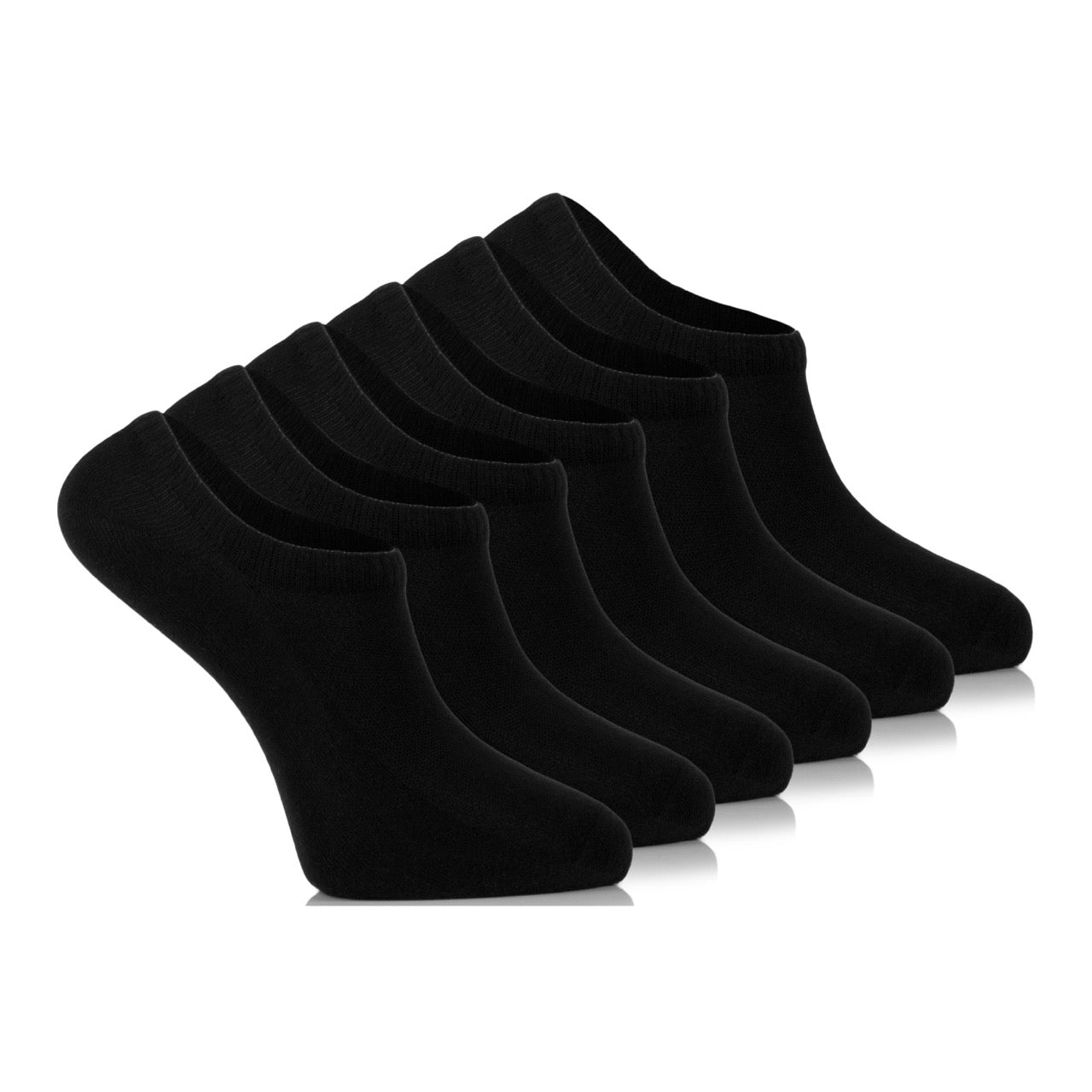
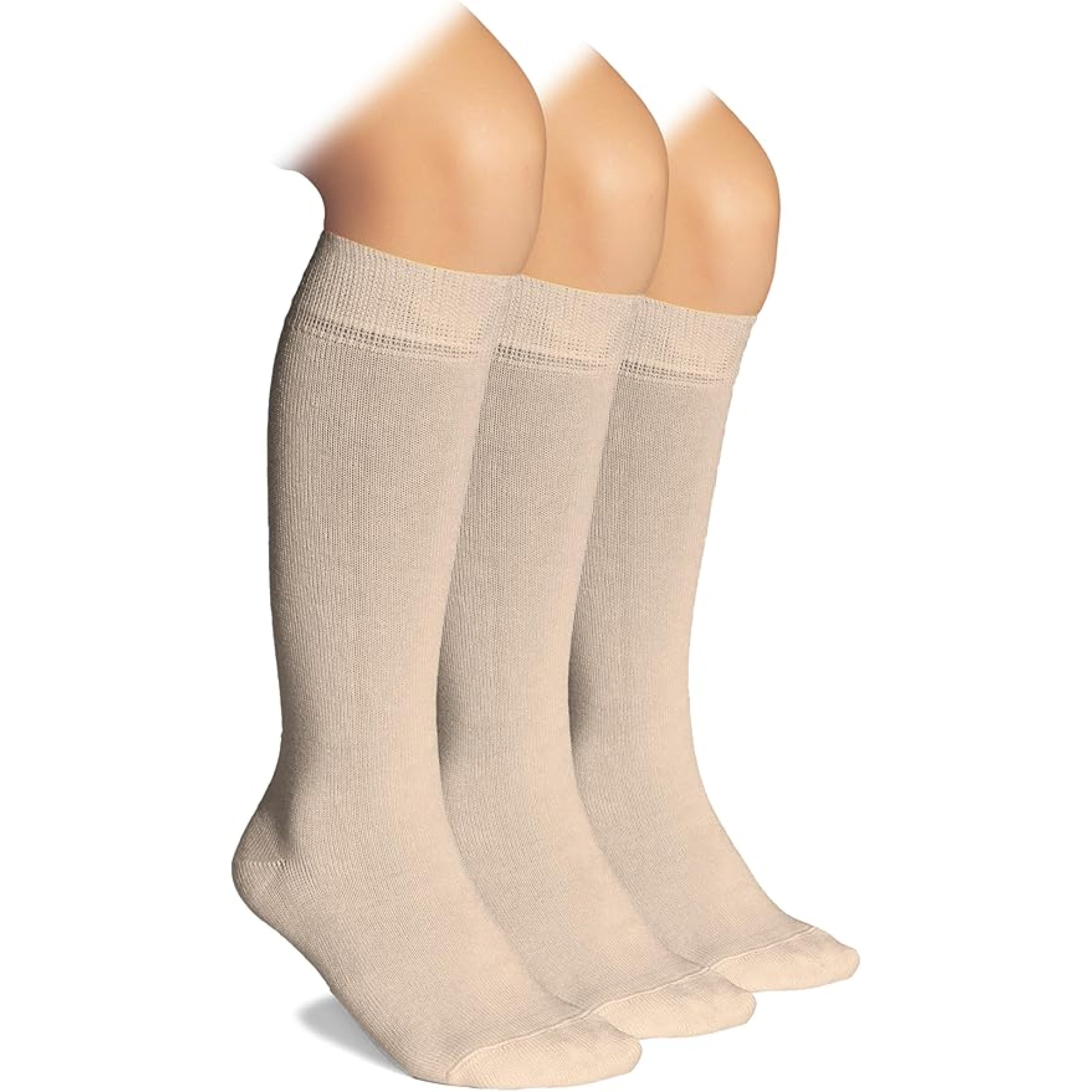


For years, the textile industry has been a focal point of discussions around its environmental impact. From the waste it generates to the energy-intensive manufacturing process, the call for sustainable practices is louder than ever. In this complex landscape, one item that often slips through the cracks is the humble pair of socks. This article aims to show why sustainable socks matter and how they can significantly reduce the environmental impact.
Traditional sock production has a multitude of environmental issues. Using non-renewable raw materials, such as synthetic fibers, in manufacturing contributes to landfill waste. These materials can take over 200 years to decompose fully, creating a long-term environmental burden. Additionally, the supply chain involved in creating a single pair of socks can be incredibly wasteful, from the extraction of raw materials to the energy used in manufacturing.

When it comes to sock production, quality and sustainability should be inseparable. A high-quality pair of socks made from sustainable materials like recycled polyester or merino wool lasts longer and has a significantly lower environmental impact. For example, socks made from recycled polyester can save enormous amounts of energy and help recycle plastic bottles, thus reducing waste.
The use of recycled materials is a game-changer in the production of sustainable socks. Leading sock brands are now incorporating recycled polyester made from recycled plastic bottles. REPREVE, a leading brand in recycled fibers, has recycled over 25 billion plastic bottles, demonstrating the transformative impact on the environment when choosing sustainable materials.
In a world where environmentally friendly claims are often made, it's crucial to be vigilant. Many sock brands claim to be eco-friendly socks but engage in "greenwashing," a deceptive practice that misleads consumers into thinking a product is more environmentally friendly than it is. Constantly scrutinize the supply chain and seek third-party certifications to verify a brand's claims.
Manufacturing is one of the most critical aspects of sustainable sock production. Traditional methods often involve the use of harmful chemicals and dyes, which have a detrimental impact on the environment. However, technological advancements have paved the way for cleaner, more environmentally friendly processes. For instance, waterless dyeing techniques are now employed to reduce water consumption, a precious resource often wasted in textile production.
The supply chain in sock production extends far beyond the manufacturing stage. It starts from the sourcing of raw materials and goes all the way to the retail shelves. Sock brands committed to sustainability are increasingly transparent about their supply chain, ensuring that every stage is aligned with ethical and environmentally friendly practices.
As consumers, we have a significant role in promoting sustainable socks. By choosing sock brands committed to environmentally friendly practices, we can drive demand for sustainable materials and ethical production methods. Reading labels, understanding the materials used, and researching a brand's sustainability efforts can go a long way in making an informed decision.
While the focus is often on the environmental impact, it's worth noting that sustainable sock production can also have economic benefits. Sustainable materials like recycled polyester and merino wool are increasingly cost-effective due to advancements in recycling technologies and sustainable farming practices.
The production of sustainable socks is not a mere trend but an urgent necessity in today's environmentally-conscious world. Consumers are making a powerful statement by opting for socks made from recycled and sustainable materials. It's time to put our best foot forward and make responsible choices that benefit us and the planet we call home.
Sustainable socks matter because they help reduce waste, lower environmental impact, and support more responsible textile production practices.
Common sustainable sock materials include recycled polyester, organic cotton, bamboo, merino wool, and other responsibly sourced fibers.
Recycled polyester socks can be more eco-friendly than virgin polyester because they reuse plastic waste and reduce demand for new synthetic materials.
Look for clear material information, transparent supply chain practices, and third-party certifications that support the brand’s sustainability claims.
Greenwashing happens when a brand makes misleading eco-friendly claims without enough evidence, transparency, or responsible production practices.
High-quality sustainable socks are often designed for durability, helping reduce waste by lasting longer than cheaply made alternatives.
Sock manufacturing can affect the environment through water use, chemical dyes, energy consumption, synthetic fibers, and textile waste.
Consumers can support sustainable sock production by choosing durable socks, checking material labels, avoiding greenwashing, and buying from transparent brands.
He has been working for more than 20 years in the textile industry and has work experience in many parts of the world.