Cart
0
You may also like
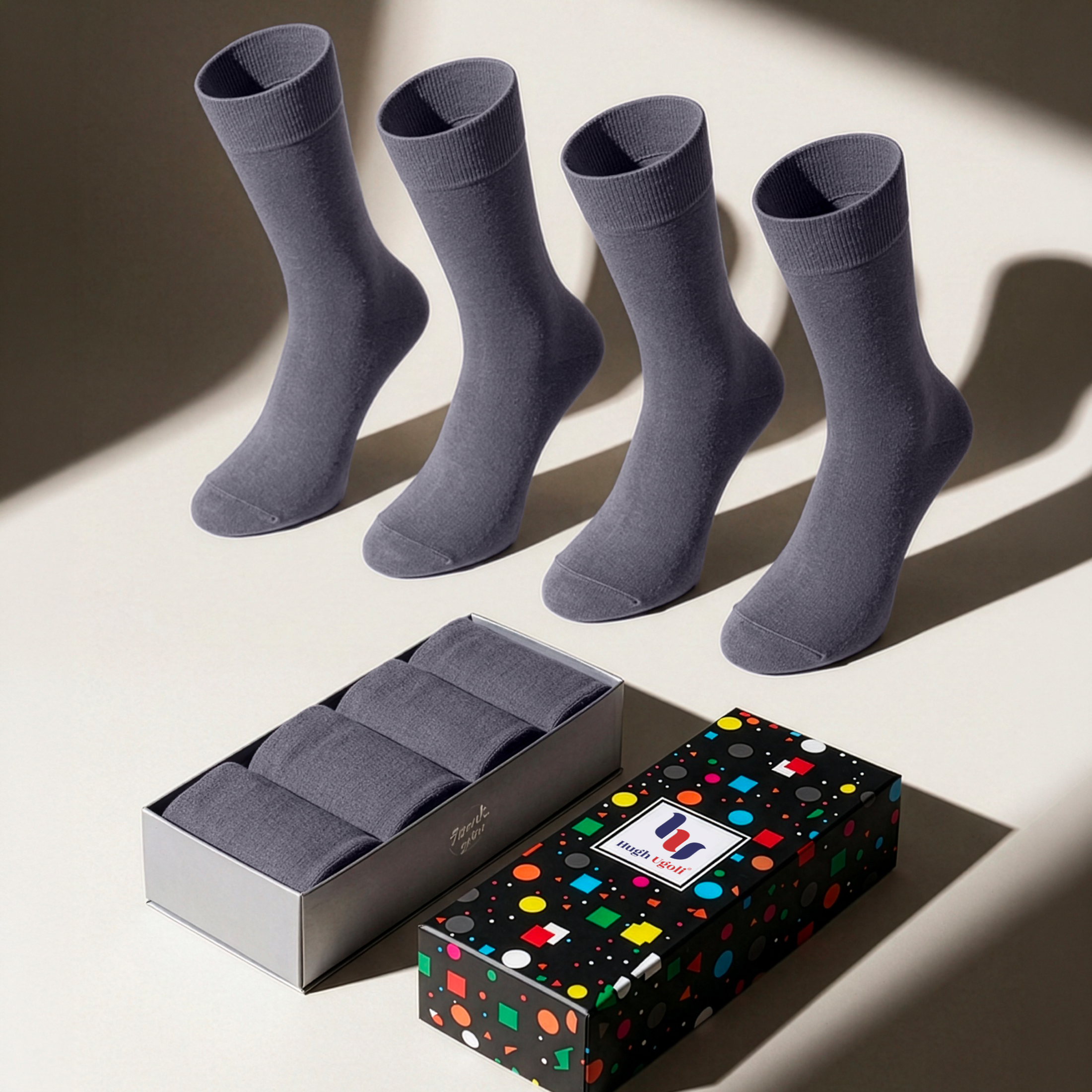
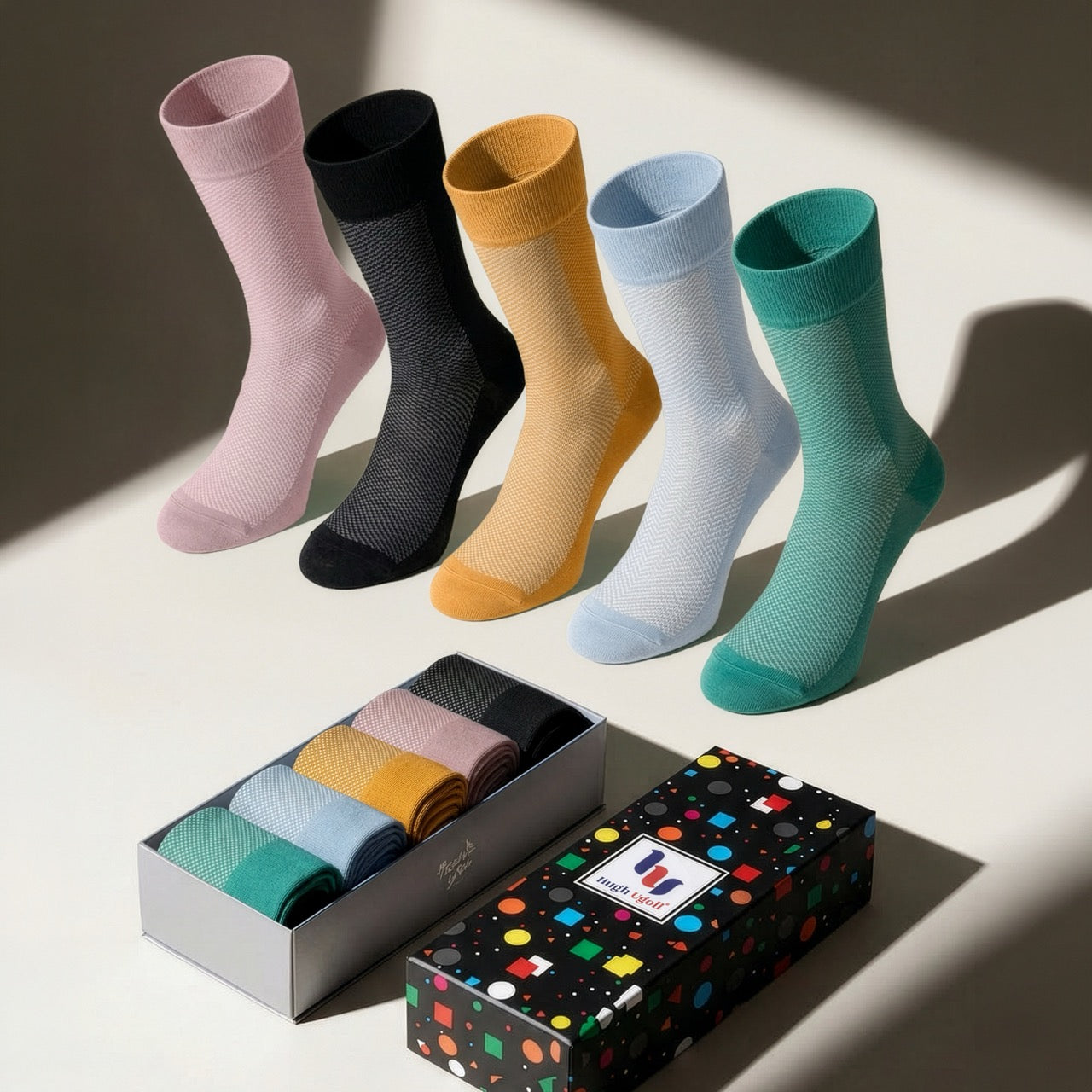
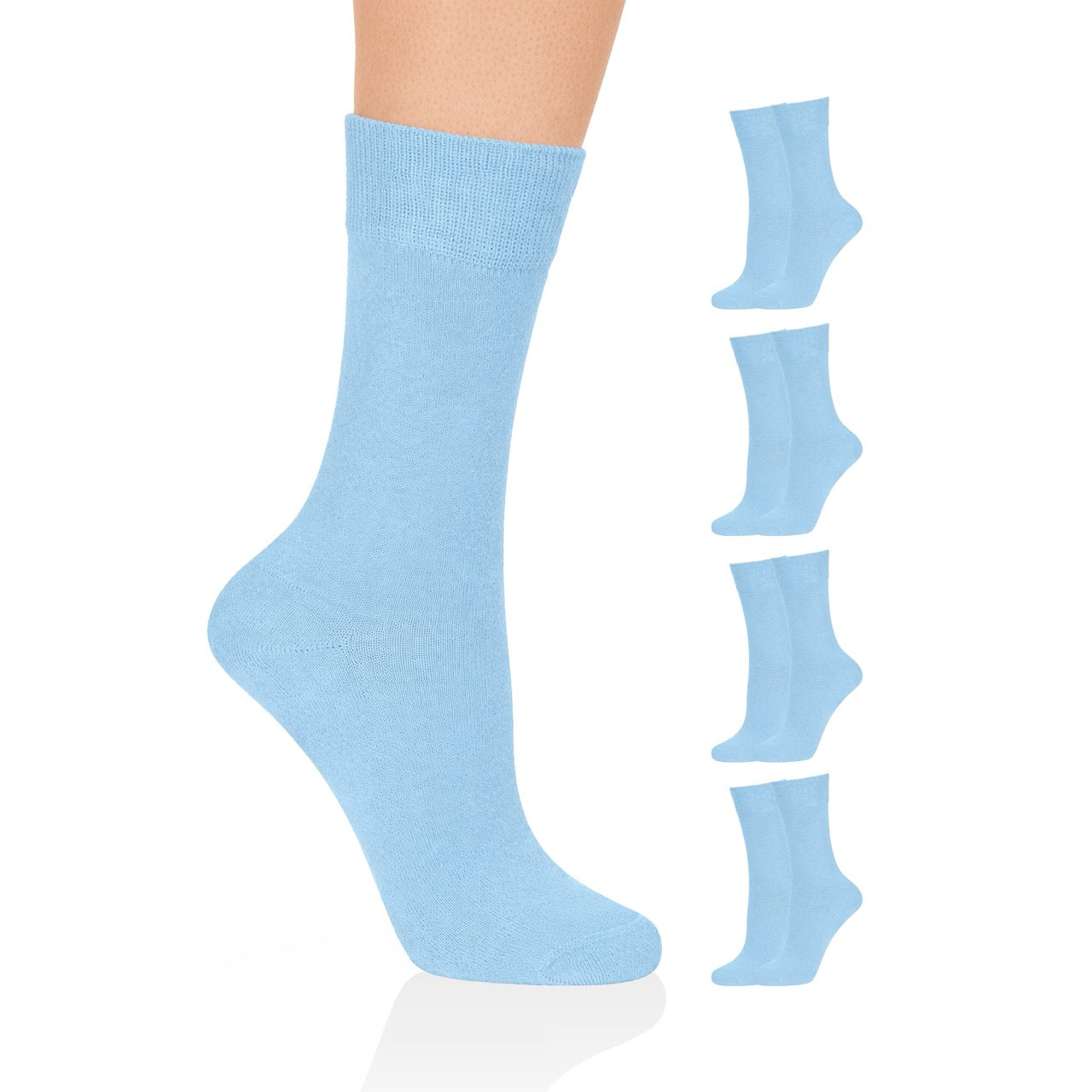
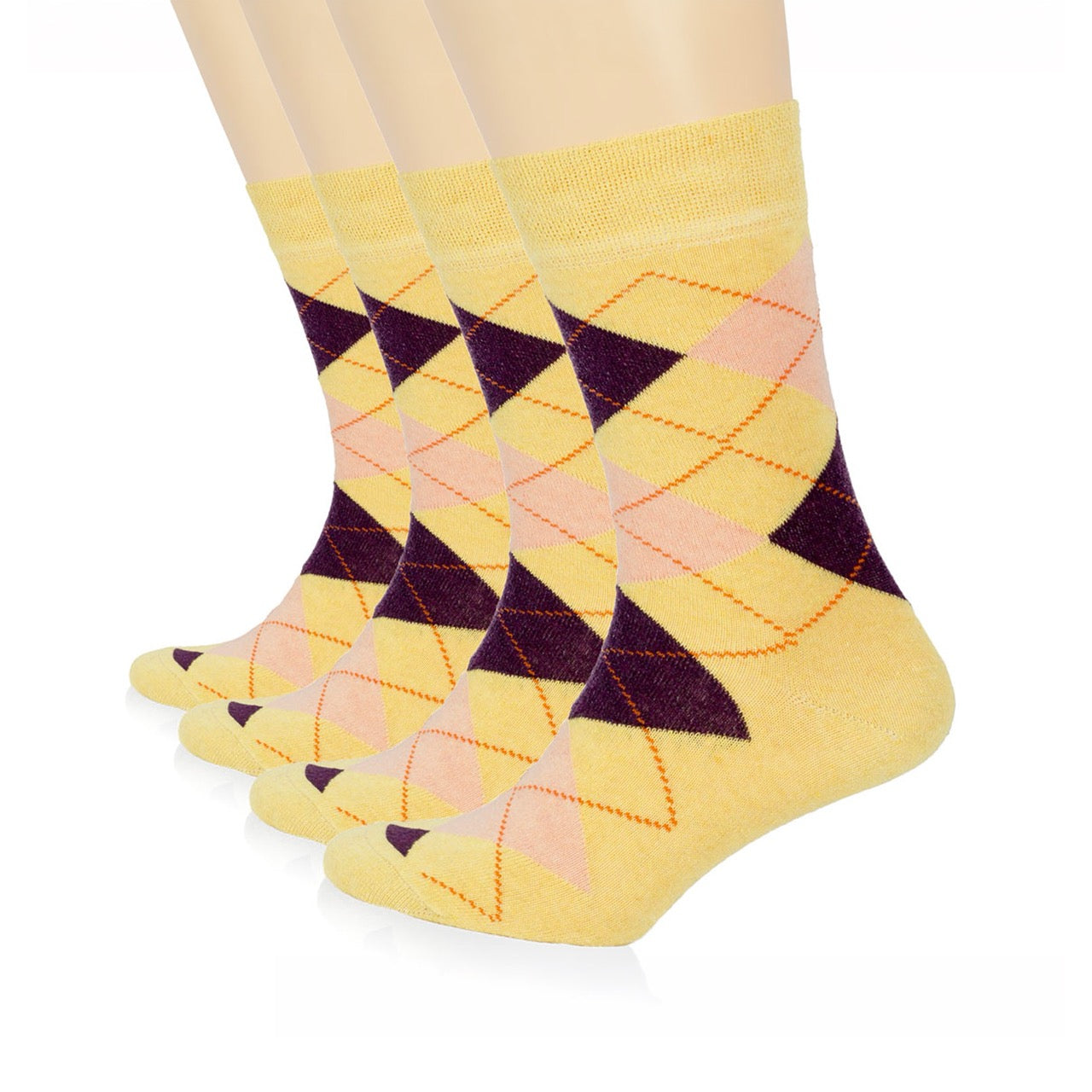
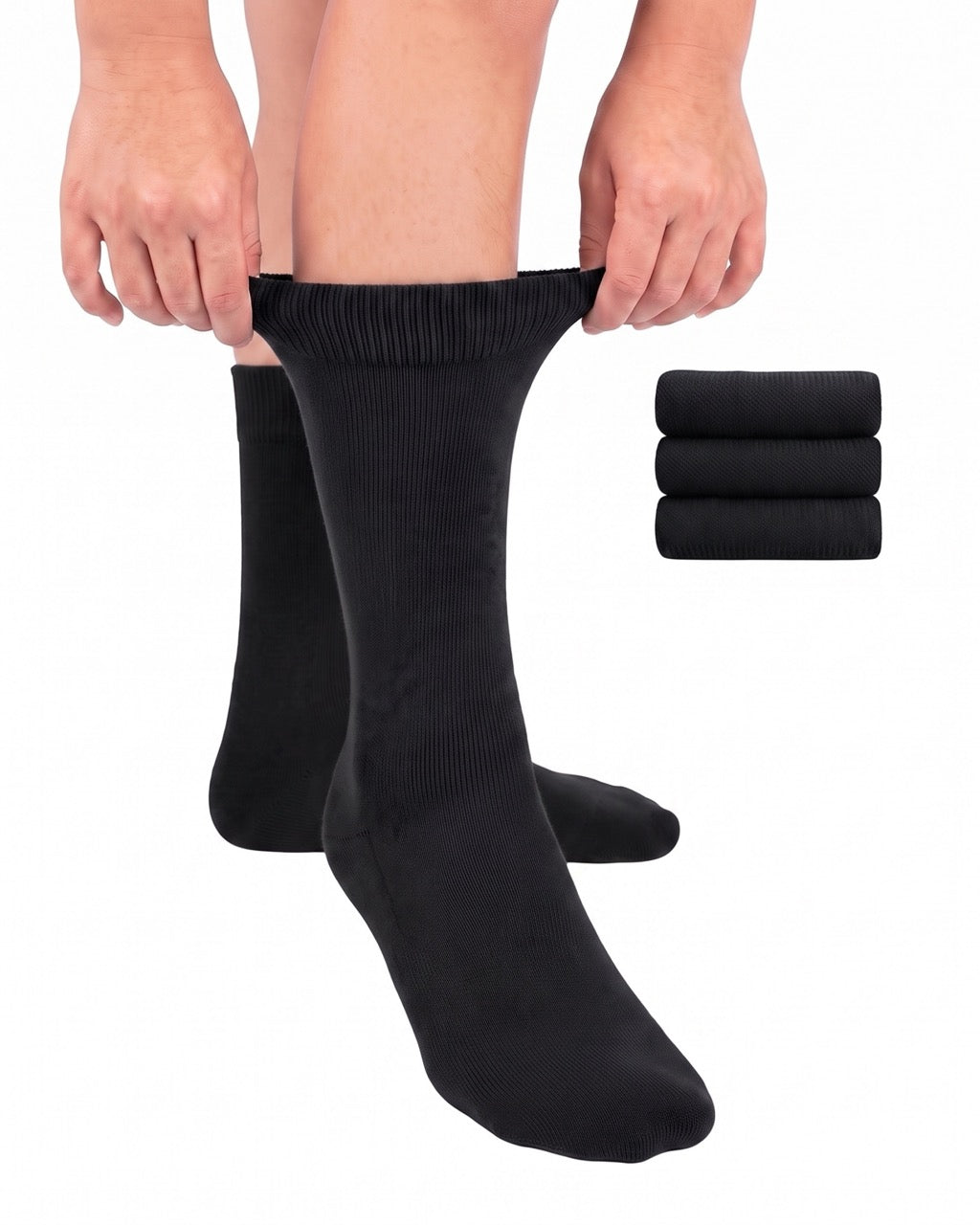
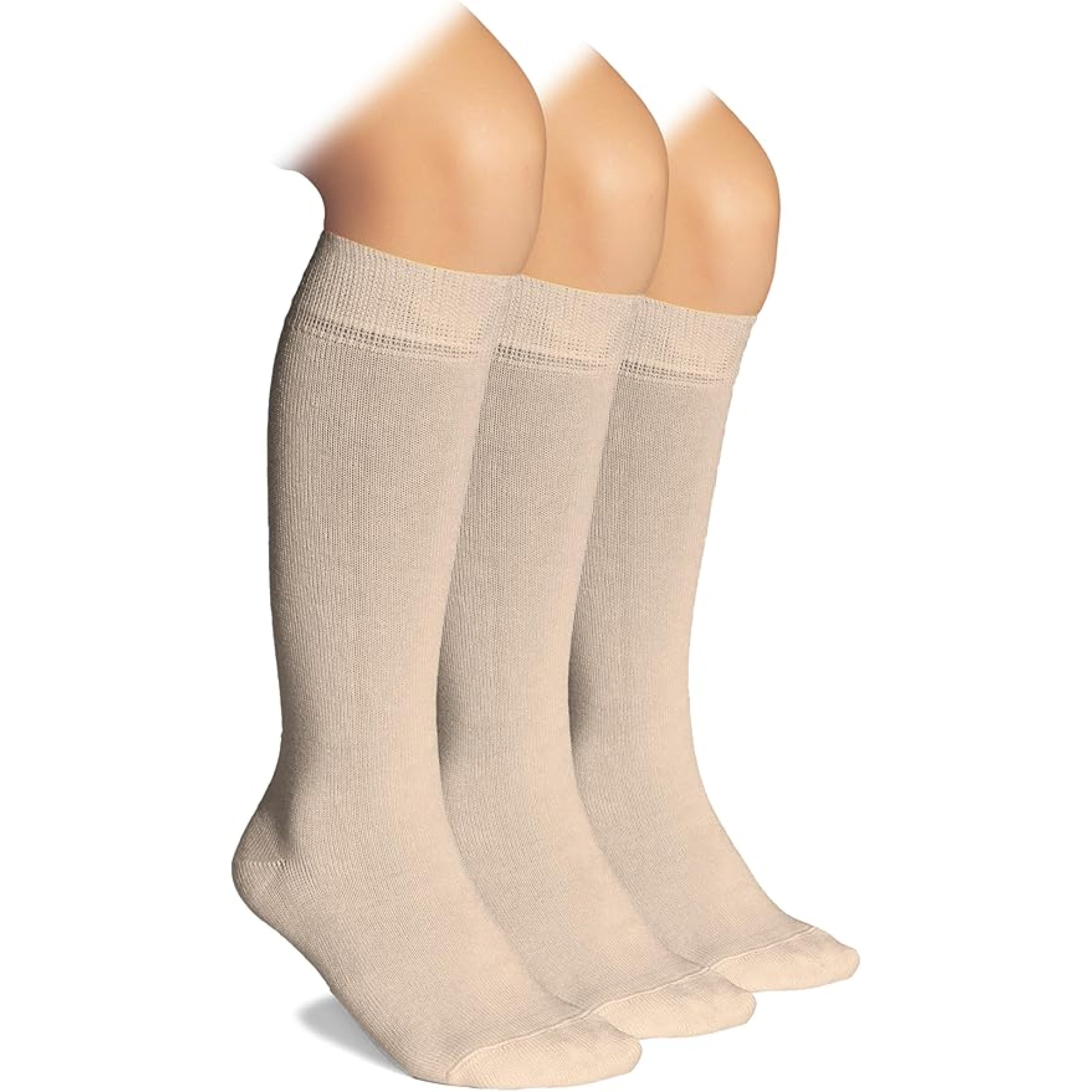


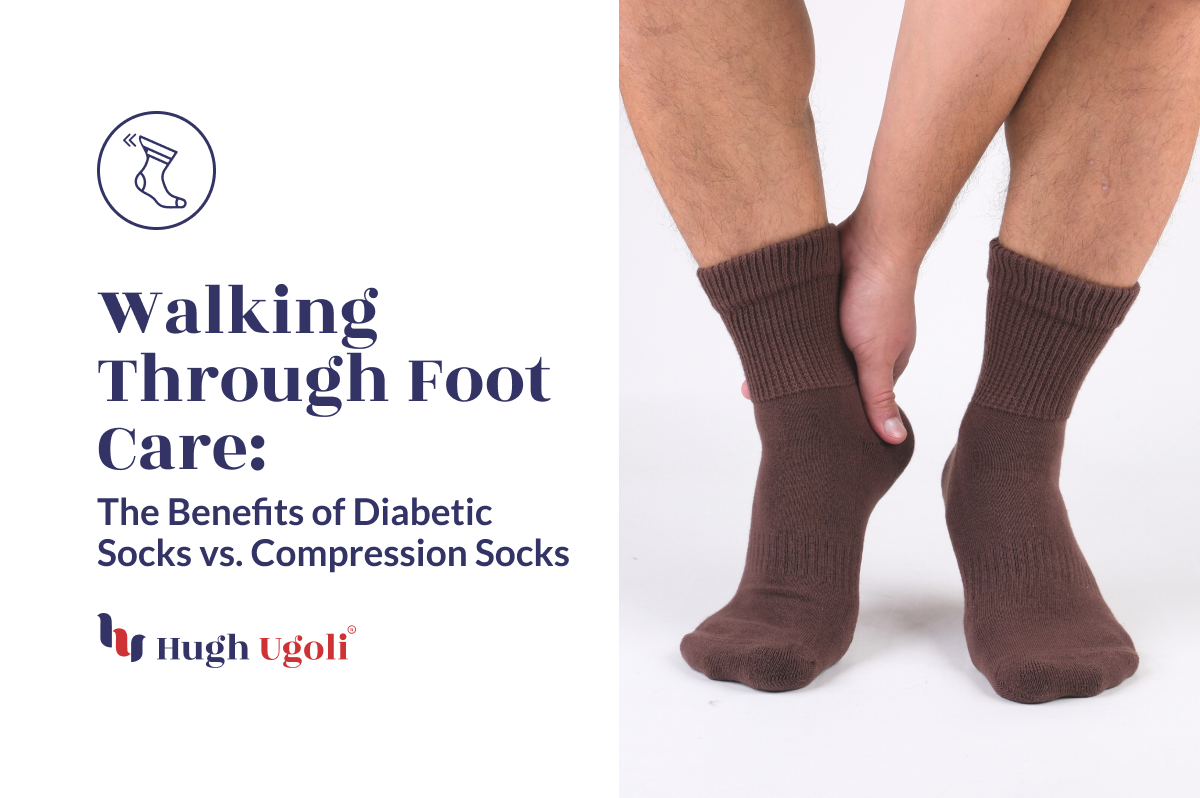
Foot care is crucial, especially for individuals living with diabetes. Choosing the right type of sock can significantly impact foot comfort and overall well-being. In this guide, we will explore the benefits of diabetic socks and compression socks, helping you make an informed decision for your specific needs.
Diabetic socks are non-binding, non-compression socks designed specifically to reduce the risk of foot injuries and improve comfort for people with diabetes. Here's why they are helpful:
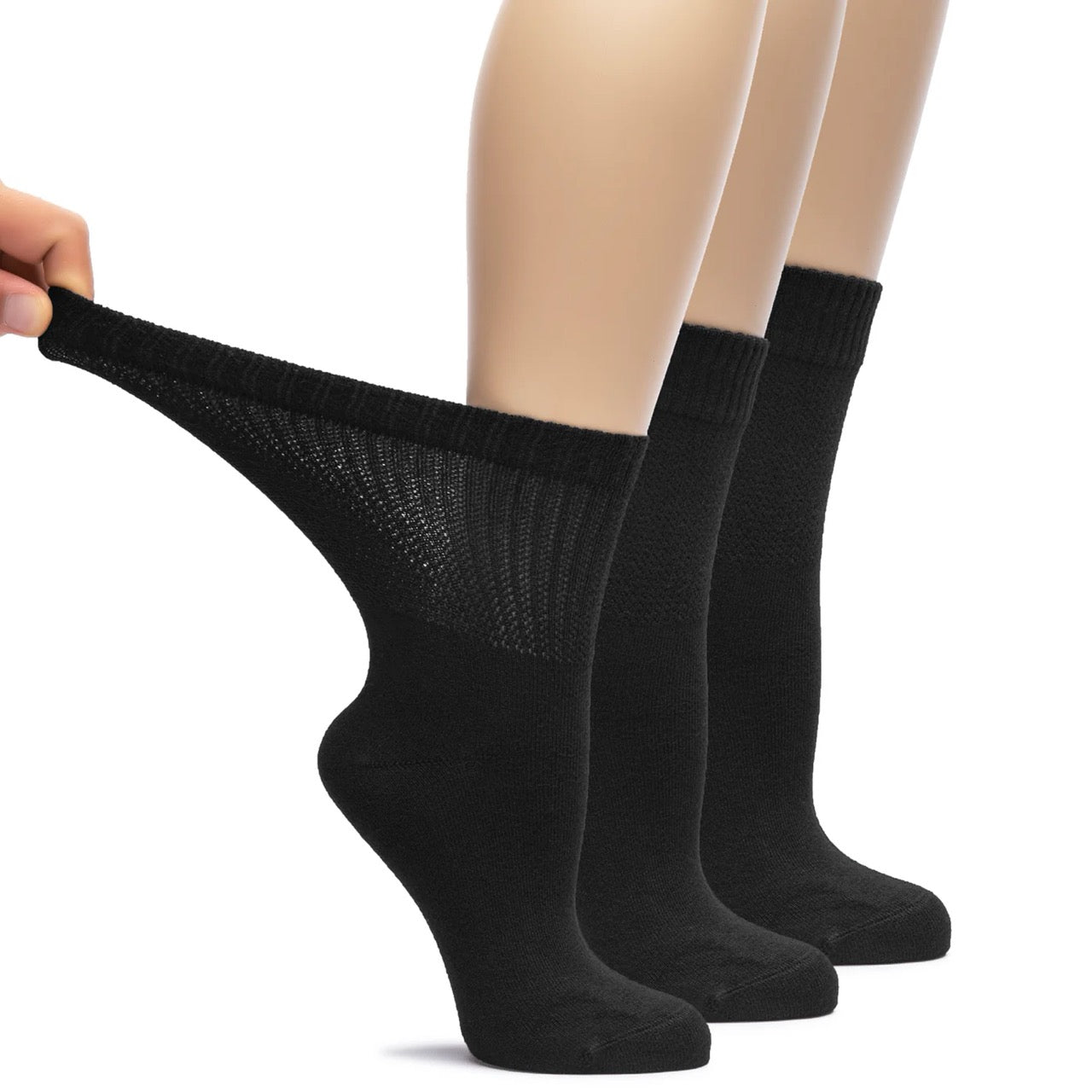
One of the primary features of diabetic socks is their moisture-wicking capabilities. These socks help keep your feet dry, reducing the risk of blisters and infections that can result from excess moisture. Our Unisex Cotton Diabetic Crew Socks are a great example, providing excellent moisture management.
Diabetic socks are typically made from fine-textured fabrics that minimize abrasion against the skin. This is helpful for reducing blisters and sores, which can be more challenging to heal for people with diabetes. The seamless construction of these socks also reduces rubbing and irritation.
A key feature of diabetic socks is their non-restrictive, non-binding design, which avoids the circulation risks of tight elastic bands. This is a comfort and safety feature — it's worth noting that diabetic socks don't actively treat or reverse nerve damage; they simply avoid adding pressure that could worsen problems in feet with reduced sensation.

Compression socks, on the other hand, are designed to apply graduated pressure to your legs and feet, supporting blood flow and helping with swelling. Here's how they differ and what benefits they may offer:
Compression socks are sometimes used to help support circulation in people at risk of deep vein thrombosis (DVT), a condition where blood clots form in the deep veins of the legs. This should be discussed with a doctor, since appropriateness varies by individual.
For individuals who experience swelling in their legs and feet, compression socks can provide relief for some. The pressure applied by these socks may help with swelling, which is why they're sometimes used by people who spend long hours on their feet or have circulatory concerns — under medical guidance if there's an underlying condition.
Compression isn't automatically appropriate for everyone with diabetes. Diabetes-related peripheral artery disease (PAD) can make compression unsafe, and reduced sensation from neuropathy can make it hard to notice if a compression sock is too tight. If you have diabetes and are considering compression socks, check with your doctor first — this is different from choosing a non-binding diabetic sock, which carries no such risk. Our Women's Bamboo Diabetic Crew Socks are a non-binding, non-compression option — comfortable bamboo fibers designed for diabetic foot care without any squeeze.
When deciding between diabetic socks and compression socks, consider your specific health needs and lifestyle. Here are some factors to keep in mind:
If you are living with diabetes and don't have a specific reason to need compression, non-binding diabetic socks are generally the simpler, lower-risk everyday choice. They offer moisture-wicking properties, a non-restrictive design, and materials that help reduce blisters and sores.
If you have diagnosed issues with blood circulation, swelling, or are at risk of DVT, your doctor may recommend compression socks. They apply pressure intended to support blood flow and reduce swelling — but should be used under appropriate guidance, especially for people with diabetes or vascular conditions.
Regardless of the type of socks you choose, proper foot care is essential. Here are some tips to keep your feet healthy:
For more tips on choosing the right socks for diabetic foot care, check out our detailed guide How to Choose the Right Diabetic Socks for Optimal Foot Health.
This article is for general information and is not medical advice.
He has been working for more than 20 years in the textile industry and has work experience in many parts of the world.