Cart
0
You may also like
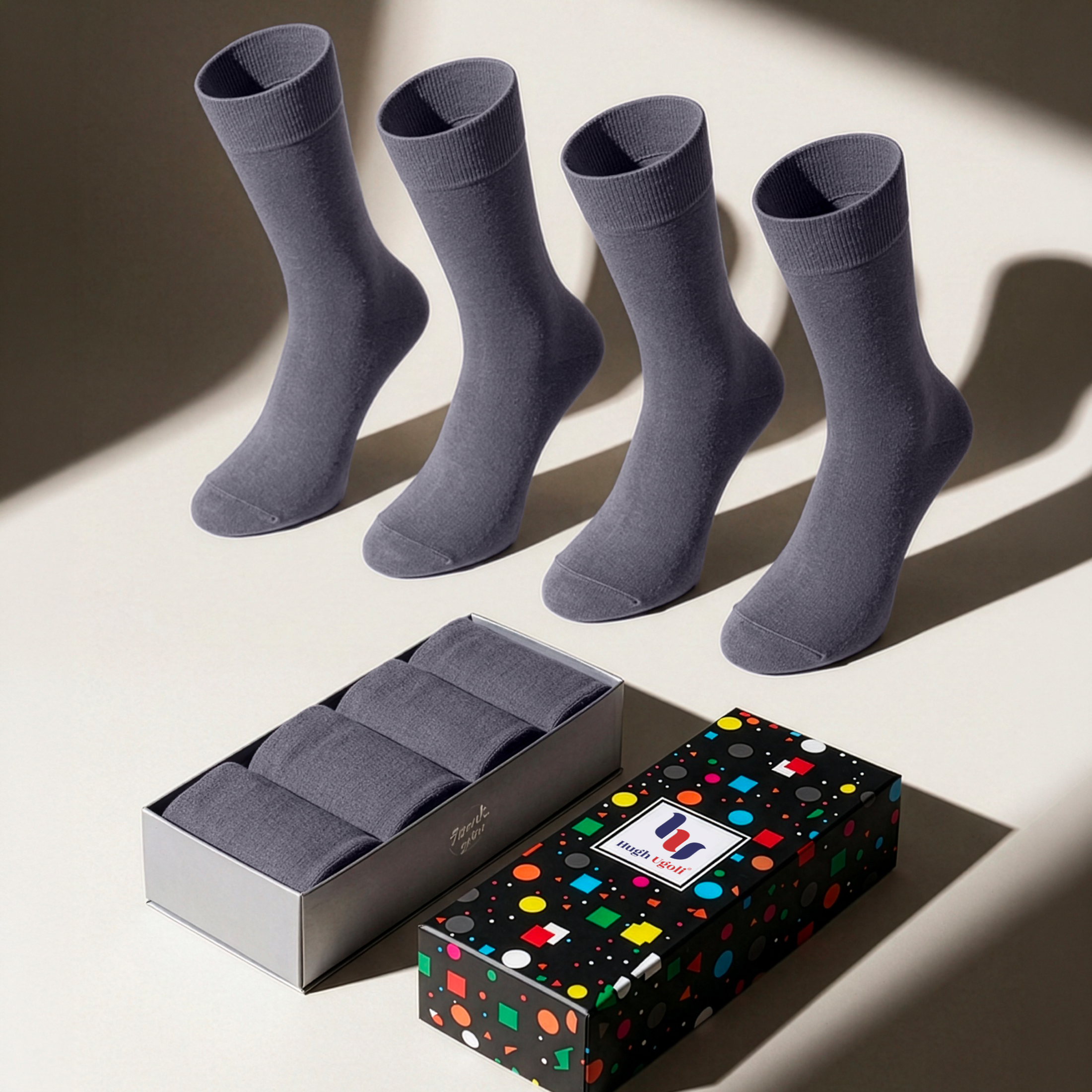
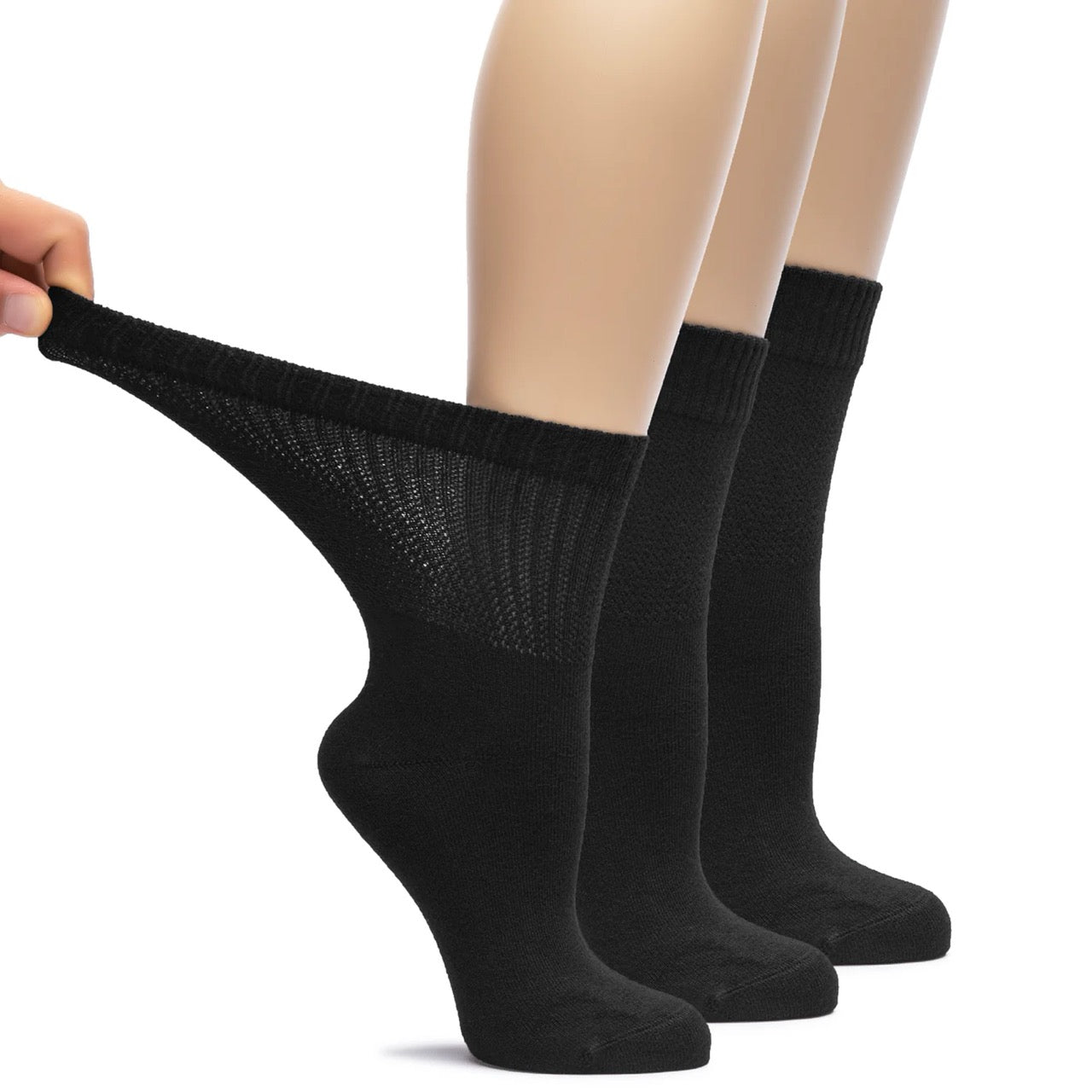

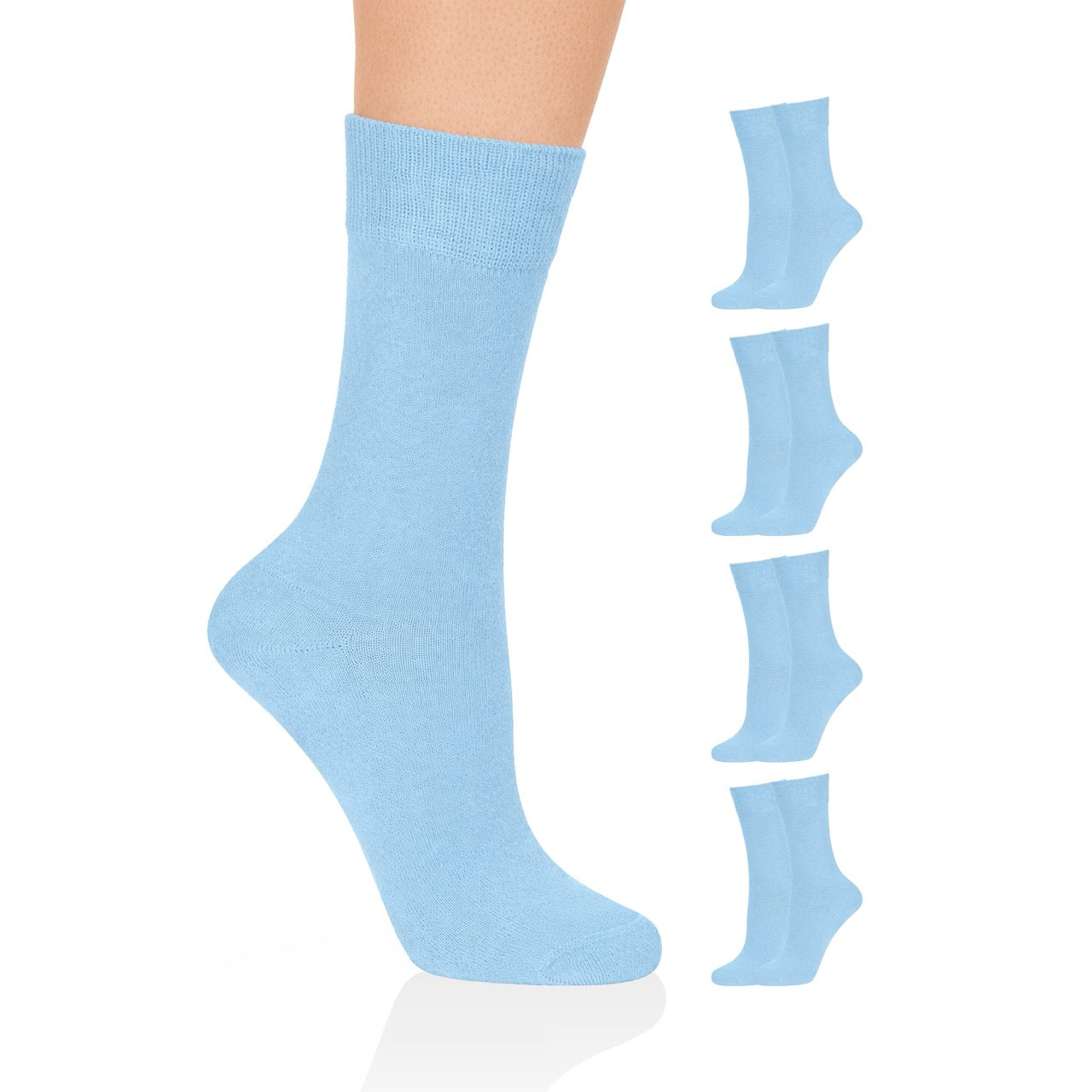
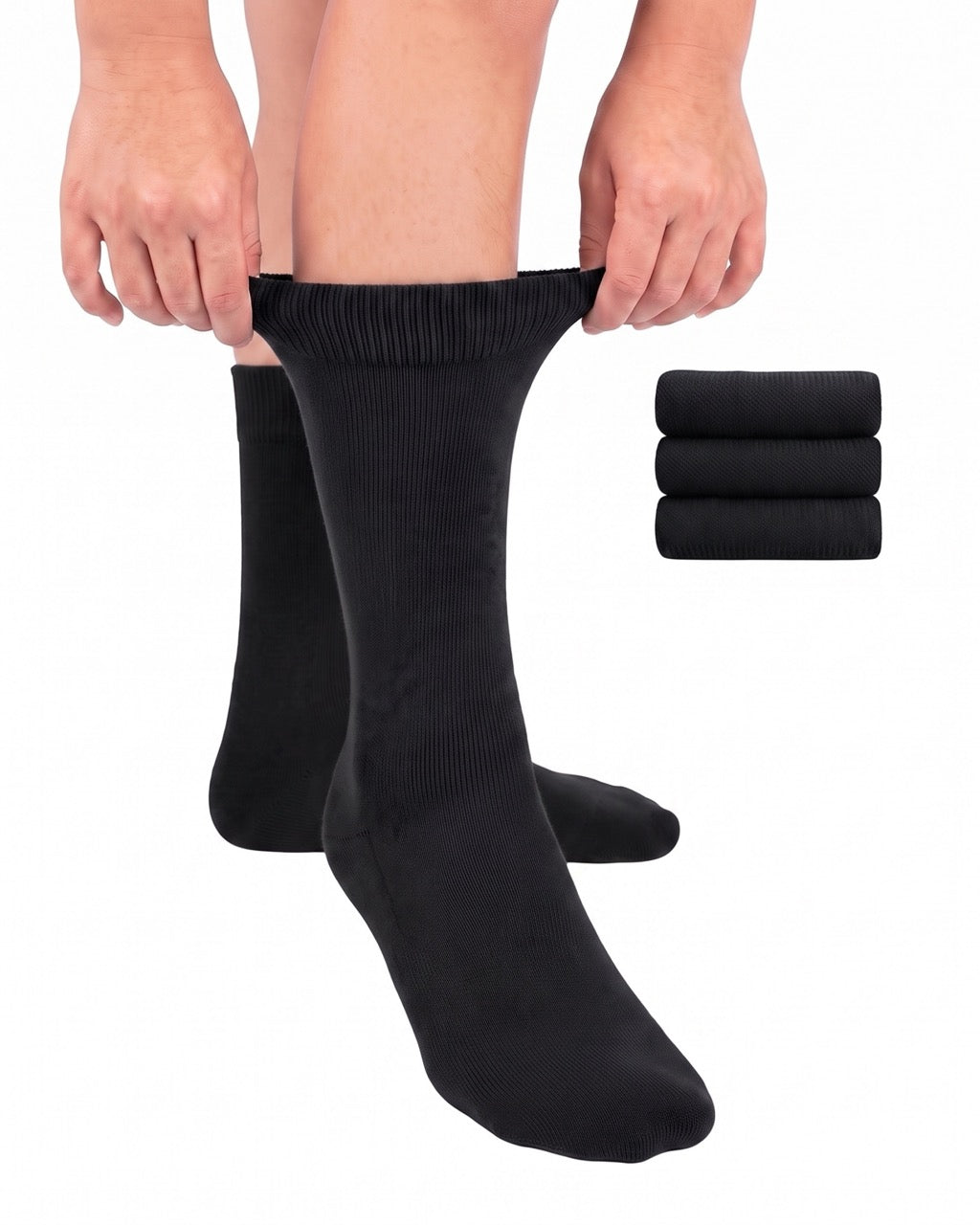
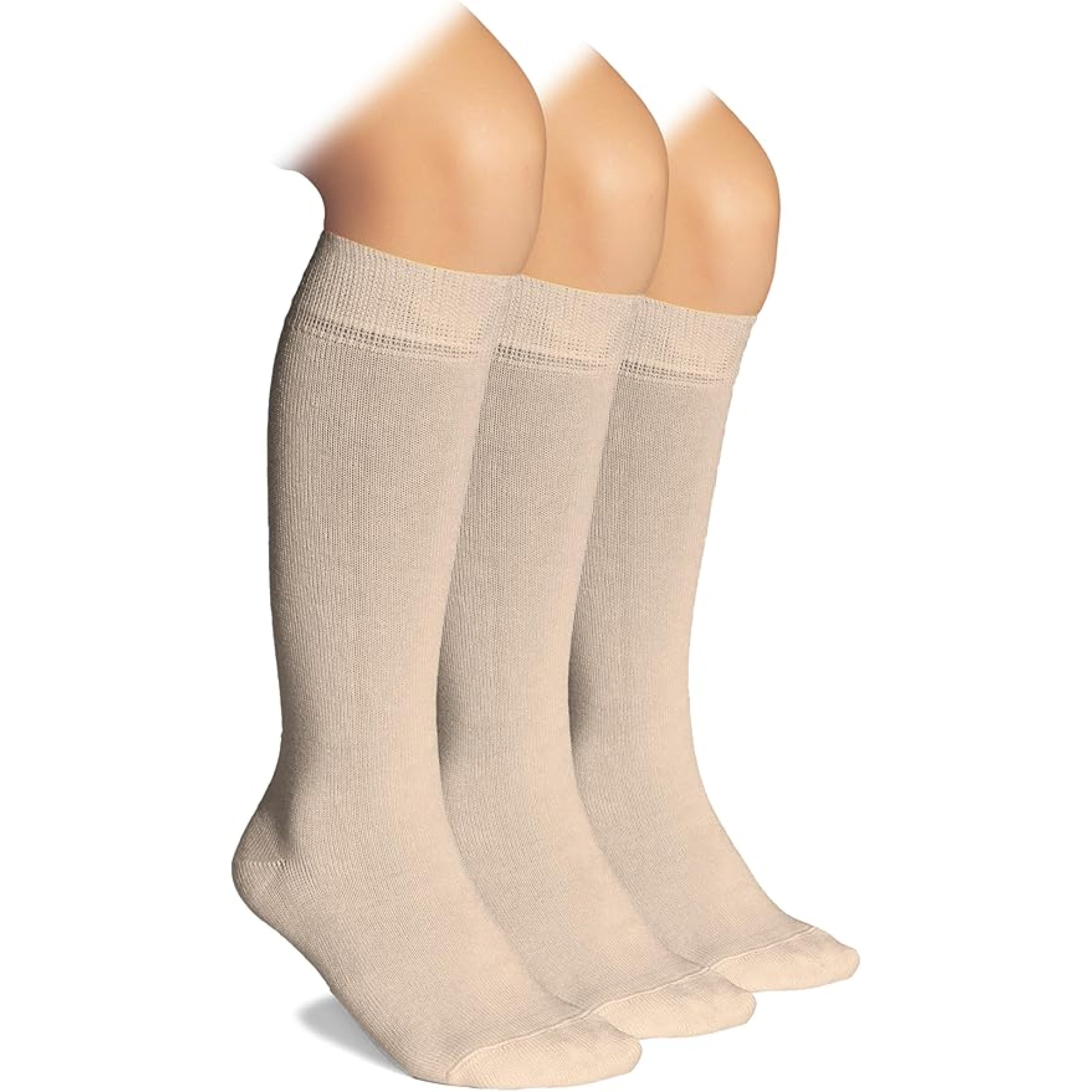


For individuals dealing with circulation problems, choosing the right socks is more than a matter of comfort - it is a matter of health. Socks that are poorly designed or too tight can restrict blood circulation, worsen symptoms, and contribute to discomfort over time. On the other hand, socks that are designed with circulation in mind can support healthy blood flow, reduce swelling, and help prevent more serious complications.
Whether someone is managing poor circulation, chronic venous insufficiency (CVI), varicose veins, or conditions like peripheral arterial disease (PAD), selecting the right socks can play an important role in daily comfort and long-term foot health.
Healthy blood circulation ensures that oxygen and nutrients reach the tissues in your feet and legs while also helping remove waste products. When circulation is impaired, it can lead to discomfort, swelling, and a higher risk of complications.
People with circulation problems may experience symptoms such as cold feet, numbness, leg fatigue, or visible swelling. Over time, poor circulation can increase the risk of more serious conditions, including blood clots or deep vein thrombosis (DVT).
This is why doctors often emphasize the importance of maintaining healthy blood flow, especially for individuals who sit for long periods or have existing vascular conditions.
Not all socks are designed to support circulation. Traditional socks with tight elastic bands can create pressure around the calf or ankle, which may restrict blood circulation instead of supporting it.
When socks are too tight, they can interfere with the natural movement of blood through the veins. This may lead to fluid buildup, discomfort, and swelling in the lower legs. In some cases, tight socks can contribute to circulation problems by preventing blood from moving efficiently back toward the heart.
For individuals already dealing with poor circulation or chronic venous insufficiency (CVI), this added restriction can make symptoms worse rather than better.
Socks that are safe for people with circulation issues share several important characteristics. These features help support healthy blood flow while minimizing pressure and irritation.
These features are especially important for individuals who experience swelling, sensitive skin, or discomfort related to circulation problems.

Compression socks or stockings are often recommended for individuals with circulation concerns. Unlike regular socks, compression socks are designed to apply controlled pressure to the legs.
This pressure is measured in millimeters of mercury and gradually decreases from the ankle upward. This design helps improve blood flow by encouraging blood to move back toward the heart, preventing blood from pooling in the lower legs.
Compression socks work by supporting the veins and improving circulation efficiency. They can help reduce swelling, minimize discomfort, and lower the risk of blood clots in certain situations.
Doctors may recommend wearing compression socks for people who:
When used correctly, compression socks offer a structured way to support circulation and improve daily comfort.
Wearing compression socks can be beneficial in many everyday situations. People who travel frequently, work desk jobs, or stand for extended hours often use them to support circulation.
For example, sitting for long periods during flights or at a desk can slow blood circulation in the legs. In these cases, compression socks help prevent blood from pooling and reduce the risk of swelling or discomfort.
However, it is important to choose the correct compression level. Not all compression socks are the same, and selecting the wrong level may reduce effectiveness or cause discomfort. In some cases, medical advice may be needed to determine the appropriate level of compression.
While compression socks are designed to apply pressure, non-binding socks take the opposite approach by avoiding pressure altogether. Both types can be beneficial depending on the individual’s needs.
Non-binding socks are ideal for people who want to avoid restriction and maintain natural blood circulation. They are commonly used for everyday wear and are especially helpful for individuals with sensitive skin or mild circulation concerns.
Compression socks, on the other hand, are more suitable for individuals who need structured support to improve blood flow and reduce swelling. They are often recommended for medical conditions such as chronic venous insufficiency (CVI) or after certain medical procedures.
Understanding the difference between these options helps ensure that the right type of sock is chosen for the right situation.
Certain medical conditions require extra care when selecting socks. For individuals with peripheral arterial disease (PAD), circulation to the limbs is already reduced. In these cases, socks that restrict blood flow may worsen symptoms.
Similarly, people with chronic venous insufficiency (CVI) may benefit from compression socks that support blood flow and prevent blood from pooling in the veins.
Varicose veins, which occur when veins become enlarged and twisted, can also be managed more effectively with the right type of socks. Compression socks may help reduce pain and improve circulation in these cases.
Because each condition affects circulation differently, it is important to choose socks that match the specific needs of the individual.
Wearing appropriate socks can help prevent complications associated with poor circulation. By supporting healthy blood flow, the right socks can reduce the likelihood of swelling, discomfort, and more serious issues such as blood clots.
Maintaining circulation is especially important for people who are less active or who spend long hours sitting or standing. Small changes, such as choosing better socks, can make a meaningful difference in daily comfort and long-term health.
In addition to wearing the right socks, regular movement, hydration, and proper footwear also contribute to maintaining healthy circulation.
Socks that are safe for people with circulation issues are designed to support healthy blood flow without causing unnecessary pressure. Features such as non-binding tops, breathable materials, and proper fit help ensure comfort and reduce the risk of irritation.
Compression socks or stockings provide additional support by improving blood circulation and preventing blood from pooling in the legs. For individuals with conditions such as chronic venous insufficiency (CVI), varicose veins, or those at risk of deep vein thrombosis (DVT), these socks can play an important role in managing symptoms.
Choosing the right socks is a simple but effective way to support circulation, reduce swelling, and improve overall foot health. By understanding the differences between sock types and selecting the appropriate option, individuals can take a proactive step toward better comfort and well-being.
Socks with non-binding tops or compression socks are often recommended because they support blood circulation without restricting blood flow.
Yes. Compression socks work by applying controlled pressure that helps improve blood circulation and prevents blood from pooling in the legs.
Yes. Socks that are too tight can restrict blood flow and worsen symptoms related to poor circulation.
Compression stockings are commonly used during long periods of sitting, travel, or when managing conditions like varicose veins or chronic venous insufficiency (CVI).
It depends on the situation. Non-binding socks are ideal for everyday comfort, while compression socks are designed for specific medical or circulation-related needs.
He has been working for more than 20 years in the textile industry and has work experience in many parts of the world.