
Cart
0
You may also like
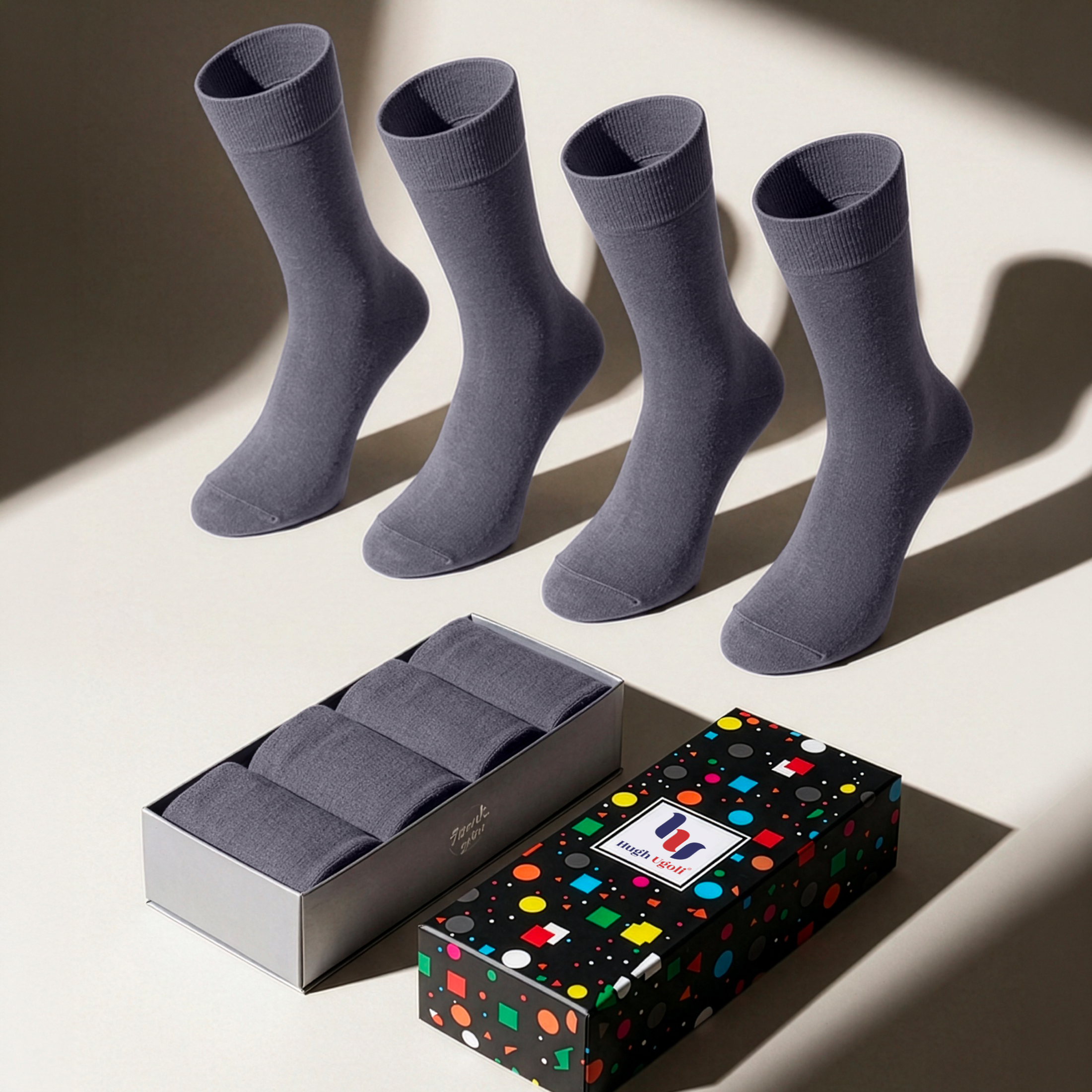
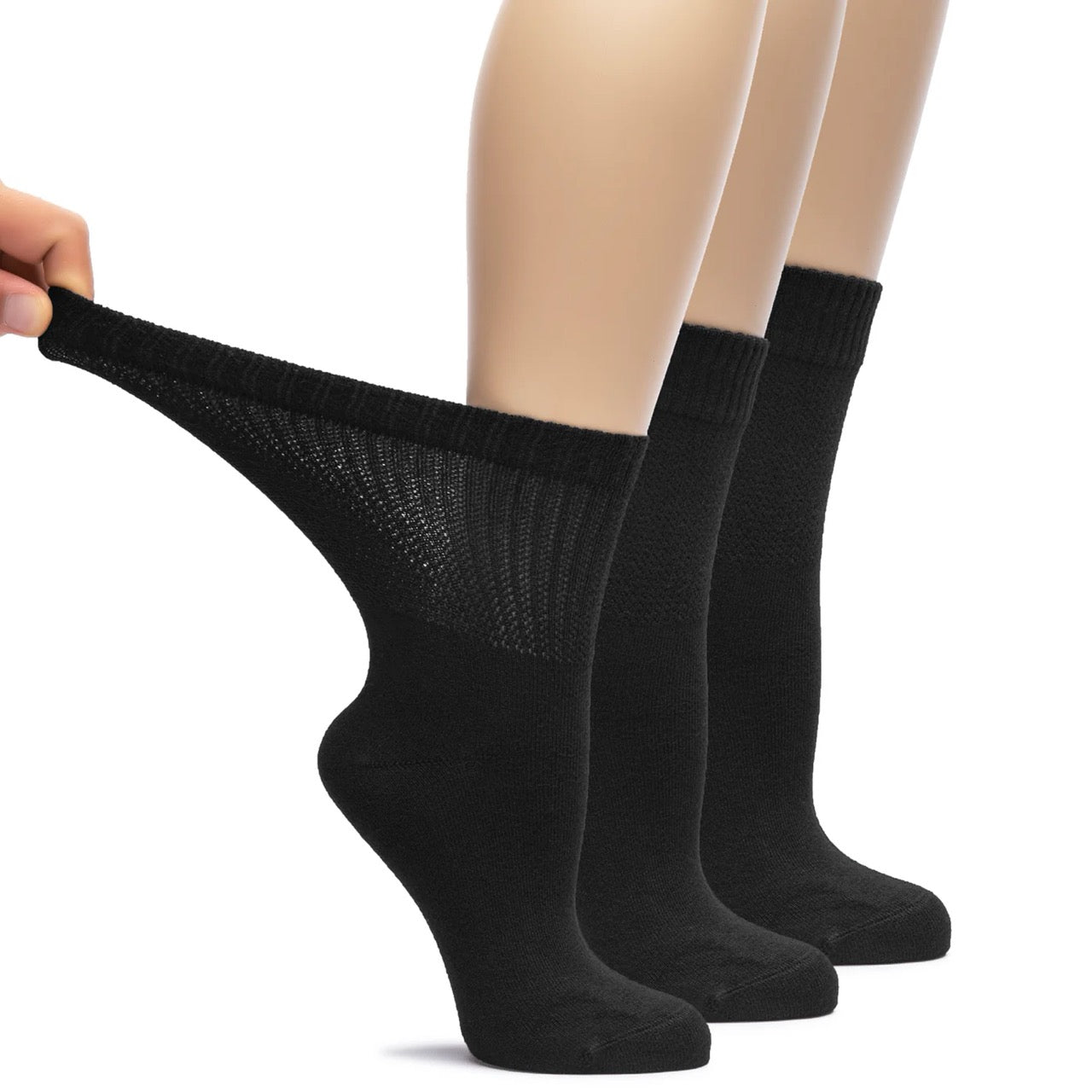
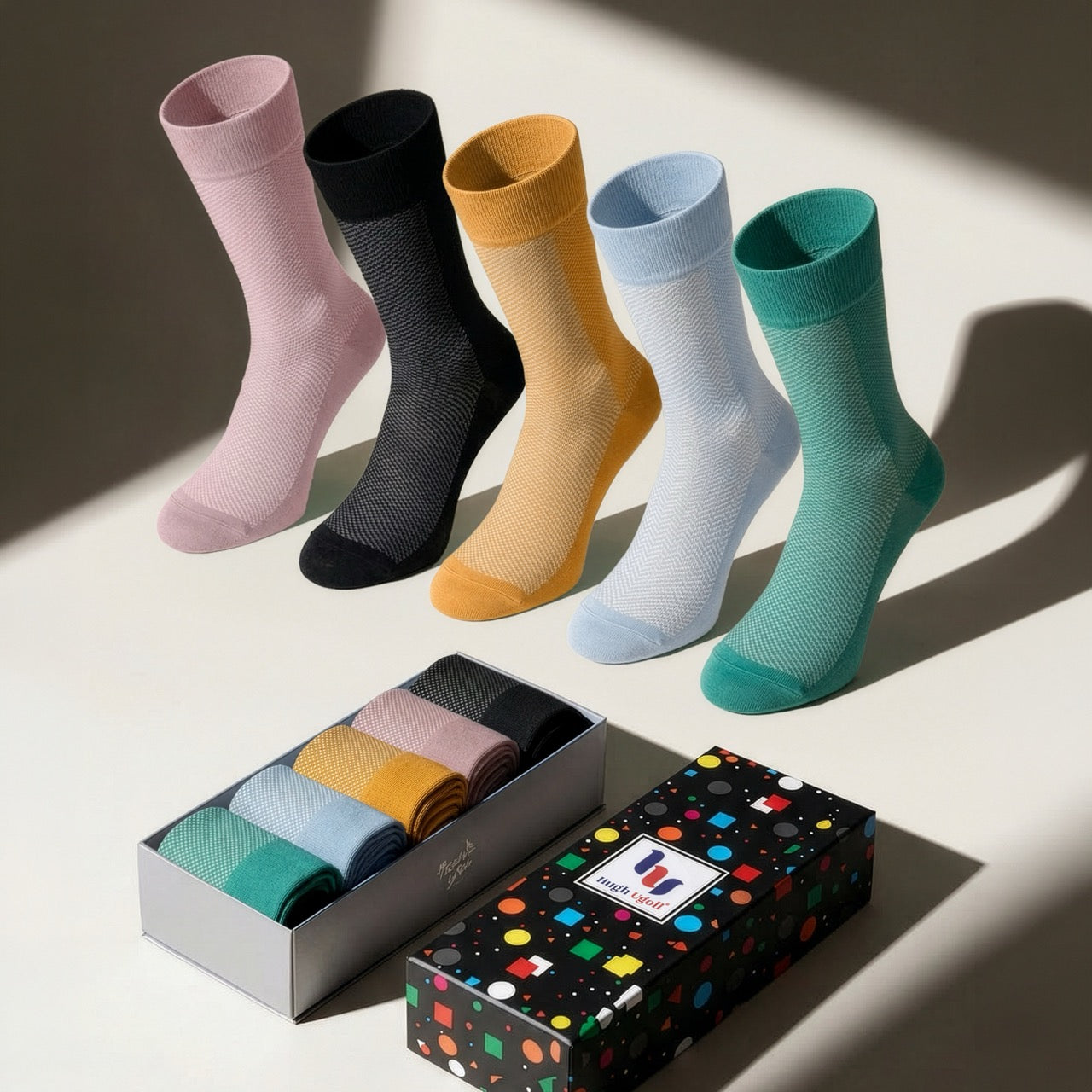
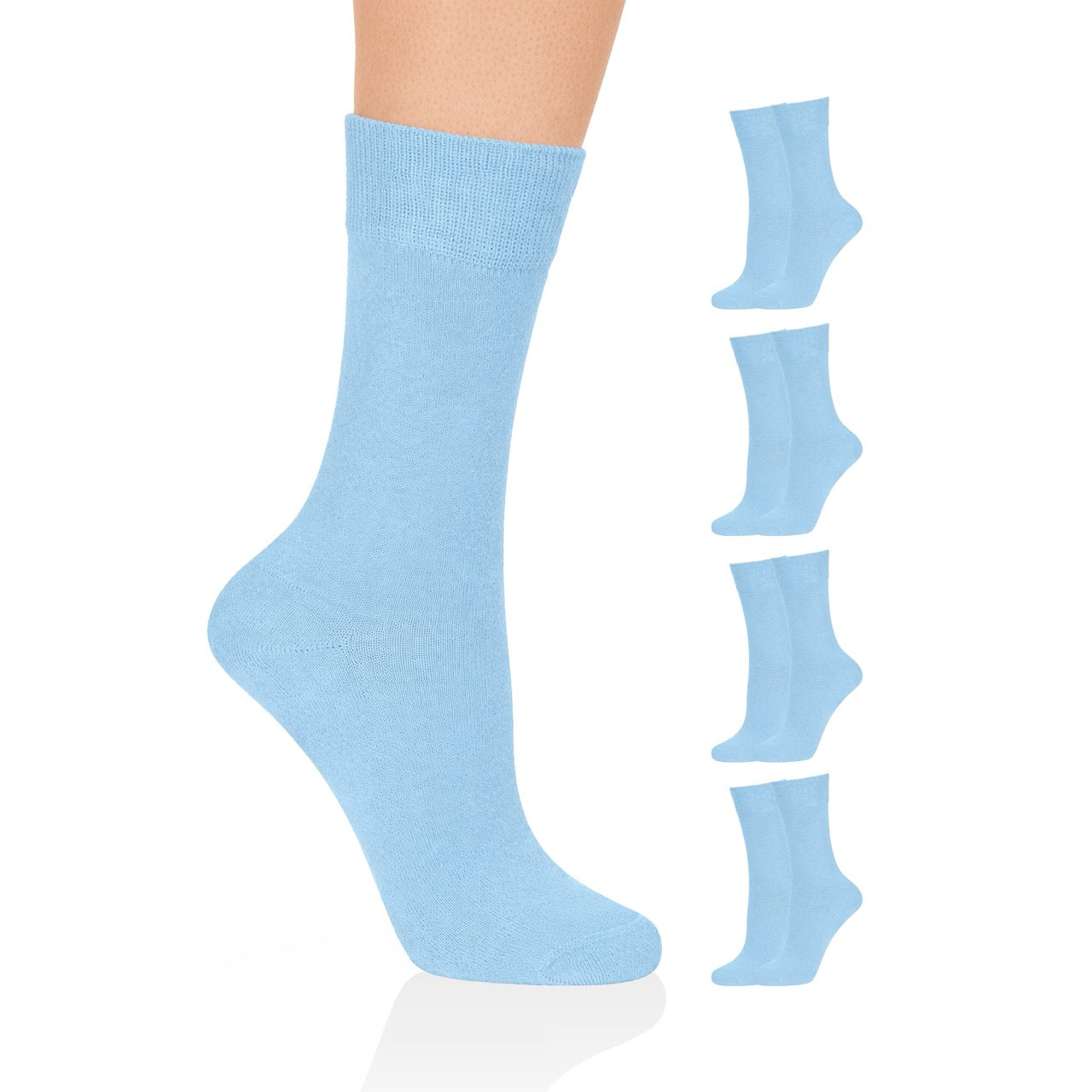
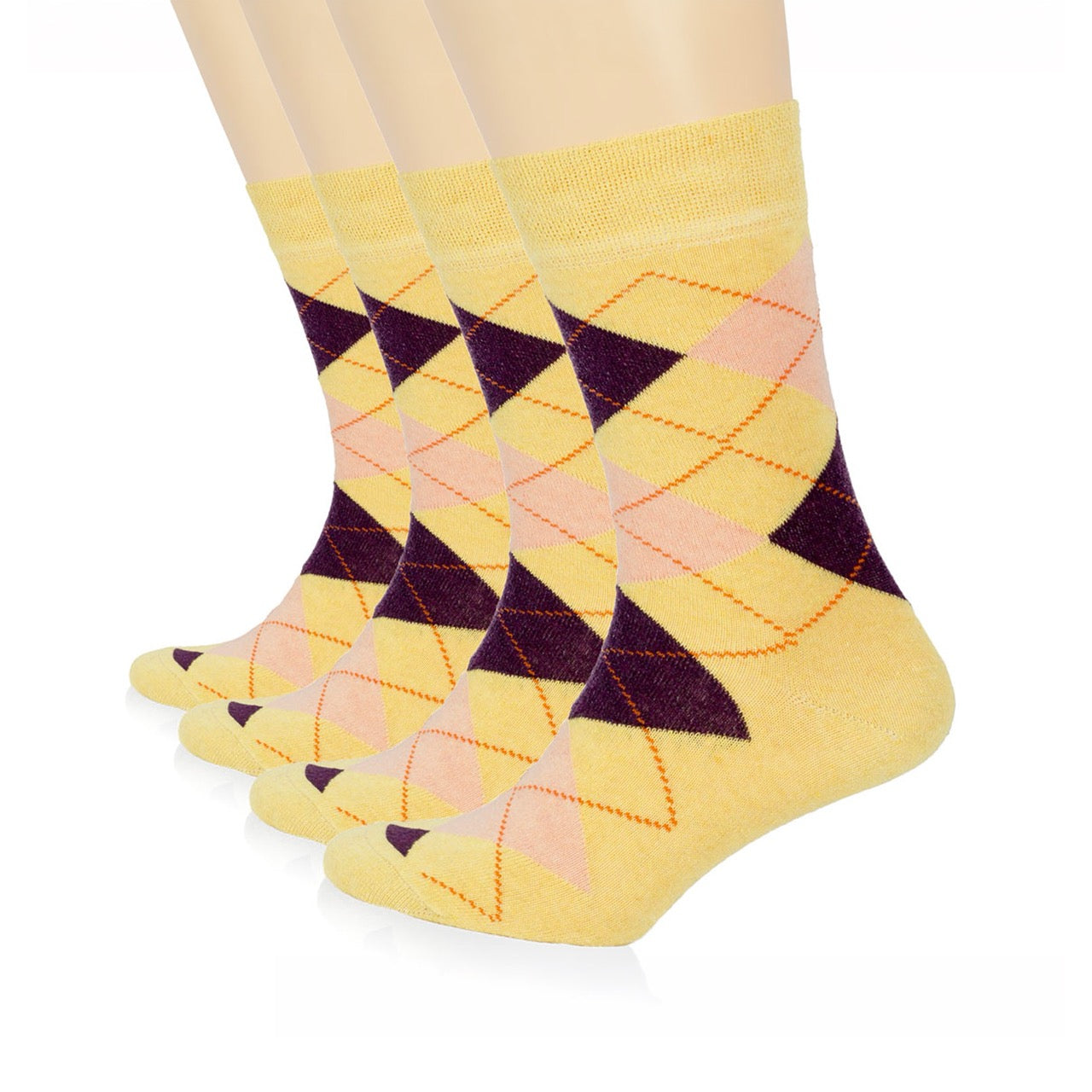
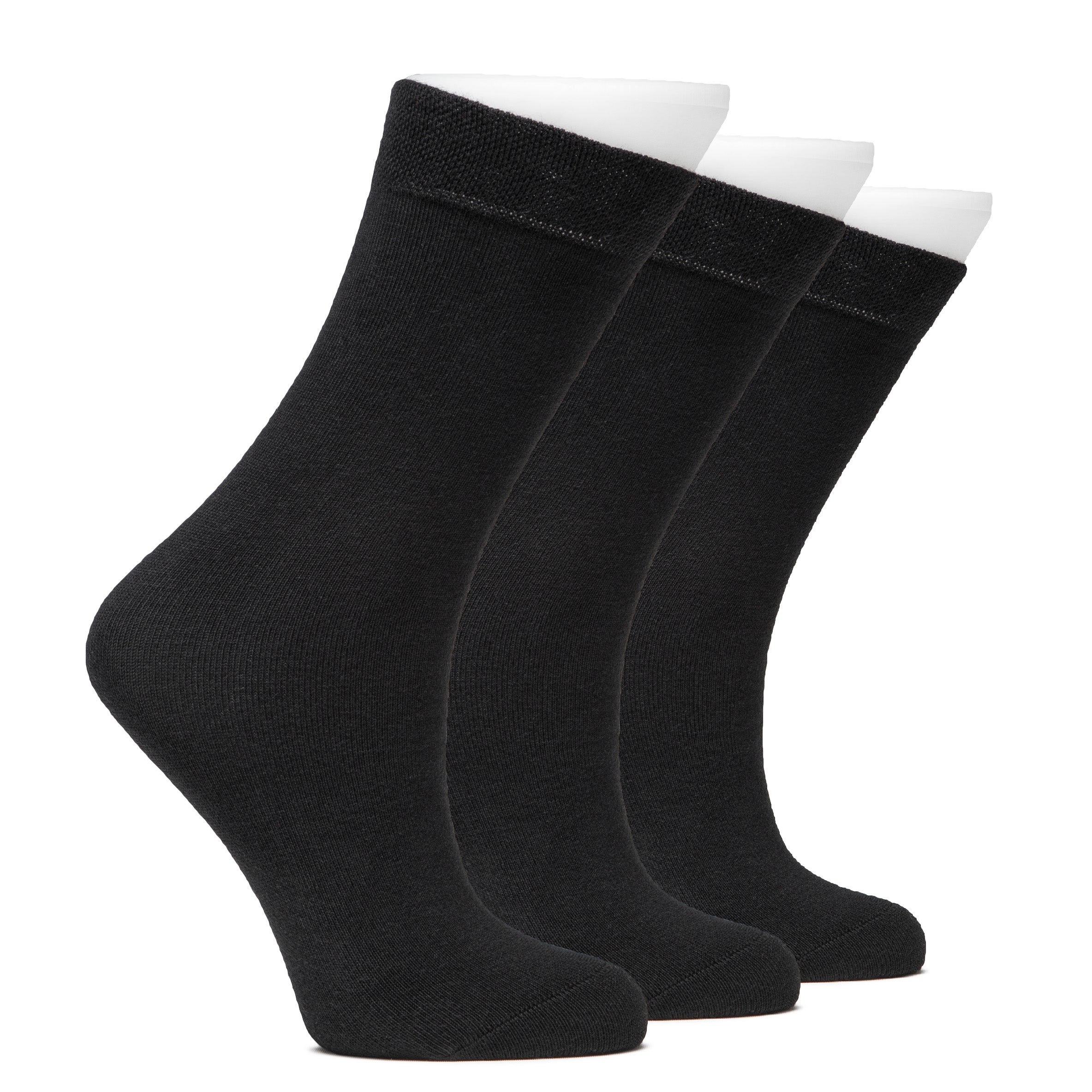
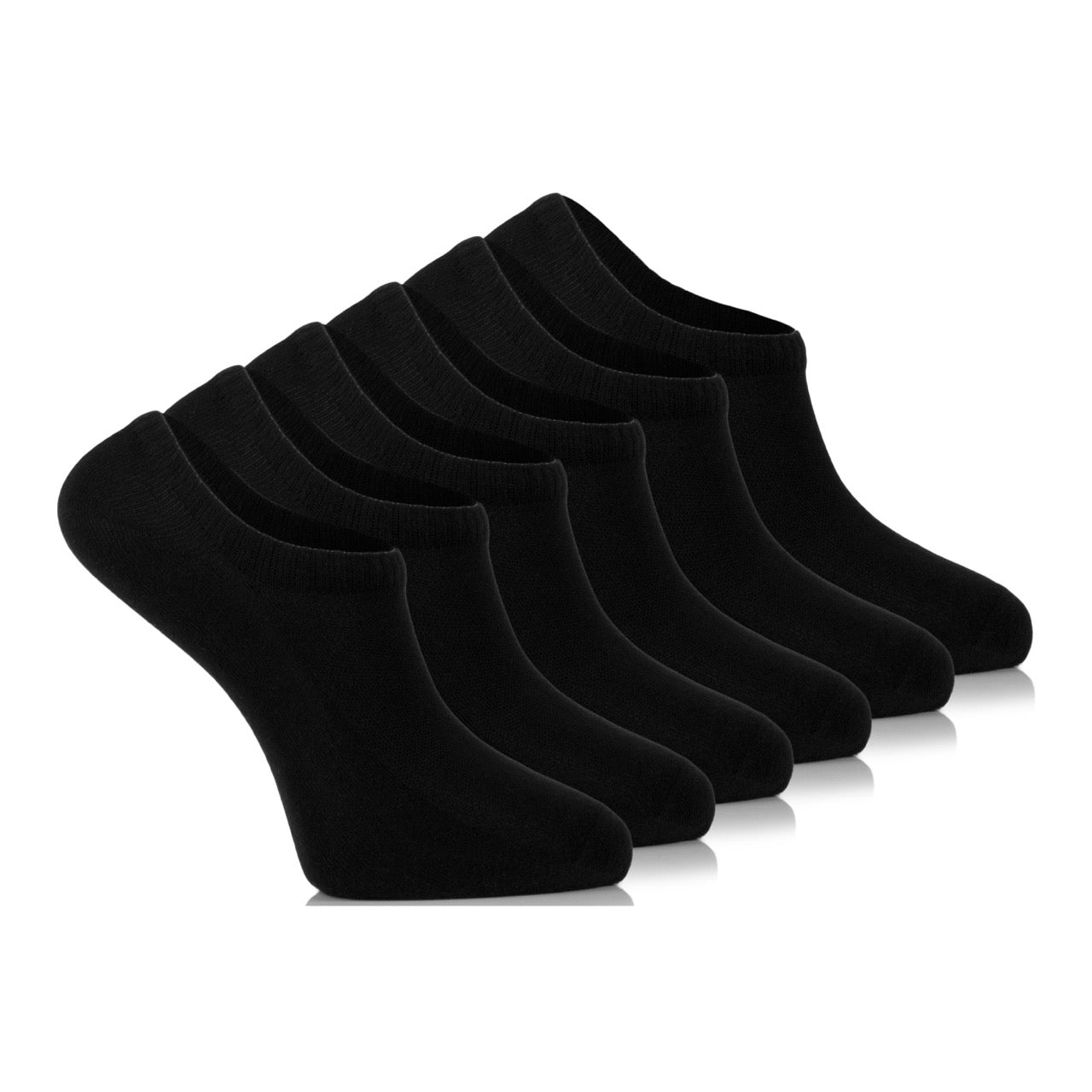
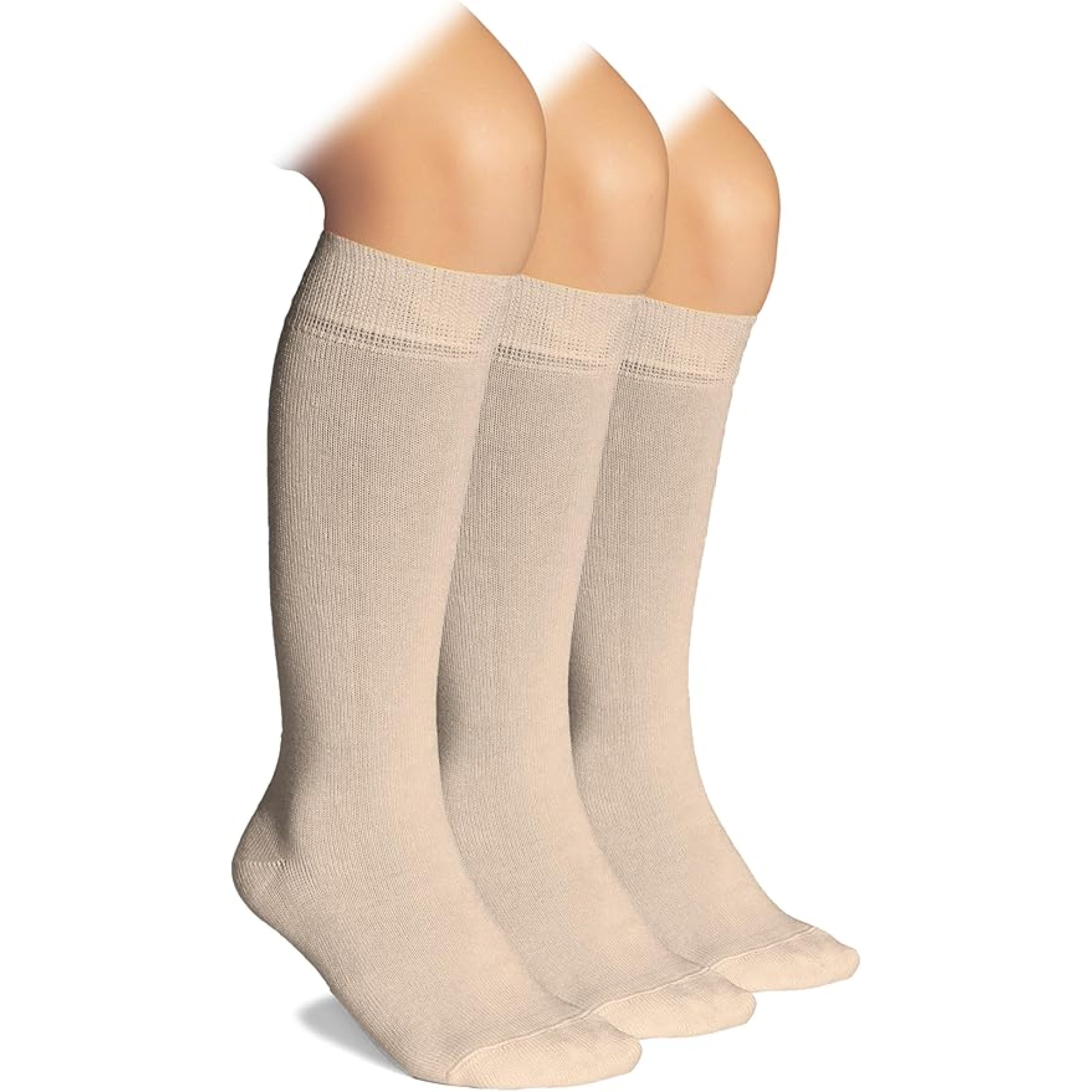


Socks slide down for three main reasons: the sock is too big, the fabric has lost its elasticity, or the shoe itself is too loose. A sock that does not grip the foot bunches and travels with every step, and cotton that has absorbed sweat loses structure part-way through the day. Loose shoes make it worse by allowing extra movement inside, which drags the sock down. Ankle and no-show styles slip most because they sit lowest and depend on grip features. The fix is usually correct sizing, a fabric that holds its shape, silicone heel grips on low-cut styles, and shoes that fit.
Key Takeaways
Few things are more frustrating than adjusting your socks throughout the day because they keep slipping down inside your shoes. Whether you are wearing sneakers, loafers, or dress shoes, socks that refuse to stay in place can affect both comfort and confidence.
This common issue is not random. Socks slide down for specific reasons related to fit, material, design, and even the type of shoes you wear. Understanding these factors can help you choose socks that stay secure and comfortable all day long.
The most common reason socks slide down is improper sizing. Socks that are too large will not grip the foot or ankle correctly, causing them to bunch up and move inside the shoe.
Many socks are sold in a broad size range, but not all size ranges provide a precise fit. If socks fall between sizes, they may lack the tension needed to stay in place.
Properly fitting socks should hug the foot without feeling tight. They should stay aligned with the heel and ankle while allowing natural movement throughout the day.
If socks feel loose when first worn, they are more likely to slip as you walk.

The material of the sock plays a major role in whether it stays in place. Different fabrics behave differently under movement and pressure.
Cotton socks are soft and breathable, but they tend to absorb moisture. As they become damp, they may lose their structure and start to slip inside the shoe.
In contrast, merino wool and performance blends are designed to manage moisture while maintaining shape. These materials help socks stay secure by reducing friction changes caused by sweat.
Quality materials also retain elasticity better over time. Socks made from low-quality fibers often stretch out quickly, making them more likely to slide down with repeated wear.
Beyond materials, the design of the sock itself influences how well it stays in place. High-quality socks are designed with features that support stability and comfort.
Socks that lack these features are more likely to slip, especially during long periods of walking or standing.
Even the best socks may slide down if the shoes are not a proper match. Socks and shoes work together, and issues with one often affect the other.
If shoes are too loose, they allow extra movement inside the shoe. This movement causes friction that pulls socks downward with each step.
Loose-fitting shoes also reduce the natural grip between the sock and the interior of the shoe, making it easier for socks to shift out of place.
On the other hand, properly fitting shoes provide a stable environment that helps socks stay in position. The right fit minimizes internal movement and supports overall comfort.
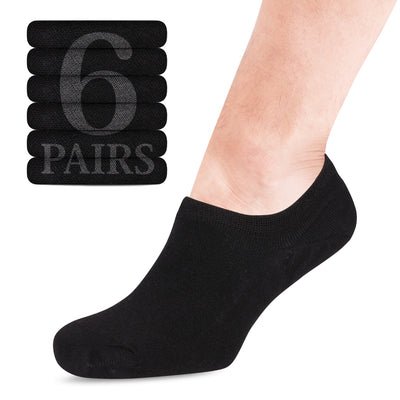
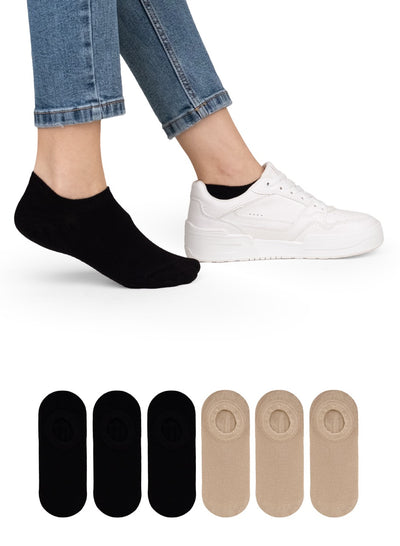
Ankle socks and no-show styles are more prone to slipping than longer socks. Because they sit lower on the foot, they rely more heavily on grip and design features to stay in place.
Without enough structure, these socks can easily slide down into the shoe, especially when walking for extended periods.
To solve this issue, many modern ankle socks include silicone grips at the heel. These grips create friction between the sock and the skin, helping prevent the sock from slipping downward.
Choosing ankle socks with silicone grips or reinforced heel designs can significantly reduce slipping problems. Our no-show socks for women are built with exactly this kind of grip, including the non-slip men's bamboo no-show socks and women's non-slip bamboo no-show socks.
Moisture inside the shoe can also contribute to slipping. When feet sweat, the interaction between the sock and the shoe changes.
Excess moisture reduces friction in some areas while increasing it in others. This uneven friction can cause the sock to shift or bunch up.
Socks made from moisture-managing fabrics help regulate this balance. By keeping feet dry, they maintain consistent friction and improve overall stability.
If your socks frequently slide down, there are a few signs that indicate the issue is with the socks themselves:
In these cases, upgrading to quality socks made from better materials can make a noticeable difference.
Preventing socks from slipping is often simple once you understand the causes. A few practical adjustments can improve how your socks perform throughout the day.
By combining these factors, you can significantly reduce slipping and improve overall comfort.
Quality socks are designed to solve common issues like slipping, bunching, and discomfort. They use better materials, more precise sizing, and thoughtful construction to deliver a consistent fit.
While cheaper socks may seem convenient, they often lose elasticity quickly and fail to maintain their shape. Investing in better socks ensures they stay secure and comfortable over time.
In the long run, quality socks provide better performance, improved durability, and a more reliable fit.
Socks slide down inside shoes for several reasons, including poor fit, low-quality materials, and mismatched footwear. Socks that are too loose, made from weak fabrics, or worn with shoes that are too loose are more likely to slip.
Choosing properly fitting socks made from quality materials, along with well-fitting shoes, can eliminate most slipping issues. Features like silicone grips, arch supports, and support bands further enhance stability.
By paying attention to both socks and shoes, you can ensure your socks stay in place and your feet remain comfortable throughout the day. If slipping is a recurring problem, you may also find these guides helpful: How to Keep Dress Socks from Sliding Down and Easy Fixes for a Perfect Fit.
Usually because of poor fit, fabric that has lost elasticity, or shoes that are too loose and allow excess movement inside.
Yes. Merino wool and performance blends hold their elasticity and structure better than standard cotton, especially once feet start to sweat.
Yes. Sitting lowest on the foot, they depend more on grip features such as silicone heel strips to stay secure.
Yes. Shoes with too much room create extra movement that pulls socks downward with each step.
Get the size right, choose fabrics that hold their shape, look for support bands or arch support, and wear shoes that actually fit.
Discover All Hugh Ugoli Socks
Shop All Socks


