Cart
0
You may also like
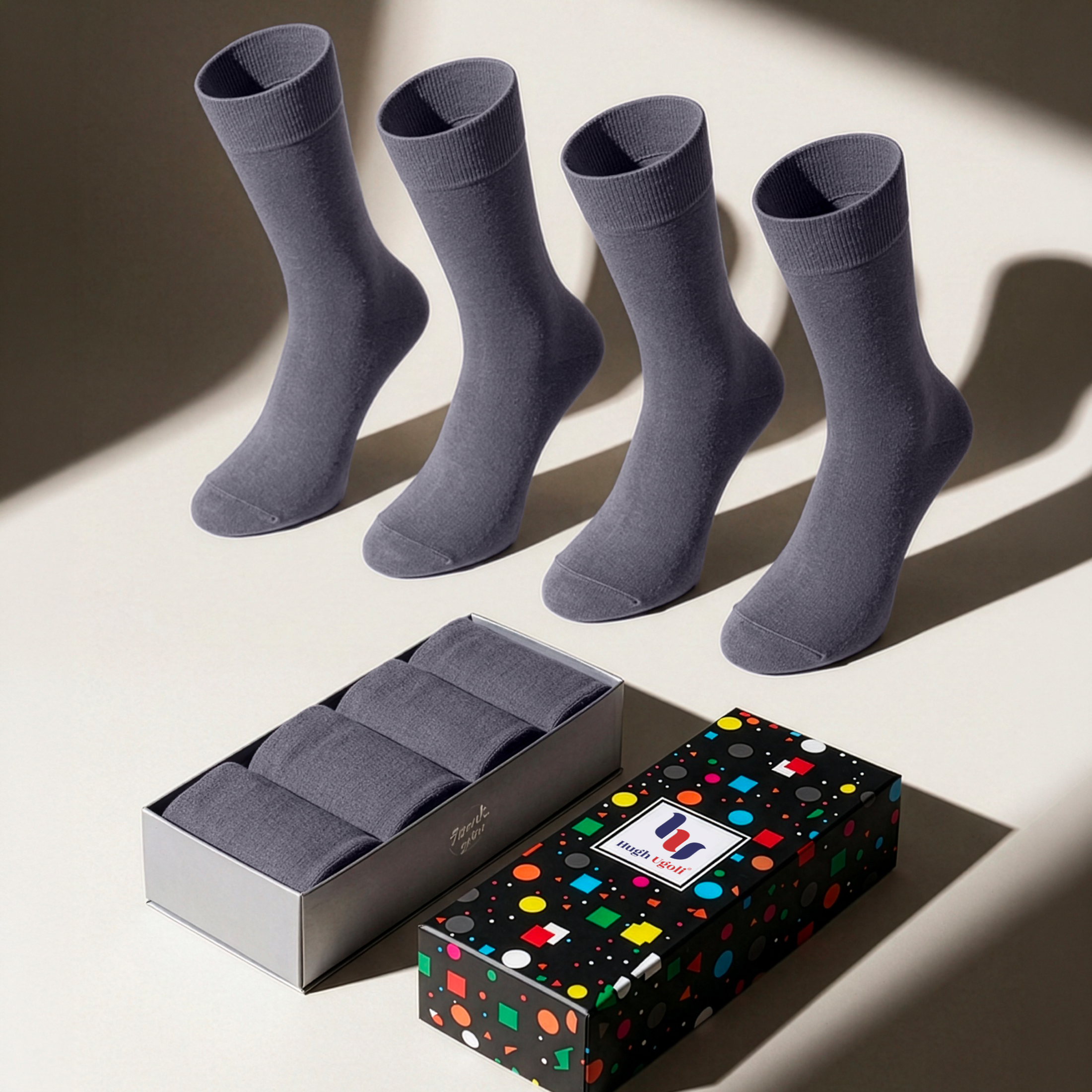
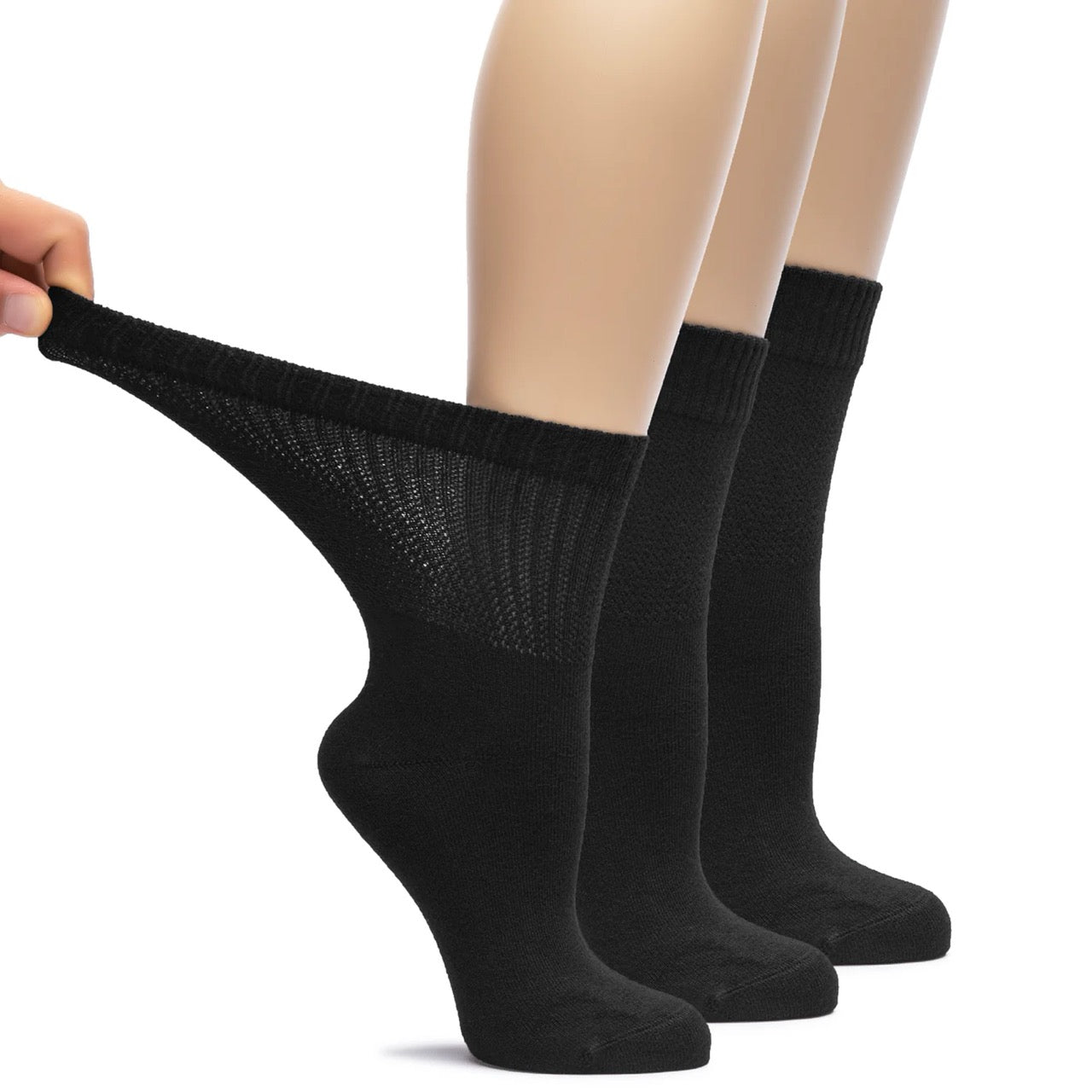
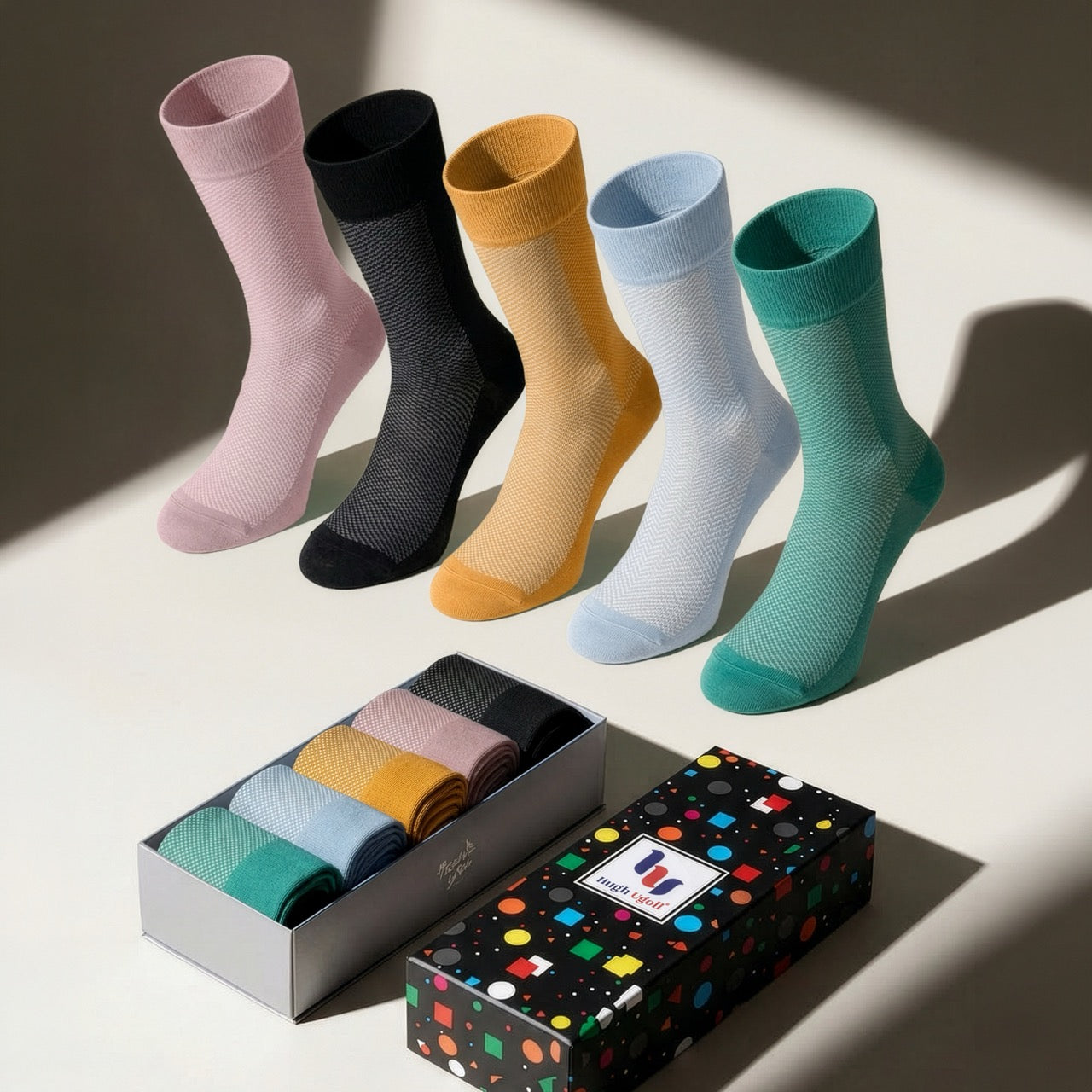
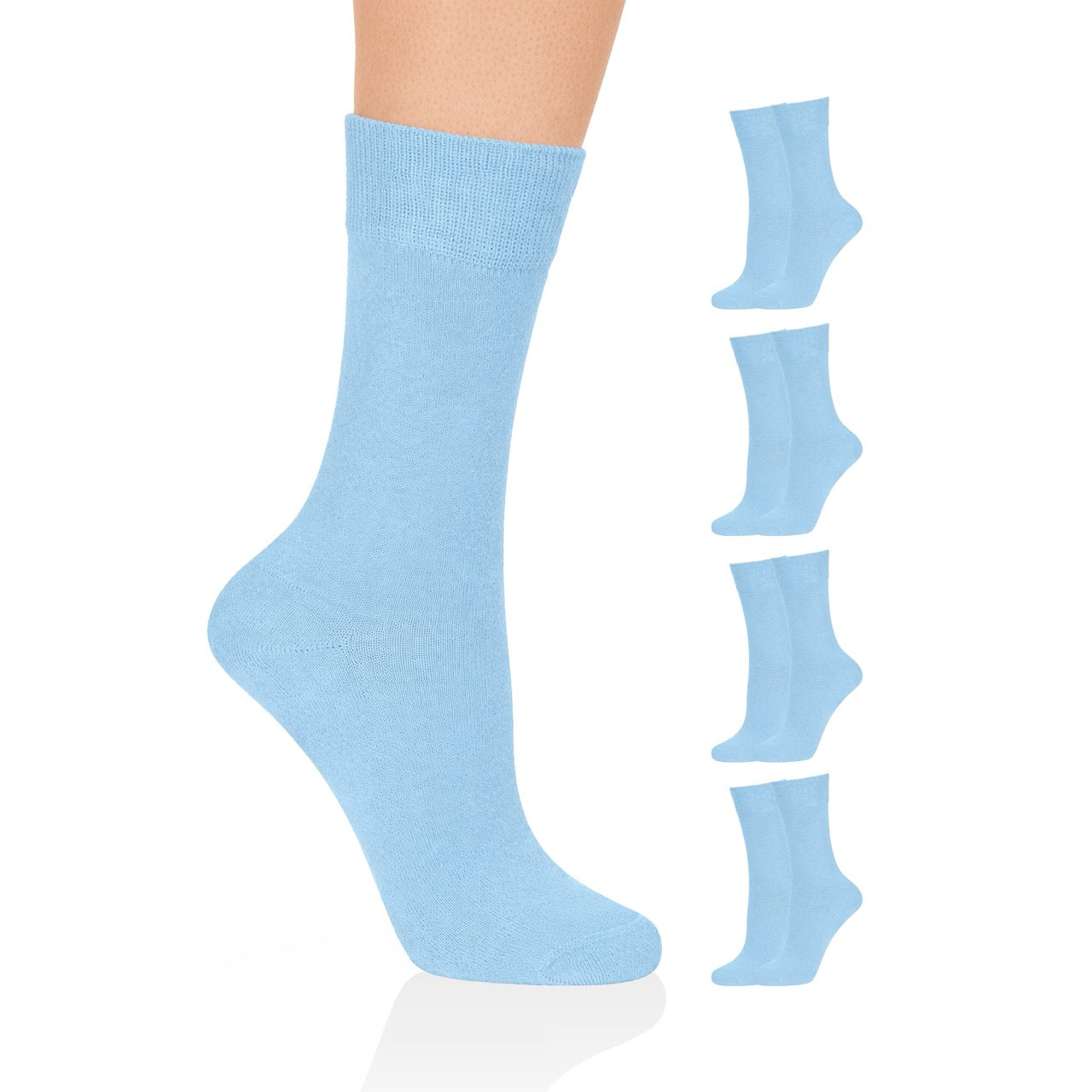
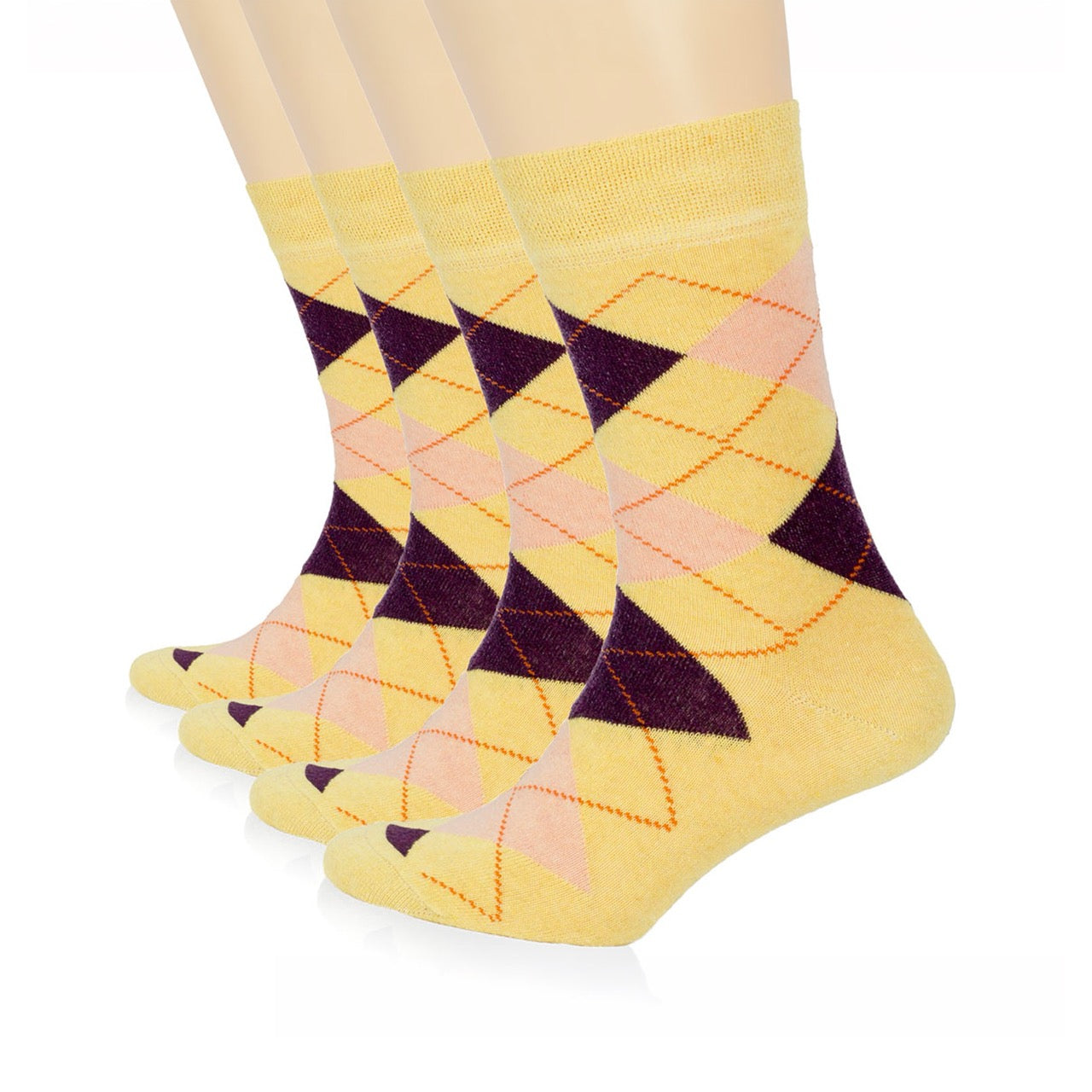
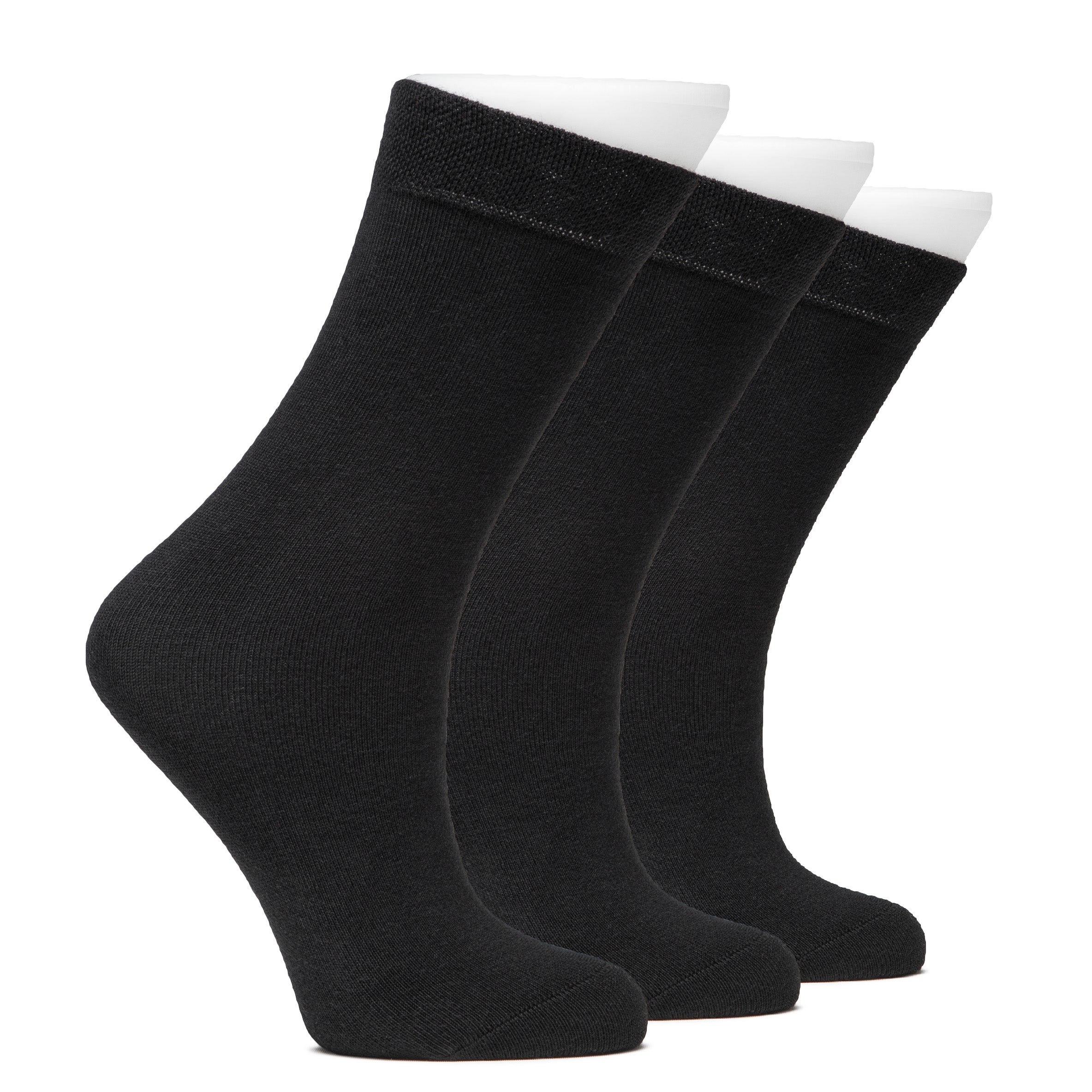
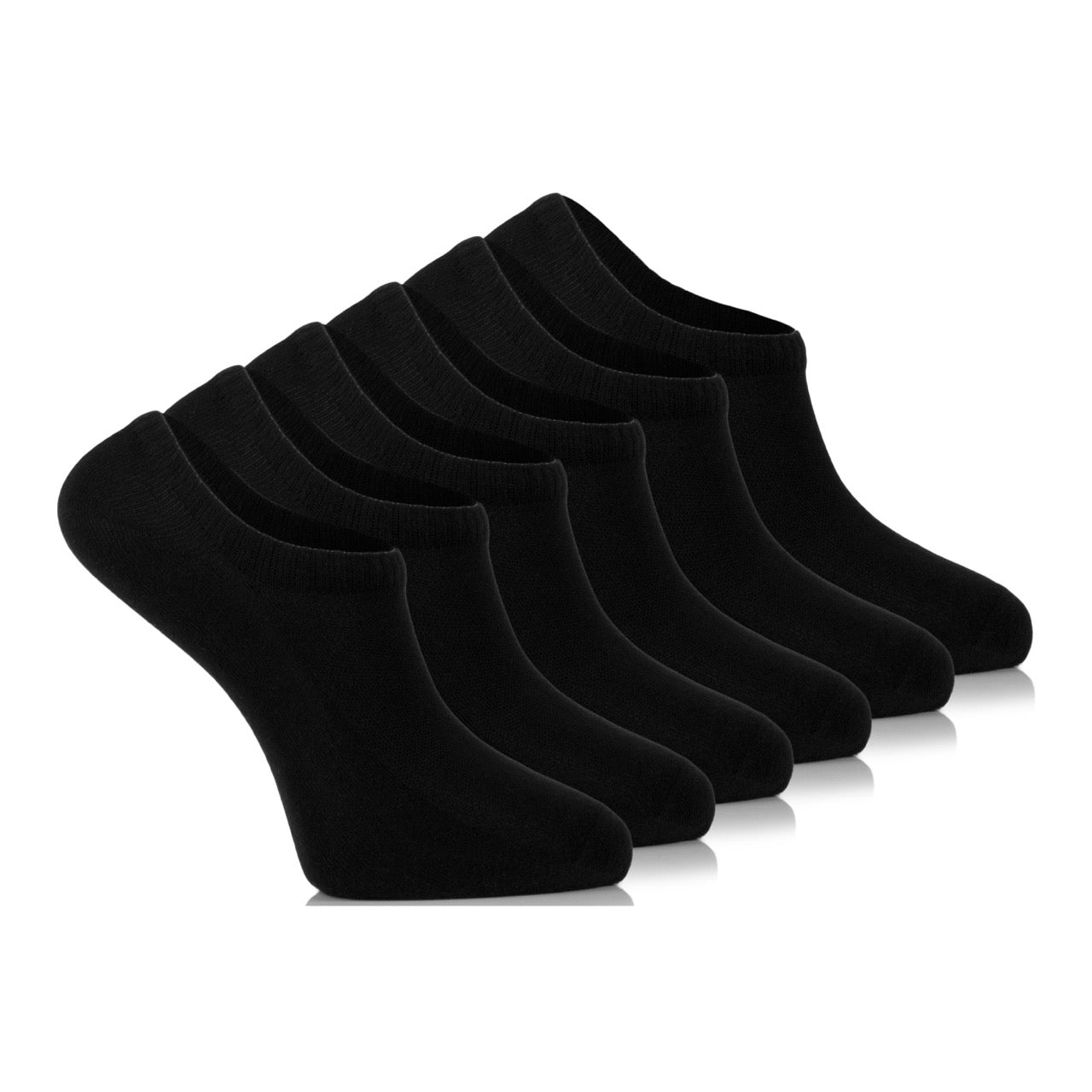
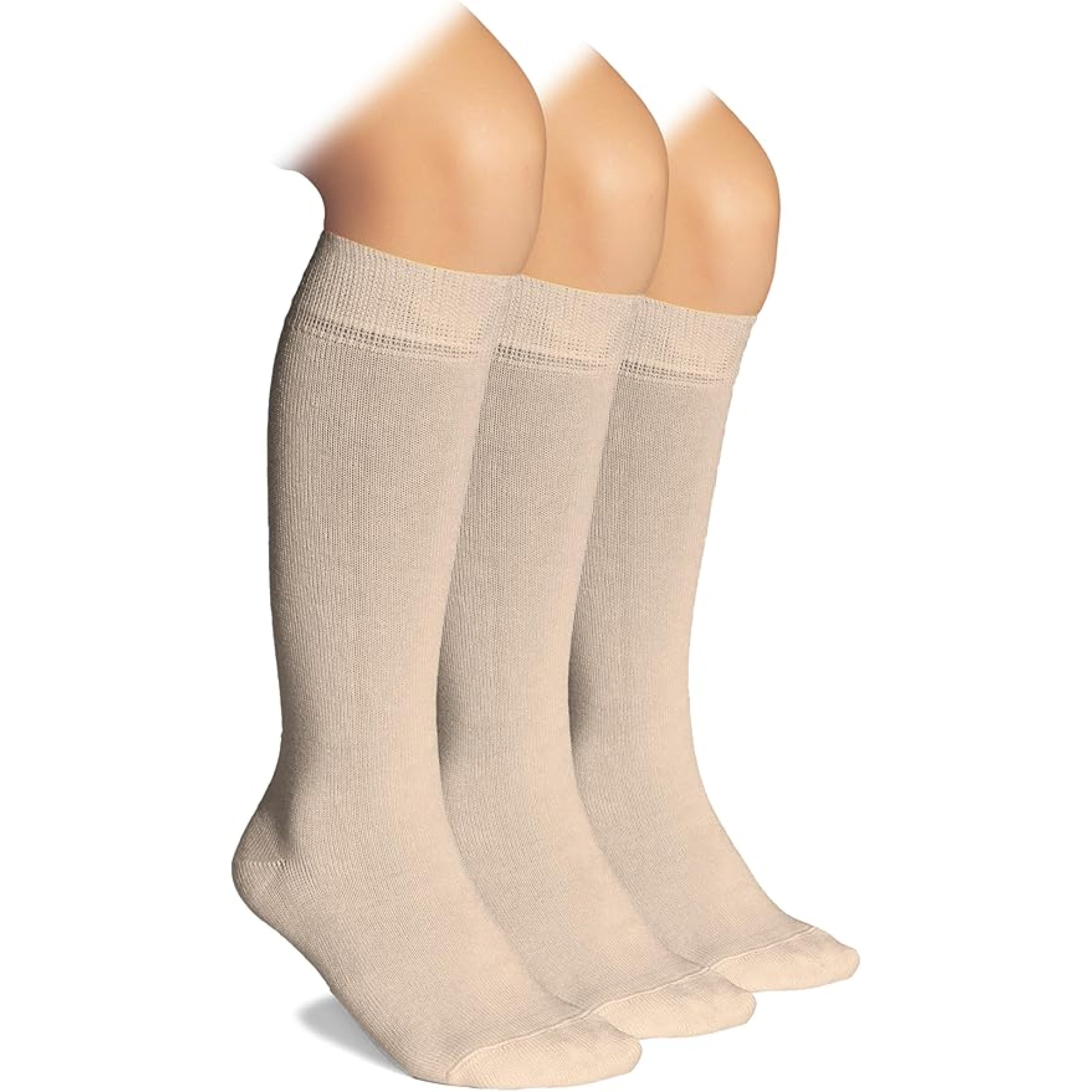


Most people give almost no thought to what socks they wear at home. They pull on whatever is at the top of the drawer and go about their day in socks that were designed entirely for use inside a shoe — which is a different job than what home floors actually require. The shoe changes everything about how a sock performs. Without it, the priorities shift: grip matters in ways it didn't before, thickness that worked inside a snug shoe may now feel too heavy, and the cuff tension that was fine for eight hours of outdoor wear becomes more noticeable when you're padding around the kitchen for the third hour in a row.
Home sock needs aren't complicated, but they are genuinely different from outdoor sock needs. Getting them right is a small thing that pays dividends in daily comfort, floor safety, and how your feet feel at the end of a long day at home.
A sock worn inside a shoe exists in a controlled mechanical environment. The shoe holds the sock in place, prevents it from sliding on the floor, and provides the structure that determines how much cushioning and friction the foot experiences. The sock's job in that context is primarily to manage moisture, reduce friction between foot and shoe, and provide a comfortable layer between skin and insole.
Remove the shoe and the equation changes substantially. The sock is now the outermost layer — the thing in direct contact with whatever surface you're walking on. It has to grip floors that vary in their slipperiness without the shoe providing any traction assistance. It has to provide whatever cushioning the foot gets against hard surfaces, because there's no shoe sole absorbing impact. And it has to be comfortable for extended periods of stationary or low-activity wear in a way that outdoor socks, optimized for the movement and containment of shoe-wearing, sometimes aren't.
Understanding these shifted requirements is what makes home sock selection a different decision from the rest of your sock choices.
The single most consequential variable for home sock selection is the type of floor surfaces in your home. A sock that performs beautifully on carpet can be genuinely dangerous on polished hardwood or tile — and vice versa, though the consequences of getting it wrong are less severe in the safe-footing direction.
Smooth hard floors — hardwood, laminate, tile, polished concrete — provide essentially no friction to a standard smooth-soled sock. The sock slides freely, which means any lateral movement, sudden direction change, or foot placement on a wet kitchen tile can result in a slip. This is not a theoretical concern: slips on hard floors in socks are among the most common causes of household falls, and the risk is considerably higher than most people consciously register because nothing about the experience feels actively dangerous until the moment something goes wrong.
The solution is straightforward: a sock with grip elements applied to the sole. Non-slip socks have small silicone or rubberized dots or patterns on the bottom surface that create friction against smooth floors, functioning as a modest but meaningful substitute for the grip a shoe sole would otherwise provide. The grip doesn't make a sock perform like a shoe, but it dramatically reduces the sliding risk that a smooth-soled sock on a hard floor presents. For anyone with children, elderly family members in the home, or their own balance or mobility concerns, this feature moves from convenient to genuinely important.
A bamboo no-show sock with a non-slip sole is a natural choice for home wear on hard floors because it combines the moisture management and softness of bamboo fiber with a grip sole that works on the surfaces where slipping is a real risk. For men in the same situation, a bamboo no-show with a non-slip grip provides the same practical safety advantage with the same fiber comfort benefits — and the no-show length that may seem mismatched to home wear is actually well suited to warmer months when a heavier crew sock would be too warm for all-day indoor use.
Hard floors are unforgiving in a way that carpet and even most outdoor paved surfaces aren't, because there's no give at all in the contact surface. When you stand on hardwood or tile in a thin sock, every step transmits the full impact of your body weight through the sole of the foot with very little absorption. Over a few minutes this is unremarkable. Over the course of a day spent primarily at home — cooking, moving between rooms, standing at a counter — the cumulative effect on the heel, ball of the foot, and arch can produce the kind of low-grade fatigue that people sometimes attribute to having a tired day without connecting it to their foot environment.
A sock with some degree of cushioning at the heel and ball of the foot provides meaningful impact absorption that compounds over the course of a day on hard surfaces. This doesn't require a heavily padded athletic sock — even a moderate terry loop interior at the contact points makes a noticeable difference in how the foot feels after extended home wear compared to a thin, flat-knit sock that provides no meaningful buffering.
Sock length for home wear is partly practical and partly personal preference, but there are real functional considerations that push in certain directions.
Crew-length socks — reaching mid-calf — are among the most popular choices for home wear, and for good reason. Without a shoe providing structure around the foot and ankle, the sock has to stay in place through its own tension and cuff grip alone. A crew sock has enough cuff length to anchor reliably without slipping down, which makes it a lower-maintenance option than shorter styles that may migrate during wear. Crew length also provides coverage that most people find more comfortable in casual home settings — particularly in cooler months — and it works across a wide range of home activities without feeling too light or too heavy.
Ankle socks are a viable home option but are more dependent on having good elastic tension to stay up without the shoe providing assistance. A well-made ankle sock with quality cuff elastic stays in position without issue. A cheap ankle sock with degraded elastic becomes an annoyance within an hour of home wear, sliding toward the heel and bunching underfoot.
No-show and liner socks require the most attention to construction for home wear because they have the least cuff to work with. On hard floors with a non-slip sole, they work well and feel light and unobtrusive. On carpet, they can migrate more easily and may need replacing more frequently as the grip element wears down. For warmer months in homes with hard floors, they're a perfectly practical choice. For colder months or carpeted environments, a longer style is typically more comfortable and more stable.

Home temperature environments are more varied than most people account for when thinking about socks. Outdoor socks are chosen partly based on outdoor temperature; home socks operate in a range from air-conditioned summer interiors to unheated cold-climate winter floors, and the right sock for each end of that range is quite different.
In winter, or in any home where the floors are genuinely cold, a sock with meaningful insulating properties becomes important. This is where wool distinguishes itself most clearly from other fiber options. Wool's natural crimp structure traps air between the fibers, creating insulation that maintains warmth even when the fiber absorbs some moisture from the foot. A wool crew sock worn on cold mornings on stone or tile floors provides the kind of genuine warmth that thinner bamboo or cotton alternatives can't match — the natural loft of the fiber creates a buffer zone between the foot and the cold contact surface that synthetic or fine-natural-fiber alternatives don't replicate at the same weight.
In warmer months or in well-heated homes, the calculus reverses. A heavy wool sock that provides excellent winter warmth becomes uncomfortable and overly warm in summer indoor conditions, where the foot needs breathability more than insulation. A lightweight bamboo sock manages moisture from the foot's natural perspiration while keeping the foot cool and dry in ways that a thick sock actively works against. Maintaining a small seasonal home sock rotation — a heavier option for cooler months, a lighter moisture-wicking option for warmer ones — is a simple adjustment that produces noticeably more comfortable home wear year-round.
When you're wearing a sock inside a shoe for eight hours at work or out, the shoe's containment means the cuff is held in a relatively fixed position and its pressure on the leg is moderated by movement and the shoe's structural support. At home, particularly during extended sedentary periods — sitting reading, watching television, working at a desk — the cuff is the primary thing in contact with the lower leg, and its tension is felt more directly.
People who wear socks with tight, constricting cuffs to work often don't notice the tightness during the day because they're moving and the sock is held in place by the shoe. The same sock worn at home for a long evening of sitting becomes noticeably constricting by the second hour, because the cuff's tension is being applied without the shoe's mechanical moderation and without the distraction of activity.
For home wear specifically, a sock with a relaxed, non-binding cuff is more comfortable than one with aggressive elastic tension. This doesn't mean the cuff needs to be loose — it should still hold the sock in position — but the difference between a cuff that grips firmly and one that holds gently is felt much more clearly in a home context than in a shoe context. People who find that they remove their socks the moment they get home, despite being comfortable wearing them all day, often find that the discomfort they're relieving is specifically cuff tension rather than anything about the sock's body.
The fiber question for home socks follows different priorities than for outdoor or workday socks. Durability under high-abrasion conditions matters less because home wear is lower-impact than outdoor wear. What matters more is comfort in extended low-activity wear, temperature regulation across the day, and how the fiber feels against the skin during long stationary periods.
Bamboo viscose excels in home wear primarily for its combination of softness and moisture management. The foot perspires even in sedentary conditions, and a bamboo sock wicks that moisture away from the skin actively, keeping the foot dry and comfortable across hours of home wear in a way that cotton struggles to match. Bamboo's natural softness also makes it particularly comfortable for extended low-pressure wear — when the foot isn't moving much and the sock is simply sitting against the skin, the fiber quality becomes more perceptible rather than less.
Wool is the best single option for warmth and for environments where the floor temperature is the primary discomfort. Its insulating properties are genuinely superior to other natural fibers at equivalent weights, and its natural moisture management means that even warmer home environments don't necessarily make wool uncomfortable. Merino wool in particular can be worn across a wider temperature range than most people expect — it's warm in cold environments and actively breathable in warm ones, making it a year-round option for homes with variable temperatures.
Cotton performs adequately in home wear contexts, particularly high-quality combed cotton that has better softness retention than standard cotton. The main limitation is moisture management — cotton accumulates moisture from normal foot perspiration and holds it, which over a long day of home wear can produce a slightly damp, flat feel that bamboo or wool avoids. For short periods of home wear this is irrelevant; for people who spend most of the day at home, it becomes a noticeable comfort difference by afternoon.
Some sock choices that work fine outdoors create specific problems in a home context.
Compression socks, designed for extended standing, prolonged travel, or medical purposes, are not well suited to typical home wear. The graduated compression they provide is calibrated for specific circulatory support needs and produces an active squeezing sensation that is appropriate in its intended context but uncomfortable and unnecessary during normal home activity. Unless recommended specifically for home use by a healthcare professional, standard non-compression socks are a more comfortable choice.
Very thin dress socks on hard floors combine two problems: minimal cushioning against impact and smooth soles that slide freely. A fine-knit dress sock designed for a leather shoe interior has neither the grip nor the padding that home wear on hard surfaces benefits from. It's a sock doing a job it wasn't designed for, and the performance gap shows up in both comfort and safety.
Wet or damp socks worn on any floor surface are a significant slip risk and also create the skin moisture environment that encourages fungal growth and general foot discomfort. This seems obvious but is worth naming because it's common: a sock that got wet during outdoor wear and was worn home, or a sock that accumulated enough foot moisture to feel damp, is best changed before continuing home wear rather than dried in place over the course of the afternoon.
The practical answer for most people is not a dedicated home-only sock wardrobe but a simple awareness of which of your existing socks are better suited to home wear and which aren't.
For warm months and hard floors: a lightweight bamboo sock with non-slip grip provides the grip, moisture management, and comfort that the combination of warm indoor temperature and smooth floor surface calls for. This is the home wear context where the non-slip feature does the most work and where the bamboo fiber's breathability advantage over cotton is most clearly felt.
For cool months and any floor type: a crew-length wool or heavier bamboo sock with a relaxed cuff provides warmth, comfort, and enough length to stay in place without a shoe holding it. On hard floors in cold weather, the combination of cushioning and warmth a crew sock provides is noticeably better than a thin ankle sock that leaves the foot cold and inadequately cushioned against a cold, hard surface.
The simplest version of this approach is keeping one or two pairs that you think of as your home socks — worn in at home, not being used for outdoor rotation, chosen specifically for the features that home wear calls for rather than defaulting to whatever outdoor sock is at the top of the drawer. It's a small organizational habit that produces daily comfort returns in a setting where most people spend a significant portion of their waking hours.
Home wear asks specific things of a sock that outdoor and workday wear doesn't: grip on smooth floors, cushioning without a shoe sole, comfort during extended low-activity periods, and a cuff that doesn't become the thing you notice after two hours of sitting. None of these requirements are difficult to meet, but they're different enough from the outdoor sock checklist that defaulting to outdoor socks for home use consistently misses what home floors and home wear actually need. A simple awareness of the distinction, and a pair or two chosen with home conditions specifically in mind, is all it takes to make a genuine difference in daily foot comfort.
The best home socks depend primarily on your floor surfaces and the season. On hard floors — hardwood, tile, laminate — a sock with a non-slip sole is the most important feature, reducing the sliding risk that smooth-soled socks present on these surfaces. For warmth in cooler months, a crew-length wool or heavier bamboo sock provides meaningful insulation that thinner options don't. In summer, a lightweight bamboo sock with non-slip grip combines breathability with the floor traction that hard surfaces require.
On smooth hard floors, non-slip socks provide a meaningful safety benefit. Standard smooth-soled socks slide freely on hardwood, laminate, and tile — the same surfaces that are most common in modern homes — which makes lateral movement, sudden stops, or wet floor contact genuinely slip-prone. Non-slip socks with grip dots or patterns on the sole reduce this risk substantially. The feature matters most for households with young children, elderly family members, or anyone with balance concerns, but it's a reasonable precaution for anyone spending extended time on hard floors.
Not necessarily different products, but chosen with different priorities. Outside, a shoe provides grip, structure, and impact absorption — the sock's main jobs are moisture management and reducing friction between foot and shoe. At home, the sock is doing the shoe's job in addition to its own: providing grip, cushioning, and comfort without the shoe's mechanical support. Awareness of this shift means choosing home socks that have grip elements, some cushioning, and a comfortable cuff designed for extended wear rather than simply wearing the nearest outdoor sock in the drawer.
Wool is better for warmth and cold-floor environments — its natural insulating properties make it the clear choice for cold mornings on tile or hardwood. Bamboo is better for breathability and moisture management in warmer conditions or during any activity that generates foot perspiration. Many people find a seasonal approach works well: wool or heavier bamboo crew socks in cooler months, lightweight bamboo with non-slip grip in warmer months. Both fibers offer extended-wear comfort that cotton struggles to match across a full day at home.
Foot soreness from a day at home is often a hard floor problem. Without the cushioning a shoe sole provides, every step on tile, hardwood, or laminate transmits full impact directly through the foot. Over the course of many hours, this produces low-grade fatigue at the heel and ball of the foot that builds without being noticed until the end of the day. A sock with cushioning at the heel and forefoot provides meaningful impact absorption that reduces this cumulative effect. It's one of the clearest ways the right home sock produces a noticeable difference in how feet feel by the evening.
He has been working for more than 20 years in the textile industry and has work experience in many parts of the world.