Cart
0
You may also like
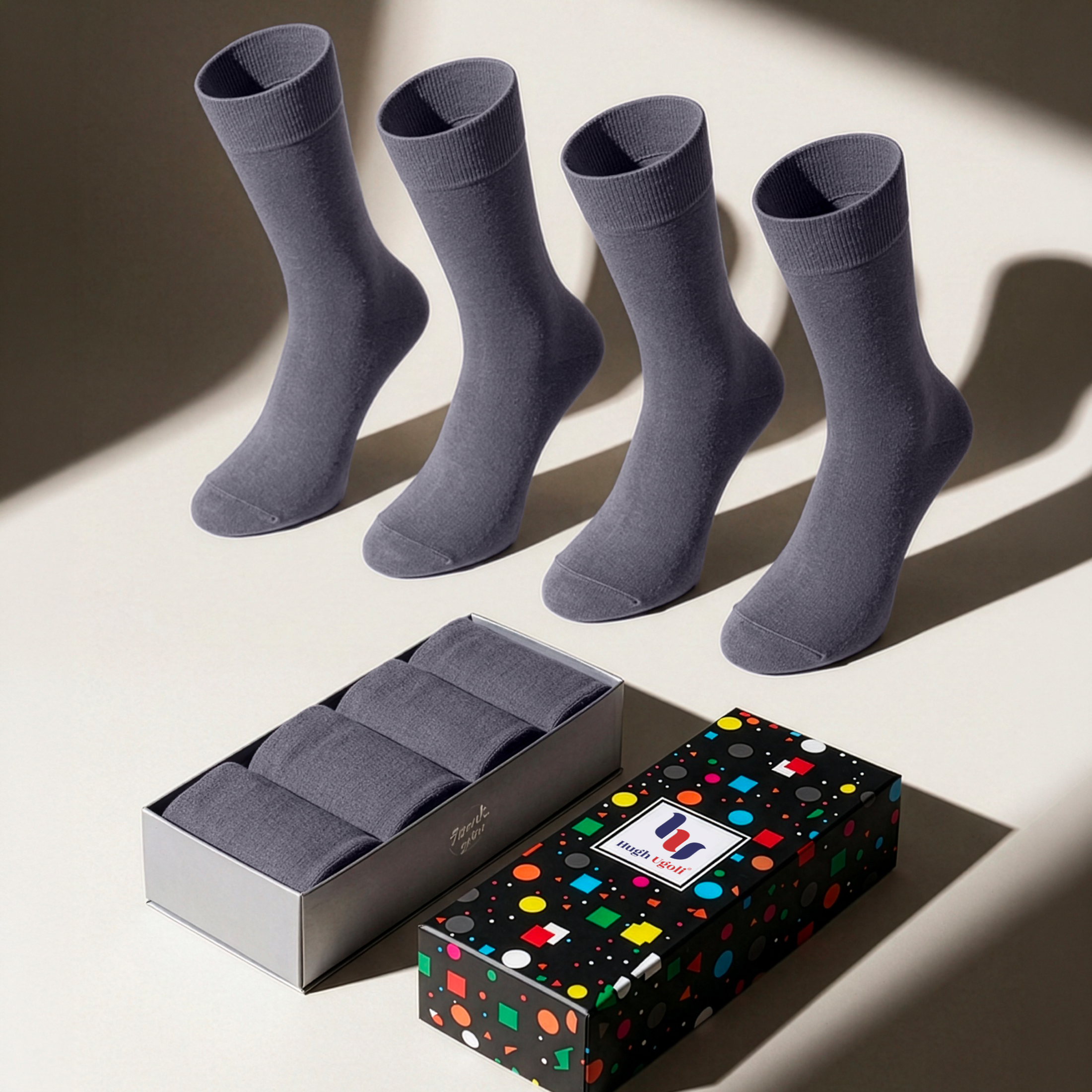
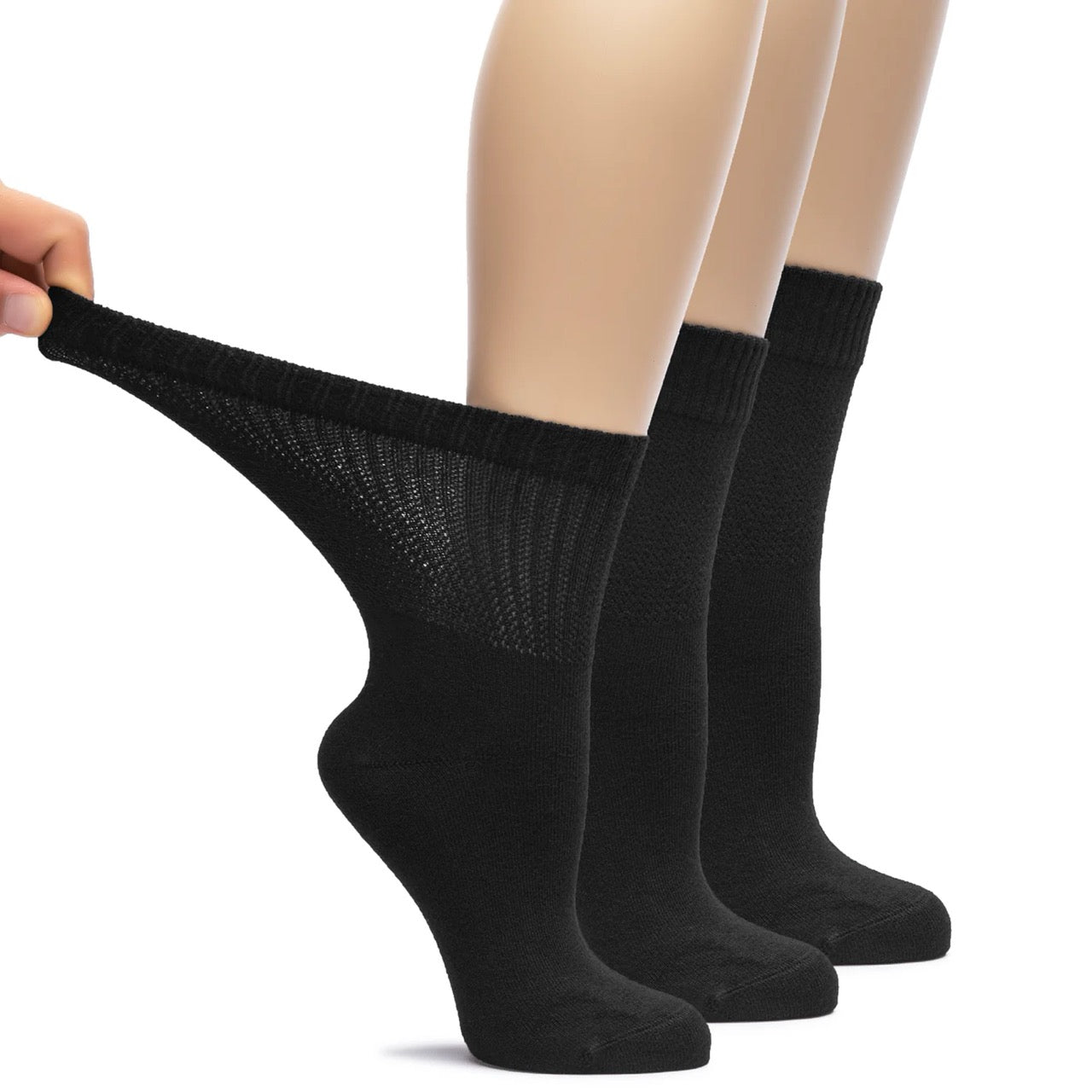
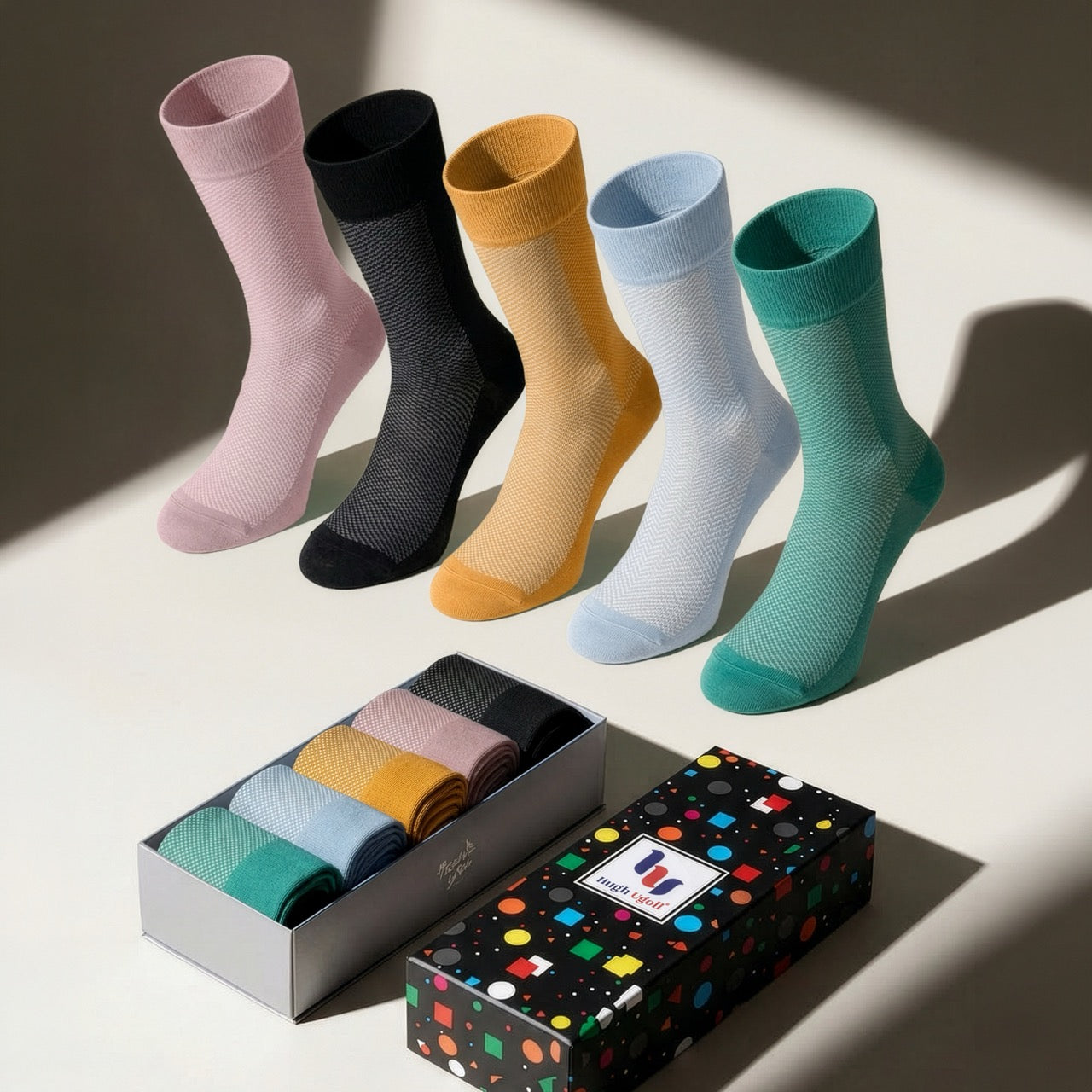
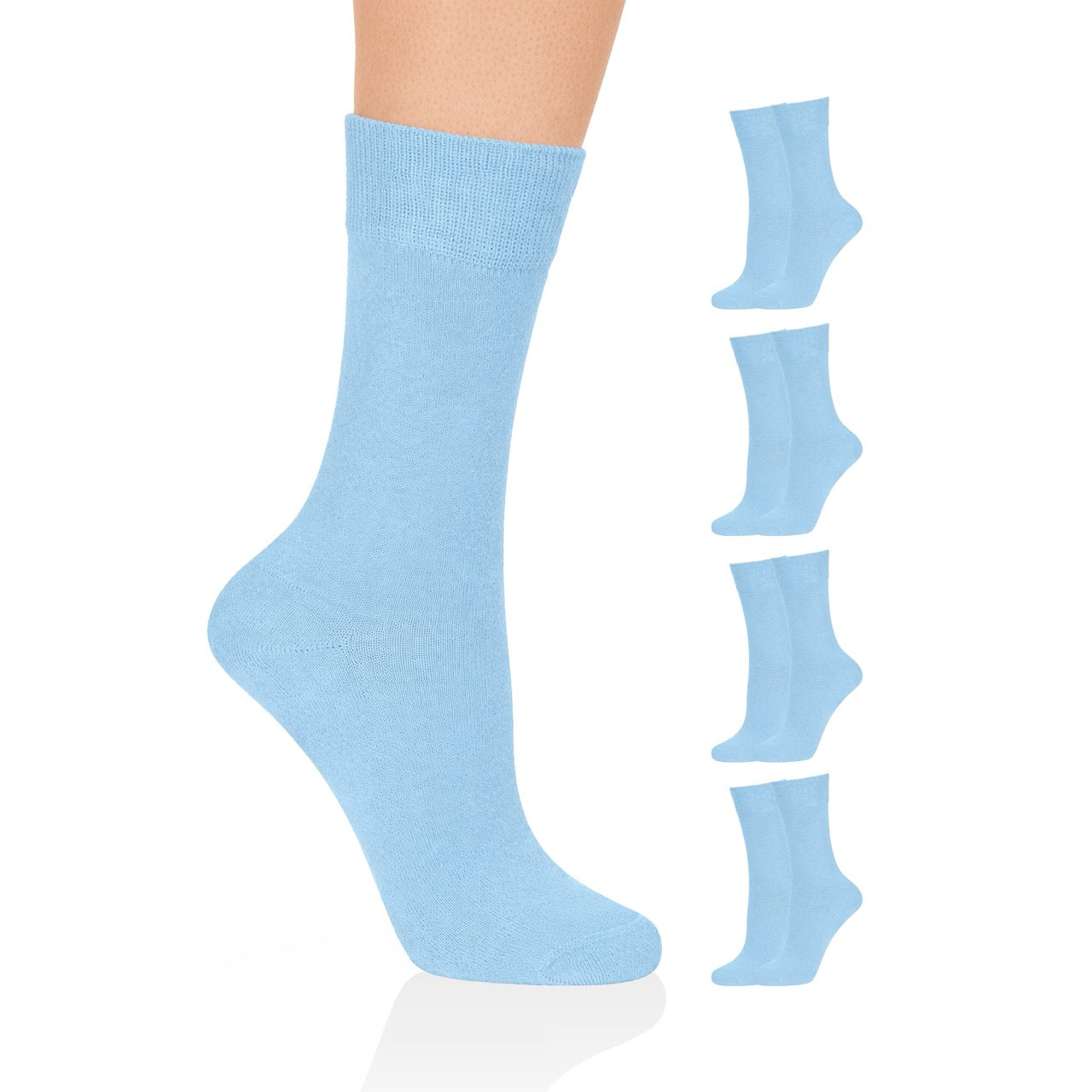
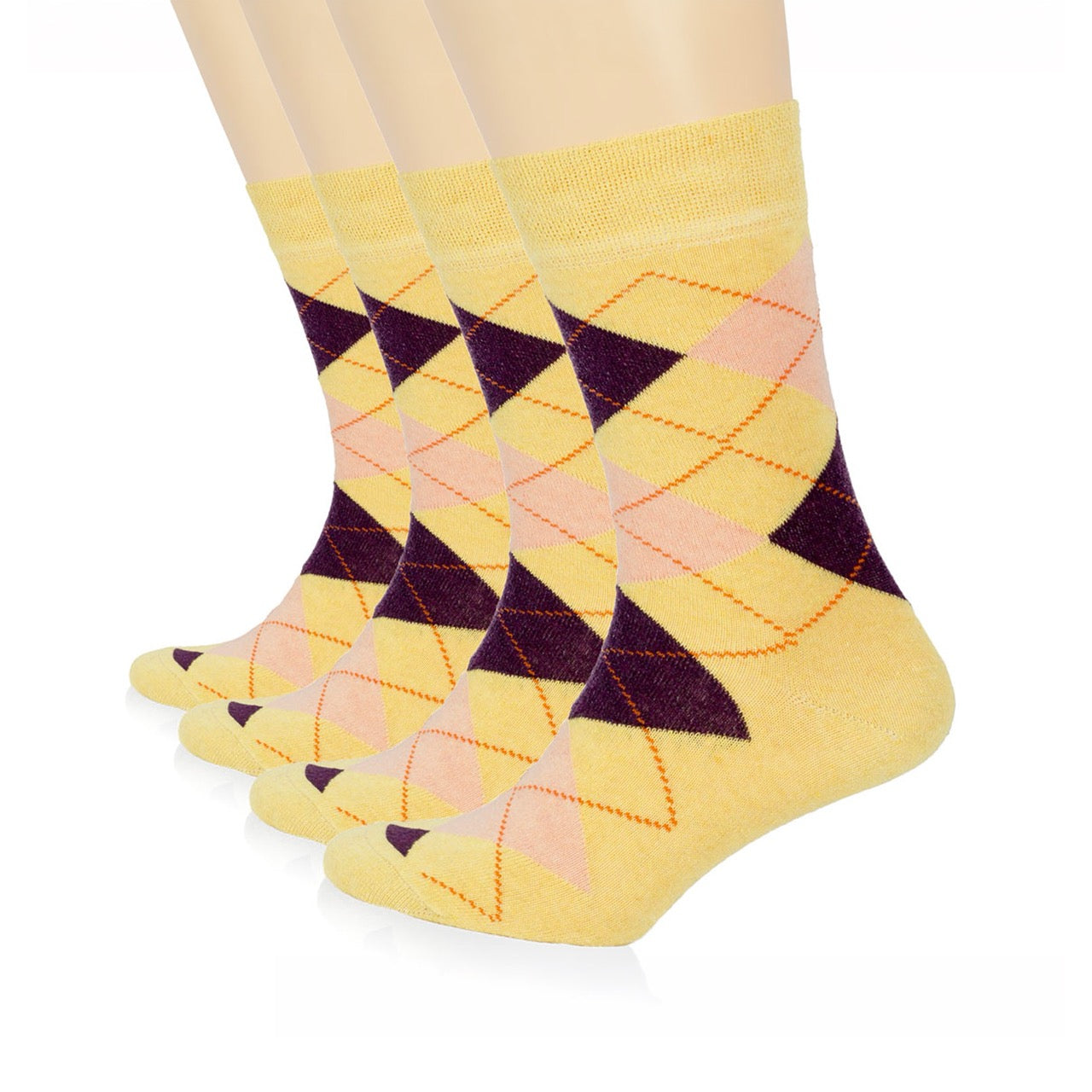
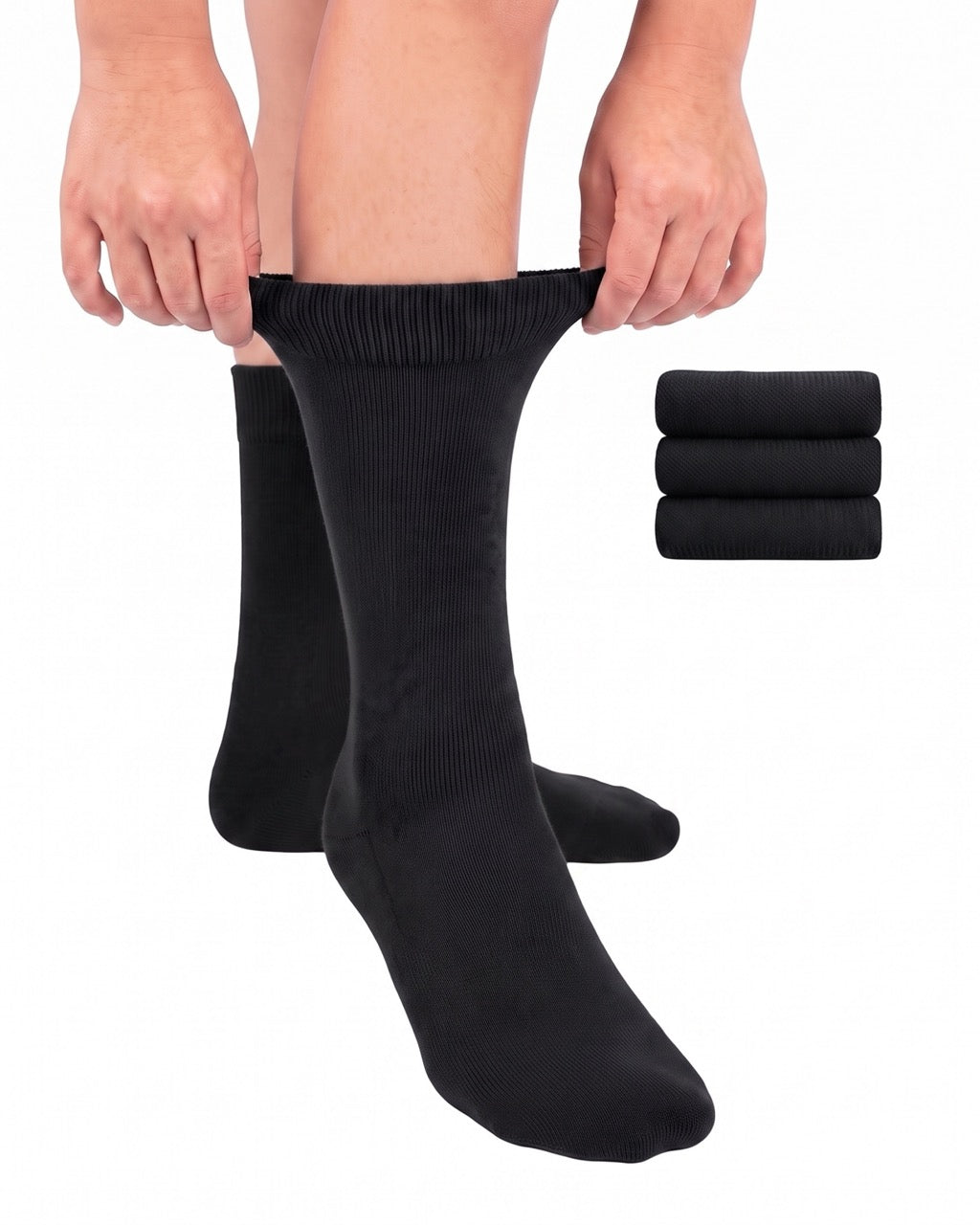
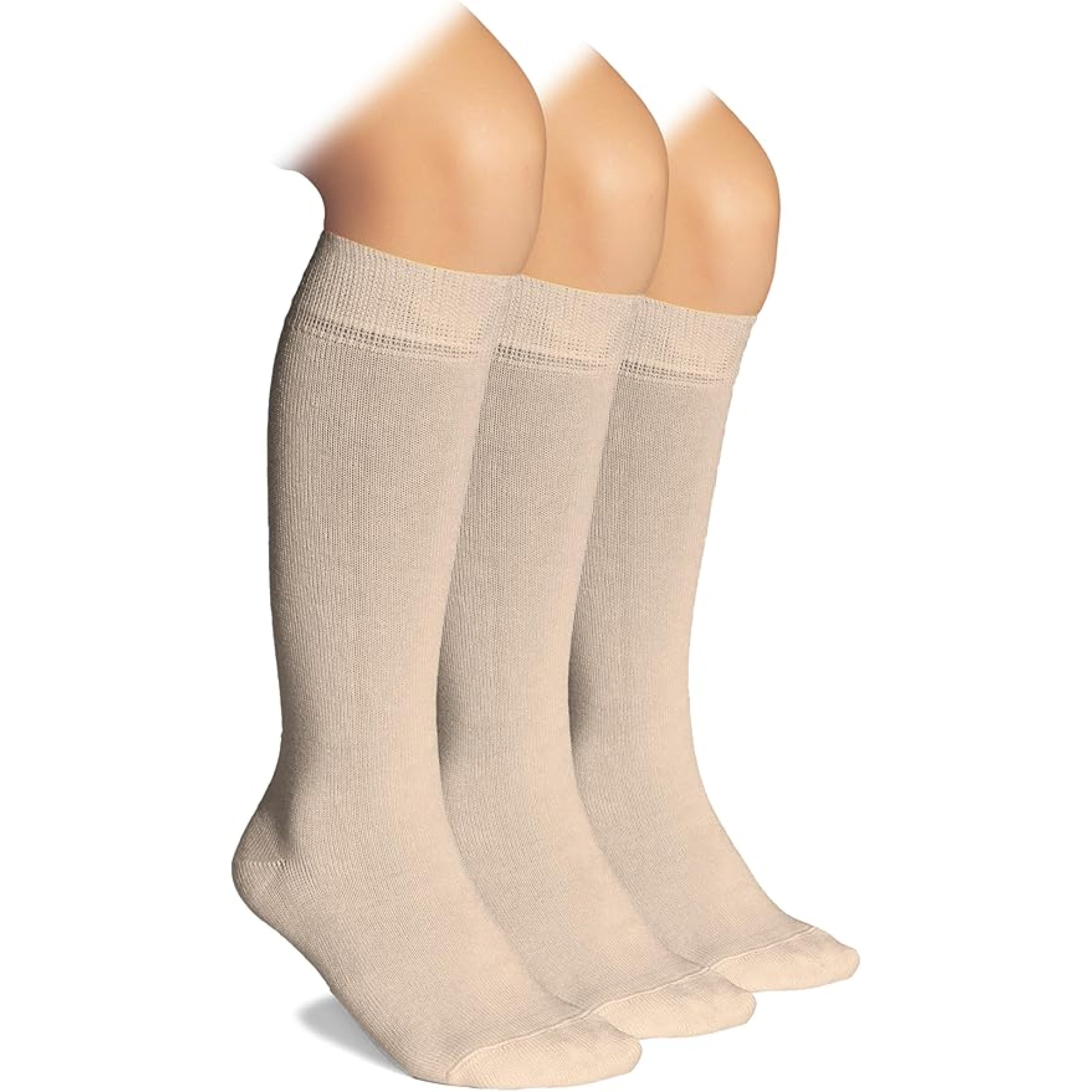


Quick Answer: The best dress socks should feel almost invisible on your feet—lightweight, breathable, and perfectly fitted so they stay in place without drawing attention. Whether worn with dress shoes, loafers, or casual footwear, the right sock length and materials ensure comfort while maintaining a polished appearance.
When people think about dress socks, they often focus on appearance. Yet the most important characteristic of a well-designed pair of socks is not visibility—it is comfort. The ideal dress sock should feel nearly invisible while performing an essential role: protecting your feet, supporting movement, and maintaining the clean lines of your outfit.
In many professional settings, subtlety matters. Socks paired with tailored clothing should complement your outfit rather than distract from it. Whether you wear classic crew dress socks or invisible socks designed to stay hidden, the goal is the same: comfort that works quietly in the background.
Invisible comfort refers to socks that perform their function without constant awareness. If you find yourself adjusting your socks, feeling pressure around the ankle, or noticing slipping fabric inside your shoes, something is wrong.
High-quality socks work by maintaining balance. They:
When socks work correctly, you forget they are there. That is the mark of good design.
Sock length plays a major role in whether socks feel visible or invisible.
Traditional dress socks typically reach mid-calf. This sock length ensures that skin remains covered when sitting or crossing your legs. In formal or professional settings, crew socks paired with dress shoes maintain a polished appearance.
The key is thin, breathable construction so the sock feels light rather than bulky.
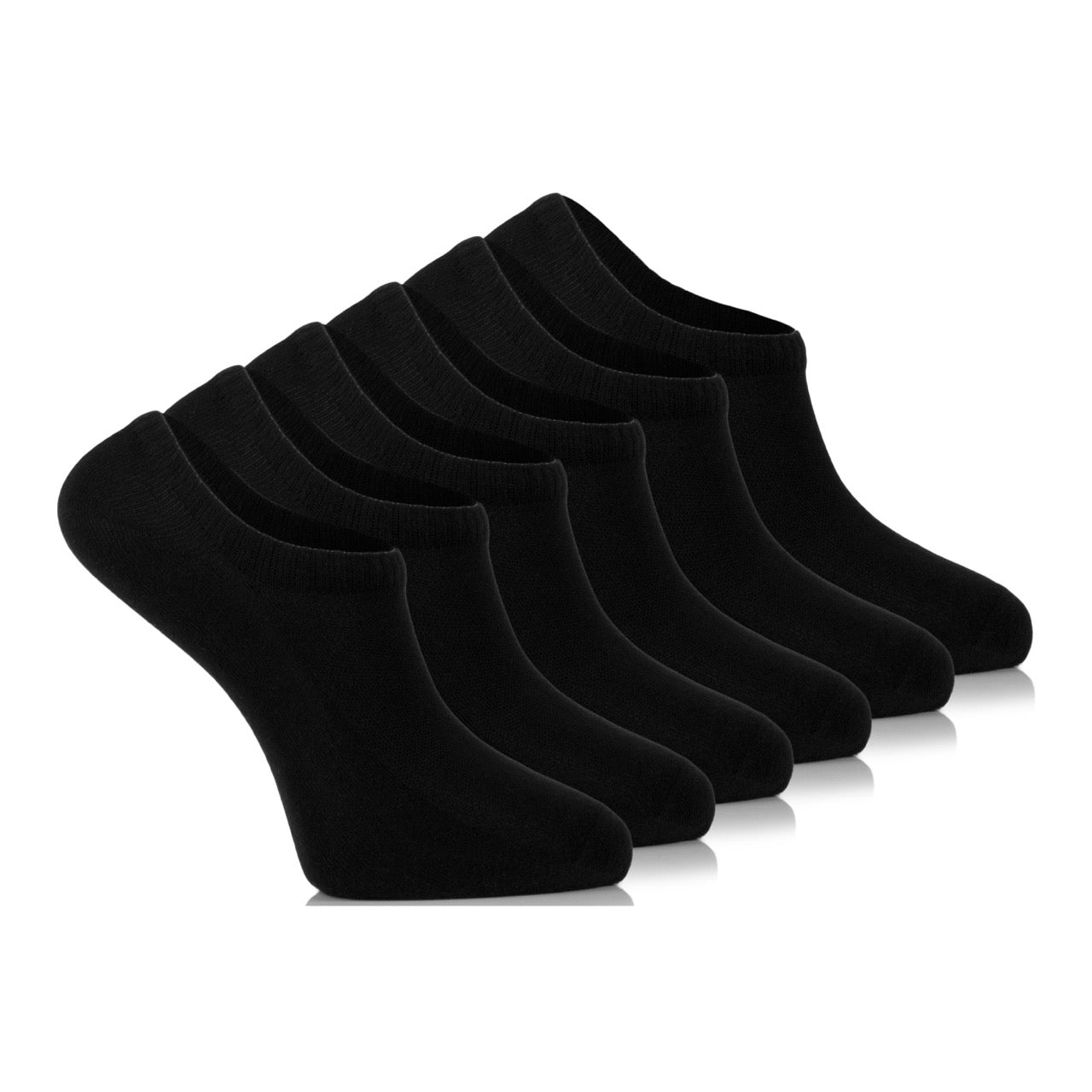
Invisible socks, also known as no-show socks, are designed to remain hidden inside shoes. They are commonly used with loafers, boat shoes, and casual footwear.
When you wear no show socks, the sock stays hidden below the shoe line. This creates the appearance of going sockless while still providing comfort and hygiene.
High-quality invisible socks include a silicone grip inside the heel. This silicone grip prevents slipping and ensures the sock stays hidden throughout the day.
Ankle socks sit just above the shoe opening. They are commonly used with athletic shoes and casual wear. While practical for sports or relaxed environments, ankle socks are less common with formal dress shoes.

There are moments when visible sock lines interrupt the visual balance of an outfit. In these cases, invisible socks provide a cleaner aesthetic.
For example, loafers and boat shoes are typically styled with no visible sock. Wearing quality no show socks allows you to maintain the intended look while protecting your feet from friction.
Invisible socks create the illusion of bare ankles while still delivering moisture management and cushioning.
The fabric used in dress socks significantly affects how invisible they feel during wear.
Merino wool is widely used in premium dress socks because of its temperature-regulating properties. Unlike traditional wool, merino fibers are fine and breathable.
Merino wool helps regulate temperature and wick moisture away from the skin. This keeps feet comfortable even during long hours in dress shoes.
Cotton blends provide softness and breathability. When combined with elastic fibers, they maintain structure without excessive compression.
Some invisible socks use synthetic fibers to improve durability and moisture management. These materials help socks stay in place and resist stretching.
Several construction details help socks remain comfortable and discreet.
A silicone grip inside the heel prevents invisible socks from sliding down. Without this feature, the sock may bunch inside the shoe, causing discomfort.
Durability matters even when socks stay hidden. Reinforced heels and toes prevent wear in high-pressure areas and extend the life of the sock.
Invisible socks are designed with minimal edges so they remain below the shoe line.
The type of shoe you wear often determines the best sock style.
Traditional dress shoes typically pair with mid-calf dress socks. These socks ensure that the leg remains covered when sitting, preserving a professional appearance.
Boat shoes and loafers often look best with invisible socks. Wearing no show socks allows you to maintain the relaxed style while preventing friction and odor.
Athletic shoes generally pair well with ankle socks or low-profile performance socks. These socks provide cushioning while allowing flexibility during movement.
Although invisible socks are designed to stay hidden, they still contribute to style. The decision to wear no show socks communicates a relaxed yet intentional approach to footwear styling.
In modern fashion, the absence of a visible sock line can itself become a subtle fashion statement. It suggests effortless styling while maintaining comfort and practicality.
The key is balance. Socks should support the outfit without becoming the center of attention.
While invisible socks are ideal for certain looks, there are situations where visible socks are necessary.
Professional settings often require longer dress socks to maintain a polished appearance. When sitting, visible skin between trousers and shoes can appear unprofessional.
For formal attire, crew dress socks remain the preferred choice.
The best socks do their job quietly. They cushion the heel and toe, manage moisture, and support your feet without constant adjustment.
Whether you choose classic dress socks or invisible socks, comfort should always be the priority. Socks that stay in place and feel lightweight allow you to focus on your day rather than your footwear.
Dress socks should never compete with the rest of your outfit. Their role is subtle yet essential—providing protection, comfort, and support inside your shoes.
Whether paired with dress shoes, athletic shoes, or boat shoes, the right sock length and material make all the difference. Quality no show socks stay hidden when needed, while traditional dress socks maintain professionalism when visibility matters.
When designed well, socks feel almost invisible. And when your feet remain comfortable from morning to evening, that invisible support becomes one of the most important elements of your wardrobe.
Dress socks should feel almost invisible during long periods of wear in professional settings or formal occasions. A proper fit, soft materials, and smooth seams help ensure the socks stay comfortable without drawing attention.
Invisible socks usually refer to socks that stay hidden inside the shoe, similar to no-show socks. These are designed to remain unseen when worn with loafers, boat shoes, or low-cut footwear.
Yes, in certain casual or summer situations. However, traditional dress socks paired with dress shoes remain the standard choice in most professional settings.
Quality no show socks often include silicone grip strips, reinforced heel and toe sections, and a precise sock length that helps the sock stay hidden while preventing slipping.
Ankle socks are generally better suited for casual wear or athletic shoes. For formal or professional environments, longer dress socks provide a more polished appearance.
Materials such as merino wool blends or breathable cotton fabrics work well because they manage moisture, maintain comfort, and help socks stay securely in place throughout the day.
He has been working for more than 20 years in the textile industry and has work experience in many parts of the world.