Cart
0
You may also like
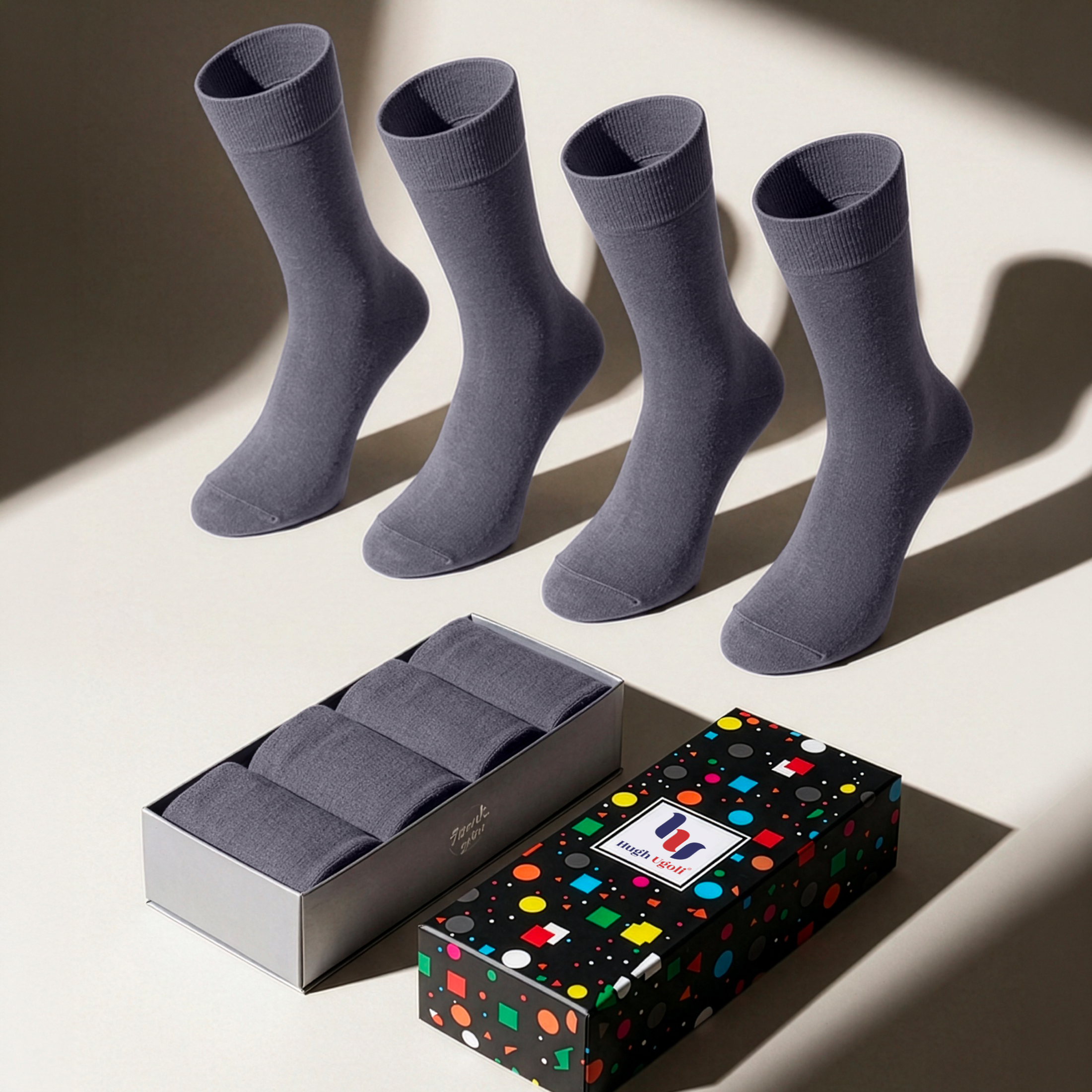
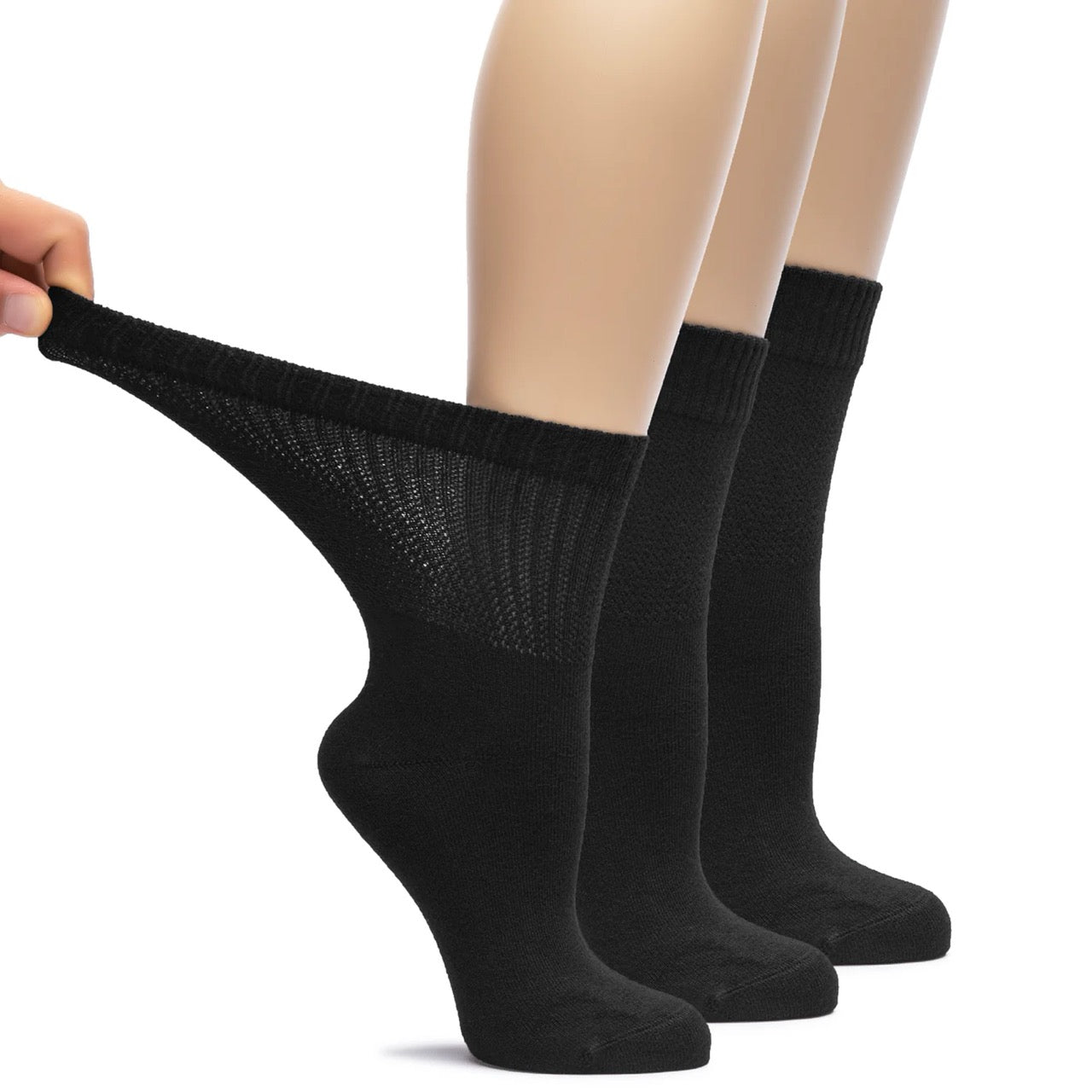

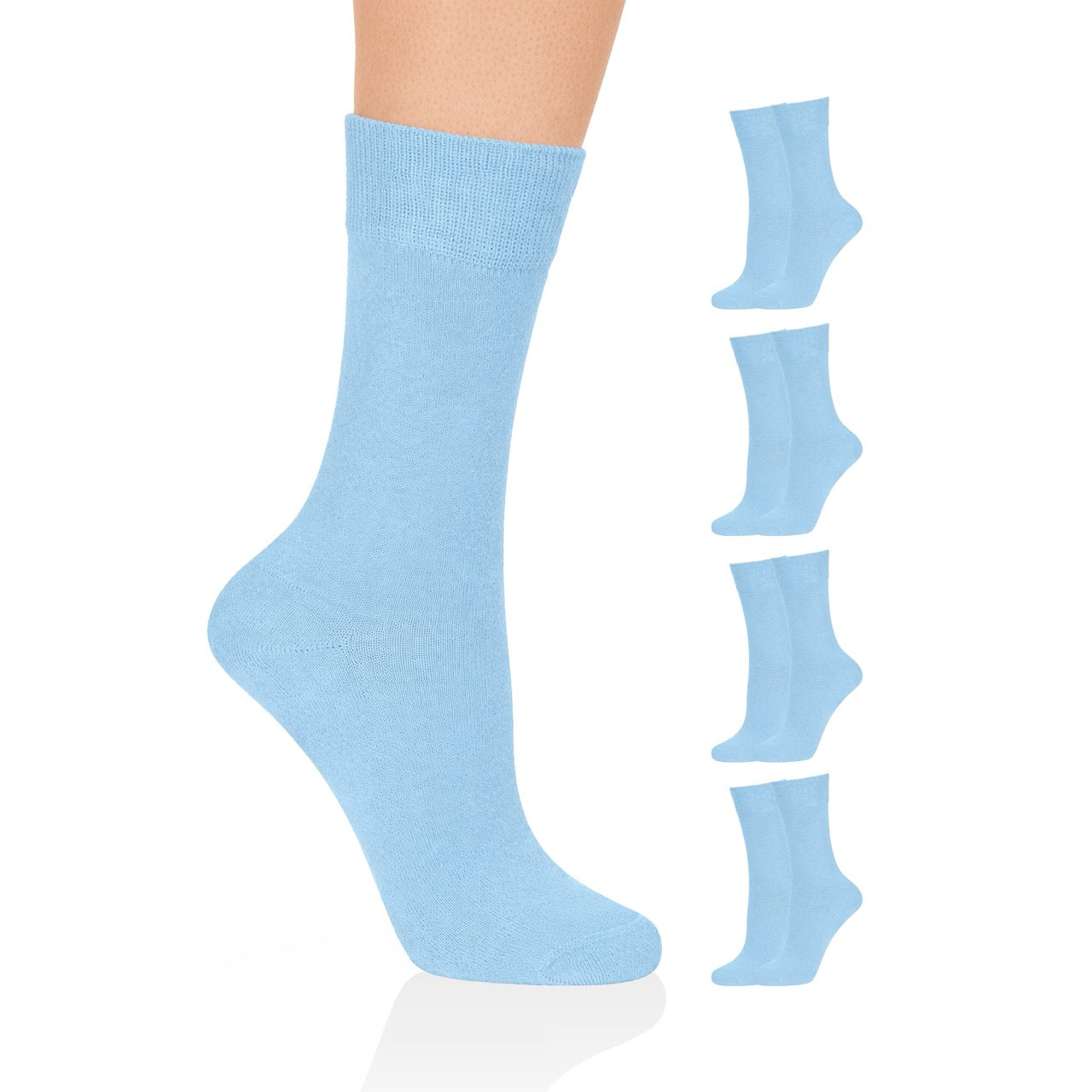
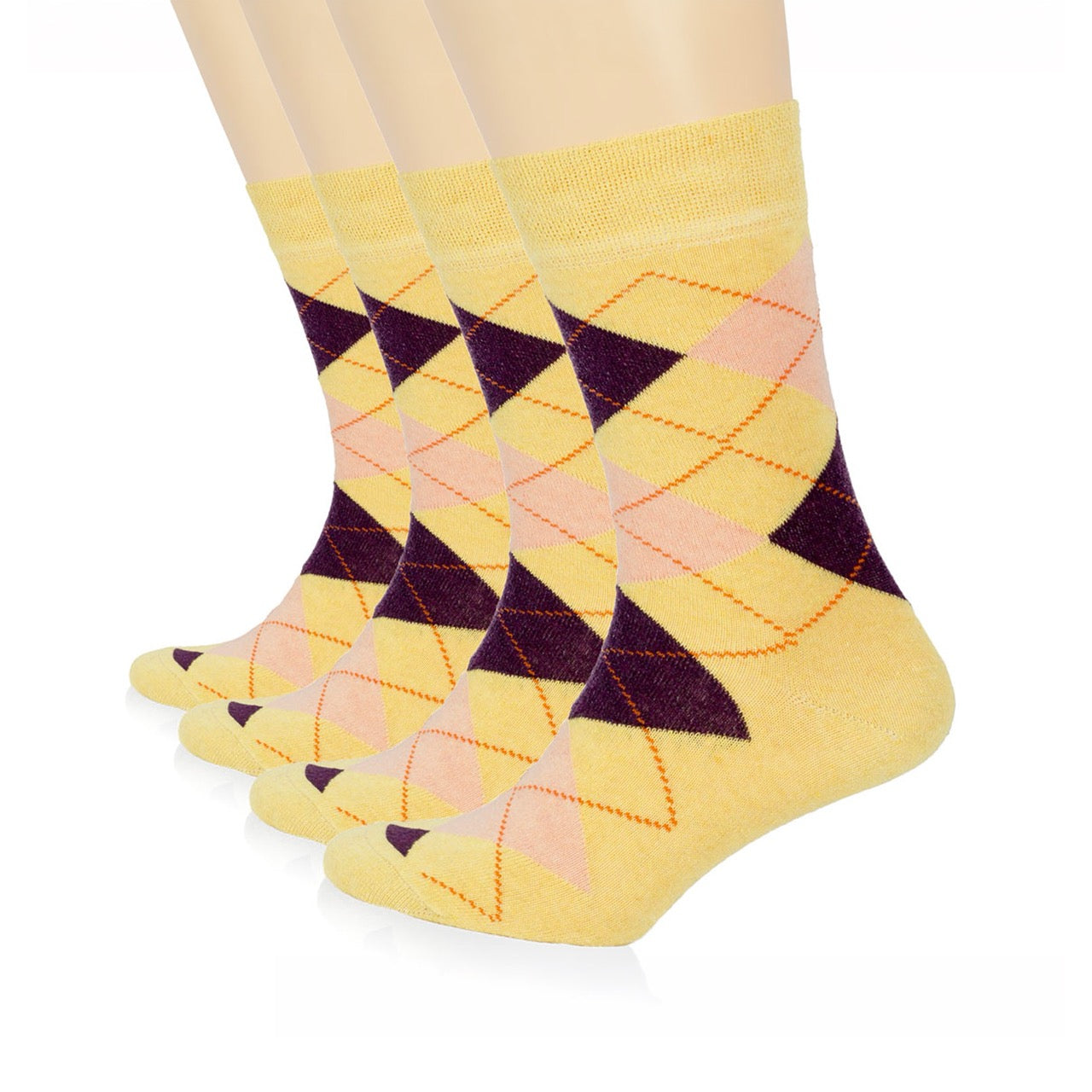
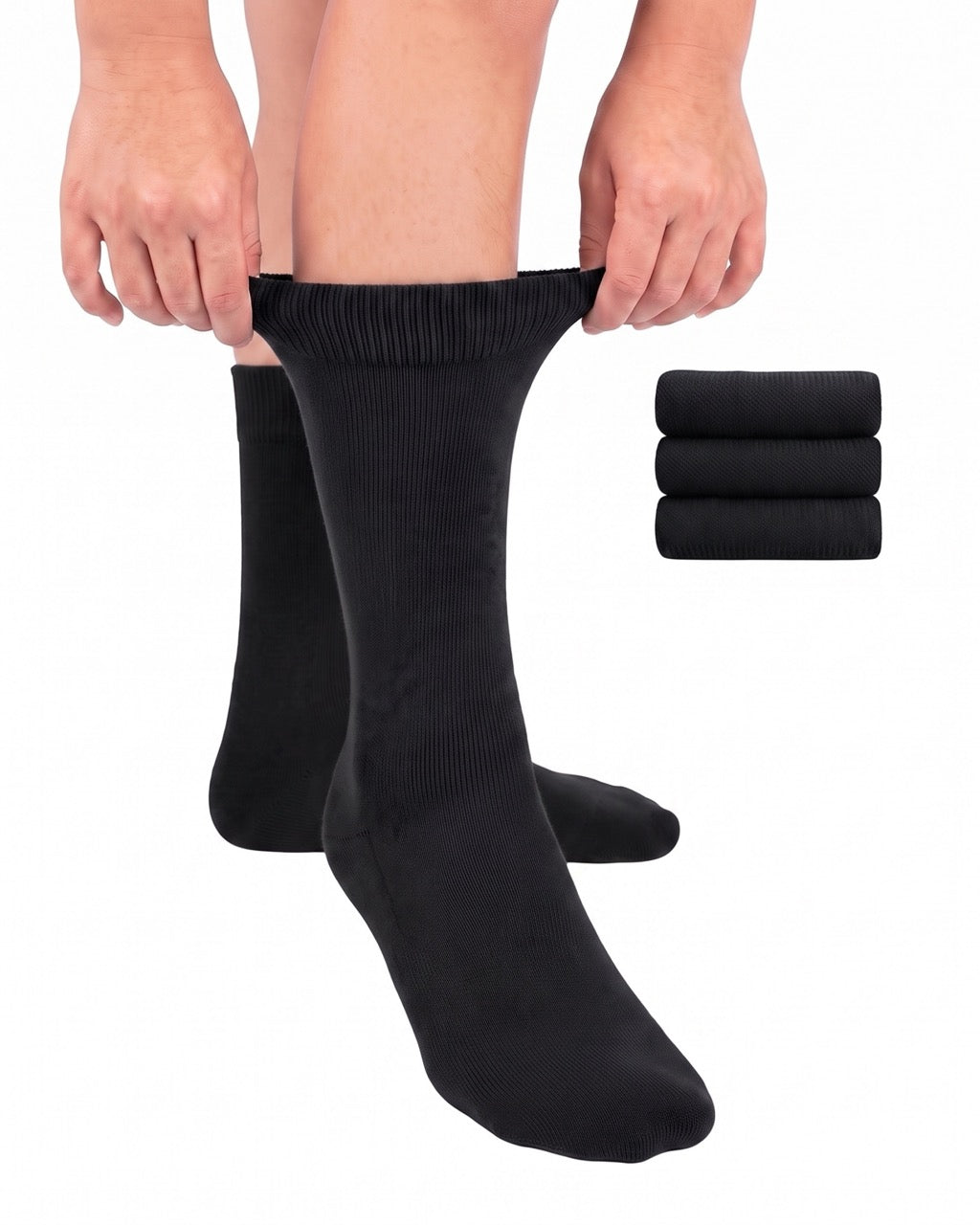


Quick Answer: Fabric thickness alone does not determine comfort or performance. The material itself—its structure, breathability, and fiber composition—plays a far more important role. Choosing the right fabric helps regulate temperature, manage moisture, and improve comfort, whether the fabric is heavy or light.
When people evaluate clothing, they often assume thicker fabric automatically means higher quality or better durability. In reality, fabric weight and material composition serve different purposes. A heavy garment is not always warmer, and a lightweight one is not always cooler.
Understanding fabric weight and fiber characteristics helps explain why choosing the right fabric matters more than simply selecting thicker material.
Fabric weight describes how dense a textile is. Manufacturers typically measure it using units such as grams per square meter (GSM) or ounces per square yard.
These measurements provide a standard way to compare textiles. For example:
These categories help designers determine how a material will perform in different climates and garments.
A cotton t shirt, for example, often falls between 140 and 180 GSM. A common lightweight shirt might be around 150 GSM, offering breathability and flexibility.
However, fabric weight matters only when considered alongside fiber composition.

Many people confuse fabric thickness with insulation or durability. While thickness can contribute to warmth, the type of fiber determines how effectively the fabric regulates heat and moisture.
For example:
In other words, heavier fabrics are not always the most comfortable choice.
Fiber composition influences breathability, softness, and moisture management. Natural fibers and synthetic fibers behave differently when exposed to heat and humidity.
For instance:
Choosing the right fabric means understanding how these materials respond to different environments.
Lighter fabrics are often used for garments designed for warm weather. They allow air circulation and reduce the risk of overheating.
For example, summer dresses frequently use lightweight fabrics that provide airflow while maintaining structure.
These fabrics typically fall below 180 grams per square meter, making them suitable for hot climates.
Lightweight fabrics help prevent heat buildup and allow the body to regulate temperature naturally.
Midweight fabrics offer a balance between structure and comfort. These textiles are commonly used for everyday clothing, including shirts, trousers, and casual wear.
Midweight fabrics provide:
Because they are neither too heavy nor too light, midweight fabrics work well in changing weather conditions.
Heavier fabrics typically appear in outerwear, sweaters, and winter garments. Their higher GSM provides additional insulation.
However, not all heavier fabrics perform equally well. Some materials trap heat without allowing moisture to escape, which can create discomfort.
This is why fabric weight matters only when combined with breathable fiber design.
Understanding fabric weight becomes easier when comparing common garments.
Each garment uses a specific weight to match its intended function.
Choosing the right fabric depends on climate, activity level, and personal comfort preferences.
For warm environments:
For cooler weather:
The key is matching fabric properties to the conditions in which the garment will be worn.
Two garments with similar thickness can feel completely different depending on the fiber composition.
A thick synthetic fabric may trap heat, while a thinner natural fiber fabric allows ventilation.
This demonstrates why understanding fabric weight is only one part of evaluating clothing quality.
Modern textile engineering allows manufacturers to create fabrics that balance durability, flexibility, and breathability.
For example:
These innovations show that choosing the right fabric often matters more than increasing thickness.
Comfort does not always require heavier materials. In many cases, lighter fabrics with strong fibers provide better overall performance.
High-quality garments use materials that maintain shape and softness without unnecessary bulk.
Understanding fabric weight helps consumers evaluate clothing more accurately.
Fabric thickness alone cannot determine comfort, durability, or performance. Fiber composition, breathability, and moisture management all play critical roles.
While heavier fabrics may provide insulation, lightweight fabrics often deliver better airflow and flexibility. Midweight fabrics offer balance for everyday wear.
By understanding fabric weight, GSM measurements, and material properties, consumers can make more informed choices when selecting clothing.
Ultimately, choosing the right fabric—rather than simply selecting thicker material—ensures garments remain comfortable, functional, and suited to their intended use.
Fabric choice affects breathability, temperature regulation, and comfort more than simple fabric thickness. The structure and fiber type determine how well a material manages heat and moisture.
Fabric weight usually refers to measurements like grams per square meter (GSM) or ounces per square yard. These values help describe whether a fabric is lightweight, midweight, or heavy.
Not necessarily. Some heavier fabrics can trap heat, but breathable materials may regulate temperature better even when they are lighter.
Lightweight fabrics typically fall around 120–150 GSM. For example, a cotton t shirt around 150 GSM is considered lightweight and suitable for warmer conditions.
Midweight fabrics provide a balance between structure and breathability. They are often used when moderate warmth and durability are needed.
Thicker fabrics can trap heat and reduce airflow. In warm conditions, lighter fabrics often help regulate temperature more effectively.
He has been working for more than 20 years in the textile industry and has work experience in many parts of the world.