Cart
0
You may also like
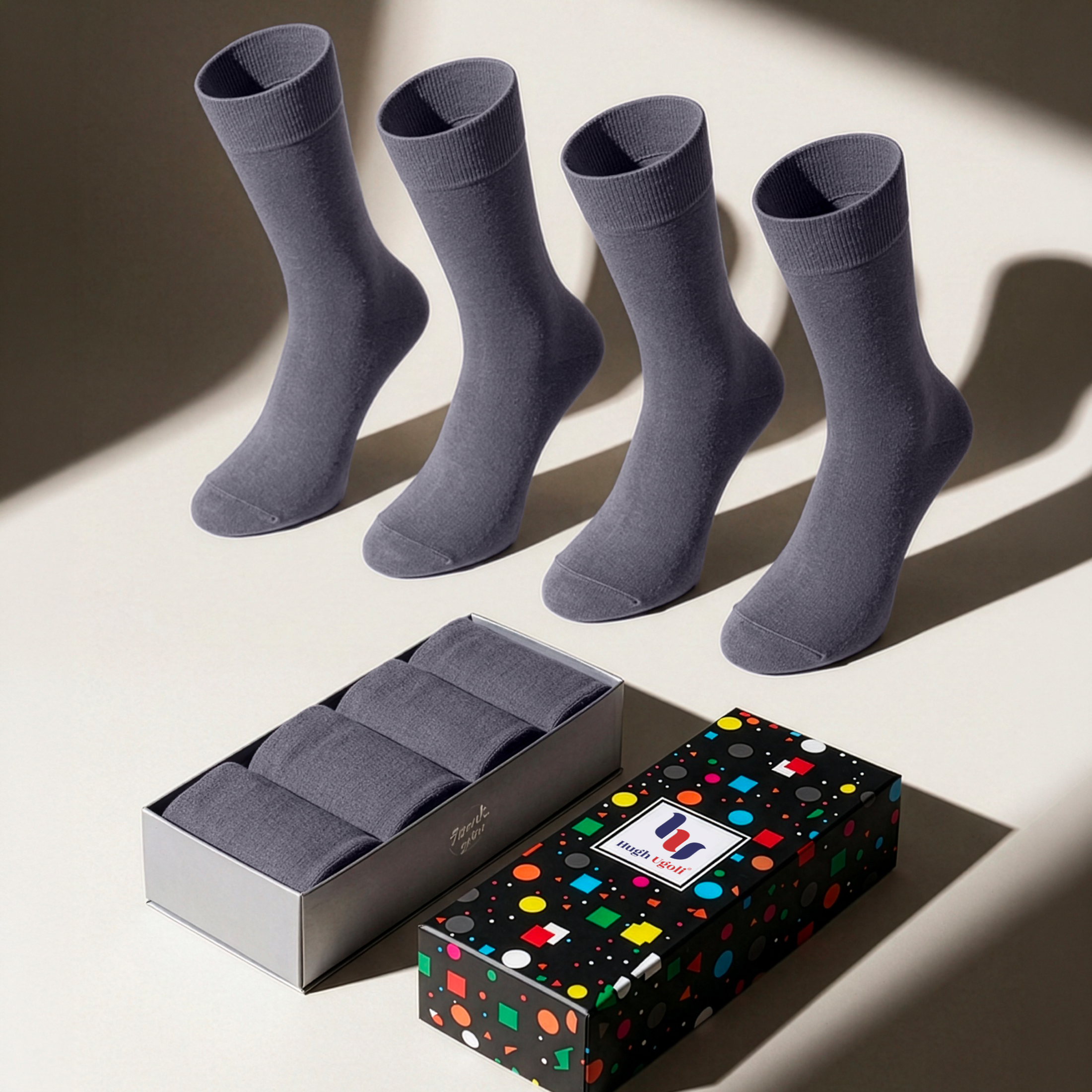
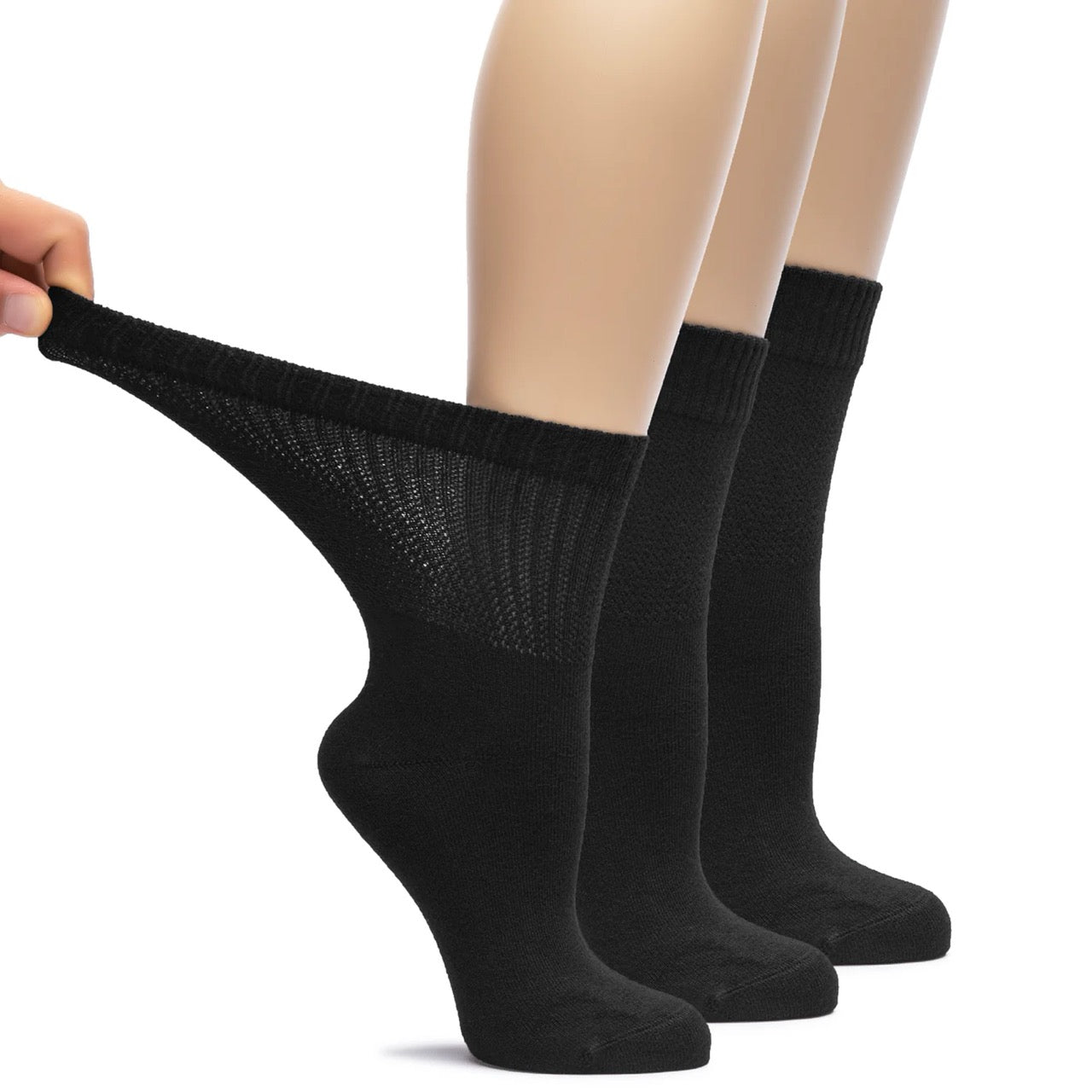

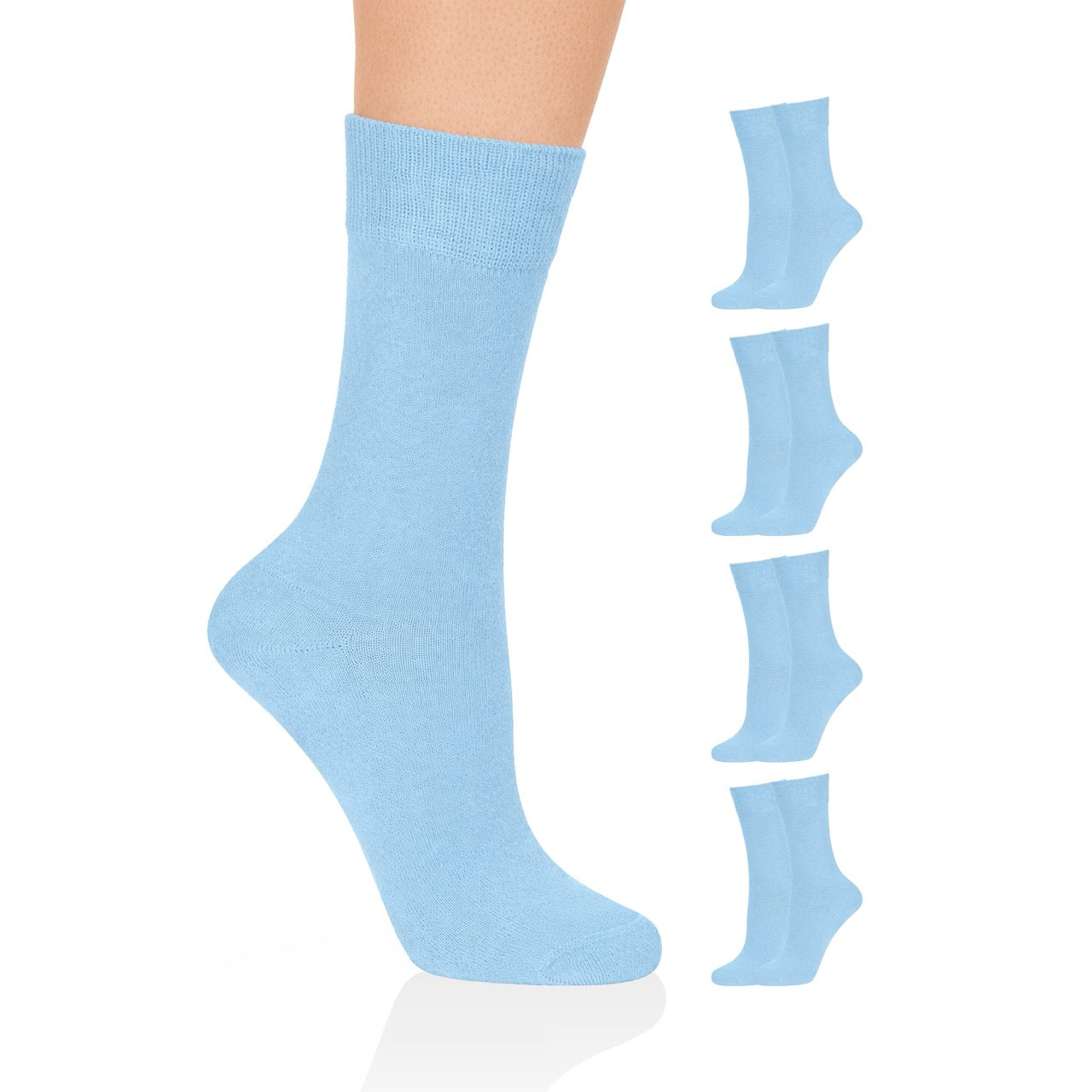
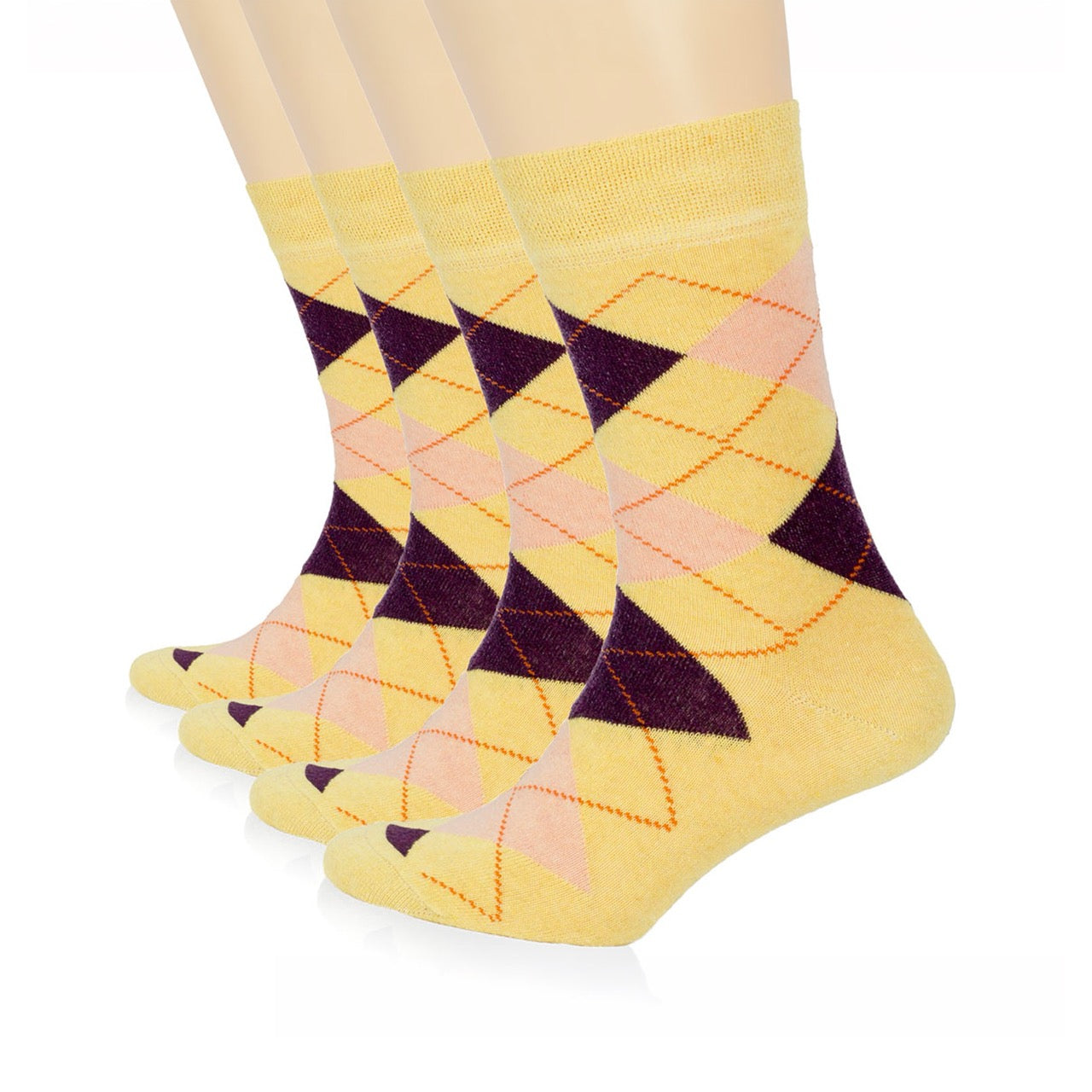
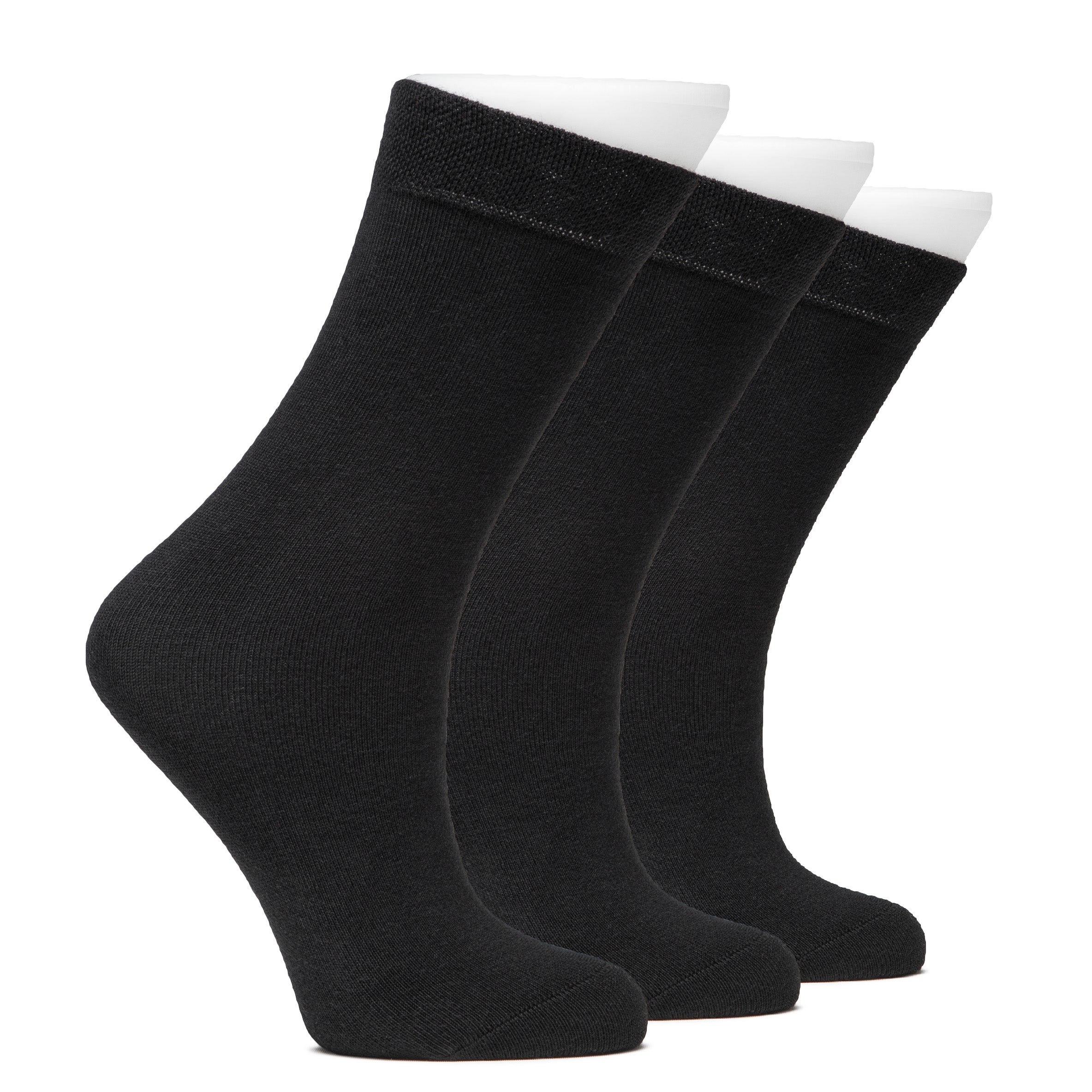
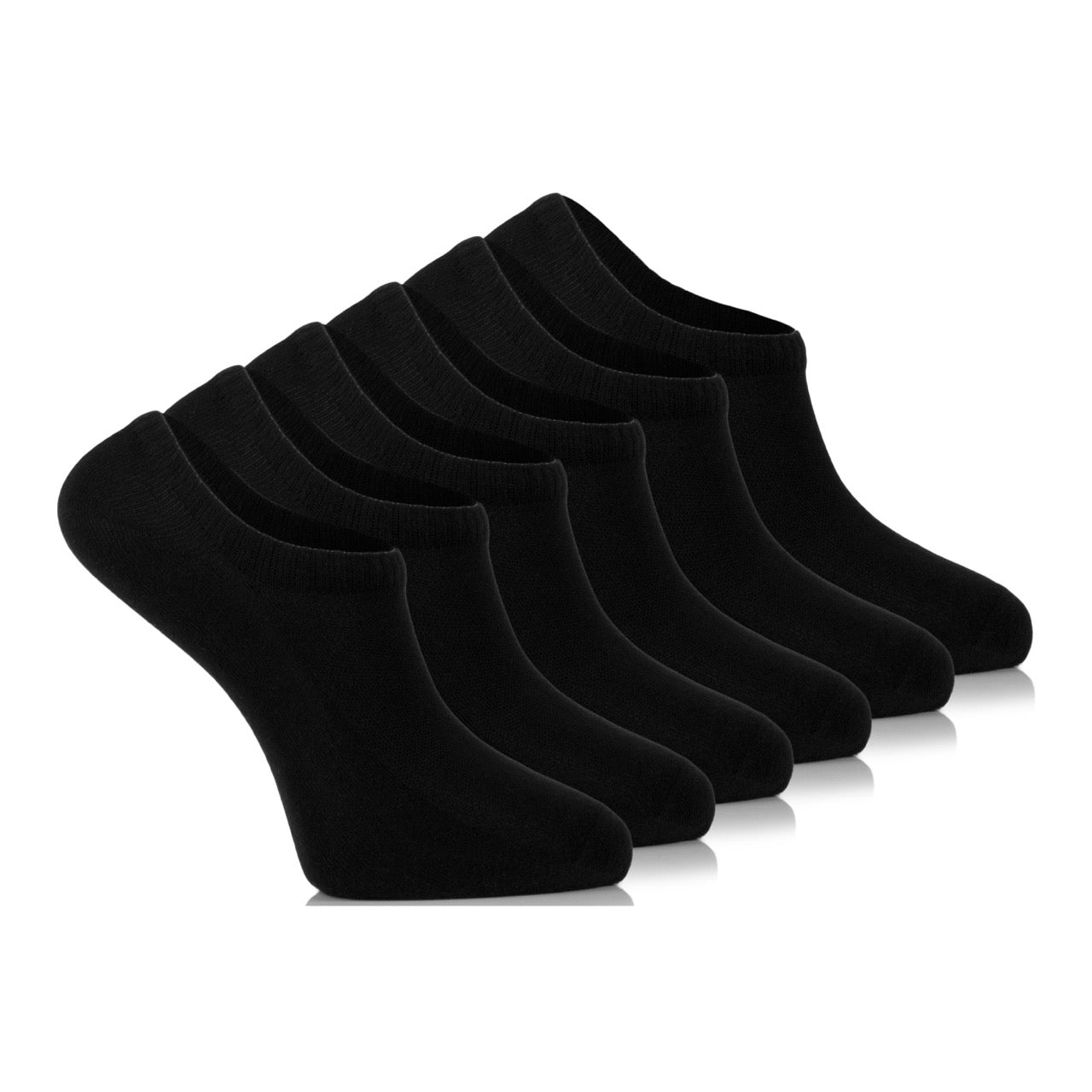
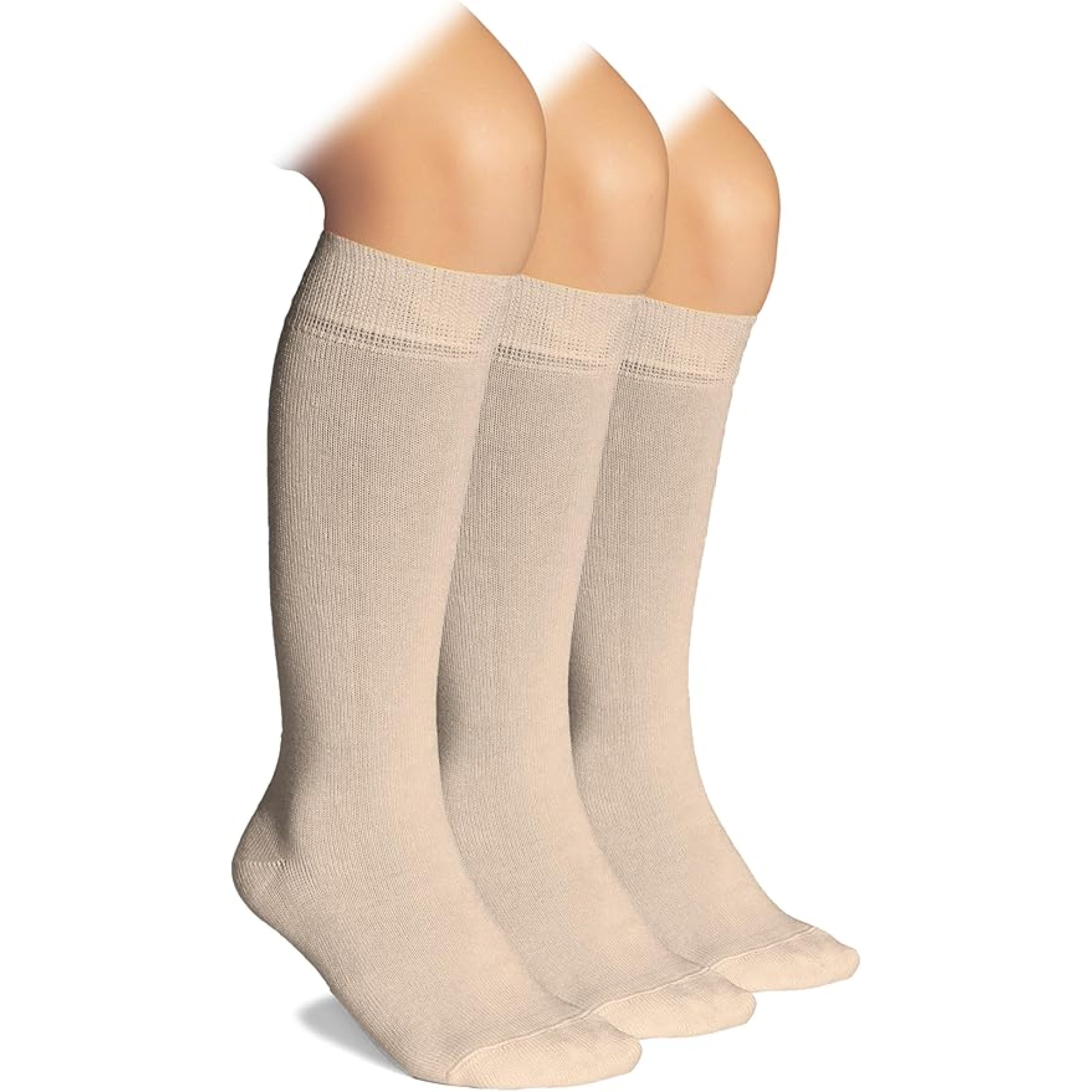


Most clothing gets worse with repeated washing. Colors fade, fabrics stiffen, elastic weakens, and the garment gradually retreats from its out-of-the-package best toward eventual retirement. Socks generally follow this pattern too — but premium socks made from quality natural fibers often don't, at least not in the early stages of their life. Many people who invest in well-made bamboo or merino wool socks notice that the socks feel noticeably better after five or ten washes than they did when new. The softness is deeper, the feel against the skin is more settled, and the overall comfort is more consistent.
This isn't imagination or the placebo effect of having paid more for something. It's a real, materials-level phenomenon with specific causes — and understanding those causes explains both why it happens with quality socks and why it doesn't happen with cheaper ones. It also explains why how you wash those early cycles matters more than most people realize.
Before a pair of socks reaches the consumer, it passes through several stages of industrial processing that each leave their mark on the fiber and fabric. The yarn used in knitting is typically treated with sizing agents — starch-based or synthetic compounds applied to smooth the yarn and reduce friction during the knitting process, making the fiber easier to handle at production speeds. After knitting, the finished sock often receives finishing treatments: softening agents applied to give the new product a marketable out-of-package feel, stiffening agents used to help the sock hold its shape during display and packaging, and sometimes optical brighteners that enhance the visual appearance of colors.
None of these treatments are harmful, and most are standard industry practice. But they do mean that the sock you first put on your foot is wearing a chemical coat over its actual fiber. The softness you feel on day one is partly the sock itself and partly the finishing agents applied to make it present well. The stiffness some people notice in a new sock — particularly around the cuff or toe area — is often the sizing compounds before they've been washed out.
The first several washes progressively remove these surface treatments, revealing the underlying fiber in its processed but uncoated state. For quality natural fibers, what's revealed underneath is genuinely softer and more comfortable than the treated surface that came first. The improvement people notice after early washes is largely the sock becoming more itself.
Beyond the removal of surface treatments, quality natural fibers undergo structural changes with washing that further improve their feel. These changes are inherent to how natural fiber yarns respond to the gentle mechanical action of washing and the moisture absorption and release cycle that comes with it.
Bamboo viscose is produced by breaking down bamboo cellulose into a liquid state and extruding it through fine nozzles to create fibers of a controlled diameter. The resulting fiber is smooth, consistent, and inherently fine — finer than most cotton at equivalent yarn weights. During the initial knitting and finishing process, the fibers are under tension, and the yarn structure is somewhat compressed and locked into the knit geometry by the finishing treatments applied afterward.
With washing, several things happen simultaneously. The finishing agents are removed, allowing the fibers to move more freely relative to each other. The moisture absorption characteristic of bamboo viscose causes individual fibers to swell slightly as they hydrate, then relax as they dry — a cycle that loosens the tight packing of the yarn and allows the fiber bundle to expand slightly. This expansion is sometimes called bloom: the yarn becomes slightly loftier and softer-feeling as the fibers are no longer held in their initial compressed state. The individual fibers are still the same high-quality bamboo viscose they were before the first wash, but they're now expressing their natural softness rather than being constrained by processing tension and surface coatings.
The effect is most noticeable in the first three to eight washes, after which the fiber has reached something close to its equilibrium state. From that point, a quality bamboo sock will maintain its improved feel through many subsequent washes — the bloom is a stable state, not a temporary improvement that continues to progress until the fiber degrades.
Merino wool undergoes a similar but distinct process. Wool fibers have a naturally scaly surface structure — tiny overlapping scales along the length of each fiber that contribute to wool's characteristic properties including its ability to felt when subjected to heat and agitation. In a new wool sock, the scale structure is often in a state of slight mechanical stress from the spinning, knitting, and finishing process. The fine crimp that gives merino its softness is partly compressed.
With gentle washing, the fiber's natural lanolin — a waxy substance present in the fiber that acts as a lubricant between scales — redistributes more evenly along the fiber length. The crimp relaxes toward its natural state. The scale structure, no longer under processing tension, settles into a configuration that is both softer against the skin and more effective at the temperature regulation that makes wool valuable. A merino sock that has been through several correct washes is in a truer expression of its natural fiber state than it was when it came out of the packaging.
The critical qualifier for wool is "correct washes" — merino is sensitive to heat and agitation in a way that bamboo is not, and incorrect washing (hot water, heavy agitation, machine drying) can cause the scale structure to lock together rather than relax, resulting in felting and shrinkage rather than softness improvement. The bloom effect in merino only materializes under gentle conditions.

The contrast with commodity socks is instructive. A cheap cotton or synthetic sock also has surface treatments when new — often more of them, since low-quality base fiber requires more finishing to feel acceptable in its initial presentation. The difference is what's revealed when those treatments are washed away.
Standard cotton without high-grade processing has shorter fiber lengths and a rougher microscopic surface than combed or long-staple cotton. When the finishing softeners are removed in the first few washes, the underlying fiber is not particularly soft on its own. Additionally, standard cotton doesn't bloom — it doesn't have the elastic crimp or the fiber-level response to moisture cycling that causes natural relaxation and loft increase. If anything, cotton tends to stiffen slightly as finishing agents are removed, particularly in its initial washes, before eventually softening somewhat as the fiber breaks down over many wash cycles. That later softening is partly structural degradation rather than genuine improvement.
Synthetic fibers — acrylic, standard polyester — don't improve with washing at all. They have no bloom mechanism, no natural lanolin or cellulosic moisture response, and no meaningful change in fiber structure with repeated washing. What you feel in wash one is essentially what you'll feel in wash fifty, except the fiber surface may have developed more pilling and a slightly rougher texture from accumulated mechanical abrasion. The trajectory for synthetic fiber comfort is flat to declining rather than initially improving.
This is one of the clearest ways to distinguish a genuinely quality sock from one that only presents well when new: a quality sock gets better in the first several washes before eventually plateauing, while a commodity sock either stays flat or gets incrementally worse from the first wash onward.
The improvement in feel doesn't continue indefinitely. There is a break-in window during which the sock transitions from its factory state to its equilibrium wear state, and after that window closes, the sock maintains its improved feel for as long as the construction supports it.
For most quality bamboo socks, the most noticeable improvement happens in the first five to ten wash cycles. The progression is roughly logarithmic rather than linear — the biggest single jump in softness and feel often happens between wash one and wash three, with smaller but still perceptible improvements continuing through wash eight or ten, and then relative stability afterward. By wash ten to fifteen, the sock has settled into its characteristic feel, which in a quality bamboo pair is genuinely softer and more consistent than it was new.
The rate of improvement is affected by washing method. Cool or warm water washing with a gentle cycle and air drying produces the most consistent improvement across the break-in window. Hot washing during the break-in period can strip finishing agents too aggressively and introduce heat stress before the fiber has fully settled, which doesn't necessarily produce better results faster — it can instead cause slight stiffening or uneven fiber relaxation that moderate washing avoids.
The practical effect of the post-break-in improvement isn't purely tactile. A sock whose fiber has bloomed and settled into its equilibrium state is also functioning differently at the level of how it interacts with the foot's skin.
Fiber that has bloomed and expanded slightly has more surface area in contact with the skin per unit area of fabric, but each individual contact point is softer and lower in pressure. The result is a sock that feels more uniformly smooth against the foot rather than having the slightly rough or uneven texture of a new, tightly packed yarn. This is particularly relevant at the heel and ball of the foot, where the sock is under the most compression during wear — in a broken-in quality sock, the fiber distributes that compression more evenly than it did when new.
Moisture management also improves after the break-in period. Finishing agents on new socks can partly interfere with the fiber's natural moisture-wicking capacity — a thin layer of surface treatment creates a slight barrier to the immediate transfer of moisture from skin to fiber. Once those treatments are washed away, the bamboo or wool fiber's inherent moisture affinity operates at full capacity, pulling sweat away from the skin faster and more evenly than it could when new.
Not everyone experiences the improvement that quality fiber is capable of delivering, and washing method is often the reason. The specific conditions during the break-in window determine whether the fiber settles into its best state or is pushed in a different direction.
Hot washing during the early cycles is the most common error. At high temperatures, bamboo viscose fiber contracts rather than relaxing, and the bloom effect is inhibited or reversed. Some people wash new socks in hot water thinking they need more aggressive cleaning when new, when in fact the break-in process calls for the same gentle conditions that will serve the sock through its long-term life. The first wash is no different from the fiftieth in terms of what temperature and cycle the fabric needs.
Tumble drying at high heat has a similar inhibiting effect. The combination of heat and mechanical agitation during a dryer cycle works against the natural relaxation that air drying allows. A bamboo sock air-dried after its first several washes will feel measurably different by wash eight than an identical sock run through a hot dryer each time — and the difference is in favor of the air-dried version, which has been allowed to bloom naturally rather than being forced through a heat-stress cycle each time.
Using the correct wash bag and cycle matters too. A mesh laundry bag reduces the mechanical agitation the sock experiences against the drum and other garments, which during the break-in period means the fiber relaxes more evenly rather than being abraded unevenly. A gentle or delicate cycle provides enough agitation to remove the surface treatments progressively without applying so much mechanical stress that the fiber structure is disrupted rather than relaxed.
Understanding the improvement arc helps set realistic expectations for what a premium sock delivers across its full lifespan. The trajectory for a well-made bamboo sock cared for correctly looks like this: a slight improvement in feel across the first five to ten washes as finishing treatments are removed and the fiber blooms; a stable plateau of consistently excellent feel from around wash ten through many subsequent cycles; and then a very gradual, slow decline as the fiber eventually breaks down and the elastic begins to lose tension — typically well past the hundred-wash mark in a quality pair.
A bamboo dress sock built with quality fiber and reinforced construction follows this curve when cared for correctly — getting better in its early life rather than immediately declining, and then holding that improved feel for a lifespan that justifies the initial investment by a wide margin. The feel you experience at wash ten is not the ceiling; it's the characteristic state the sock was designed to deliver, revealed once the factory coating is gone and the fiber has settled.
For women's bamboo socks, the same fiber response applies. A thin bamboo ankle sock with quality construction goes through the same break-in arc — the first wash removes the bulk of the finishing agents, early washes continue to improve the softness and moisture performance, and by the time the sock has been through its initial break-in period it's delivering the comfort that bamboo's fiber properties are actually capable of rather than the presented softness of a finishing coat that will wash away anyway.
There's a practical implication in all of this for evaluating sock quality. The out-of-package feel is a partially misleading signal because it reflects finishing treatments as much as it reflects the underlying fiber. A genuinely useful test of sock quality is how the sock feels after five washes compared to how it felt new.
A quality sock feels better after five washes. The softness is more consistent, the fiber feels more settled against the skin, and the cuff sits more naturally than it did when finishing agents were still holding everything in a tighter initial state. If a sock feels roughly the same or slightly worse after five washes, it's either a synthetic fiber that doesn't have the capacity to improve, or a natural fiber sock that was so heavily processed or poorly constructed that the improvement mechanism isn't there to activate.
This is also why people who buy quality socks and then return them after one wear, deciding they aren't soft enough, sometimes miss out on what the sock was actually going to become. First-wear assessment of natural fiber socks is inherently incomplete. The full picture takes a few wash cycles to emerge — and for genuinely quality fiber, what emerges is consistently better than the first impression.
Premium socks feel better after repeated washes because their underlying fiber — bamboo, merino, or quality natural blends — has the capacity to improve when surface treatments are removed and the fiber settles into its equilibrium state. This improvement is a genuine materials phenomenon, not a subjective perception shaped by price paid. Commodity socks don't share it because their base fiber doesn't have the bloom capacity, the moisture-response behavior, or the fine crimp structure that produces natural softness improvement with washing. The practical lesson is that the first wear is not the full story for quality natural fiber socks — the sock you're wearing after wash ten is meaningfully better than the one you wore on day one, and that improvement is what the manufacturing investment in quality fiber is actually delivering.
Quality natural fiber socks — particularly bamboo viscose and merino wool — feel softer after washing because washing removes the surface finishing agents applied during manufacturing and allows the fiber to settle into its natural state. Bamboo fiber blooms slightly as the yarn relaxes and the fibers expand, producing a loftier, softer feel than the more compressed initial state. This improvement is specific to quality natural fibers; synthetic and standard cotton socks don't share the same capacity to improve with washing.
Most quality bamboo and merino socks reach their best feel after roughly five to ten wash cycles. The biggest single improvement typically happens in the first three washes as the bulk of the finishing agents are removed. Smaller but perceptible improvements continue through the next several washes as the fiber fully settles into its equilibrium state. After about ten washes, the sock has reached its characteristic feel and will maintain it for many subsequent washes if cared for correctly.
Generally no. Commodity cotton and synthetic socks don't have the fiber-level properties that produce genuine improvement with washing. Standard cotton lacks the bloom mechanism and moisture-response behavior of bamboo viscose, and synthetic fibers have no natural relaxation process at all. When the finishing agents are removed from commodity socks in early washes, what's revealed is the underlying fiber in its uncoated state — which for low-grade natural fiber or synthetic is either flat in feel or slightly coarser than the finishing-aided first impression.
Yes, significantly. The improvement in premium natural fiber socks happens most fully under the same gentle conditions recommended for their long-term care: cool to warm water, a gentle or delicate cycle, and air drying. Hot washing and tumble drying during the break-in window can inhibit the fiber relaxation process — bamboo viscose contracts under high heat rather than blooming, and the dryer's mechanical agitation can abrade the fiber unevenly rather than allowing it to settle. The first five washes are not a special case requiring different treatment; they benefit from the same gentle approach as every subsequent wash.
No. In quality natural fiber socks, early improvement is a sign of quality rather than a sign of degradation. The surface treatments applied during manufacturing are not the sock's authentic feel — they're a coating over it. Removing them reveals the actual fiber, which in a well-made bamboo or merino sock is genuinely softer and more comfortable than the treated surface. The improvement plateaus after the break-in period rather than continuing until the fiber fails, which is how it differs from the slow degradation that eventually comes much later in the sock's life.
He has been working for more than 20 years in the textile industry and has work experience in many parts of the world.