Cart
0
You may also like
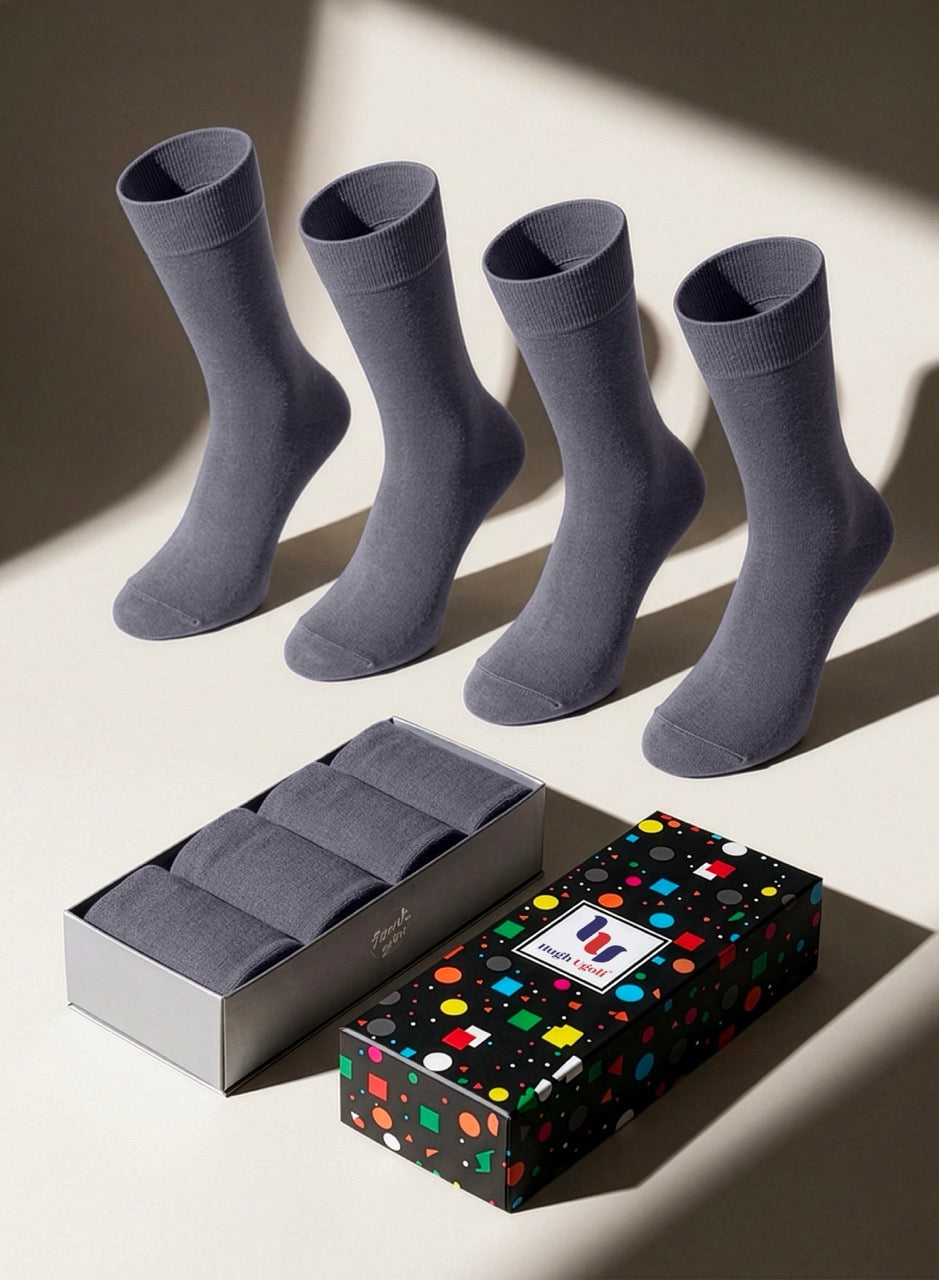
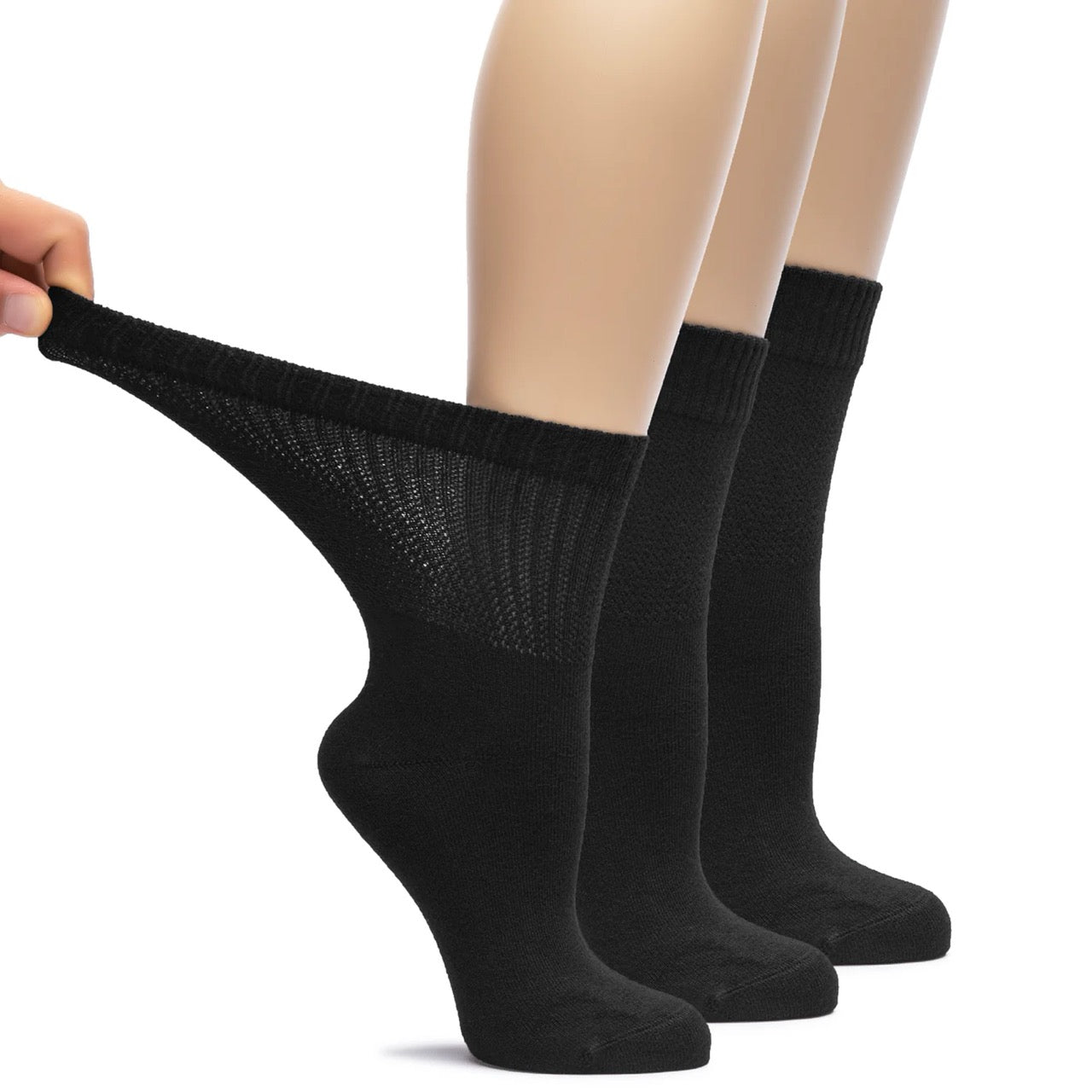
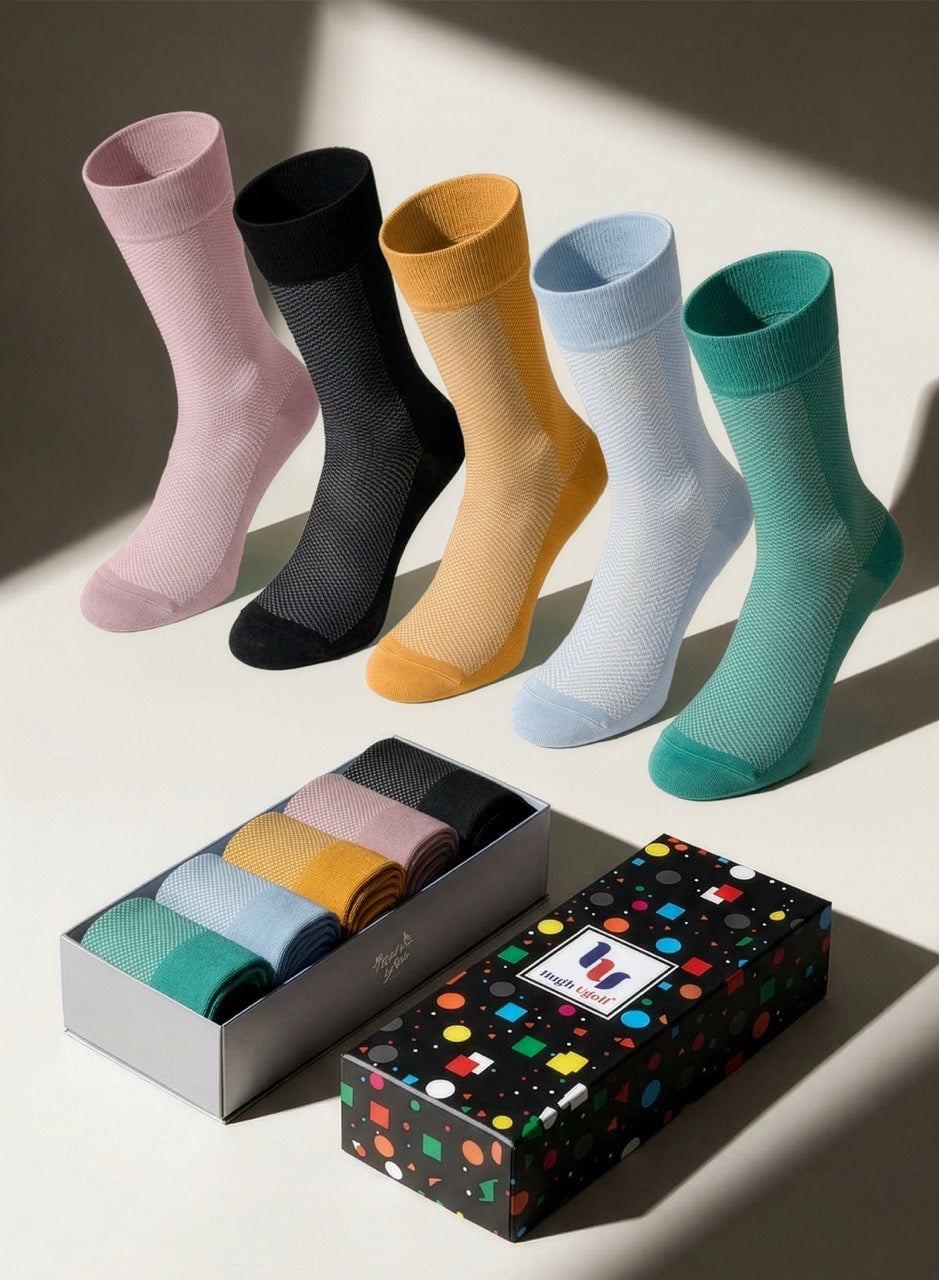
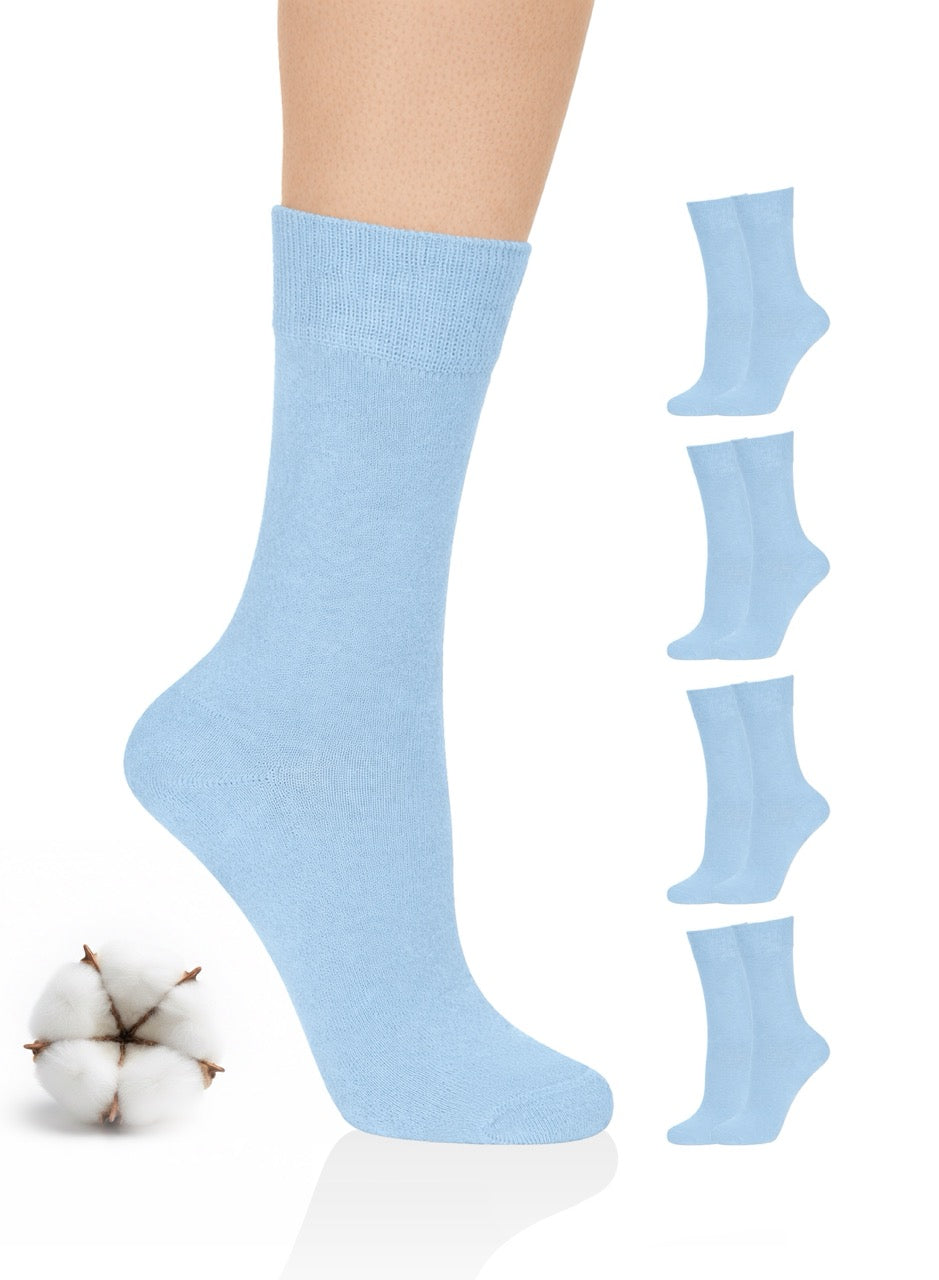
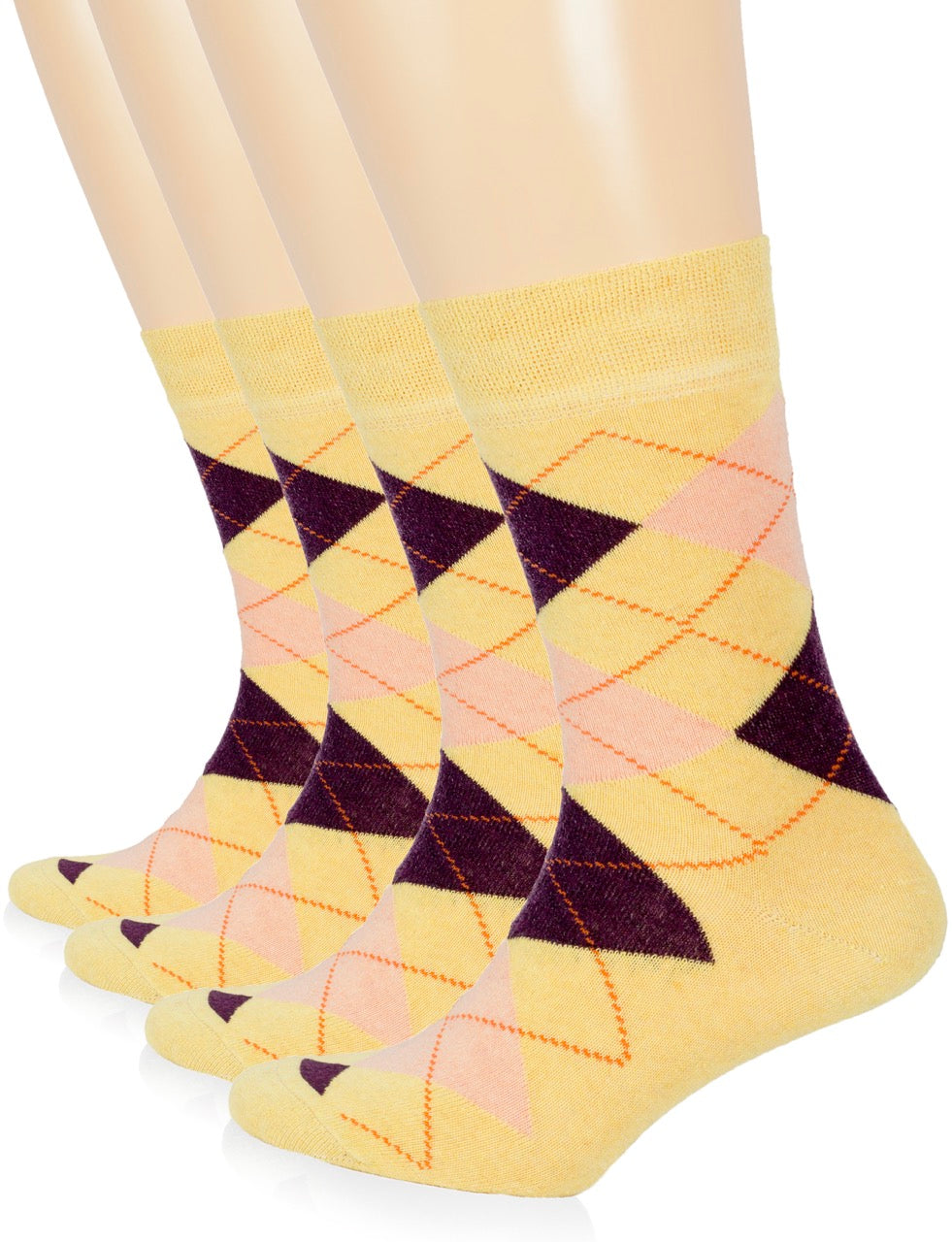
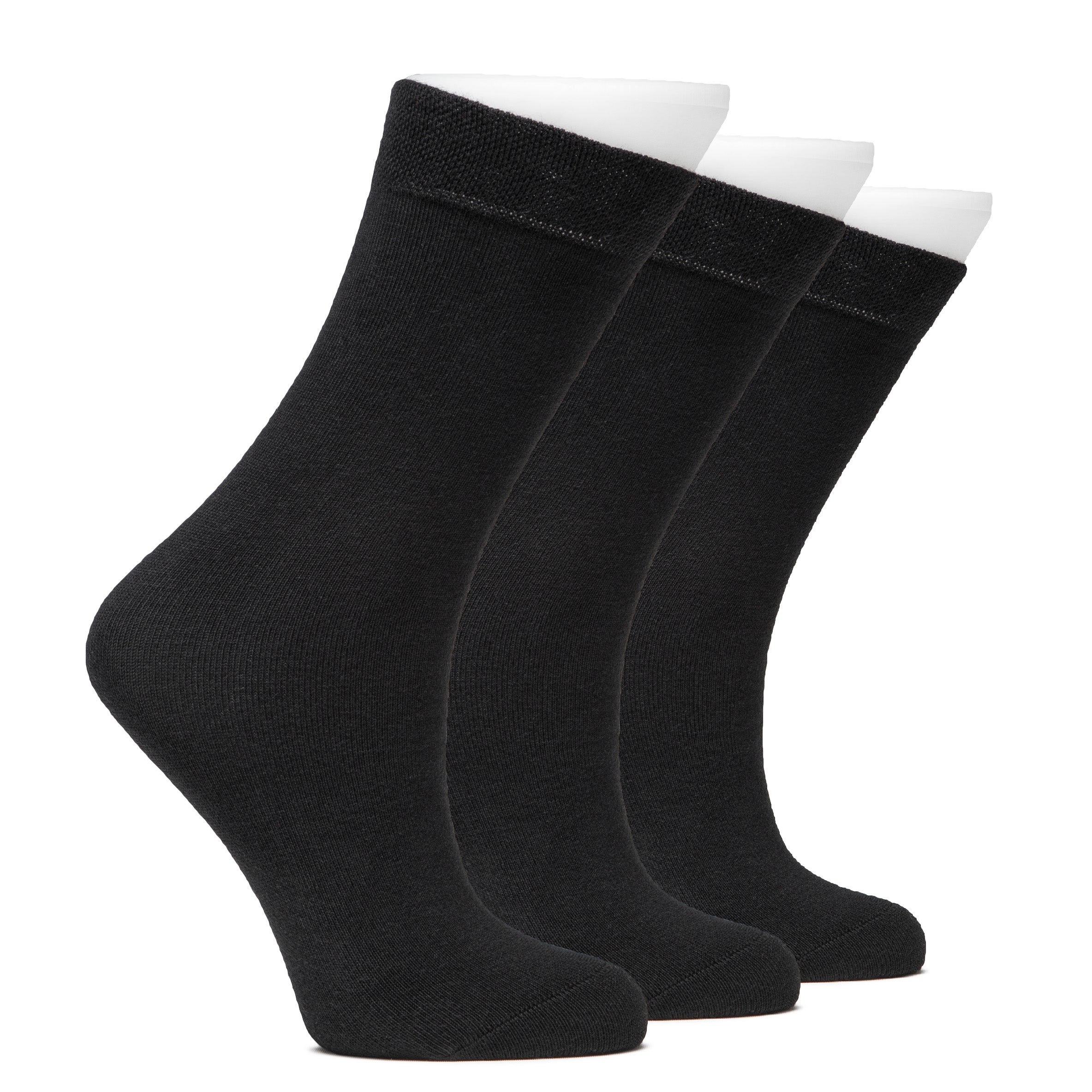
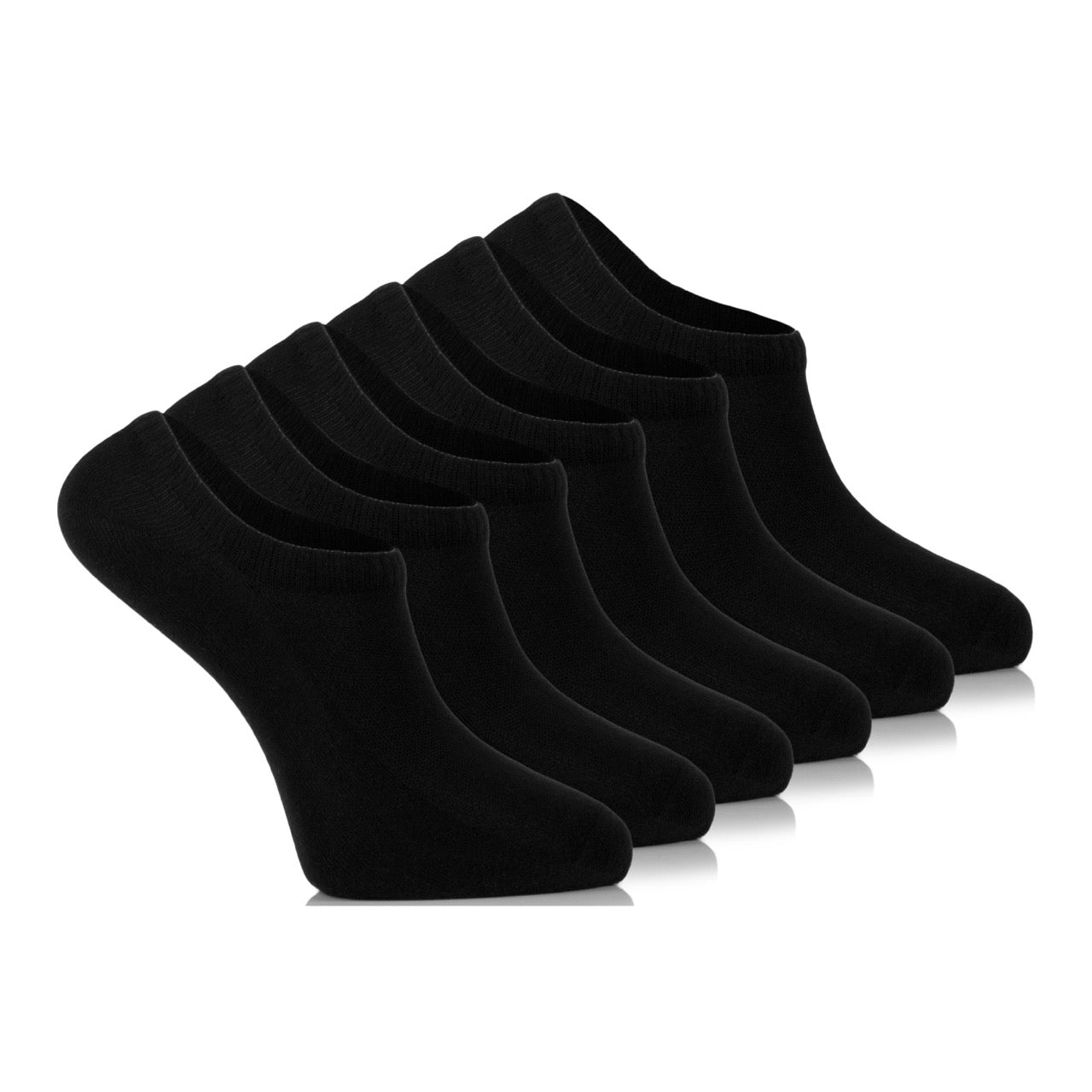
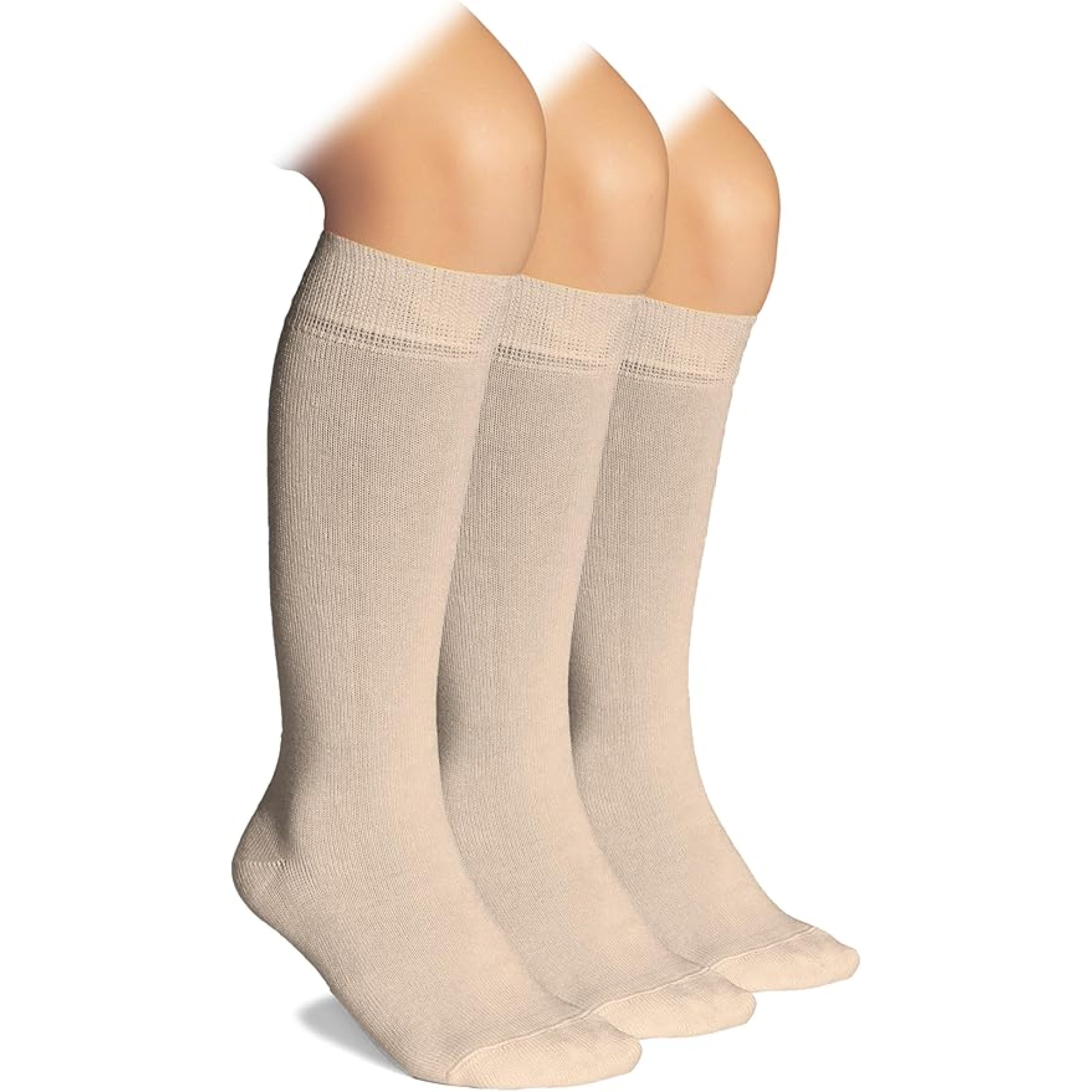


There's a universal mystery that has baffled homeowners for generations: where do all the socks go? But before we blame the dryer, we should ask ourselves a more important question: why do some socks last longer than others?
The truth is, sock durability isn't random. It's the result of deliberate choices made during manufacturing—choices about materials, construction methods, design, and quality control. Some socks are engineered to withstand hundreds of washes and months of daily wear, while others barely survive a season. Understanding what makes socks last longer helps you make smarter purchases, save money, and reduce waste.
In this comprehensive guide, we'll explore the science behind sock longevity, examining the materials, manufacturing techniques, and care practices that determine whether your socks will fade after a few months or remain soft, comfortable, and intact for years. Whether you're looking to invest in long-lasting socks or simply curious about the factors that affect sock durability, you'll find evidence-based answers here.
The material composition of your socks is the single most important factor determining durability. Different fibers have vastly different resistance to wear, moisture absorption, and degradation.
Cotton remains the most popular sock material worldwide, and for good reason. High-quality cotton fibers are strong, breathable, and comfortable. However, not all cotton is created equal. Long-staple cotton (such as Egyptian, Pima, or Peruvian cotton) produces longer fibers that create stronger yarn, resulting in socks that last longer than those made from short-staple cotton. Long-staple cotton also tends to be softer and maintains its shape better through repeated washing.
Synthetic fibers like nylon, acrylic, and polyester are engineered for durability. Nylon, in particular, has exceptional tensile strength and resists abrasion—the friction that causes holes in socks. Many premium, long-lasting socks blend cotton with a small percentage of nylon (typically 10-20%) to gain durability benefits while maintaining breathability and comfort. This combination is often found in socks marketed specifically for durability.
Wool, particularly merino wool, offers remarkable longevity. Merino fibers are naturally elastic and resistant to wear. They also have built-in antimicrobial properties, which means they stay fresher longer between washes, reducing the overall wear and tear from frequent laundering. Merino wool socks often last 2-3 times longer than standard cotton socks, though they come at a higher price point.
Bamboo viscose is an increasingly popular eco-friendly option that offers a middle ground: it's more durable than standard cotton, breathable like cotton, and softer than many synthetics. Bamboo fiber socks typically outlast pure cotton socks by 30-40%, making them an excellent choice for those seeking sustainability without sacrificing longevity.
The takeaway: premium materials = longer sock life. Investing in socks made from long-staple cotton, merino wool, bamboo viscose, or cotton-nylon blends will consistently deliver better durability than mass-market alternatives.
The way fibers are woven together matters just as much as the fibers themselves. There are several weaving techniques, each with different durability profiles.
Terry cloth construction creates a looped pile on the surface that absorbs moisture and provides cushioning. While comfortable, terry loops can catch and snag more easily, making them slightly less durable in high-friction areas. Terry-knit socks are popular for comfort but may not be the best choice if maximum durability is your priority.
Flat knit construction compresses the fibers tightly without loops, creating a smoother, more uniform surface. Flat knit socks are less prone to snagging and offer better abrasion resistance, particularly in the heel and toe—the areas that experience the most wear. This construction method is often found in dress socks and premium athletic socks.
Reinforced toe and heel construction is an industry standard for durable socks. Manufacturers add extra layers of yarn specifically to the heel and toe, where friction is greatest. This reinforcement can extend the life of a sock by 50% or more. When evaluating sock durability, look for visibly thicker heel and toe areas—this is a telltale sign of proper construction.
Seamless toe construction eliminates the traditional seam that runs across the toe. While seams are strong, they can irritate skin and create pressure points. Seamless construction distributes pressure more evenly and reduces friction, contributing to both comfort and durability.
Density of the knit also plays a role. Socks with a tighter knit (meaning more fibers per square inch) generally last longer because the fibers are locked together more securely. A denser knit also resists pilling (those annoying fuzzballs that form on sock surfaces over time) and maintains its shape through repeated wear and washing.
Construction quality takeaway: Look for socks with reinforced heels and toes, seamless toe design, and a dense, flat knit. These construction features add minutes to the manufacturing process but years to the sock's lifespan.

Many people overlook fit when considering sock durability, but proper sizing is crucial. Socks that are too tight create excess tension on the fabric, causing stress on the weave and accelerating wear. Conversely, oversized socks bunch inside shoes, creating friction points that lead to premature wear.
When socks fit properly, they sit snugly against your foot without restricting circulation. The heel should match your heel shape, and the toe shouldn't bunch or gap. Properly fitted socks distribute pressure evenly across the foot, reducing hotspots where friction damage is most likely to occur.
Additionally, wearing the right socks for the right activity matters. Athletic socks designed for high-impact sports have thicker cushioning and are constructed for the repetitive impacts of running. Dress socks, while often thinner, are engineered for lower-impact environments and last longer when worn as intended. Moisture-wicking athletic socks last longer than standard cotton when you're sweating frequently, because sweat accelerates fiber degradation.
Fit matters: Properly sized socks for your intended activity will outlast ill-fitting socks by a significant margin, sometimes 2-3x longer.
Even the most durable socks won't last long if they're not cared for properly. How you wash, dry, and store your socks directly impacts their lifespan.
Wash temperature matters more than most people realize. Hot water weakens fibers over time, particularly in natural fabrics. Washing socks in cold water preserves fiber integrity and extends the life of your socks by 20-30%. Additionally, cold water is less likely to cause color fading, keeping your socks looking newer longer.
Washing frequency also affects durability. The more you wash socks, the more they wear. However, you shouldn't go months without washing them—bacteria buildup accelerates fiber degradation. Aim for washing socks after 2-4 wears (unless you're exercising, in which case wash after each wear).
Fabric softener and bleach damage sock fibers. Fabric softener coats fibers and weakens the weave over time. Bleach is even more destructive, breaking down the molecular bonds in natural fibers. Avoid both if you want your socks to last. Use regular detergent and skip the additives.
Drying method has a significant impact. Machine drying exposes socks to high heat and friction, degrading fibers with every tumble cycle. Air drying extends sock life by 40-50% compared to machine drying. If you must use a dryer, use the lowest heat setting and remove socks while slightly damp.
Gentle cycle vs. normal cycle: Using a gentle washing cycle reduces agitation and friction on fibers. While it adds a few minutes to wash time, it can extend sock lifespan by 25-30%, making it worthwhile for premium socks.
Storage matters too. Socks stored in dark, cool, dry places last longer than those stored in humid bathrooms or sunny locations. UV light and moisture accelerate degradation.
Care protocol for maximum durability:
Not all sock manufacturers prioritize durability equally. Companies that specialize in long-lasting socks invest in better materials, rigorous quality control, and proven construction methods.
Premium sock manufacturers typically:
Budget manufacturers, by contrast, often cut corners on material sourcing, skip reinforcement in key areas, and minimize quality control to reduce costs. While they produce lower-cost socks, the durability gap is substantial.
Beyond material and care, environmental factors can significantly impact how long socks last.
Chlorine exposure: Chlorine in tap water degrades synthetic fibers over time, particularly polyester and acrylic. If you have chlorinated water, consider using a whole-home filter or a washing machine filter to extend sock lifespan.
Hard water minerals: Minerals in hard water deposit on fibers, making them stiff and more prone to wear. A water softener can help extend sock life in hard water areas.
Temperature fluctuations: Repeated heating and cooling can weaken fibers, particularly in the dryer. Stable, cool storage extends lifespan.
Humidity: High humidity accelerates bacterial growth and fiber degradation. Keep socks in dry storage.
Most socks fail in predictable ways. Understanding where and why failure occurs helps you identify quality socks and extend the lifespan of your current collection.
Toe holes are the most common failure point. They typically result from friction against shoe seams or foot movement inside the shoe. Reinforced toe construction and proper fit prevent toe holes more effectively than any care method.
Heel holes are the second most common failure point, caused by the repeated friction of the heel against the shoe interior. Reinforced heels with thick, double-layer construction resist heel holes best.
Cuff slippage (socks that slide down into the shoe) doesn't usually destroy socks immediately but increases wear significantly. Proper fit and elastic quality prevent this.
Pilling and bobbling (fuzzy texture that builds up) indicates lower quality fiber or excessive fiber movement during wear. Higher-quality fibers pill less. Once pilling starts, careful removal with a fabric shaver can restore appearance, but it's a sign of imminent failure.
Color fading doesn't affect durability but indicates fiber damage. UV light and hot water cause fading. Socks that maintain their color longer are being cared for correctly and typically have better overall durability.
Elastic degradation causes socks to slip down or lose their shape. Quality elastic lasts 3-5 years; budget elastic fails within 6-12 months. There's no way to restore elastic once it degrades significantly.
Sole wear (gradual thinning of the bottom of the sock) happens to all socks but progresses faster in socks made from lower-quality materials or in individuals with high activity levels. Merino wool and high-quality cotton resist sole wear better than budget alternatives.
Side seam failure is less common but occurs when the seam connecting the two sides of the sock separates. This is usually a sign of poor construction or inadequate seam strength.
Prevention strategy: Reinforced heels and seamless toes are non-negotiable features for durable socks. If you commonly get holes in specific areas, you have a shoes-fit issue in addition to a socks-quality issue—consider getting your footwear evaluated.
Different sock types offer different durability profiles depending on your needs:
Merino Wool Socks: The durability champions. Merino wool socks last 3-5 years of regular wear and maintain their performance properties. They're ideal for athletes, outdoor enthusiasts, and anyone willing to invest in premium comfort. Price: $12-20 per pair.
Bamboo Viscose Blends: A sustainable middle ground offering 30-40% better durability than cotton with a lower environmental footprint. Ideal for environmentally conscious consumers. Price: $8-14 per pair.
Cotton-Nylon Blends: Classic durability option combining breathability with synthetic strength. Most affordable premium option. Price: $6-12 per pair.
Premium Cotton: Long-staple cotton with reinforced heels/toes lasts significantly longer than standard cotton socks. Best for those prioritizing natural fibers. Price: $8-15 per pair.
Budget Cotton: Low-cost but short lifespan. Accept 6-12 month durability. Price: $1-3 per pair.
Premium Merino Wool Blend Collection
For those serious about sock longevity, Hugh Ugoli's merino wool socks represent best-in-class durability engineering. Each pair features:
Key Benefits:
View Hugh Ugoli Merino Socks on Our Store →
For everyday wear in professional or casual settings, Hugh Ugoli's Cotton-Nylon Blend offers excellent durability at a more accessible price point, with similar reinforcement technology and an expected lifespan of 2-3 years.
Q: Do expensive socks always last longer?
A: Not always, but price is a reasonable indicator. Truly premium socks are expensive because of material costs and construction quality. However, some mid-range brands offer excellent durability. Look beyond price to material composition and construction features.
Q: How long should quality socks last?
A: Premium socks should last 2-5 years of regular wear (4-5+ washes per year). This depends on material, activity level, and care. Budget socks typically last 6-12 months.
Q: Are expensive socks worth the investment?
A: Yes, from a cost-per-wear perspective. A $15 sock lasting 4 years costs $3.75 per year, while $2 socks lasting 6 months cost $4 per year. Premium socks also offer better comfort and performance.
Q: Does washing frequency affect durability?
A: Yes. Washing socks too frequently weakens fibers, while not washing frequently enough allows bacteria to degrade fibers. The sweet spot is every 2-4 wears for regular socks, after each wear for athletic socks.
Q: Can I improve the durability of cheap socks?
A: Proper care extends any sock's life (cold water, air drying, no fabric softener). However, premium materials and construction offer durability that care alone cannot replicate.
Why do some socks last longer than others? Because their manufacturers made deliberate choices about materials, construction, and quality control—choices designed to withstand months or years of wear.
The socks that last longest share common features: premium materials like merino wool or long-staple cotton, reinforced heels and toes, seamless toe construction, and proper density. They're cared for correctly—washed in cold water, air dried, and stored carefully. And they're worn for their intended purpose, in properly fitting shoes.
While budget socks have their place (temporary wear, undershirts, athletic activities), investing in quality, durable socks offers substantial returns: lower lifetime costs, superior comfort, reduced environmental impact, and the simple pleasure of having socks that actually stay intact.
The next time you slip on a pair of high-quality socks, you're not just buying comfort—you're buying engineering, sustainability, and durability. And after a few years of wear, you'll understand why that investment was worth every penny.
Ready to experience the difference durability makes? Start with a single pair of premium socks and notice how they outperform budget alternatives. Your feet—and your wallet—will thank you.
He has been working for more than 20 years in the textile industry and has work experience in many parts of the world.