
Cart
0
You may also like




No. According to NIDDK and NINDS, once nerve damage from diabetes is established it generally cannot be reversed — in seven days or, in many cases, at all. The realistic short-term goal is to stop the damage getting worse and ease symptoms, and for some people caught early, meaningful relief can begin within days to weeks. The one genuine exception is very early neuropathy, before significant structural damage, where tight blood sugar, blood pressure and lipid control may allow mild nerve irritation to settle. Claims of a seven-day reversal protocol are not supported by the evidence.
Key Takeaways
Peripheral neuropathy, especially diabetic neuropathy, affects the nerves outside the brain and spinal cord, leading to pain, numbness, tingling, or weakness — most often in the feet and hands. Nerve damage develops gradually and, once established, has a limited capacity to repair itself. That said, the trajectory isn't fixed: with the right approach, many people significantly reduce their symptoms and slow further progression.
Peripheral neuropathy occurs when the nerves that carry signals between your brain, spinal cord, and the rest of your body are damaged. The most common underlying cause is prolonged high blood sugar in people with diabetes — NIDDK estimates that one-third to one-half of people with diabetes develop some form of peripheral neuropathy.
Other contributing factors include:

Here's what the evidence says, plainly: NIDDK states that once nerve damage occurs, it can't be reversed — so the treatment goals shift to preventing it from getting worse, relieving pain, and improving quality of life. NINDS similarly notes there's currently no way to reverse diabetic neuropathy itself once it's established, though treatment can manage symptoms and slow progression.
There is one meaningful exception: when neuropathy is caught very early — before significant structural nerve damage — tightening blood sugar, blood pressure, and lipid control may allow mild nerve irritation to settle and some function to return. This is the closest thing to "reversal" that current evidence supports, and it depends heavily on how early you intervene, not on any single seven-day protocol.
In short: don't expect a full reversal in a week. Do expect that consistent, evidence-based steps — started today — can meaningfully reduce pain and protect the nerve function you still have.
While full reversal isn't realistic in seven days, several steps have real evidence behind them for reducing symptoms and protecting nerve function:
Control blood sugar levels. This is the single best-supported intervention. The American Diabetes Association's Standards of Medical Care recommend keeping blood glucose in your target range specifically to prevent or delay peripheral neuropathy, particularly in type 1 diabetes. Work with your healthcare provider to monitor and adjust your levels.
Follow a balanced diet. Nerve tissue needs adequate B vitamins, antioxidants, and healthy fats to function and repair. A diet built around vegetables, whole grains, and lean protein supports this, though diet changes work over weeks and months rather than days.
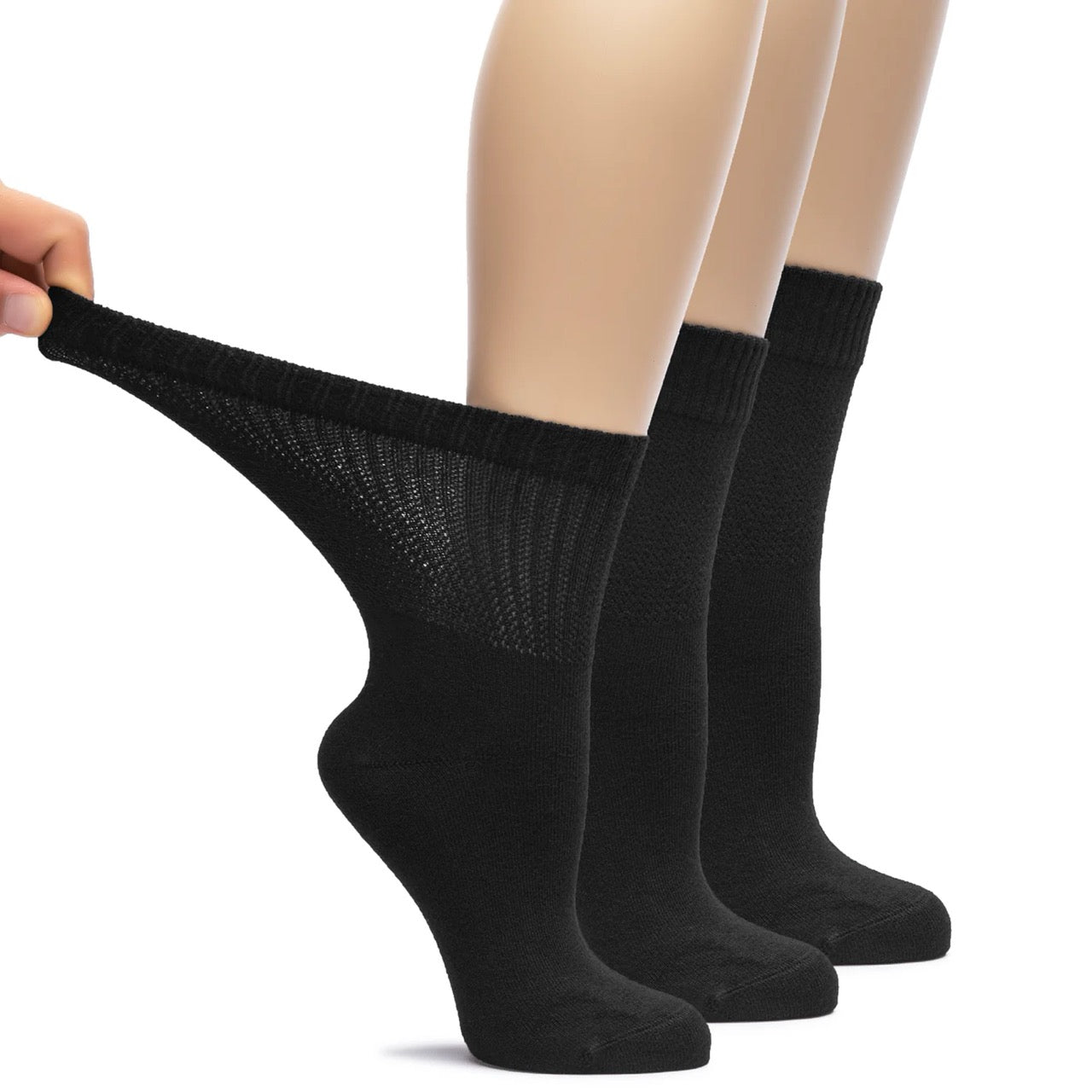
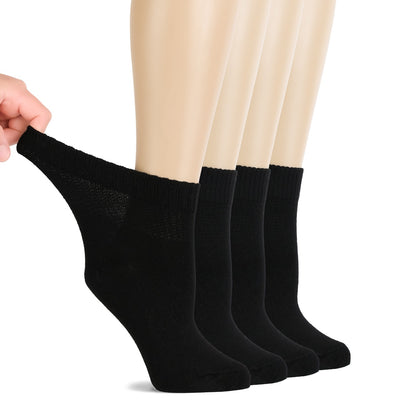
Prioritize foot care. Reduced sensation raises the risk of unnoticed cuts, blisters, and infections. Daily foot checks, supportive footwear, and socks designed to reduce friction and pressure are practical, low-effort protective steps you can start immediately.
Start structured, moderate exercise. This has some of the more encouraging clinical evidence: a supervised 10-week aerobic and strength-training program in people with diagnosed diabetic peripheral neuropathy produced significant reductions in pain and neuropathic symptom scores, along with measurable increases in nerve fiber density on skin biopsy. Ten weeks isn't seven days, but symptom improvement in some participants began appearing within the first few weeks. Talk to your provider before starting a new exercise routine, especially if you have reduced foot sensation.
Several additional treatments are commonly used for neuropathy symptoms. It's worth being honest about how strong the evidence is for each:
Medications. Prescription options like gabapentin (an anti-seizure medication) and certain antidepressants (such as amitriptyline) are established, evidence-backed treatments for neuropathic pain. Speak with your doctor about what fits your situation — the ADA specifically advises against opioids for diabetic neuropathy pain given their limited effectiveness and higher risk of harm.
Topical treatments. Capsaicin or lidocaine creams and patches can reduce localized nerve pain for some people by numbing the area or blunting pain signals.
Supplements — with a caveat. Alpha-lipoic acid and B-vitamins (B1, B12) are widely marketed for nerve health. B vitamin deficiency, when present, is worth correcting. But for alpha-lipoic acid specifically, a 2024 Cochrane review of three randomized trials (816 participants) found it probably has little or no effect on diabetic neuropathy symptoms after six months compared with placebo. It's widely used and generally well tolerated, but the current evidence doesn't support it as a reliable symptom fix — talk to your doctor before adding any supplement, especially alongside other medications.
Nerve stimulation therapies. Options like TENS (transcutaneous electrical nerve stimulation) are used to interrupt pain signals for some patients, though results vary by individual and study quality.
Because established nerve damage is hard to reverse, prevention and stabilization matter more than they might seem to:
Manage related conditions. Keeping blood pressure and cholesterol under control, alongside blood sugar, protects the small blood vessels that feed your nerves.
Limit nerve-damaging exposures. This includes excess alcohol and, where possible, medications known to contribute to nerve damage — discuss alternatives with your doctor if this applies to you.
Stay consistently active. Beyond the structured program cited above, regular walking, swimming, or other low-impact movement supports circulation to the extremities on an ongoing basis.
Completely reversing neuropathy in seven days isn't something the evidence supports — and claims that promise otherwise should be treated with healthy skepticism. What is well-supported: controlling blood sugar, staying active, and taking care of your feet daily can meaningfully reduce symptoms and slow progression, with some people noticing improvement within weeks. If your symptoms are new, worsening, or severe, talk to a healthcare provider rather than relying on any single-week plan.
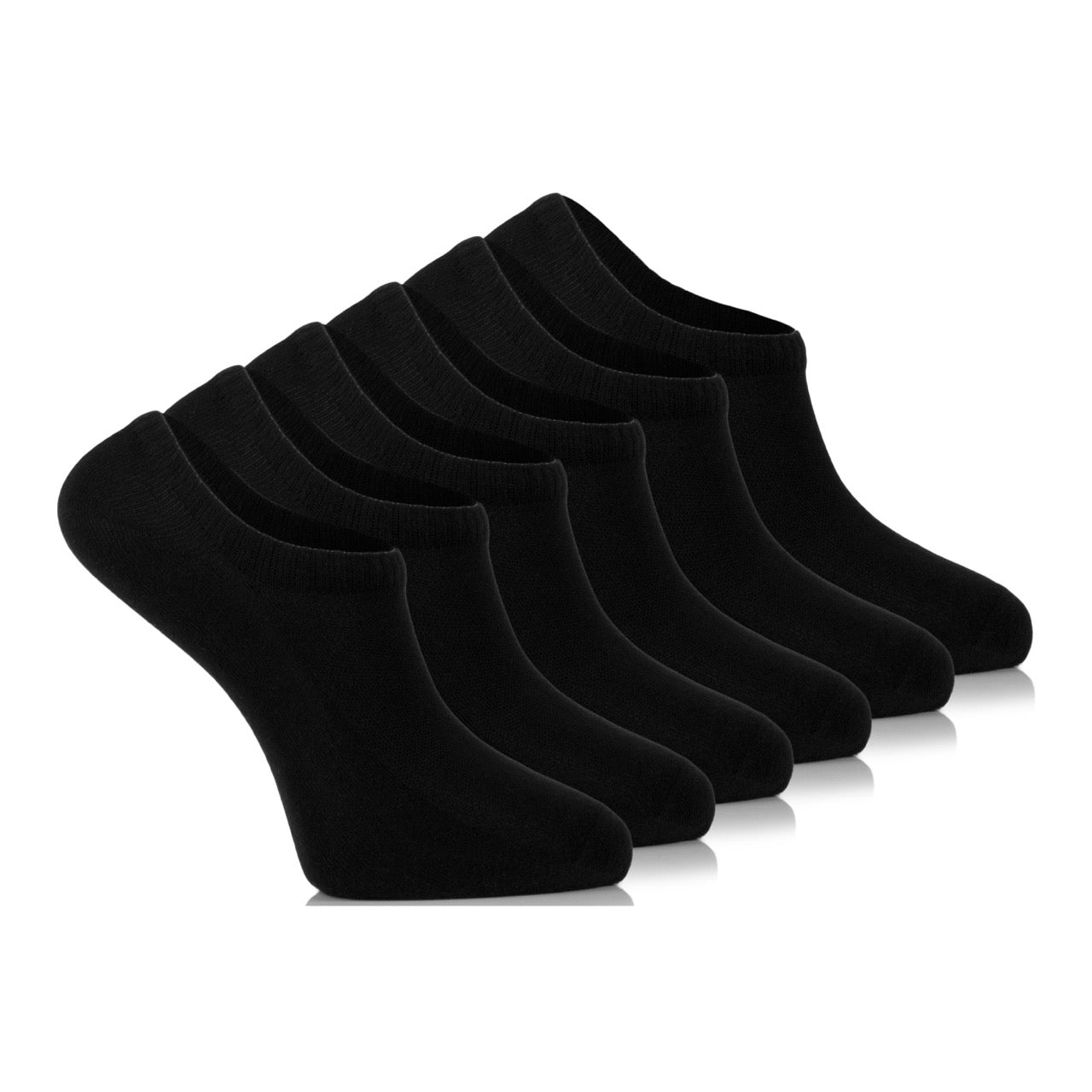
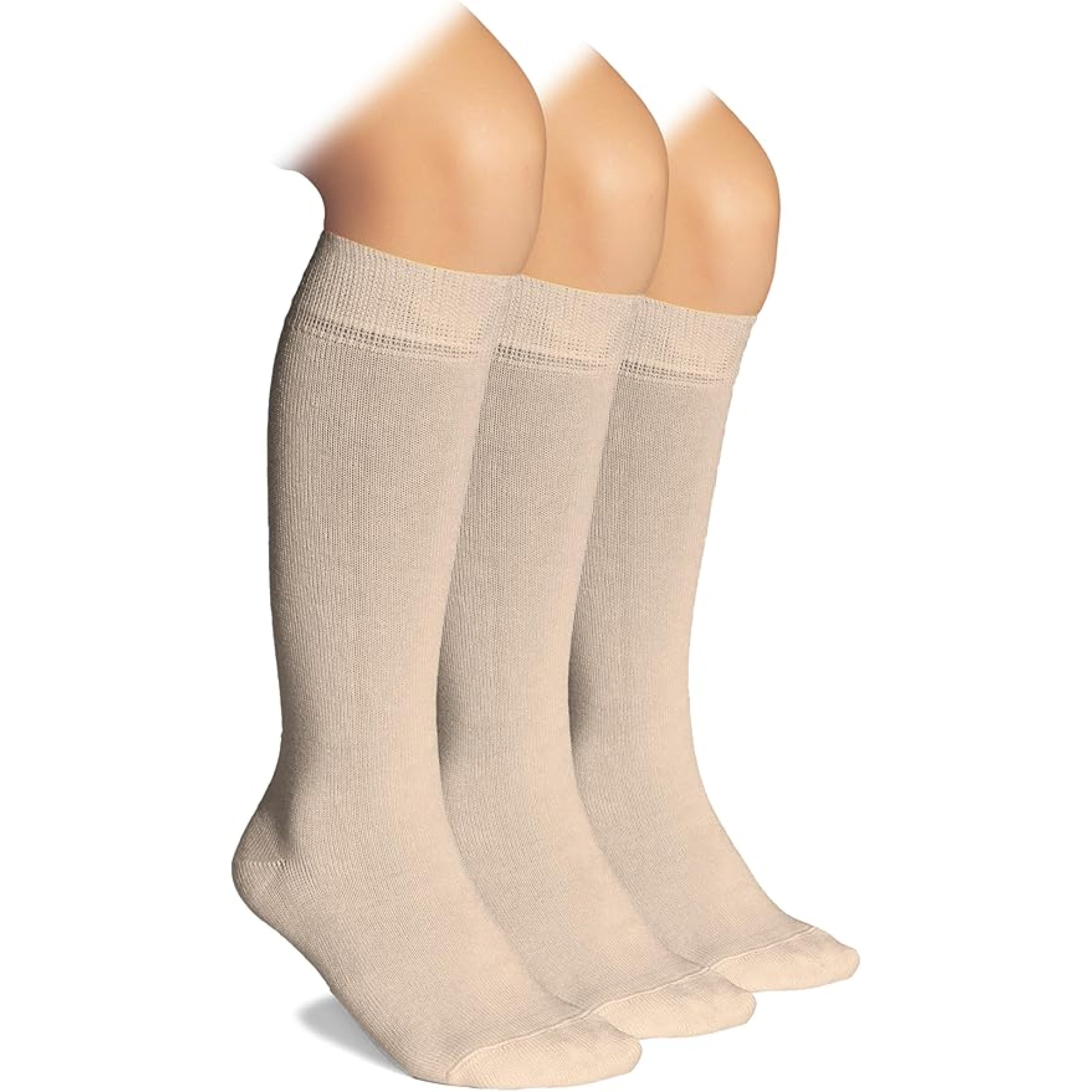
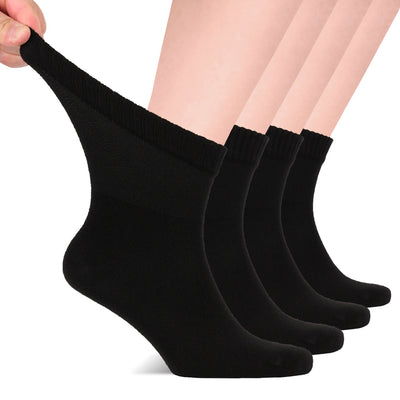
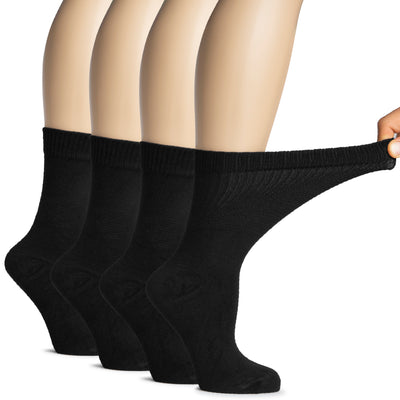
One practical, low-effort step you can take today: reduce friction and pressure on your feet with well-fitting, non-binding socks. Our Men's Bamboo Diabetic Ankle Thin Socks and Women's Bamboo Diabetic Crew Thin Socks are designed with moisture-wicking fabric and non-binding tops to support comfort and reduce irritation. You can explore the full range in our diabetic socks collection.
For more on managing nerve pain, see Do Diabetic Socks Help with Neuropathy?, Should You Wear Socks To Bed With Neuropathy?, and Should Diabetics Wear Socks to Bed?
This article is for general information and is not medical advice. Talk to your healthcare provider about your own feet.
No, not according to current evidence. NIDDK and NINDS both indicate that established nerve damage generally cannot be reversed. The realistic short-term goal is to stop further damage and reduce symptoms; some people notice meaningful relief within weeks when they start early and stay consistent.
Diabetes and prolonged high blood sugar are among the most common causes, according to NIDDK, which estimates that one-third to one-half of people with diabetes develop some form of peripheral neuropathy.
Yes — this has the strongest evidence behind it. The American Diabetes Association recommends keeping blood glucose in your target range specifically to help prevent or delay peripheral neuropathy.
Diabetic socks with non-binding tops and seamless construction can improve comfort, reduce friction and pressure points, and help you spot skin changes earlier — all useful alongside, not instead of, medical treatment.
The evidence is weaker than commonly assumed. A 2024 Cochrane review of randomized trials found alpha-lipoic acid probably has little or no effect on diabetic neuropathy symptoms after six months compared with placebo. It is generally well tolerated, but talk to your doctor before relying on it.
Discover All Hugh Ugoli Socks
Shop All Socks


