Cart
0
You may also like
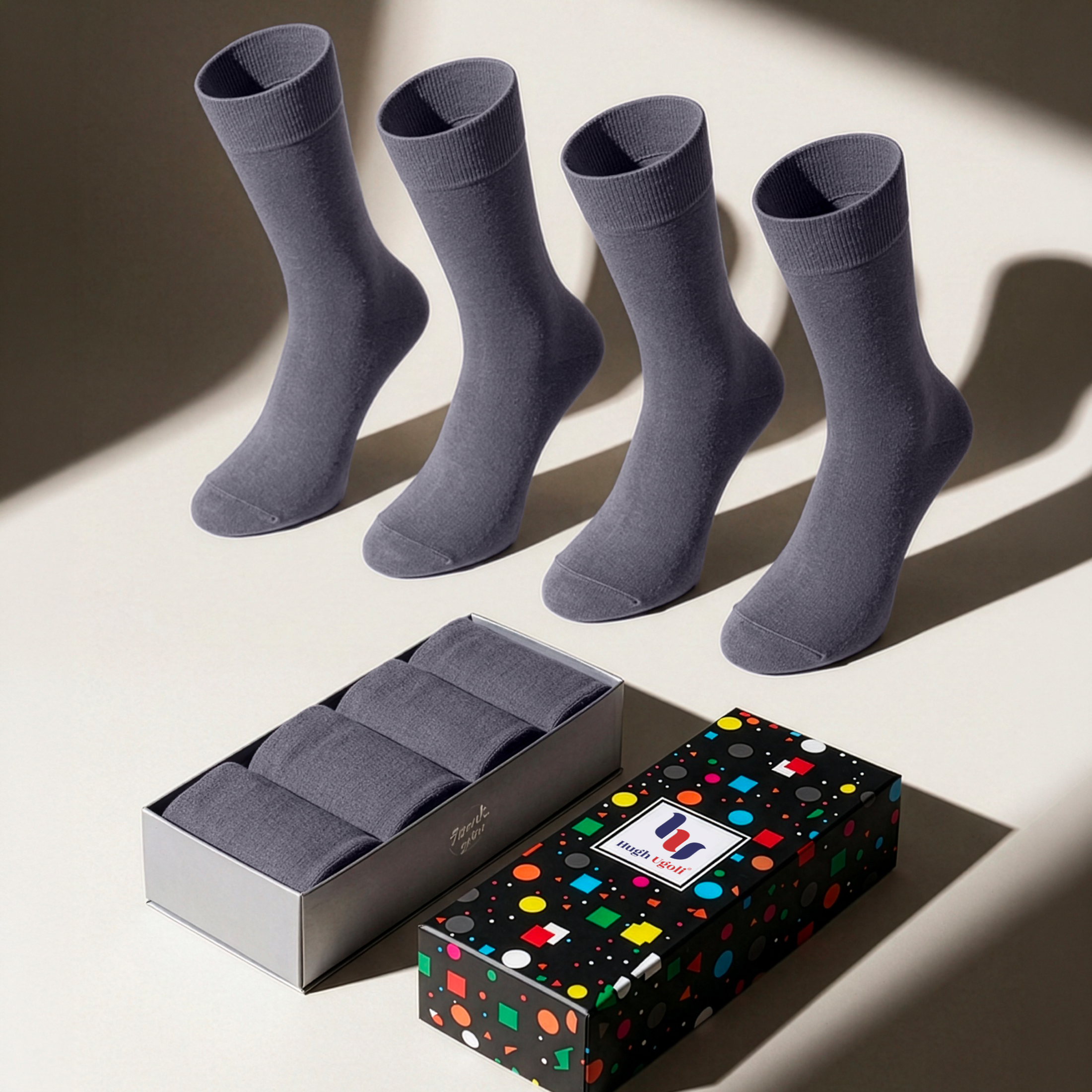
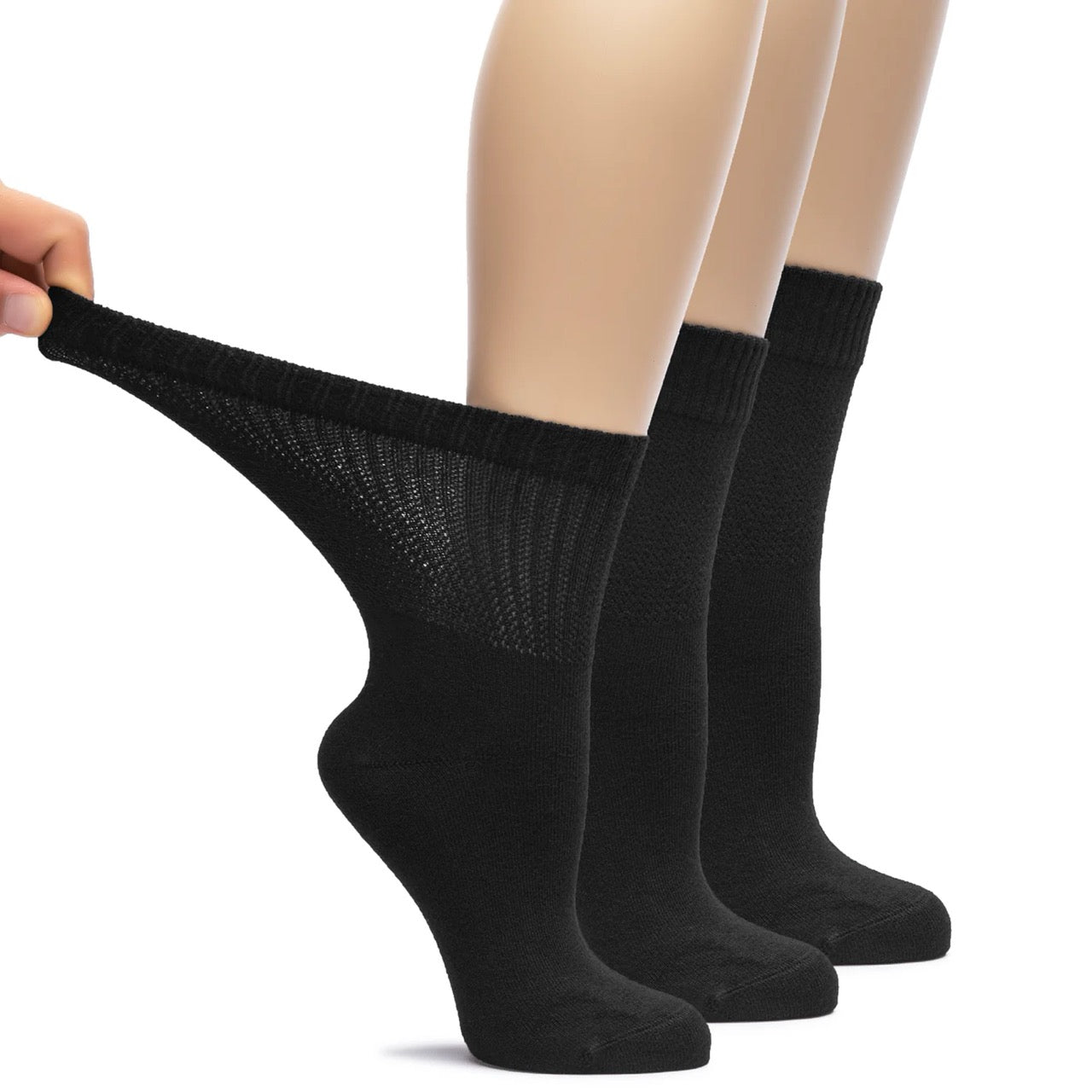

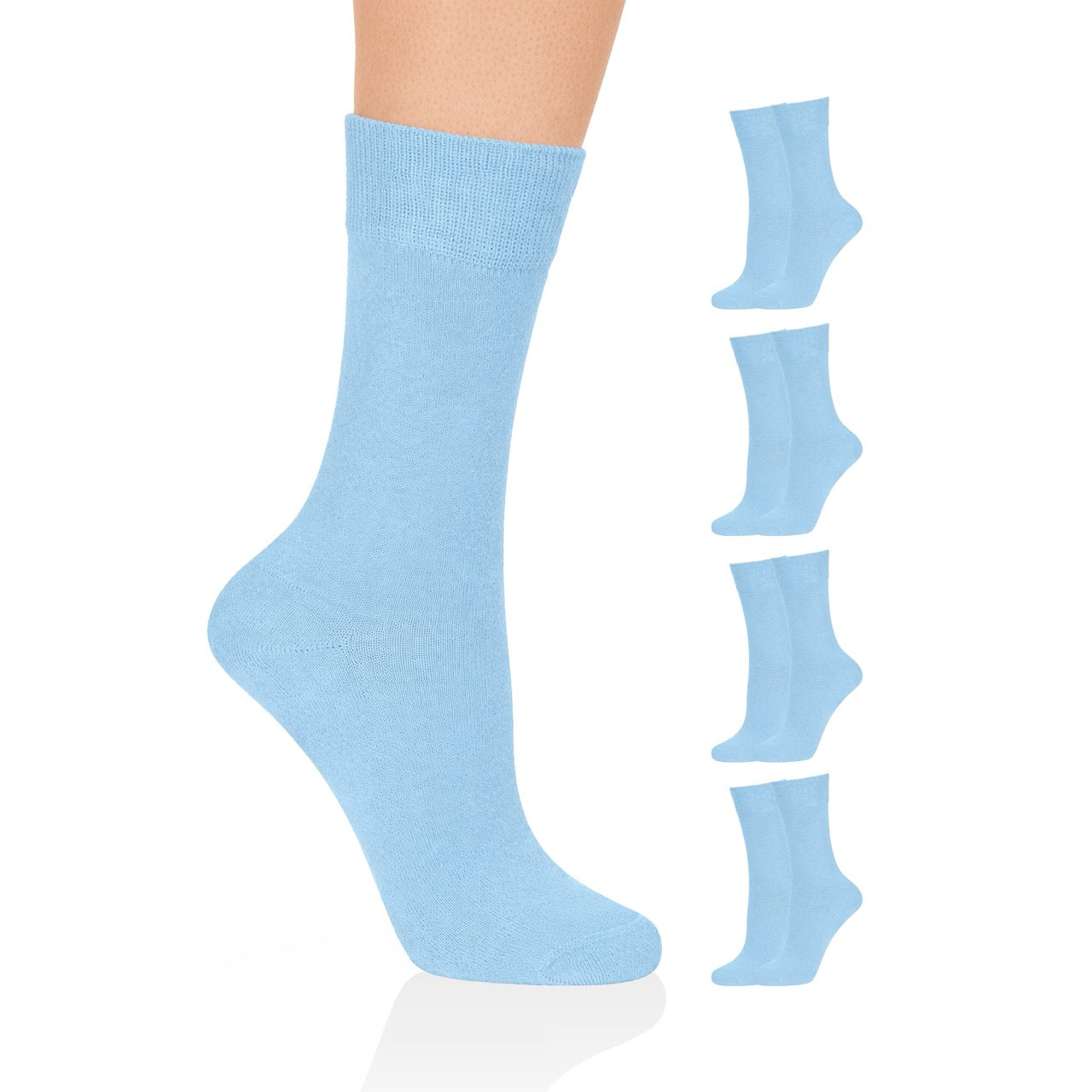
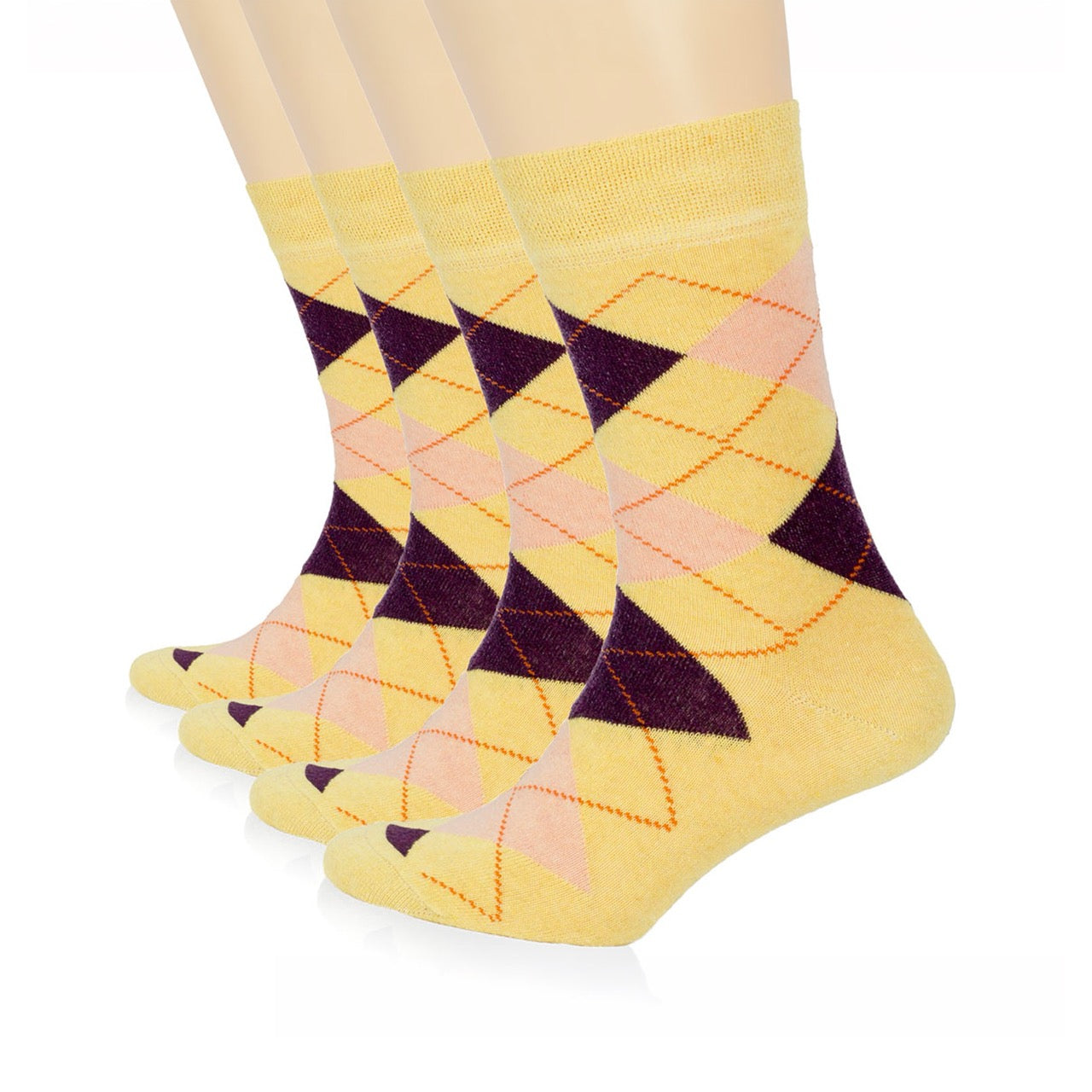
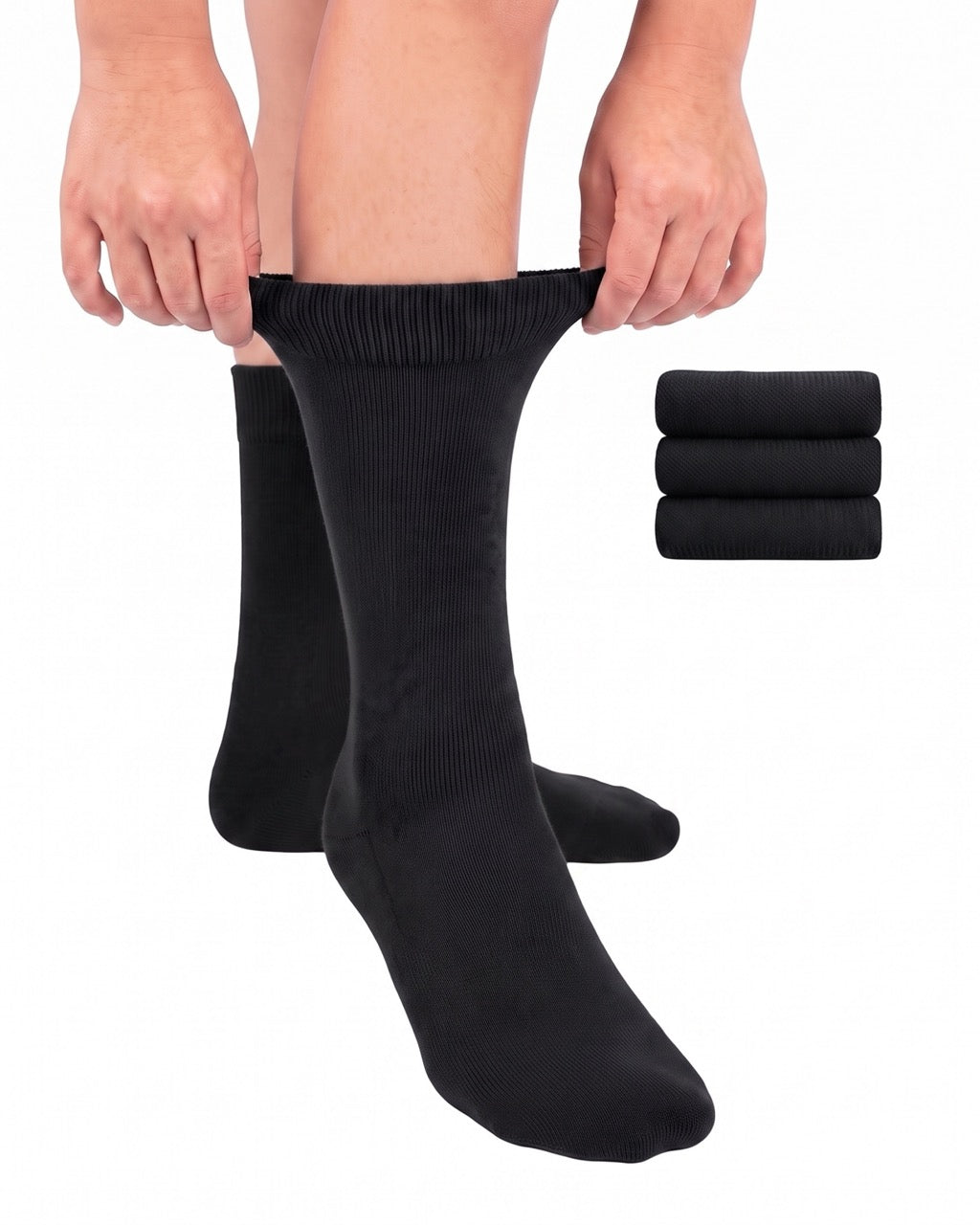
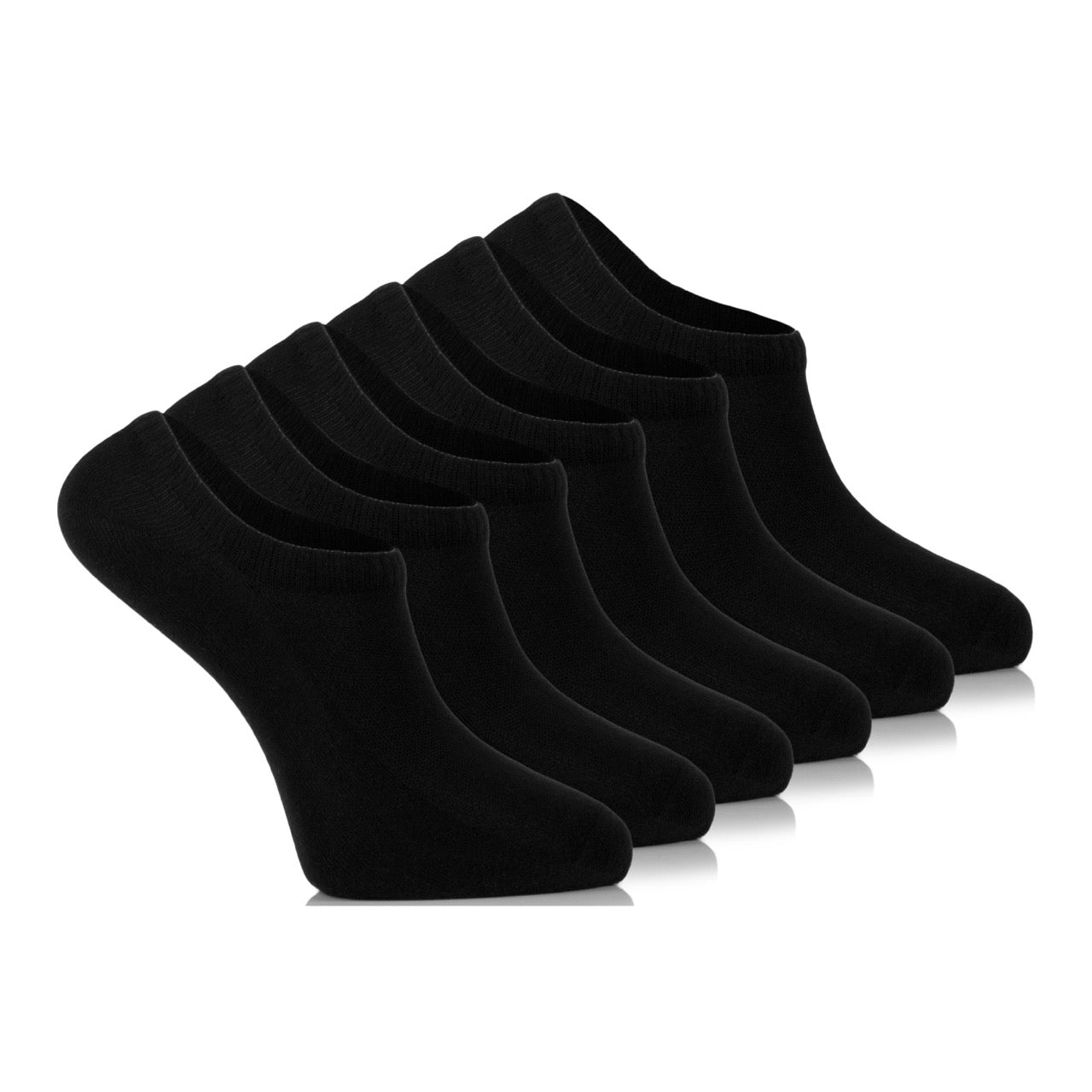
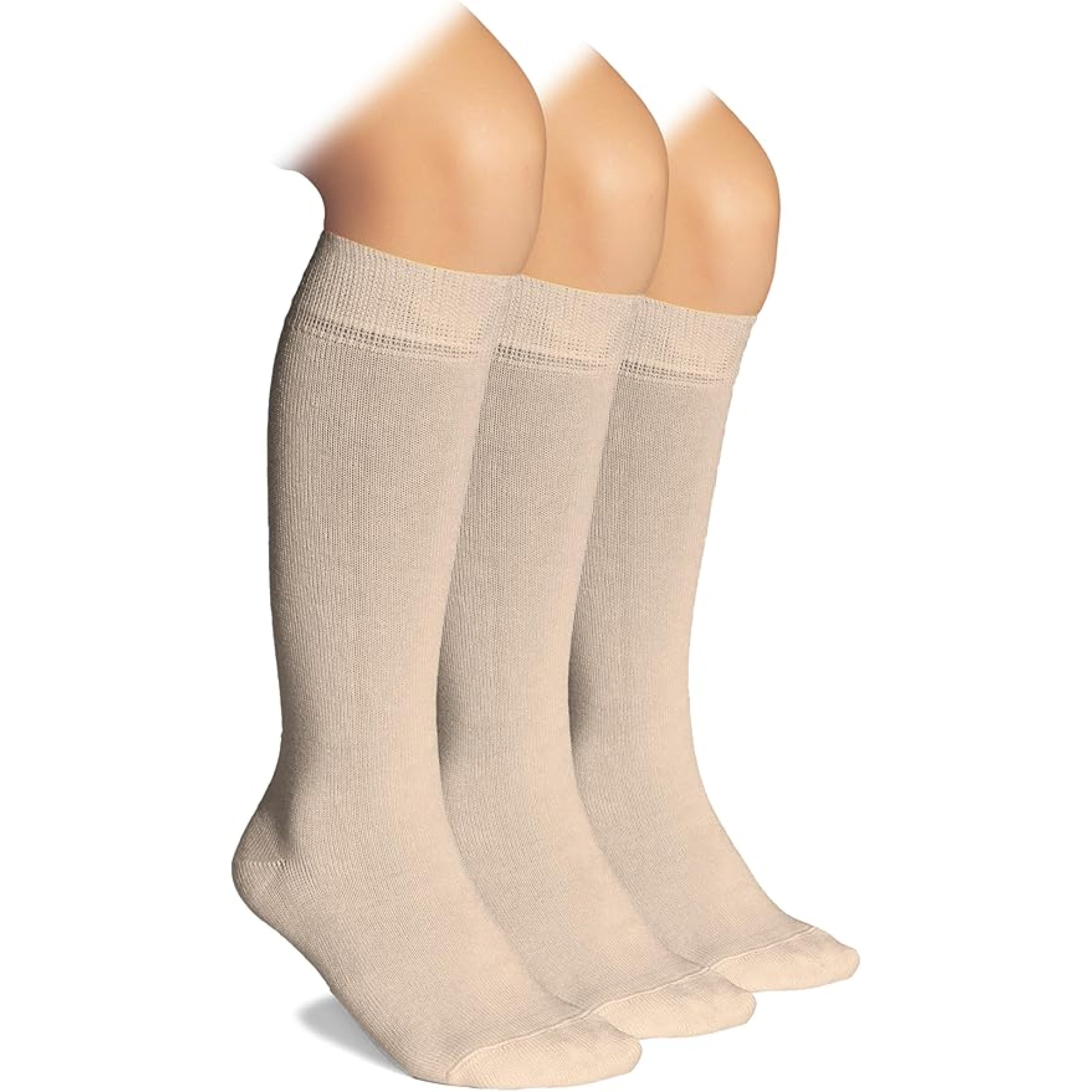


Socks may seem like a small detail, but for people living with diabetes, they play a critical role in daily comfort and long-term foot health. Diabetic-friendly socks are not a marketing gimmick - they are designed with specific features that address circulation issues, nerve damage, and the increased risk of foot injuries.
Understanding what makes diabetic socks different from regular socks helps explain why many healthcare professionals recommend wearing them daily, even before serious foot problems appear.
Diabetes affects how blood flows through the body and how nerves function, especially in the feet. Over time, reduced blood circulation and nerve damage can make it harder to feel pain, pressure, or small injuries.
This combination increases the risk of unnoticed cuts, blisters, and pressure points turning into serious problems. Proper socks become a daily layer of protection, not just an accessory.
Diabetic-friendly socks are engineered to protect sensitive feet, support circulation, and reduce irritation. Unlike standard options, these socks focus on prevention rather than style alone.
While regular socks often prioritize fit and appearance, diabetic socks prioritize safety, comfort, and long-term foot care.
One of the most important features is the absence of tight elastic. Binding tops can restrict blood flow, worsening circulation issues and causing swelling.
Diabetic socks use a gentle, non-restrictive cuff that stays in place without squeezing the leg. This helps improve circulation while avoiding pressure marks.


Moisture is a major risk factor for foot complications. Damp skin breaks down more easily and creates an ideal environment for fungal infections.
Diabetic socks focus on moisture control, helping keep feet dry throughout the day. This reduces irritation and supports healthier skin.
Many diabetic-friendly socks include extra padding in high-impact areas such as the heel, sole, and toes. This cushioning helps protect against pressure points and friction.
Padding is especially helpful for people with reduced sensation, as it lowers the risk of developing sores or blisters without being noticed.
Traditional seams can rub against sensitive skin, leading to redness or open areas. Diabetic socks are often designed with smooth or seamless toes to minimize irritation.
Reducing friction plays a key role in reducing the risk of foot injuries over time.
Diabetic socks are sometimes confused with compression socks, but they serve different purposes.
For many people with diabetes, strong compression can be uncomfortable or inappropriate without medical advice.
Poor circulation is common in diabetic feet. Socks that avoid tight bands and allow natural movement help support healthier blood circulation.
This support can reduce swelling, discomfort, and fatigue during daily activities.
Diabetic-friendly socks are important for people with diabetes, but they also benefit others with sensitive feet or circulation concerns.
Wearing the right socks is most effective when combined with consistent foot care habits. Checking feet daily, keeping skin clean and dry, and choosing well-fitting shoes all matter.
When selecting diabetic socks, focus on comfort and protection over style. Look for features that address your specific needs rather than assuming one option fits all.
Yes. They are designed to reduce irritation, improve comfort, and support circulation daily.
Absolutely. Many people choose them for comfort, swelling, or sensitive skin.
Many people wear diabetic socks daily as part of a preventive foot care routine.
They reduce risk but work best alongside regular foot checks and proper medical care.
Diabetic-friendly socks are a simple but powerful tool. By supporting circulation, reducing pressure, and protecting sensitive skin, they help make daily life safer and more comfortable for people managing diabetes and beyond.
He has been working for more than 20 years in the textile industry and has work experience in many parts of the world.