Cart
0
You may also like

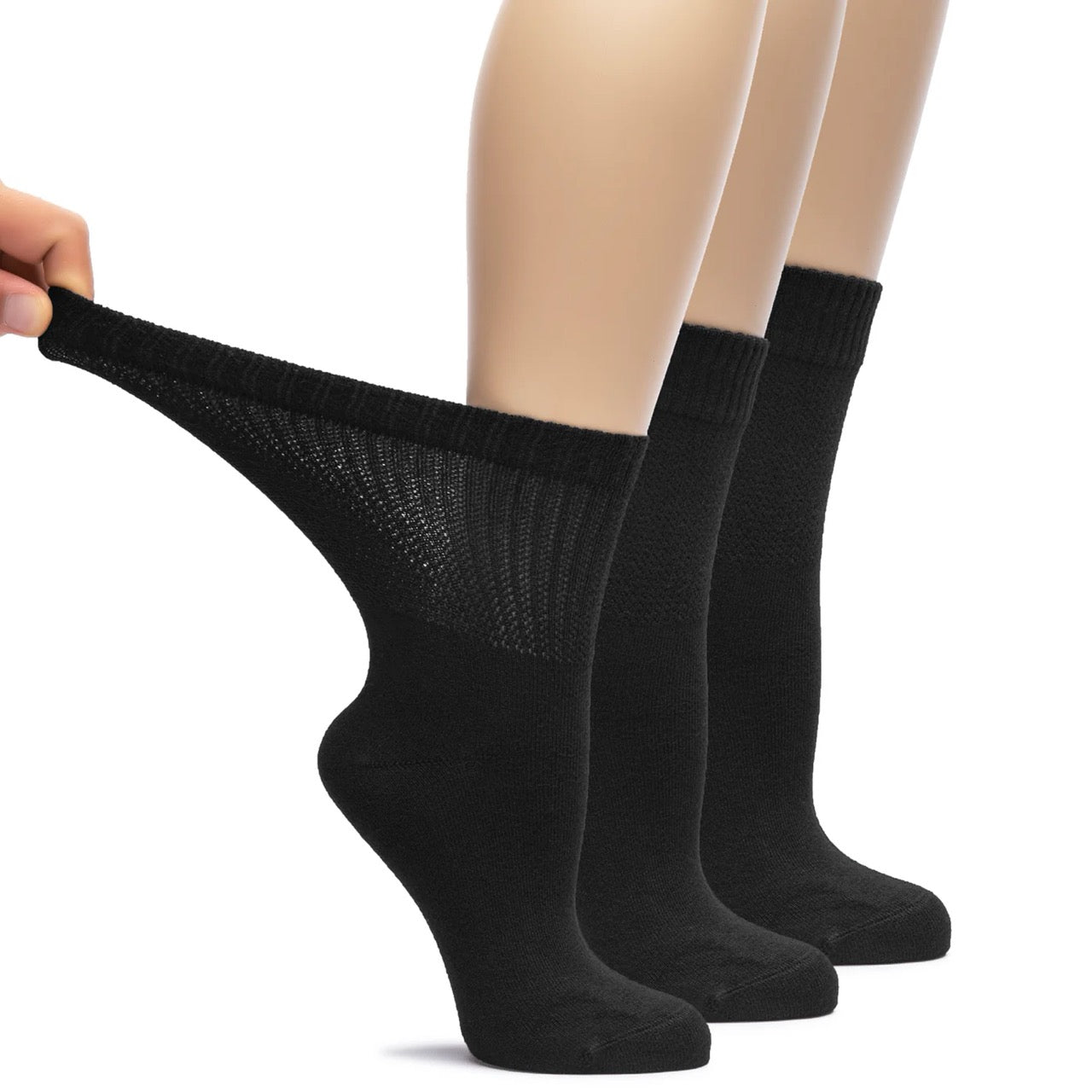

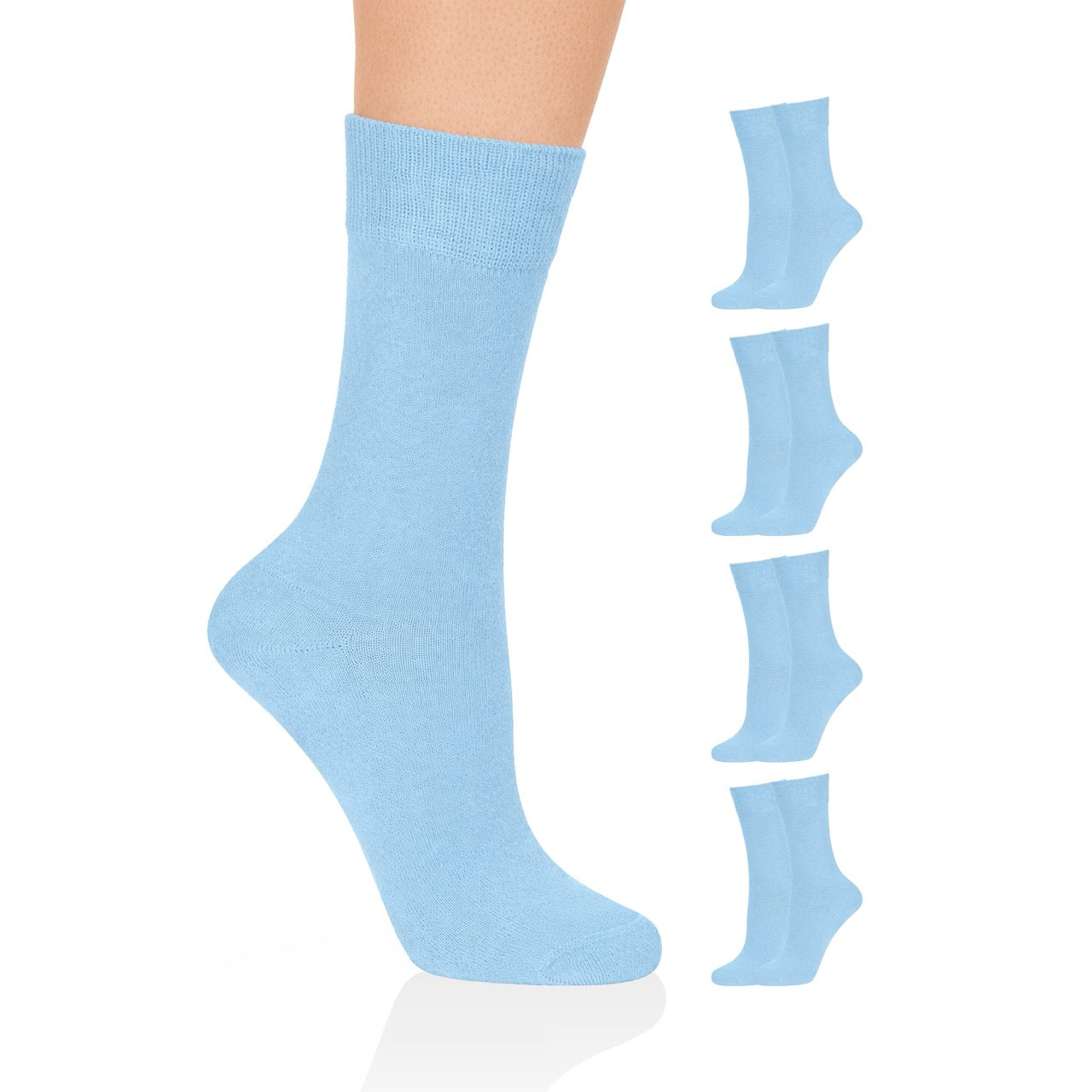
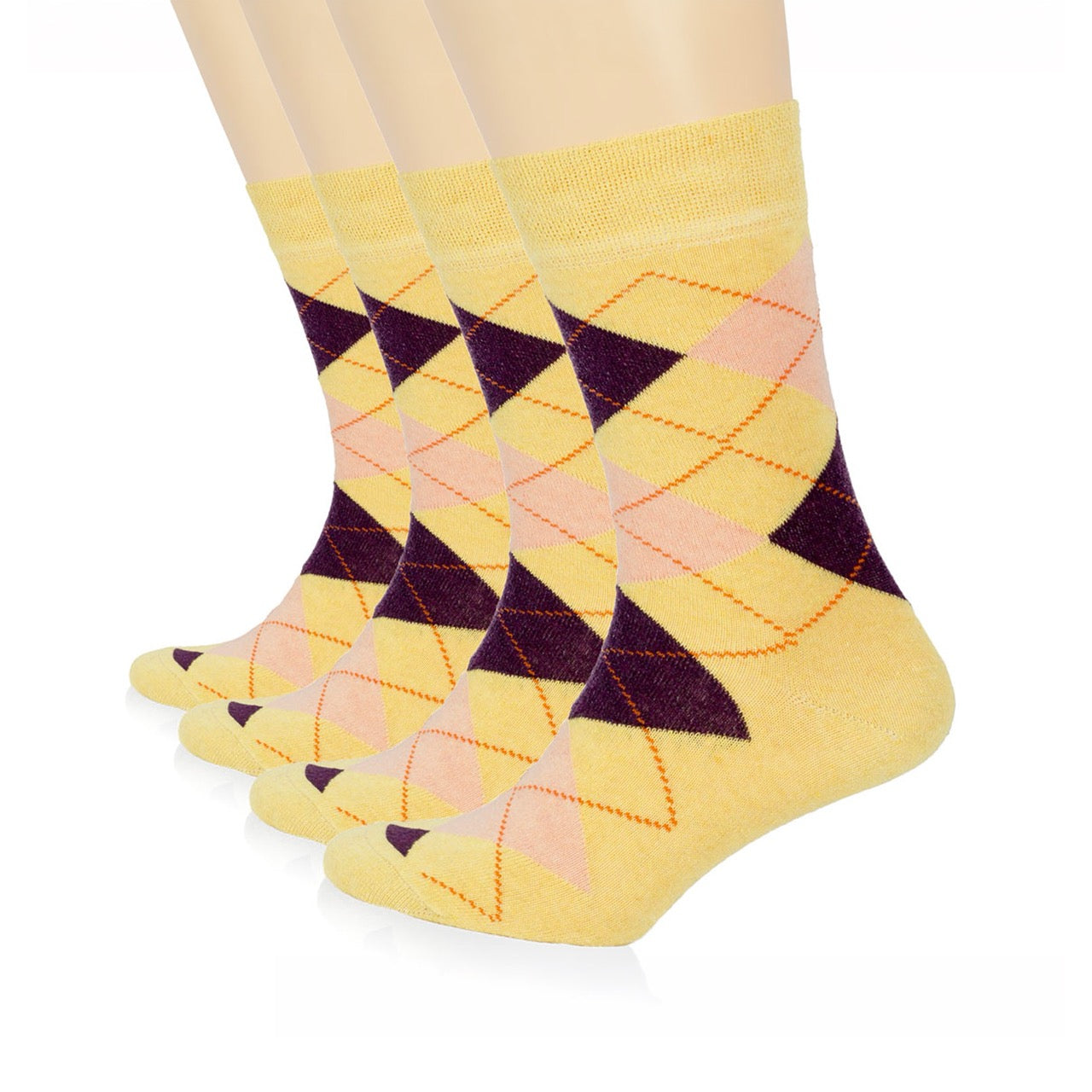
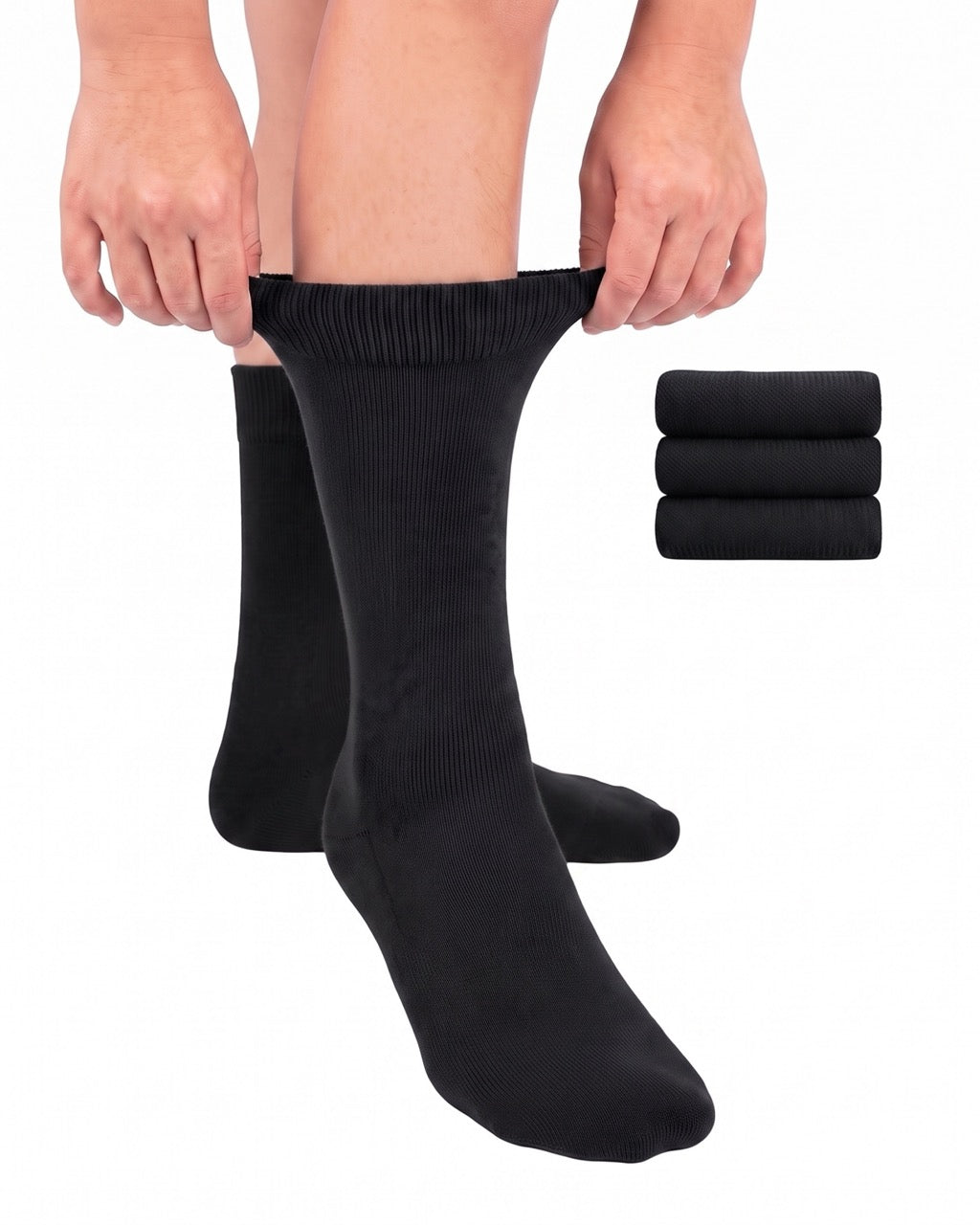
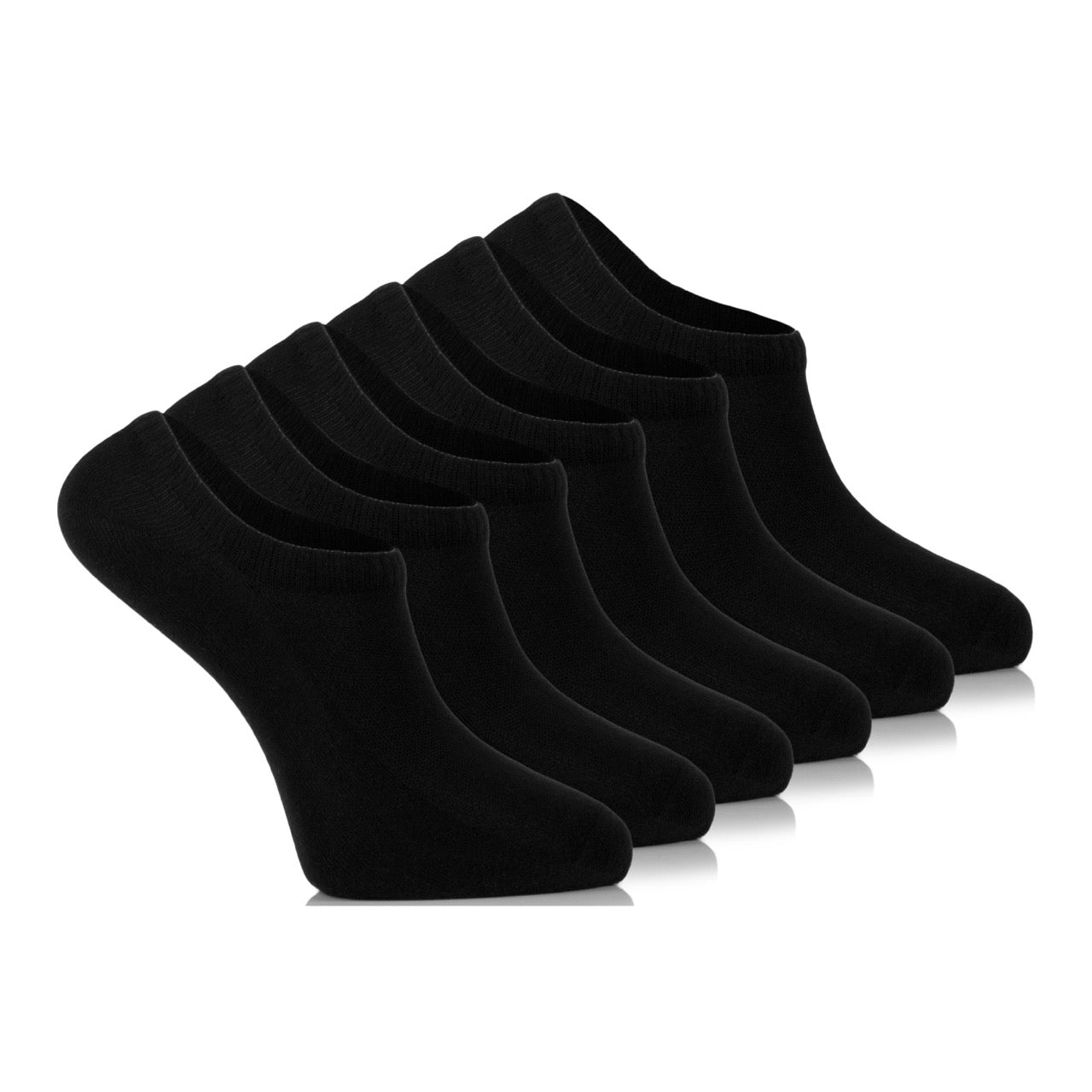
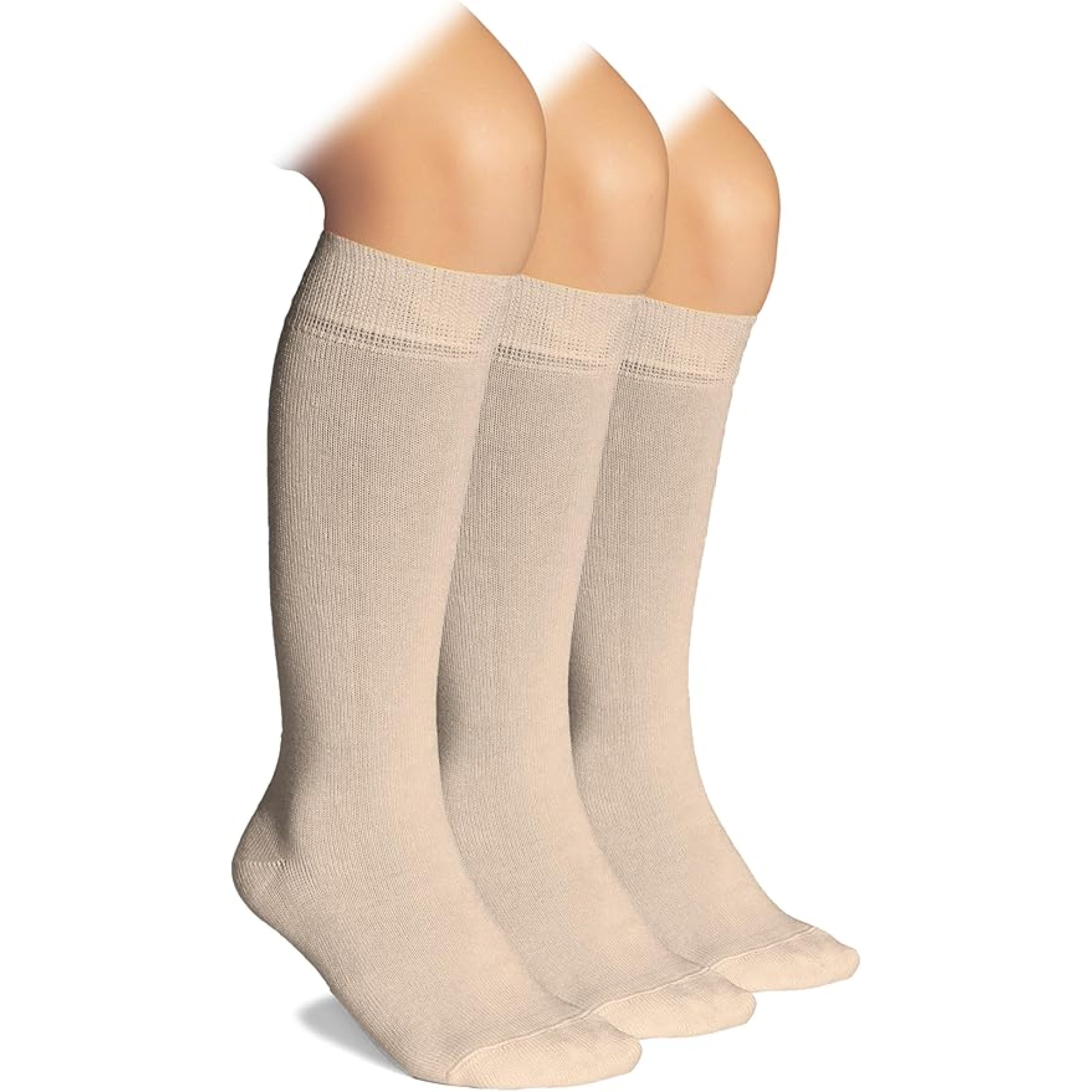


In recent years, shoppers have started asking deeper questions about what their clothes are made of. Beyond style and price, materials now play a central role in decisions around comfort, health, and environmental impact. This shift has brought renewed attention to natural fabrics—and why they often outperform synthetic blends in everyday wear.
From socks to shirts, understanding the difference between natural and synthetic fibers helps explain why quality-focused brands and consumers alike are moving away from petroleum-based materials and toward long-term, sustainable choices.
Natural fibers come from plants or animals and include materials such as organic cotton, wool fibers, linen, and bamboo-derived textiles. These materials are minimally processed and retain properties that support comfort, breathability, and skin health.
When people refer to 100% natural fibers, they typically mean fabrics that do not rely on chemical-based synthetics like polyester or nylon.
Synthetic fibers are man-made materials derived from petroleum. Common examples include polyester, nylon, acrylic, and spandex. These fibers are often combined with natural materials to create synthetic blends.
While blends can offer durability or stretch, they also introduce drawbacks related to comfort, environmental harm, and long-term wear. Synthetic fabrics like polyester and polyester nylon blends dominate fast fashion due to low production costs.

One of the most noticeable differences between natural and synthetic materials is how they manage heat and moisture. Natural fabrics allow air to circulate more freely, helping regulate temperature.
Cotton linen blends and wool fibers naturally adapt to body conditions, making them comfortable across seasons. This matters most in garments worn close to the skin, such as socks.
Many consumers associate moisture wicking properties with performance fabrics, but natural fibers have managed moisture long before synthetic performance textiles existed.
Wool fibers absorb moisture vapor while staying dry to the touch. Organic cotton allows sweat to evaporate instead of trapping it against the skin. Synthetic material often relies on chemical treatments that degrade over time.
Natural fabrics tend to be gentler on skin, especially for daily use. Because they are breathable and less abrasive, they reduce irritation during extended wear.
Synthetic fibers can trap heat and moisture, creating friction and discomfort. Over the long term, this can lead to skin sensitivity - especially in socks and base layers.
The environmental cost of synthetic fabrics is significant. Because they are petroleum based, their production relies on fossil fuels and contributes to carbon emissions.
Even after purchase, synthetic fibers continue to impact the environment. Each wash releases tiny plastic particles into waterways, contributing to microplastic pollution.
Fast fashion depends heavily on synthetic blends to keep costs low and production fast. These garments often wear out quickly, encouraging frequent replacement.
Natural fibers, when properly cared for, offer greater longevity. Choosing high quality materials reduces waste and supports a more responsible consumption cycle.
A common misconception is that only synthetic fabrics deliver performance. In reality, wool fibers and cotton linen combinations have been used for centuries in demanding conditions.
Natural materials regulate temperature, resist odor, and adapt to activity levels without relying on chemical finishes. This makes them ideal for everyday wear and seasonal use.
Not all cotton is equal. Organic cotton is grown without harmful pesticides, reducing environmental damage and improving soil health.
For consumers, this means fewer chemical residues on fabric and a softer, more breathable experience against the skin.
Opting for environmentally friendly materials is one of the simplest ways individuals can reduce their footprint. Natural fabrics decompose more easily and avoid contributing to plastic waste.
Over the long term, these choices benefit both personal comfort and the planet.
Natural fibers matter because they balance comfort, performance, and sustainability in ways synthetic fabrics often cannot. While blends have their place, relying on them exclusively comes with environmental and personal trade-offs.
By choosing natural fabrics—whether cotton linen blends or wool fibers— consumers invest in quality, reduce environmental harm, and build wardrobes designed to last.
Natural fibers often provide better breathability, comfort, and environmental benefits, while synthetic fabrics may offer durability and stretch.
Yes. Natural fabrics like wool and cotton help regulate temperature by allowing airflow and adapting to changing conditions.
Synthetic fabrics are petroleum-based and release microplastics during washing, contributing to long-term environmental pollution.
Organic cotton is grown without harmful pesticides, making it more environmentally friendly and often gentler on the skin.
Yes. Materials like wool and cotton can manage moisture effectively, helping keep skin dry without relying on chemical treatments.
He has been working for more than 20 years in the textile industry and has work experience in many parts of the world.