Cart
0
You may also like
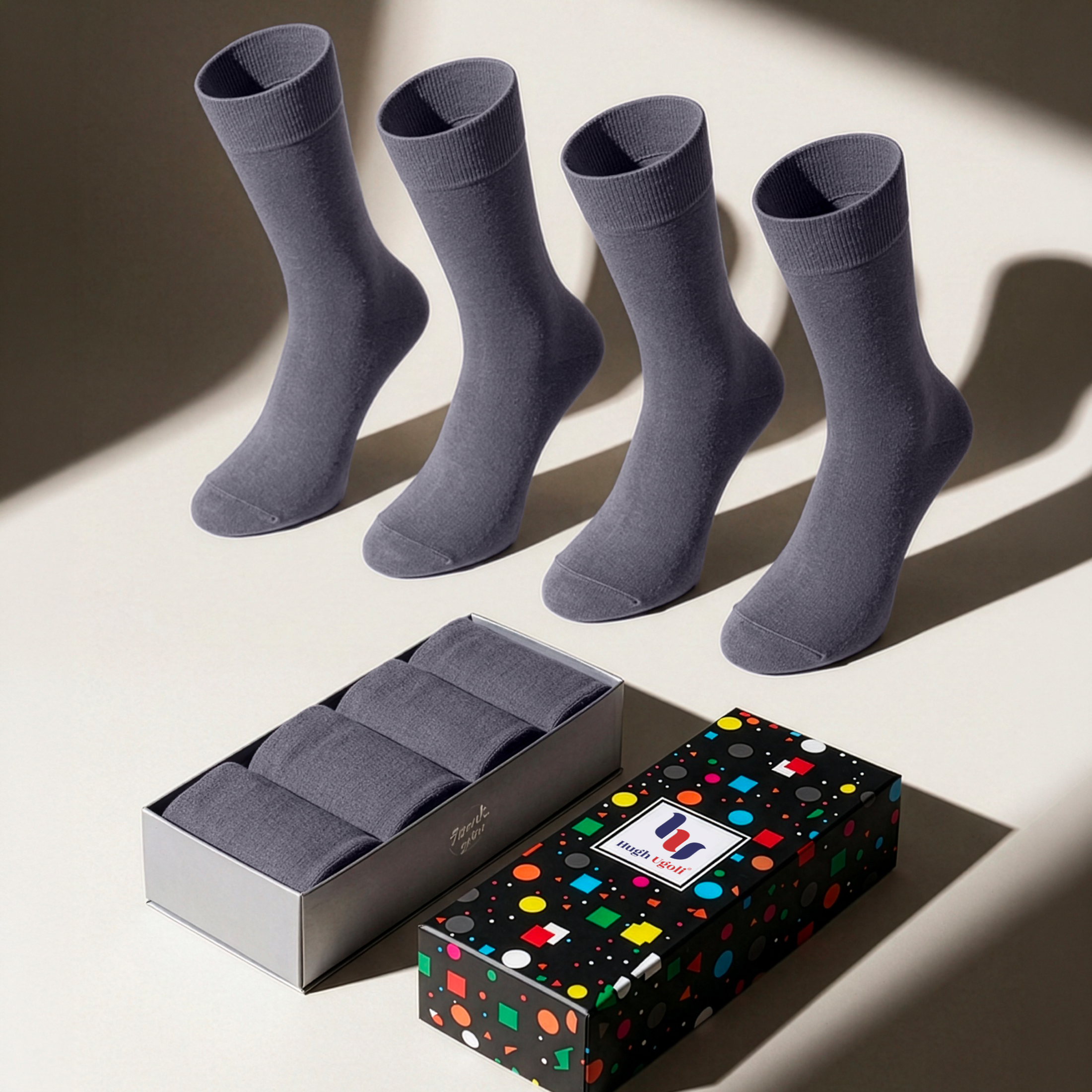
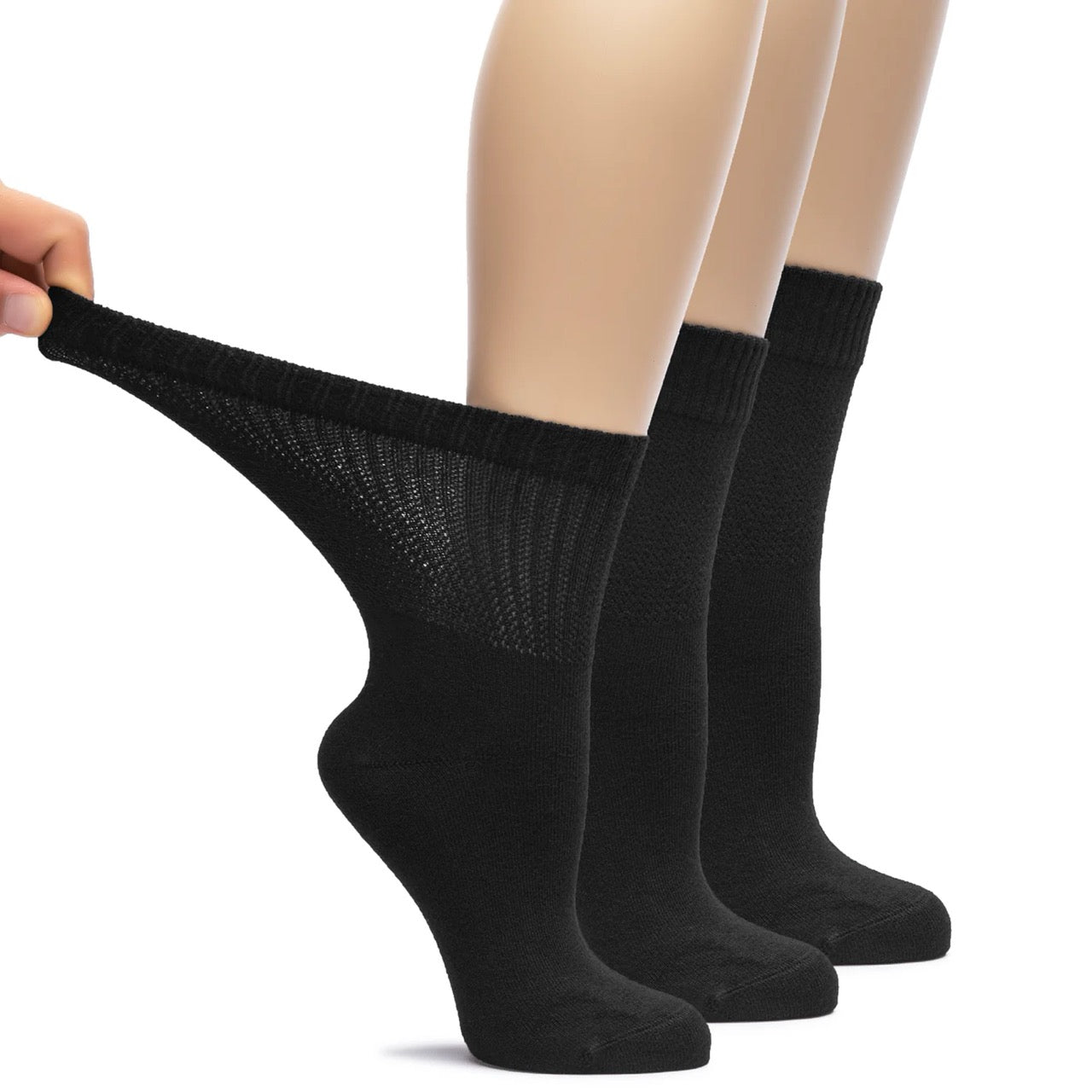
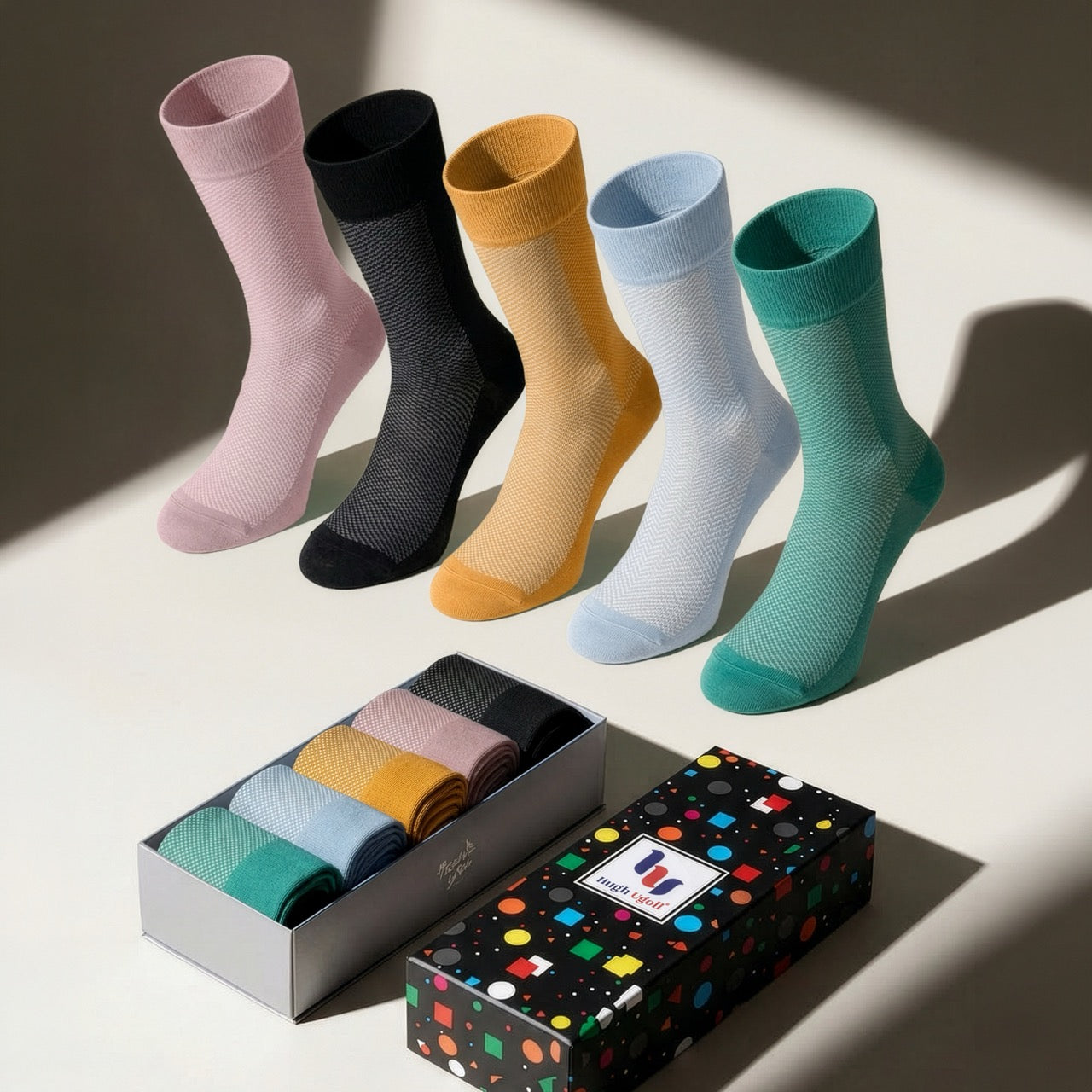
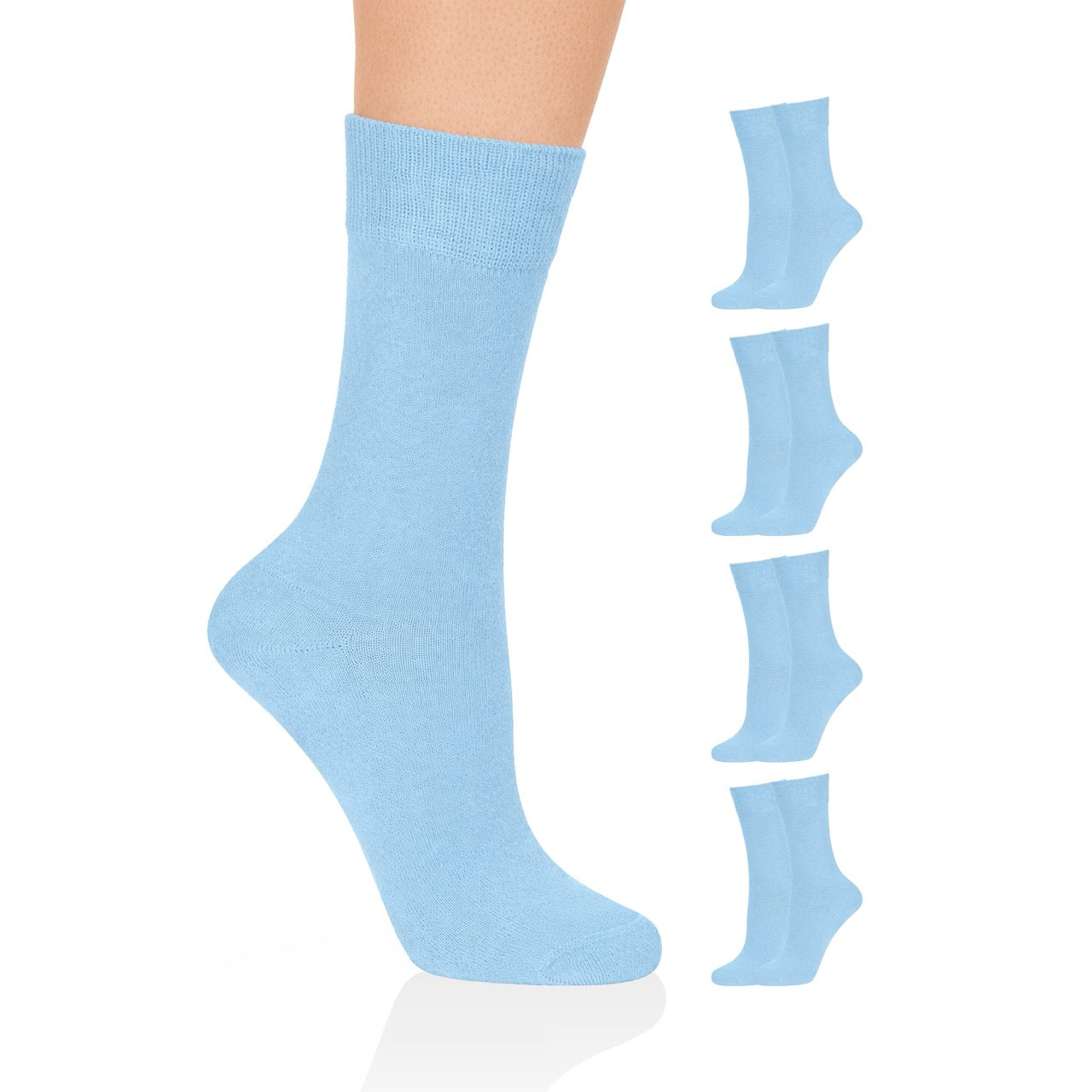
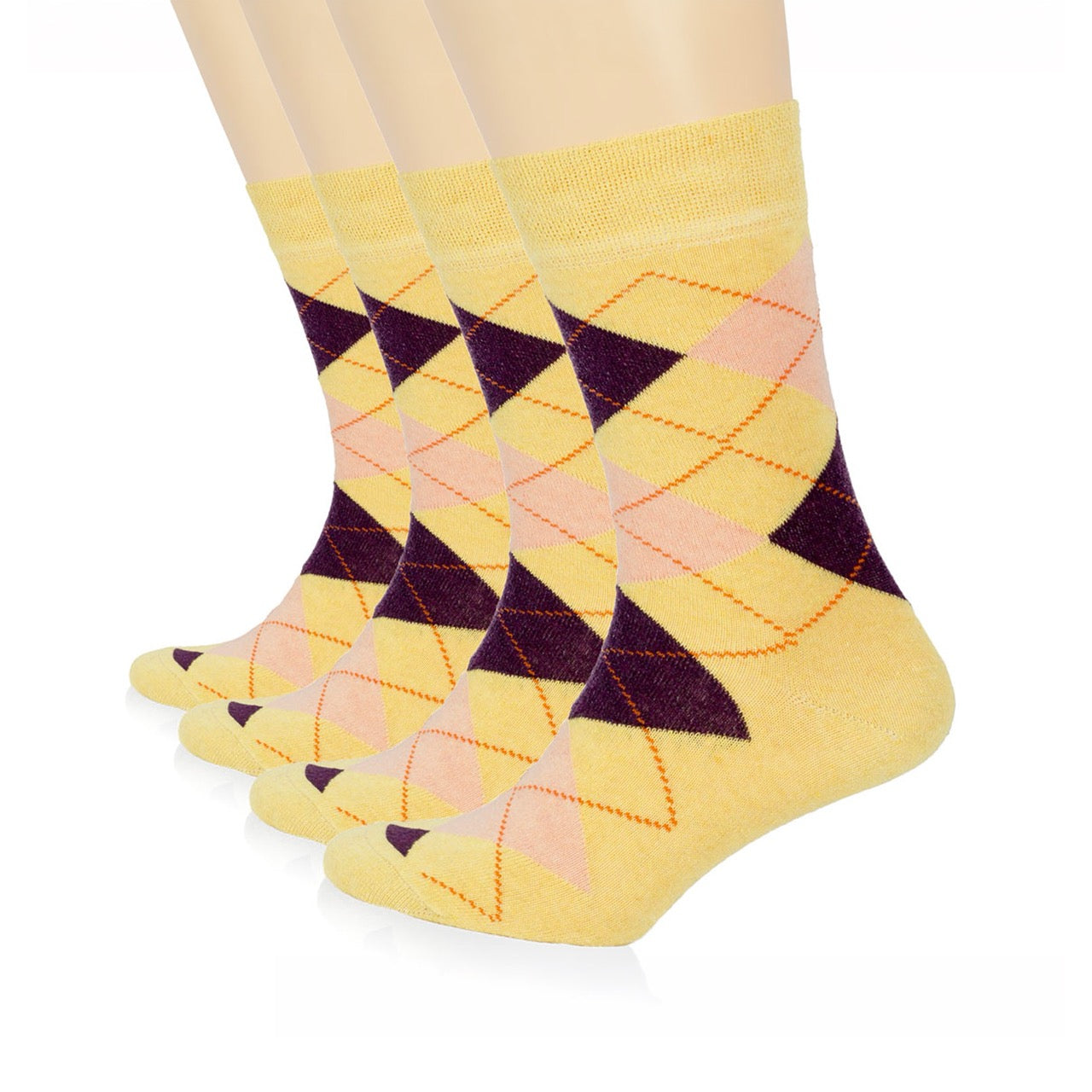
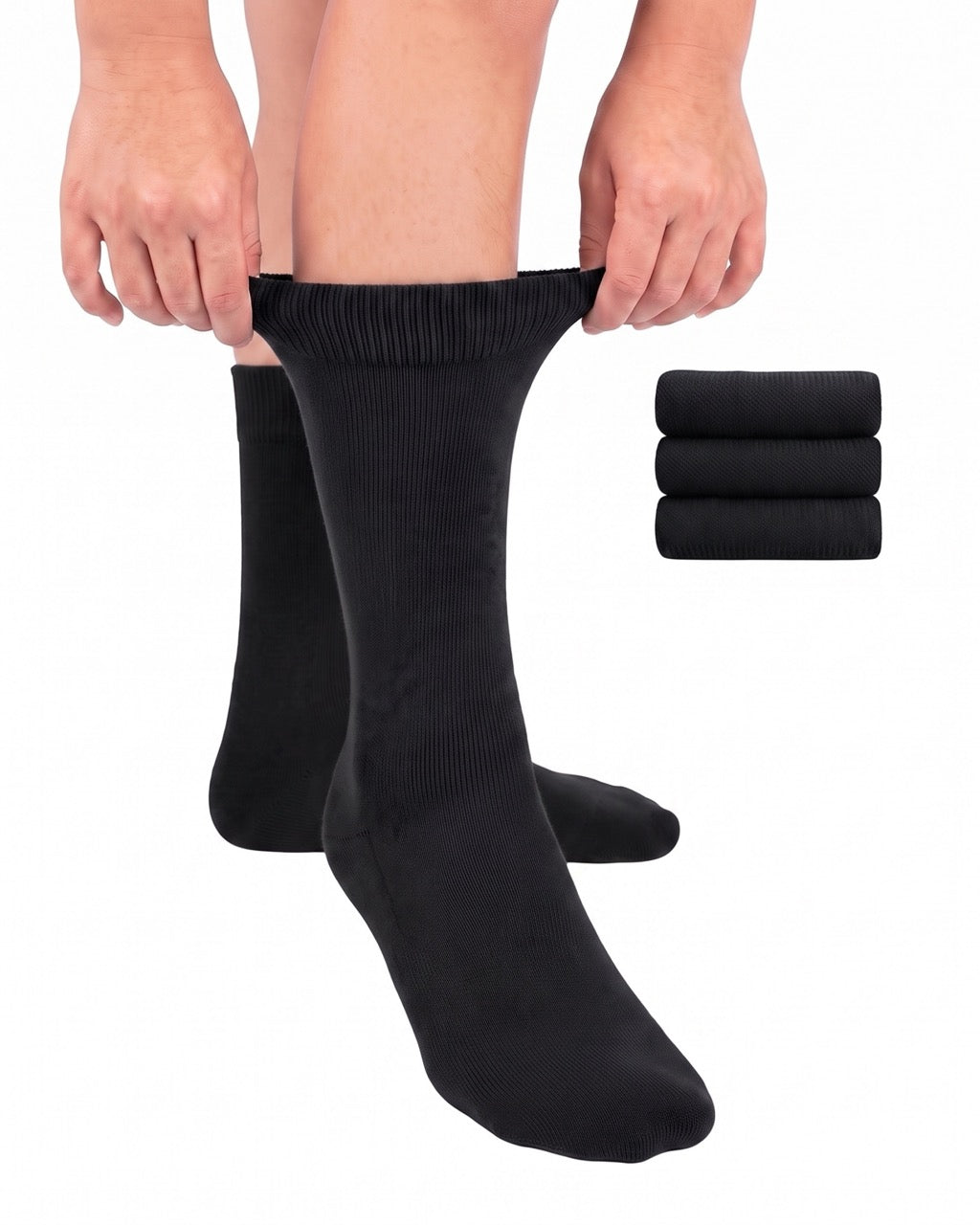
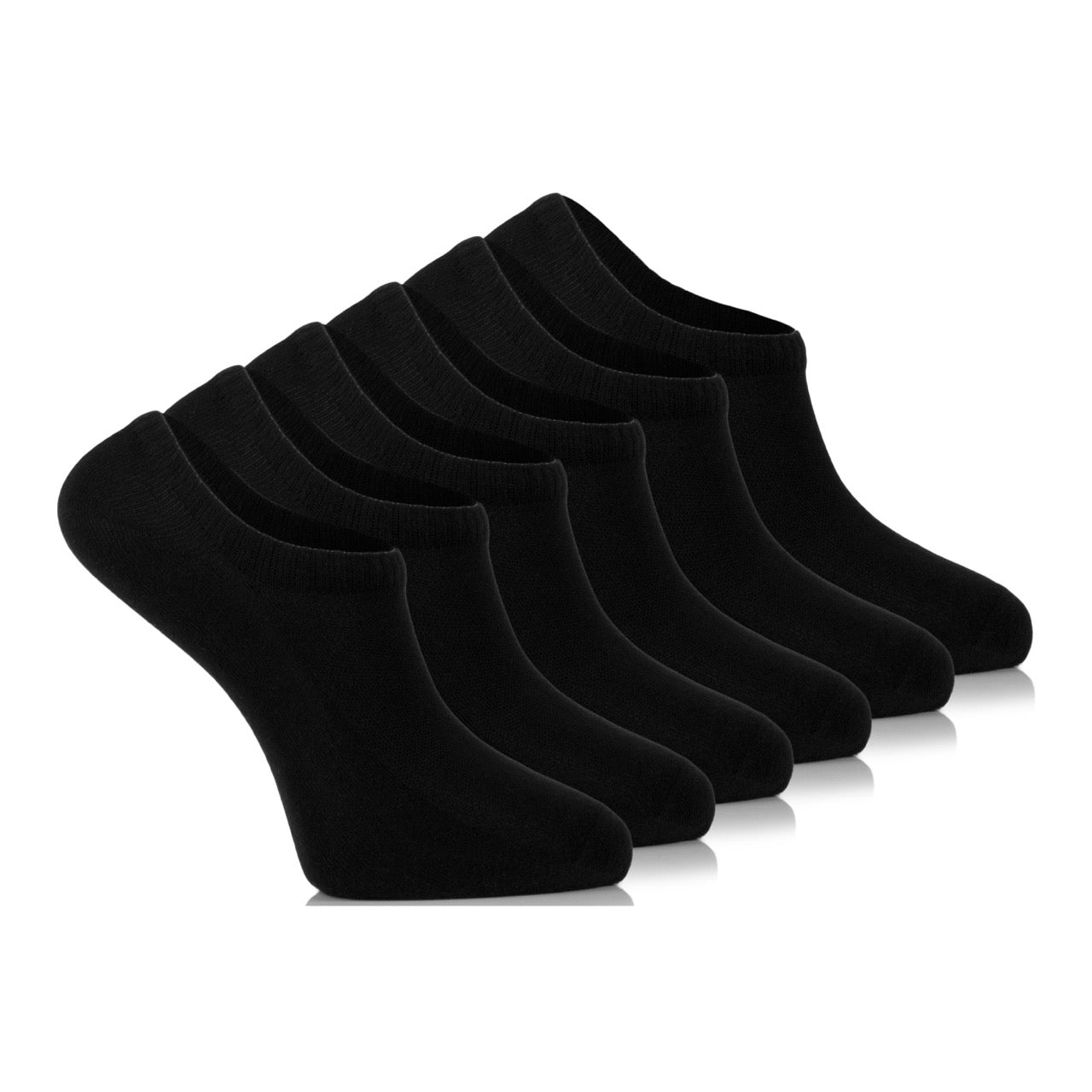
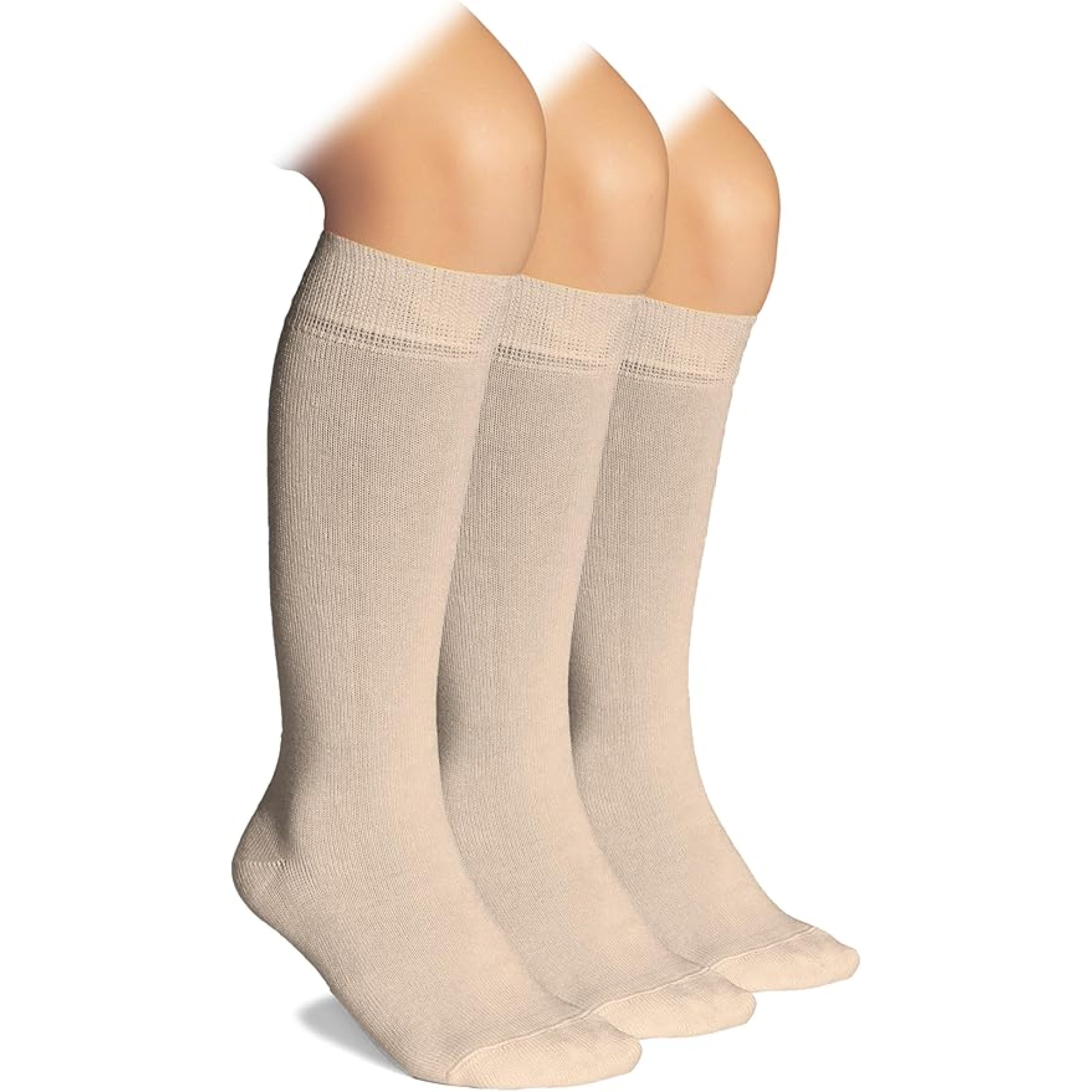


Moisture wicking is the fabric's ability to pull sweat off the skin and move it to the outer surface where it can evaporate. Whether a sock actually does this comes down to fibre. Merino wool holds moisture as vapour while still feeling dry, and engineered synthetics such as polyester and nylon shed water quickly because they barely absorb it. Cotton does the opposite: it soaks moisture up and stays damp, which is why cotton-heavy athletic socks disappoint. Construction matters too, since mesh panels, knit density and a fit that does not bunch all affect how fast moisture moves.
Key Takeaways
Moisture-wicking socks are often marketed as the solution to sweaty feet, odor, and discomfort—but not all options actually deliver. Understanding moisture wicking capabilities starts with knowing how socks are designed, which materials work, and where many products fall short.
This guide breaks down how moisture-wicking socks work, which fabrics truly wick away moisture, and what to avoid if you want to keep your feet dry and comfortable in everyday life.
Moisture wicking is the ability of a fabric to pull sweat away from the skin and move it toward the surface of the sock, where it can evaporate. When moisture wicking socks work properly, your feet stay dry instead of feeling damp or overheated.
This process helps regulate temperature, reduce friction, and limit the conditions that lead to odor and discomfort.
Constant moisture creates the perfect environment for fungal infections, blisters, and irritation. Damp socks also increase friction, which can lead to hot spots and skin breakdown—especially for people with sensitive skin or circulation concerns.
Wearing moisture wicking socks helps support healthier skin, better comfort, and more consistent temperature control.
Merino wool is one of the most effective natural options. Unlike traditional wool, merino fibers are fine and soft, offering excellent moisture wicking properties without itchiness.
Merino wool can absorb moisture vapor while still feeling dry, helping keep feet warm in cold weather and cool when temperatures rise.
Many synthetic fabrics, such as polyester or nylon, are engineered specifically for moisture control. These materials do not absorb water easily, allowing them to move sweat away from the skin quickly.
When blended correctly, synthetics provide durability, fast drying, and reliable performance for active lifestyles.
Many of the best moisture-wicking socks use blends. Combining merino wool with synthetics balances softness, odor control, and strength. These blends are often ideal for everyday wear.

Cotton absorbs moisture instead of moving it. Once wet, it stays damp, making it a poor choice for people with sweaty feet.
While cotton may feel soft initially, it can quickly lead to discomfort, odor, and friction during long days.
Some low-quality blends claim moisture control but rely on thin construction or coatings that wear off. These socks often lose effectiveness after a few washes.
Fabric choice matters, but design does too. Socks are designed with knit patterns, ventilation zones, and fiber placement that influence how well moisture moves.
Moisture control plays a key role in temperature regulation. Damp feet lose heat faster, which is why dryness matters. Effective moisture wicking helps with preventing your feet warm and dry during cooler conditions.
This balance is especially important for people who transition between indoor and outdoor environments.
Odor thrives in warm, damp environments. By supporting odor control, moisture-wicking socks help limit bacterial growth.
Merino wool naturally resists odor, while synthetics rely on staying dry to reduce smell over time.
Not true. Many athletic socks still use cotton-heavy blends that trap moisture.
Thickness doesn’t equal warmth if moisture is trapped. Dry feet feel warmer than damp ones.
Moisture-wicking socks aren’t marketing hype when chosen correctly. Understanding materials, construction, and fit makes all the difference between comfort that lasts and socks that fall short.
Moving sweat from the skin to the sock's outer surface so it can evaporate, rather than simply soaking it up.
Merino wool and engineered synthetics such as polyester and nylon. Blends of the two balance softness with fast drying.
Cotton absorbs moisture and holds onto it, so the sock stays damp and friction increases through the day.
Yes. Damp feet lose heat faster than dry ones, so keeping moisture moving helps feet stay warm.
Once the cuff elastic stops recovering or the sock starts feeling damp where it used to feel dry.
Discover All Hugh Ugoli Socks
Shop All Socks