Cart
0
You may also like
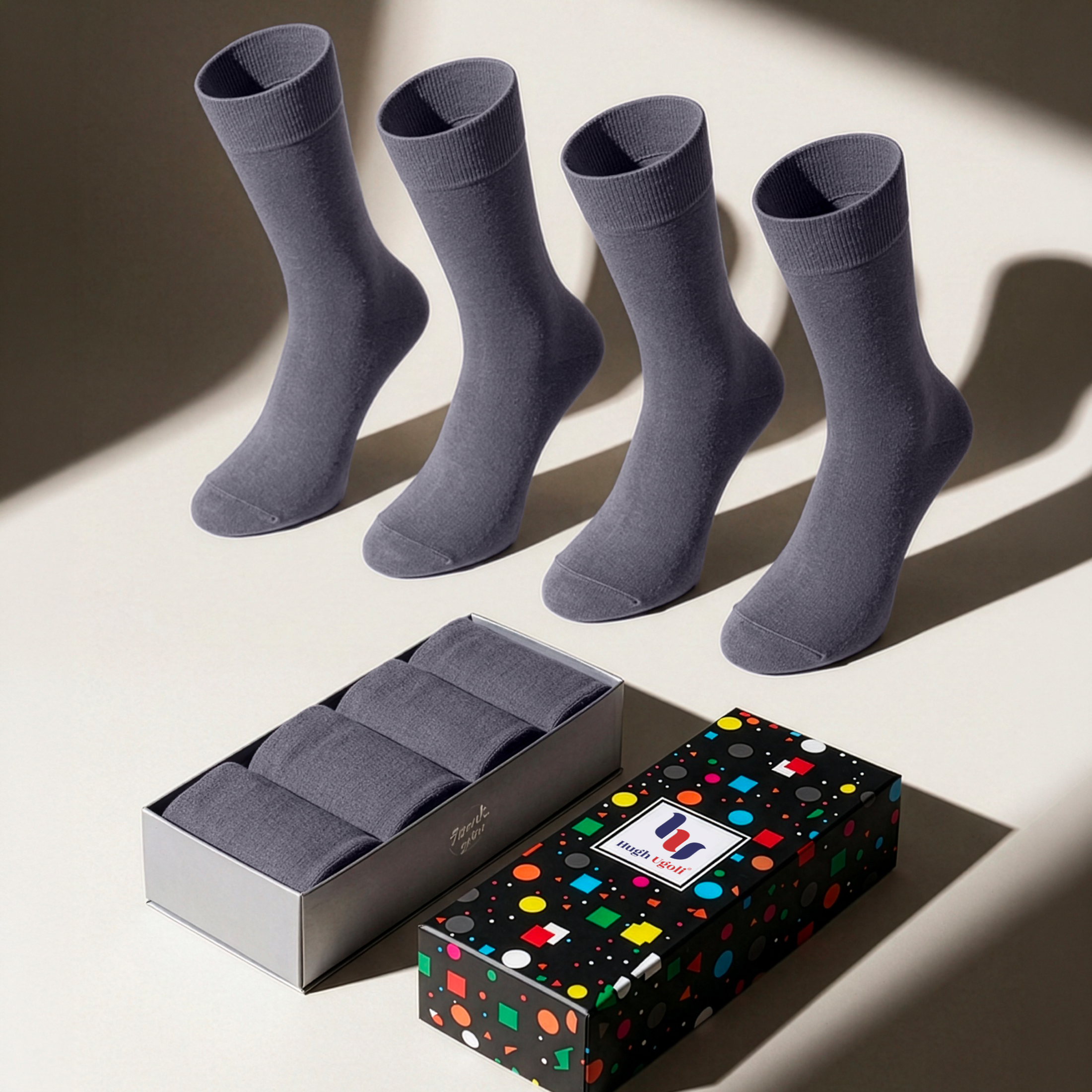
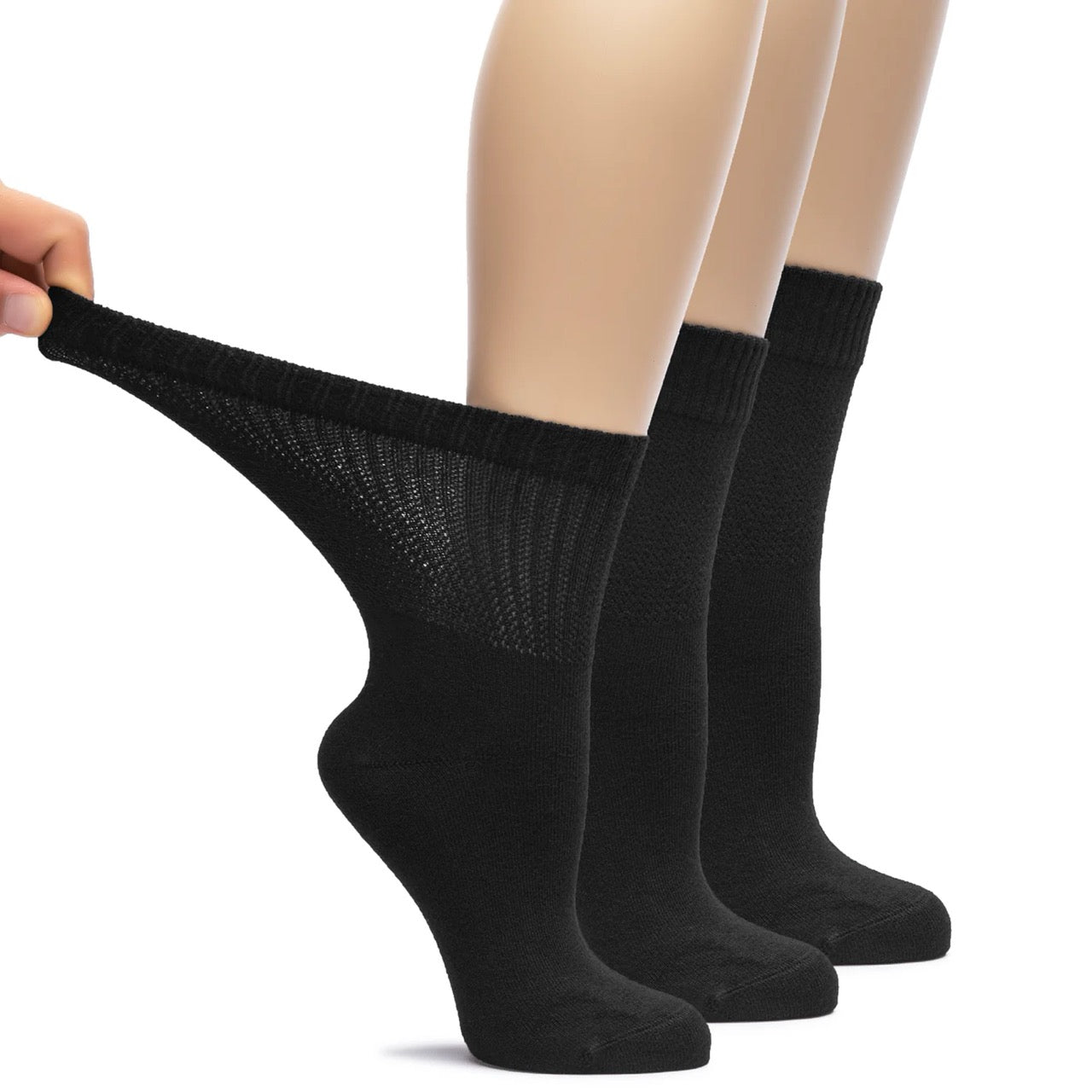
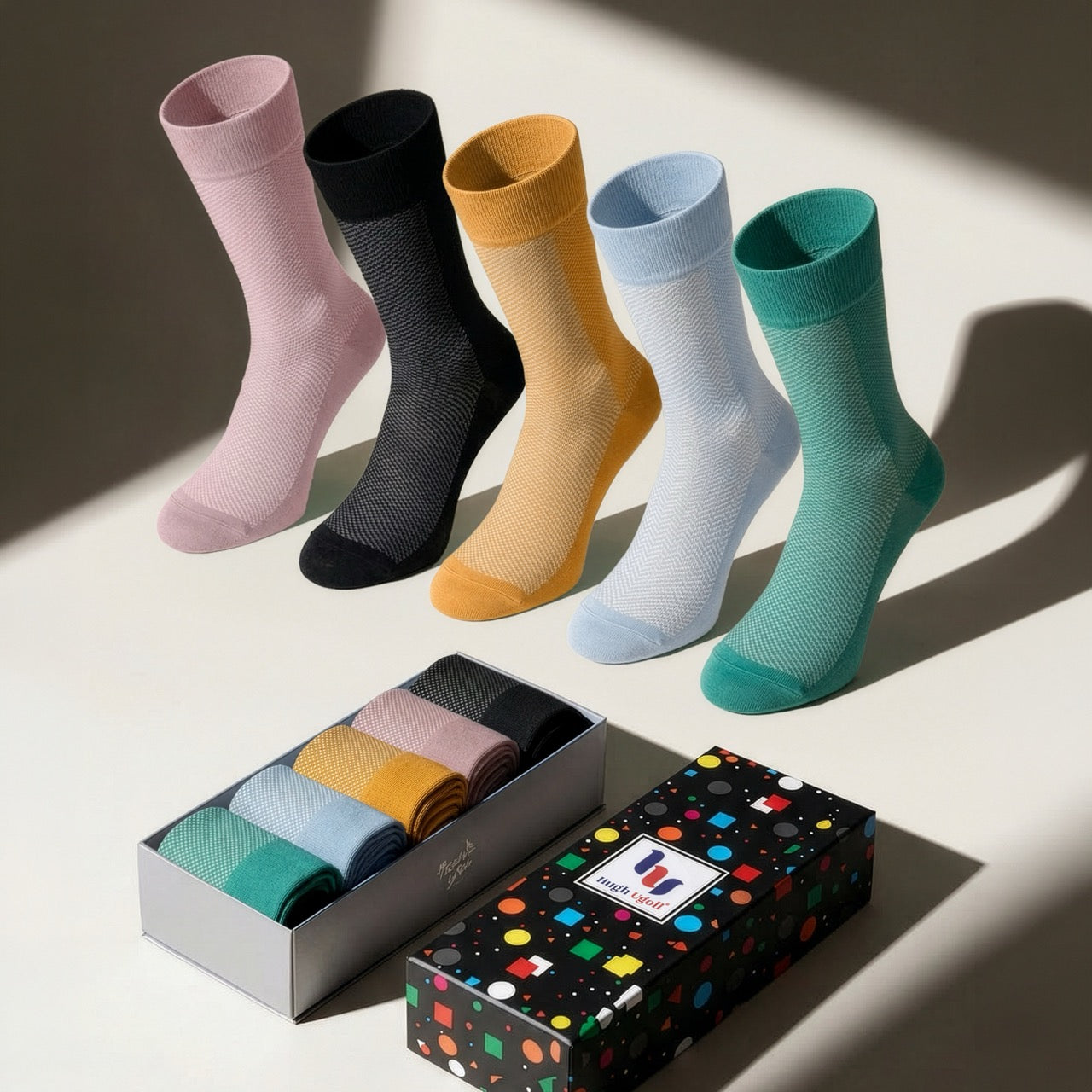
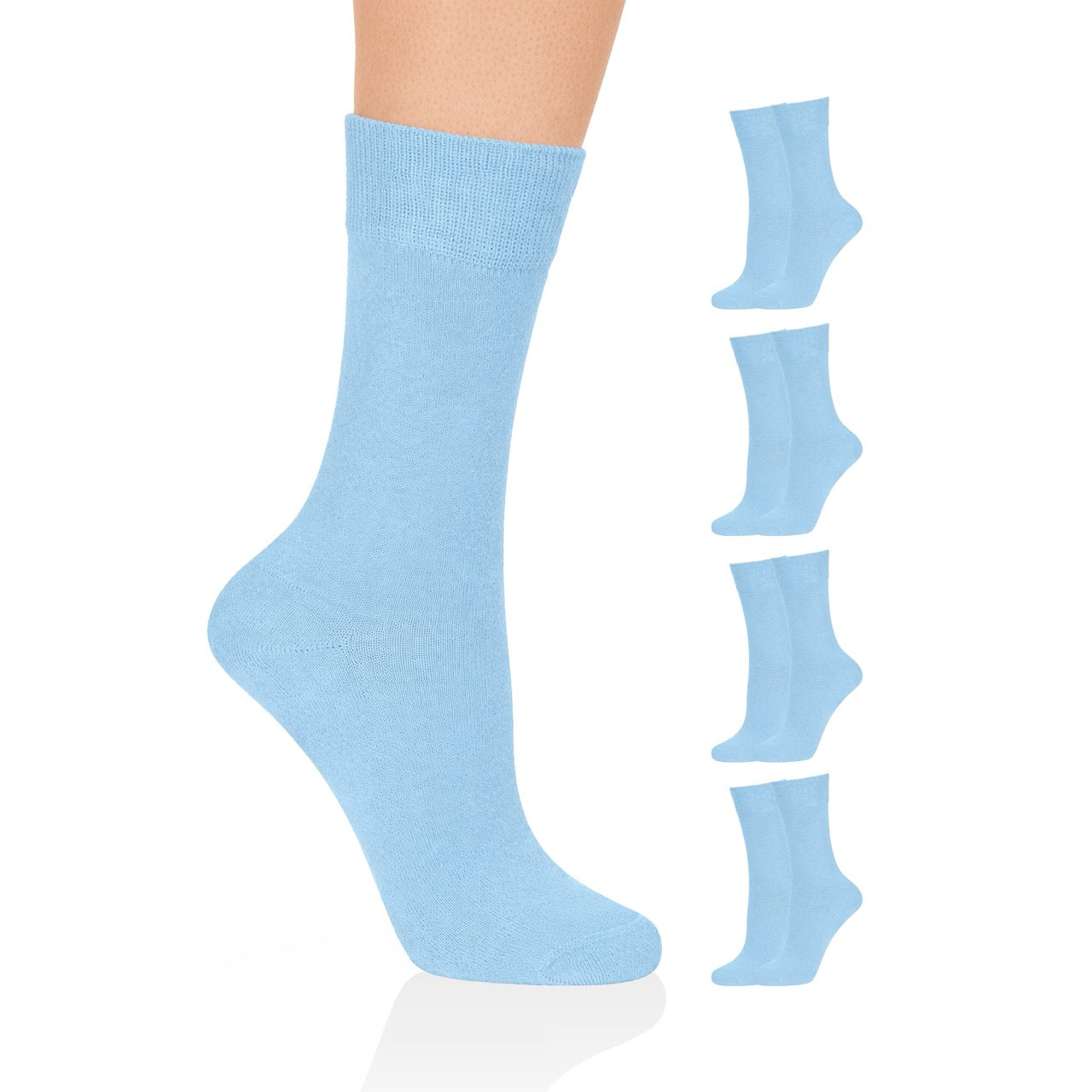
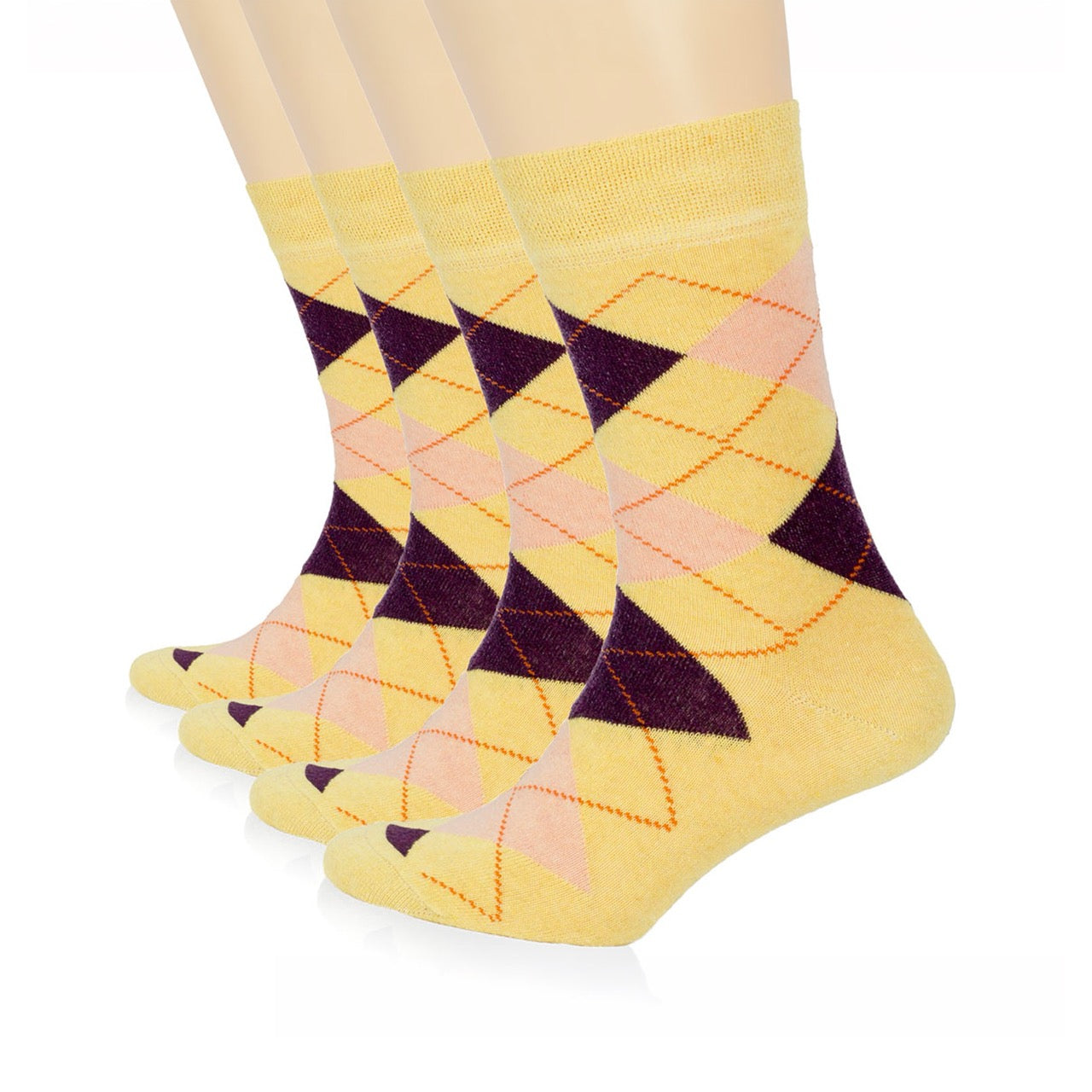
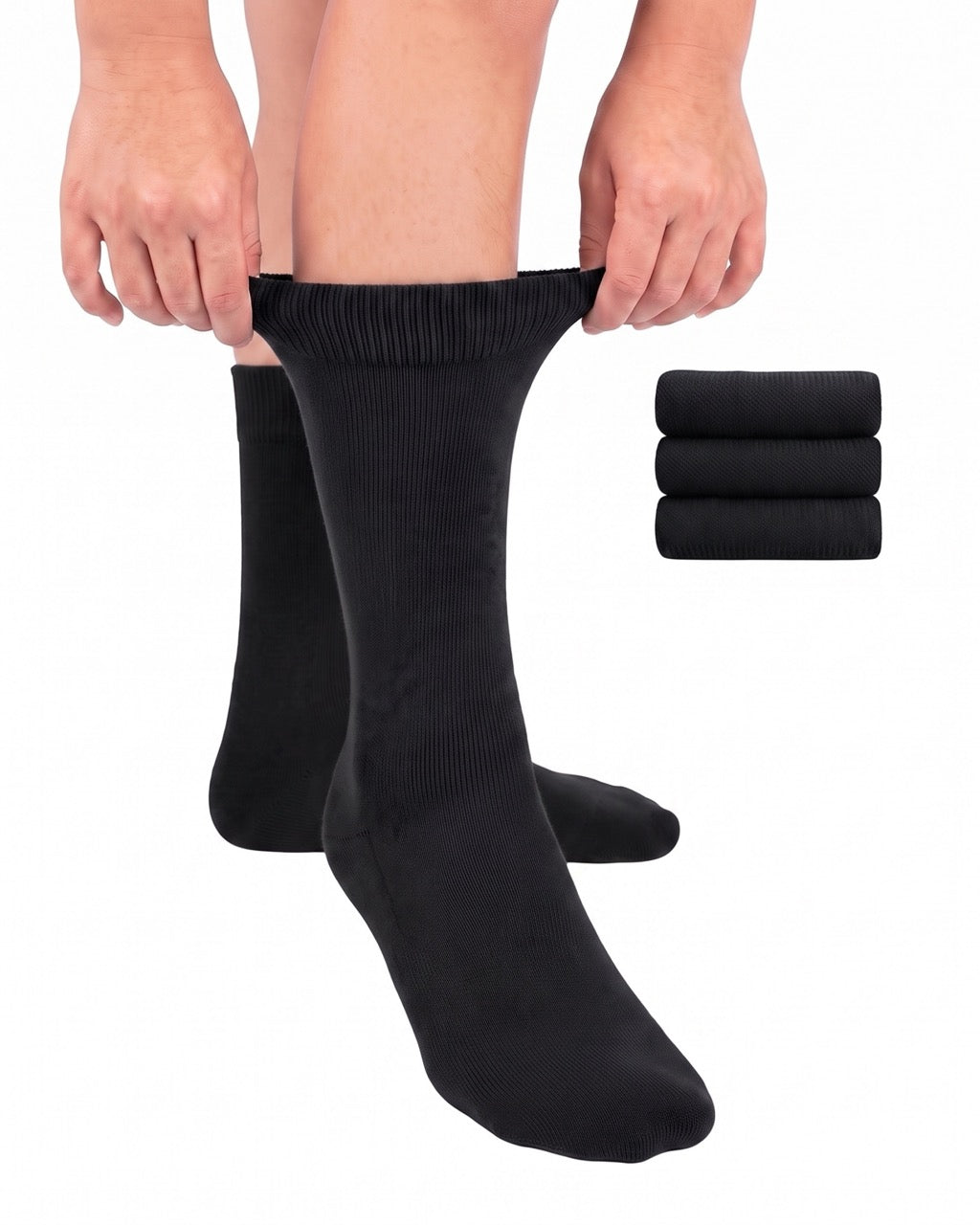
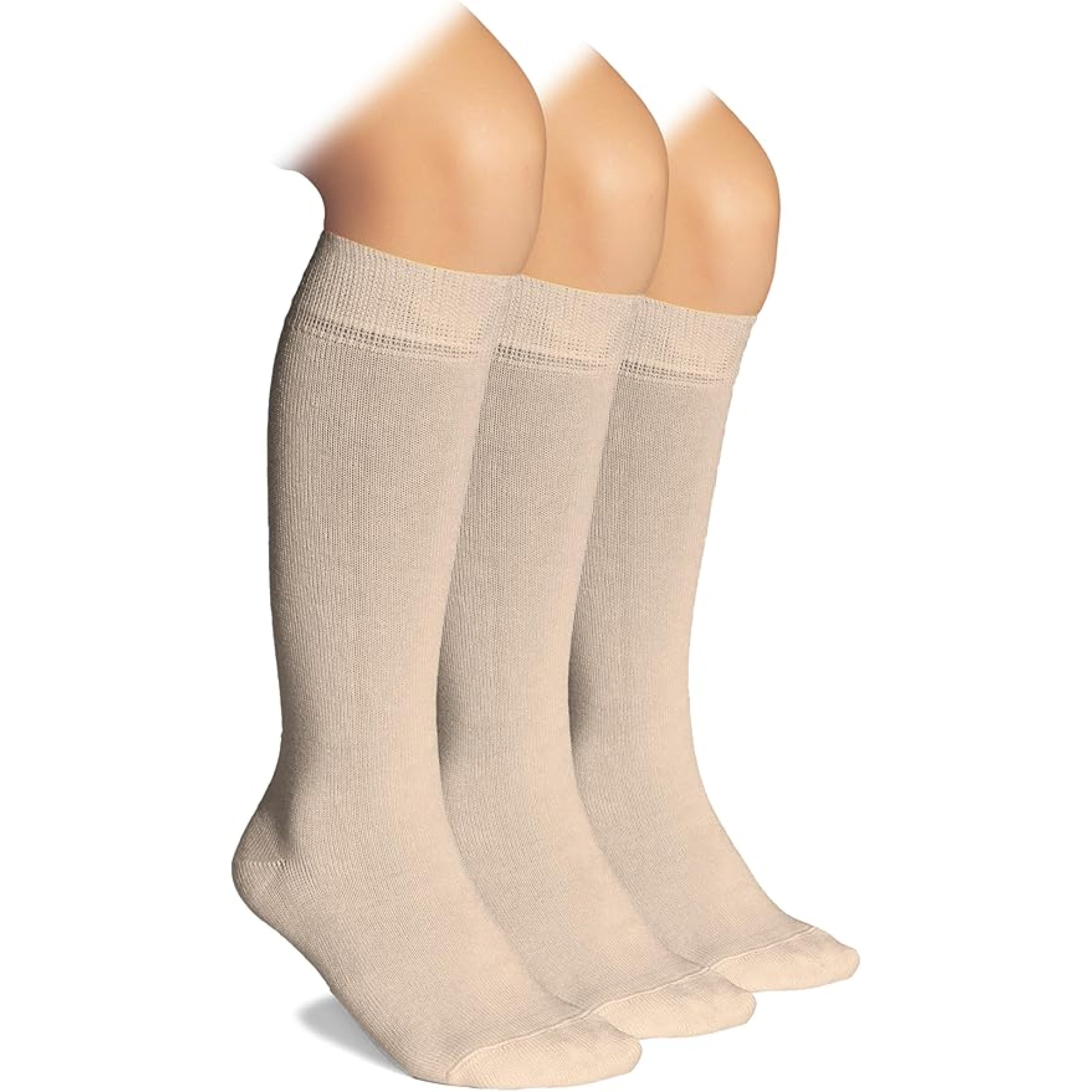


Socks leave red marks when a narrow elastic cuff presses unevenly into the leg, and the effect gets stronger over a long day because legs change size as fluid shifts. Standing for hours, sitting still at a desk, and mild swelling in the feet or ankles all make the indentation deeper. The fix is usually fit rather than fabric: relaxed, non-binding cuffs spread tension over a wider band instead of one narrow line. Soft, breathable materials such as merino wool help too, by keeping skin drier and cutting friction. Marks that are painful, persistent, or come with swelling are worth raising with a healthcare professional.
Key Takeaways
If your socks leave visible red lines around your ankles or calves, you are not alone. Many people notice that their socks leave marks after a normal day, especially when they stand for long hours or sit without much movement. While these marks may seem harmless, they often signal pressure, friction, or circulation stress that can affect overall foot comfort.
Understanding why socks leave marks and how sock design impacts your skin can help you make better choices that improve comfort as part of your daily routines.
Red marks appear when socks apply uneven pressure to the leg. Most often, this pressure comes from elastic bands that are too tight or poorly placed. When worn for a long time, these areas compress soft tissue and restrict natural movement.
Over long periods, this pressure can lead to discomfort, skin sensitivity, and visible sock marks that linger even after the socks are removed.
Traditional socks often rely on tight elastic at the cuff to prevent slipping. While effective at staying up, this design can create concentrated pressure in one narrow area.
For people who stand for long shifts, commute, or remain seated at a desk all day, legs naturally change size as fluid shifts. Tight socks do not adapt to these changes, which is why they frequently leave marks.
Mild peripheral edema - temporary swelling in the feet or ankles - is common after long days or limited movement. When swelling occurs, tight cuffs press more deeply into the skin, making sock marks more noticeable and uncomfortable.
Persistent swelling or painful indentation should be discussed with a healthcare professional, especially if it interferes with comfort or mobility.

Socks are designed in many different ways, but not all designs prioritize comfort. Construction details such as cuff tension, seam placement, and fabric stretch directly influence how socks feel against the skin.
Poorly designed socks create pressure points where fabric presses repeatedly against the same area. As you walk, sit, or move throughout the day, this pressure increases friction against the skin.
Over time, friction contributes to irritation, redness, and socks that leave marks even after short wear. Socks that reduce friction help prevent this cycle.
People with sensitive skin are especially affected by tight socks. Minor pressure or rubbing can quickly turn into itching, redness, or discomfort during normal daily routines.
Choosing socks that stretch gently and distribute pressure evenly makes a noticeable difference in how your feet and legs feel by the end of the day.
Fabric selection matters just as much as fit. Some materials trap heat and moisture, increasing irritation where socks press against the skin.
Merino wool is often recommended for its natural softness and breathability. It adapts well to temperature changes and helps manage moisture, which supports skin comfort during long wear.
By keeping the skin dry and comfortable, merino wool socks reduce friction and lower the chance that socks leave marks.
Not all socks fit the same. Tight socks rely on strong compression at the top, while loose-fit designs spread tension across a wider area.
Loose-fit socks allow natural circulation and adapt better to changes in leg size throughout the day, which helps prevent visible sock marks.
If your routine involves standing at work or sitting for long periods, your socks play a larger role than you might expect. Prolonged stillness can increase pressure in the lower legs, making tight cuffs more uncomfortable.
Socks designed for comfort support natural movement and reduce the risk of irritation during extended wear.
Occasional sock marks are common, but marks that are painful, persistent, or accompanied by swelling deserve attention. Consulting a healthcare professional can help rule out circulation or health concerns.
Socks are a small but essential part of daily comfort. When socks are designed to balance support and flexibility, they protect the skin instead of stressing it.
By choosing socks that respect circulation and reduce pressure, you can prevent irritation, minimize red marks, and make comfort a natural part of your everyday life.
Ready to shop? Explore our Diabetic Socks collection, featuring the Women's Bamboo Diabetic Ankle Thick Socks and Women's Wool Crew Socks. For more on this topic, see What Happens If You Wear Tight Socks Every Day? and What Causes Sock Marks and How Can You Prevent Them?.
This article is for general information and is not medical advice. Talk to your healthcare provider about your own feet.
Marks appear when an elastic cuff applies too much pressure in one narrow area, especially after long stretches of sitting or standing.
No. Light marks are common. Deep, painful, or persistent marks may point to excessive pressure or swelling and deserve a closer look.
Socks with relaxed, non-binding cuffs and soft, breathable materials spread pressure more evenly and are less likely to leave visible marks.
Yes. Tight socks create pressure points and friction, which may cause redness, itching, or discomfort for people with sensitive skin.
If marks are painful, last for hours, or appear together with swelling, it is best to consult a healthcare professional.

Discover All Hugh Ugoli Socks
Shop All Socks