Cart
0
You may also like

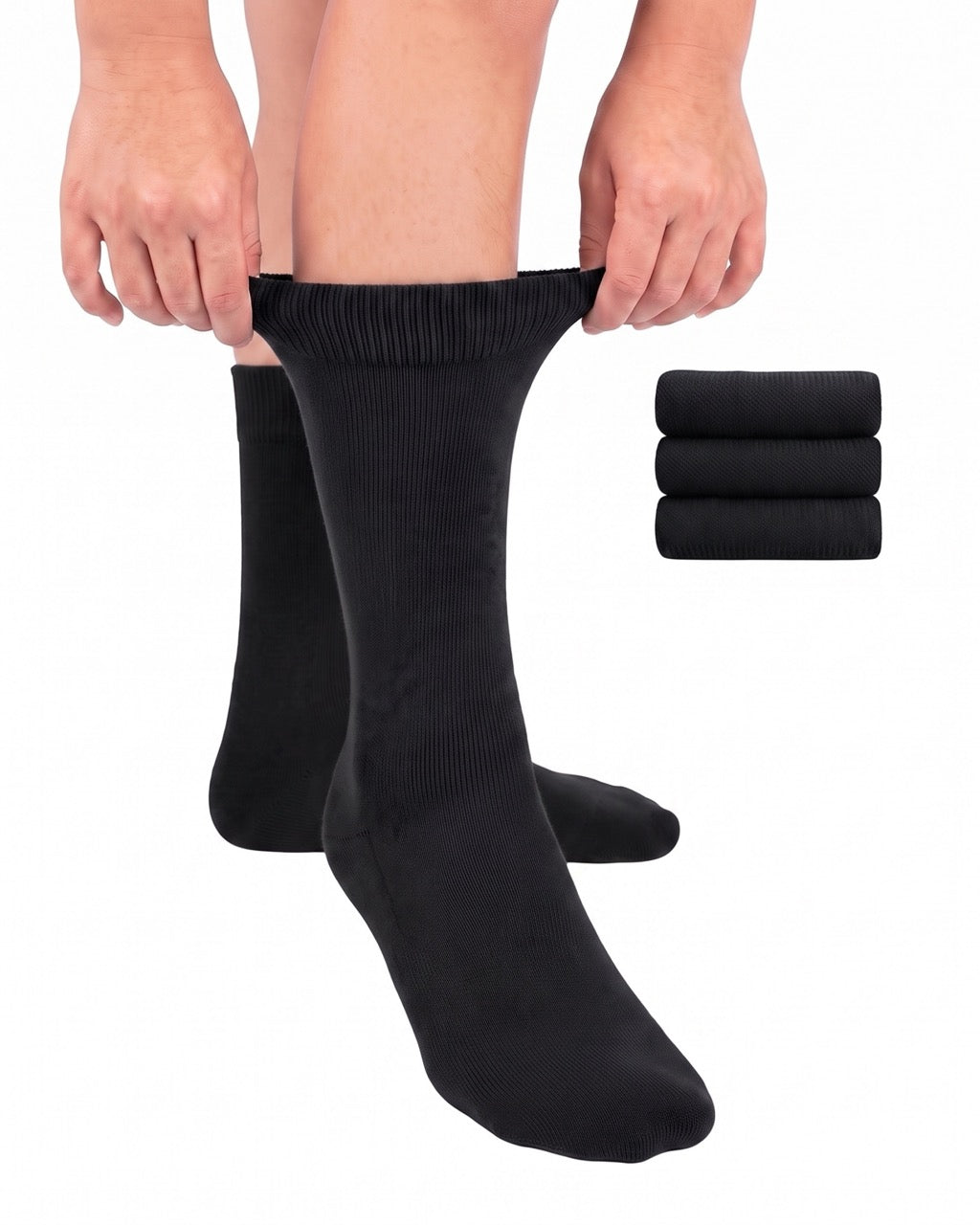
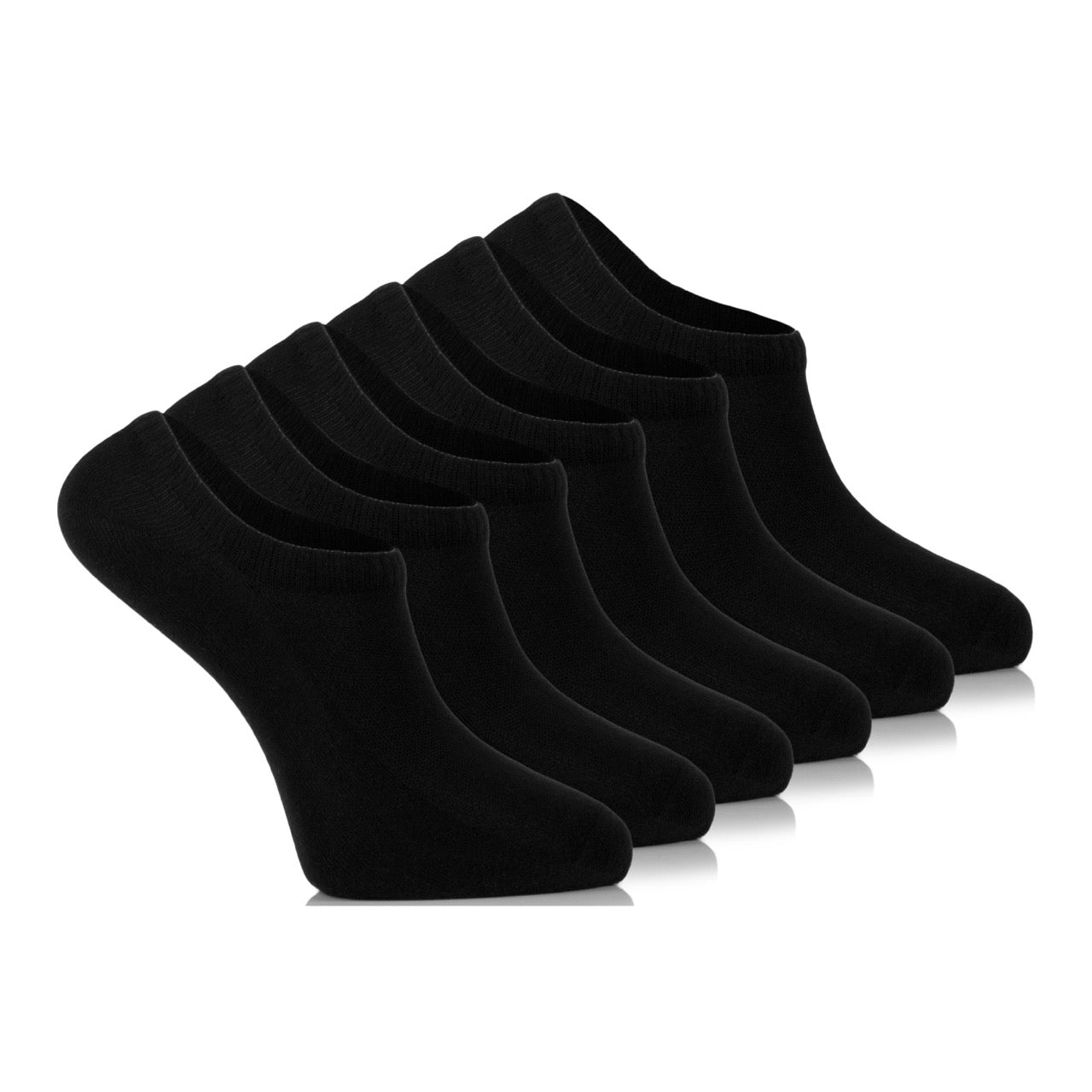
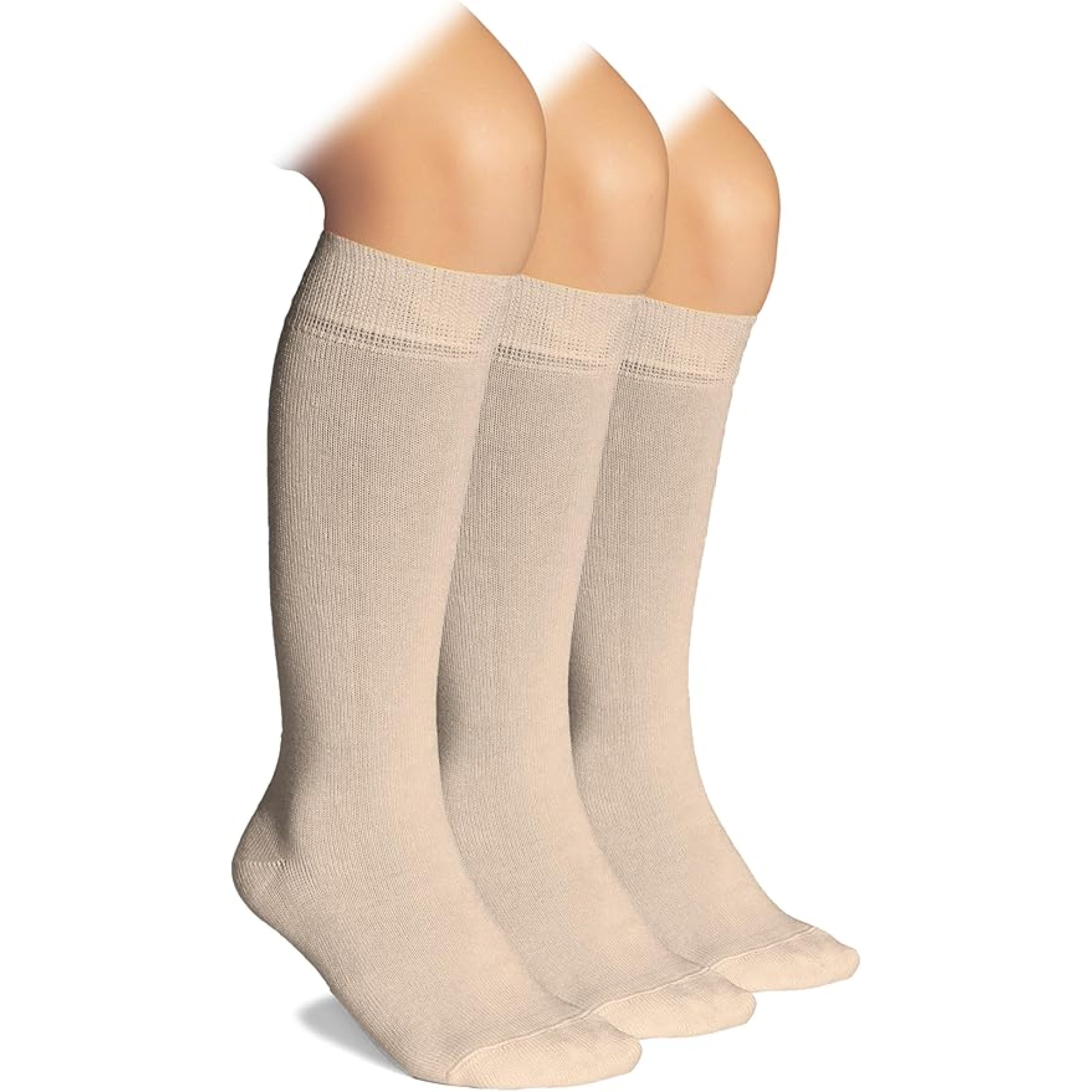


Sock marks — the indentations left by sock cuffs — are usually harmless. They happen when socks are snug or when you have been sitting or standing for a long time, and light marks that fade within 30 to 60 minutes are normal. What is worth paying attention to is marks that last for hours or appear every day, especially alongside persistent swelling, pain, redness, warmth, skin changes, or breathing symptoms. That combination can point to fluid retention or a circulation issue and is a reason to talk to a healthcare professional rather than simply change socks.
Key Takeaways
We've all noticed those lines on our legs after taking off socks — especially at the end of a long day. Sock marks are indentations left where the elastic cuff presses into your skin. In many cases, it's simply a fit issue. In other cases, marks can look deeper because the lower legs are holding onto fluid (swelling), which makes the skin more prone to indentation.
The most common reason is a snug cuff that compresses the skin. Some socks have firmer elastic bands that dig in more, especially after long wear.
Peripheral edema happens when extra fluid builds up in lower-leg tissues. Swelling makes the skin more sensitive and easier to indent — so the same sock cuff leaves deeper marks. This can be common after standing or sitting for long periods.
Fluid retention can increase sock marks — often influenced by high sodium intake, long periods of inactivity, heat, and sometimes medications. When fluid accumulates, tissue pressure rises and sock cuffs leave clearer lines.
Venous insufficiency occurs when leg veins struggle to move blood back up toward the heart. It can contribute to swelling and make sock marks more noticeable. Some people also experience varicose veins, aching, or a heavy feeling in the legs.
Occasionally, deep or worsening sock marks are a visible clue to a more significant underlying cause. The American Heart Association lists increased swelling of the legs, feet, and ankles as a recognized warning sign of heart failure — swelling like this tends to affect both legs, build up gradually, and worsen later in the day, and is usually accompanied by other symptoms like fatigue, shortness of breath, or unexplained weight gain. Similar fluid retention can also occur with kidney or liver conditions. Sock marks alone are not a diagnosis of any of these — but if you notice persistent, worsening, two-sided leg swelling along with other symptoms, it's worth bringing up with a healthcare professional rather than attributing it to sock fit alone.

Sock marks alone are not usually a problem. But if the marks are paired with symptoms that suggest swelling or circulation changes, it's worth taking action.
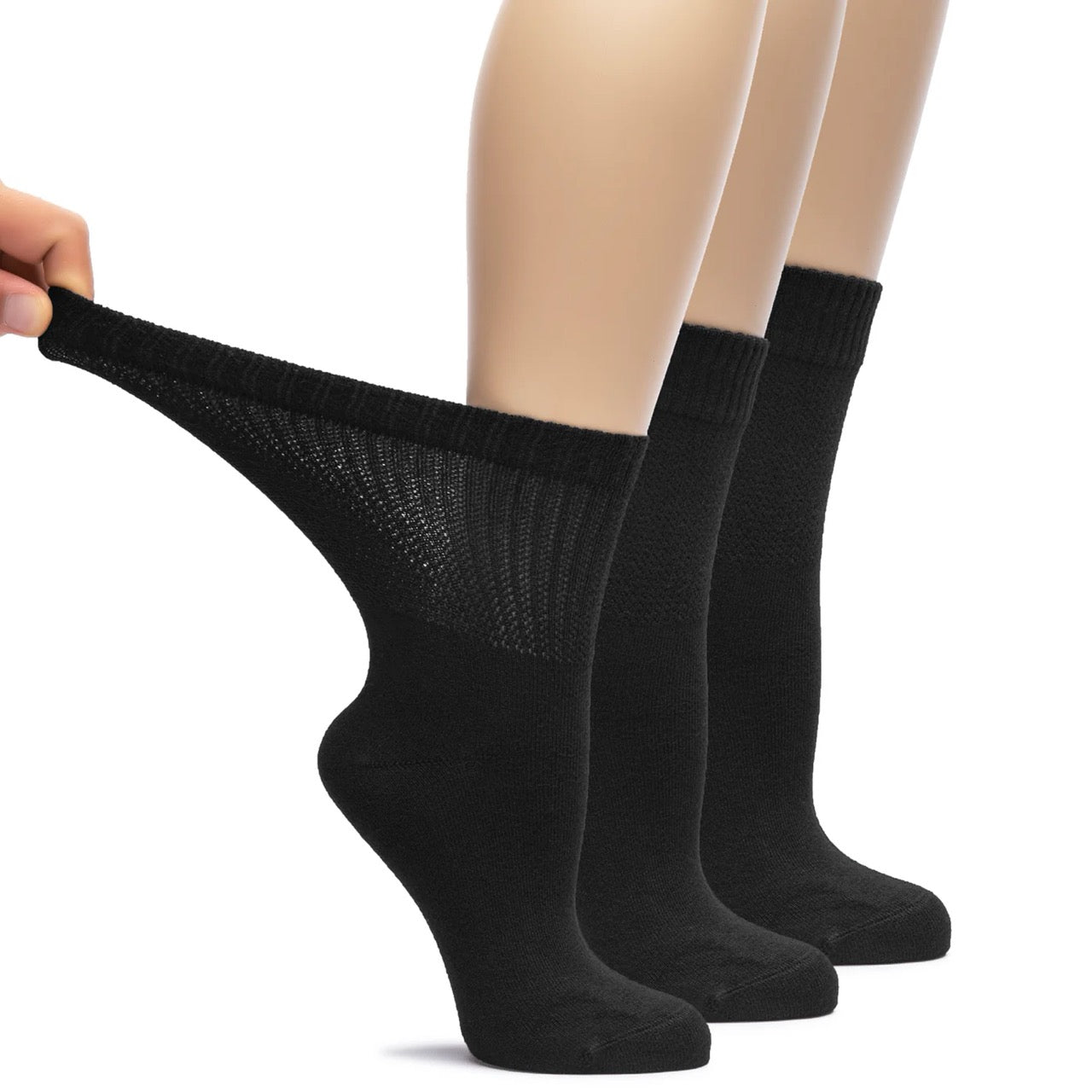
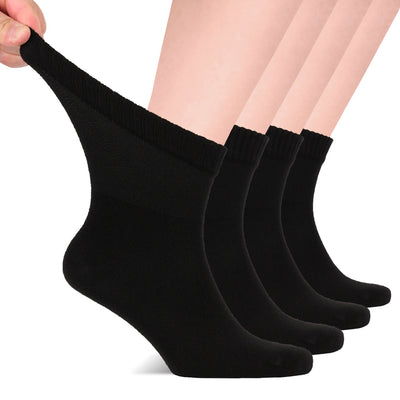
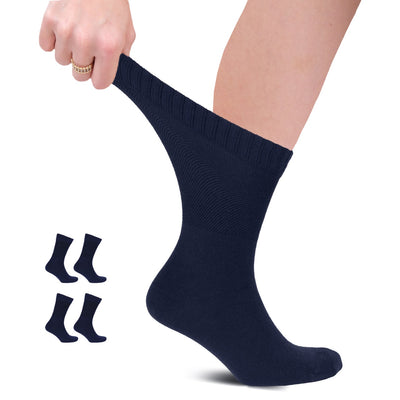
If you frequently get deep marks, try socks with a non-binding top designed to stay up without digging in. Many people prefer gentler cuffs for everyday comfort — especially if they sit or stand for long hours.
You can explore Hugh Ugoli's non-binding diabetic socks for a softer, more comfortable fit.
For specific picks, the Lightweight Diabetic Bamboo Ankle Socks for Women and Men's Lightweight Bamboo Diabetic Ankle Socks use the same non-binding, breathable bamboo construction described above, while the Unisex Cotton Diabetic Crew Socks offer the same non-binding comfort at crew height if you prefer more coverage.
If you need true medical-grade compression, it's best to choose the right compression level with a clinician.
Sock marks are usually harmless and often come down to sock fit and daily routine. But if you notice persistent swelling, pain, or skin changes, it may point to fluid retention or circulation concerns that deserve attention. Adjusting sock choice, moving more throughout the day, and elevating your legs can help reduce marks and improve comfort.
Next, you may find this helpful: What Are The Healthiest Socks For Your Feet? It covers sock features that support everyday comfort and foot health.
For more on circulation-related foot care, see Should Diabetics Wear Socks to Bed? and Is a Black Spot on the Bottom of Your Foot a Sign of Diabetes Complications?.
Source: American Heart Association, Warning Signs of Heart Failure.
This article is for general information and is not medical advice. Talk to your healthcare provider about your own feet.
No. Sock marks are often caused by snug cuffs and long wear. Persistent swelling or other symptoms are more relevant than the marks alone.
Mild sock marks often fade within 30 to 60 minutes. If marks last for hours or appear daily alongside swelling, it is worth addressing both the sock fit and the swelling triggers.
Look for socks with non-binding tops, softer cuffs, and breathable materials. Avoid tight elastic bands that dig in, and size for your evening measurement rather than your morning one.
If swelling is persistent, painful, one-sided, or comes with redness, warmth, or breathing symptoms, seek medical advice. Shortness of breath or chest discomfort warrants urgent care.
Not by themselves. But according to the American Heart Association, increased swelling in the legs, feet, and ankles is a recognized warning sign of heart failure. That type of swelling is usually two-sided, builds gradually, worsens later in the day, and comes with other symptoms like fatigue or shortness of breath. If your sock marks are part of that pattern rather than a simple fit issue, it is worth discussing with a healthcare provider.
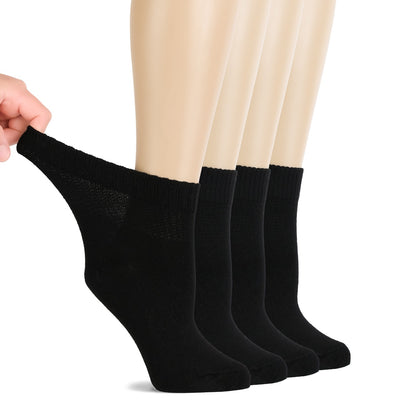
Discover All Hugh Ugoli Socks
Shop All Socks