Cart
0
You may also like
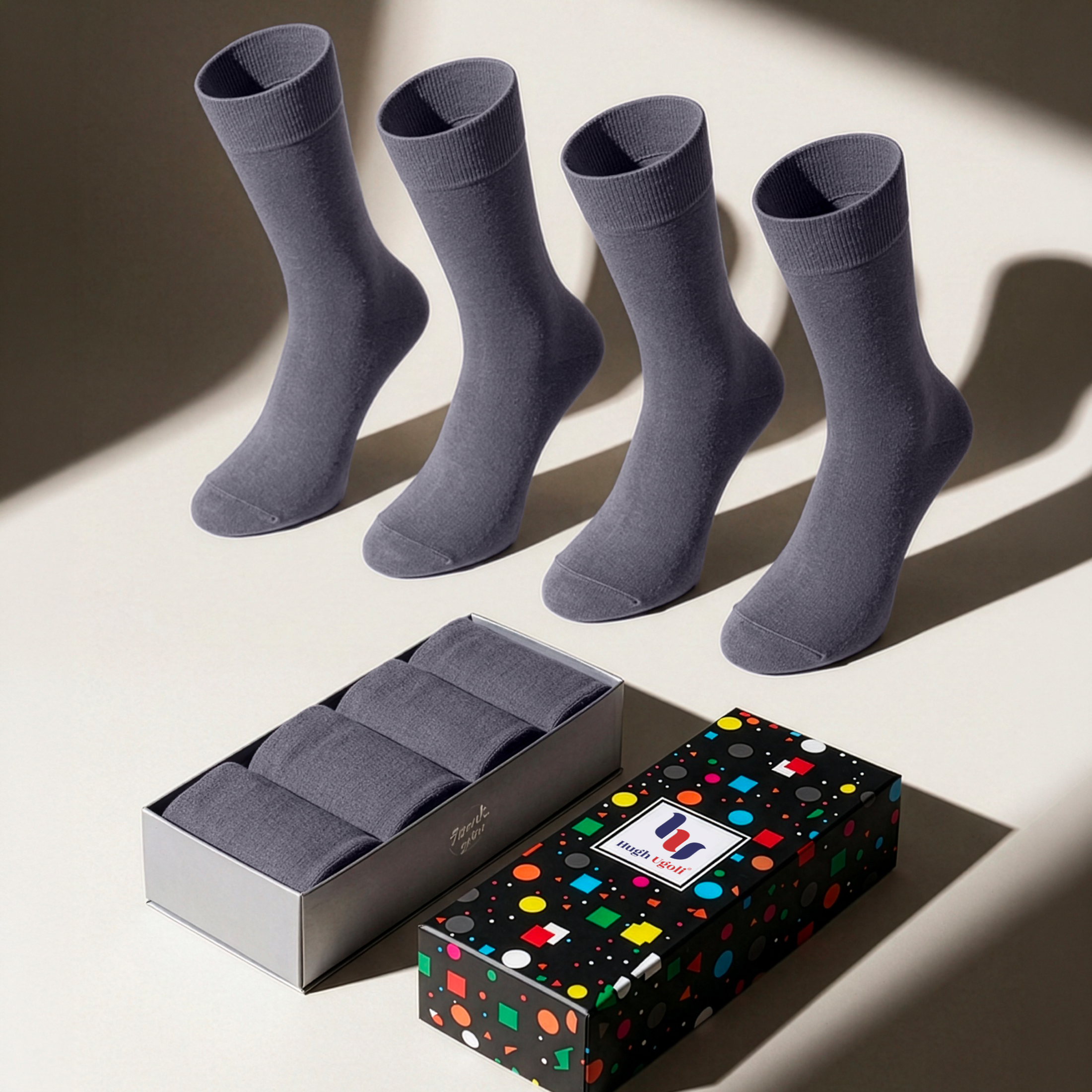
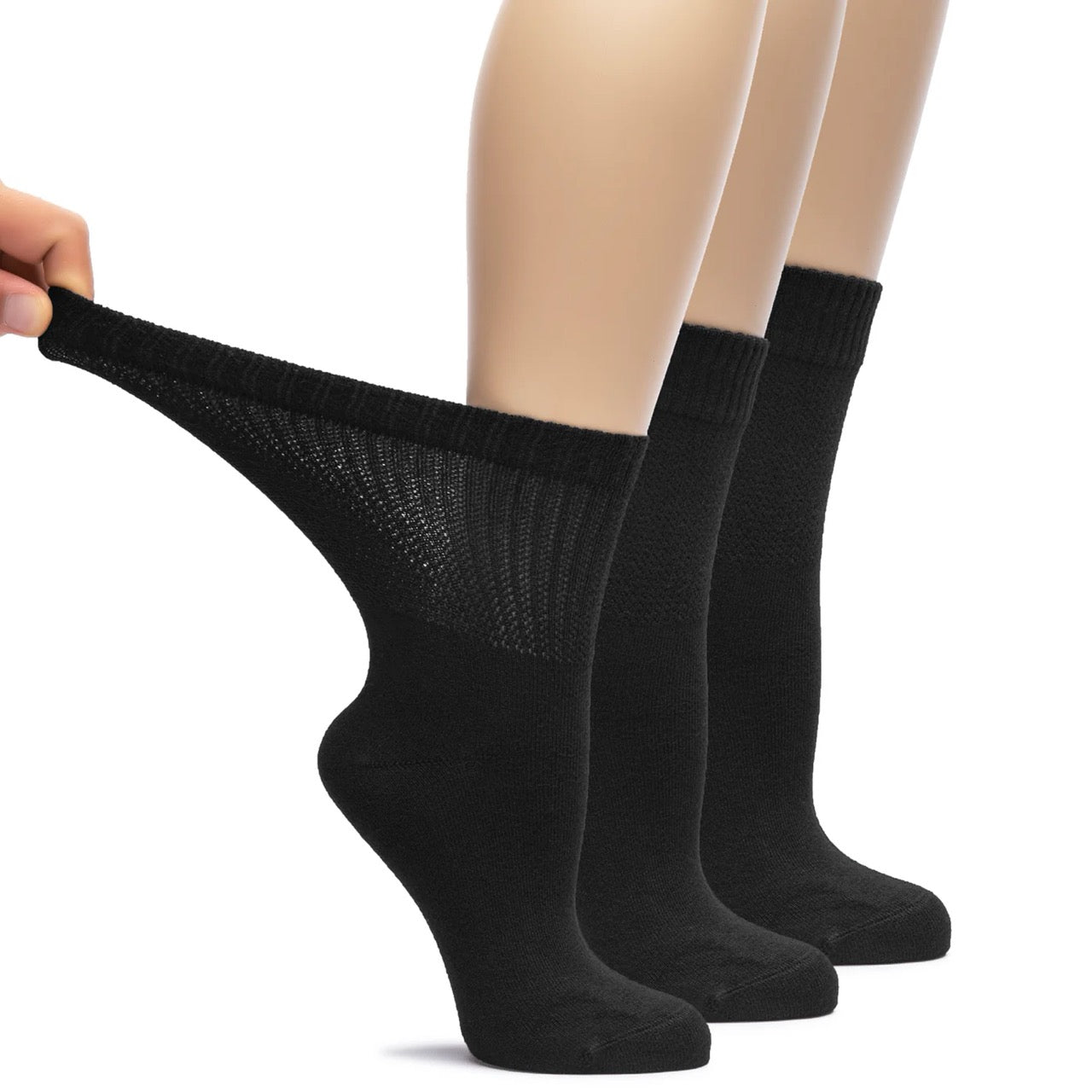
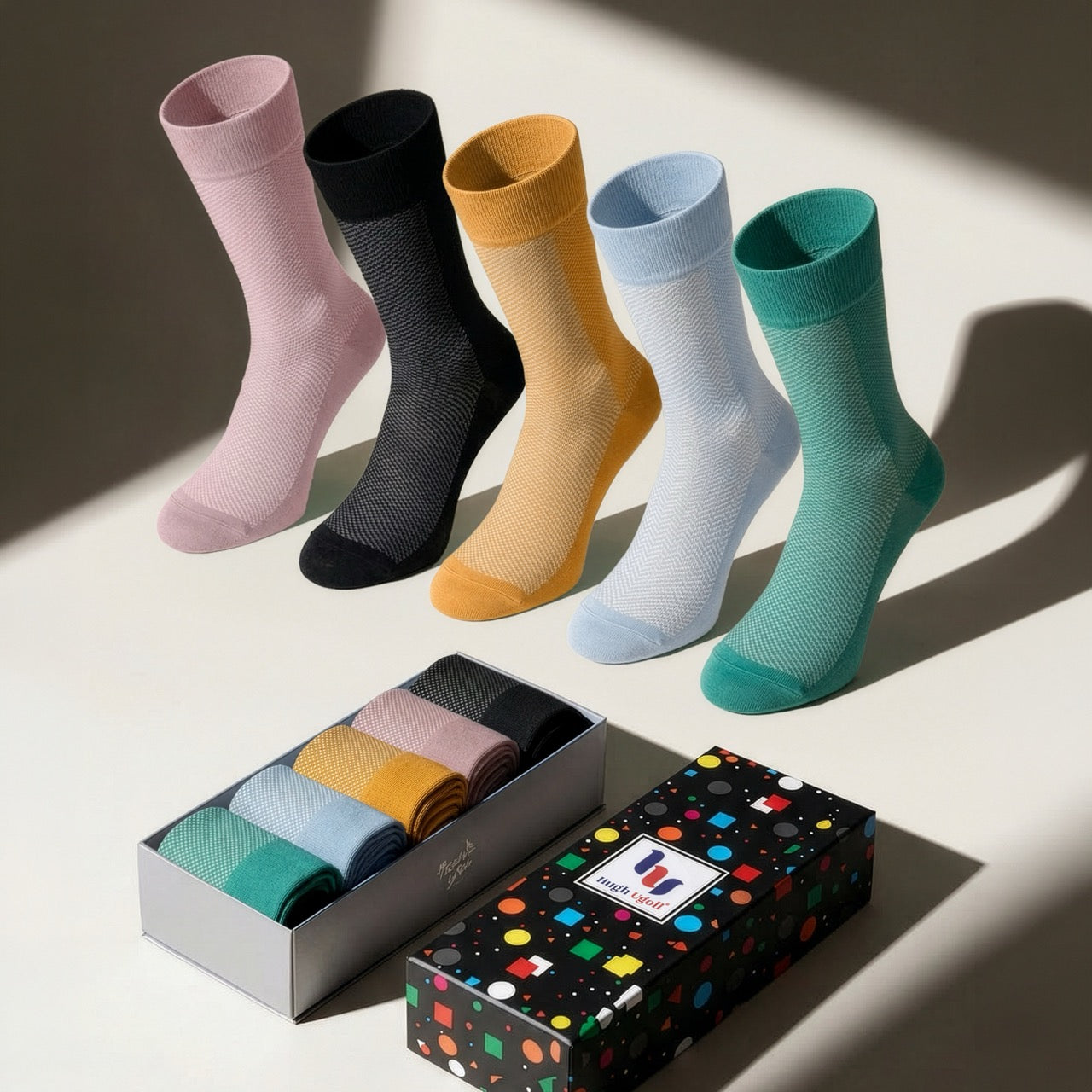
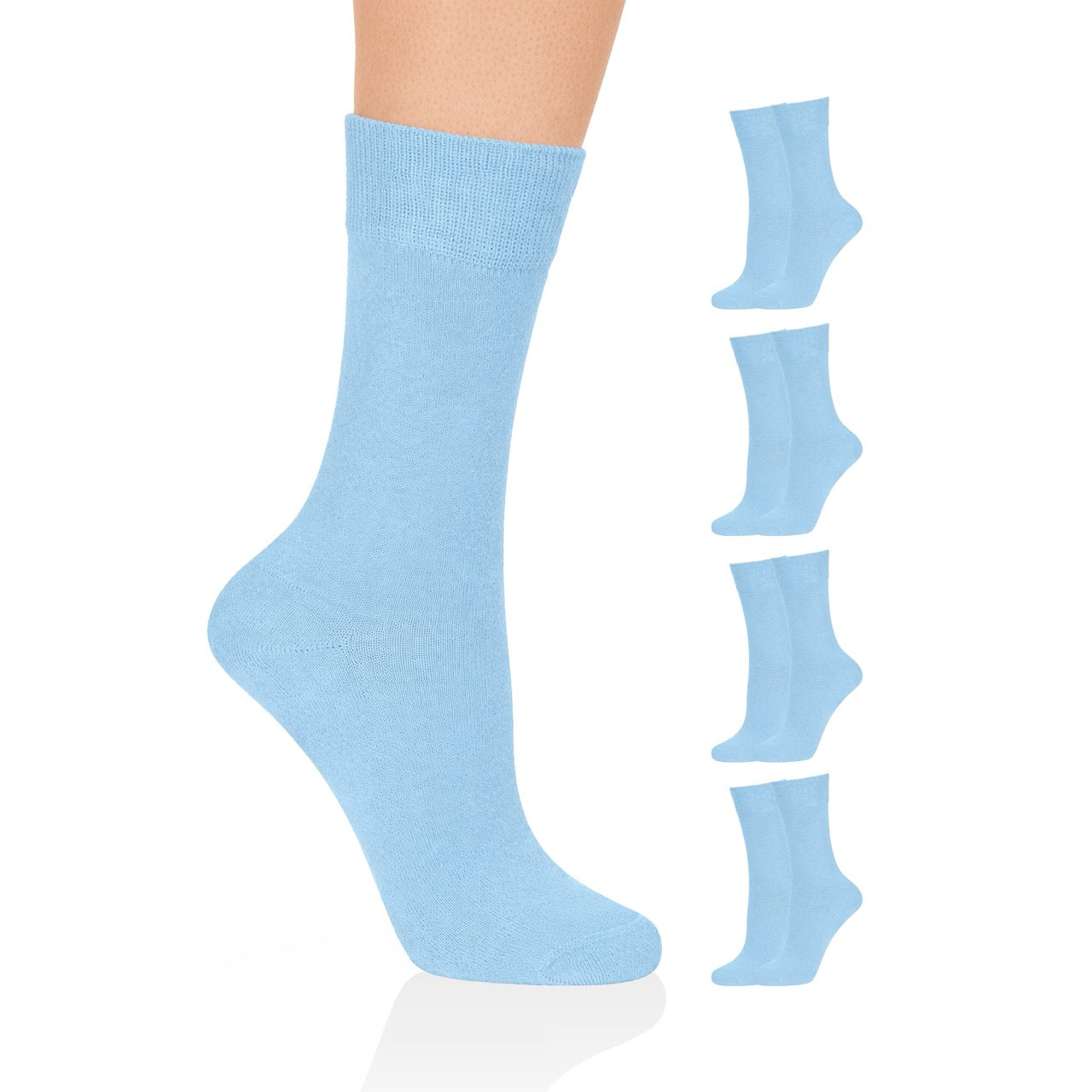
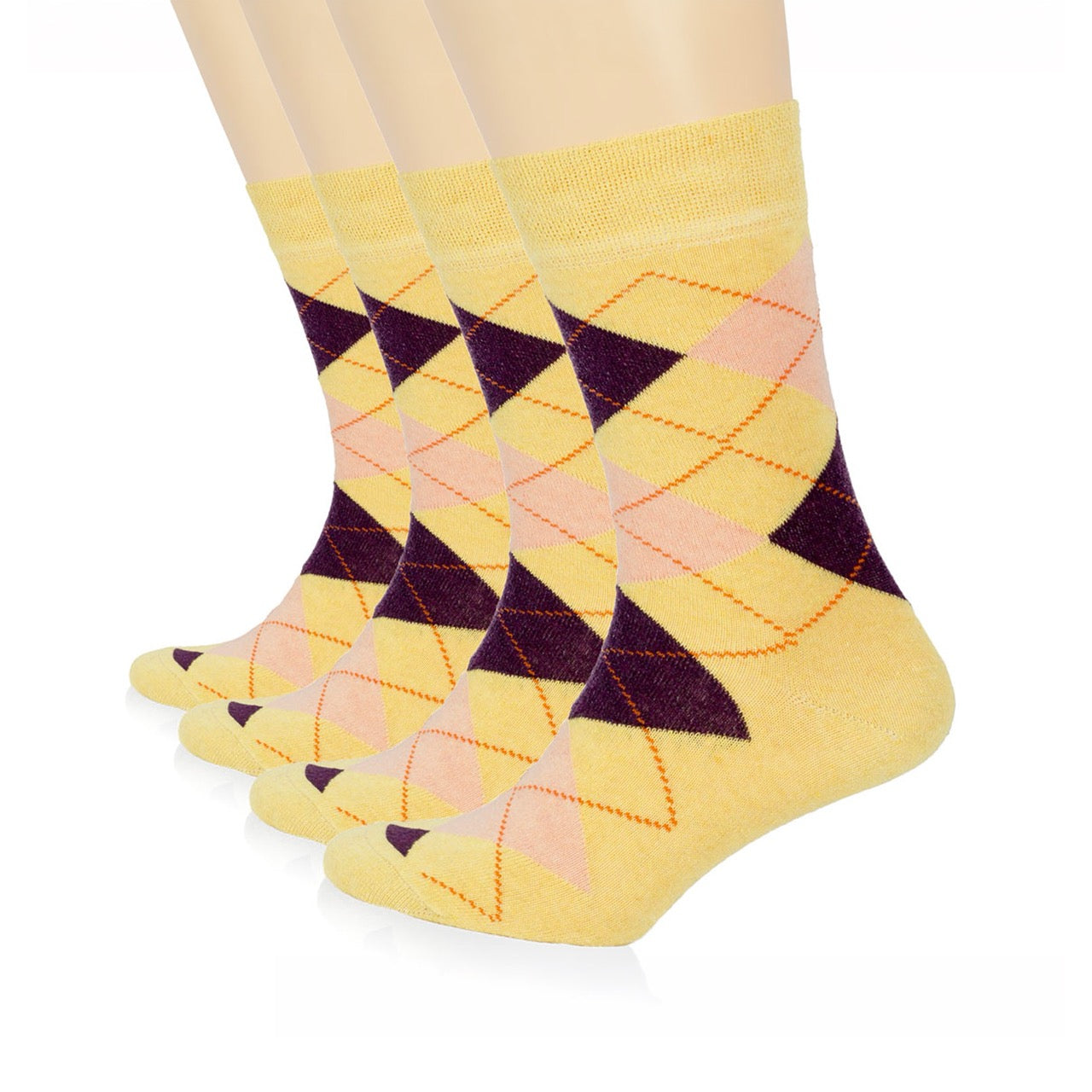
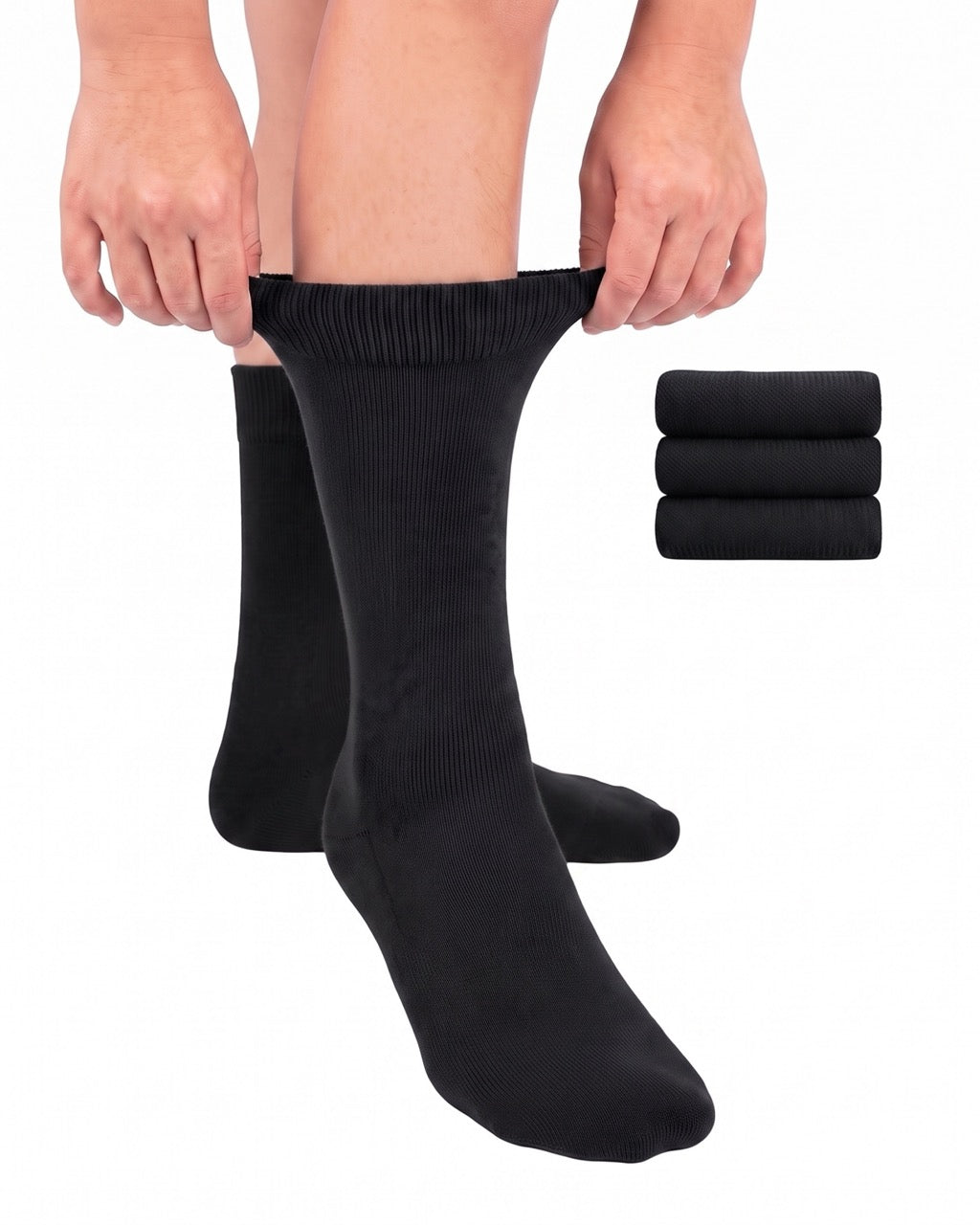


Socks may seem like a small detail, but they play a major role in comfort, foot health, and daily performance. With so many types of socks available today, choosing the right pair can make a noticeable difference in how your feet feel from morning to night.
This guide breaks down the most common sock types, how they function, and when to wear them—so you can build a sock rotation that works for everyday life, work, and changing seasons.
Most people choose socks by height or style. But sock weight—the thickness and knit density—often matters more for daily comfort. The right weight helps regulate temperature, manage moisture, and improve how your shoes feel over long hours.
Sock weight is not about how heavy a sock feels in your hand. It’s about yarn thickness, stitch density, and cushioning placement. In general, lighter weights feel cooler and lower-bulk, while heavier weights feel warmer with more padding.
Sock weight impacts how your feet feel throughout the day. The wrong weight can lead to sweaty feet, cold toes, or shoes that feel too tight. The right weight supports comfort in everyday wear, workdays, and cold-weather routines.
Ultra-lightweight socks are the thinnest option. They are designed for maximum breathability and minimal bulk. This weight works well when you want a barely-there feel and cooler wear.
Lightweight socks are an everyday favorite because they balance comfort with breathability. They provide a touch more structure than ultra-lightweight styles without feeling warm or bulky.
Midweight socks offer a stronger comfort base. They add noticeable cushioning while still managing moisture well. This is often the most versatile weight for people who walk a lot or spend long hours on their feet.
Heavyweight socks are built for maximum warmth and protection. They use thicker yarns and denser cushioning to trap heat. This weight is ideal in cold weather, but it can feel too warm indoors or in tight shoes.
Season is a simple way to narrow your choice. If your feet run warm, choose one level lighter than the season suggests. If your feet run cold, choose one level heavier.
If shoes feel uncomfortable, sock weight may be the hidden issue. Thicker socks reduce interior space and can change how a shoe feels. Lighter socks fit better in slim shoes, while heavier socks usually require roomier footwear.
The best sock weight is the one that keeps you comfortable without overheating or slipping. Think about your daily routine, the shoes you wear most, and how long you stay on your feet.

Sock material is one of the biggest factors affecting comfort, durability, and how your feet feel throughout the day. Even socks with the same height and weight can perform very differently depending on the fibers used.
The right material helps manage moisture, regulate temperature, and reduce irritation. Understanding common sock materials makes it easier to choose the best option for everyday wear, work, or cold weather.
Cotton socks are one of the most common choices thanks to their softness and breathability. They feel comfortable against the skin and work well for daily, low-impact activities.
Cotton performs best in mild conditions. In humid or very active situations, it can absorb moisture and stay damp. That’s why many modern cotton socks are blended with other fibers to improve performance.
Merino wool socks are valued for their ability to regulate temperature. Unlike traditional wool, merino fibers are fine and soft, making them comfortable for daily wear.
Wool naturally manages moisture and helps keep feet warm in cold conditions while staying breathable indoors. This makes merino wool suitable for year-round use.
Bamboo socks are known for their smooth texture and moisture-handling properties. They feel cool to the touch and are often chosen by people with sensitive skin.
Bamboo fibers help keep feet dry and can feel more breathable than standard cotton, making them a popular choice for everyday comfort.
Synthetic fibers such as polyester, nylon, and elastane are commonly used to improve sock performance. These materials add strength, stretch, and faster drying times.
Synthetic blends are often used in athletic and everyday socks to enhance durability and moisture control. On their own, they may feel less natural against the skin.
Most modern socks use blended materials to balance comfort and performance. Blends combine natural fibers for softness with synthetics for strength and stretch.
A well-designed blend helps socks keep their shape, resist wear, and stay comfortable through repeated washing.
The best sock material depends on your routine, climate, and skin sensitivity. Consider how long you wear socks each day and how active you are.
Sock material is not about trends. It’s about how your feet feel hour after hour. Once you understand materials, choosing the right socks becomes much easier.
Not all socks are meant to do the same job. The activity you’re doing and the occasion you’re dressing for should directly influence the type of socks you choose. A sock that feels great at home may not perform well during a long workday or extended time on your feet.
Choosing socks by activity helps improve comfort, reduce friction, and support overall foot health. Below is a practical breakdown of socks based on how and where they’re worn.
Everyday socks are designed for regular, all-day wear. They balance comfort, breathability, and durability without feeling too bulky or too thin.
Work socks focus on comfort during long hours of sitting or standing. They should fit smoothly inside shoes and maintain a polished appearance.
Dress socks are designed to complement formal outfits without drawing too much attention. They should stay up, feel smooth, and fit comfortably with dress shoes.
When you’re moving throughout the day or spending long hours standing, socks need to provide extra cushioning and moisture control.
Cold weather socks are built to retain warmth while still managing moisture. Thick socks without breathability can trap sweat and lead to discomfort.
Lounge socks prioritize softness and relaxation. These socks are often worn without shoes and focus on comfort rather than structure.
Travel socks are designed to stay comfortable over long periods of sitting or walking. They should reduce friction and help maintain circulation.
Wearing the wrong socks for an activity can lead to discomfort, excess moisture, and unnecessary pressure on the feet. Matching socks to activity improves how your feet feel from morning to night.
When socks align with your daily needs, they stop being an afterthought and become a quiet contributor to comfort and support.
Cushioning is one of the most overlooked aspects of sock selection, yet it plays a major role in daily comfort, impact absorption, and overall foot fatigue. The amount of cushion in a sock should match how much pressure your feet experience throughout the day.
Socks by cushion level are typically categorized from no cushion to full cushion. Each level serves a different purpose depending on footwear, activity, and personal comfort preferences.
No-cushion socks are thin and lightweight, designed to create minimal bulk inside shoes. They rely on the shoe itself for structure and impact protection.
Light cushion socks add subtle padding in high-impact areas like the heel and ball of the foot without significantly increasing thickness. They offer a balance between comfort and a sleek fit.
Medium cushion socks provide noticeable padding throughout the sole. This level of cushioning helps reduce pressure on the feet during long periods of standing or walking.
Full cushion socks feature thick padding across the entire footbed. They are designed to absorb impact, retain warmth, and reduce fatigue during extended wear.
Cushioning isn’t only about thickness — placement is equally important. Some socks focus cushioning on pressure zones such as the heel, toes, and arch, while keeping other areas lighter for breathability.
Strategic cushioning helps reduce friction, supports natural foot movement, and prevents soreness without overheating the feet.
The right cushion level depends on your footwear, daily activity, and sensitivity. Too little cushion may cause discomfort, while too much can feel bulky or restrict movement.
Matching cushion level to your lifestyle ensures socks support your feet rather than work against them.
Sock patterns play a bigger role than just decoration. They influence how socks fit into outfits, how noticeable they are, and how confidently people express personal style. From classic solids to bold graphics, patterns help socks move from a basic necessity to a style choice.
Choosing socks by pattern allows you to match footwear to mood, occasion, and outfit without sacrificing comfort or function.
Solid socks are the most versatile option. They blend easily into outfits and work across professional, casual, and everyday settings.
Striped socks add visual interest without overwhelming an outfit. Vertical or horizontal stripes can subtly elevate everyday looks.
Patterned socks feature repeated shapes, textures, or motifs. They offer personality while remaining wearable for everyday use.
Statement socks are designed to be noticed. They often feature bright colors, large graphics, or unexpected designs.
Seasonal socks reflect holidays, weather, or special occasions. They’re often worn for fun, gifting, or relaxed settings.
The best sock pattern depends on how visible you want your socks to be. Some people prefer socks that blend in, while others enjoy making them a feature.
Solid patterns support versatility, while bold patterns support self-expression. Both choices work best when aligned with comfort, fit, and personal style.
If you want a deeper breakdown of sock lengths (ankle, crew, knee-high, and more) and when each one makes sense, you can also explore our guide on sock heights here: Sock Heights Explained: A Complete Guide to Choosing the Right Length.
Start with where you’ll wear them most. For long workdays and errands, choose breathable everyday crew socks with a stable fit. For formal settings, pick thinner dress socks that sit smoothly inside dress shoes. For cold weather or outdoor time, use warmer boot socks designed to manage moisture and retain heat.
Light cushion works well for most everyday wear because it adds comfort without bulk. Medium cushion is a better choice for long periods of standing or walking. Full cushion is best for winter, boots, and higher-impact days when you want maximum softness and warmth.
Yes. Thick socks can crowd your shoes, reduce toe space, and increase rubbing. If your footwear feels tight or your toes feel pressured, step down to a lighter cushion level or choose a thinner sock style that still manages moisture.
Use solid socks for clean, minimal outfits and professional settings. Stripes and small patterns add personality while staying versatile. Bold patterns work best when the rest of your outfit is simple so socks can be the focal point.
Not necessarily. Pattern is mainly a style choice. What matters for comfort is the material, construction, and fit. A high-quality patterned sock can perform just as well as a solid sock if it’s made with breathable fibers and a supportive fit.
Choose the correct size and a cuff that holds without digging in. A secure heel pocket and enough stretch help socks stay in place. If socks slide down often, the elastic may be worn out or the sock style may be too short for your shoe type.
Sock height should match your footwear and the coverage you need. Ankle socks work well with sneakers and warmer days. Crew socks are a dependable everyday choice. Knee-high socks provide extra coverage and warmth, especially in colder seasons or with boots. For a complete breakdown of sock lengths, refer to the sock heights guide linked above.
Prioritize comfort and function first: proper fit, breathable material, and the right cushion for your day. Next, choose height based on your shoes and weather. Pattern comes last and should support your personal style without sacrificing comfort.
He has been working for more than 20 years in the textile industry and has work experience in many parts of the world.