Cart
0
You may also like
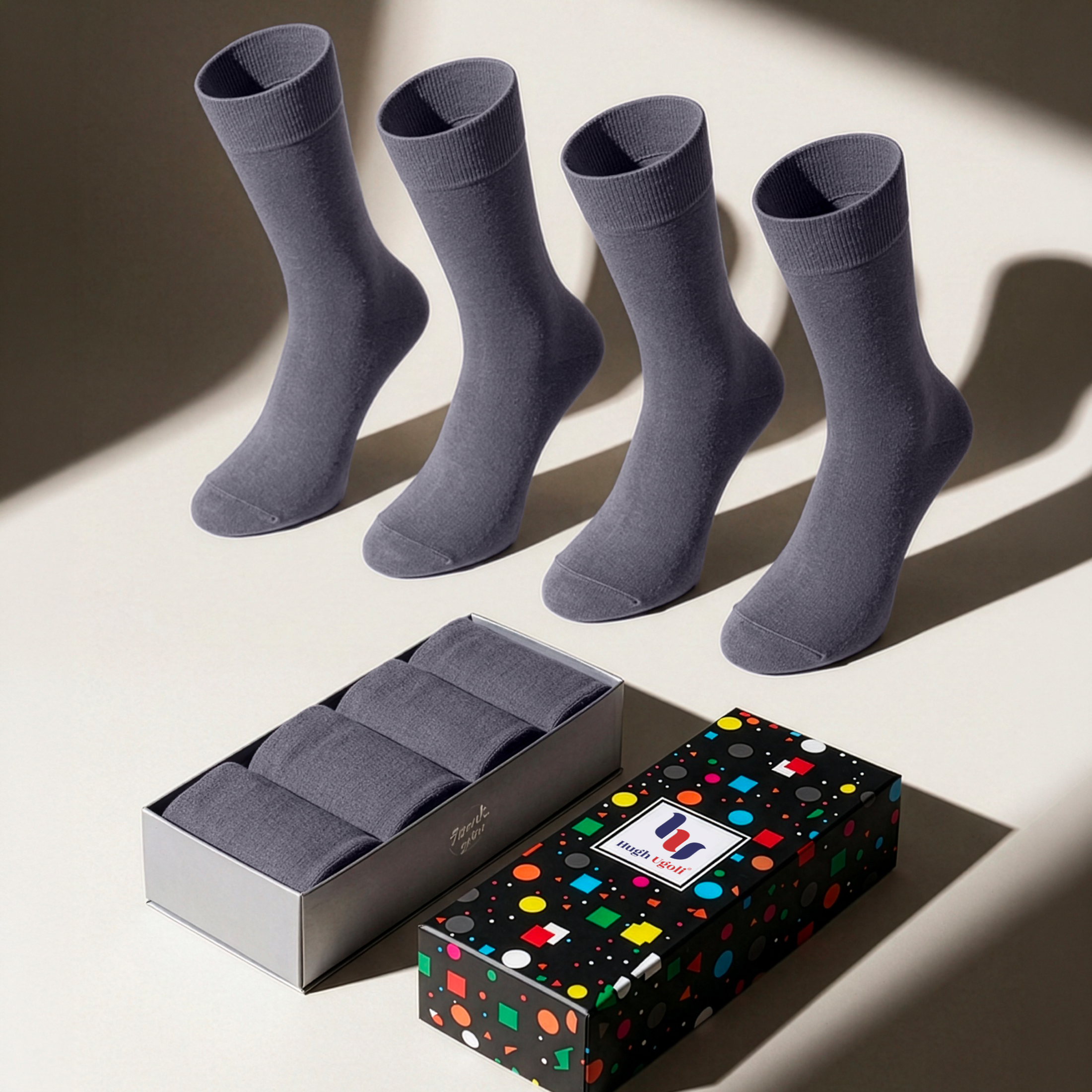
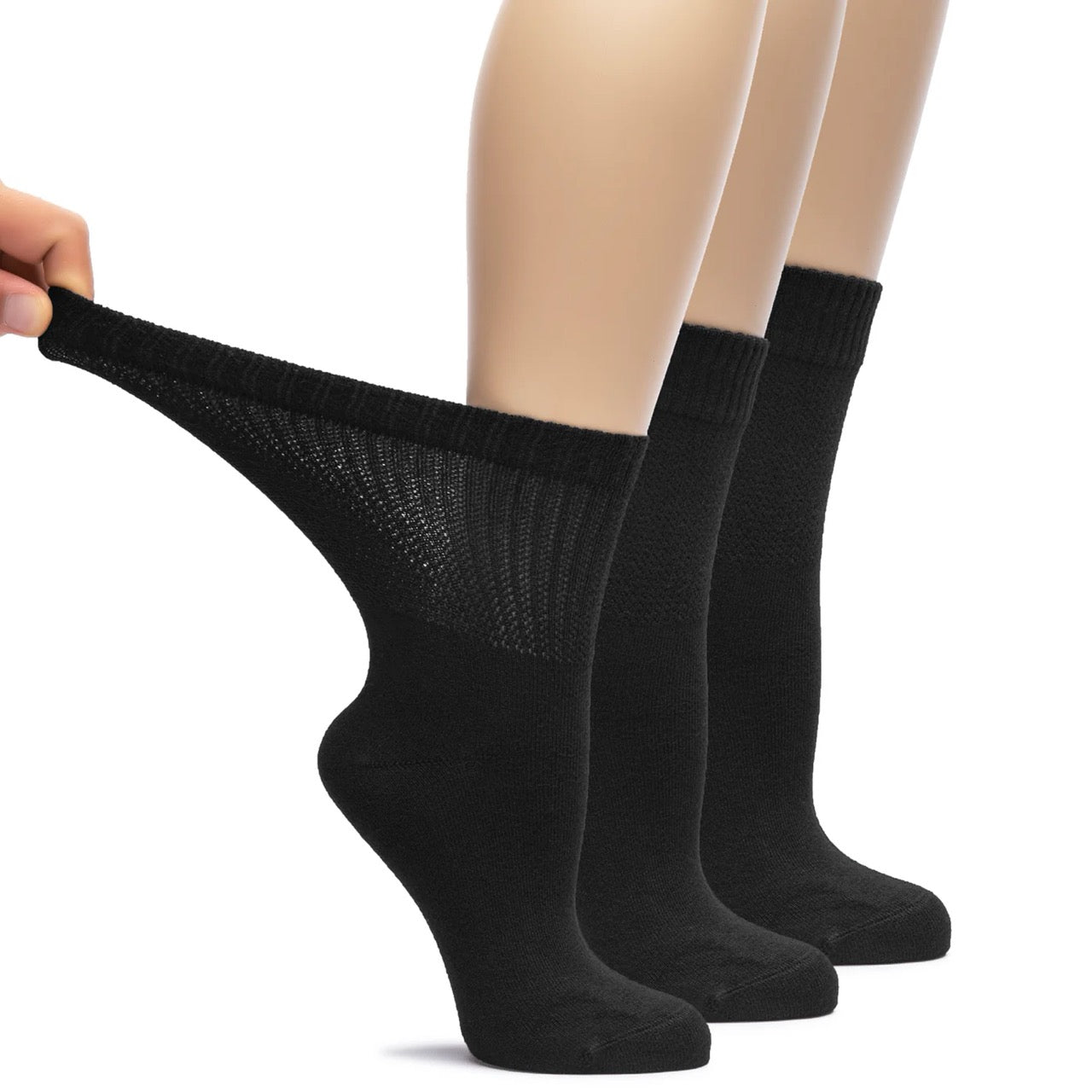

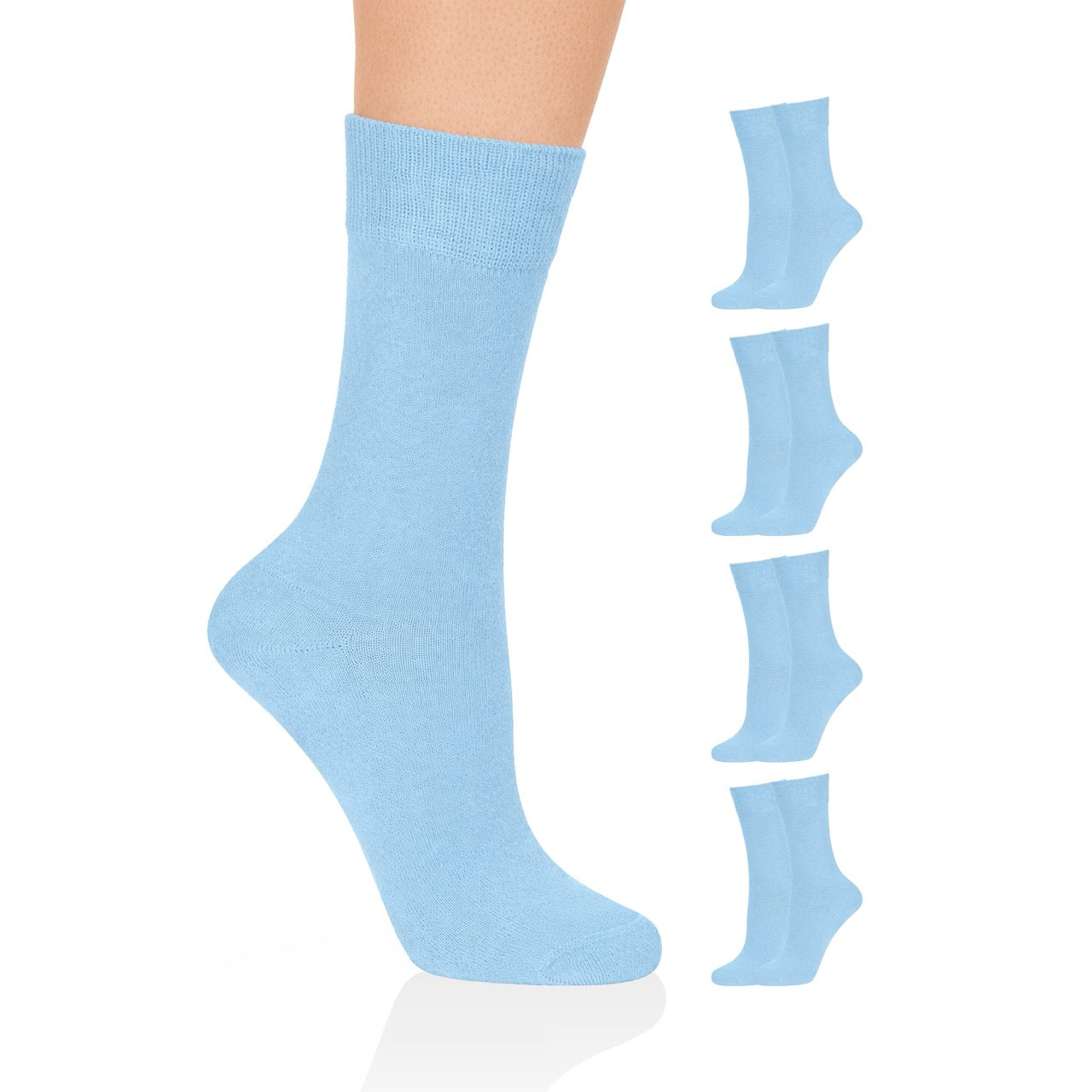
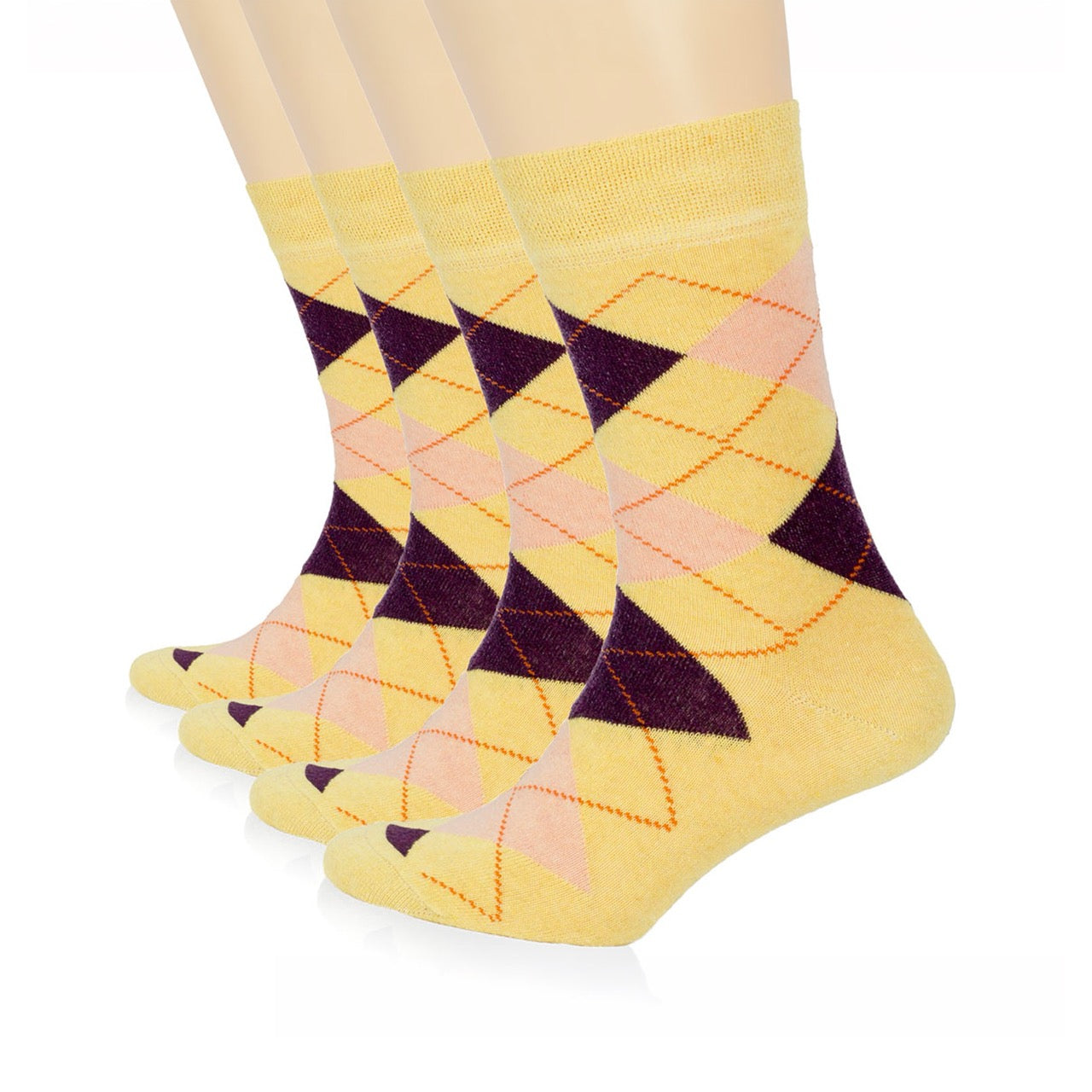
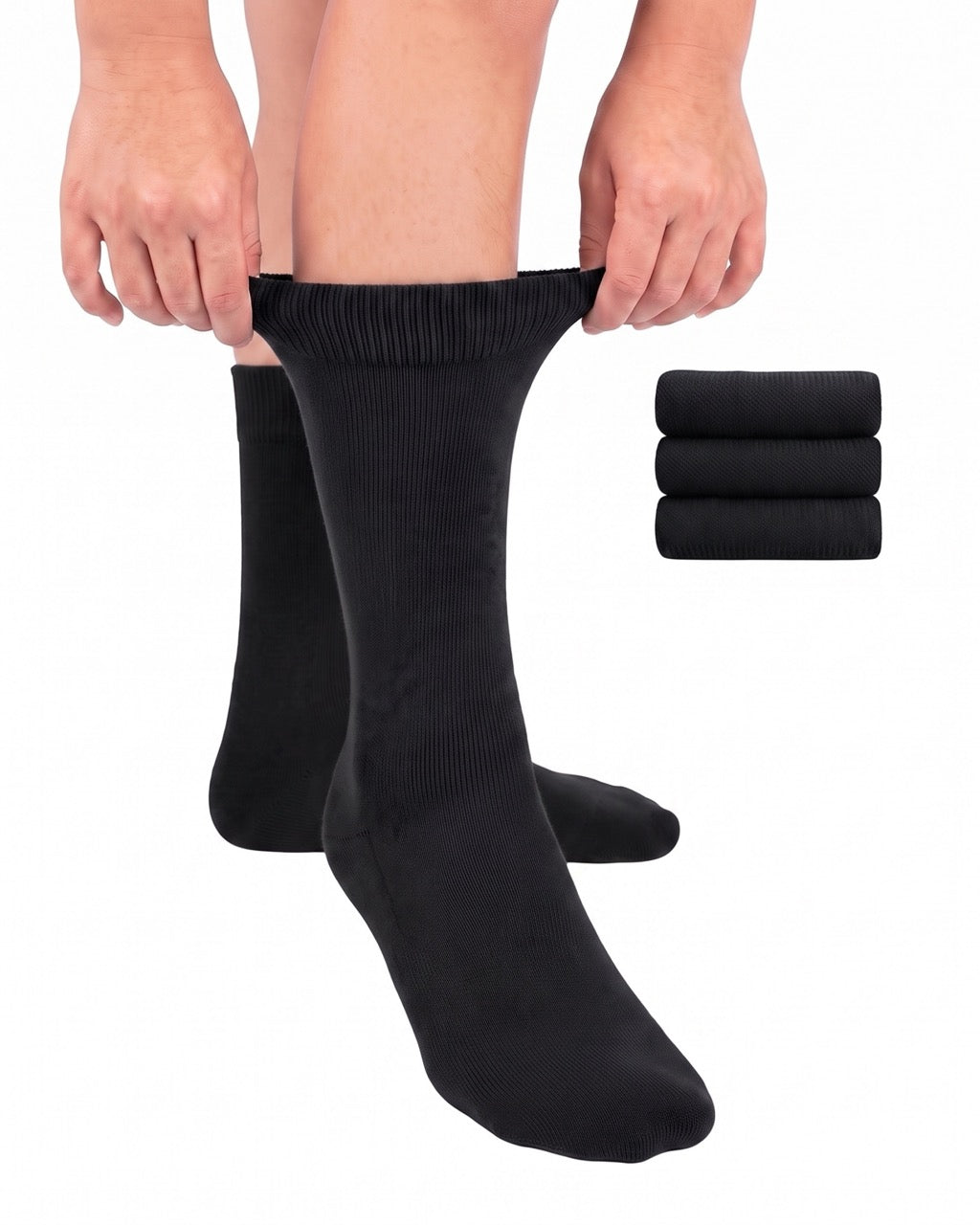


Most people focus on how they wash your socks, but overlook one critical factor: how socks are stored. Poor storage habits can undo even the best washing routine, leading to stretched cuffs, faded fibers, trapped moisture, and early signs of wear and tear. With a few practical changes, you can significantly extend the life of your socks while keeping every pair of socks in good condition.
Proper sock storage isn’t about aesthetics—it’s about proper care, fabric preservation, and long-term foot health. Here’s how to store socks the right way.
Socks are made to stretch, flex, and absorb moisture during daily wear. When stored incorrectly, fibers stay under tension or trap residual moisture, which weakens elasticity and encourages odor or fungal infections. Even high quality socks won’t last if storage habits are poor.
Socks should never go into a drawer while even slightly damp. Proper air drying after washing is essential to prevent bacteria growth and fabric breakdown. Moisture trapped in drawers is one of the biggest causes of premature sock damage.
Excessive heat from hot water washing or high dryer settings weakens fibers before socks ever reach storage. Washing in cold water and using a gentle cycle protects socks before they’re put away.
Rolling socks into tight balls stretches elastic cuffs over time. This is especially damaging for cotton socks and moisture-sensitive blends. Rolled storage keeps fibers under constant tension, even when socks aren’t worn.
Laying socks flat allows the fabric to fully relax. Simply fold socks in half or thirds without stretching the cuff. This method keeps elasticity intact and helps socks maintain their original shape.

A cluttered sock drawer increases friction between fabrics. When socks rub against zippers, seams, or heavier garments, fibers weaken faster. Store socks separately to protect their structure.
Separating everyday socks from thicker or specialty pairs helps reduce unnecessary compression and abrasion. Socks with moisture wicking properties also benefit from being stored away from heavy fabrics.
Dust, humidity, and lack of airflow inside drawers can degrade fabrics over time. Clean drawer liners and ensure proper ventilation to keep socks fresh. Dry environments support both sock longevity and foot health.
Clean, dry socks stored correctly reduce the risk of odor, skin irritation, and fungal infections. Socks that retain their shape also provide better support and comfort when wearing socks all day.
Sock care doesn’t stop after laundry day. Washing socks properly—using cold water, avoiding fabric softener, and choosing a gentle cycle— prepares socks for successful long-term storage.
When washing and storage habits align, socks stay soft, maintain elasticity, and remain in good condition far longer than expected.
Even with excellent care, socks don’t last forever. Thinning fabric, loose cuffs, or persistent odor are clear indicators that socks have reached the end of their lifespan. Storage helps delay this—but doesn’t prevent natural aging.
Folding socks flat is best. Rolling stretches elastic and shortens sock life.
Yes. Storing socks fully dry in a clean, ventilated drawer reduces moisture buildup.
Yes. Residue from fabric softener attracts moisture and weakens fibers over time.
Every few months is ideal to remove worn pairs and prevent overcrowding.
He has been working for more than 20 years in the textile industry and has work experience in many parts of the world.