Cart
0
You may also like

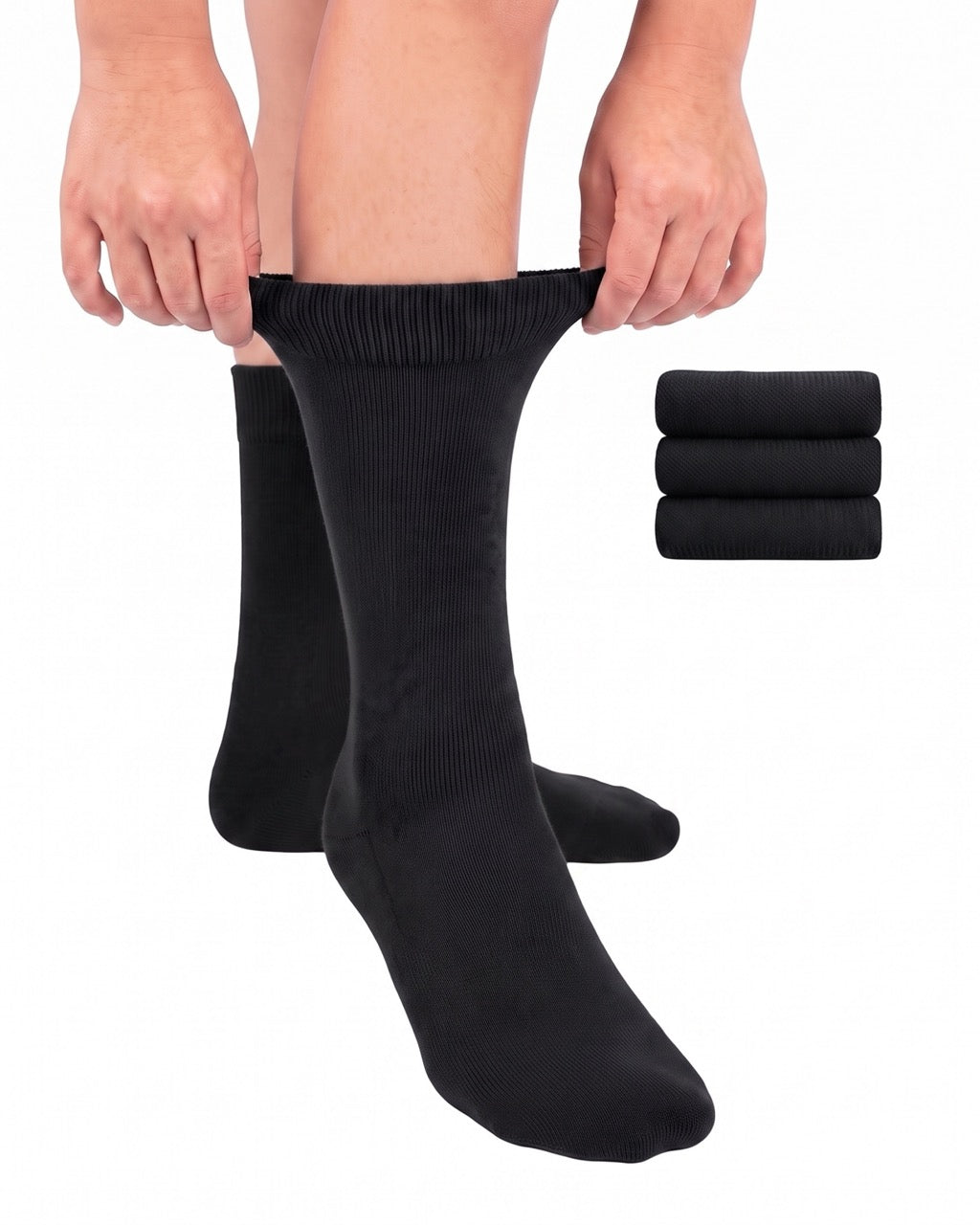
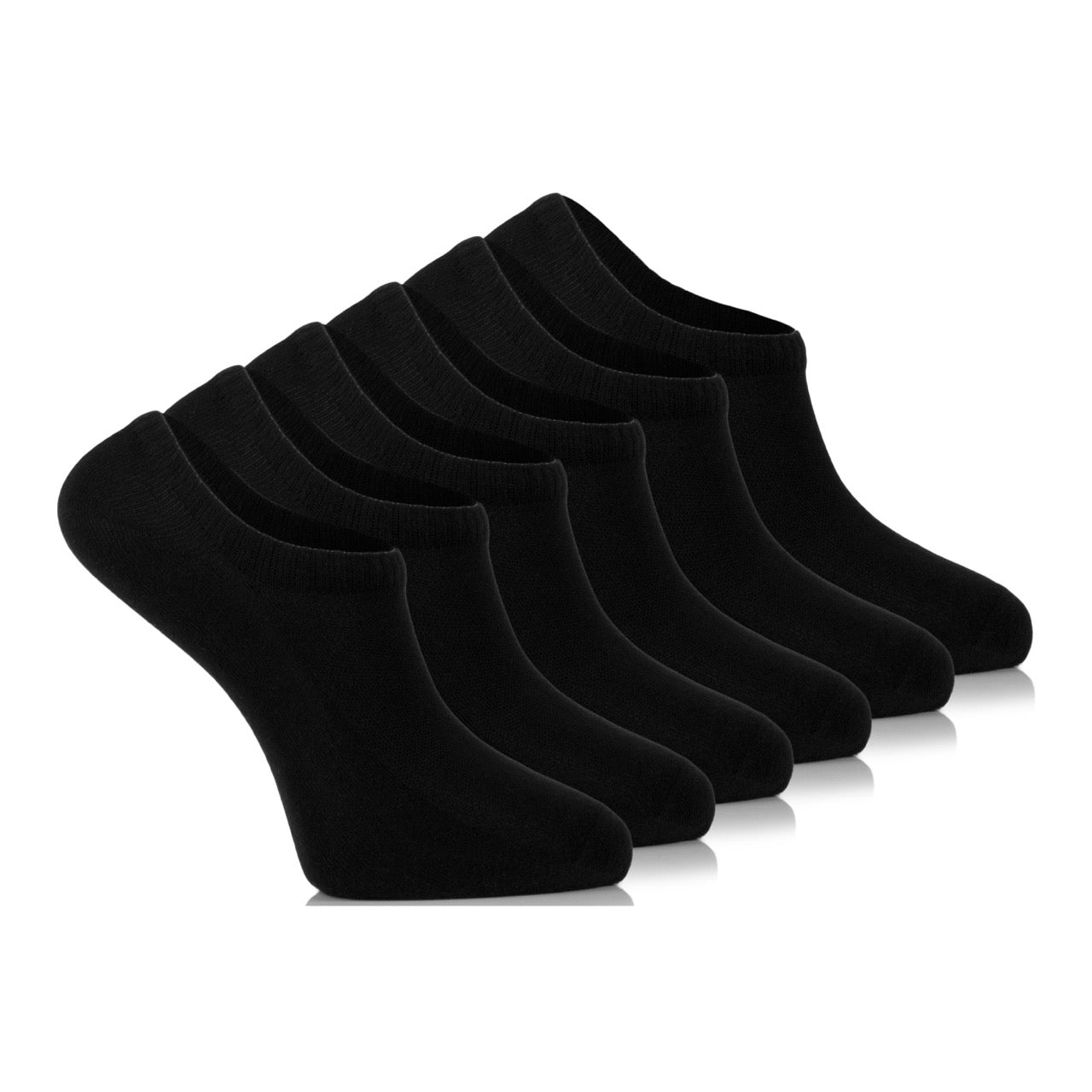
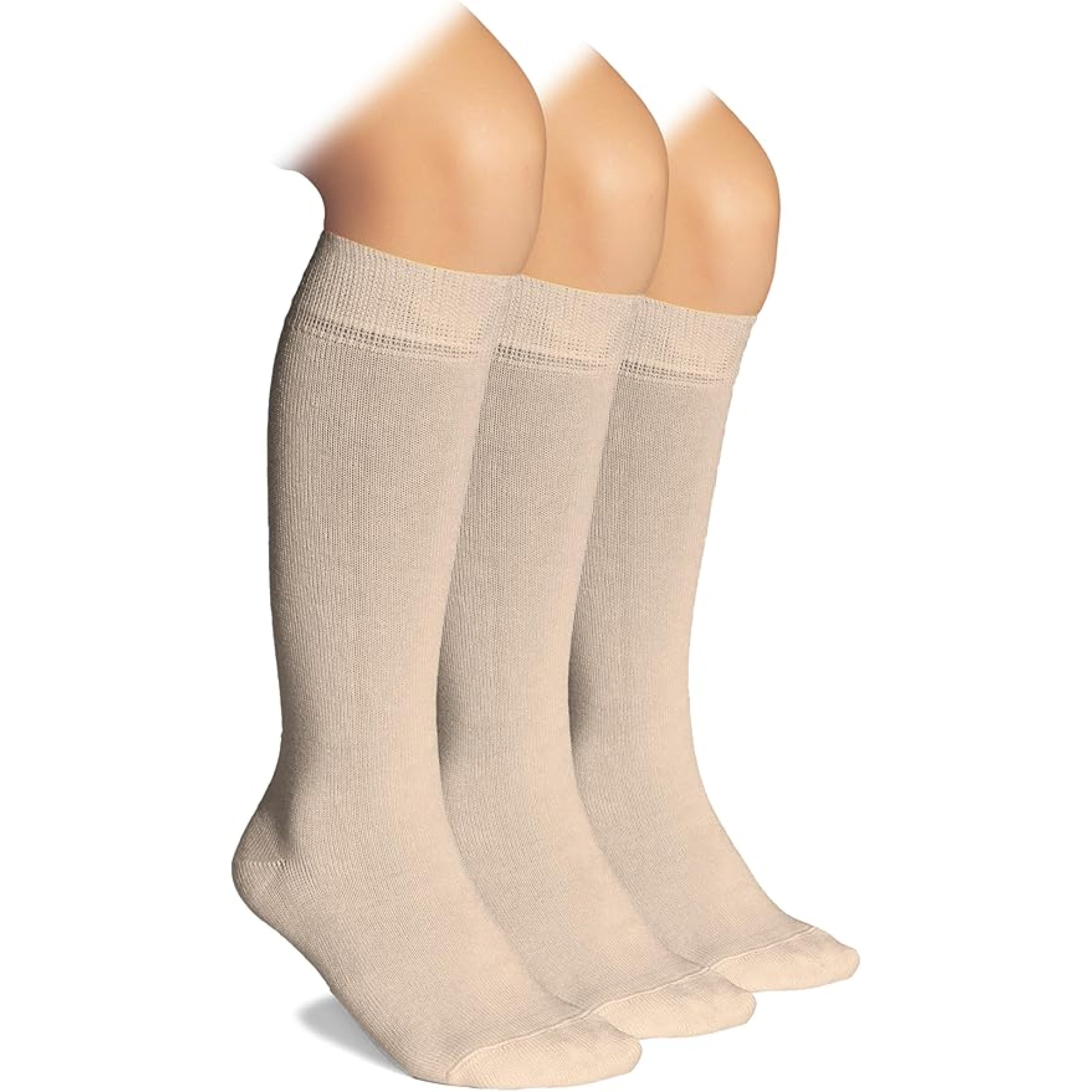


Circulation plays a critical role in overall comfort, energy, and long-term foot health. Yet many people overlook how something as simple as socks can affect blood flow. Tight cuffs, narrow elastic bands, and poorly designed fits can quietly restrict circulation, leading to discomfort and long-term issues.
Non-binding socks are designed to address these problems. By reducing pressure around the ankle and lower leg, they help support healthier blood circulation without the intensity of medical compression.
Healthy circulation ensures oxygen and nutrients reach your feet efficiently. When circulation is compromised, feet may feel cold, swollen, or fatigued, especially after long hours of sitting, standing, or physical activity.
Over time, poor circulation can increase the risk of discomfort, skin irritation, and more serious concerns such as varicose veins or even blood clots in vulnerable individuals.
Many traditional socks rely on tight cuffs to stay in place. While effective at preventing slippage, these tight areas often create pressure points that restrict blood flow around the ankle and calf.
Binding socks can leave deep marks on the skin, a clear sign that circulation is being compressed. For people with sensitive feet, diabetes, or circulation concerns, this restriction can contribute to swelling and discomfort.

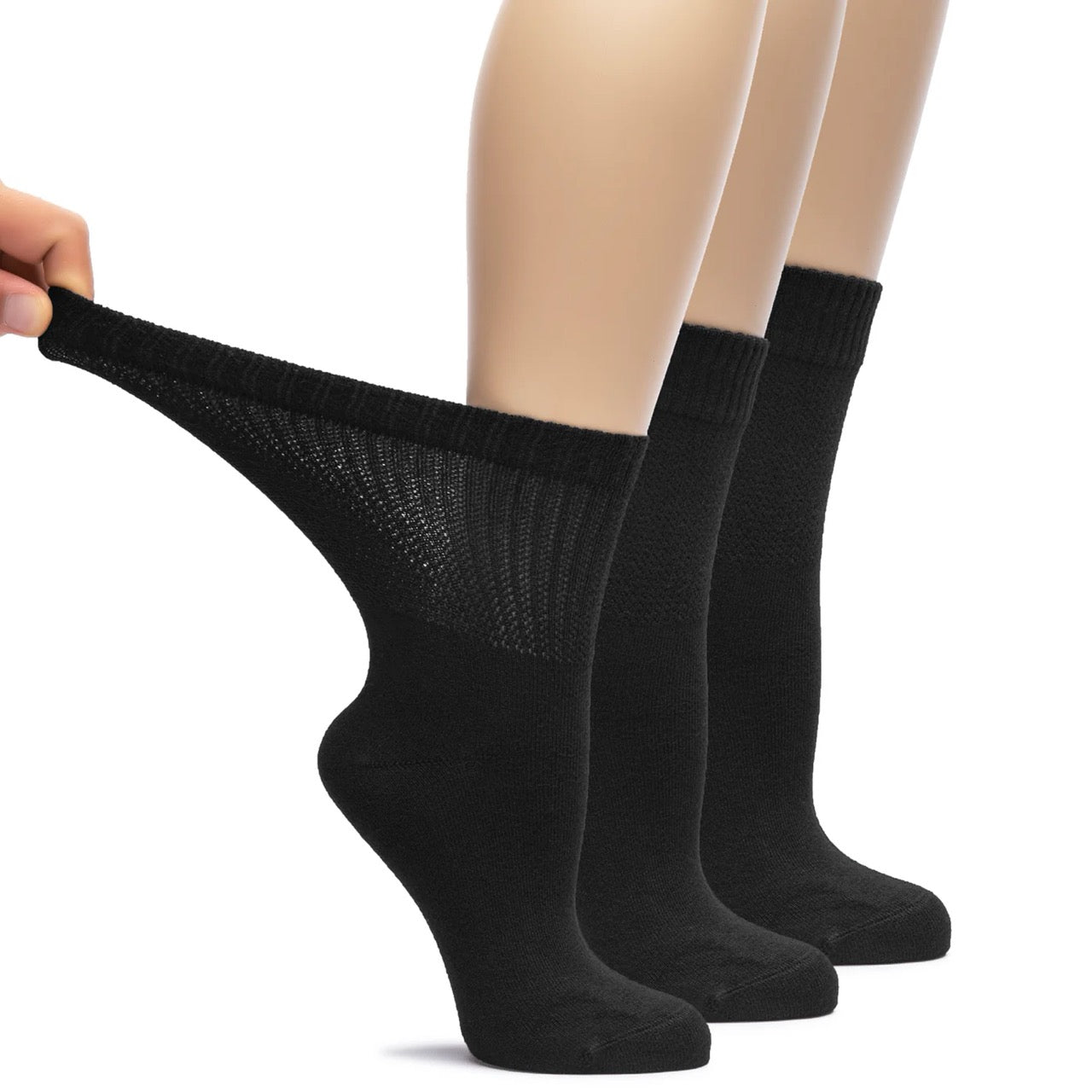
Non-binding socks are engineered to stay up without squeezing. Instead of tight elastic, they use carefully balanced stretch and structure to maintain a loose fit while remaining secure.
It’s important to distinguish between non-binding socks and compression socks. Compression socks apply graduated pressure to actively push blood upward, often recommended for specific medical conditions.
Non-binding socks, by contrast, focus on removing unnecessary restriction. They support natural circulation rather than forcing compression, making them suitable for everyday wear.
Those experiencing poor circulation may find immediate relief when switching away from tight socks that restrict blood flow.
While non-binding socks are not a treatment for deep vein thrombosis, they help by reducing the risk associated with prolonged restriction around the lower leg.
Tight cuffs can worsen swelling and discomfort. Non-binding socks allow blood to move more freely, which can ease daily discomfort linked to varicose veins.
Diabetic socks often use non-binding designs to protect fragile skin and avoid circulation restriction. These socks help prioritize your foot health without sacrificing comfort.
Moisture wicking materials help keep feet dry, which supports skin integrity and reduces friction. Healthy skin and reduced irritation contribute to overall comfort and better circulation during daily movement.
When selecting non-binding socks, focus on construction rather than appearance. Look for socks clearly labeled as non-binding or circulation-friendly, and avoid styles with narrow, tight cuffs.
Socks alone aren’t the whole solution. Regular movement, staying hydrated, and choosing footwear that allows natural foot motion all support healthier circulation. Non-binding socks work best as part of a broader approach to comfort and wellness.
They don’t force circulation like compression socks, but they remove restrictions that can limit natural blood flow.
Many diabetic socks are non-binding, but not all non-binding socks are specifically designed for diabetes.
They can help by avoiding unnecessary restriction, but medical guidance is essential for clot prevention.
Yes. They’re designed for all-day comfort and are ideal for daily use.
He has been working for more than 20 years in the textile industry and has work experience in many parts of the world.