Cart
0
You may also like
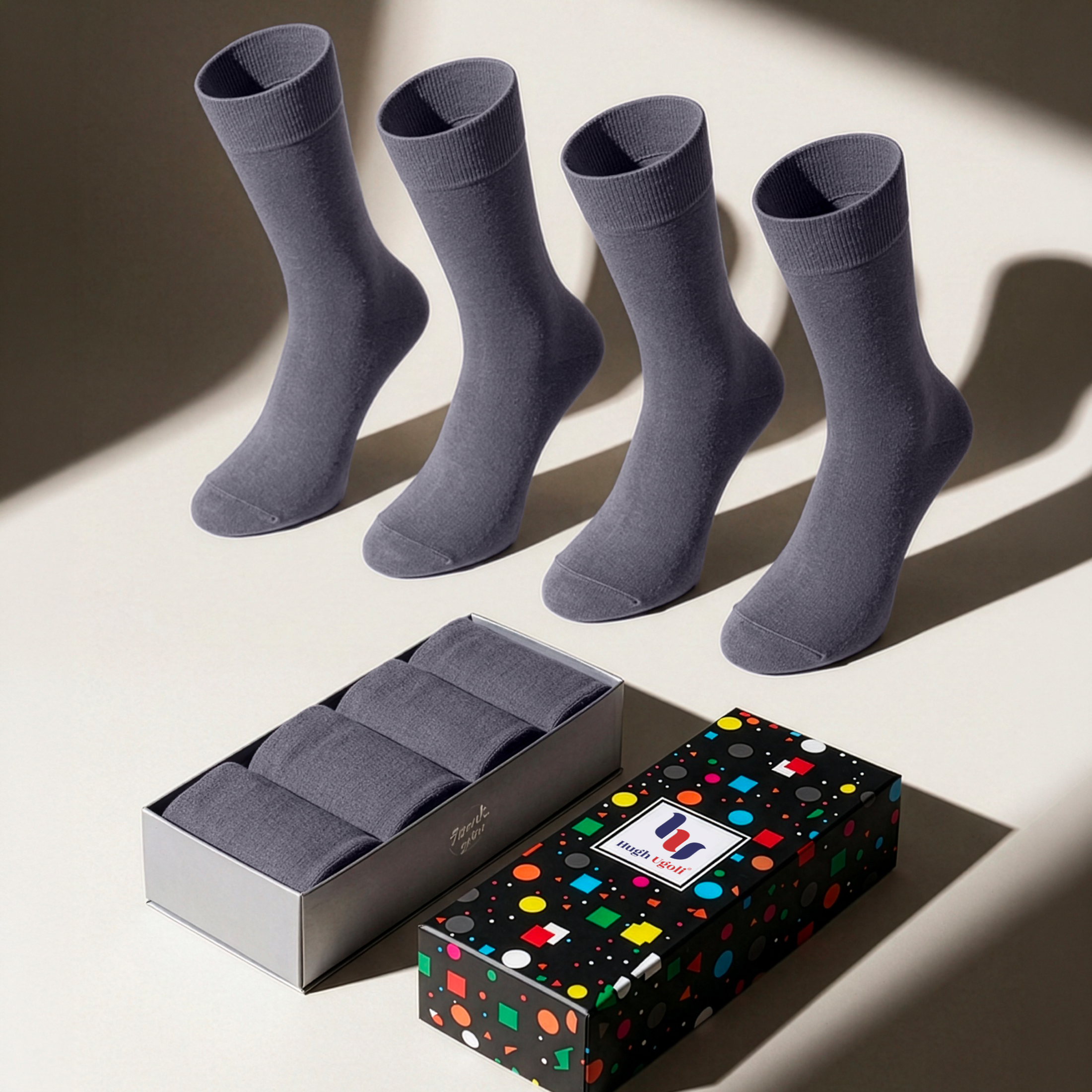
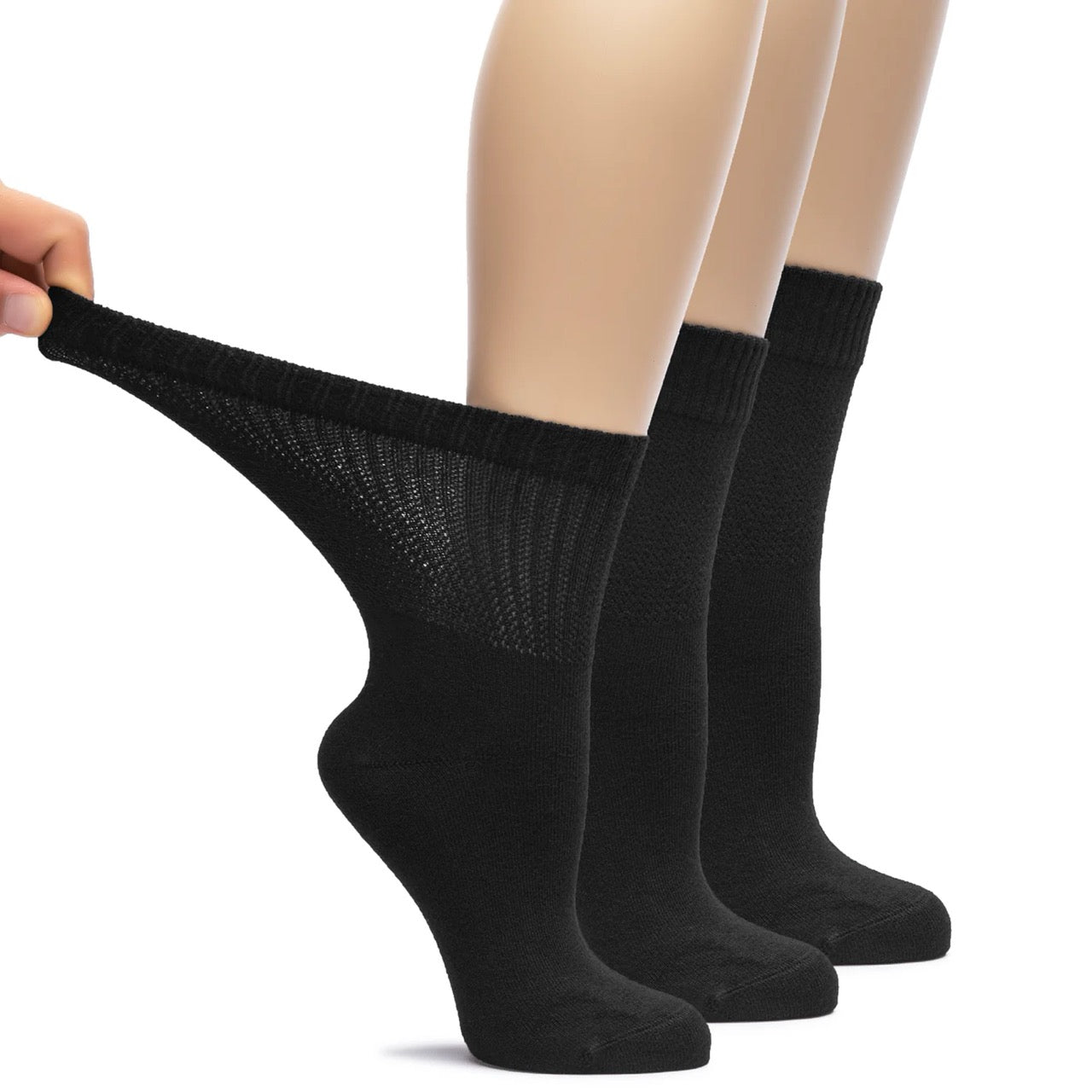
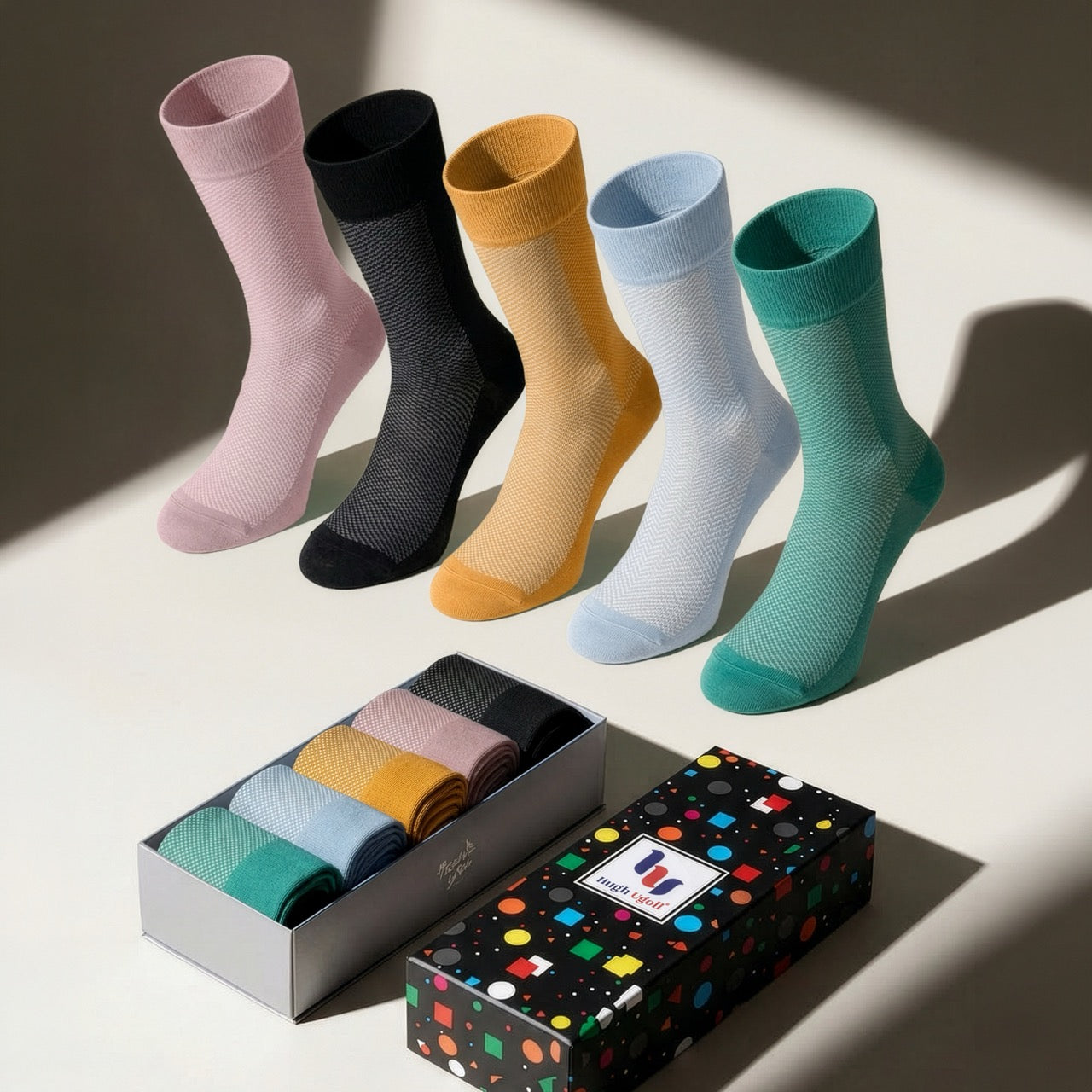
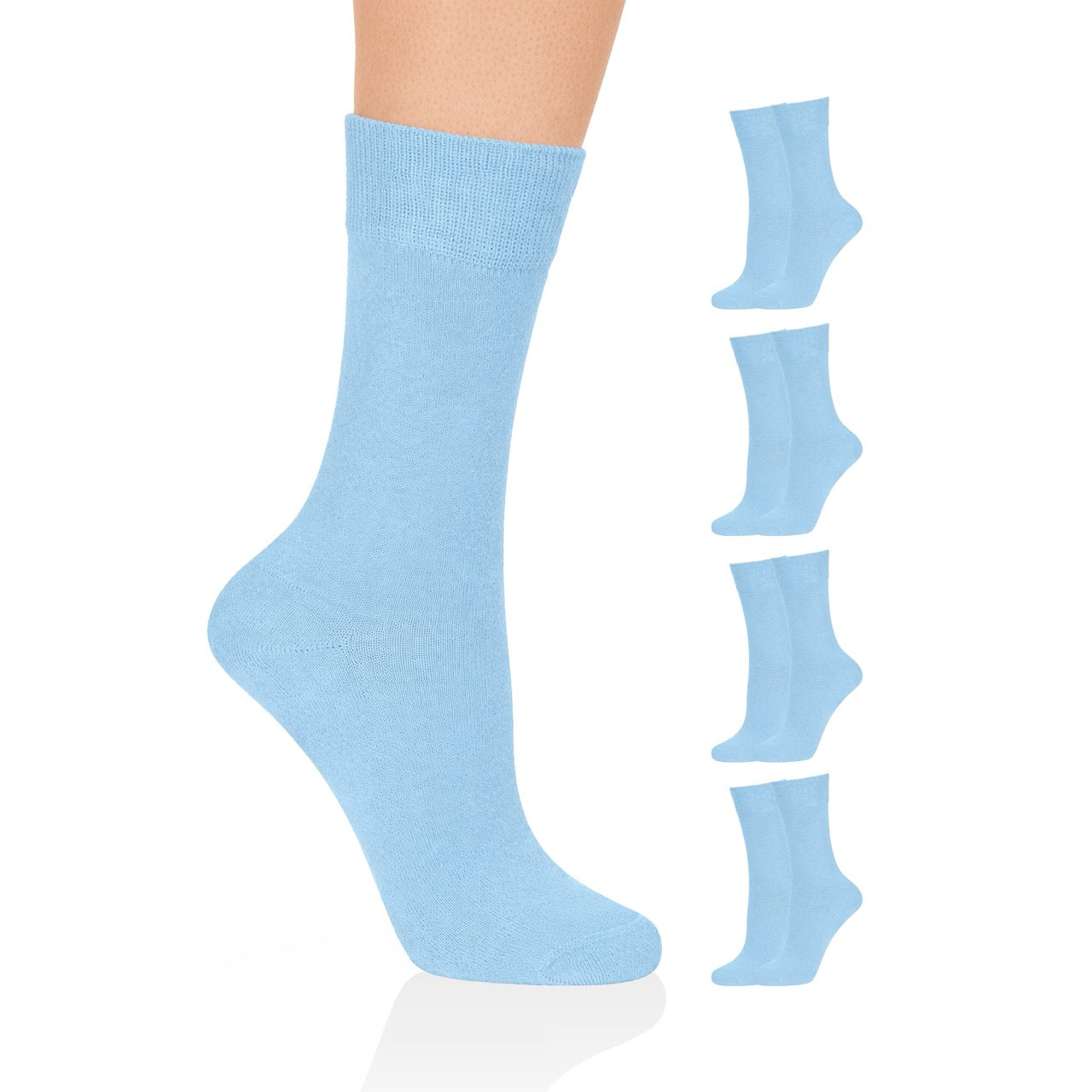


Most people think about socks only in terms of comfort or style, but sock materials have a direct impact on how your feet handle heat and moisture, how well they maintain warmth, and even how circulation behaves throughout the day. The difference between cold feet, overheated feet, or tired, swollen feet often comes down to what your socks are made of.
From cotton socks to wool socks and modern blends, each material interacts with body temperature and blood flow in a different way. Understanding these differences helps you choose socks that keep feet dry, feet warm, and comfortable during everyday wear, workdays, and outdoor activities.
When wearing socks, your feet exist in a closed environment. Shoes limit airflow, physical movement generates heat, and sweat builds up naturally. The sock material becomes the primary regulator between your skin and the shoe.
Poor material choices can trap moisture, disrupt temperature balance, and even contribute to discomfort by affecting circulation. High-performing socks work with your body rather than against it.
Circulation and temperature are closely linked. When feet become too cold, blood vessels constrict in an effort to preserve core body temperature. When feet become too hot, excessive sweating can lead to damp skin, friction, and irritation.
Sock materials that help regulate temperature allow blood to circulate naturally without forcing the body into compensation modes. This balance supports comfort, endurance, and long-term foot health.

Cotton socks are widely used because they feel soft and familiar. Cotton is breathable, which helps release heat in mild conditions.
However, cotton absorbs moisture rather than moving moisture away from the skin. Once cotton becomes damp, it loses its insulating ability and can feel cool against the skin.
Damp cotton socks can cling to the foot, increasing friction and discomfort. In colder conditions, this can contribute to cold feet and reduced comfort, indirectly affecting circulation as the body attempts to preserve heat.
Cotton works best for short wear periods, low physical activity, and stable indoor environments.
Merino wool is one of the most effective natural fibers for temperature control. Unlike traditional wool, merino fibers are fine and soft, making them suitable for everyday wear.
Wool has the unique ability to regulate temperature by insulating when it’s cold and releasing excess heat when it’s warm. This adaptability makes wool socks ideal for changing conditions.
Wool can absorb moisture vapor while still feeling dry. This helps keep feet dry and prevents the chilling effect that occurs when sweat stays on the skin.
By maintaining a stable microclimate around the foot, wool supports consistent circulation without overheating or excessive cooling.
In cold weather, wool excels at helping maintain warmth. Warm feet promote better circulation by preventing excessive vessel constriction.
This is why warm socks made from wool are often recommended for winter wear, travel, and outdoor use.
Modern socks often incorporate fibers with strong moisture wicking properties. These materials actively move sweat moisture away from the skin, allowing it to evaporate more efficiently.
Dry skin reduces friction, lowers irritation risk, and supports overall comfort during long days or intense physical activity.
Excess moisture softens skin, making it more vulnerable to rubbing and pressure. Over time, this can lead to discomfort that alters natural movement patterns.
By keeping feet dry, moisture-wicking socks help maintain comfort, allowing circulation to function without restriction caused by swelling or irritation.
Compression socks are designed to apply controlled pressure to support circulation in specific situations. They are useful for travel, recovery, or medical needs.
However, everyday socks that are simply too tight can reduce blood flow rather than support it. This is where material choice and construction matter.
High-quality everyday socks use balanced stretch instead of excessive compression, allowing natural circulation while maintaining warmth and moisture control.
Outdoor activities place higher demands on sock performance. Temperature changes, increased sweat, and prolonged movement require materials that adapt.
Wool socks and advanced blends perform best outdoors because they manage both temperature and moisture under variable conditions.
Socks that maintain stable temperature help in reducing the risk of cold-related discomfort or overheating. This stability allows circulation to adjust naturally instead of reacting to extreme changes.
High quality socks are not defined by thickness alone. Fiber selection, knit structure, and durability all affect how well socks manage temperature and circulation over time.
Well-made socks maintain elasticity, resist compression marks, and continue to perform after repeated washing. This consistency is essential for everyday comfort.
In cold conditions, wearing inadequate socks forces the body to prioritize core warmth. Blood flow to the feet may decrease, leading to cold, uncomfortable toes.
Warm socks made from insulating yet breathable materials help maintain warmth without trapping sweat. This balance supports circulation and prevents numbness.
The best sock material depends on environment, activity level, and personal needs.
Sock materials influence far more than comfort. They affect how your feet manage heat, how well moisture is controlled, and how circulation responds throughout the day.
Choosing the right materials helps keep feet dry, supports healthy body temperature, and promotes natural circulation in both warm and cold conditions. When socks work with your body, comfort becomes effortless.
Sock materials affect how well your feet retain warmth, release heat, and manage sweat. Breathable and moisture-wicking materials help regulate temperature more effectively.
Cotton socks can feel comfortable in mild indoor conditions, but they absorb moisture and may stay damp, which can reduce comfort in cold or active settings.
Merino wool helps regulate temperature, maintain warmth, and manage moisture while still feeling soft and breathable during everyday wear.
Yes. Moisture-wicking socks move sweat away from the skin, helping feet stay dry and reducing friction, irritation, and odor.
Yes. Socks that are too tight can restrict circulation, while well-designed socks with balanced stretch support comfort without excessive pressure.
He has been working for more than 20 years in the textile industry and has work experience in many parts of the world.