Cart
0
You may also like
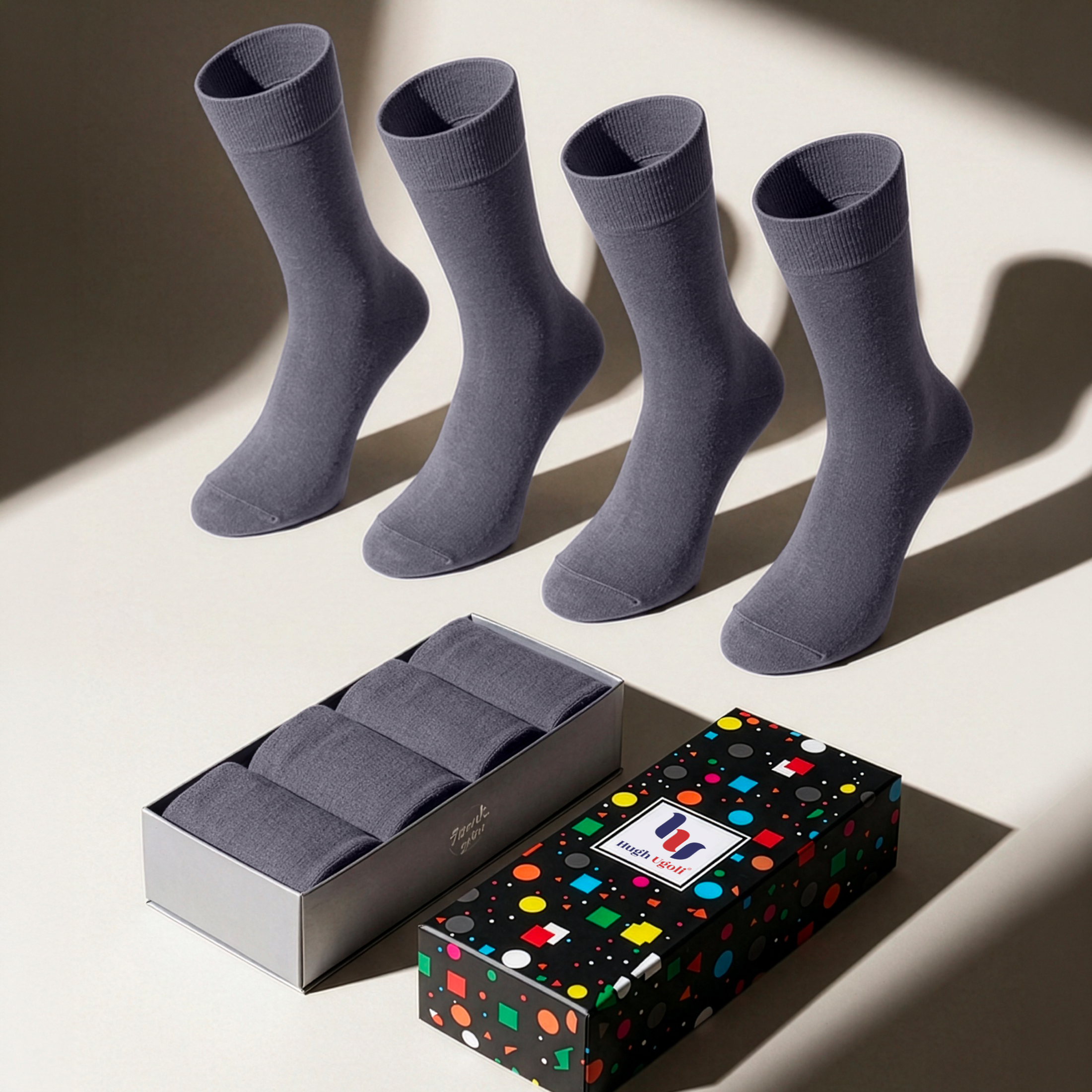
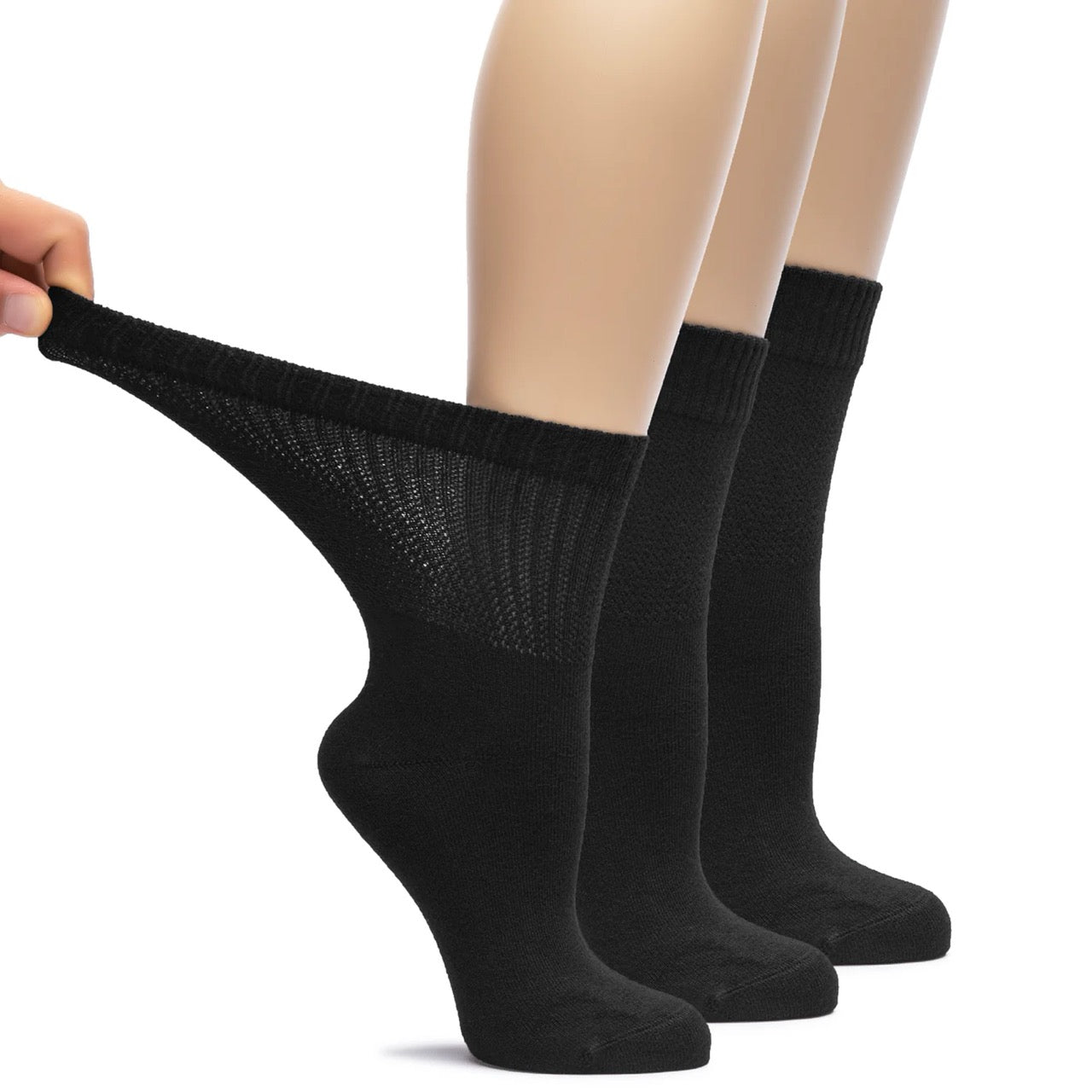
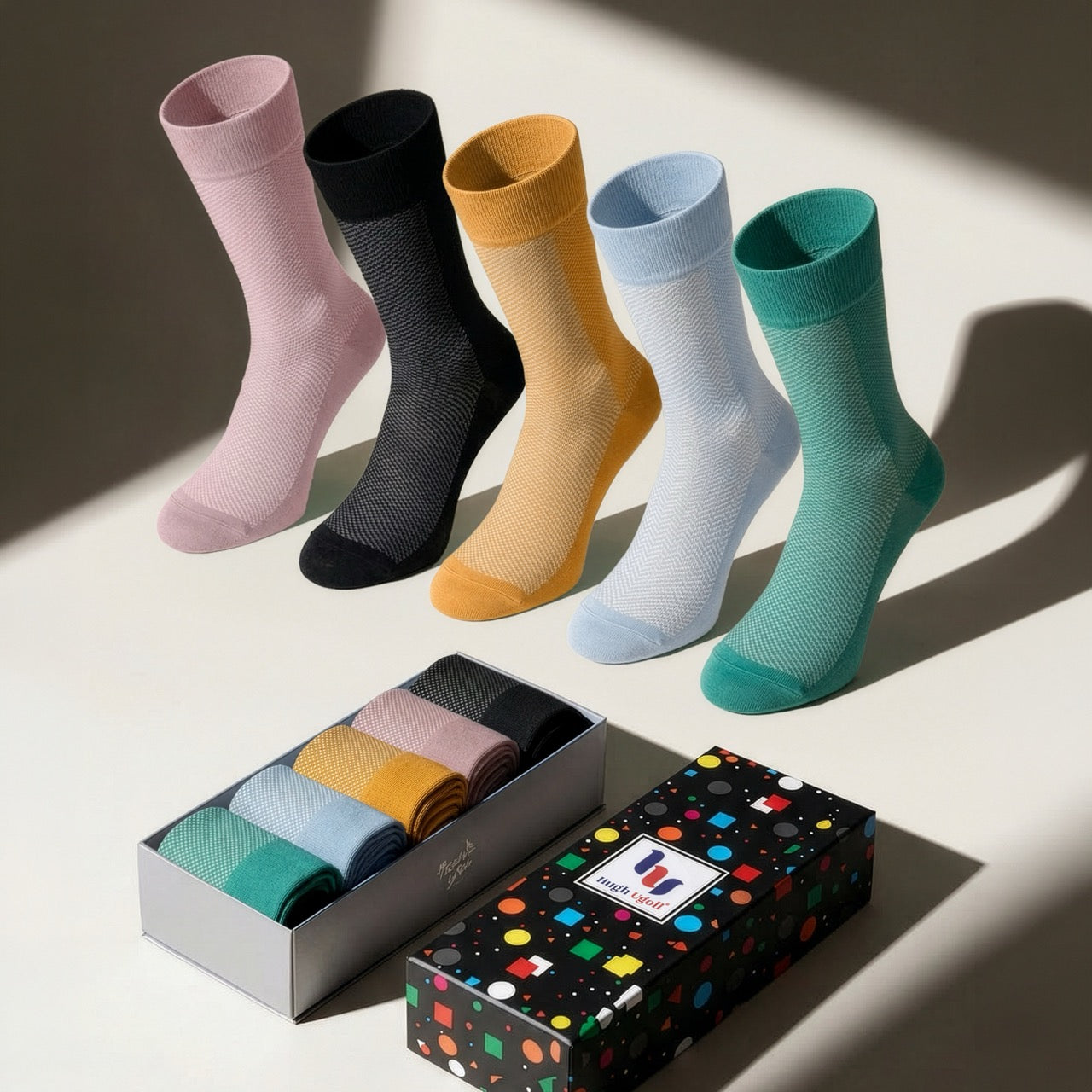
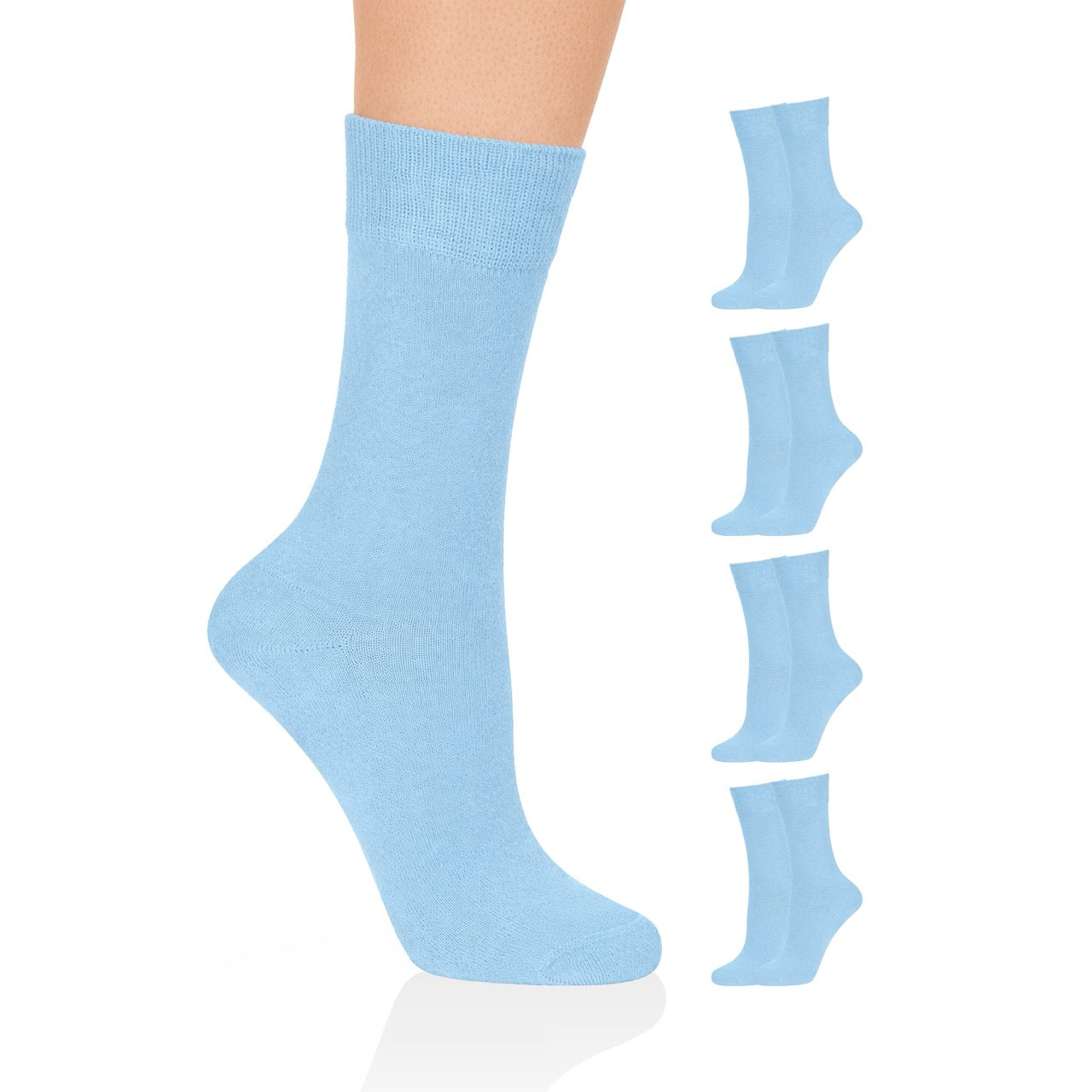
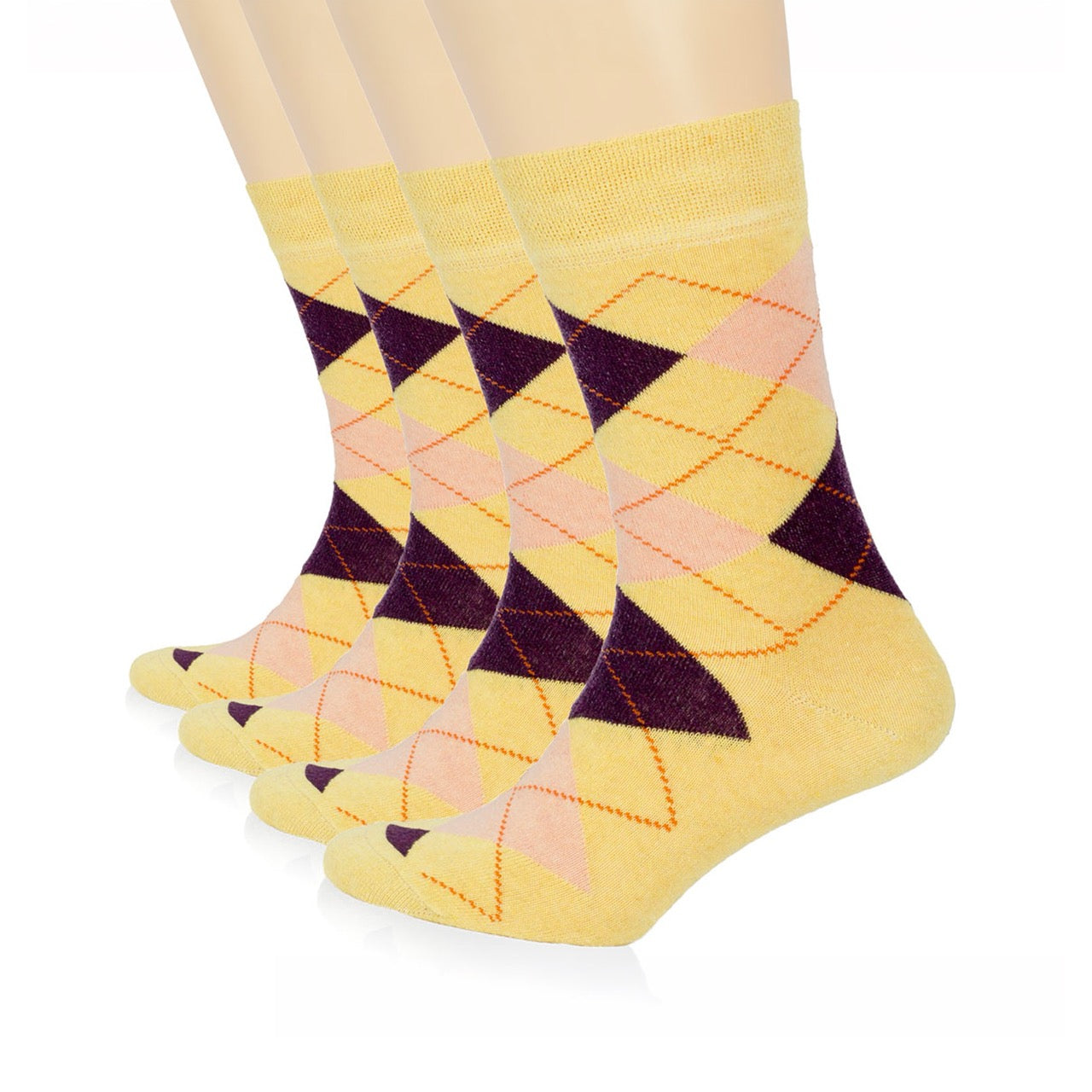
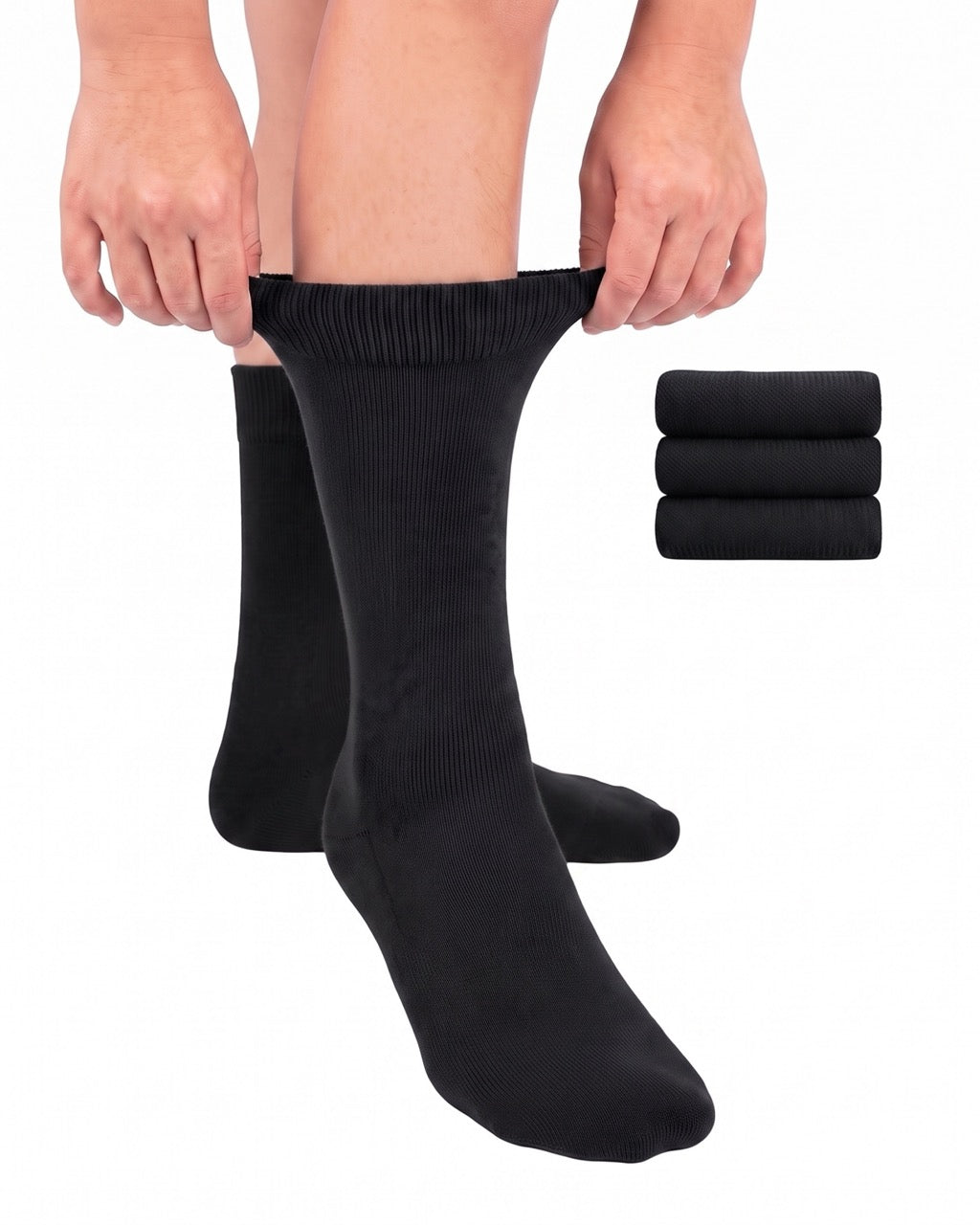
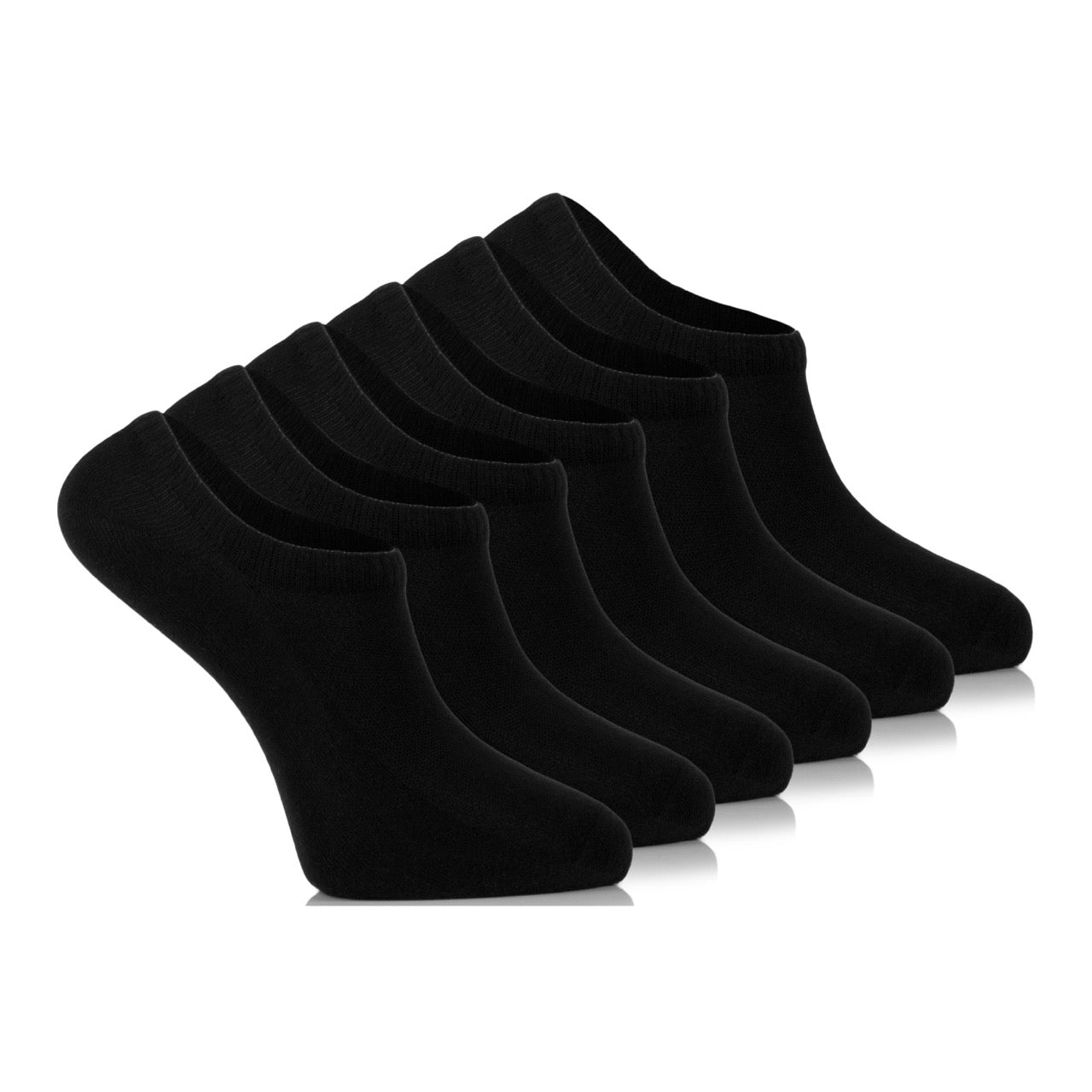
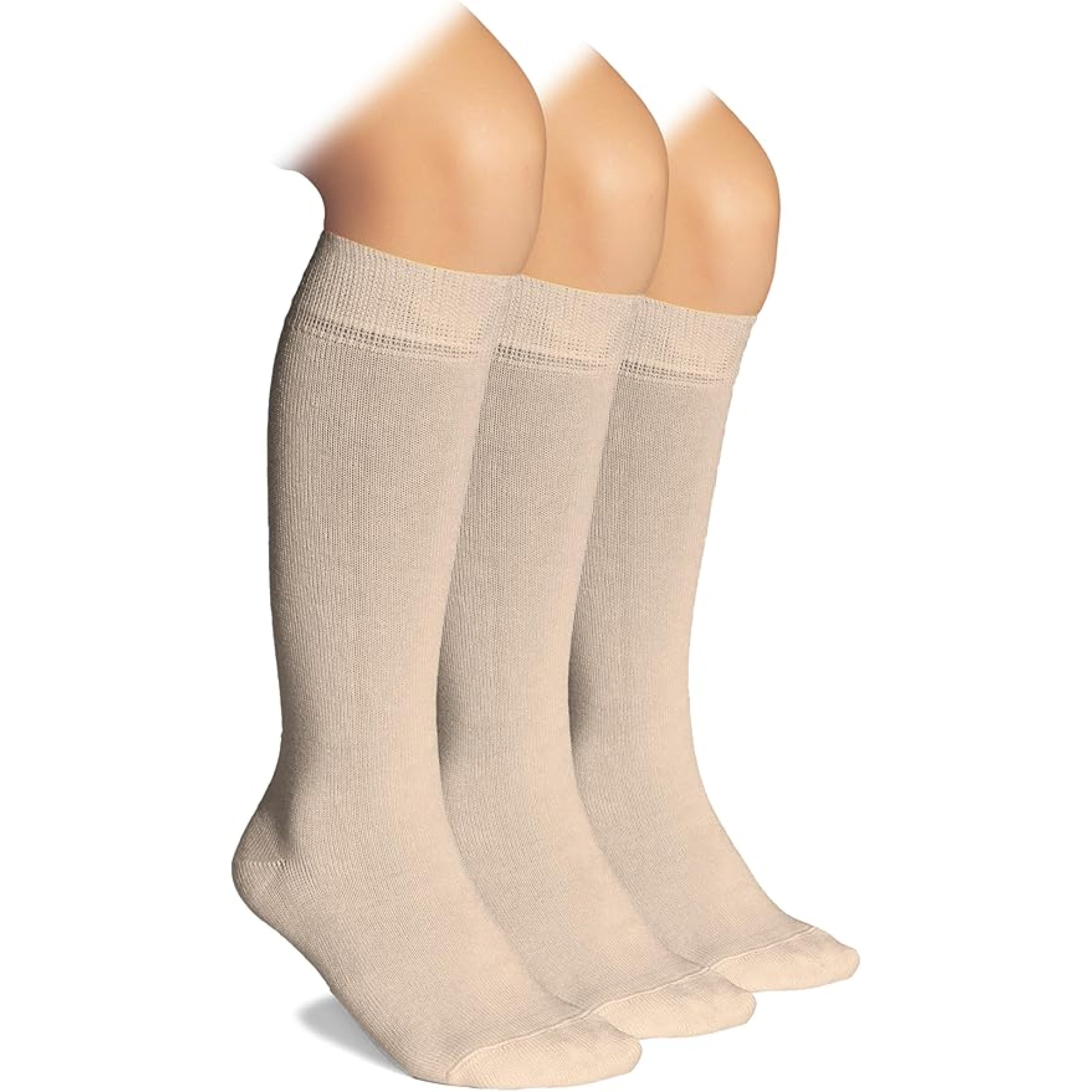


Socks are easy to ignore when it comes to foot care, but wearing old, worn-out socks can quietly create or worsen foot issues. While shoes often get the blame for discomfort, socks that have lost their shape, structure, or performance can become the wrong socks for daily wear.
Over time, even socks that once felt comfortable can contribute to foot pain, skin irritation, and hygiene problems. Understanding how old socks affect your feet helps protect overall foot health and prevent avoidable discomfort.
Socks don’t wear out all at once. Instead, fibers gradually break down with repeated washing, friction, and daily use. Elastic loosens, padding compresses, and seams lose their smoothness.
As this happens, socks become ill fitting. They may slide down, bunch up, or twist inside shoes. These changes seem minor, but they directly affect how your feet experience pressure and movement throughout the day.
One of the most common consequences of old socks is foot pain. When socks no longer fit correctly, they create friction at key pressure points such as the heel, arch, and toes.
Bunched fabric increases rubbing, which can aggravate sensitive areas and contribute to soreness by the end of the day. Over time, this discomfort can evolve into a recurring foot problem.
New socks are designed to help keep feet dry. As socks age, their moisture wicking properties decline. Fibers lose their ability to move sweat away from the skin efficiently.
Damp environments inside shoes allow bacteria and fungi to thrive. This increase the risk of odor, skin breakdown, and fungal infections such as athlete’s foot.

Even when you wear clean socks, older pairs can retain microscopic residue deep in weakened fibers. Over time, this makes socks harder to fully clean, allowing odor-causing organisms to persist.
Persistent exposure to bacteria and fungi can worsen existing foot conditions or create new ones, especially in warm, enclosed footwear.
As sock fibers thin and seams deteriorate, they become rougher against the skin. This can lead to skin irritation, redness, and itching.
For people with sensitive skin, old socks are more likely to trigger discomfort, even during short periods of wear.
Aging socks often develop uneven elasticity. Some areas stretch out, while others become tight.
Tight, worn cuffs can contribute to poor circulation by creating pressure around the ankle or calf. Unlike compression socks, which apply controlled pressure, old socks apply uneven restriction that may worsen swelling or fatigue.
For individuals managing chronic foot conditions, sock quality becomes even more important. Old socks can aggravate symptoms by increasing friction, trapping moisture, or restricting circulation.
People who rely on diabetic socks or circulation-friendly designs should be especially cautious. Worn-out socks may no longer provide the protection or fit they were designed for.
Different materials age differently. 100 cotton socks tend to absorb moisture and lose structure faster than performance blends.
Socks made with materials like merino wool generally maintain performance longer, but even they eventually lose elasticity and moisture control.
Wearing the wrong socks doesn’t usually cause immediate pain. Instead, problems develop gradually.
Reduced cushioning, moisture buildup, and poor fit collectively increase the risk of blisters, infections, and chronic discomfort. What starts as a small annoyance can become a persistent foot problem.
While lifespan varies, most everyday socks should be replaced every 6–12 months, depending on use and care. Socks worn for long workdays or physical activity may need replacing sooner.
Waiting until holes appear is often too late. Performance usually declines well before visible damage.
Choosing newer, well-fitting socks helps maintain overall foot health. Socks that manage moisture, fit correctly, and support circulation reduce daily stress on the feet.
Clean, supportive socks are a simple but essential part of preventative foot care.
Old socks may feel familiar, but they can quietly contribute to new problems. From moisture buildup to poor fit and circulation issues, worn-out socks are often the hidden cause behind recurring discomfort.
Replacing socks regularly and choosing materials that support comfort helps keep feet dry, reduces irritation, and protects long-term foot health. Sometimes, solving foot problems starts with something as simple as retiring an old pair of socks.
Yes. Worn-out socks can lose shape, trap moisture, and increase friction, which may lead to irritation, odor, and other foot issues.
Replace socks when they lose elasticity, develop odor, feel thinner, or no longer provide proper fit and support.
Yes. Reduced moisture control in old socks can create a damp environment where bacteria and fungi are more likely to grow.
Yes. Materials like merino wool and quality blends tend to maintain structure and moisture control longer than basic cotton socks.
Most socks should be replaced every 6 to 12 months, depending on usage and wear conditions.
He has been working for more than 20 years in the textile industry and has work experience in many parts of the world.