Cart
0
You may also like
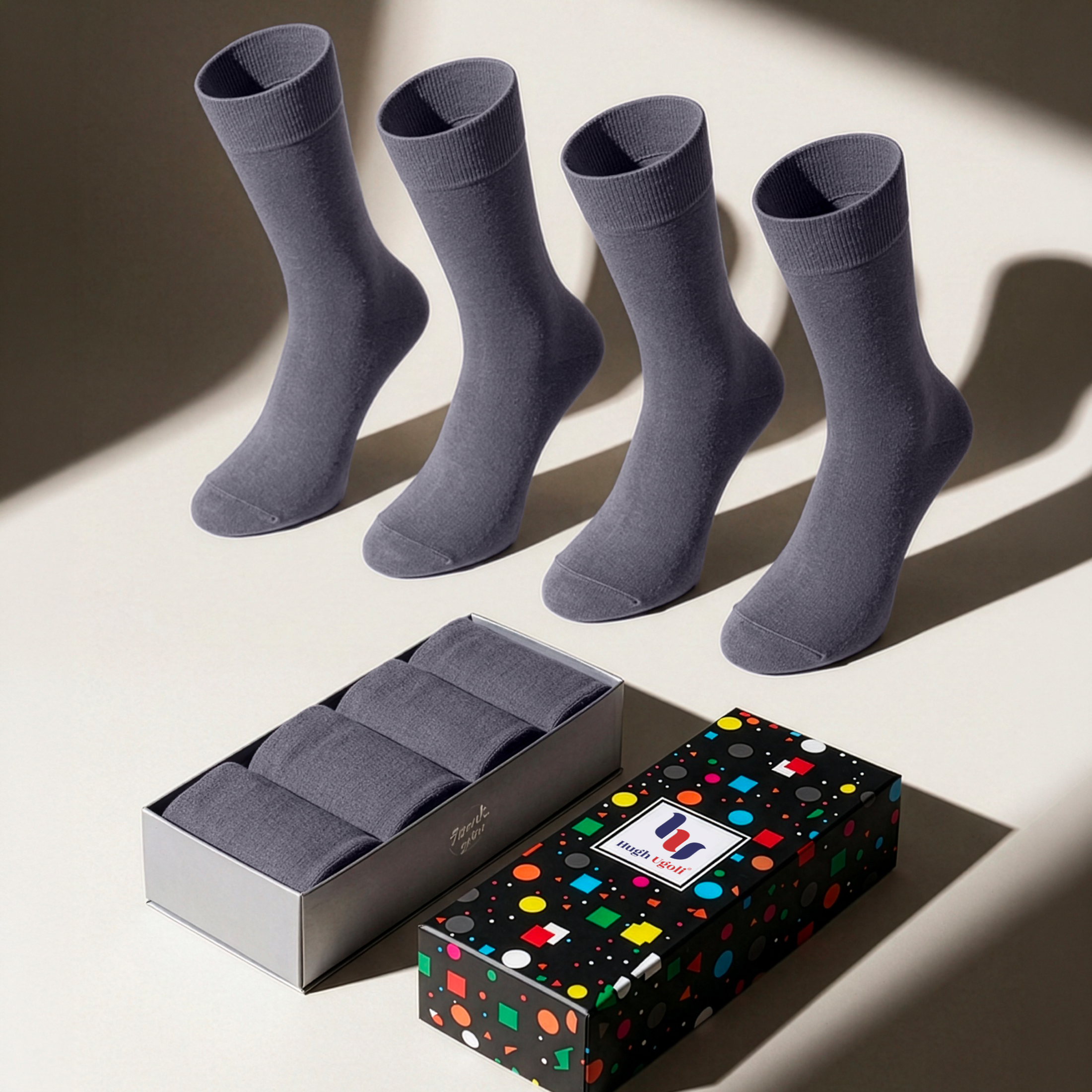
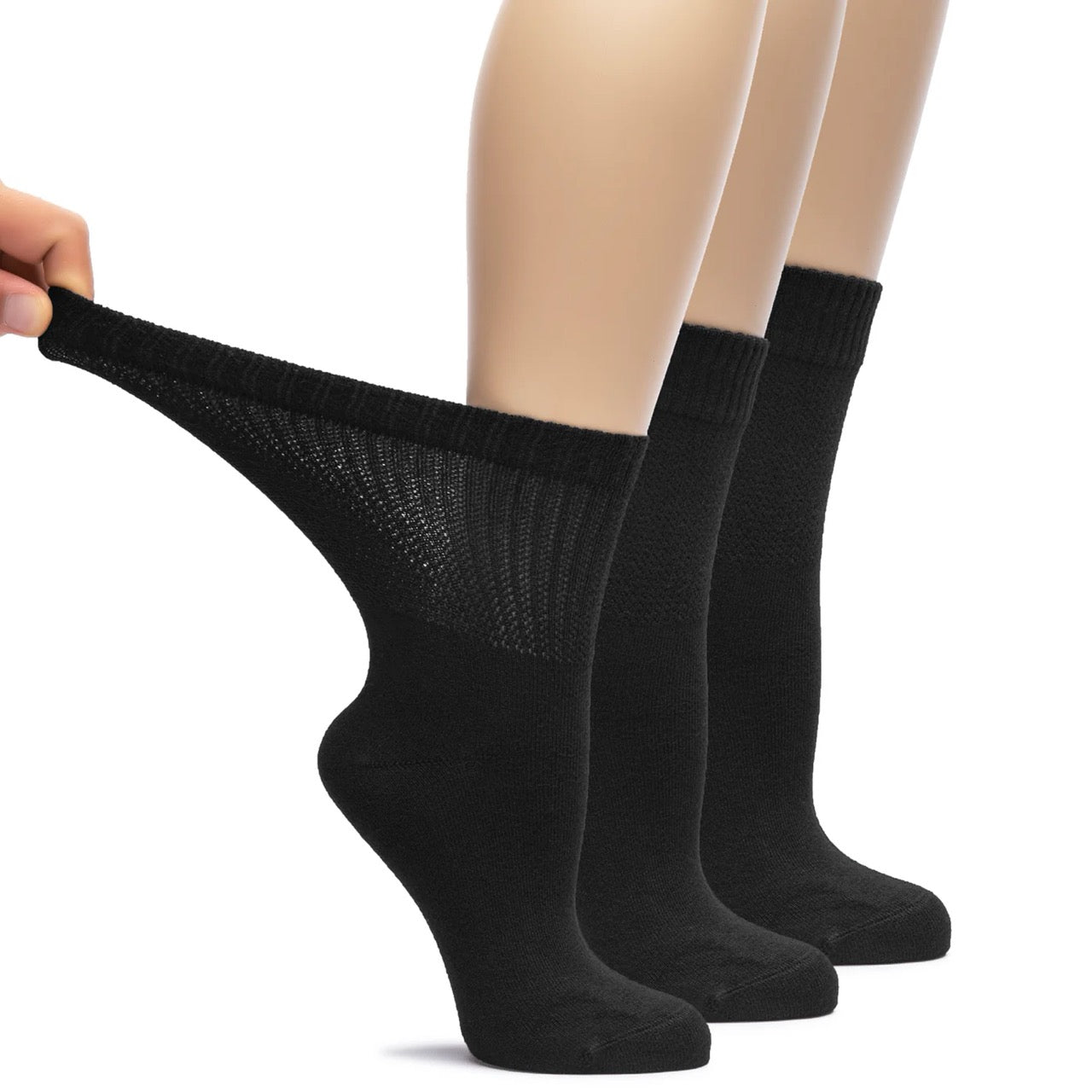

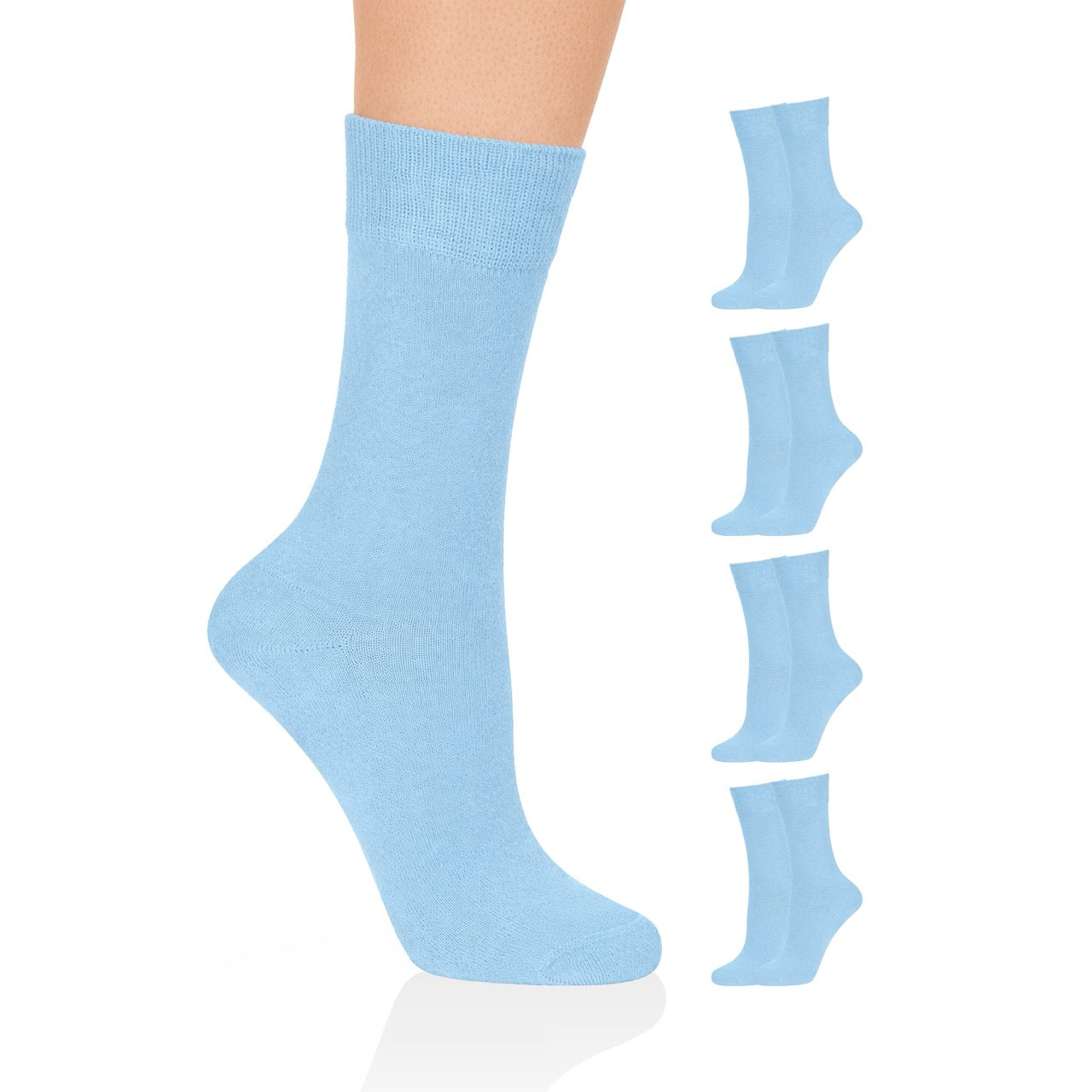
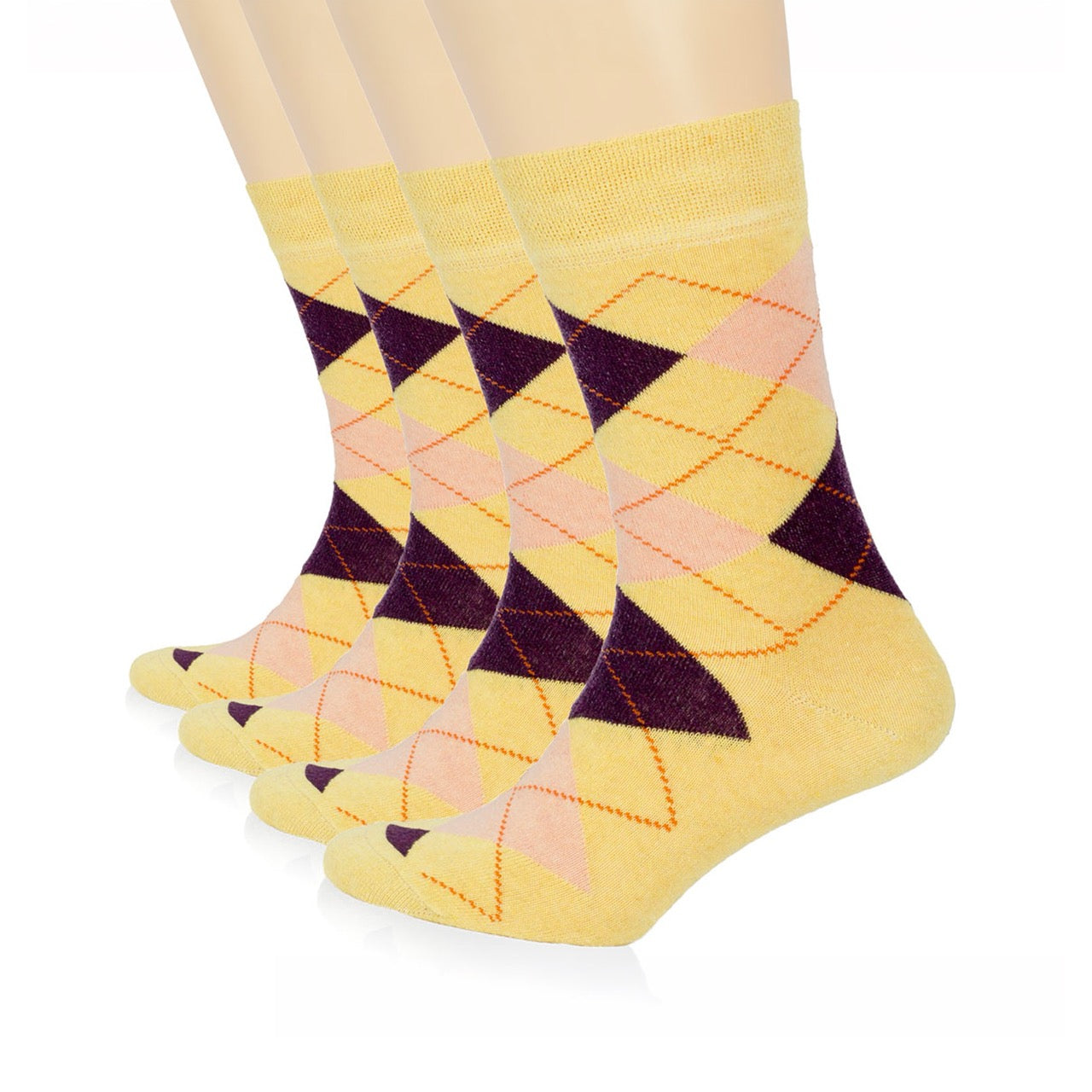


Socks may be one of the most frequently worn items in your wardrobe, yet they’re often the most overlooked when it comes to proper care. Washing socks the wrong way can quickly ruin their fit, stretch out the fabric, and strip away the comfort you loved in your favorite pair. With a few simple adjustments to your sock washing routine, you can extend the life of your socks and keep them comfortable for the long term.
This guide breaks down sock care step by step, covering everything from sorting socks by color to choosing the right washing cycle and drying method—without unnecessary complexity.
Socks are exposed to friction, moisture, and heat every day. Over time, improper washing causes fibers to weaken, elastic to break down, and shapes to distort. High heat, harsh chemicals, and aggressive cycles are the most common culprits behind socks that shrink, stretch, or lose softness.
With the right approach, socks can retain their original shape, cushioning, and comfort far longer than expected.
Always start by sorting socks by color. Light-colored socks can absorb dye from darker fabrics, leading to dull or uneven tones. Washing similar colors together protects the look and feel of your socks.
Delicate materials like wool socks or fine blends benefit from being washed separately. Heavier socks can tolerate more movement, while delicate socks require gentler handling.
Hand washing is ideal for delicate socks, especially wool or premium blends. It gives you full control and minimizes stress on fibers. For everyday socks, machine washing is perfectly fine when done correctly.
Placing socks in a mesh laundry bag reduces friction and prevents stretching. It also helps keep pairs together, saving time and frustration later.
Always wash socks in cold water. Hot water weakens elastic fibers and can cause shrinkage, especially in wool or blended materials. Cold water cleans effectively while preserving structure.
A gentle cycle or delicate cycle reduces agitation, which helps socks maintain their shape. Aggressive washing cycles are one of the fastest ways to damage sock elasticity.
Use a mild laundry detergent designed for everyday or delicate fabrics. Avoid detergents with harsh chemicals, which break down fibers over time.
Fabric softeners may seem helpful, but they leave residue that reduces breathability and elasticity. This is especially harmful for moisture-managing socks.
The safest option is to air dry socks. Lay them flat or hang them to dry naturally. This prevents overstretching and preserves elasticity.
High heat is the enemy of socks. Tumble drying on hot settings causes shrinkage and damages elastic fibers. If you must use a dryer, select the lowest heat setting.

Wool socks should be washed in cold water on a delicate cycle or hand washed. Never use hot water, and always air dry to avoid felting and shrinkage.
Socks made from fine or delicate materials benefit from minimal agitation. Gentle handling keeps them smooth and comfortable.
Most socks should be washed after each wear, especially if worn all day. However, overwashing with aggressive methods causes more damage than washing frequency itself.
Good sock care is about consistency. Gentle washing, mild detergents, and low-heat drying help socks last longer while staying comfortable. These habits protect both fit and feel over time.
Hand washing is gentler, but machine washing on a delicate cycle works well for most socks.
Yes, but only on low heat. Air drying is always the safest option.
Fabric softeners reduce breathability and weaken elastic fibers over time.
Wash in cold water, use a gentle cycle, and avoid high heat during drying.
He has been working for more than 20 years in the textile industry and has work experience in many parts of the world.