Cart
0
You may also like
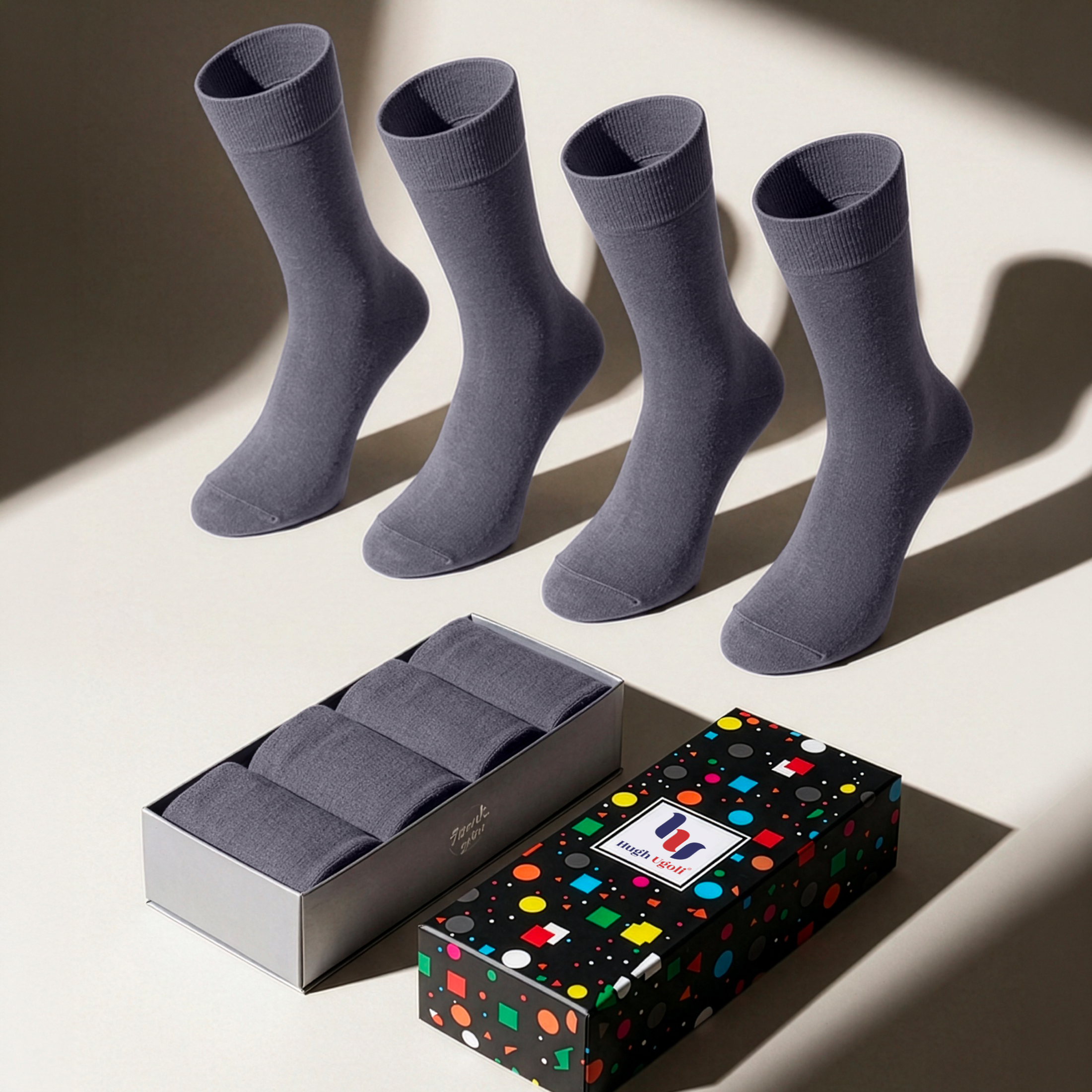
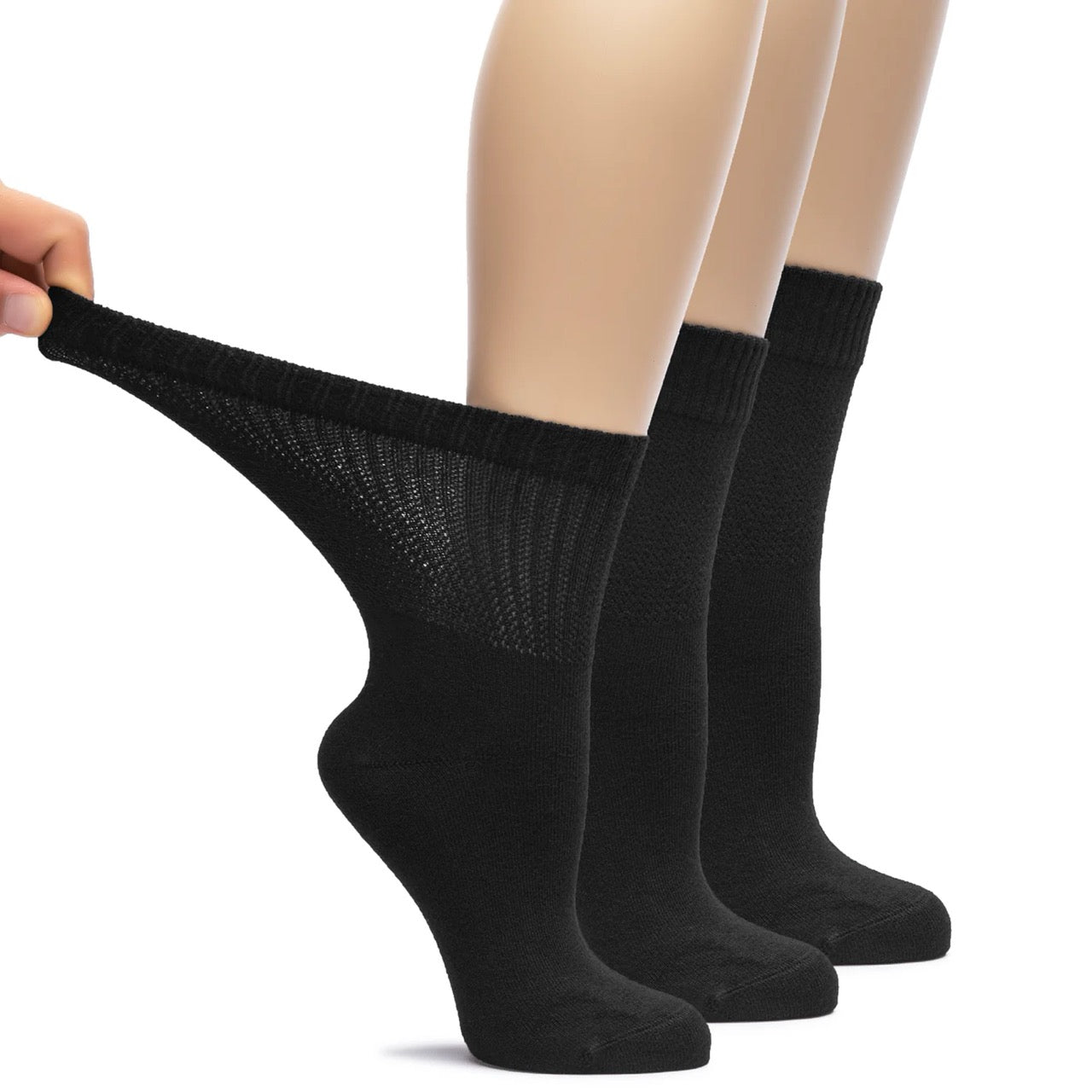
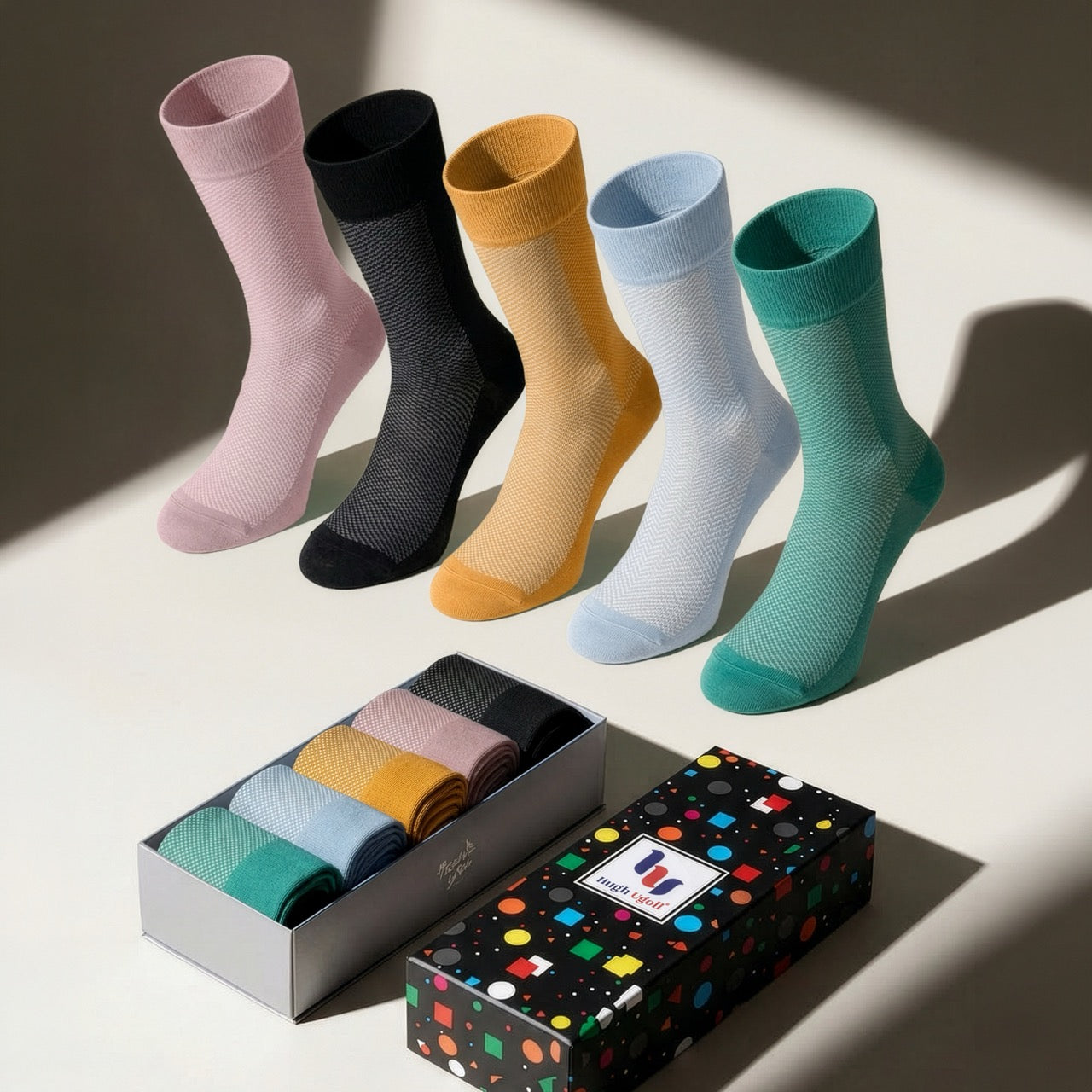
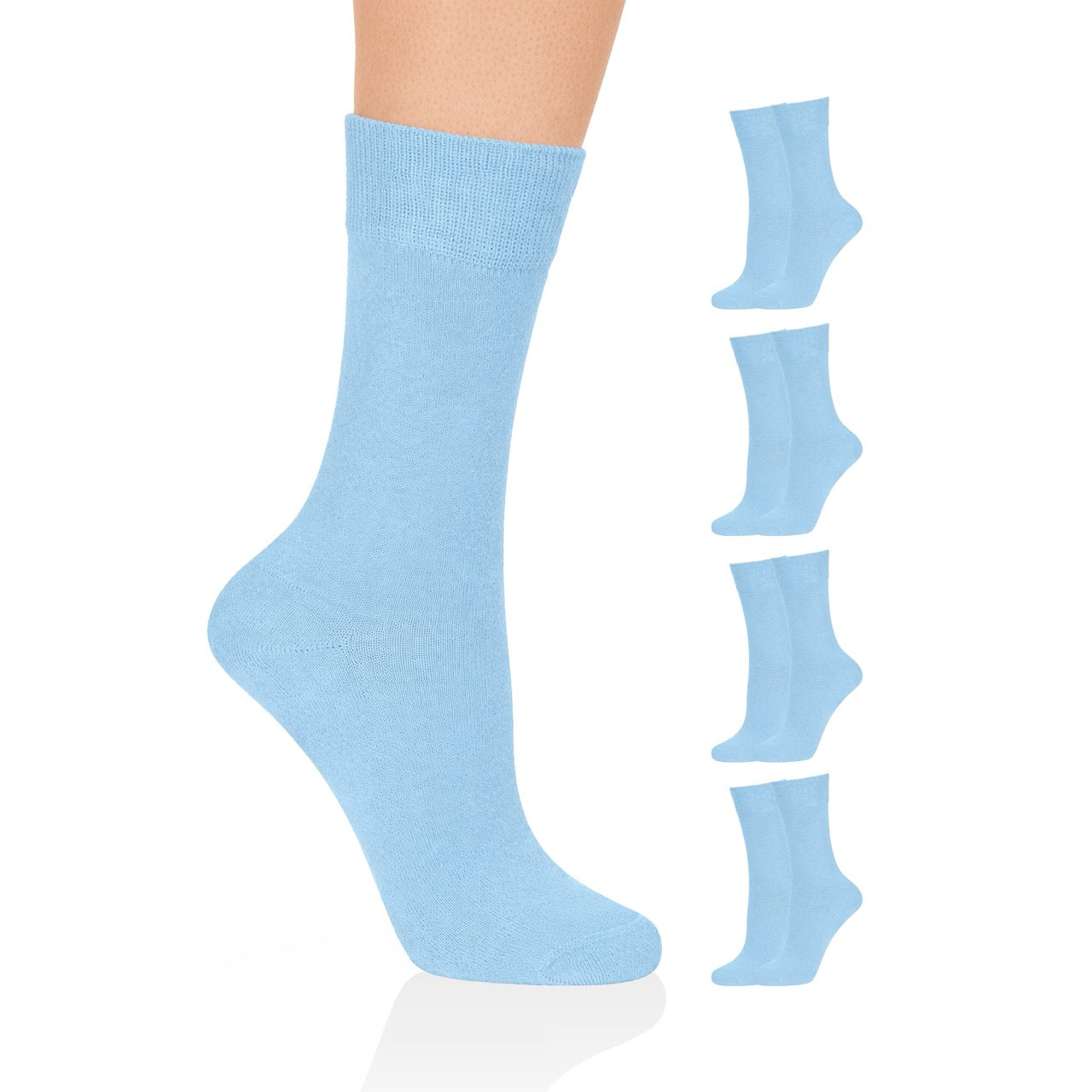
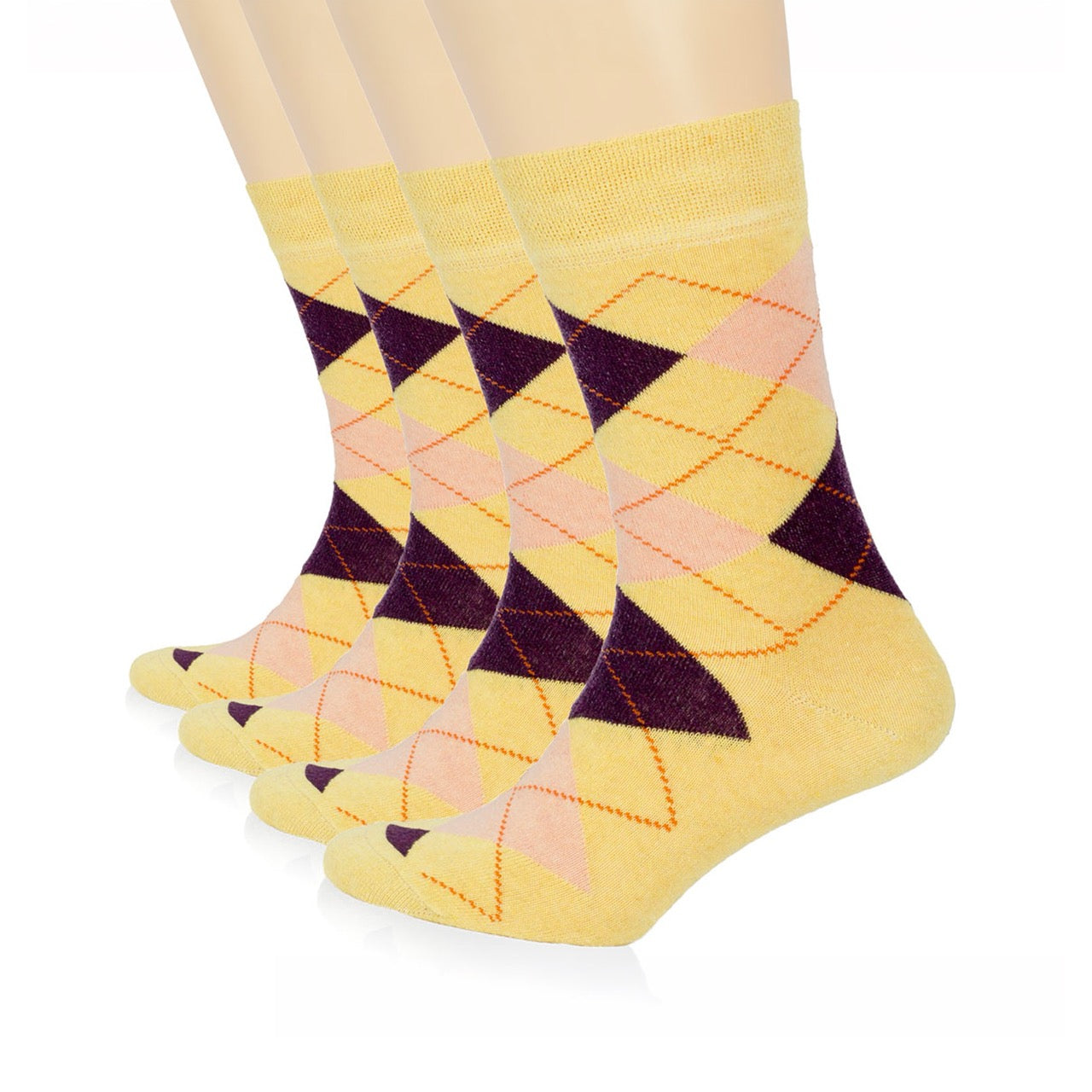
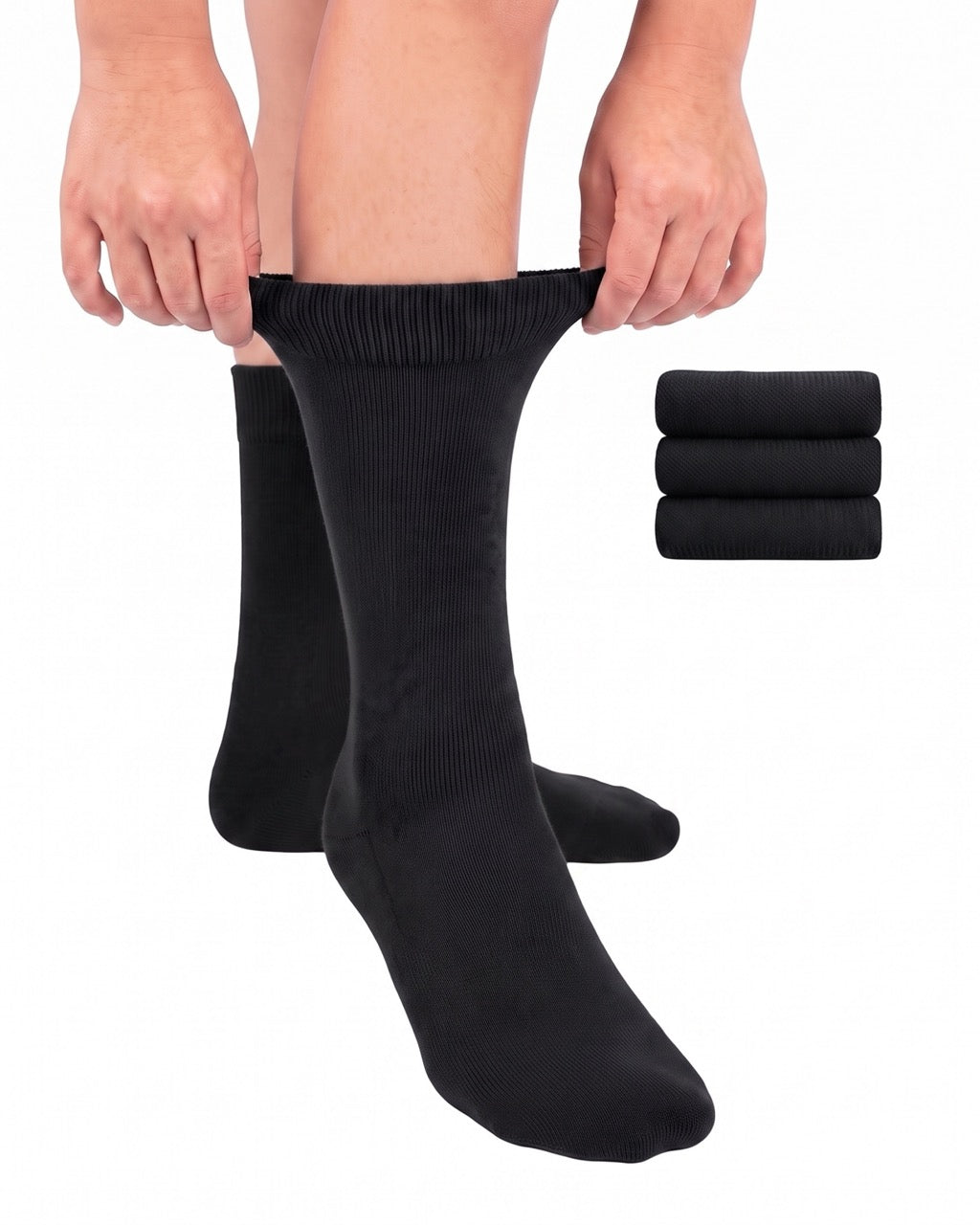
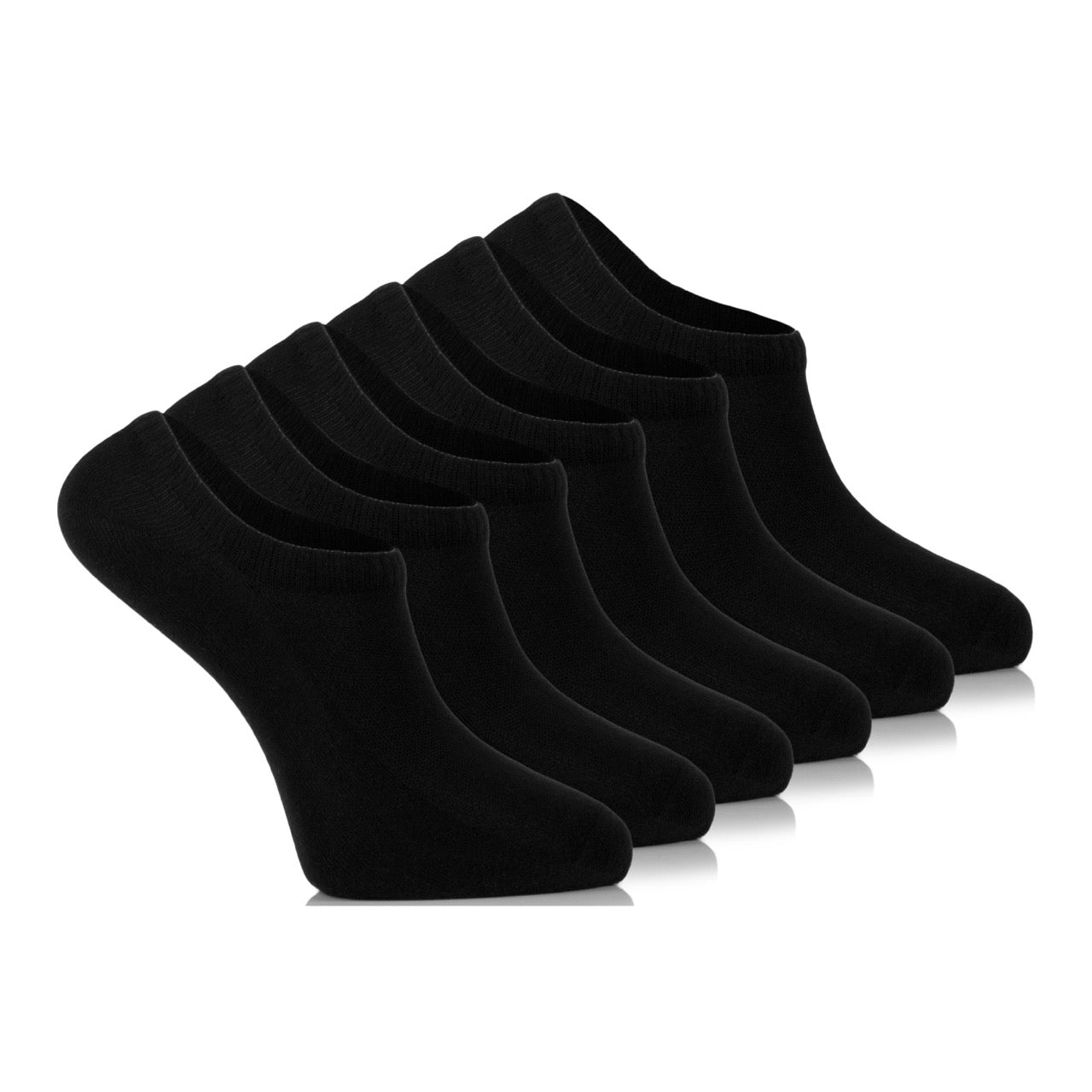
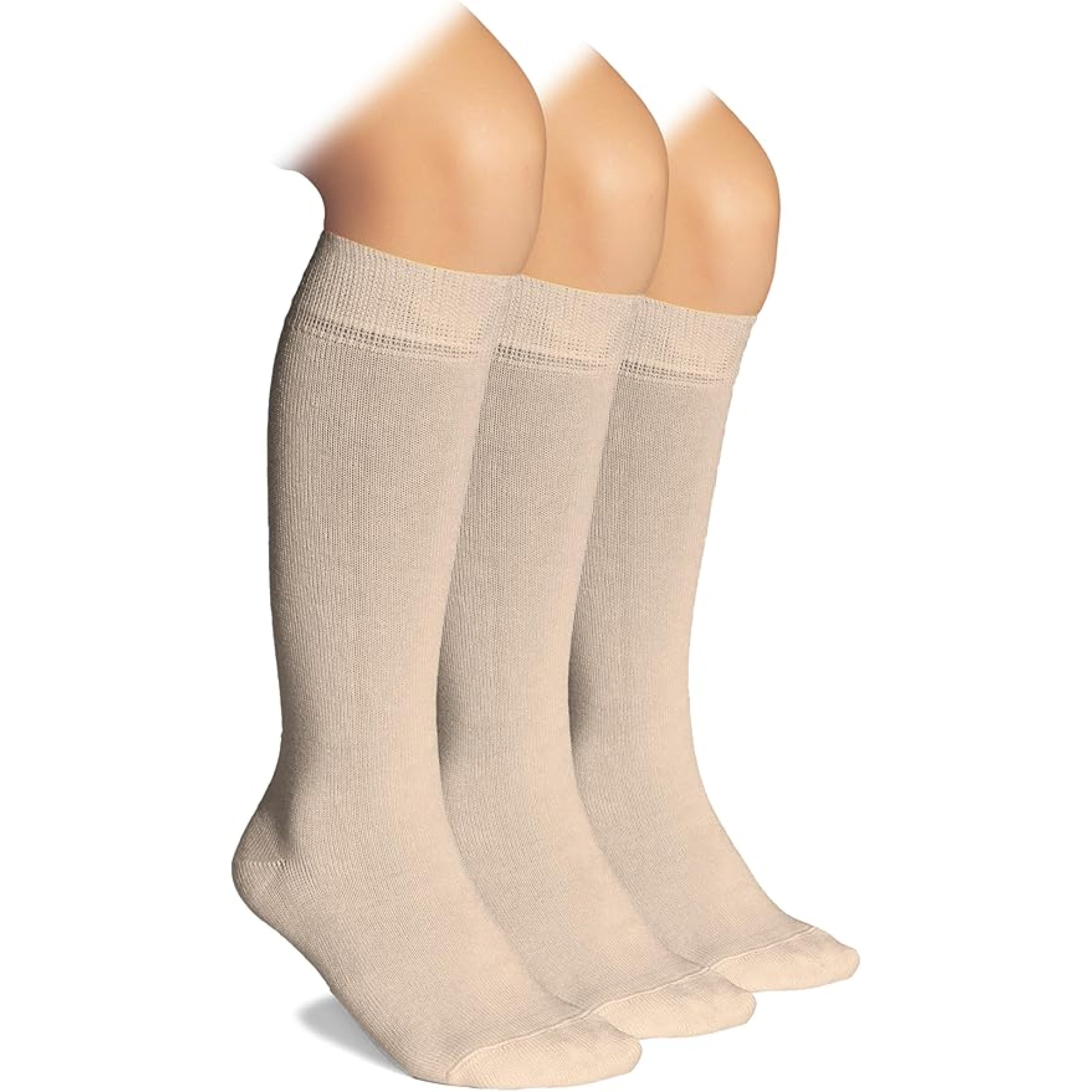


Cotton socks are often seen as the default choice for everyday wear. They feel familiar, accessible, and are widely considered a natural fiber option. However, not all cotton socks perform the same way. In fact, the differences between low-grade cotton socks and high quality alternatives can significantly affect comfort, durability, and overall foot health.
If your goal is to keep feet dry, stay comfortable through long days, and invest in socks that last over the long term, it’s important to understand what really matters beyond the word “cotton.”
Many people associate cotton with natural softness and breathability. While this can be true, 100 cotton socks also have a major drawback: they tend to absorb moisture without releasing it efficiently.
When moisture stays trapped against the skin, socks feel heavy, cool down quickly, and may contribute to discomfort over time. This lack of proper moisture management is one of the main reasons some cotton socks feel uncomfortable during long wear.
The length of the cotton fiber matters more than many people realize. Short-staple cotton breaks down faster, pills easily, and loses softness after washing. Long-staple cotton, on the other hand, creates smoother yarns that are long wearing and more resistant to daily wear.
Combed cotton removes short fibers and impurities during processing. The result is a cleaner, softer fabric that holds its shape better and feels more consistent against the skin.
Pure cotton excels at absorption, but not at release. Without additional moisture controls, cotton socks can stay damp for extended periods. This makes it harder to keep feet dry, especially during warmer days or active routines.
Over time, poor moisture handling can reduce comfort and increase friction, which impacts how socks feel throughout the day.

Modern sock design often combines cotton with carefully selected synthetic fibers. These blends are not about sacrificing comfort, but about improving performance.
Small percentages of performance fibers help socks dry faster, maintain structure, and provide better moisture management without losing the familiar feel of cotton.
Socks with built-in moisture wicking properties move sweat away from the skin and allow it to evaporate. This supports temperature balance and helps you stay comfortable during extended wear.
While cotton is widely used, many people turn to wool socks for improved performance. Wool fibers regulate temperature naturally and handle moisture differently than cotton.
A merino wool sock offers softness comparable to cotton, but with added benefits. Merino fibers manage moisture efficiently, dry faster, and help keep feet warm in cold weather without overheating.
For those looking beyond basic cotton, merino wool is often considered a premium upgrade for everyday wear.
Not all socks provide the same level of support. Light built-in arch support helps the sock stay in place and reduces bunching inside shoes.
Socks designed with airflow zones or blended yarns can be temperature regulating, making them suitable across seasons. This matters for anyone who wants a reliable pair of socks for daily use.
Different activities and climates require different approaches to sock materials. A sock that works well indoors may not perform the same way outdoors or during extended wear.
Higher-quality socks may cost more upfront, but they last longer, maintain comfort, and perform better over time. This makes them a smarter choice over the long term.
Choosing better materials means fewer replacements, better daily comfort, and socks that continue to feel good wash after wash.
Not necessarily, but they often lack proper moisture control. Cotton blends or wool options usually perform better.
Long-staple or combed cotton, reinforced construction, and blended fibers improve durability and comfort.
No. Merino wool regulates temperature and works well in both warm and cold conditions.
Look for reinforced areas, quality materials, and designs made for repeated wear.
He has been working for more than 20 years in the textile industry and has work experience in many parts of the world.