Cart
0
You may also like
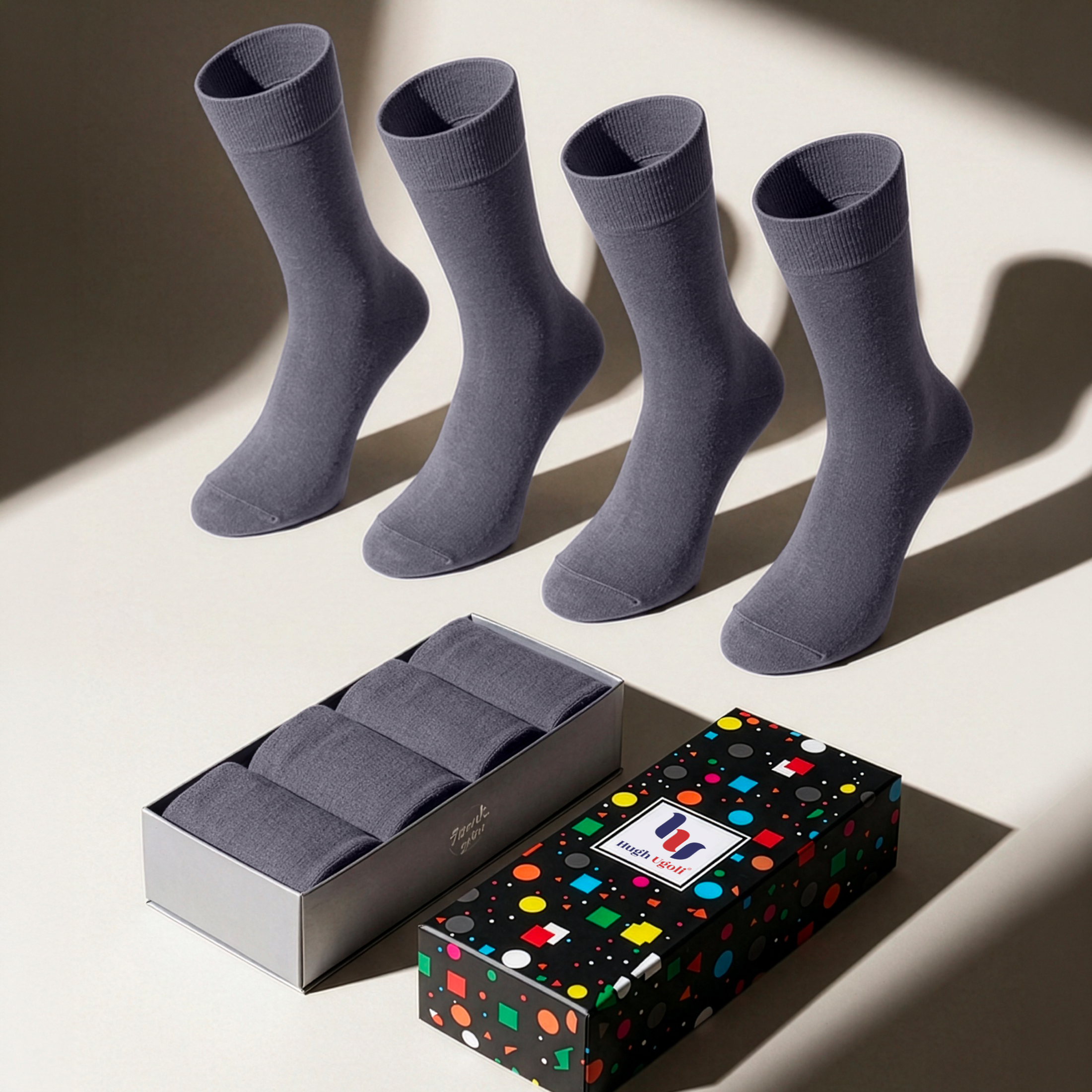
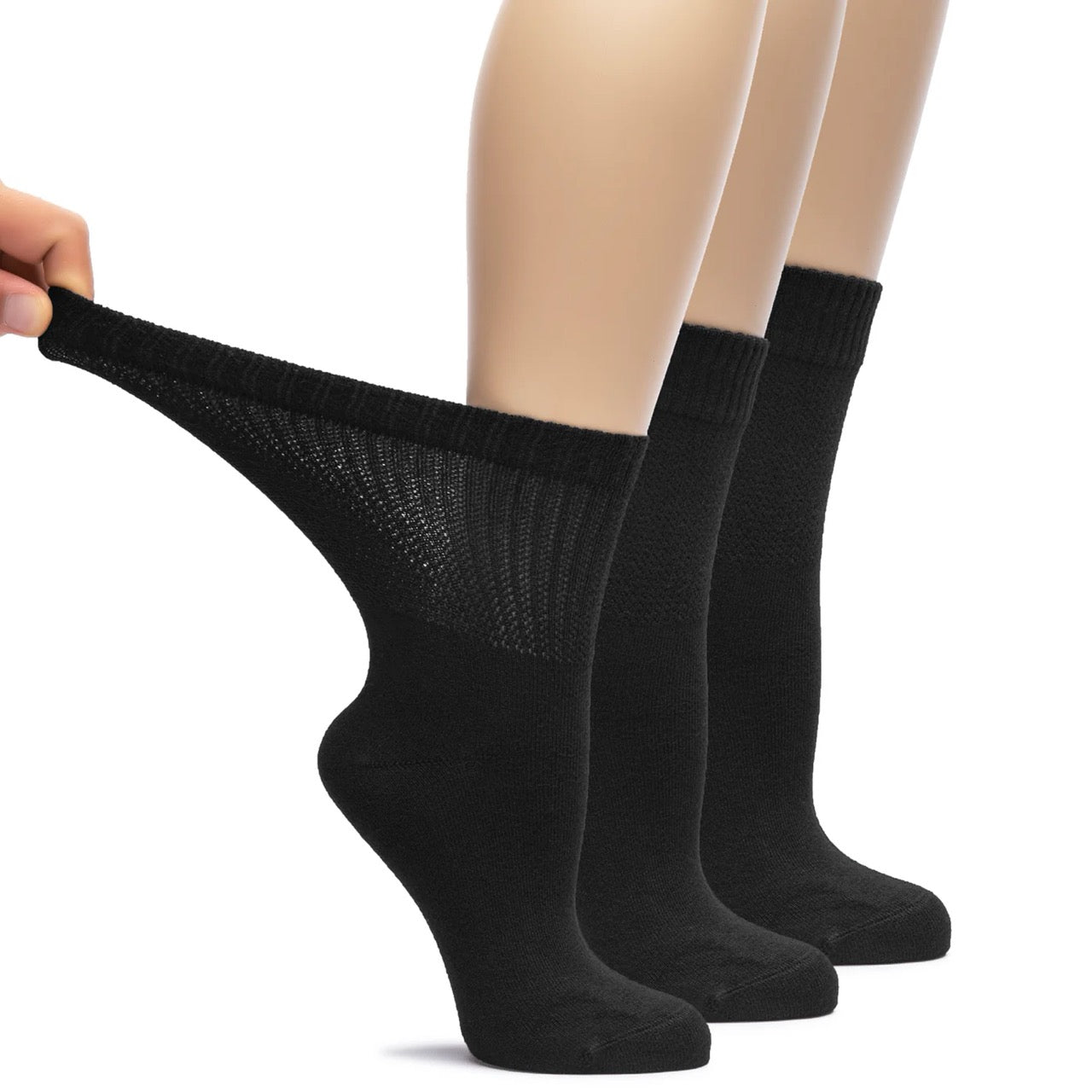
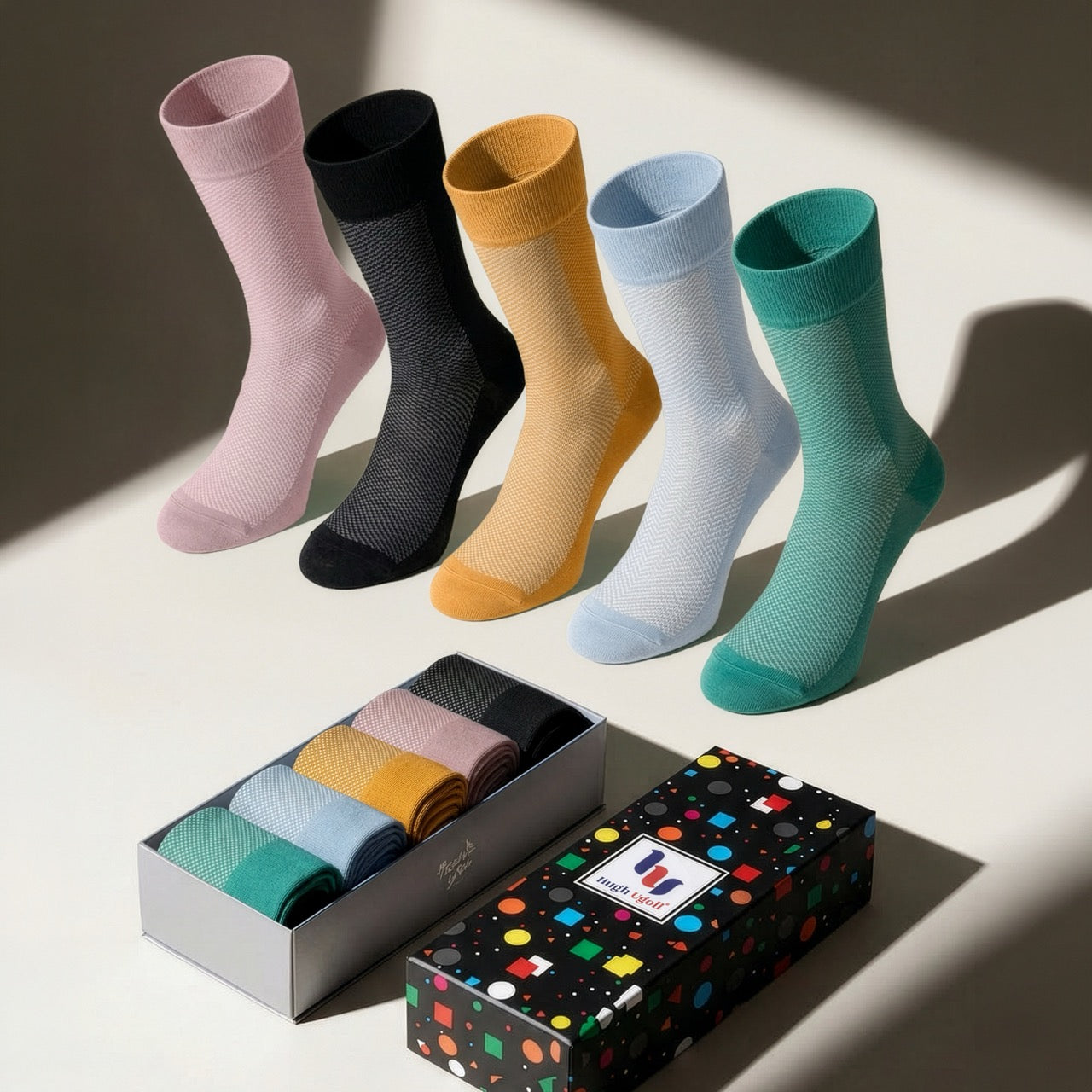
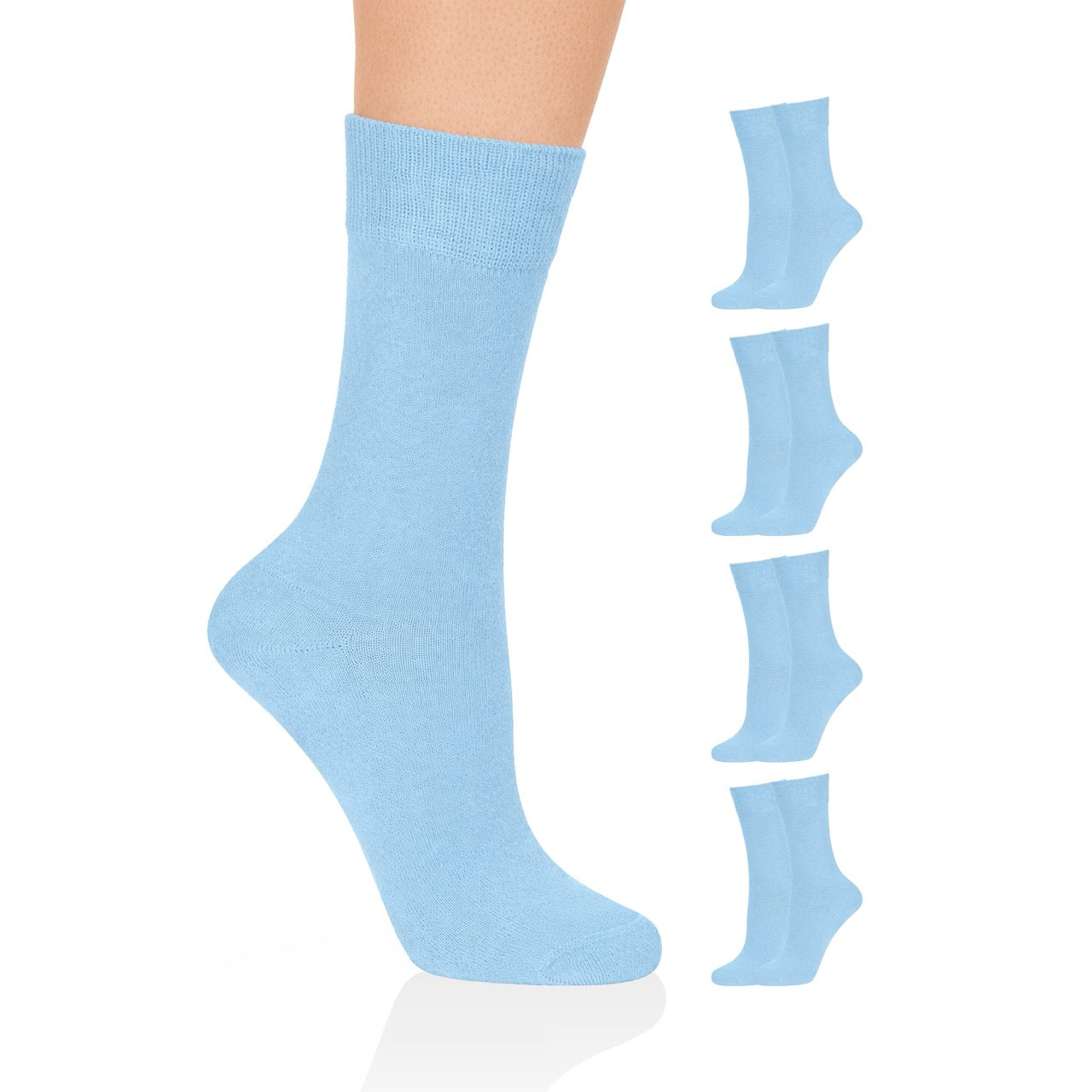
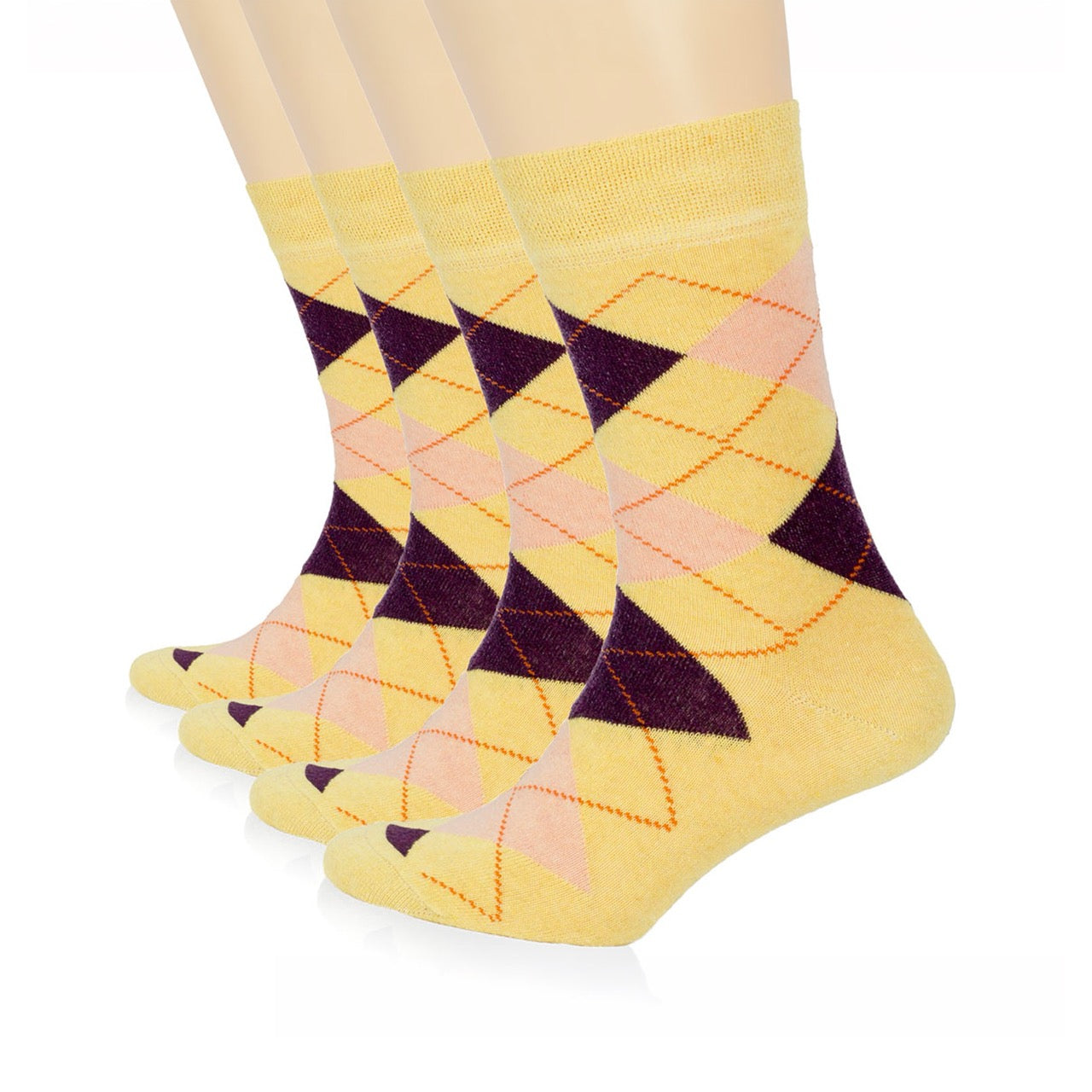
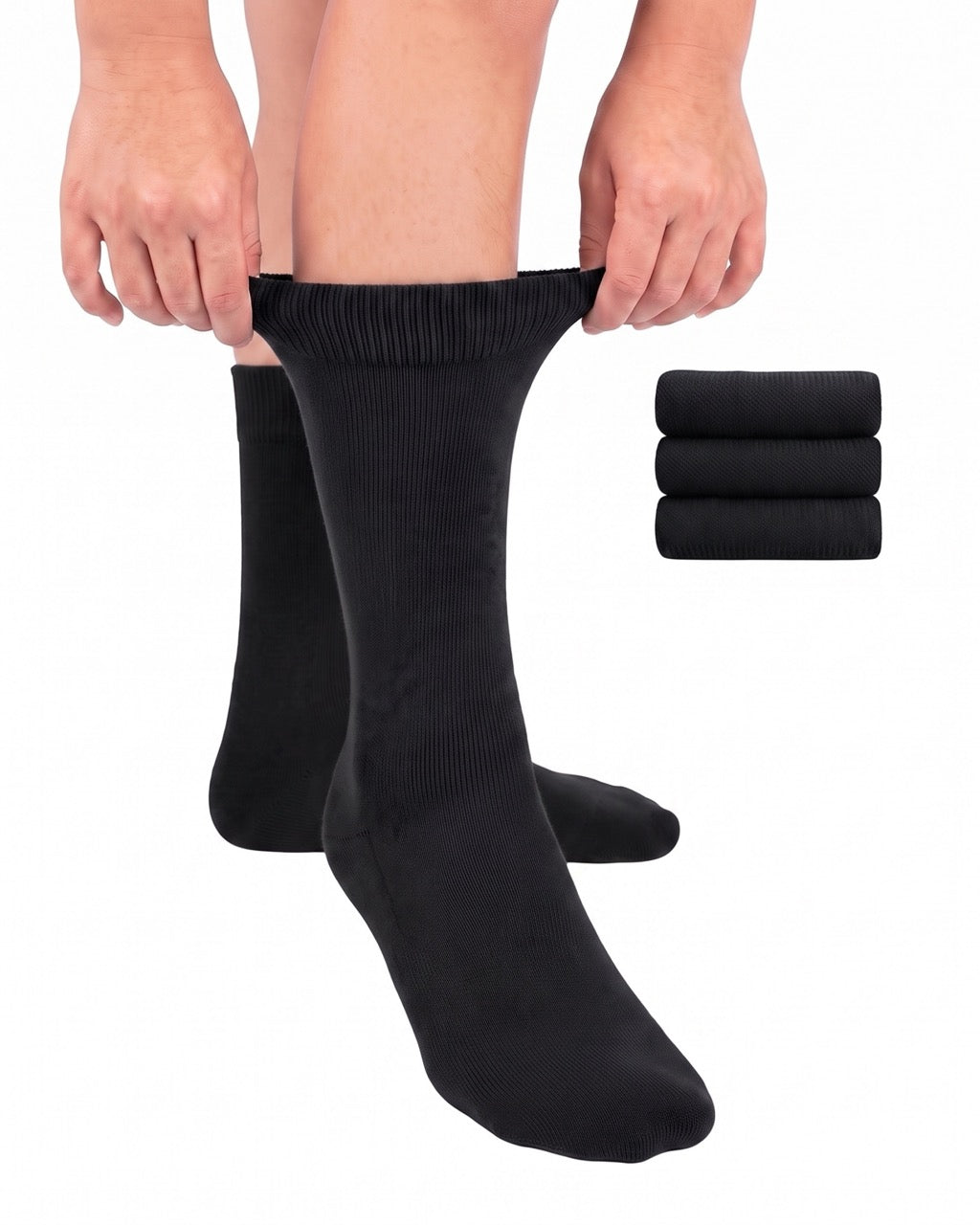
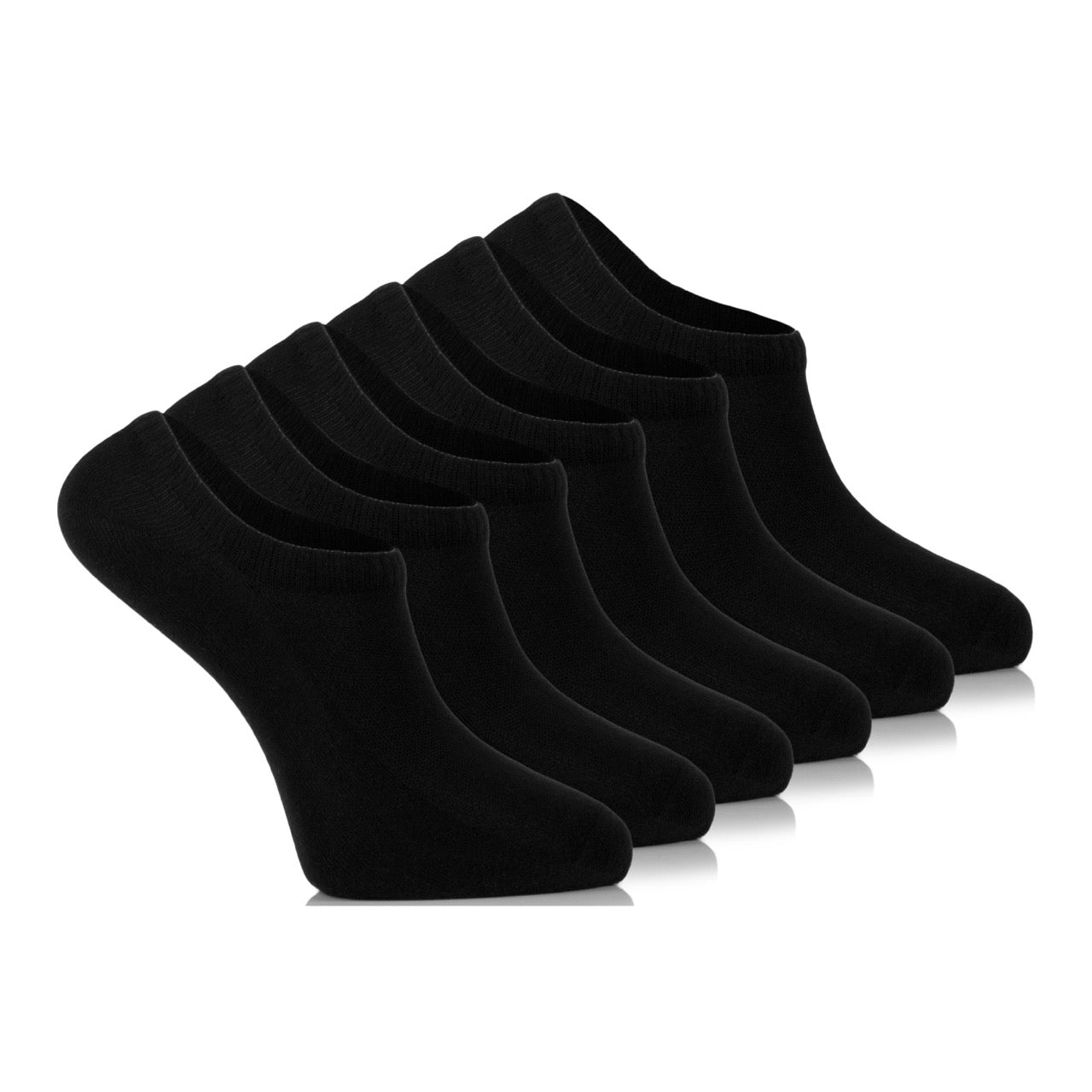
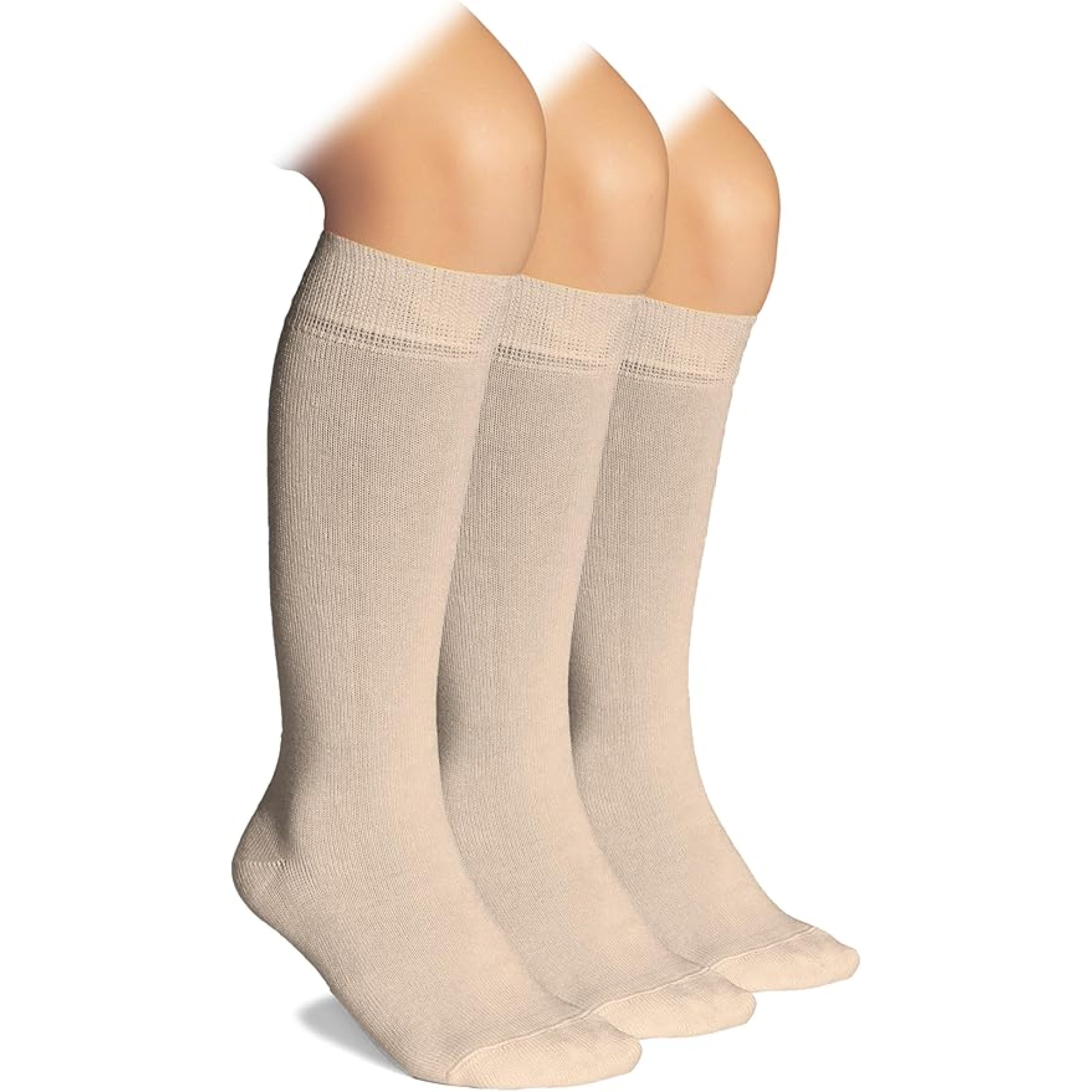


For sensitive feet, the features most worth avoiding are socks that trap moisture, tight cuffs and harsh elastic, and thick or rough toe seams, since these are the most common sources of rubbing and redness. Socks made only from cotton are also worth rethinking, because cotton tends to hold moisture rather than release it. Look instead for moisture-wicking materials, merino wool or balanced blends, light cushioning under the heel and forefoot, seamless or low-profile toe construction, and breathable fabric. Rotating pairs daily and replacing socks once the fabric thins also helps keep feet dry and comfortable.
Key Takeaways
For people with sensitive skin, socks are more than a basic wardrobe item. The wrong pair can cause irritation, overheating, moisture buildup, or even contribute to long-term foot health issues. Choosing the right socks helps keep feet dry and comfortable, supports daily foot care, and plays a key role in reducing preventable discomfort.
Whether sensitivity comes from dryness, friction, circulation concerns, or recurring irritation, understanding what to avoid—and what to look for—makes a noticeable difference in everyday comfort.
Sensitive feet often react faster to pressure, moisture, and temperature changes. Socks that trap sweat, rub against the skin, or fit too tightly can contribute to foot irritation and increase the risk of issues like blisters or fungal infections.
Well-designed socks help regulate temperature, manage moisture, and minimize friction. Over time, this helps comfort and reduce daily irritation while supporting healthier skin.
Excess moisture is one of the biggest triggers for discomfort. Socks that fail to absorb moisture or dry efficiently can leave feet damp, creating an environment where odor and fungal infections thrive.
Tight cuffs restrict movement and increase pressure around the ankle and calf. For sensitive feet, this can lead to redness, indentation marks, and reduced comfort throughout the day.
Thick toe seams or uneven stitching increase friction. Repeated rubbing in these areas can cause hot spots, irritation, and soreness—especially during long days on your feet.
While 100 cotton socks are often seen as gentle, cotton alone tends to hold moisture instead of releasing it. For sensitive feet, this can mean dampness, cooling discomfort, and increased irritation.
Socks made with moisture wicking materials help pull sweat away from the skin. This keeps feet cool in the summer, supports temperature balance, and lowers the chance of irritation caused by dampness.
Merino wool socks are a strong choice for sensitive feet. Merino fibers naturally regulate temperature, keeping feet warm in the winter and feet cool when conditions change. Many people also find merino gentler on the skin than coarse wool.
For everyday wear, merino wool or synthetic blends often provide the best balance of softness, durability, and moisture control.
Light cushioning under the heel and forefoot reduces pressure without adding bulk. This added protection helps comfort and reduce friction in areas that are most sensitive.
Seamless or low-profile toe construction is especially important for socks for sensitive feet. Fewer seams mean fewer points of contact that can irritate the skin.
Breathable construction allows airflow and supports natural temperature regulation. This helps keep feet dry and comfortable during long hours of wear, regardless of season.

Consistently wearing the right socks does more than improve daily comfort. It can reduce the risk of foot irritation, skin breakdown, and recurring moisture-related problems.
By managing sweat, reducing friction, and maintaining a stable environment inside shoes, quality socks become a quiet but important part of everyday foot care.
In warmer months, prioritize lightweight socks with strong moisture wicking properties. These help keep feet dry, reduce heat buildup, and prevent irritation during extended wear.
During colder seasons, socks that provide insulation without overheating are key. Merino wool socks excel here, offering warmth while still releasing moisture to prevent dampness.
This article is for general information and is not medical advice. Talk to your healthcare provider about your own feet.
Not always, but cotton on its own tends to hold moisture rather than release it. For sensitive feet, blended or wool-based socks usually perform better.
Many people find they do. Socks with strong moisture-wicking properties help keep skin drier, which may reduce irritation caused by dampness.
Many people with sensitive skin find merino wool comfortable, because it is soft, breathable, and helps regulate temperature.
Once socks lose their softness, stretch, or moisture control, replacing them helps maintain comfort and protect the skin.
Tight cuffs, harsh elastic, thick or rough toe seams, and fabrics that trap moisture are the features most commonly linked to rubbing and redness.
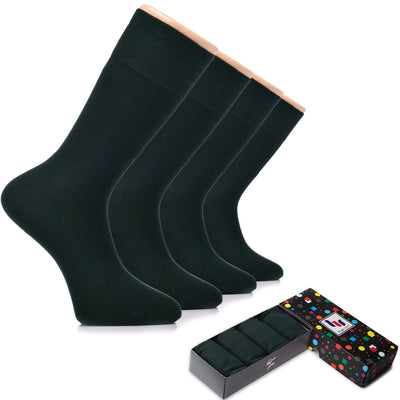
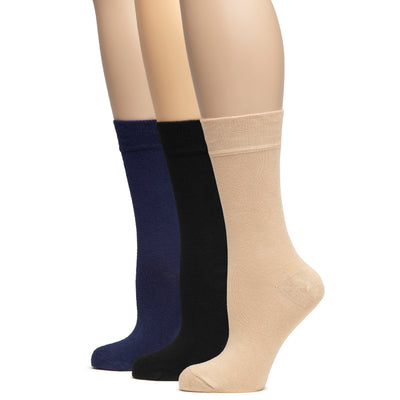

Discover All Hugh Ugoli Socks
Shop All Socks