Cart
0
You may also like





Peripheral neuropathy affects the peripheral nerves, causing symptoms such as tingling, numbness, and pain, particularly in the hands and feet. For many people, these symptoms become noticeably worse at night, making it difficult to sleep. This isn't imagined — a study from the Comprehensive Pain Center at Oregon Health & Sciences University, following nearly 650 participants with diabetic peripheral neuropathy, found that patients reported their most significant pain between 11pm and 8am, regardless of age, gender, or other health conditions.
In this article, we'll look at what's actually known about why neuropathy symptoms intensify at night, and what steps may help you get a more comfortable night's sleep.
According to Dr. Khosro Farhad, a neurologist at Mass General Brigham, "it isn't known for sure, but there are some hypotheses" for why nerve pain intensifies at night. The most-cited explanation is the gate control theory of pain, which describes how the spinal cord acts as a kind of gatekeeper for pain signals traveling to the brain — movement and certain sensations can help "close the gate," while stillness and cold can open it further. A few specific factors are commonly discussed:
Fewer Distractions: During the day, activity and tasks compete for your attention. At night, with less to distract you, pain signals may become more noticeable — a phenomenon sometimes called central sensitization, where reduced sensory input can make your brain amplify the signals that remain.
Body Position and Circulation: Lying down changes blood flow patterns to the extremities, which some clinicians believe can affect nerve pain intensity.
Cooler Temperatures: According to the Cleveland Clinic, damaged nerves may interpret the nighttime drop in temperature as pain or tingling, which can heighten discomfort as your bedroom cools.
Accumulated Physical Stress: A physically demanding day can leave muscles and nerves more irritated by the time you rest, which some people notice as worse pain at bedtime.

The most common symptoms of peripheral neuropathy include tingling, numbness, burning, or sharp pains, particularly in the hands, feet, or lower legs. When these worsen at night, the resulting poor sleep can, in turn, increase overall pain sensitivity — creating a cycle that can be difficult to break without addressing both the pain and the sleep disruption.
While there's no guaranteed fix, a few approaches are commonly suggested by clinicians and may be worth trying:
Warm Bath Before Bed: May help improve blood flow and relax muscles, which some people find soothing before sleep.
Elevate Your Feet: Elevating your legs with a pillow may help some people feel more comfortable, though evidence specifically for neuropathy pain relief is limited.
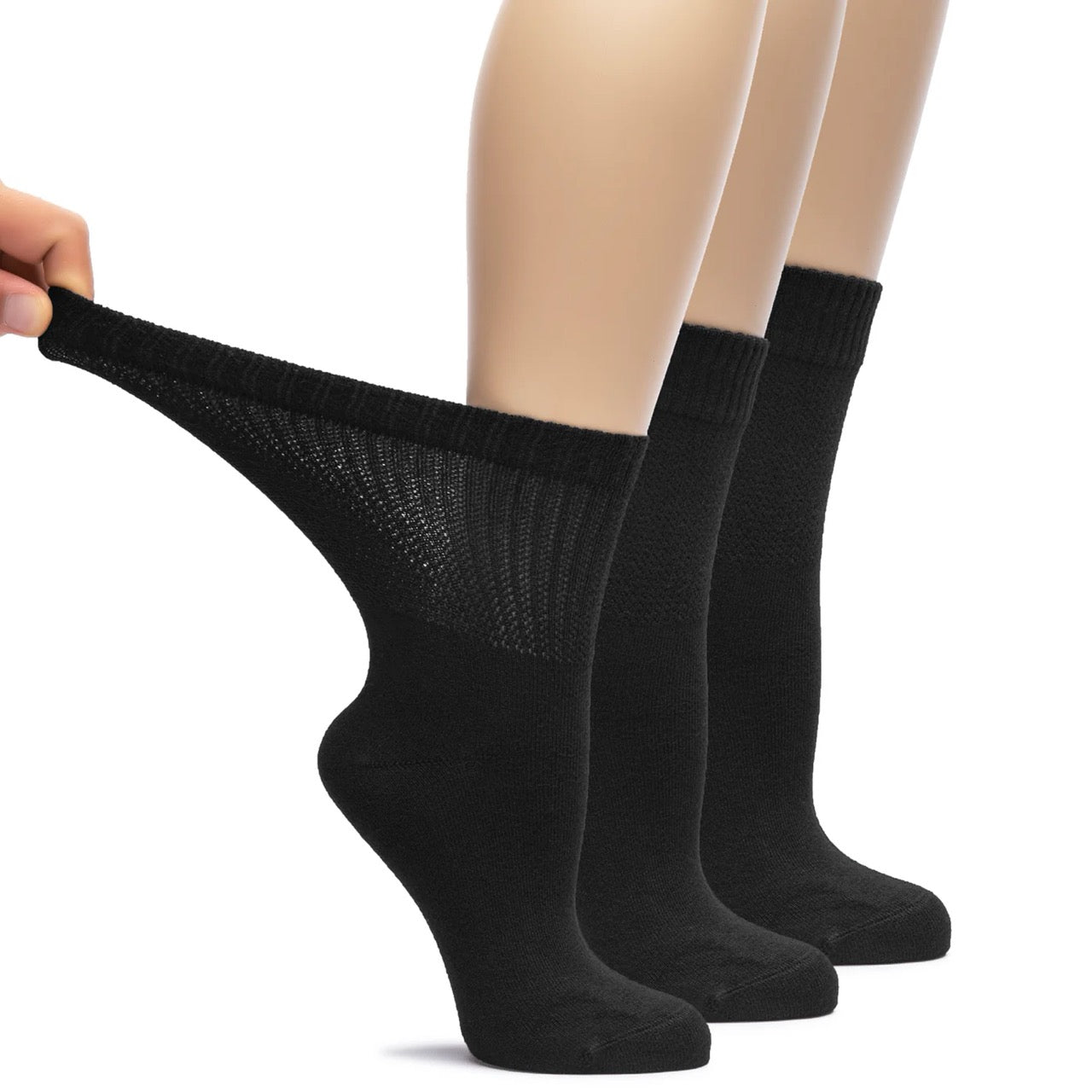
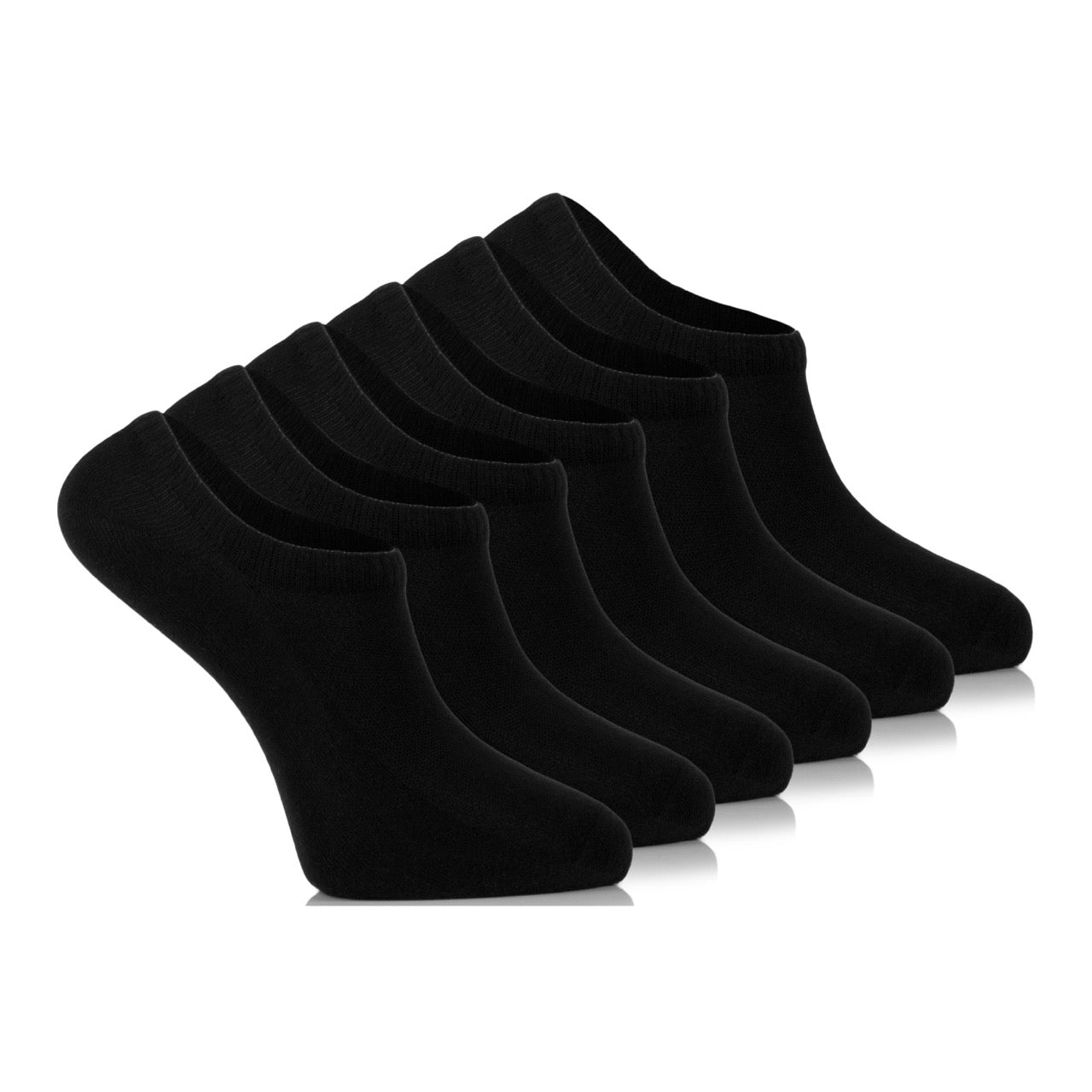
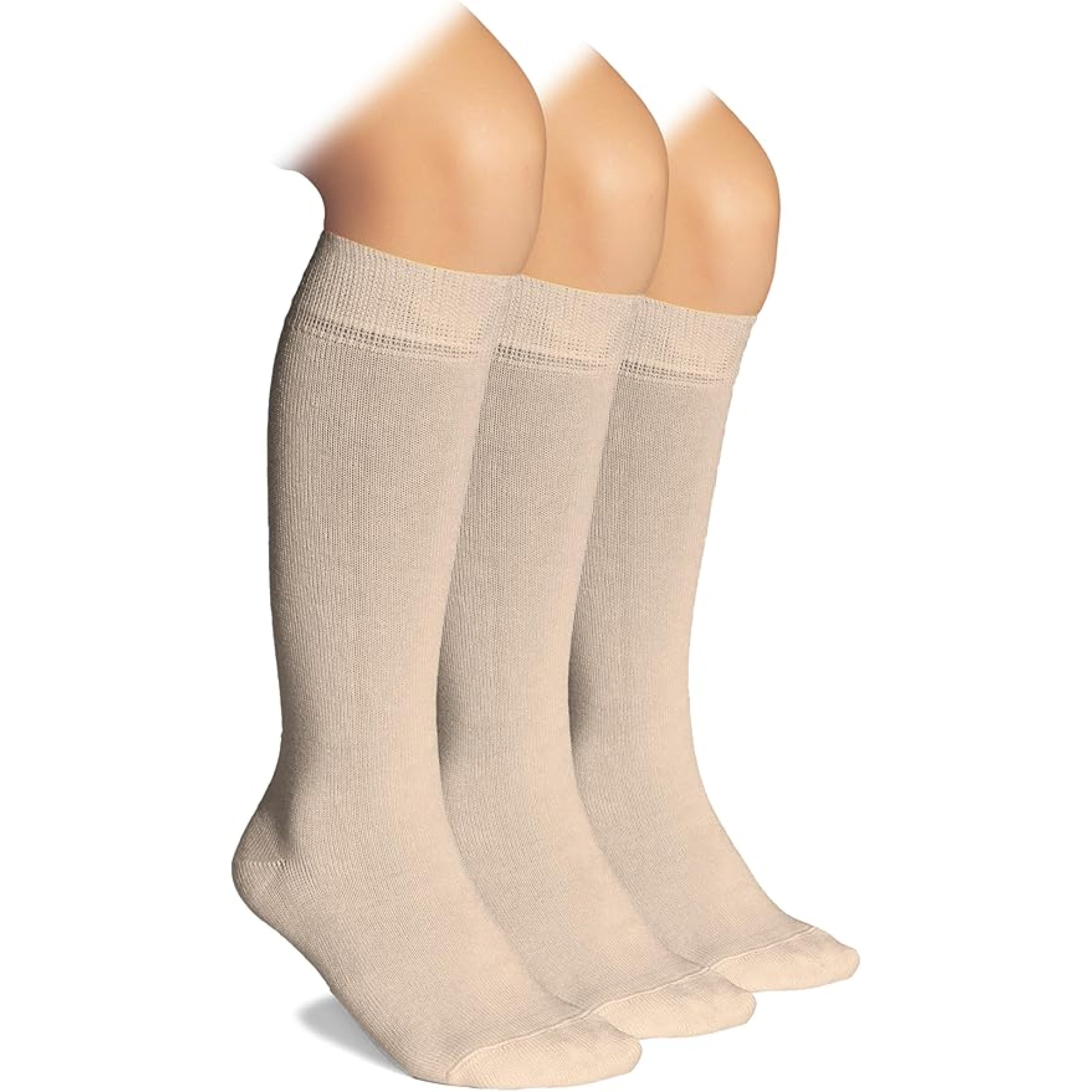
Keep Your Sleeping Environment Warm: Since cooler temperatures are commonly linked to increased nerve sensitivity, keeping your bedroom warm — including wearing soft, non-restrictive socks to bed if that's comfortable for you — may help some people. This is a comfort measure, not a treatment for the underlying nerve damage.
Establish a Regular Sleep Schedule: Consistent sleep and wake times support your body's overall rest cycle, and better-rested patients may perceive pain as less intense.
Physical Activity: Gentle exercise like walking or swimming supports circulation and nerve health. A supervised 10-week exercise program in people with diabetic neuropathy has been shown to reduce pain and symptom scores in clinical research — ask your provider what's appropriate for you.
Foot Care: Especially important for diabetic neuropathy — wearing supportive shoes, inspecting your feet daily, and keeping them clean and dry helps prevent complications that could add to discomfort.
Blood Sugar Management: For people with diabetes, keeping blood sugar in your target range, as recommended by the American Diabetes Association, is the best-supported way to help prevent nerve damage from progressing.
If neuropathy pain is unbearable at night or significantly interferes with your sleep, talk to your healthcare provider. They may discuss options such as anti-seizure medications, certain antidepressants, or topical treatments, or refer you for therapies like nerve stimulation. Persistent nighttime nerve pain is worth bringing to a doctor rather than managing entirely on your own.
Some people find that soft, non-binding socks — like our Men's Bamboo Diabetic Ankle Thin Socks or Women's Cotton Diabetic Crew Thin Socks — add a small measure of nighttime comfort by keeping feet warm without a tight cuff. This is a comfort choice, not a substitute for medical treatment of nerve pain.
While the exact mechanisms behind nighttime neuropathy pain aren't fully settled, clinicians point to reduced distractions, temperature changes, and the body's pain-processing pathways as likely contributors. Warmth, gentle activity during the day, and a consistent sleep routine may help — but persistent or worsening nighttime pain deserves a conversation with your doctor rather than self-management alone.
For more on managing diabetic neuropathy, see our related article on Do Diabetic Socks Help with Neuropathy?
This article is for general information and is not medical advice. Talk to your healthcare provider about your specific symptoms.
He has been working for more than 20 years in the textile industry and has work experience in many parts of the world.