Cart
0
You may also like
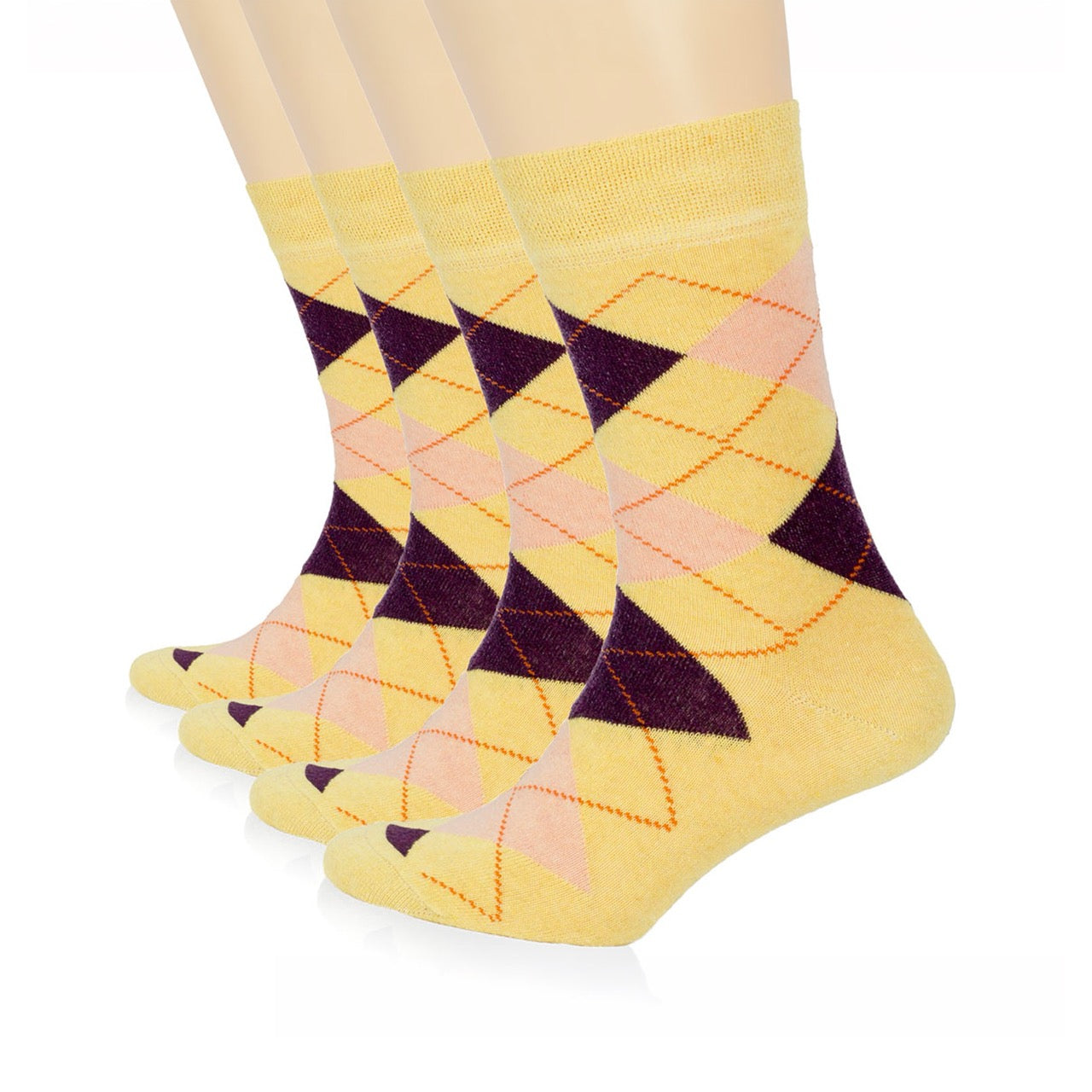
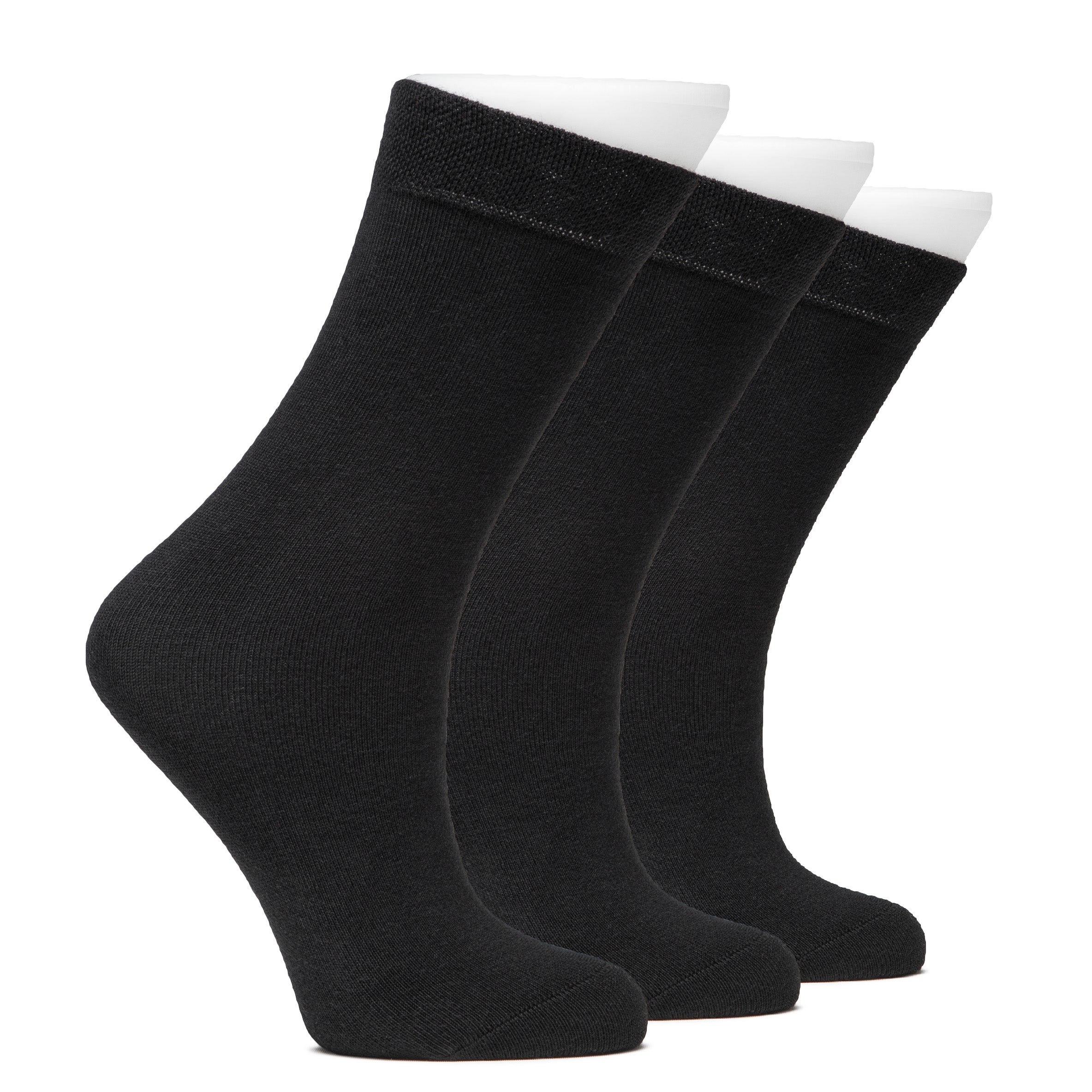
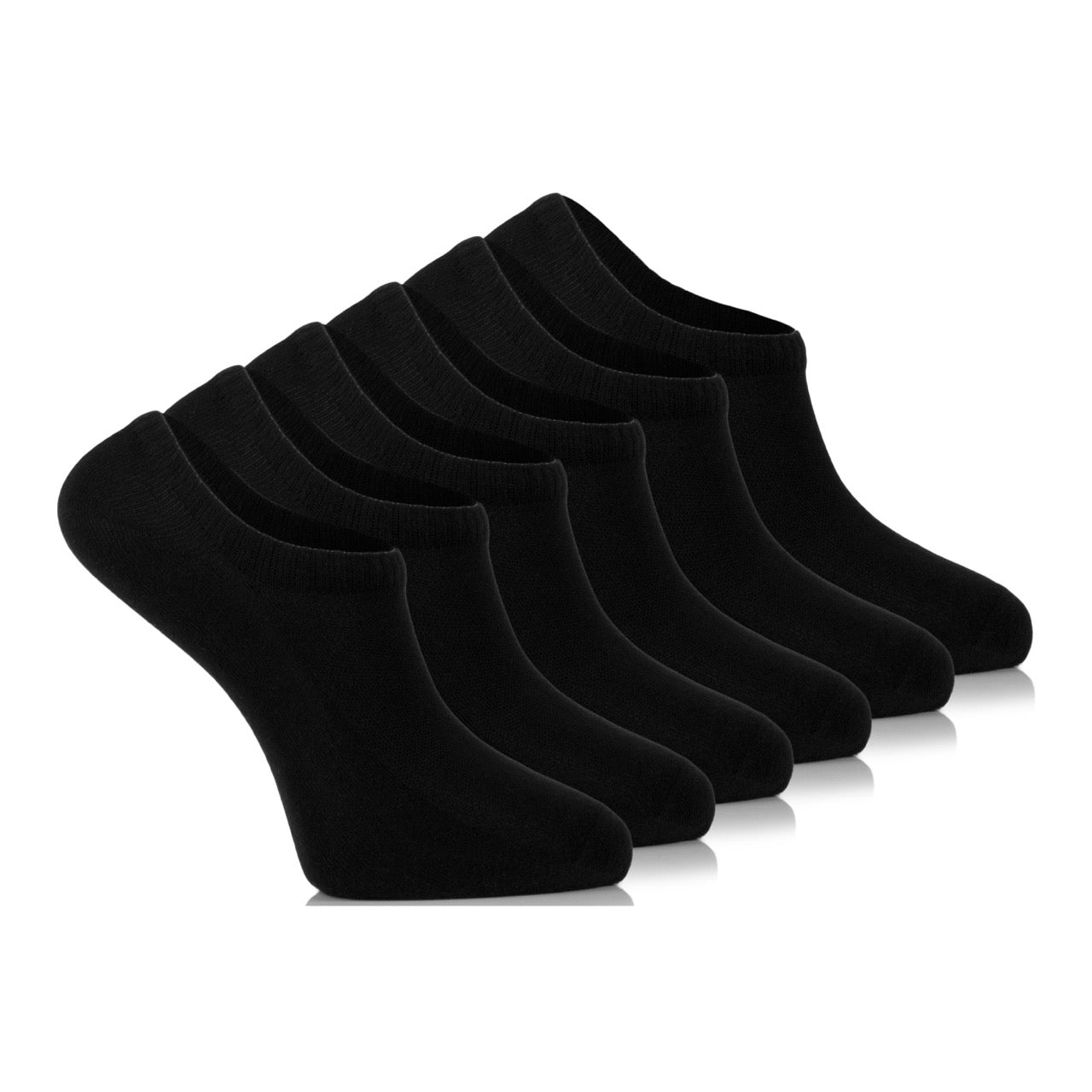
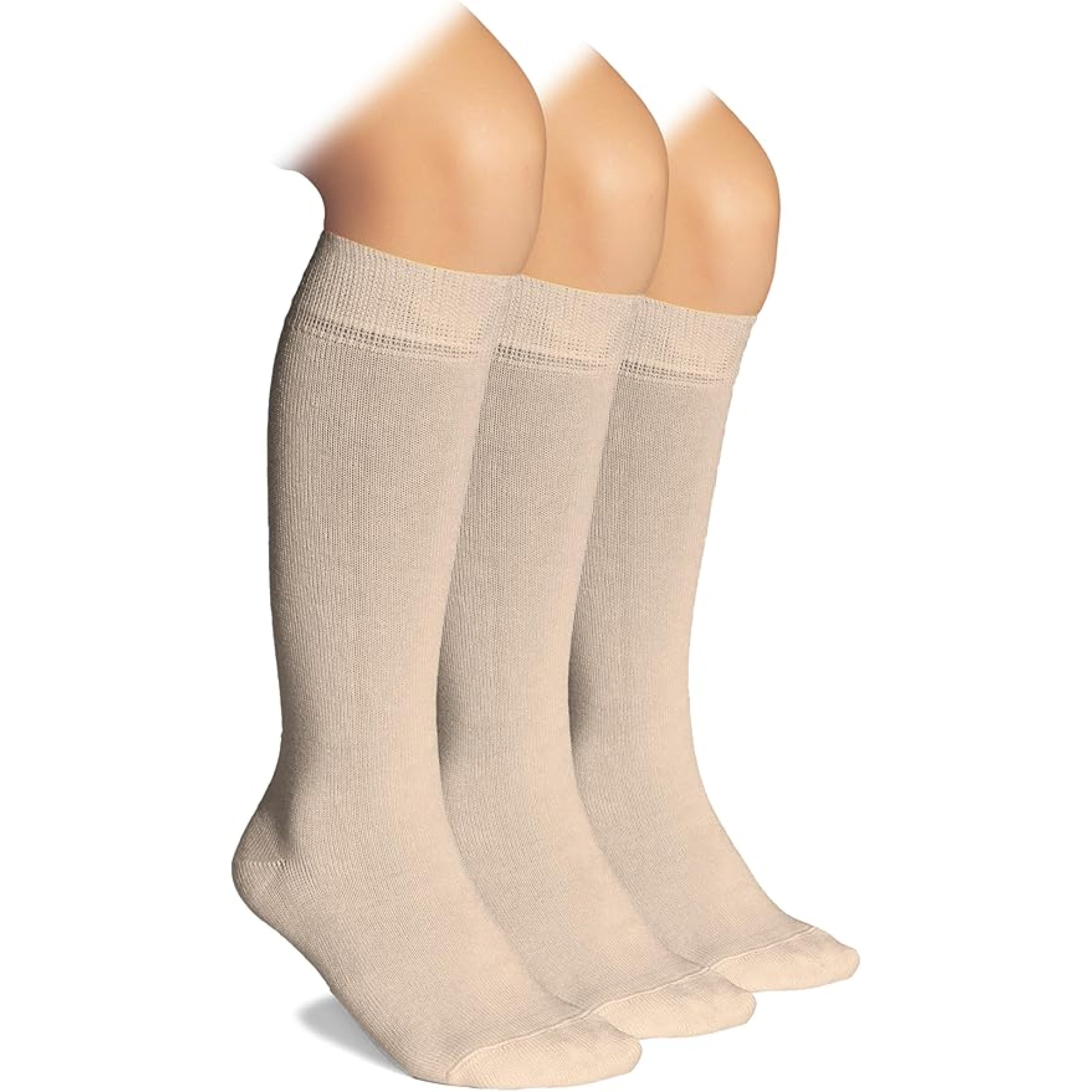


Ask someone with arthritis in their hands or feet what part of the morning they dread, and a surprising number will say socks. Not the stairs, not the jar lids — socks. Bending to reach the foot, gripping a narrow tube of fabric with stiff fingers, and working it over a swollen toe joint is a genuinely difficult sequence at the exact time of day when joints are at their least cooperative.
The right pair changes that. Not because a sock does anything to the arthritis, but because most socks are designed on the assumption that the wearer has full grip strength, easy bending, and toes that tolerate pressure. Once you know which construction details to look for, getting dressed becomes a smaller event.
This guide covers what makes a sock easy to put on, what makes it comfortable to wear all day on sensitive joints, the fabrics worth considering, and the dressing techniques that people find make the biggest difference.
Arthritis affects socks in three distinct ways, and it helps to know which one is your main problem, because the solutions differ.
Rheumatoid arthritis characteristically affects small joints first — the knuckles at the base of the fingers, the wrists, and the toes — and produces the morning stiffness that Mayo Clinic describes as easing as the day goes on. That is a problem for socks specifically, because socks are the first thing you handle in the morning and they demand pinch grip, sustained tension, and fine control all at once.
The Arthritis Foundation notes that foot pain is often the first sign of arthritis, and that the small joints of the forefoot are common sites. Bunions, hammertoes and swollen midfoot joints change the shape of the foot, and a sock cut for a standard foot then presses on the very places that hurt. Their guidance on when foot pain may mean arthritis is worth reading if you have not yet had your feet assessed.
Hip, knee and spinal arthritis limit how far you can bend, which turns sock-donning into a balance problem as much as a dexterity one. A sock with a wide, easy opening solves half of this; a long-handled sock aid solves the rest.
These are the features that matter most, roughly in order of impact.
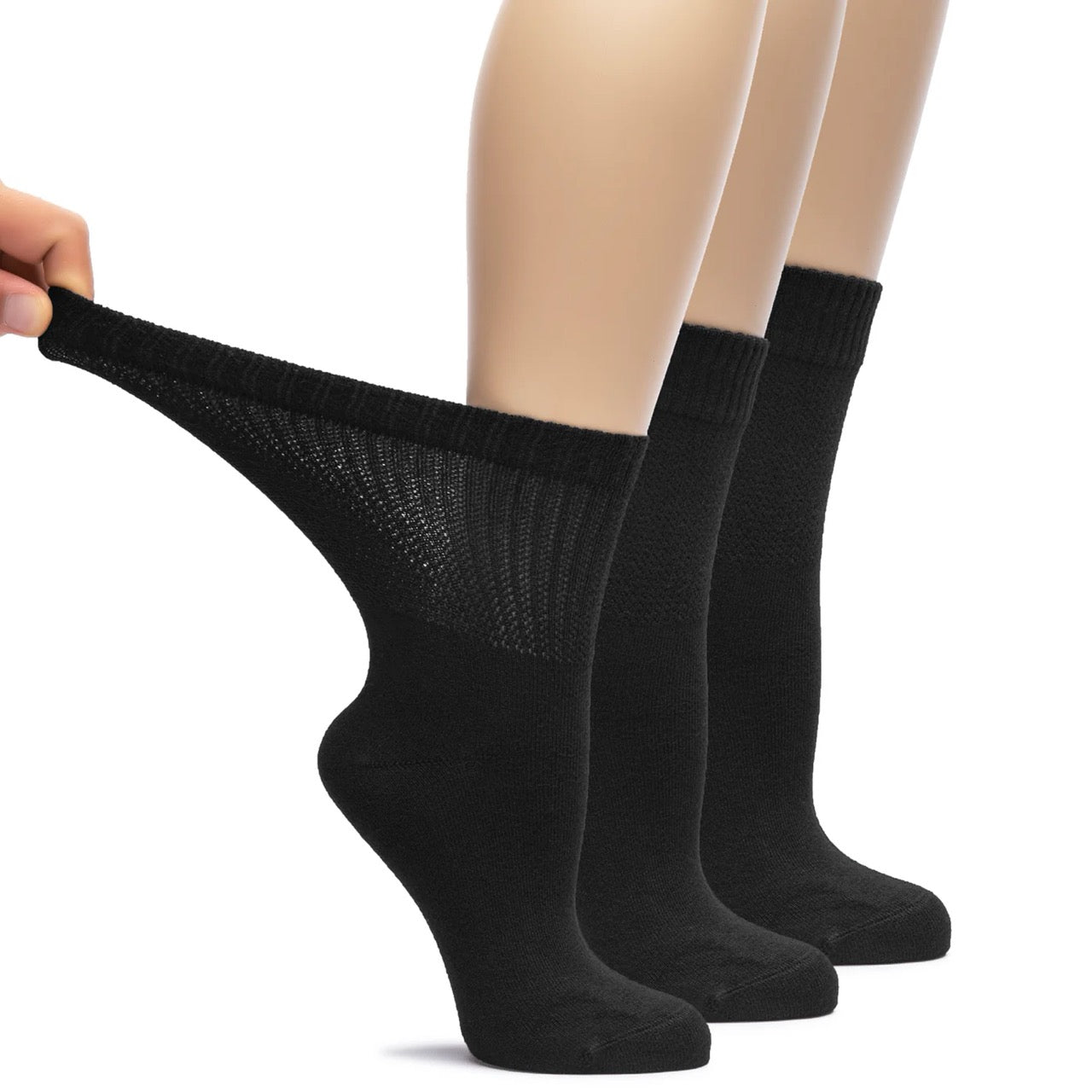
The cuff is the gate. A tight elastic top has to be stretched wide by fingers that do not want to stretch anything, and it snaps back as you work the sock over the heel. A non-binding cuff uses gentler elastic spread across a wider band, so the opening yields easily and still stays up once it is on. This is the same construction we use across our range for a different reason — it is explained in why doctors recommend non-binding socks — but the benefit for arthritic hands is immediate.
A sock that has to be fought over the heel is a sock that will be worn less. Good four-way stretch means the fabric opens as you pull and then settles back to shape, rather than requiring you to generate all the width yourself.
The ridge across the toes on a conventionally closed sock is the detail people with forefoot arthritis notice first. On a joint that is already tender and possibly deformed, a raised seam sitting directly on it is a full-day irritation. A hand-linked, flat toe closure removes it.
Bunions and hammertoes need width, not compression. A sock that pulls the toes together works against every piece of footwear advice for arthritic feet — the Arthritis Foundation's shoe guide makes the case for roomy shoes that minimise rubbing against joint deformities, and the same logic applies to what goes inside them.
Some cushioning under the ball of the foot and heel takes the edge off impact on tender joints. What you want to avoid is a bulky sock that fills the shoe and creates its own pressure. Semi-cushion construction — padding on the sole, thin elsewhere — is the useful middle ground, which is why the Women's Semi-Cushion Cotton Diabetic Ankle Socks and Men's Diabetic Ankle Semi-Cushion Cotton Socks come up so often in this context.
Small things: a sock with a visibly different cuff colour or a distinguishable heel is easier to orient when your fingers are doing less of the work. Socks with a non-slip sole, like our Women's Bamboo Lightweight Ankle Socks with Non-Slip Grip and Seamless Toe, also mean you can move around the house without shoes and without sliding, which matters if balance is already affected.

Soft, smooth against the skin, good at moving moisture, and it drapes rather than resists — which is exactly what you want in a sock you are trying to pull on one-handed. It is also naturally temperature-regulating, which suits people whose joints ache more when feet get cold. Our Soft Bamboo Dress Crew Socks for Women and Men's Lightweight Bamboo Diabetic Ankle Socks are both easy-handling options.
Familiar, breathable, and easy to wash hot. Combed cotton with a good stretch content handles well. Plain heavy cotton without stretch is the one to avoid — it is stiff and unhelpful at the cuff.
Warmth genuinely helps some people with joint stiffness, and a fine merino sock in winter can be worth it. Coarse wool against sensitive skin is less pleasant, and thick wool socks can overfill a shoe.
Occupational therapists have well-established approaches here, and they work with better socks rather than instead of them.
This replaces pinch grip with a pushing motion, which is usually far more tolerable for arthritic hands.
If morning stiffness is your issue, put socks on after a warm shower rather than before. Ten minutes of warmth makes a measurable difference to how hands and feet move. Some people keep the next day's socks in a warm spot for the same reason.
Buying multiples of one pair type means no sorting, no matching, and no morning where the only clean pair is the difficult one. It is a small thing that removes a daily friction point — our sock care guide covers keeping a uniform set in good condition.
One pair type rarely covers everything. Most people with arthritis end up with three small groups of socks, each solving a different problem.
A crew-height, seamless-toe sock with a non-binding cuff and light cushioning under the sole. This is the workhorse: comfortable inside a supportive shoe, easy enough to put on in the morning, and warm without being bulky. Buy several identical pairs so there is never a morning where the only clean option is a difficult one.
Many people with arthritic feet find shoes uncomfortable indoors but do not want to walk on hard floors in bare feet. A soft sock with a non-slip sole covers that gap, and reduces the slipping risk on wood or tile — worth taking seriously if arthritis has affected your balance or your knees. Keep these separate from your outdoor pairs so the grip pattern stays clean and effective.
If your feet get cold at night, or you moisturise before bed, a loose sock a size up with no cuff pressure at all is the right tool. The goal here is warmth and coverage rather than fit — anything that grips the ankle while you are lying still is the wrong choice.
During a flare, joints swell and tolerance drops. Keep two pairs of your loosest, softest socks set aside specifically for those days, so you are not trying to force a normal pair over an inflamed joint. Being able to reach for something that goes on easily removes one small battle from a difficult week.
Joints affected by arthritis often swell, and swelling is not constant — feet are frequently larger in the evening, in hot weather, and during a flare. A sock that fits at 8am and leaves a deep ring at 6pm is too small for the day, not just for the evening.
If swelling is a regular feature rather than an occasional one, our guides to non-binding socks for swollen feet and the role of socks in managing everyday swelling both go further, and the non-binding design explainer covers the underlying principle.
It would be misleading to suggest that a sock does much on its own. What it can do is stop adding to the problem — no seam on a tender joint, no elastic biting a swollen ankle, no wrestling match before breakfast. The rest of the picture typically includes:
If arthritis has changed how long you can stay on your feet, socks for all-day standing comfort covers the standing side of the equation, and you can browse cushioned, non-binding options in our women's and men's non-binding collections.
Look for a wide non-binding cuff with gentle elastic, generous four-way stretch through the foot, and a soft fabric like bamboo viscose or a cotton blend that drapes rather than resists. Avoid heavy ribbed tops and stiff, low-stretch cotton. Combining an easy-opening sock with the roll-and-place technique, or a sock aid if bending is the problem, makes the biggest practical difference.
That depends on why you would be wearing them, and it is a question for your clinician. Compression is prescribed for specific venous and circulatory reasons, not for arthritis itself, and firm compression stockings are difficult to put on with reduced hand strength. For most people with arthritis looking for day-to-day comfort, a non-binding sock with a seamless toe is the more appropriate choice.
Many people with joint stiffness find that keeping their feet warm makes movement more comfortable, particularly in the morning and in cold weather. It is a comfort measure rather than a treatment. A soft, warm sock that goes on easily is worth having; a thick one that overfills your shoe and presses on tender joints is not.
Width across the forefoot and a flat, seamless toe closure. A sock that squeezes the toes together or places a raised seam across a deformed joint creates friction exactly where the skin is already under pressure from footwear. Pair a roomy sock with a shoe that has a wide toe box — the sock cannot compensate for a narrow shoe.
When the cuff loses its stretch or the sole thins, usually every six to twelve months in regular rotation. A stretched-out cuff slides down and bunches, and a thin sole removes what little cushioning you had over tender joints. Because consistency helps, many people find it easiest to replace a whole set at once rather than piecemeal.
This article is for general information and is not medical advice. Talk to your healthcare provider about your own feet.
He has been working for more than 20 years in the textile industry and has work experience in many parts of the world.