Cart
0
You may also like
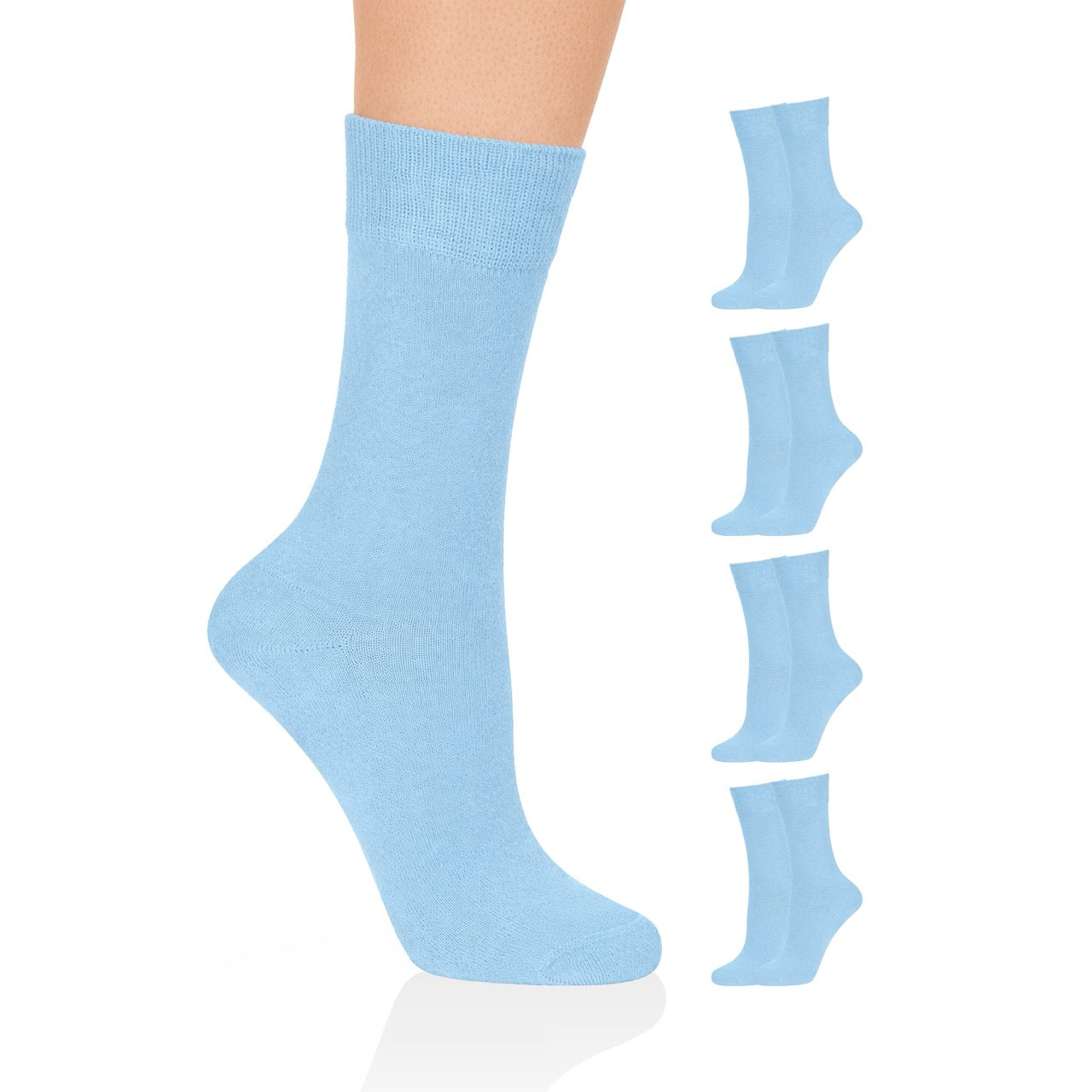


If your child has eczema, you already know that the flare rarely starts where you expect it. It starts with a seam that rubbed all afternoon, a cuff that left a red ring above the ankle, or a pair of socks that stayed damp through gym class. Parents spend a lot of energy choosing the right cream and the right laundry detergent, and then send their child out the door in socks that undo half of that work by lunchtime.
Socks matter more for eczema-prone feet than most people realize. They sit against the skin for ten or twelve hours a day, they trap heat and moisture, and they are one of the few garments that stay in constant motion against the body. This guide walks through what actually irritates sensitive skin, which fabrics and construction details are worth paying attention to, and how to build a sock drawer that stops causing problems for your child's feet and ankles.
Eczema, or atopic dermatitis, involves a skin barrier that does not hold moisture well and reacts strongly to irritation. Three things make feet a common trouble spot: friction, heat, and trapped sweat. A sock delivers all three at once, all day long.
The American Academy of Dermatology notes that a full childhood eczema plan usually combines skin care, medication when needed, coping strategies for itch, and trigger avoidance — and clothing is squarely in that last category. If you want the clinical detail on how the pieces fit together, the AAD's overview of treating childhood eczema is the clearest short summary available.
None of this is exotic. It is the same reason your child's eczema improves in loose cotton pajamas and worsens in a polyester costume. The foot is simply the place where the fabric never gets a break.
When parents ask us what separates a good sock for eczema-prone feet from a bad one, the answer comes down to four construction details and one fabric decision.
The toe seam is the single most common complaint. Standard socks are closed with a linked or overlocked seam that sits as a ridge directly across the tops of the toes. Look for hand-linked or seamless-toe construction, where the closure is flat enough that a fingertip run across the inside of the sock finds no ridge. If your child already reacts to seams, tags, and waistbands generally, our guide to seamless socks for kids with sensory sensitivity covers the overlap between sensory sensitivity and skin sensitivity in more detail.
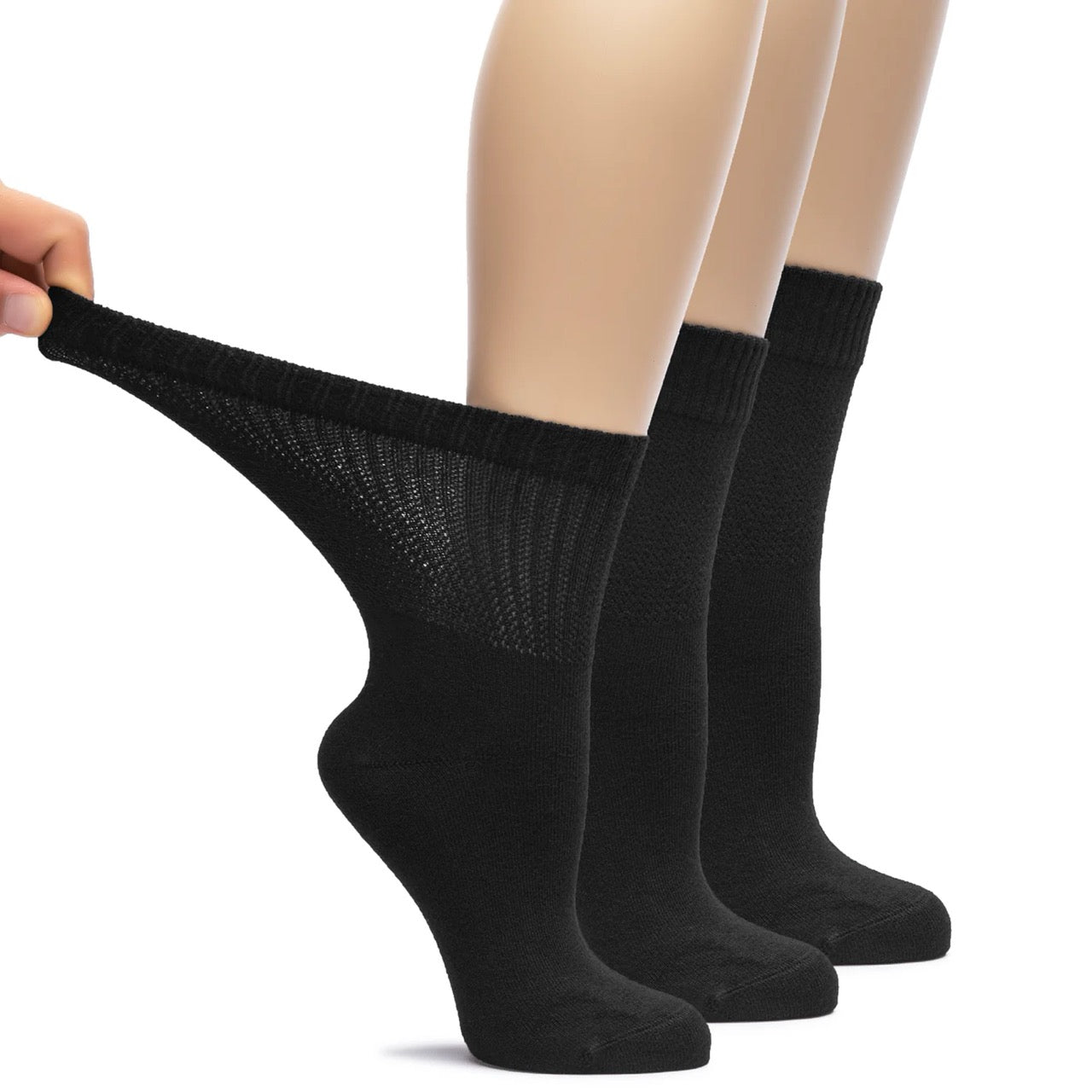
The ring of red skin above the ankle at the end of the day is a pressure mark, and on eczema-prone skin it is often where the next flare starts. A non-binding top uses gentler elastic distributed over a wider band, so the sock stays up without compressing a narrow strip of skin. This is the design principle behind everything in our range — the same reasoning is explained for adults in how non-binding socks support better circulation, and it applies just as well to a seven-year-old.
Bamboo viscose and combed cotton both work well here, for different reasons. Bamboo viscose has a very smooth fibre surface and moves moisture away from the skin quickly, which keeps the interior of the sock drier. Combed cotton is soft, familiar, washes hot without complaint, and is easy to replace often. What you want to avoid is a high-synthetic blend that holds heat, and coarse wool next to the skin, which many eczema-prone children find intolerable.
A sock that is too small stretches thin over the toes and pulls the seam tight. A sock that is too large bunches under the arch and creates a friction point where there was none. Getting the size right is unglamorous but it does more than any fabric upgrade — our age and shoe-size chart for kids' socks takes the guesswork out of it.
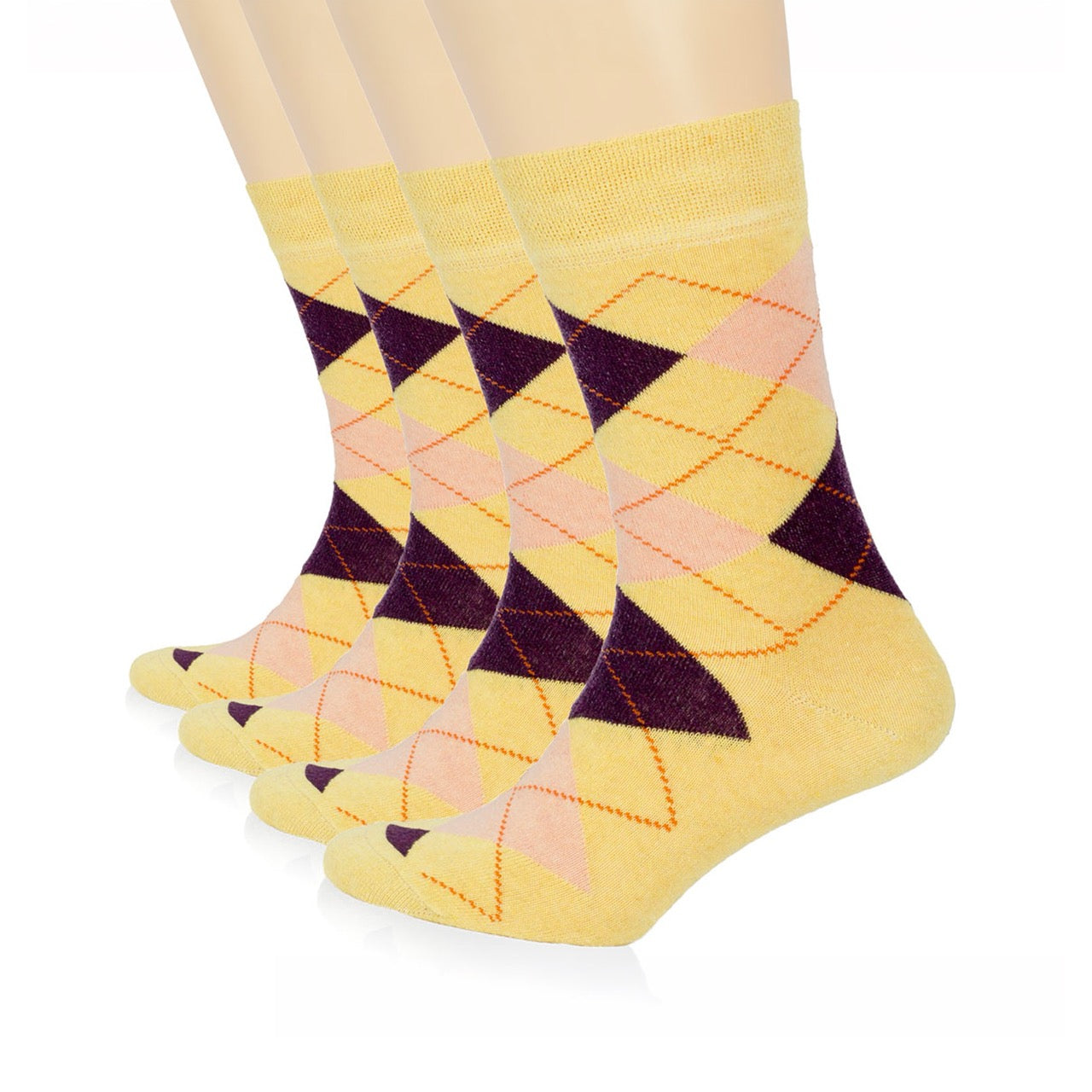
Very dark and very saturated dyes carry more dye load, and some children react to residual finishing chemicals rather than to the fibre itself. If you suspect a reaction, undyed, natural, or light-coloured socks are a reasonable first experiment — and washing new socks before first wear is worth doing regardless. The National Eczema Association's guidance on choosing fabrics and layers when you have eczema makes the same point about new garments across the wardrobe.

This is the question we get most often, and the honest answer is that both are good and they solve slightly different problems.
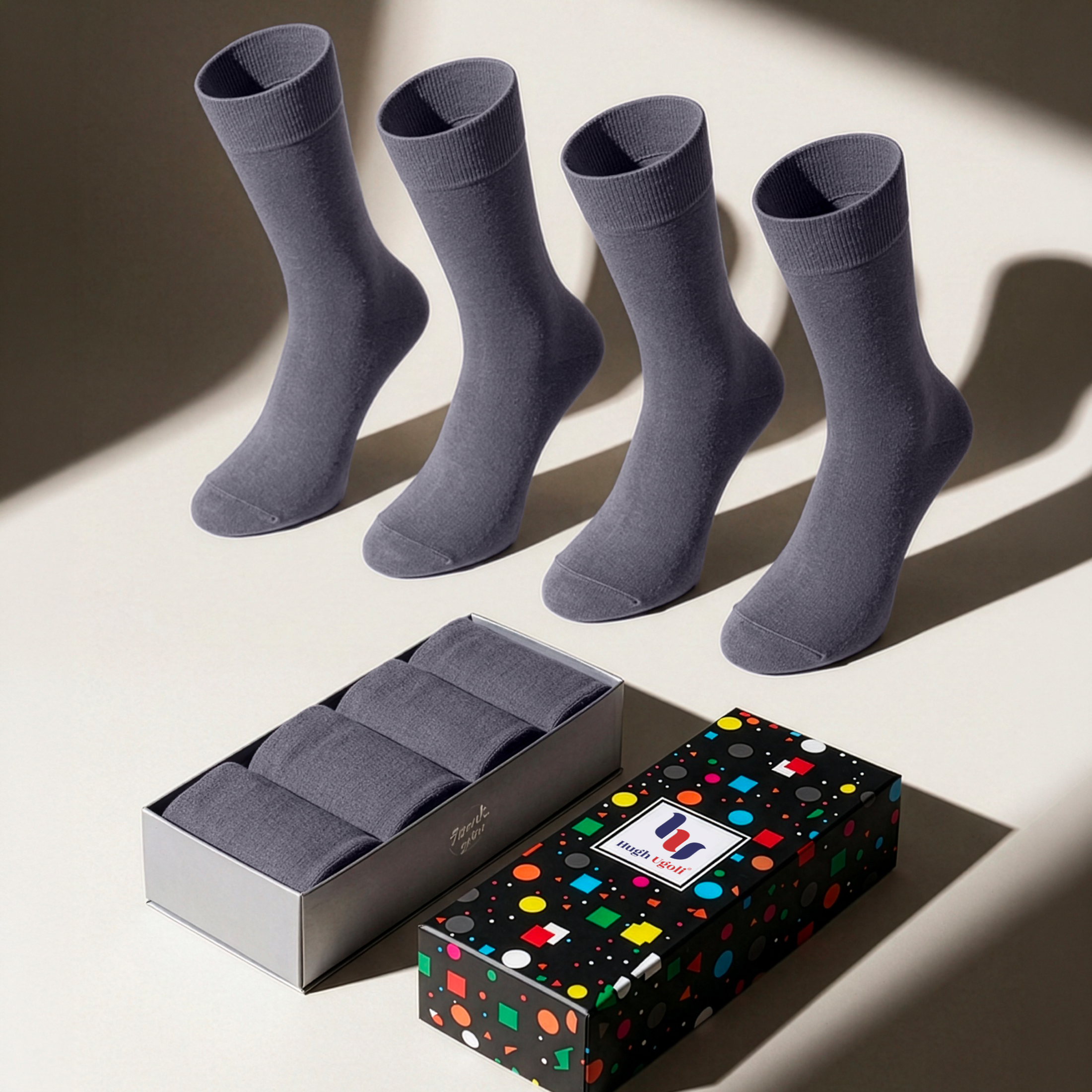
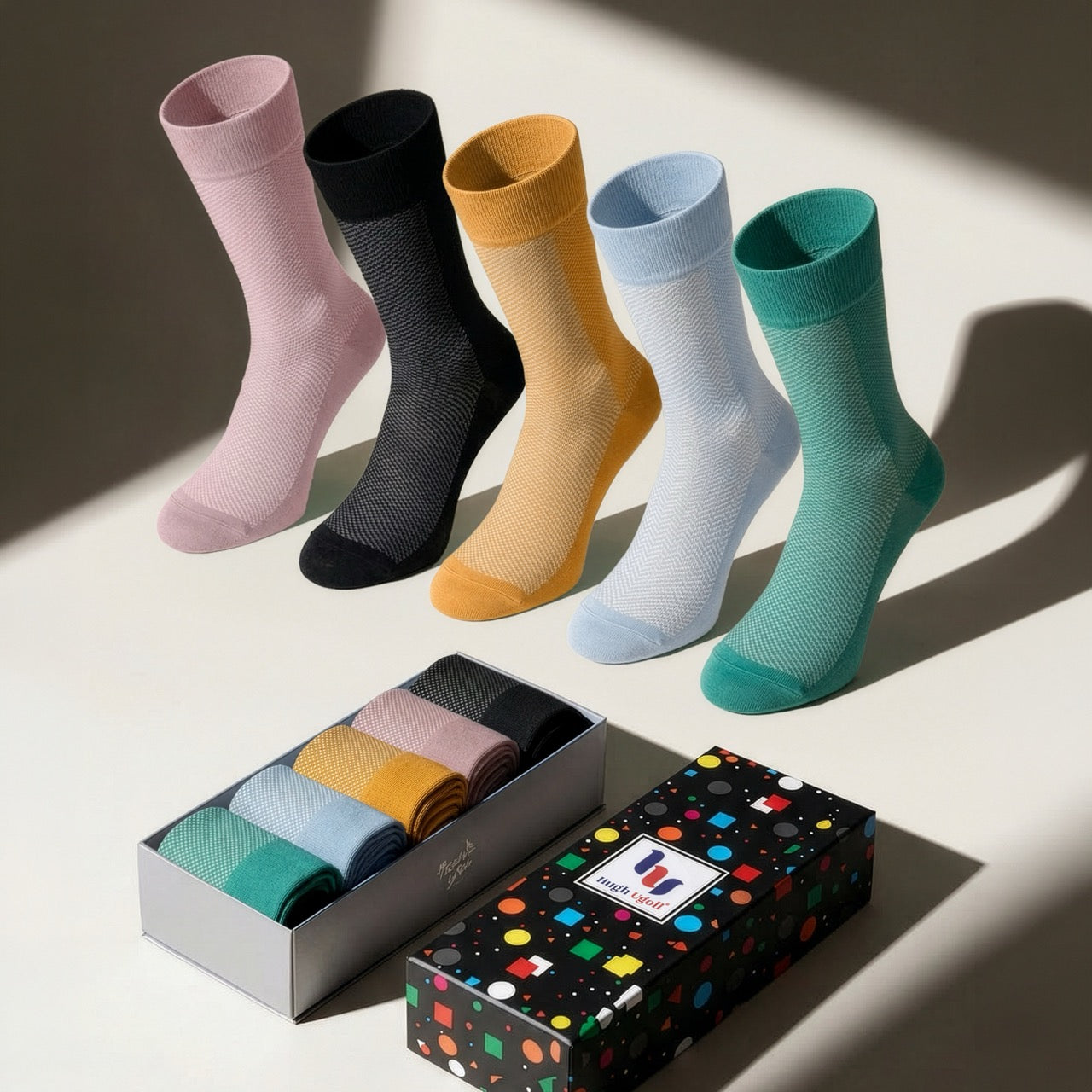
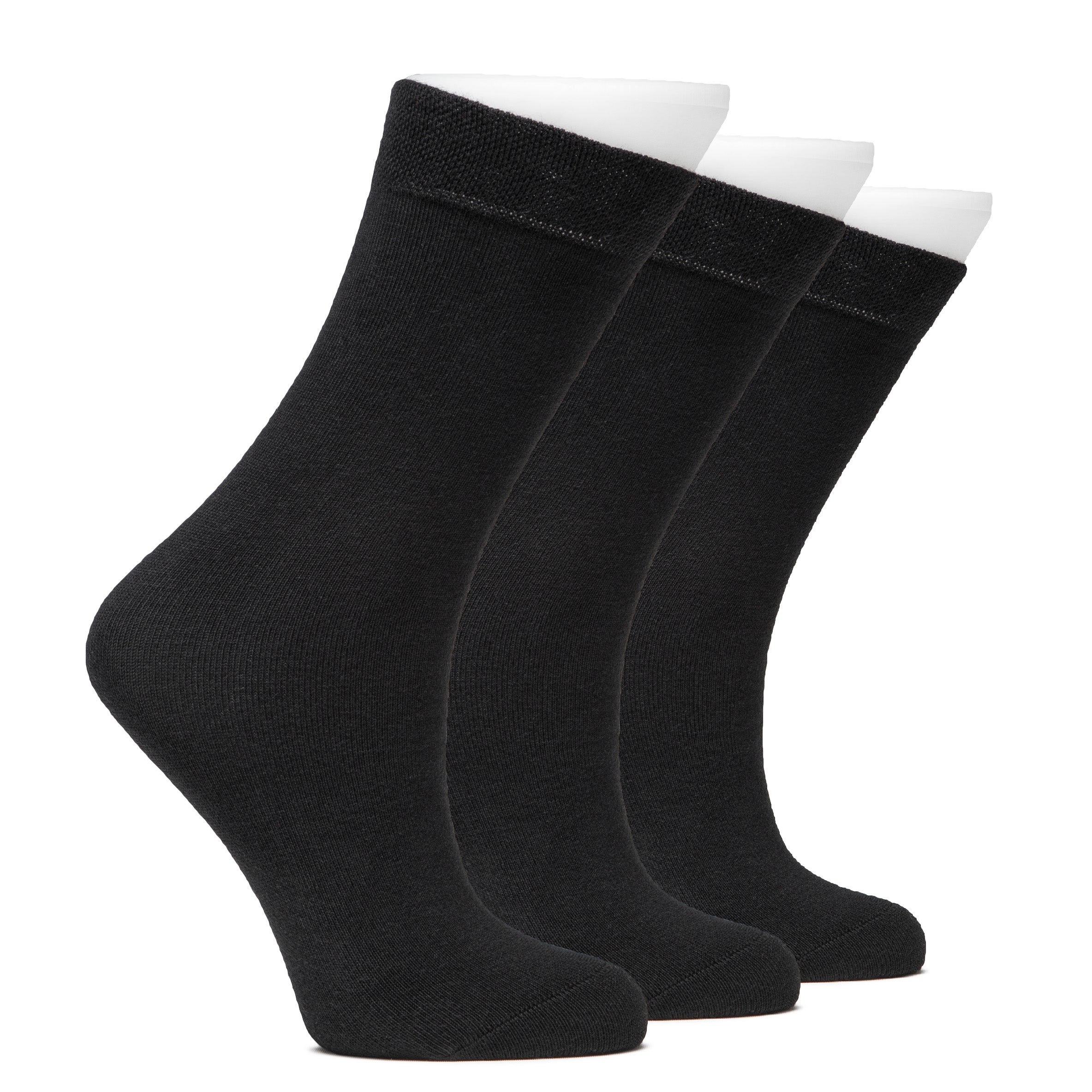
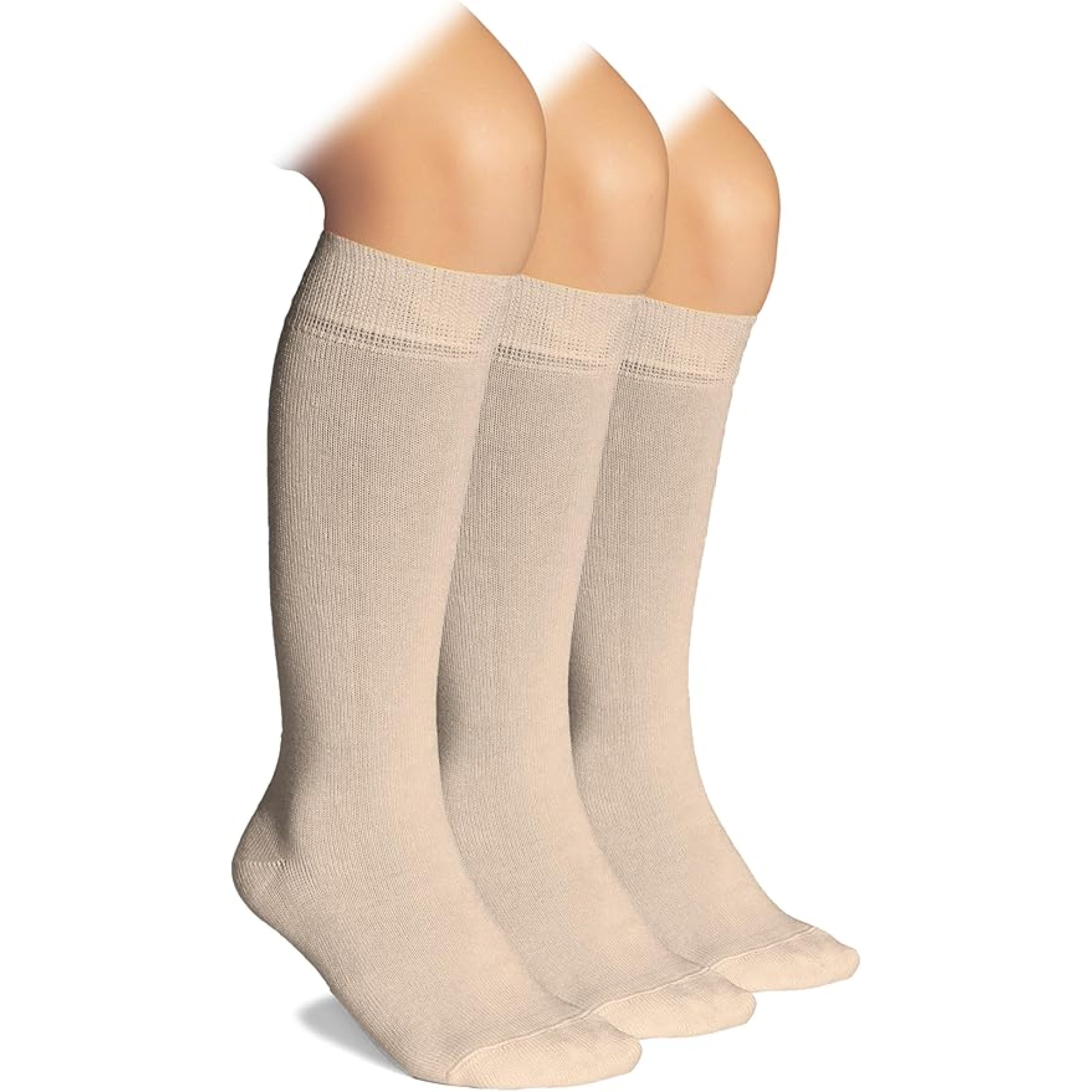
Our Kids' Bamboo Dress Crew Socks are the pair we point parents to first for daily school wear: seamless toe, soft non-binding cuff, and enough breathability to get through a full day without the foot going clammy. For colder months or uniform requirements, the Kids' Bamboo School Knee-High Socks apply the same construction over a longer leg, which also removes the sock-cuff-meets-boot-line friction point that catches some children at the calf.
If cotton is where you want to start, the Cotton Dress Crew Socks for Kids use the same seamless-toe and non-binding-top construction. You can browse the full range in bamboo socks for kids and cotton socks for kids and compare them side by side.
High-polyester athletic socks, cheap multipacks with heavy toe seams, and anything with a raised interior logo or embroidery are the three categories parents most often trace flares back to. Wool is a mixed case: fine merino is tolerated by some children and not at all by others, and it is worth testing on a weekend rather than on a school day.
Buying better socks helps. Using them well helps more.
Damp skin under a sock is a flare risk in its own right. If your child's feet run hot, the fix is usually a combination of fabric and rotation rather than any one product.
If sweat is the dominant issue in your household, our broader guide to choosing socks for sweaty feet goes further into fabric weight and construction, and how moisture control impacts foot health explains the mechanism.
Parents often suspect socks but cannot prove it, because so many variables change at once. A simple two-week test usually settles it:
Bring the photographs to your child's next appointment. Clinicians find a two-week visual record far more useful than a verbal description, and it makes the conversation about triggers much faster.
A workable set for a school-age child with eczema-prone skin looks roughly like this:
Replace the everyday pairs together rather than one at a time. Mixed-age socks in a drawer means your child eventually pulls on the two-year-old pair with the hardened heel, usually on a morning when there is no time to change. If keeping pairs together is the perennial battle in your house, we wrote about labeling and laundry systems that actually work.
For a wider view of fit, height, and fabric choices across ages, our complete guide to choosing kids' socks is the best starting point, and the full range sits in the kids' socks collection.
Many parents find bamboo viscose works well for eczema-prone feet because the fibre surface is smooth and it moves moisture away from the skin quickly, so the inside of the sock stays drier and cooler. It is not a treatment for eczema, and no fabric is right for every child — but as a low-friction, breathable option worn against sensitive skin all day, it is a sensible place to start.
Some families find that loose cotton or bamboo socks over moisturized feet at bedtime help the cream stay put and stop night scratching. The key is that the socks are a size generous, have no tight cuff, and are clean. If your child's clinician has recommended wet wrap therapy, follow their instructions specifically rather than improvising with socks.
Textile dyes and finishing chemicals can irritate sensitive skin in some children, though the seam, the cuff pressure and trapped moisture are more common culprits. If you suspect dye, try light-coloured or undyed socks for two weeks while holding everything else constant, and always wash new socks before first wear.
Replace them when the heel thins, the toe area feels stiff, or the cuff no longer holds without digging in — for a child in daily wear that is usually every four to six months. Worn socks slip and bunch, and bunched fabric under the arch is a friction point that can start a flare on skin that was doing fine.
Cotton is the safer default. Coarse wool is a frequent irritant for eczema-prone children, and while very fine merino is tolerated by some, it is worth testing on a weekend rather than a school day. If you need warmth without wool, a knee-high bamboo or cotton sock with a thicker shoe is usually a more comfortable route.
This article is for general information and is not medical advice. Talk to your healthcare provider about your own feet.
He has been working for more than 20 years in the textile industry and has work experience in many parts of the world.