Cart
0
You may also like
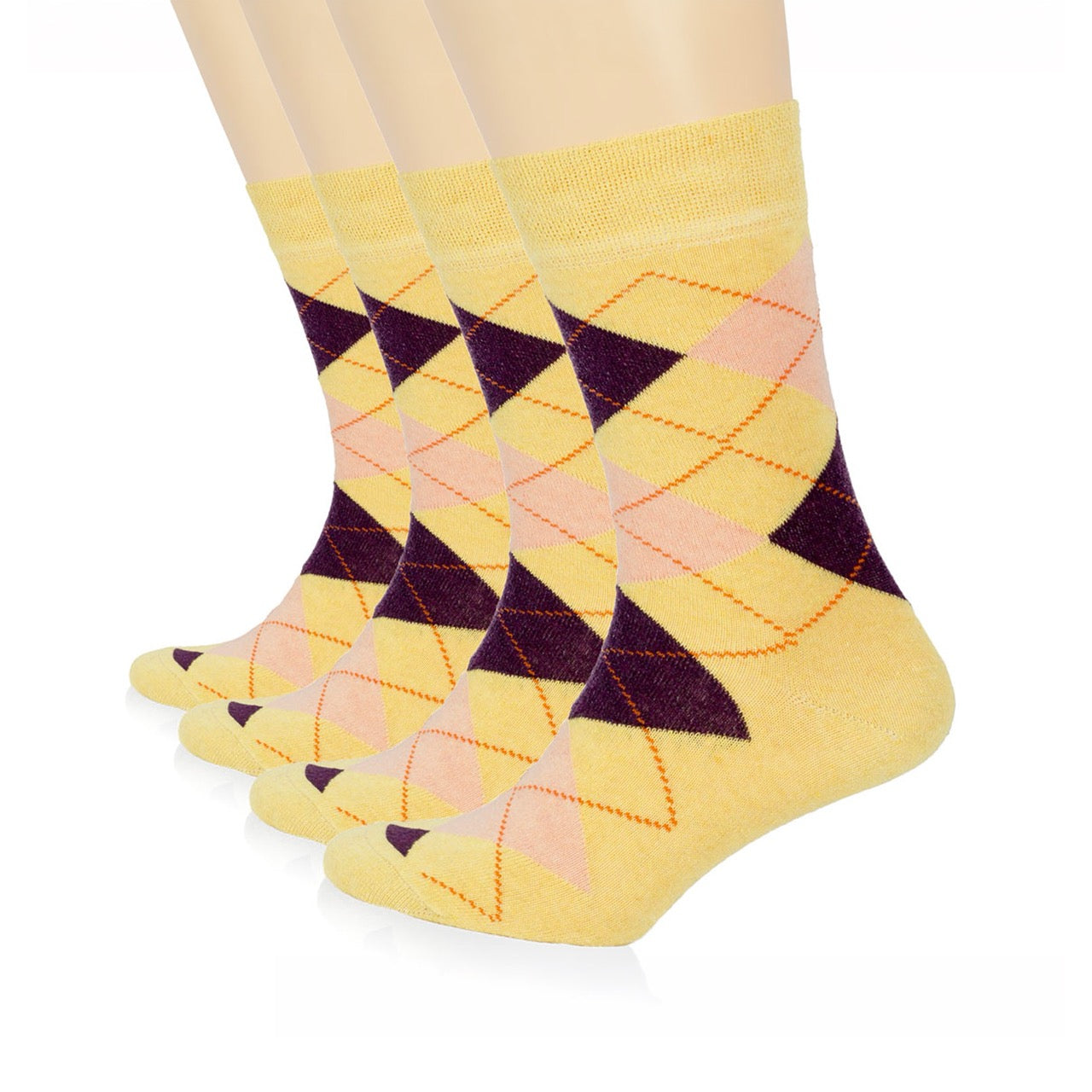
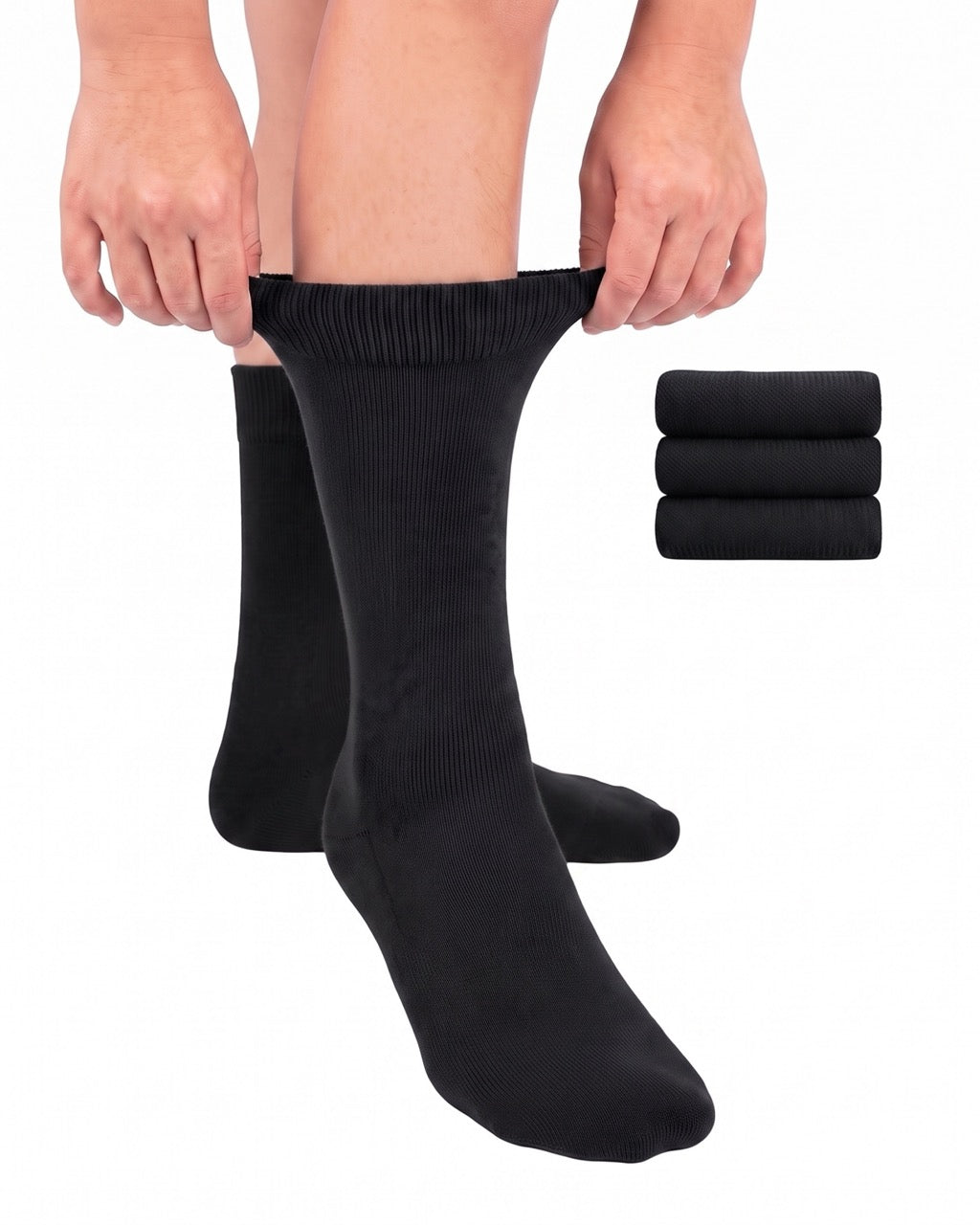
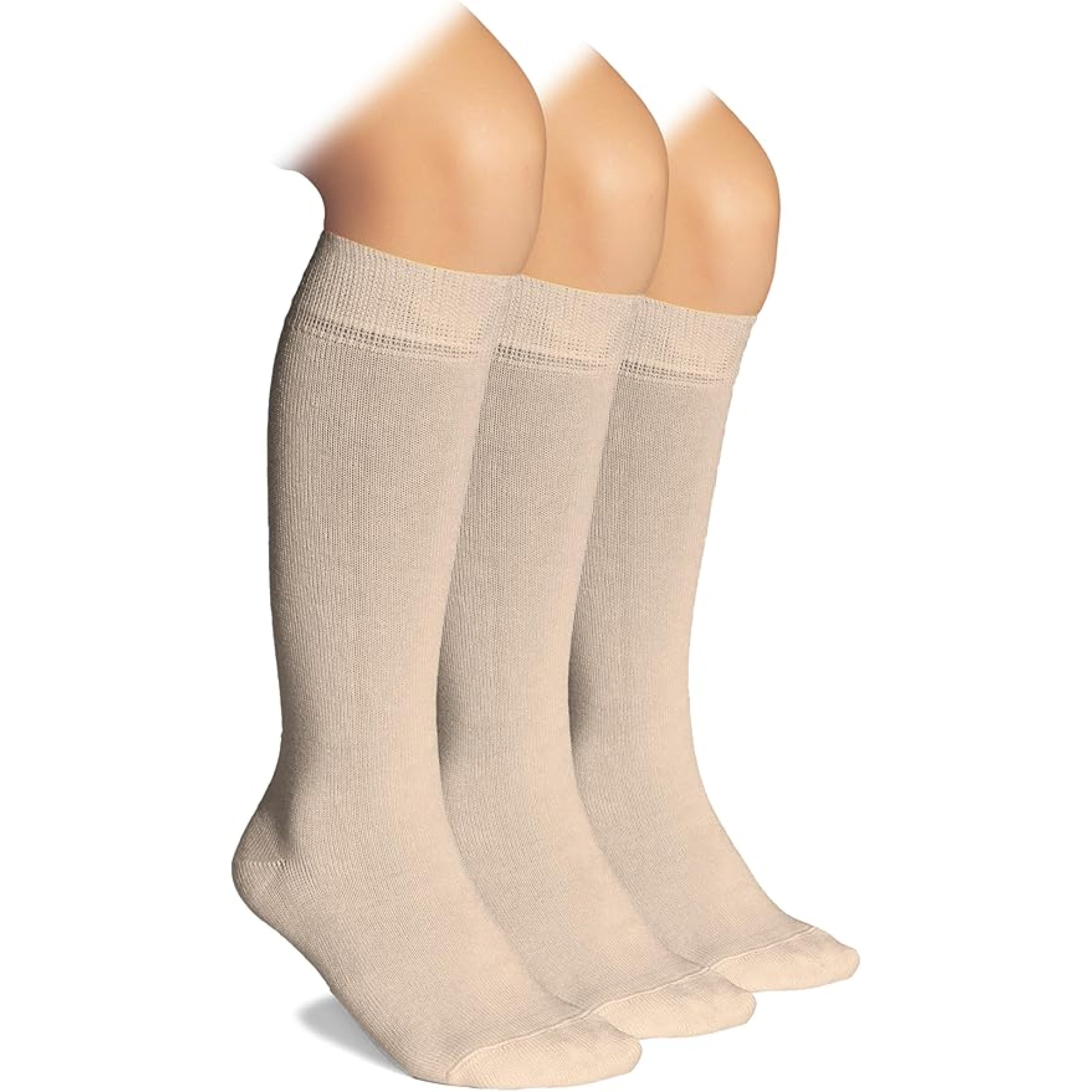


Sock loss is a systems problem, not a discipline problem. Socks separate at five predictable points: in transit to the hamper, inside the machine's door gasket or agitator, in the sorting pile, between siblings, and outside the house. Two things close most of those gaps — a zippered mesh laundry bag per child hung where socks come off, so pairs never travel alone, and buying identical multipacks so any two socks make a pair and sorting becomes counting rather than matching. Add iron-on labels or a fabric marker on the cuff interior for socks that leave the building.
Key Takeaways
Every parent of school-age children knows the feeling. You bought a twelve-pack in September. It is now November, and somehow there are seven socks in the drawer — not seven pairs, seven individual socks, none of which match. The math is insulting. Nobody left the house barefoot. Nobody threw them away. And yet the drawer keeps emptying.
Losing socks is not a character flaw or a sign of a disorganized household. It is a predictable consequence of how small, lightweight, nearly identical objects move through a home with children in it. Socks get separated at four or five specific points in their journey, and once you know where those points are, you can close them one at a time. This guide walks through where socks actually disappear, which labeling methods survive real laundry conditions, and how to build a system that keeps working after the initial enthusiasm wears off.
Before buying a single label, it helps to understand the failure points. In most households, sock loss concentrates in a handful of predictable places.
Socks are the smallest item in any laundry load. When a child carries an armful of clothes to the hamper, socks are the items that slip out along the way — behind the door, under the bed, into the hallway. They are also the items that stick to the inside of a pant leg or a hoodie sleeve and never make it into the wash at all, resurfacing weeks later when someone finally shakes out the jeans.
The classic accusation is that the washing machine eats socks. It sometimes does. In top-loading machines with a center agitator, small items can work their way past the drum and into the outer tub. In front-loaders, socks can lodge in the rubber door gasket and stay there through an entire cycle. Neither is common, but both are real, and both preferentially claim socks over larger garments.
This is the biggest one. When clean laundry is dumped on a bed and sorted under time pressure, unmatched socks get set aside "for later." Later never arrives. The orphan pile grows, gets shoved into a drawer or a basket, and becomes an archaeological layer nobody excavates. The socks are not lost — they are in the house — but functionally they are gone.
In households with more than one child, socks migrate. Similar sizes and similar colors mean that a sock belonging to the seven-year-old ends up in the ten-year-old's drawer, where it does not fit and gets rejected, and then it goes into a limbo pile. Multiply this by two or three children and the drawer contents stop corresponding to any individual child.
Gym class, sleepovers, swimming lessons, the shoe-removal area at a friend's house or a trampoline park. Socks leave the building and do not come back. This is the category where labeling matters most, because a labeled sock in a school lost-and-found bin can actually return home.
There is a temptation to solve sock loss with one clever trick. In practice, two systems working together handle the overwhelming majority of cases: a containment system that stops socks from separating in the first place, and a labeling system that lets separated socks find their way back.
The single most effective change most families can make is to stop socks from ever traveling alone. A few approaches, roughly in order of how well they hold up in real households:
Mesh bags plus per-child hampers solve the sibling migration problem and the machine problem simultaneously. For most families this combination is enough to cut losses substantially before any labeling is involved.
Labeling serves two distinct purposes, and it is worth being clear about which one you need. The first is ownership — proving a sock belongs to your household so it can come back from school. The second is pairing — identifying which sock goes with which within your own drawer. Different methods suit each.

Laundry is a hostile environment for markings. Hot water, detergent, agitation, and tumble drying degrade most things people try. Here is how the common methods actually hold up.
A laundry-safe permanent marker applied to the flat interior of the cuff or the sole is cheap and fast. On dark socks it is invisible; on light socks it fades over roughly twenty to forty washes but remains legible longer than most people expect. Best practice is to write on the inside of the cuff where it will not show when worn, let it dry fully for several hours before the first wash, and use initials rather than a full name for privacy in shared school settings.
The main limitation is that marker bleeds on some fabrics. Test one sock before doing twelve.
Printed fabric labels applied with a household iron. These are the most durable option when applied correctly, often outlasting the sock itself. The critical detail is placement: the label must go on a flat, low-stretch area. The cuff interior works; the arch does not, because the fabric there stretches with every step and will lift the label edge over time.
Iron-on labels do add a small patch of stiffer material inside the sock. For most children this is unnoticeable, but for a child who is sensitive to seams and textures it can be a problem — in which case a written marking or an external tag is the better route. If texture sensitivity is a recurring issue in your household, our guide to seamless socks for kids with sensory sensitivity covers what to look for more broadly.
Peel-and-stick labels marketed as laundry-safe. They are genuinely convenient and require no heat. In practice they survive fewer washes than iron-on labels — often ten to twenty — and they adhere poorly to the ribbed, textured knit of a sock cuff compared to the smooth interior tag area of a shirt. They are a reasonable choice for a single term or a summer camp, less so for a full school year.
Instead of writing names, assign each child a color and buy only that color for them. The ten-year-old gets navy, the seven-year-old gets grey, the four-year-old gets black. Sorting becomes instant, sibling migration becomes self-correcting, and no labeling is needed at all.
This is elegant and it works well, with one caveat: school dress codes frequently require white or a specific plain color, which collapses the whole scheme during term time. A workable hybrid is color-coding for home and weekend socks, with labeled white socks reserved for school days.
A few stitches of colored embroidery thread in the cuff — one stitch for the oldest, two for the middle, three for the youngest. Effectively permanent, survives any wash, invisible when worn, and costs almost nothing. It takes a minute per pair to set up, which is the only real downside. For families who buy socks in bulk once or twice a year, an hour of setup covers the entire year.
There is a purchasing strategy that quietly solves half the problem: buy multiples of one style rather than assorted styles.
When every school sock a child owns is the same model in the same color, a lost sock does not orphan its partner. The remaining sock simply pairs with any other sock in the drawer. Sorting stops being a matching exercise and becomes a counting exercise — grab any two, they match. A pack of five identical pairs is functionally ten interchangeable socks, and losing three of them still leaves you with three usable pairs instead of one pair and five orphans.
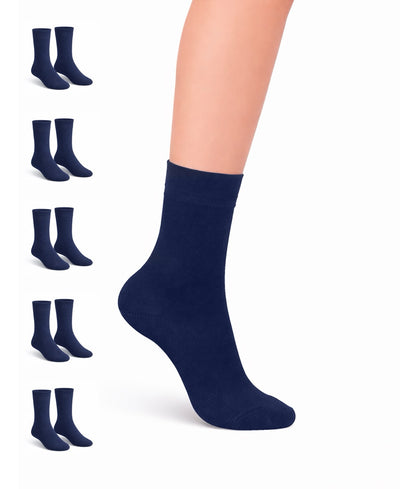
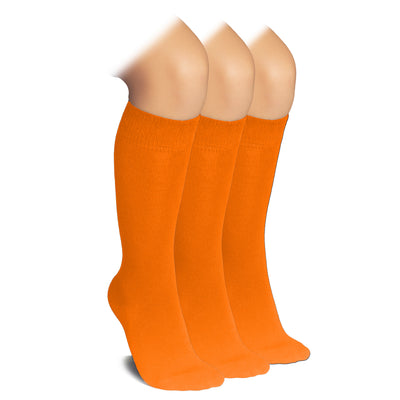
This is why multipacks in a single colorway are worth more than assorted packs for school-age children, even at the same price. Our kids' bamboo dress crew socks come in five-pair packs in a single color for exactly this reason, and the bamboo school knee-high socks follow the same logic for uniform requirements.
A related point: consistent sizing matters. If half the drawer is one brand's "medium" and half is another brand's "7–8 years," pairs stop being interchangeable even when colors match. Sticking to one brand and one size band per child preserves the interchangeability that makes the whole approach work. If you are unsure which band your child is currently in, our age and shoe-size chart for kids' socks lays out the ranges.
Systems fail not because they are wrong but because they require more effort than anyone will sustain in week six. A routine worth adopting has to be genuinely low-effort. Here is a version that survives contact with real life:
Note that step four is where the "buy identical multipacks" decision pays off. A household that buys assorted socks has to add a matching step here, and the matching step is where routines break down.
If socks are genuinely vanishing during the wash rather than before it, two physical checks are worth five minutes. On a front-loading machine, run a finger all the way around the rubber door gasket — socks lodge in the fold and stay there. On a top-loader with a center agitator, check whether the agitator base has a removable cap; small items sometimes collect underneath. Also check the lint trap area and behind the dryer drum lip.
Fewer replacement cycles means fewer opportunities for the drawer contents to drift out of sync. Sock longevity comes down to a few habits: wash in cooler water, which is gentler on elastic; skip fabric softener, which coats fibers and degrades cuff elasticity over time; and either tumble dry on low or air dry, since high heat is the primary killer of the elastic that holds a cuff up. A sock that has lost its cuff elasticity is functionally lost even if it is physically present, because a child will not wear a sock that slides down.
Fiber choice matters here too. Bamboo viscose and quality cotton both hold up well through repeated washing, and both breathe better than cheap synthetic blends — which matters for children who are on their feet all day. We covered the underlying mechanics in more depth in how many washes a good pair of socks should last.
Storage is the last piece. Socks stored balled up with one cuff stretched over the other lose elasticity faster than socks folded flat or laid side by side. If you want a full storage approach rather than just socks, our guide on how to organize your sock drawer covers the drawer-level system.
Most households starting this process have an accumulated pile of unmatched socks. A practical approach: give the pile a fixed deadline. Put every orphan in one container, note the date, and give it four to six weeks. Any sock whose partner surfaces in that window rejoins the drawer. Anything still alone at the deadline gets repurposed — dusting cloths, shoe stuffing for storage, or donated as a textile recycling item where local programs accept them.
The deadline matters more than the specific length. An open-ended orphan pile grows forever; a pile with an expiry date resets itself and stops consuming drawer space.
Sock loss is a systems problem, not a discipline problem. Close the gap between removal and the machine with a mesh bag per child, buy identical multipacks so any two socks make a pair, label with iron-on tags or a fabric marker on the cuff interior for socks that leave the house, and give your existing orphan pile a hard deadline. None of these steps is difficult on its own. Together they turn a recurring frustration into a solved problem, and they cost less than the socks you would otherwise be replacing twice a year.
Iron-on fabric labels applied to the flat interior of the cuff are the most durable option for a full school year, typically outlasting the sock. A laundry-safe permanent marker on the inside of the cuff is faster and nearly as effective, though it fades gradually over twenty to forty washes. For privacy in shared school settings, use initials rather than a full name. Avoid placing any label on the arch, where fabric stretch will lift the edges over time.
Occasionally, yes. In front-loading machines socks can lodge in the fold of the rubber door gasket and remain there through a cycle. In top-loaders with a center agitator, small items can work past the drum into the outer tub. Both are worth checking if socks seem to be disappearing during the wash. That said, the far more common cause of loss is separation before or after the wash — in transit to the hamper, or in the sorting pile.
Identical socks in a single colorway are more practical for school-age children. When every sock is interchangeable, losing one does not orphan its partner, and sorting becomes counting rather than matching. Assorted packs look more appealing but generate orphans at a much higher rate. A common compromise is identical white or navy multipacks for school days and assorted colors for weekends.
A practical baseline is enough pairs to cover the interval between laundry cycles plus roughly fifty percent margin. For a household washing twice a week, that lands around ten to twelve pairs per child. The margin matters because it absorbs losses, sick days, and the pair that ends up wet at recess without forcing an emergency purchase.
Good-quality silicone or soft plastic clips do not damage knit fabric under normal wash conditions. The risks come from metal clips, which can snag the knit, and from clipping too tightly, which can leave a compression mark in the cuff. Zippered mesh bags achieve the same result without any contact pressure on the fabric, which is why they tend to be the more reliable choice for households with several children.
Discover All Hugh Ugoli Socks
Shop All Socks