Cart
0
You may also like
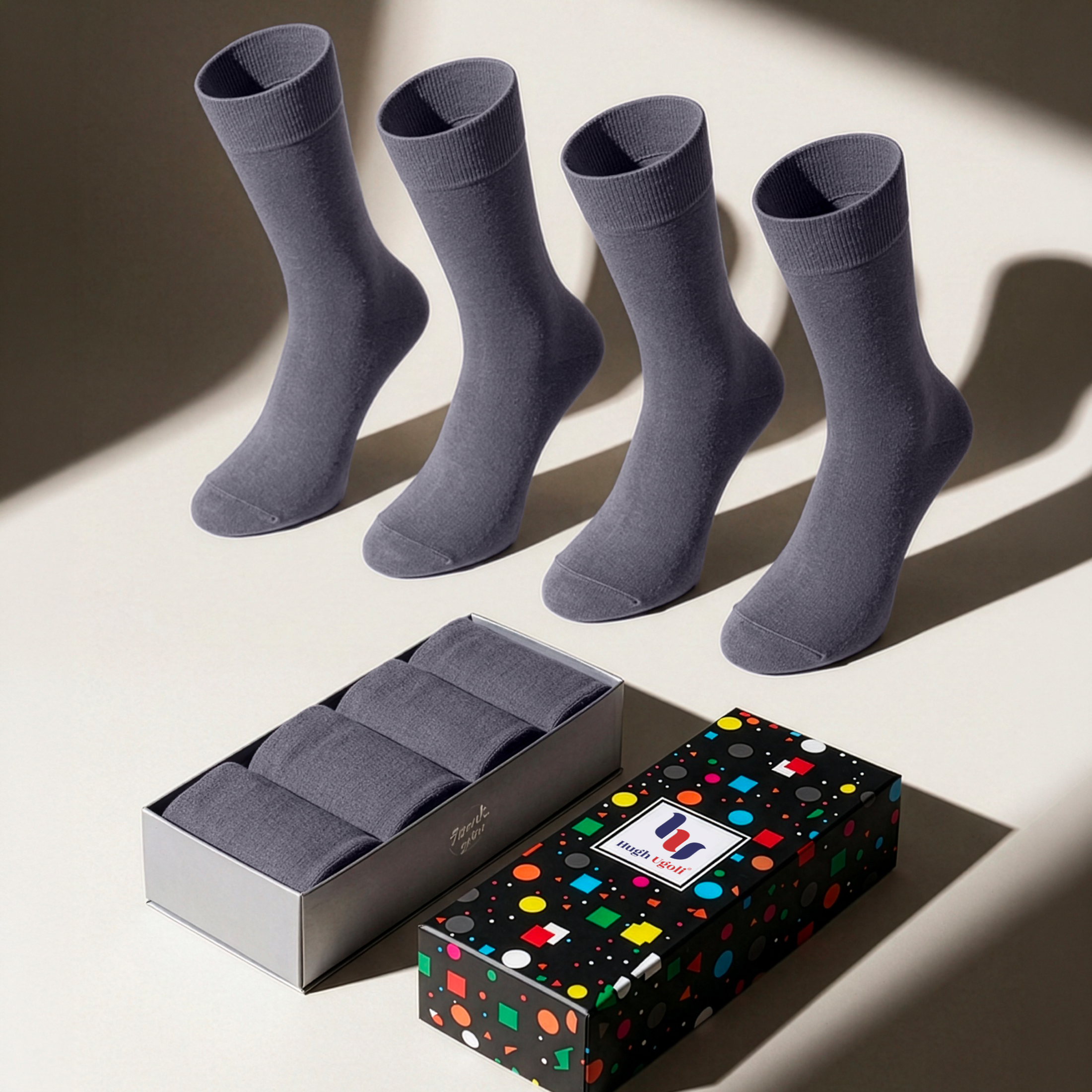
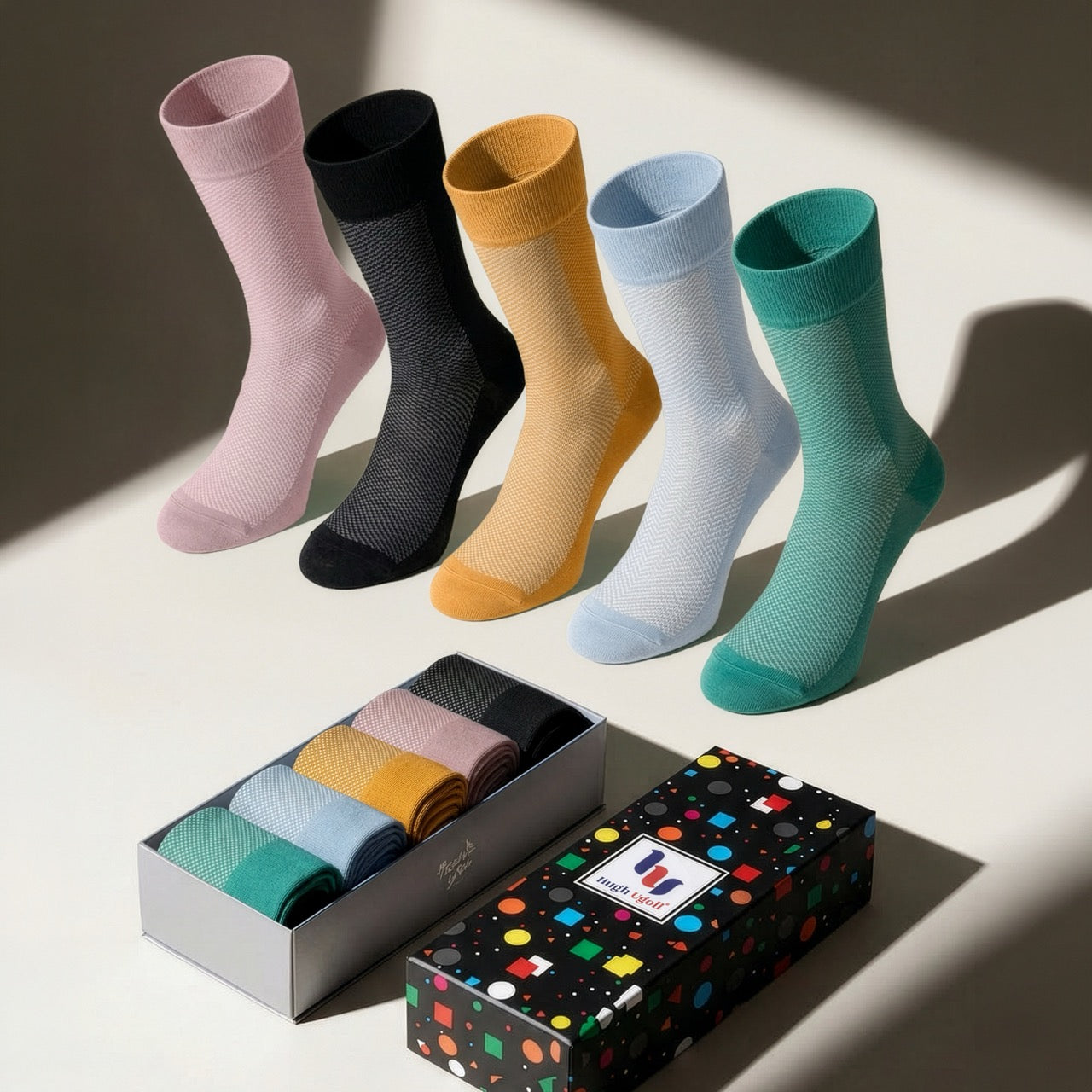
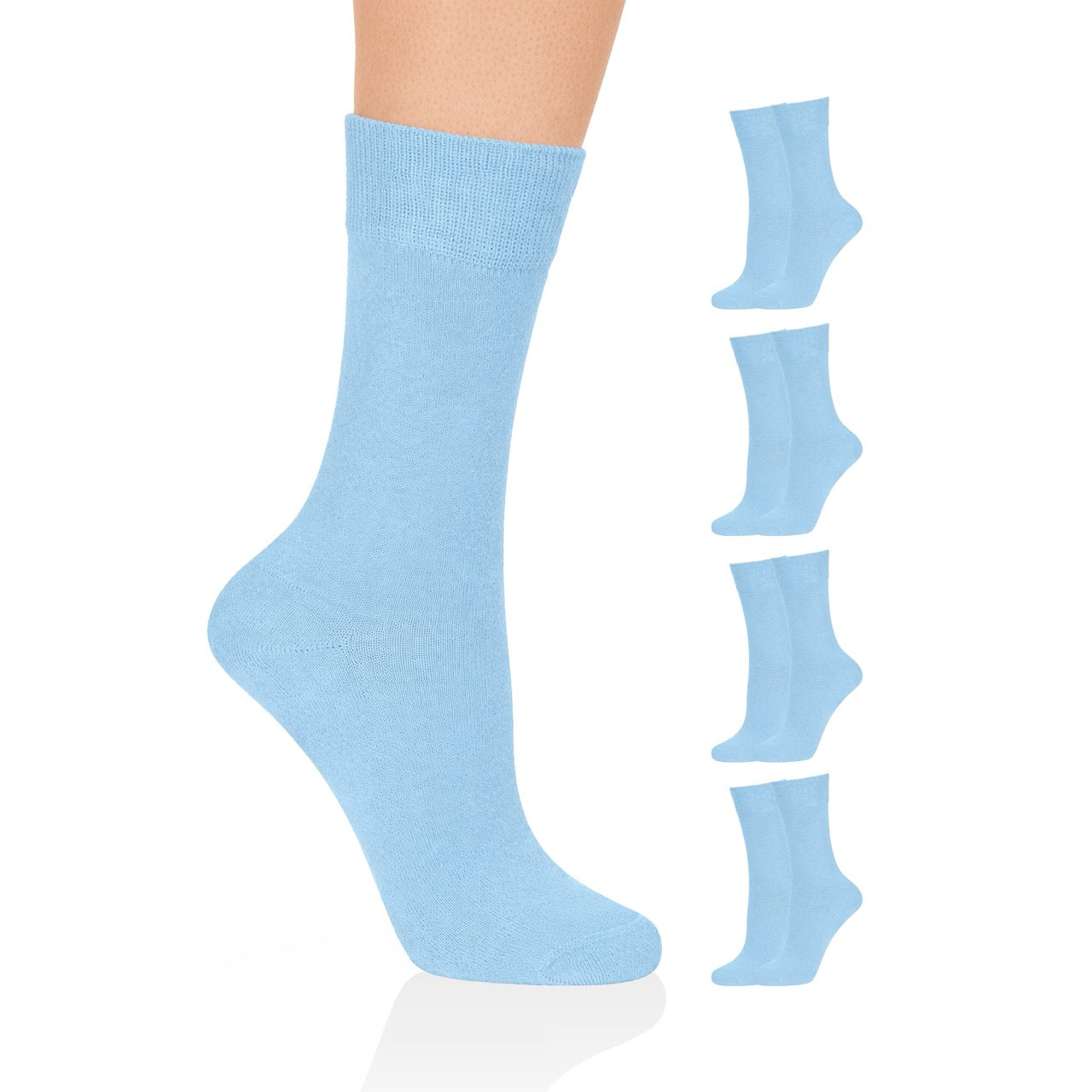
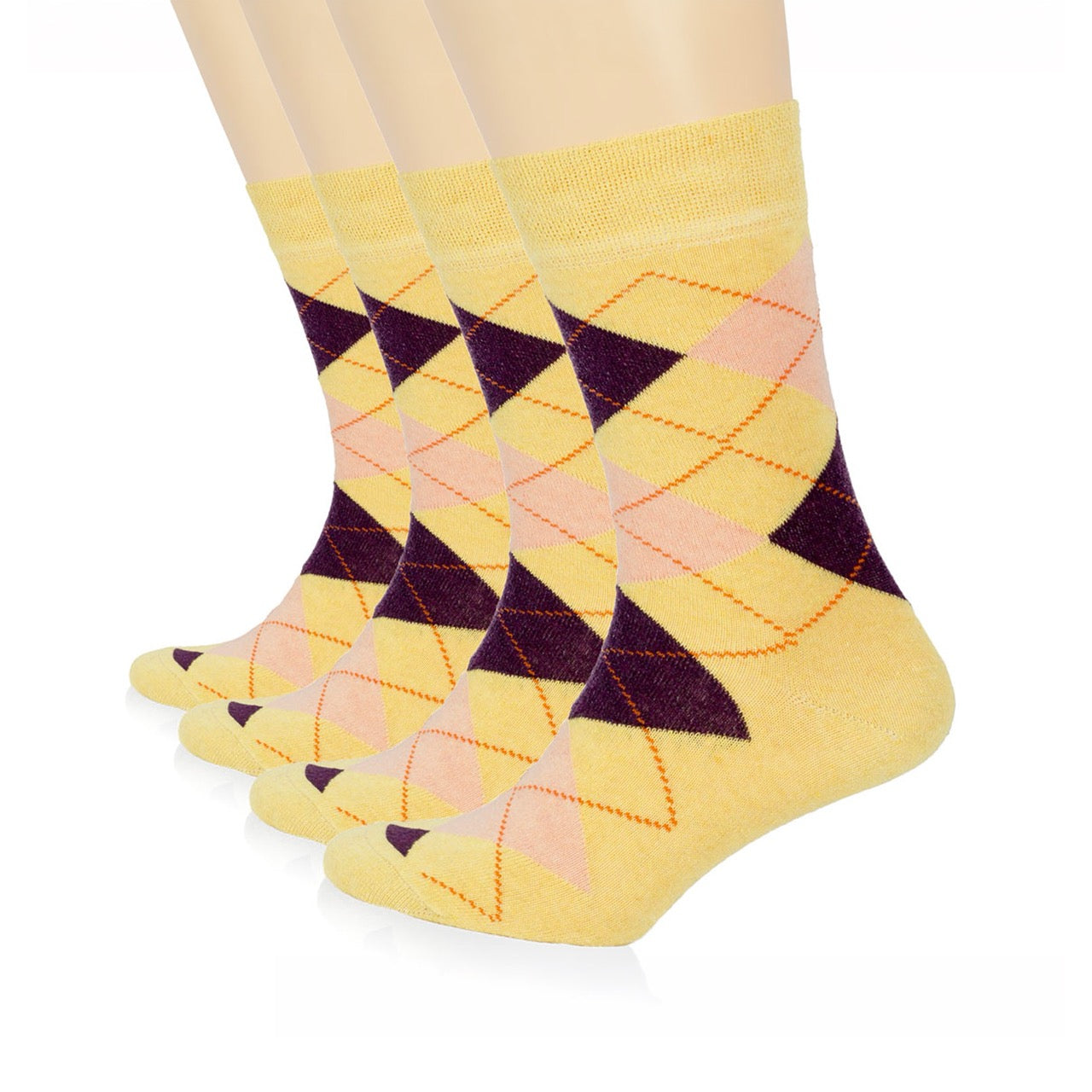
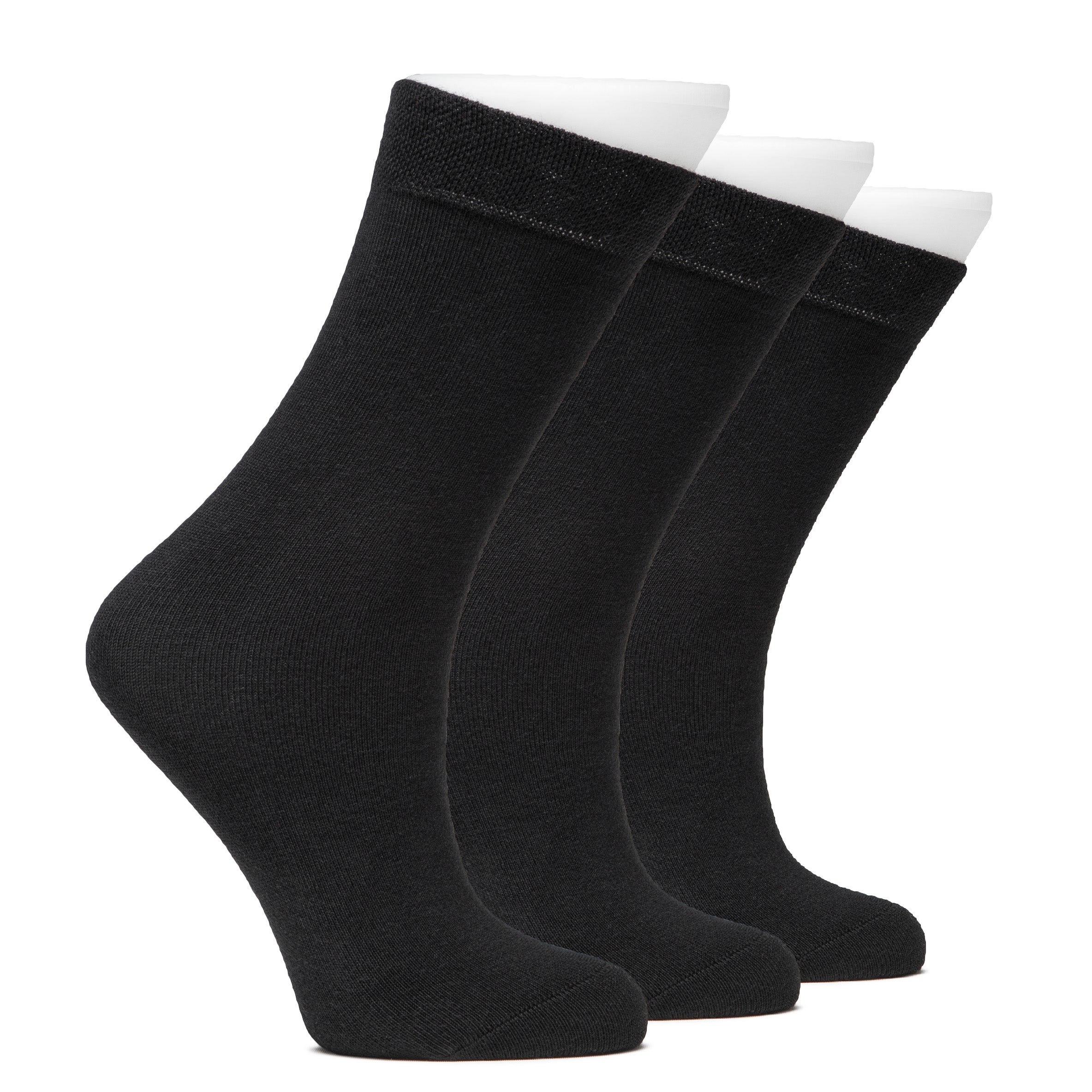
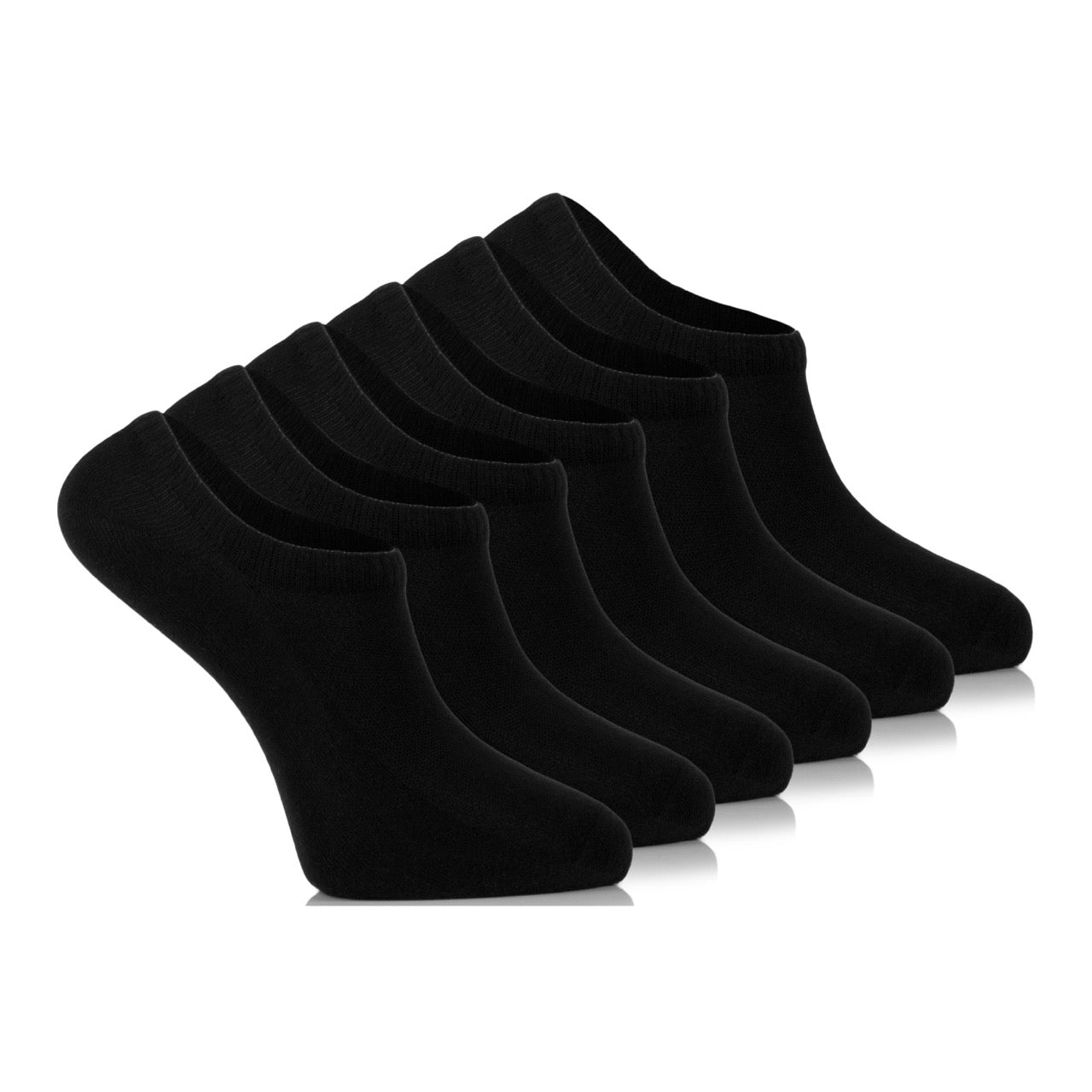
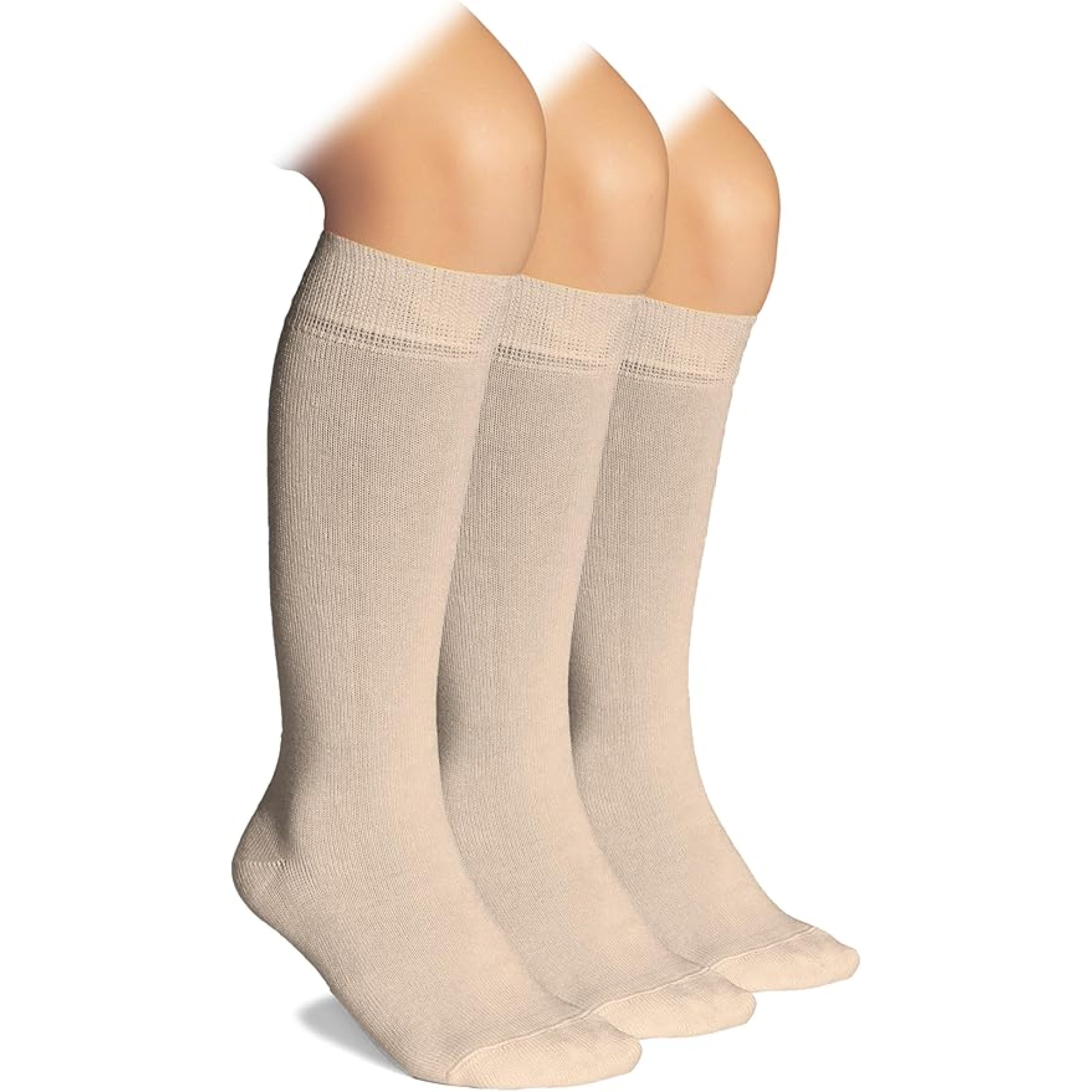


A twelve-hour kitchen shift is one of the hardest things you can ask a pair of feet to do. You are standing on a hard floor the entire time, the ambient temperature near the line runs well above room temperature, the floor is wet or greasy in patches, and you are wearing closed, non-breathable clogs or safety shoes because that is what the job requires. Then you do it again tomorrow.
Most kitchen staff eventually invest in better shoes and stop there. The sock is doing more work than the shoe in several respects — it is the layer managing sweat, controlling friction, and cushioning the ball of the foot on concrete — and it is usually a three-dollar cotton tube that has been through eighty washes.
This guide covers what a kitchen actually does to your feet, the sock features that matter for restaurant work, how many pairs you realistically need, and a rotation system that keeps you dry through a double.
Standing between a range and a pass, your feet are working in a warm environment inside closed shoes for hours. Sweat production climbs, and a sock that absorbs moisture without moving it anywhere becomes a damp compress. Damp skin is soft skin, and soft skin blisters and chafes far more easily than dry skin.
Commercial kitchen floors are tile or sealed concrete, chosen for hygiene and cleanability rather than comfort. There is no give at all. Every step sends impact straight up through the heel, and the ball of the foot takes sustained pressure during long static periods at a station.
Standing still is harder on the circulatory system than walking. Without the calf muscle pump working regularly, blood pools in the lower legs — which is why so many kitchen workers finish a shift with heavy, swollen ankles and a sock line pressed into the skin.
Pivoting from the board to the stove, quick lateral steps, and constant small adjustments generate shear inside the shoe. A sock that slips or bunches turns that shear into a hot spot and then a blister. Add moisture and the process speeds up.
Spills happen. A sock that soaks through and stays wet for six hours is both uncomfortable and a genuine skin problem over a long career.
Our overview of what happens to your feet during a long day on them covers the underlying physiology in more detail — it applies to anyone whose job keeps them upright.

This is the first decision and it drives most of the others. You want a fibre that moves sweat away from the skin and dries quickly, not one that absorbs and holds it. Bamboo viscose performs well here, which is why it is the fibre we build most of our range around. Cotton is comfortable and breathable but heavier when saturated, so if you choose cotton, choose a lighter knit and change socks mid-shift.
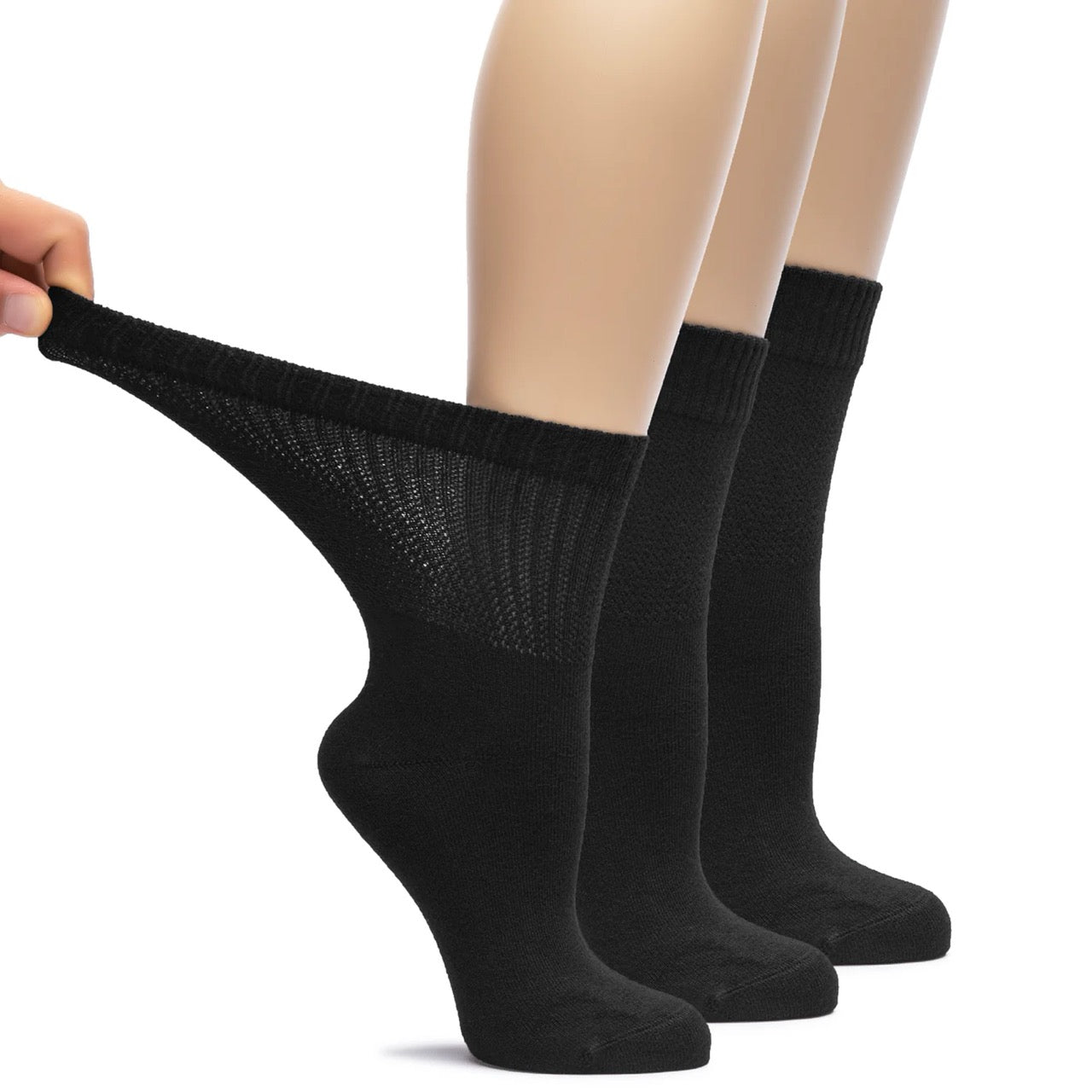
After ten hours of standing, your ankles are larger than they were at the start of service. A conventional tight elastic cuff that felt fine at 11am is cutting a groove by 9pm. A non-binding top spreads the holding force over a wider band, so the sock stays up without pressing a line into a swollen ankle. If you want the reasoning behind the design, how non-binding socks support better circulation explains it, and non-binding socks for swollen feet covers the end-of-shift swelling problem specifically.
A raised toe seam is a minor annoyance for an hour and a blister source over twelve. Hand-linked, flat toe closures remove the ridge entirely. If you have ever finished a shift with a red line across the tops of your toes, this is why.
Semi-cushioned soles — padding under the heel and ball of the foot, thin fabric everywhere else — are the sweet spot for kitchen work. Full terry cushioning throughout is warmer, bulkier, and holds more moisture, which works against you in a hot kitchen. Too little cushioning and the concrete wins.
Our guide to choosing sock height for work goes through the trade-offs in more detail.
A sock that is too big bunches; a sock that is too small stretches thin over the toes and pulls the heel pocket out of position. Both create friction. Buy your actual size, and replace socks when the heel pocket no longer sits where your heel is.
The strongest all-round option for hot, closed-shoe environments. It moves moisture efficiently, feels cool against the skin, has a very smooth surface that reduces friction, and stays comfortable through long shifts. Our Men's Lightweight Bamboo Ankle Socks and Women's Bamboo Crew Thin Socks are both thin enough to work under a snug clog while still using the non-binding cuff and seamless toe construction.
Breathable, soft, cheap enough to own in quantity, and easy to wash at high temperatures — which matters when your socks have absorbed a shift's worth of kitchen. The trade-off is that saturated cotton stays wet. If you go this route, plan on a mid-shift change. The Unisex Cotton Diabetic Crew Socks are a practical, hard-wearing option with the same non-binding top.
Fine merino manages moisture and odour well, but it is warm, and a commercial kitchen is already warm. Better suited to prep work in a walk-in-heavy role, or to winter commutes, than to standing next to a flat top.
Cheap polyester and nylon socks wick reasonably but run hot and tend to hold odour after repeated washing. They are also the socks most likely to have a hard toe seam.
The single most effective habit for kitchen staff is a mid-shift sock change. Not a new pair of shoes, not an insole — a clean, dry pair of socks somewhere around hour six.
Two minutes on your break buys you a materially more comfortable second half, and over a season it makes a difference to blisters, chafing and general foot condition.
Kitchen clogs need a full 24 hours to dry out internally. If you wear the same pair every shift, you are putting clean socks into a damp shoe, which undoes the change. Two pairs alternating is the fix.
For a five-shift week with a mid-shift change, that is ten pairs of kitchen socks minimum before laundry becomes a daily obligation. Twelve to fourteen is more realistic — it lets you do laundry once a week without running short, and it means no pair is worn hard enough to thin out prematurely. Buying multiples of a single style also means every pair matches, which matters more than it sounds when you are dressing at 5am.
Our complete sock care guide covers washing, drying and storage in more depth.
If you want the broader take on standing work, the best support socks for all-day standing comfort covers the same ground across other occupations, and how moisture control impacts foot health explains why the sweat question matters as much as it does. You can browse hard-wearing everyday options in our bamboo socks for men and bamboo socks for women collections.
Replace the working set together every six to nine months. In kitchen conditions socks age fast, and a thinned sole under the ball of the foot is exactly where you least want to lose material.
Crew-height socks in a moisture-moving fibre such as bamboo viscose, with a seamless toe, a non-binding cuff, and semi-cushioning under the heel and ball of the foot. Kitchens are hot and shoes are closed, so the priority is keeping the foot dry and friction-free rather than adding bulk. Owning enough pairs to change mid-shift matters as much as the specific sock.
Some people who stand all day find graduated compression helps with end-of-shift heaviness, but it is not a universal recommendation and it is worth discussing with a clinician, especially if you have any circulatory condition. For most kitchen workers a well-fitting non-binding sock that does not leave a mark on a swollen ankle is the more comfortable everyday choice.
Use a fibre that moves moisture rather than holding it, change socks mid-shift, and rotate two pairs of shoes so each has a full day to dry. Drying carefully between the toes at your break and letting your feet be uncovered for half an hour after work both help. If sweating is extreme or one foot is affected differently from the other, mention it to a healthcare professional.
Bamboo viscose generally performs better in a hot kitchen because it moves sweat away from the skin quickly and has a smoother surface, which means less friction. Cotton is comfortable, durable and easy to wash hot, but it holds moisture once saturated. Many kitchen workers use bamboo for service and keep cotton pairs for prep shifts or the commute.
Plan for two pairs per shift if you change mid-service, so ten pairs for a five-shift week, and twelve to fourteen if you want to do laundry weekly without running short. Buying multiples of one style means every pair matches and every pair wears at the same rate, which makes replacing the whole set straightforward.
He has been working for more than 20 years in the textile industry and has work experience in many parts of the world.