Cart
0
You may also like
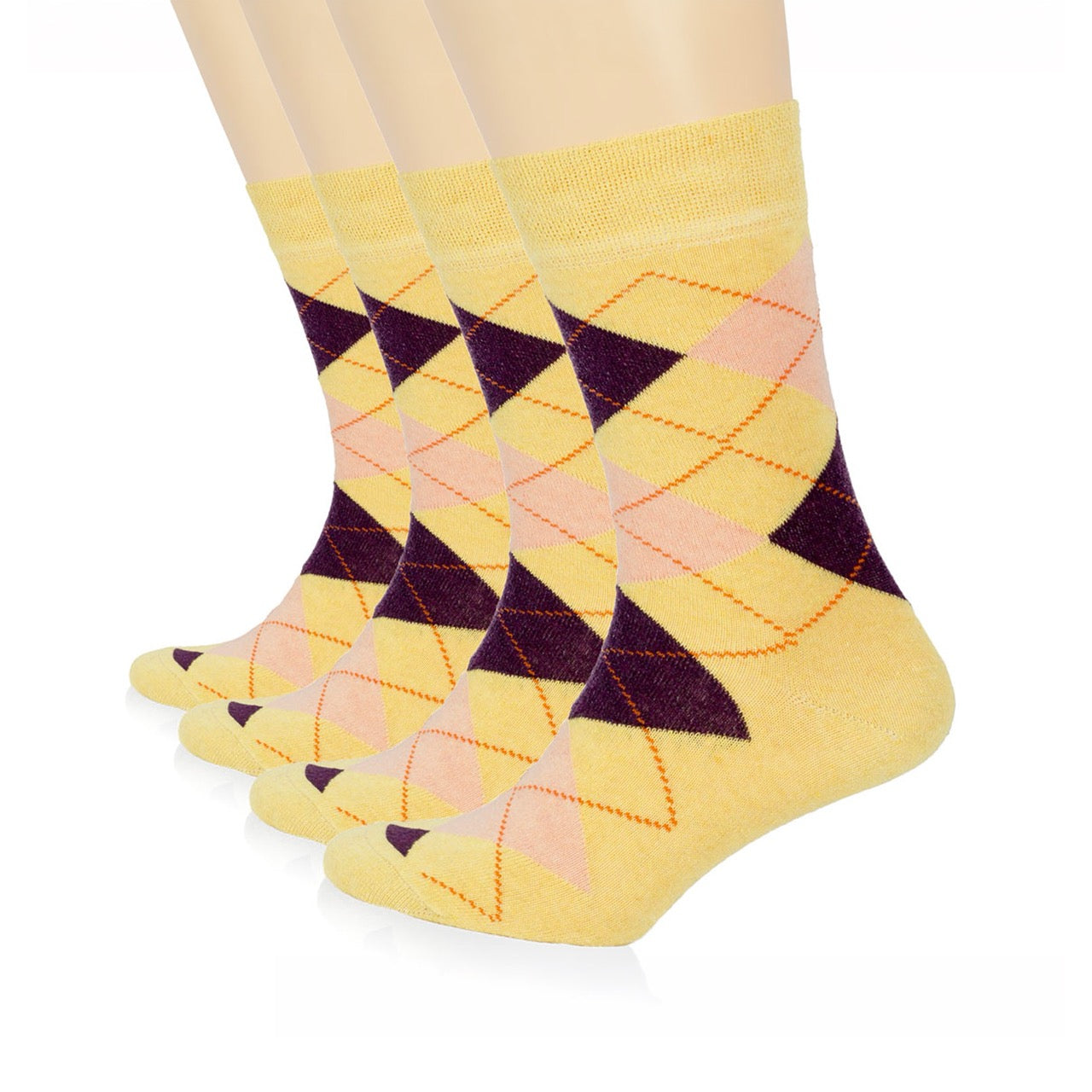
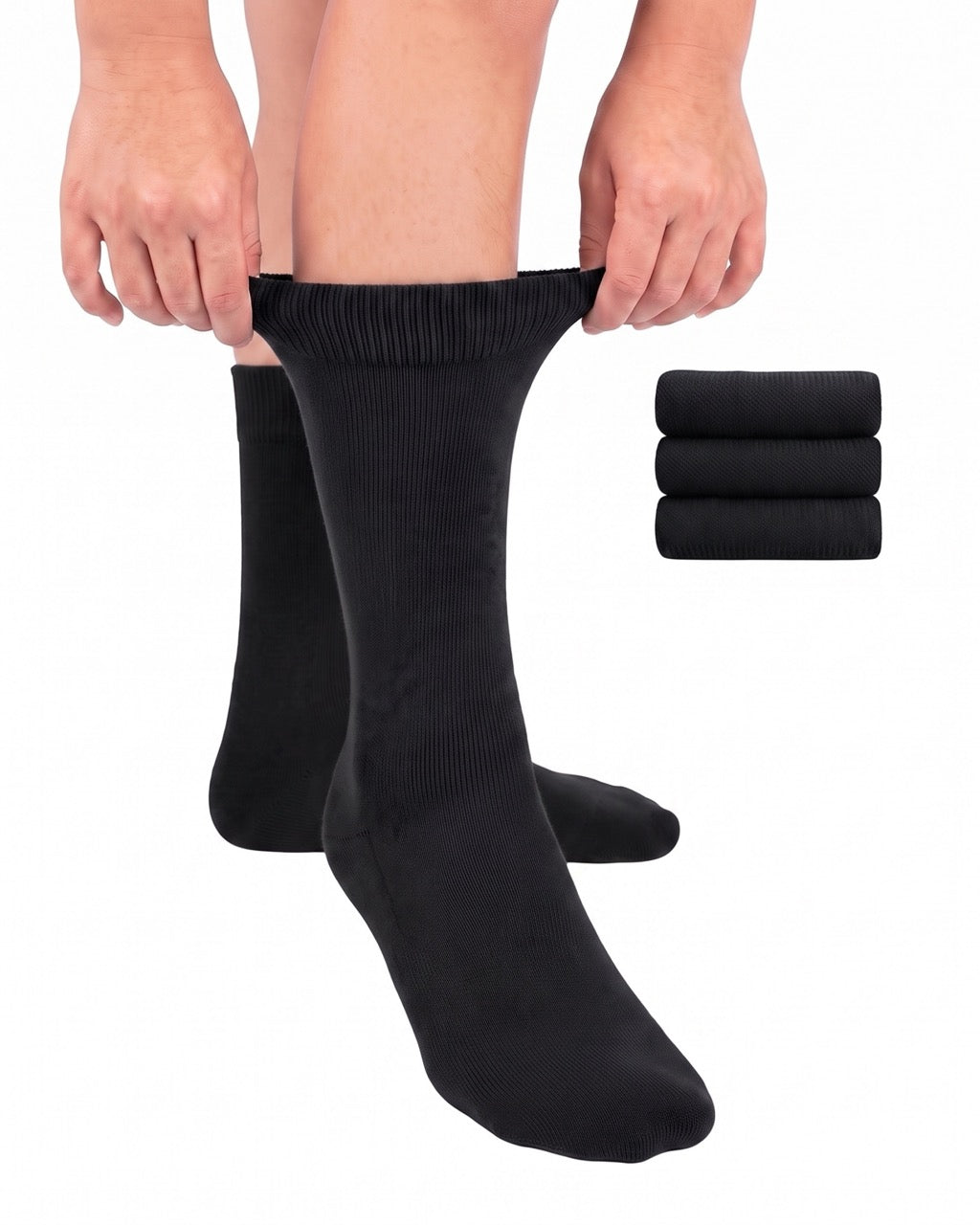
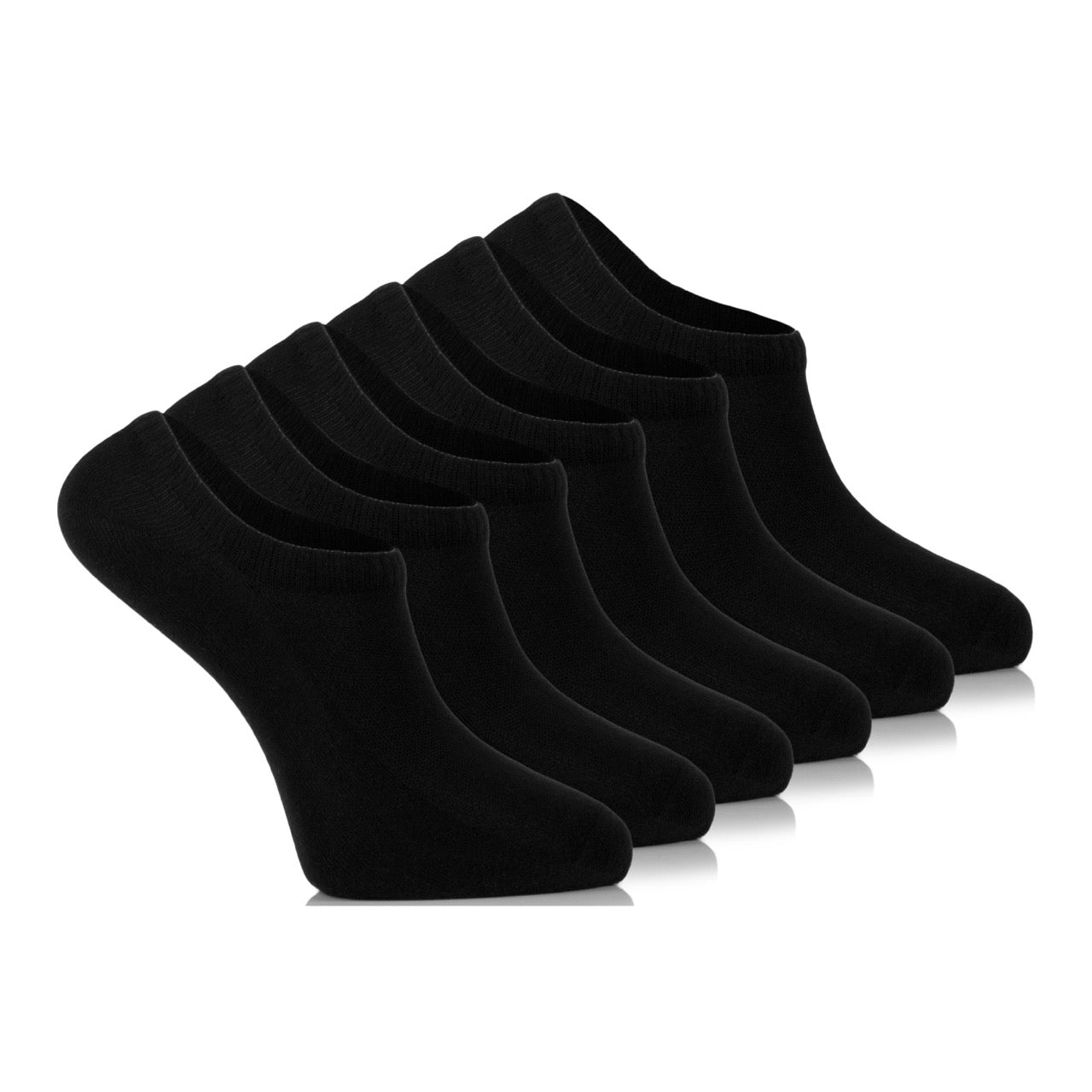
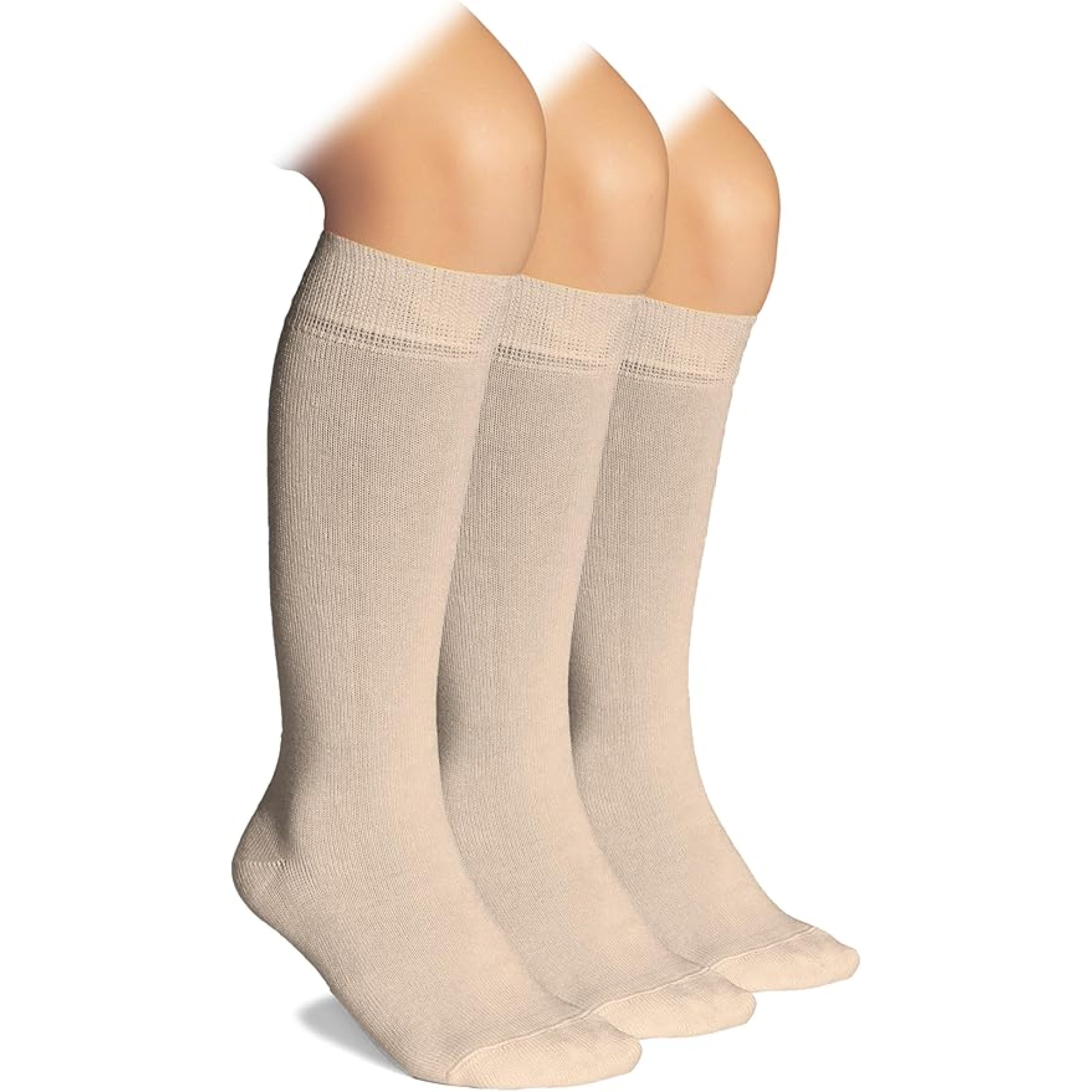


Most people do not think much about socks when getting dressed, yet the type of socks you wear can influence comfort, appearance, and even foot health throughout the day. Whether you are heading to the office, spending long hours at work, or relaxing during the weekend, wearing socks that match the situation can make a noticeable difference.
Many wardrobes include only a few generic pairs of socks used for every occasion. However, modern socks are designed with specific purposes in mind. Some prioritize a polished appearance for professional environments, while others focus on comfort, breathability, and flexibility for casual or physically demanding activities.
This raises an important question: do you really need different socks for work and casual wear, or can a single type handle both situations? Understanding the differences between work socks and casual socks can help you decide what works best for your lifestyle.
Socks perform several important functions that go beyond basic coverage. A good pair of socks helps manage moisture, reduce friction inside shoes, and maintain day comfort during long hours of wear.
When socks fit well and use appropriate materials, they help keep feet dry and comfortable throughout the day. Moisture wicking fabrics pull sweat away from the skin and allow it to evaporate, which helps prevent irritation and foot fatigue.
In contrast, poorly designed socks may trap moisture, create pressure points, or wear down quickly. Over time, these small issues can affect comfort, especially when wearing socks with dress shoes or spending many hours standing or walking.
Because different environments place different demands on footwear, many socks are designed with specific features tailored to particular situations.

Work socks are often designed to support comfort and durability during long hours. Depending on the profession, work socks may need to perform under physically demanding conditions or maintain a polished appearance in professional settings.
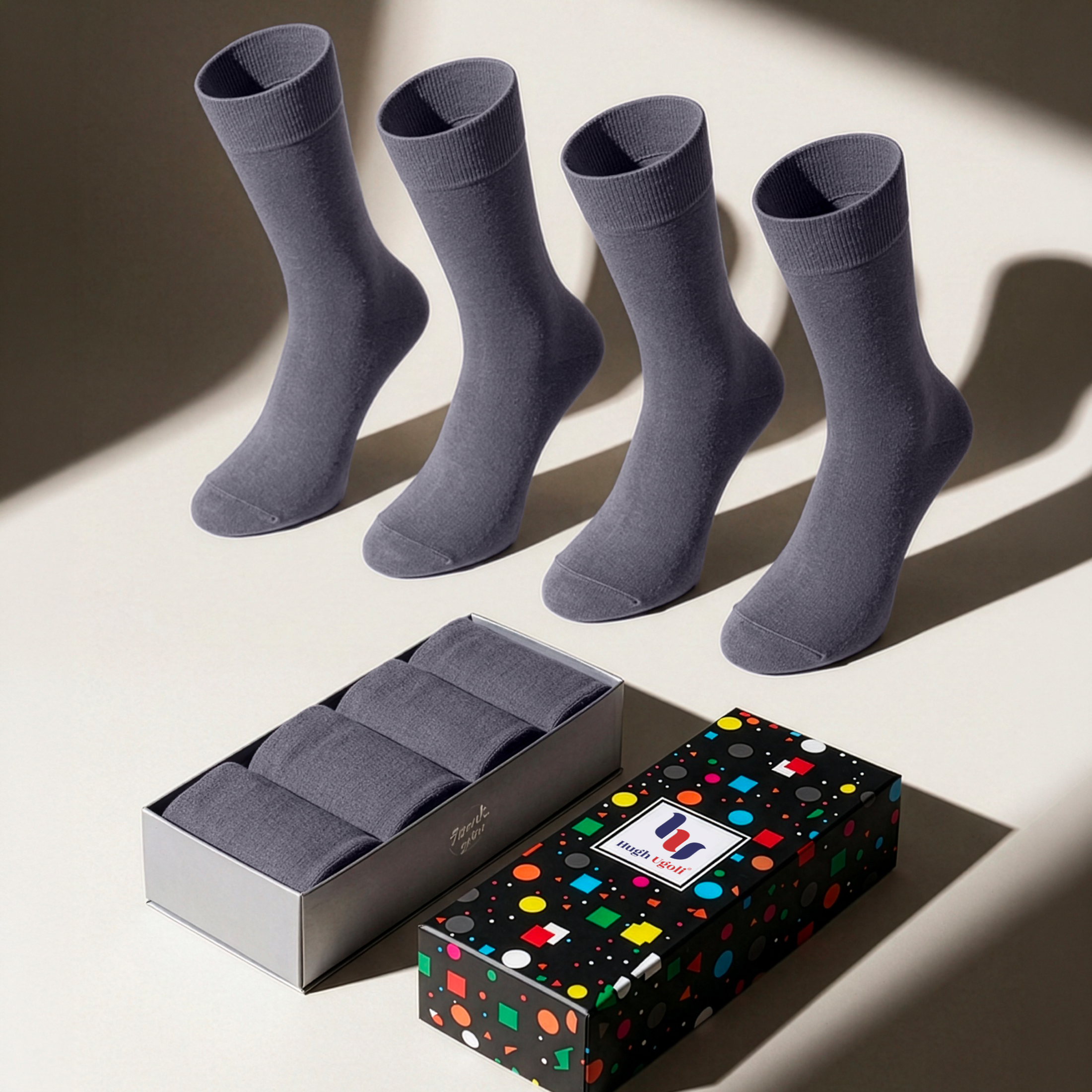
In office environments where a dress code is expected, dress socks are typically the preferred choice. Dress socks are designed to fit comfortably inside dress shoes without adding unnecessary bulk. Their thinner construction allows the shoe to maintain its shape while still providing cushioning and support.
Most dress socks are made from cotton blends or merino wool because these materials balance softness, breathability, and durability. High quality fabrics also help socks maintain their structure after repeated washing.
Another important characteristic of work socks is subtle styling. In professional settings, socks usually complement the outfit rather than stand out. Dark or neutral color socks are common because they create a cohesive look with trousers and formal shoes.
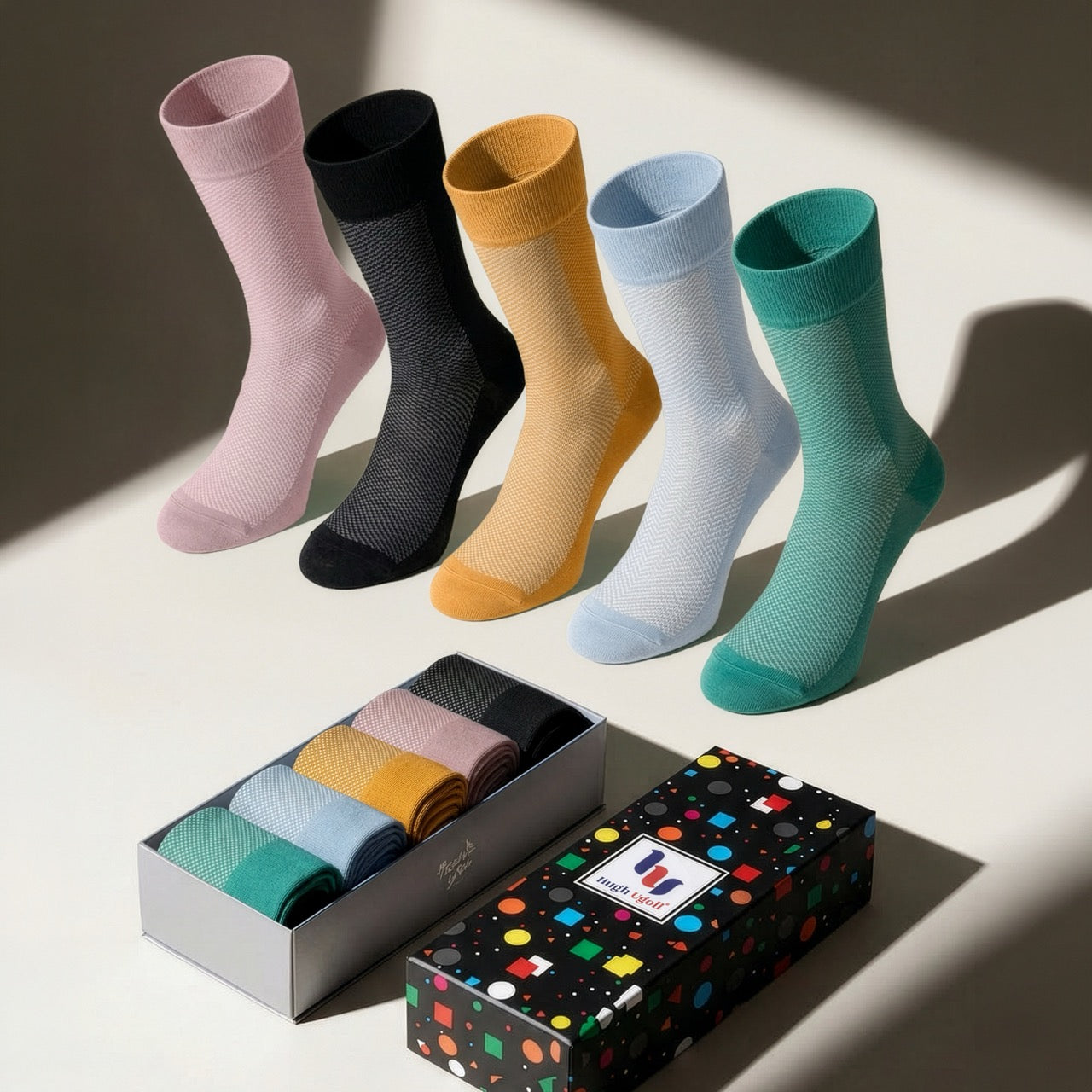
However, modern workplaces have become more flexible. In business casual environments or on casual Fridays, patterned socks or color socks are sometimes used to add personality to professional attire.
Casual socks prioritize comfort and versatility. Unlike dress socks, they are not restricted by formal dress codes and often come in a wider variety of lengths, colors, and materials.
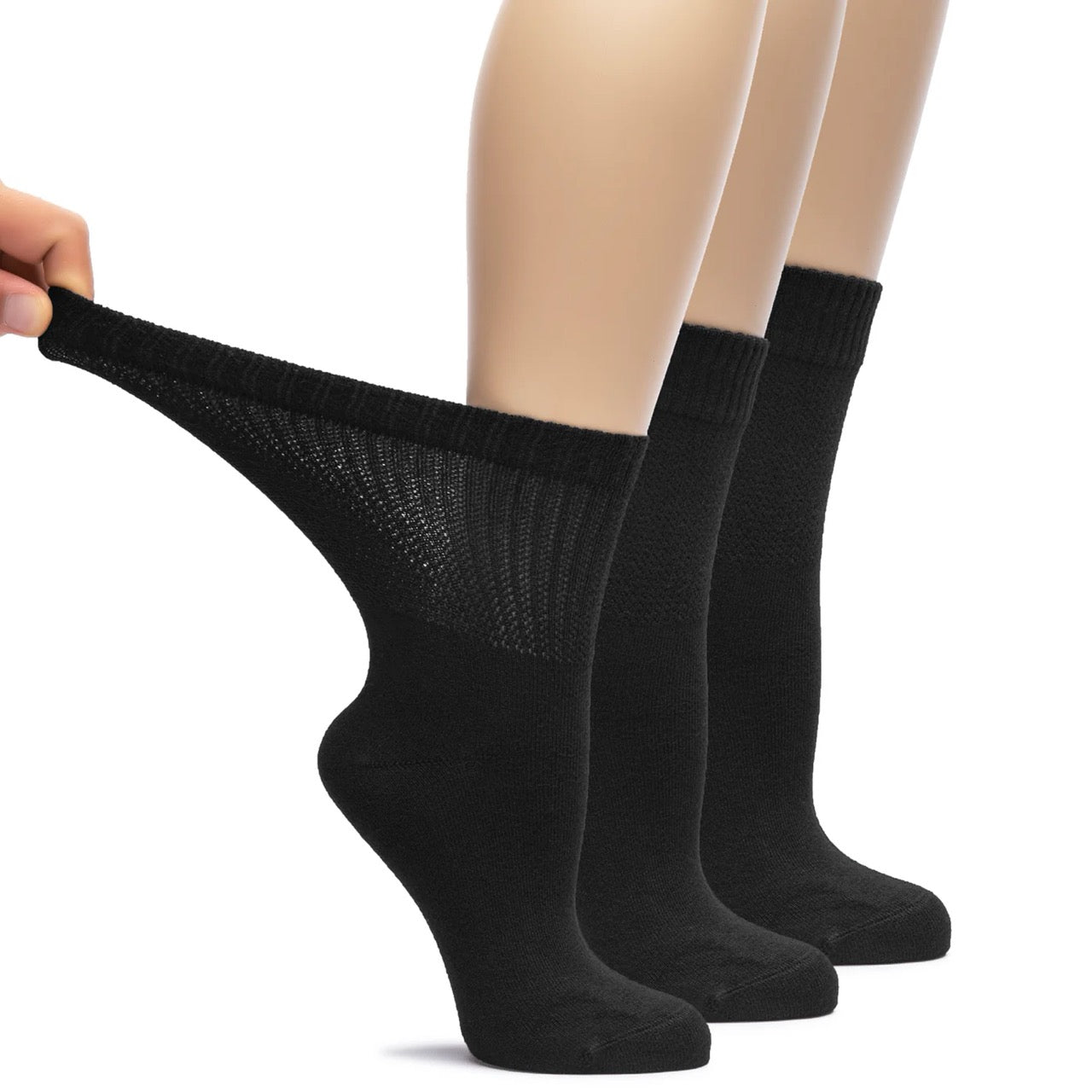
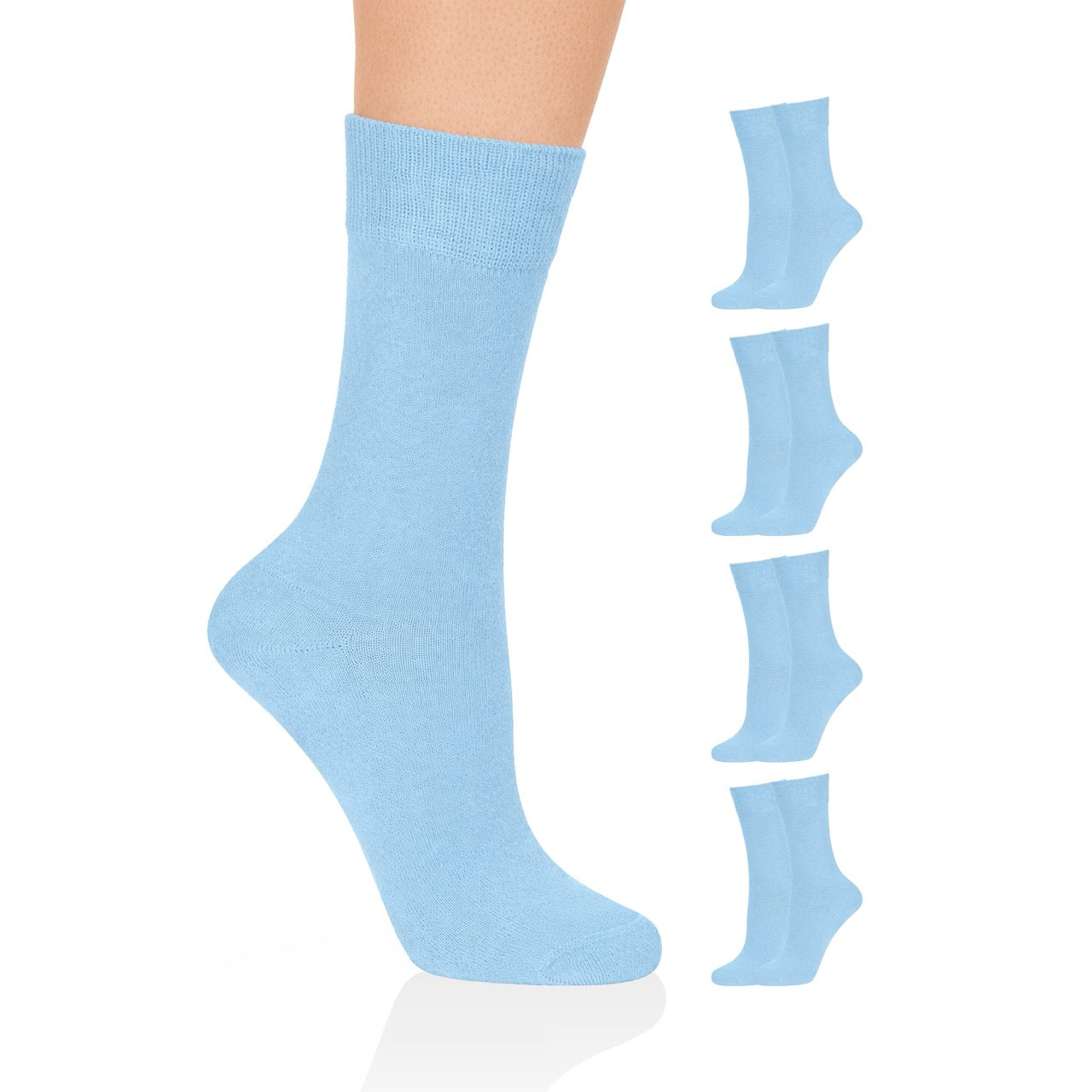
Ankle socks and crew socks are among the most common options for casual wear. These styles work well with sneakers, boots, and other relaxed footwear choices.
Casual socks are often designed with slightly thicker fabrics and additional cushioning. This added comfort makes them suitable for everyday activities such as walking, traveling, or spending time outdoors.
Many casual socks also incorporate features like arch support or reinforced heels and toes. These structural elements improve durability and provide extra support during active use.
The materials used in socks can influence how they perform in different environments. Work socks, especially dress socks, often use finer materials to maintain a refined appearance.
Merino wool is a popular choice for high quality dress socks because it offers natural temperature regulation and moisture management. This material helps keep feet comfortable in both warm and cool conditions.
Cotton blends are another common option. These fabrics combine softness with durability, making them suitable for everyday wear in professional environments.
Casual socks may incorporate thicker cotton blends or performance fabrics designed for increased cushioning and flexibility. Moisture wicking materials are also frequently used to help keep feet dry during extended activity.
The choice of fabric ultimately depends on how the socks will be used. Lightweight materials often work better for dress shoes, while thicker fabrics may feel more comfortable with sneakers or boots.
Comfort is one of the main reasons people choose different socks for different occasions. Wearing socks that match the activity level of the day can significantly reduce foot fatigue.
For example, someone who spends most of the day in meetings may prioritize lightweight socks that fit smoothly inside dress shoes. In contrast, someone who walks frequently may benefit from socks that include additional cushioning or arch support.
Socks with reinforced heels and toes provide extra durability in areas that experience the most friction. This feature is particularly useful for people who move frequently during the day or wear the same shoes regularly.
Arch support is another feature found in many work socks and casual socks alike. This design helps stabilize the foot and improve comfort during long hours of wear.
Style also plays a role in determining whether different socks are needed for work and casual wear. In professional settings, socks should generally align with the dress code of the workplace.
Traditional offices often prefer classic dress socks in neutral colors such as black, navy, or gray. These colors blend seamlessly with professional outfits and maintain a polished appearance.
Business casual environments offer more flexibility. Patterned socks or color socks can add personality to an outfit while still remaining appropriate for the workplace.
Casual environments allow even greater creativity. Bright colors, bold patterns, and playful designs are often used to express personal style outside formal settings.
In some cases, a well-designed pair of socks can work across multiple settings. High quality socks made from breathable materials and neutral colors can transition easily between professional and casual environments.
For example, a pair of merino wool crew socks in a neutral shade may work equally well with dress shoes during the workday and sneakers in the evening.
However, relying on one type of sock for every situation may not always provide the best comfort or style. Dress socks may feel too thin for outdoor activities, while thicker casual socks may feel bulky inside formal footwear.
Having a small selection of different sock styles allows you to adapt to various occasions without sacrificing comfort or appearance.
A practical sock drawer often includes several different types of socks to cover both work and casual situations.
This variety ensures that you always have the right socks to match your footwear and daily activities.
While it is possible to wear the same socks for work and casual settings, different environments often benefit from different sock styles. Work socks are typically designed to complement professional attire and fit comfortably inside dress shoes, while casual socks focus on comfort, durability, and flexibility.
Materials such as merino wool and cotton blends help maintain breathability and moisture control, while features like arch support and reinforced heels and toes improve long-term durability.
Ultimately, having a small selection of socks designed for different situations allows you to maintain comfort and style throughout the day. Whether you are following a workplace dress code, enjoying casual Fridays, or relaxing during the weekend, choosing the right socks can make every step more comfortable.
Not always, but having different socks for work and casual use can improve both comfort and style. Dress socks are designed for professional environments, while casual socks often provide more cushioning and flexibility.
Dress socks made from materials such as merino wool or cotton blends are typically the best choice because they fit comfortably inside dress shoes and maintain a polished appearance.
Ankle socks are generally better suited for casual outfits and sneakers. In professional settings, crew-length dress socks are usually preferred.
Merino wool and cotton blends are popular choices because they provide breathability, durability, and moisture control.
Reinforced heels and toes increase durability in areas that experience the most friction, helping socks last longer during daily wear.
He has been working for more than 20 years in the textile industry and has work experience in many parts of the world.