Cart
0
You may also like
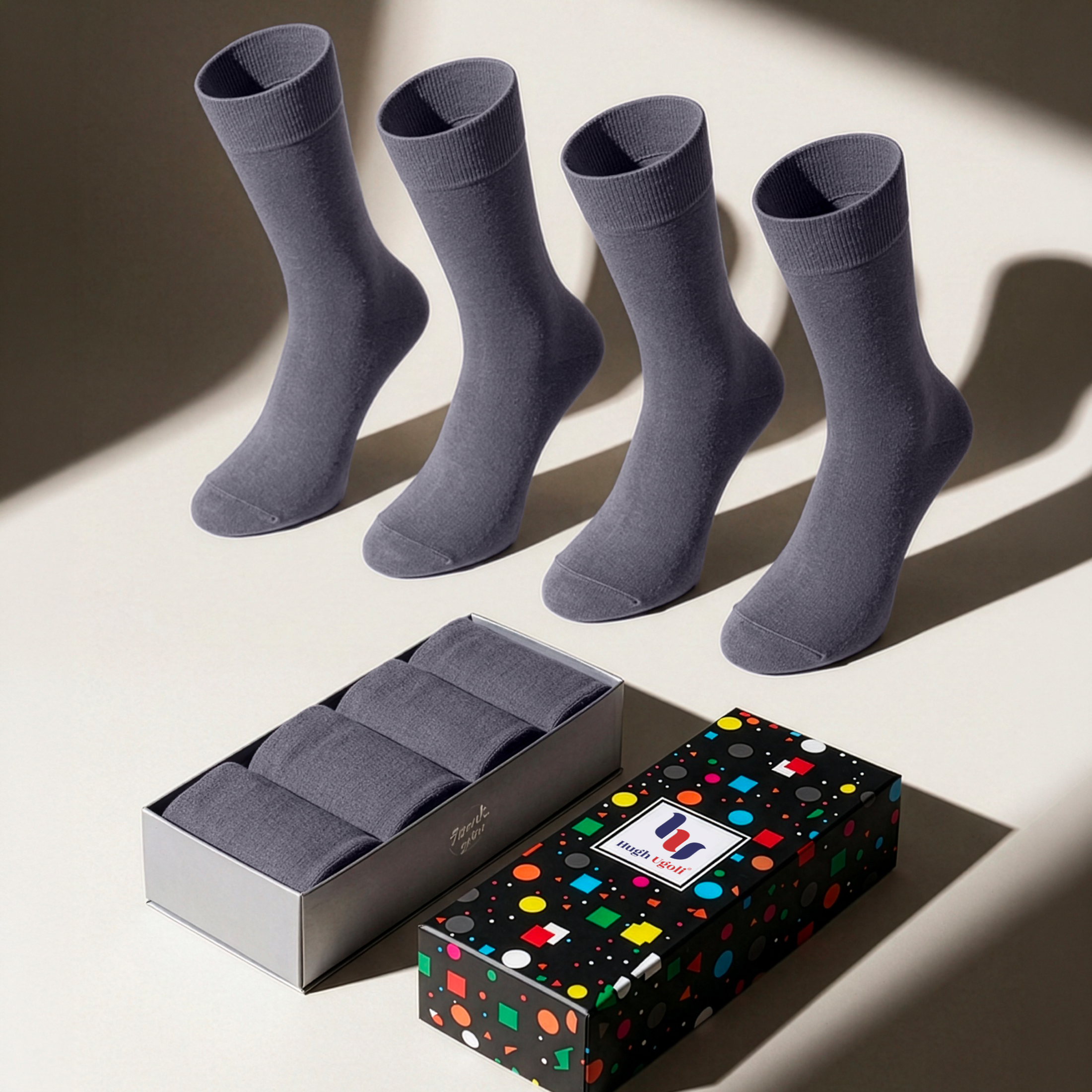
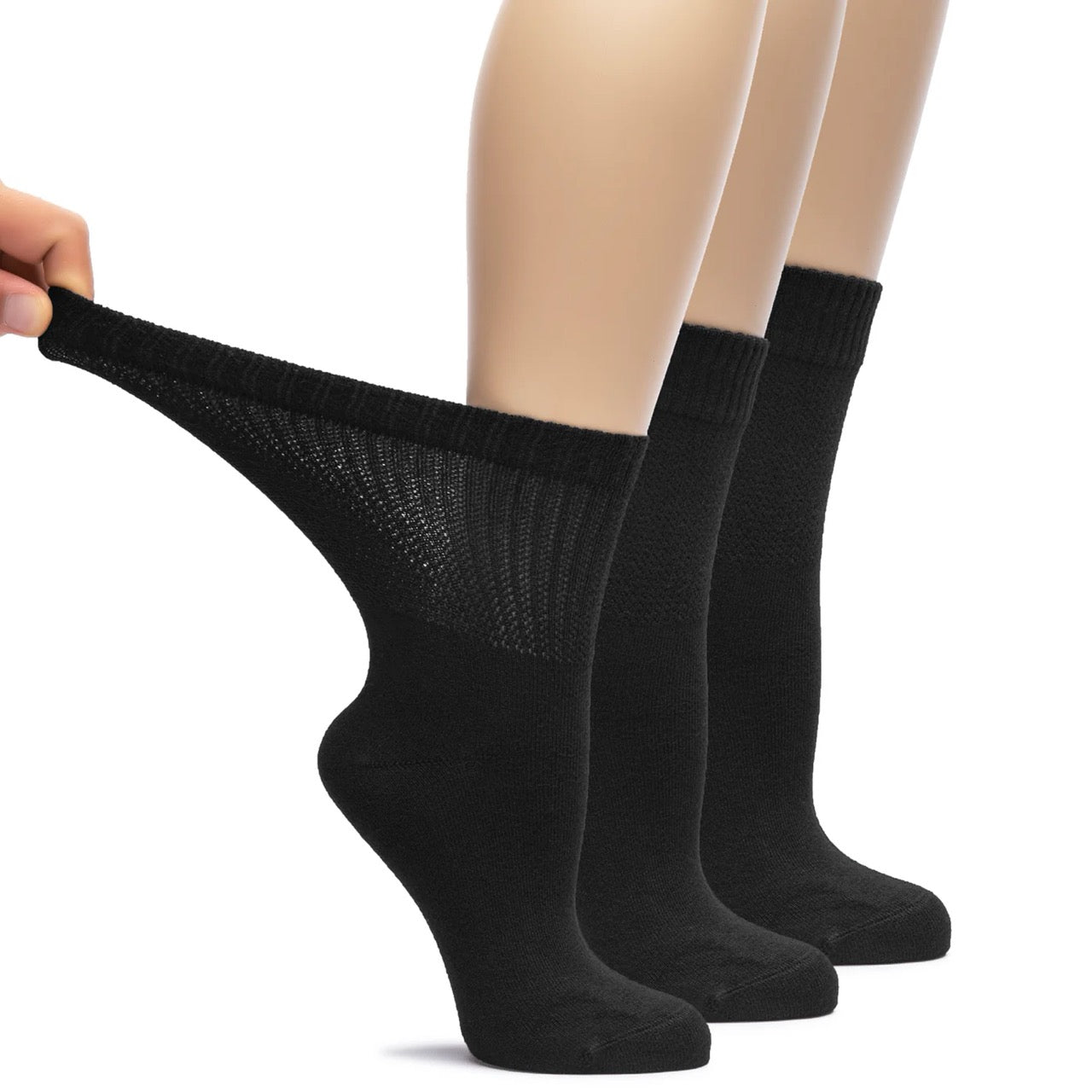
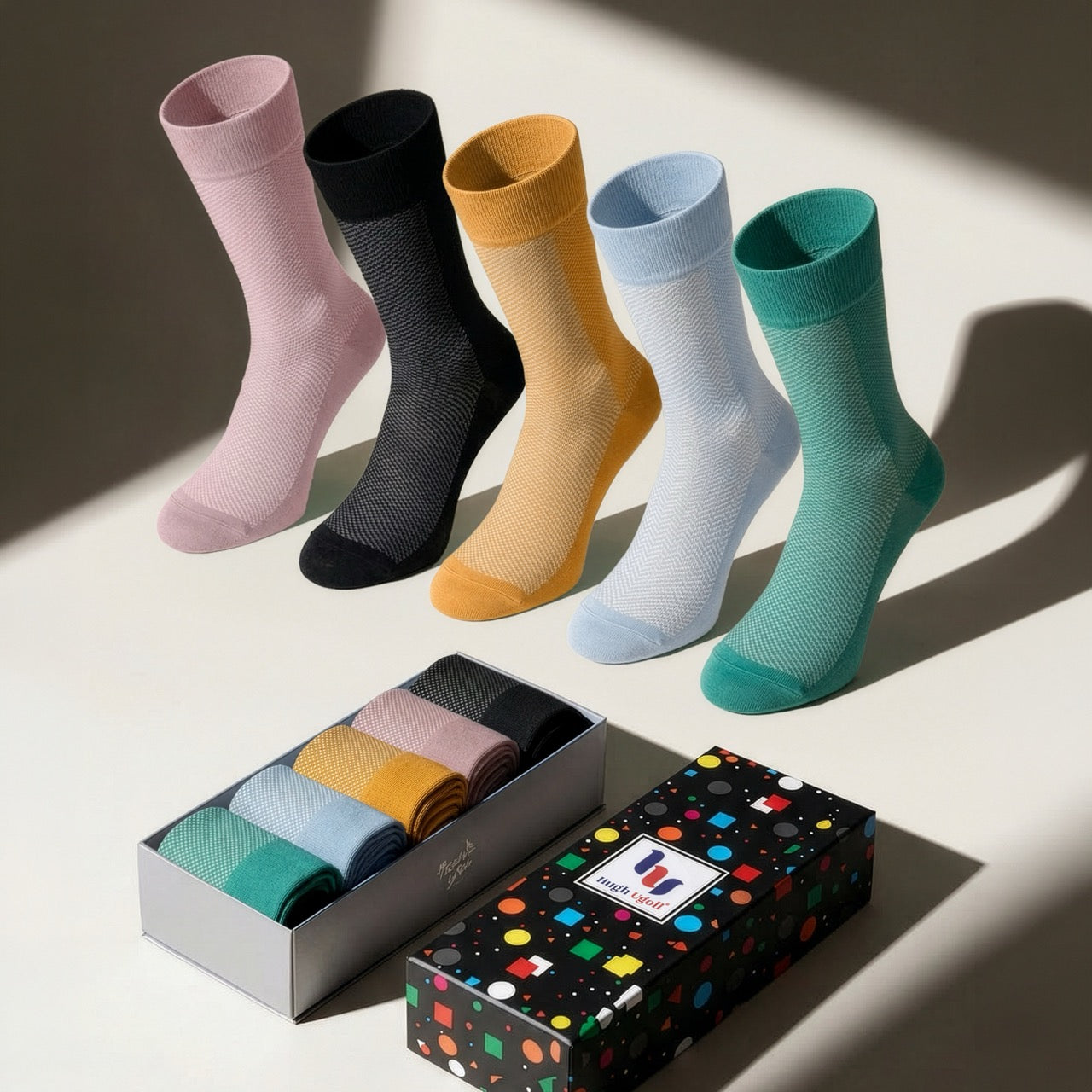
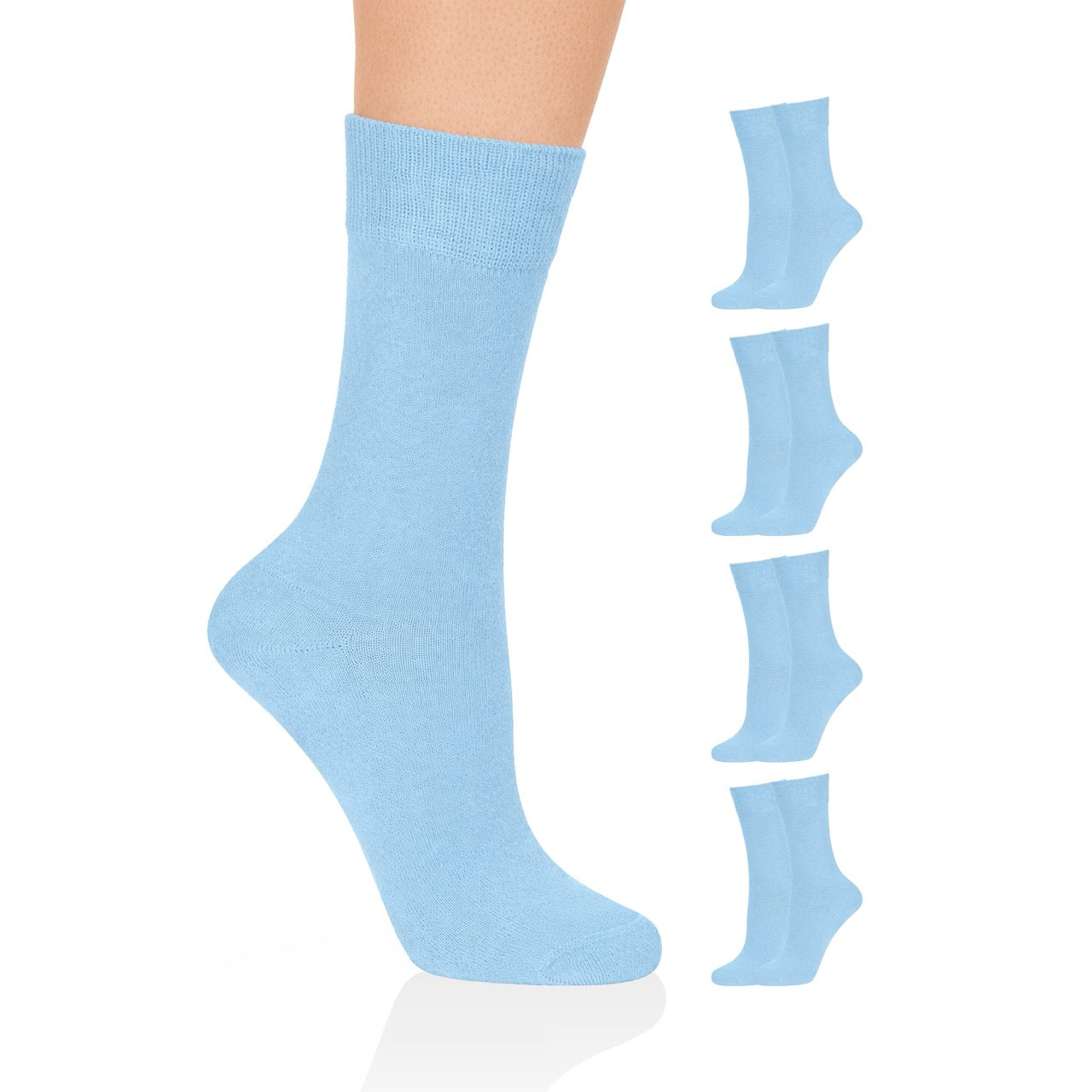
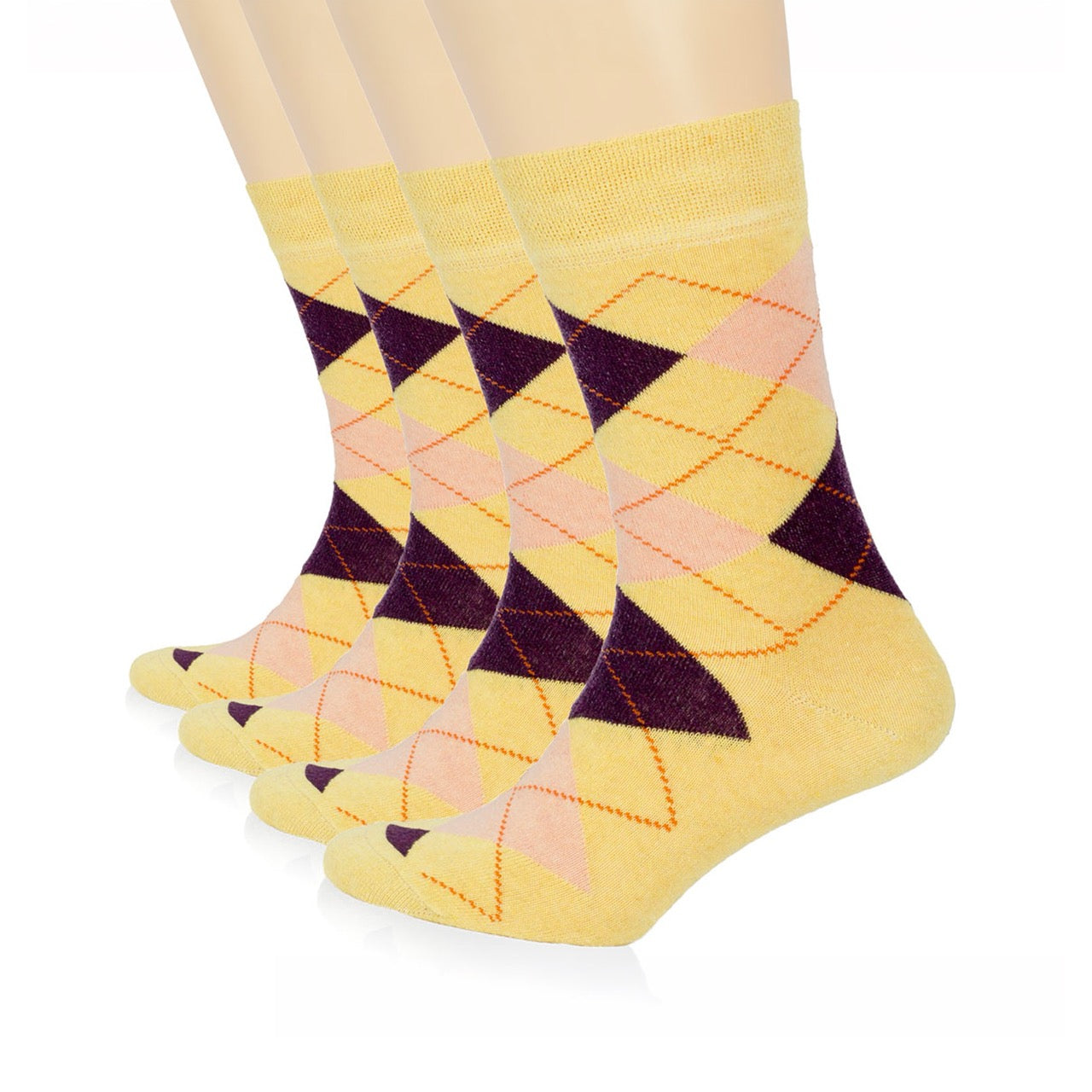
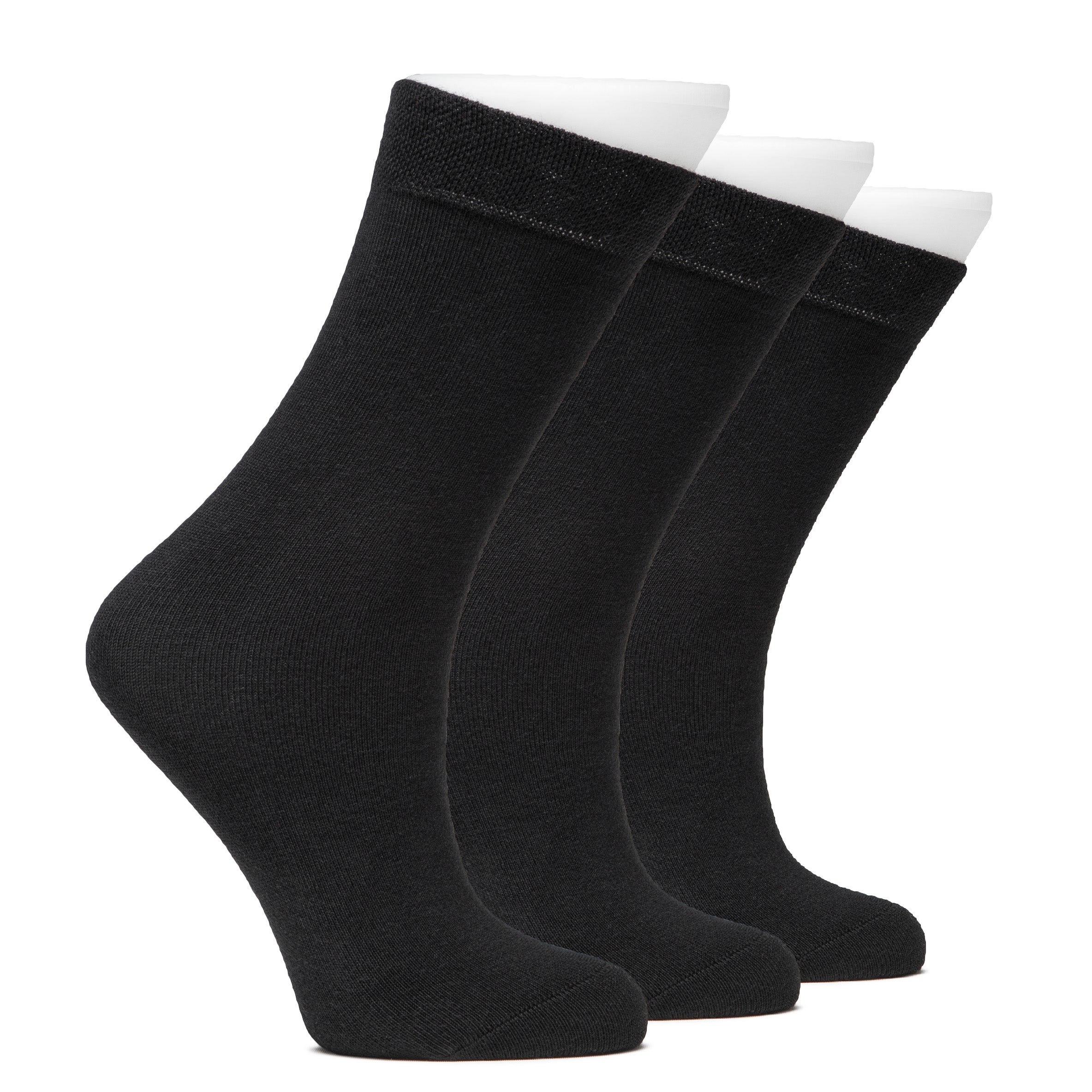
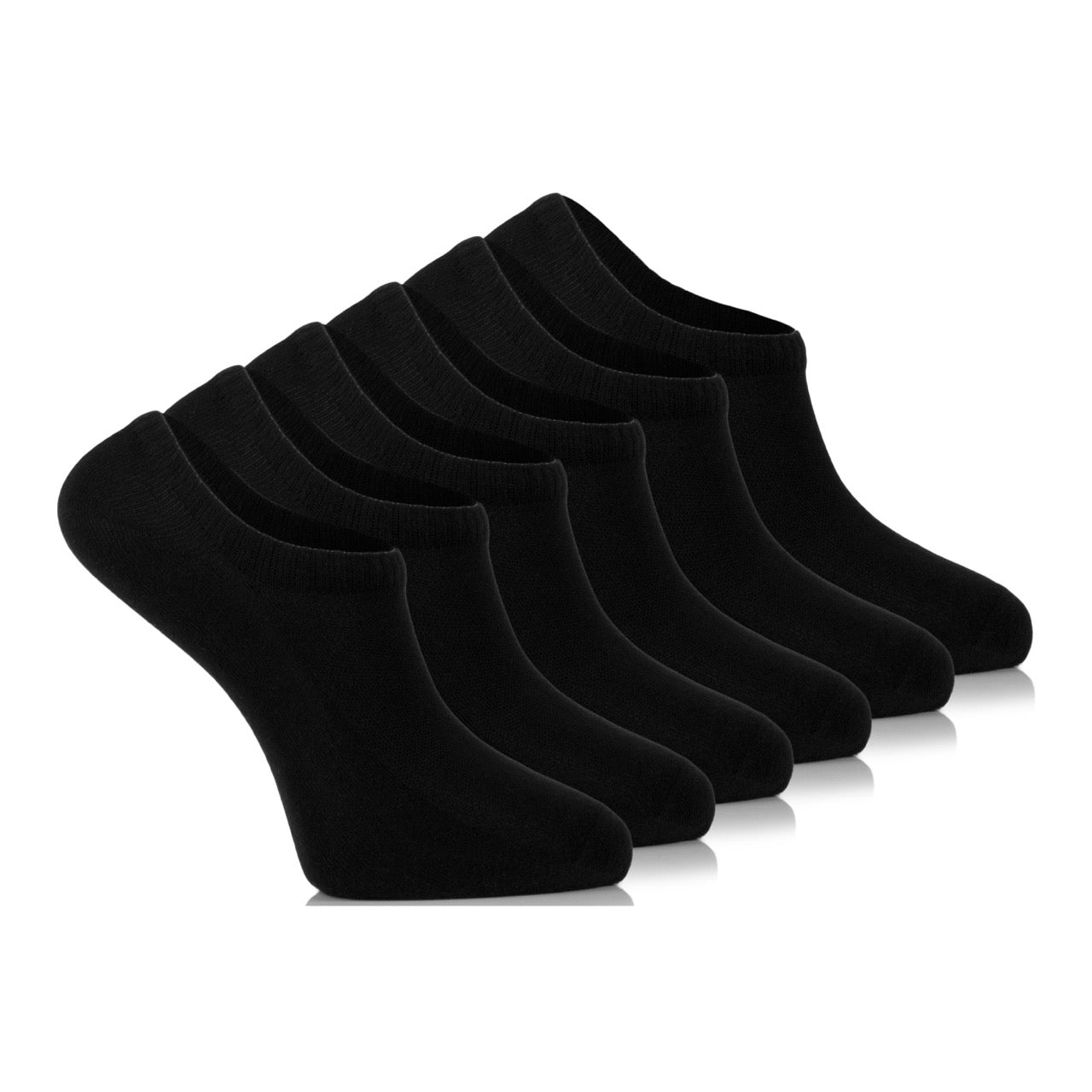
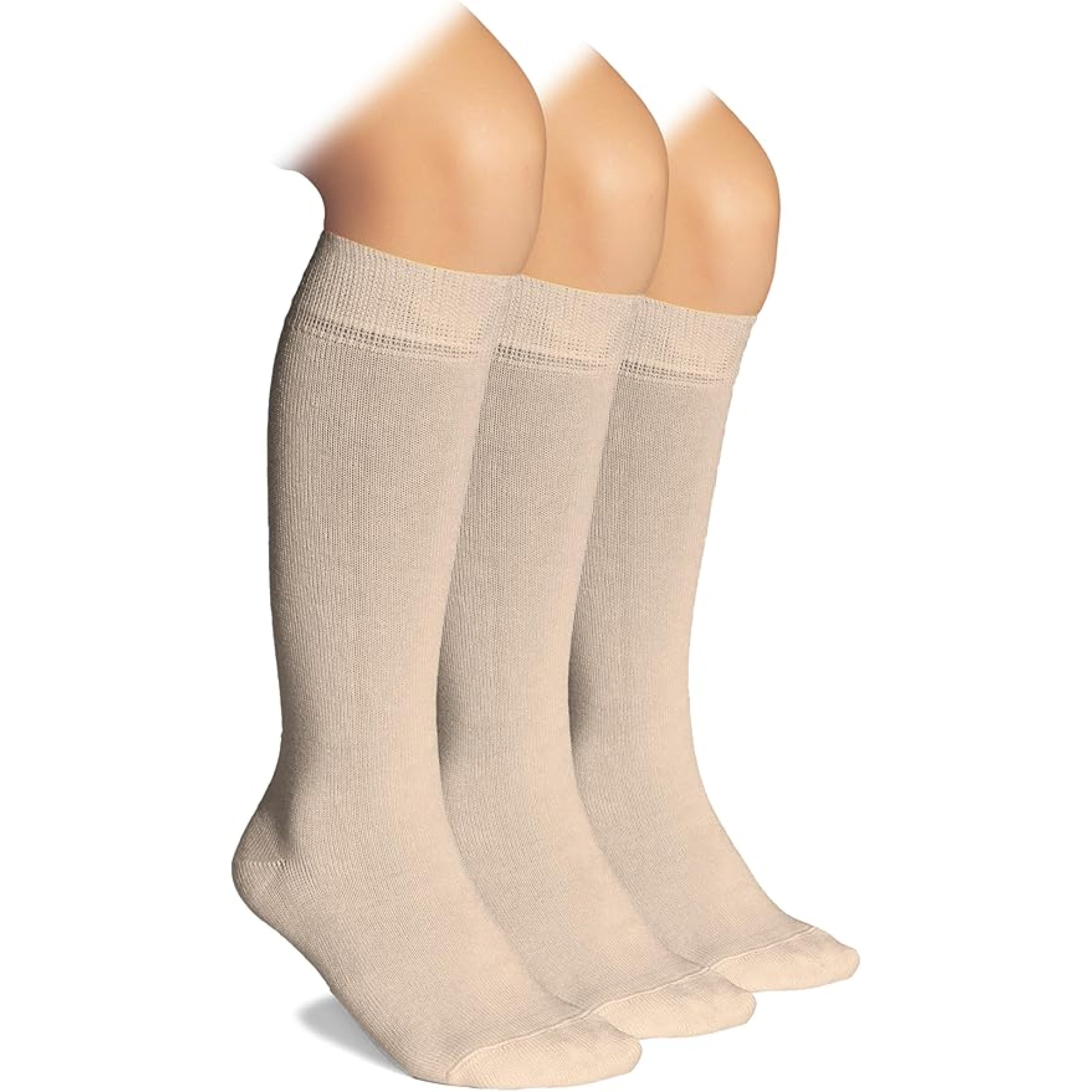


When people think about supporting blood circulation, they often jump straight to medical-grade solutions or assume that tight pressure is necessary. But not everyone needs structured compression. For many individuals, especially those with mild circulation issues or sensitive skin, gentle elastic socks offer a more comfortable alternative.
Unlike traditional compression designs that apply a specific compression level, gentle elastic socks are created to avoid restriction. They are engineered to support improving circulation naturally—without squeezing the leg or leaving deep marks at the cuff.
Many everyday socks use firm elastic bands at the top to stay in place. Over time, this tight grip can create pressure points around the ankle or calf. For people who sit or stand for long periods, this can make legs feel heavier.
In some cases, tight cuffs may restrict blood flow, particularly for those already dealing with peripheral artery disease, varicose veins, or mild swelling. While these individuals may not require medical compression, they benefit from socks that do not add unnecessary pressure.
Wearing compression socks involves graduated pressure, often measured by a defined compression level. These are designed for specific medical or performance needs, such as managing swelling or reducing the risk of blood clots during travel or recovery.
Gentle elastic socks, by contrast, are not medical garments. They do not apply structured pressure from ankle upward. Instead, they focus on preventing tightness, allowing circulation and reducing unnecessary constriction.

Circulation improves when there is no added resistance. Socks that fit comfortably without digging into the skin allow natural blood circulation to continue uninterrupted.
By avoiding harsh elastic bands, gentle designs support circulation and reducing discomfort without forcing the leg into a compressed state. For many people, this lighter approach simply feels better during a long day.
Individuals with sensitive skin often notice redness or indentations after removing tight socks. Gentle elastic designs minimize irritation by distributing stretch evenly rather than concentrating it in one band.
This is especially important for people managing mild swelling, fragile skin, or early circulation concerns. A comfortable cuff helps legs feel lighter and more relaxed.
Merino wool is known for temperature regulation and softness. It helps manage moisture while remaining breathable, making it suitable for daily wear across seasons.
Effective moisture wicking keeps skin dry, reducing friction and irritation. When socks manage moisture properly, legs feel fresher and lighter even after extended activity.
Avoiding heavy synthetic materials that trap heat can further improve comfort. Breathable construction contributes to an overall feel good experience.
For many, gentle support is enough to maintain comfort without committing to structured compression garments.
Socks are worn for hours at a time. During workdays, travel, or busy schedules, small pressure differences add up.
Choosing high quality socks with balanced stretch supports natural movement. Instead of squeezing the leg, they adapt to it—helping legs feel comfortable from morning to evening.
It is important to distinguish comfort solutions from medical recommendations. Individuals diagnosed with significant circulation disorders, including advanced peripheral artery disease, should consult healthcare professionals before replacing medical compression.
Gentle elastic socks are designed for comfort and light support—not therapeutic compression levels.
Supporting circulation does not always require structured compression. For many people, avoiding tight bands and harsh pressure is enough to maintain comfort throughout a long day.
Gentle elastic socks allow natural blood circulation, reduce discomfort from pressure points, and help legs feel relaxed without squeezing. With breathable materials like merino wool and thoughtful construction, they provide a practical and comfortable alternative for everyday wear.
Gentle elastic socks support natural blood circulation by avoiding tight bands that restrict blood flow, but they are not medical compression garments.
No. Compression socks apply a specific compression level, while gentle elastic socks focus on comfort without structured pressure.
Individuals with diagnosed circulation disorders should consult a healthcare professional before switching from prescribed compression garments.
Yes. For many people, gentle elastic socks provide comfort during long periods without causing additional pressure or irritation.
He has been working for more than 20 years in the textile industry and has work experience in many parts of the world.