Cart
0
You may also like
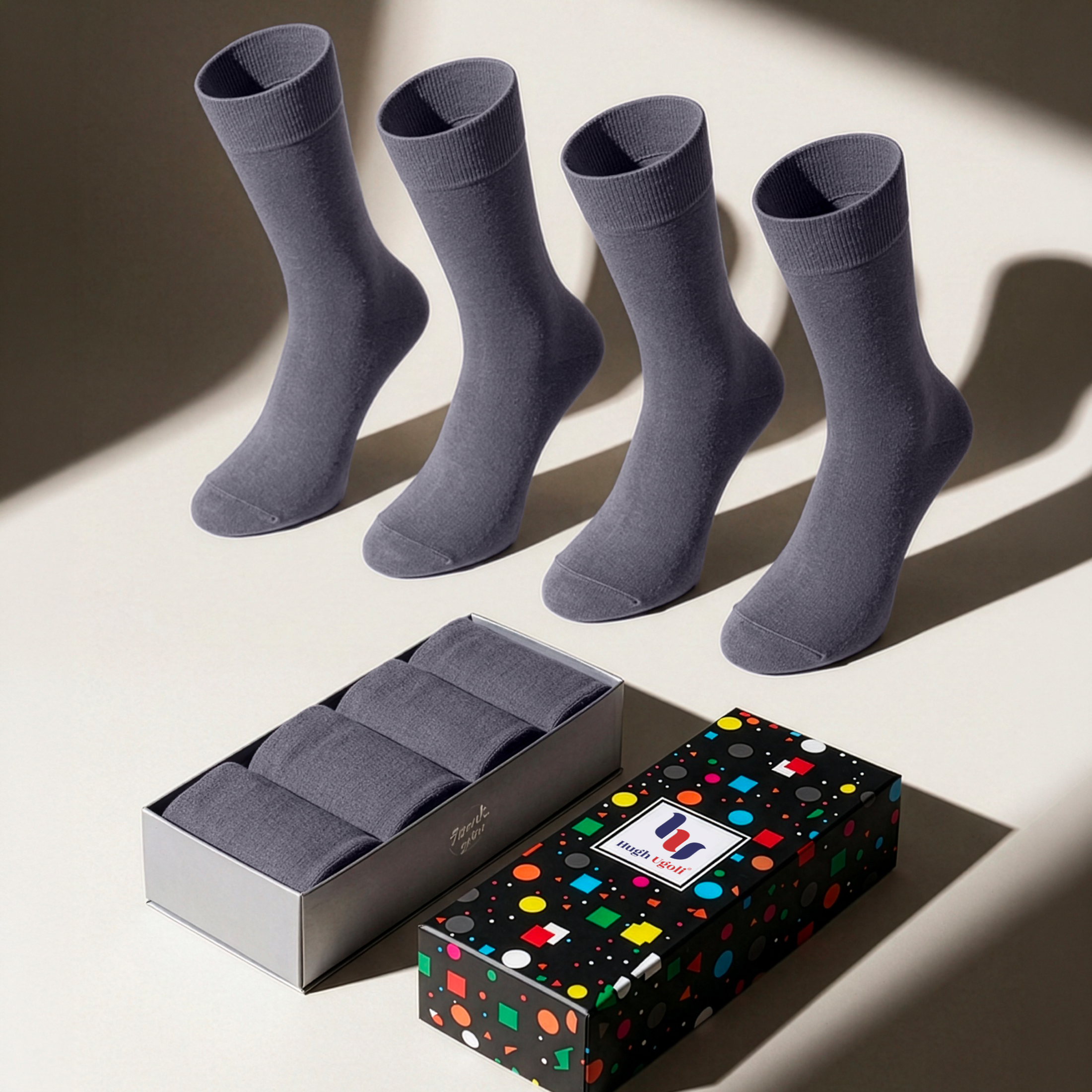
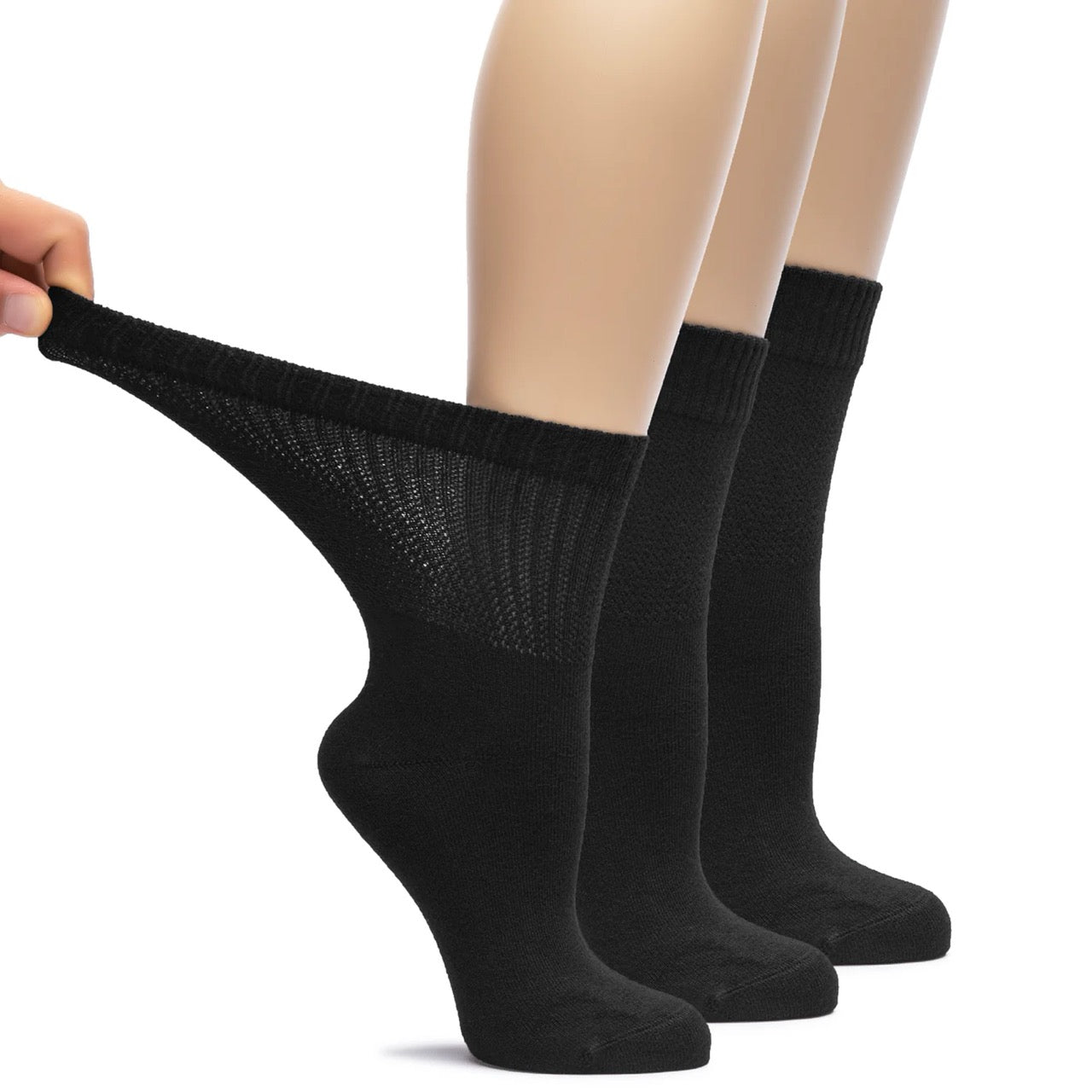
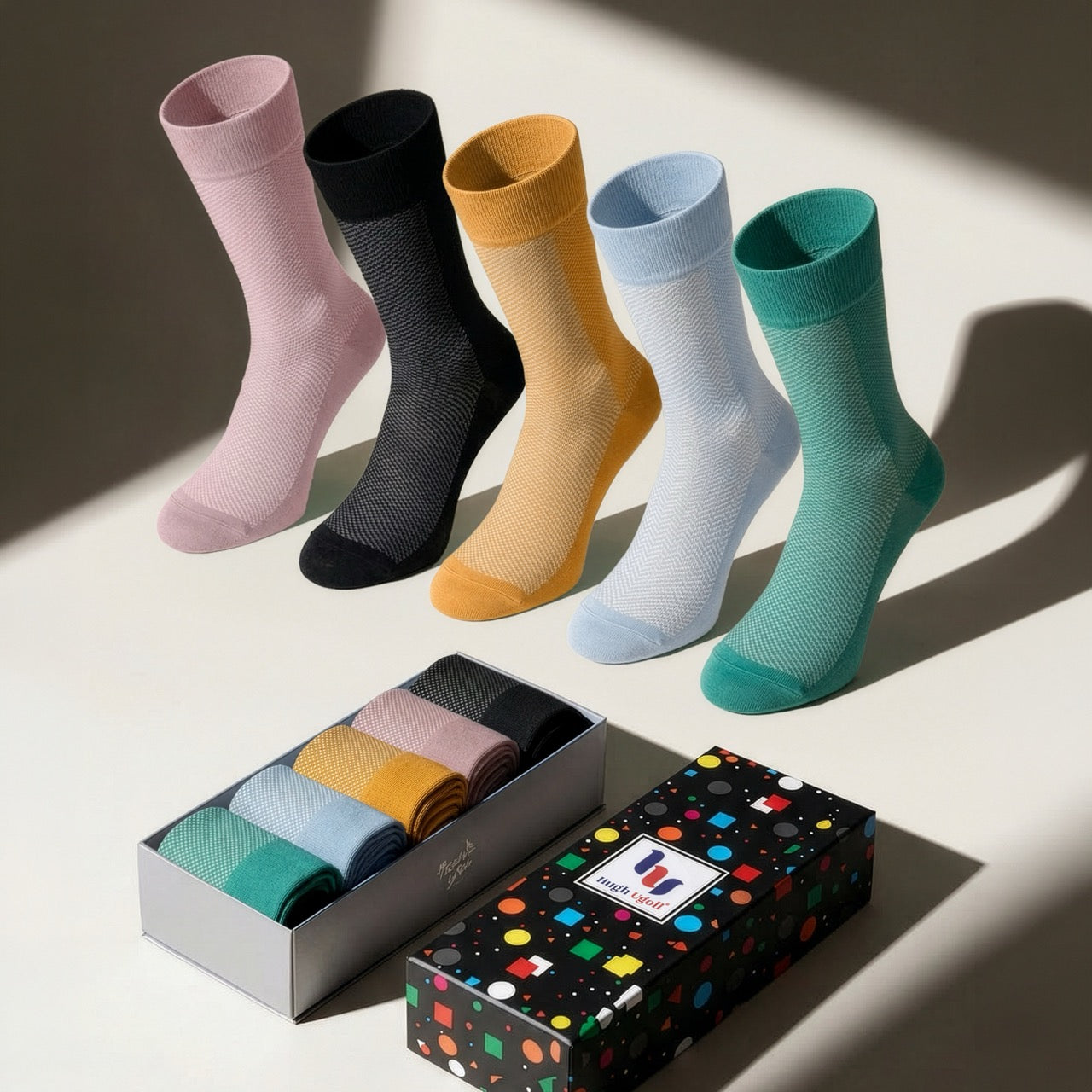
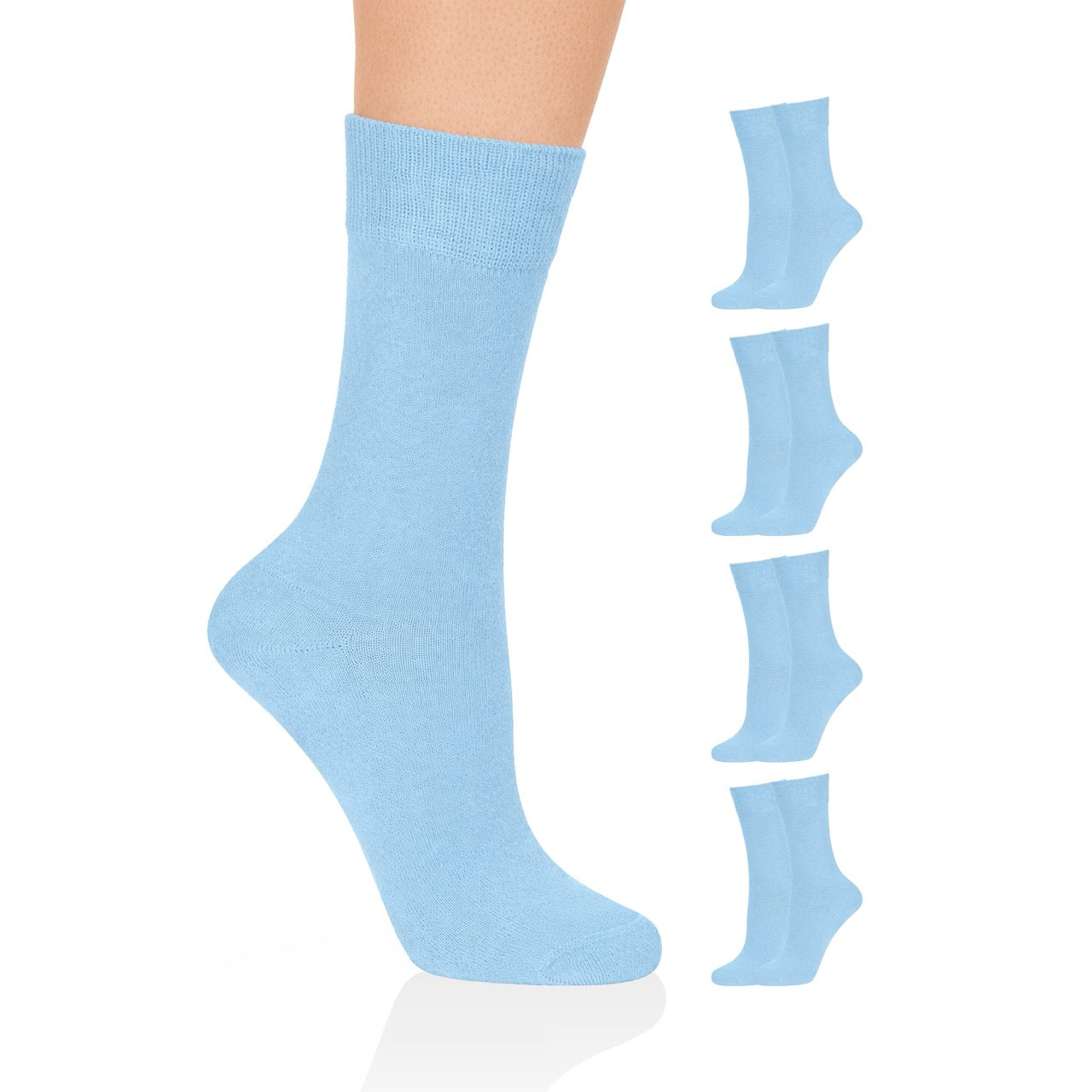
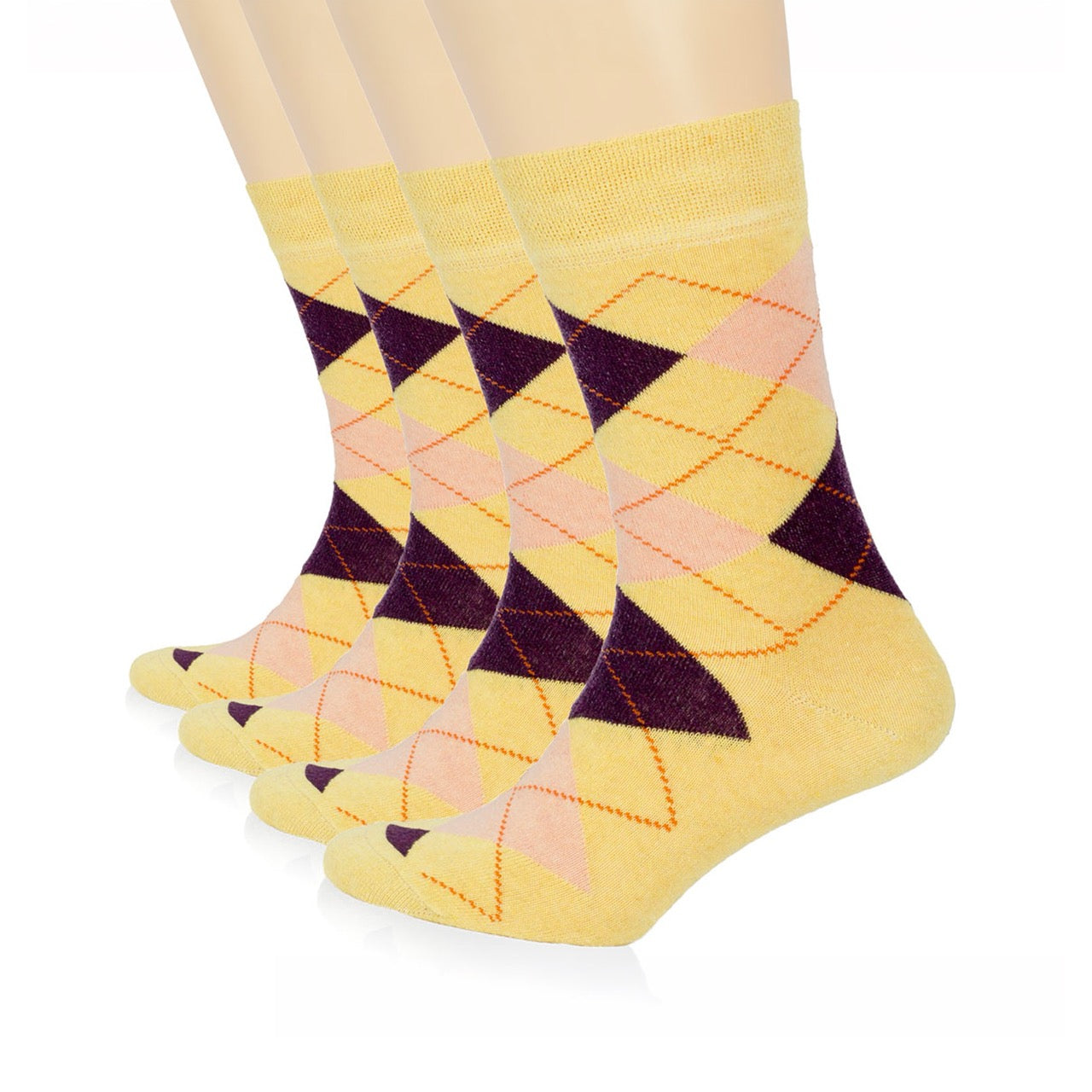
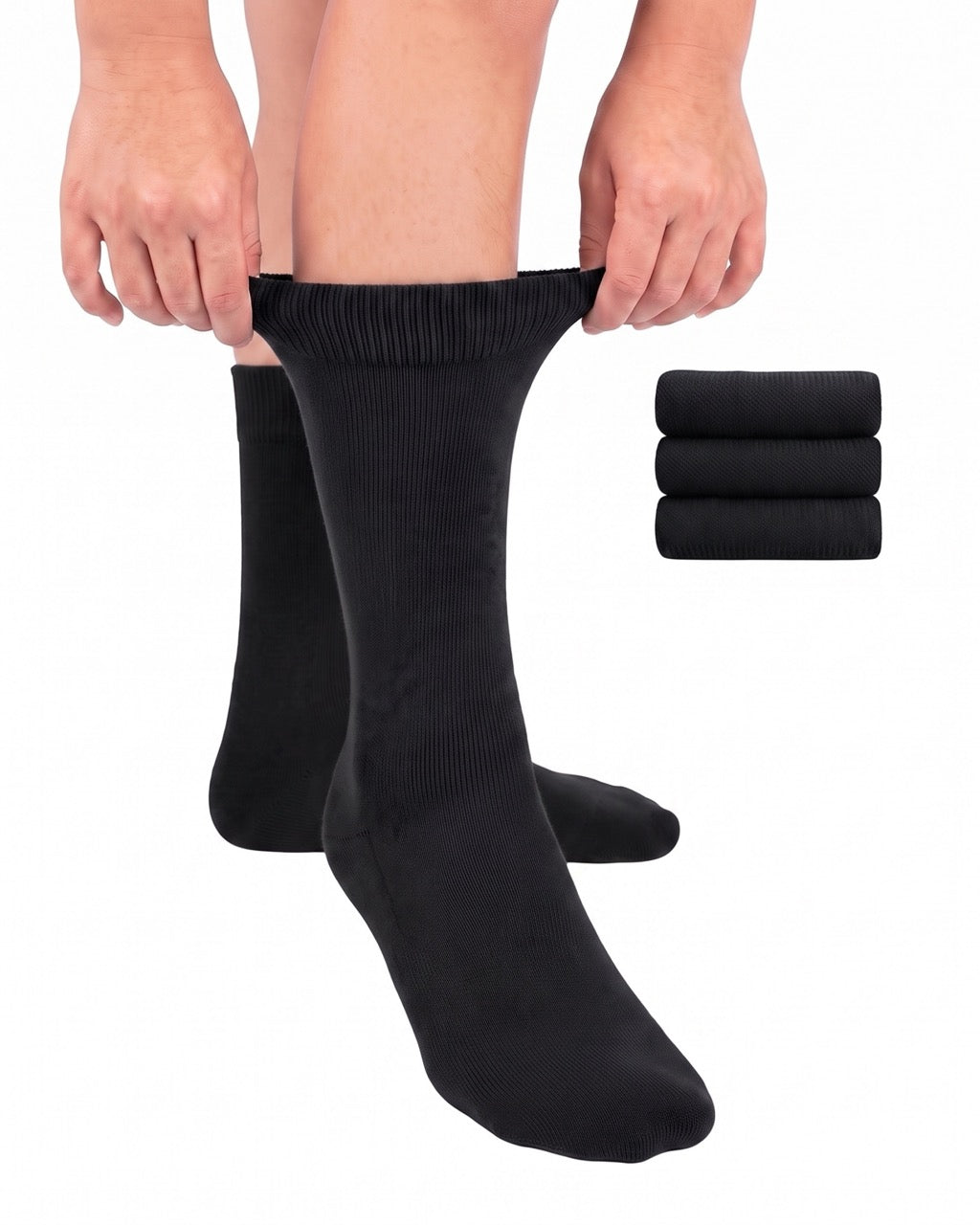
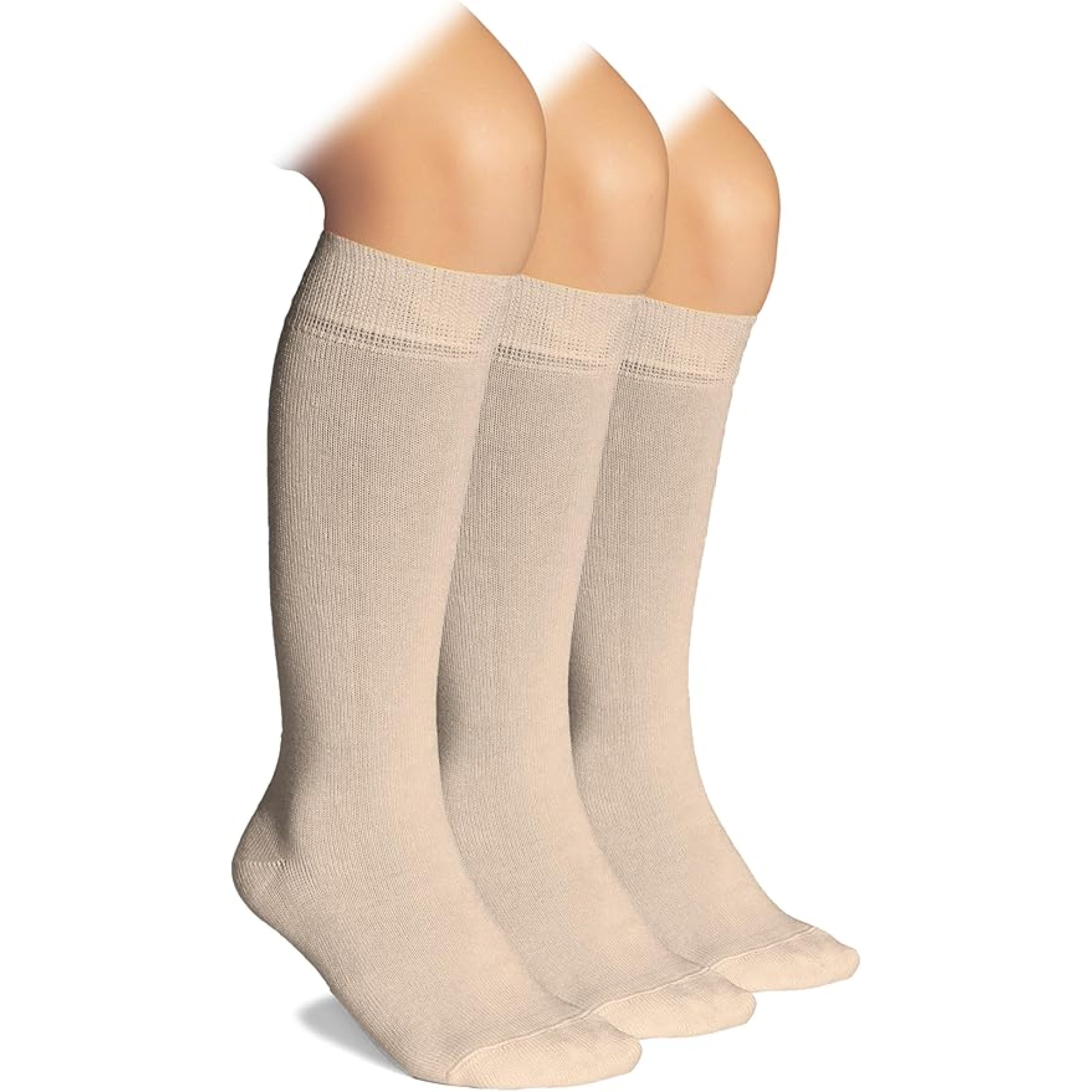


When people think about comfortable socks, they often focus on softness or color. But two factors matter far more than most realize: sock fit and length. The way socks are designed to sit on your foot and leg directly influences foot health, circulation, and overall daily comfort.
A sock that fits poorly can lead to discomfort, restrict movement, and even restrict blood flow. On the other hand, the perfect pair—with the right length and proper fit— supports natural movement, keeps feet dry, and reduces irritation.
Proper fit begins with matching socks to your shoe size. Socks that are too small stretch excessively, tightening around the toes and calf. Over time, this tension may restrict circulation, especially if the elastic cuff digs into the skin.
Socks that are too large create wrinkles and bunching. This increases friction, which can cause irritation and pressure points. Balanced sock fit prevents these problems and supports natural blood movement.
When socks are overly tight, especially around the calf, they may restrict blood flow. This does not mean every snug sock is harmful, but excessive compression from non-medical designs can feel uncomfortable during long wear.
For individuals who already experience mild swelling, a tight cuff can lead to discomfort by limiting natural circulation. Choosing the correct size and stretch level helps prevent unnecessary pressure.

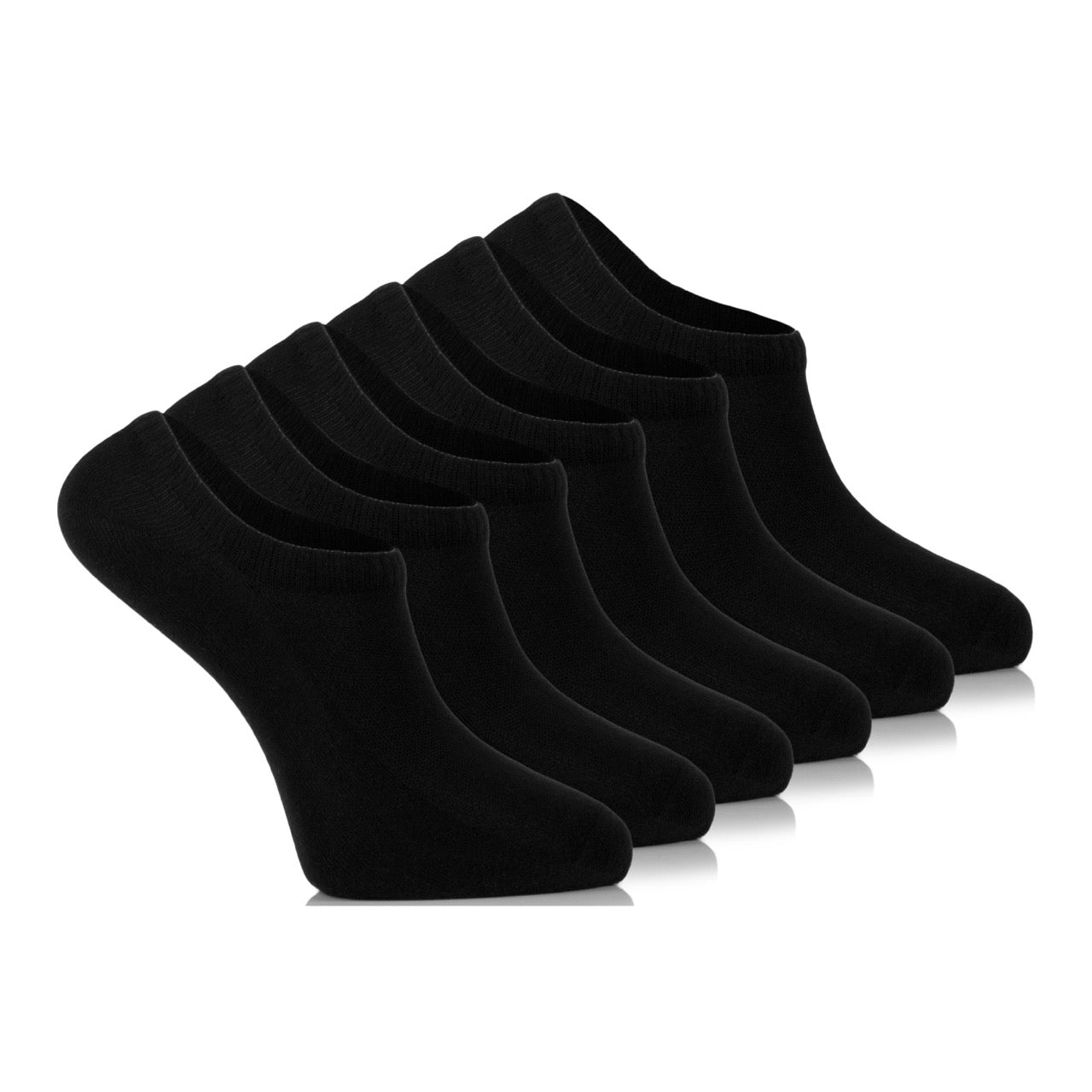
Ankle socks sit below or just above the ankle bone. Because they do not extend far up the calf, they rarely interfere with upper-leg circulation.
These are ideal for warm weather and physical activities where ventilation and freedom of movement matter most.
Crew socks extend to mid-calf and offer more coverage. When socks are designed correctly, they provide warmth and support without digging into the skin.
However, poor elastic construction at this height may increase the chance to restrict circulation. High-quality materials and balanced stretch are essential.
Unlike everyday designs, compression socks apply graduated pressure intentionally. They are built to support circulation in specific medical or athletic contexts.
For general daily wear, most people do not need structured compression. Instead, they benefit from socks that avoid tight bands altogether.
Fabric plays a crucial role in circulation comfort. Breathable materials help feet dry and reduce swelling caused by trapped heat.
Merino wool is especially effective in both warm and colder climates. It regulates temperature naturally, preventing overheating and helping maintain consistent circulation.
Some synthetic materials add stretch and durability. However, overly tight synthetic blends may feel restrictive if not engineered carefully.
Breathable construction combined with flexible fibers ensures circulation remains uninterrupted.
Proper fit does more than protect circulation. It also prevents blisters. When socks bunch or slide, repeated friction damages skin.
Socks are designed to follow the shape of your foot. When sizing aligns with shoe size, movement feels natural and supported.
In colder climates, longer socks provide additional warmth. Warmth encourages better circulation by preventing blood vessels from tightening in response to cold.
During physical activities, breathable ankle or crew options help manage sweat and keep feet dry. Balanced temperature and airflow support overall comfort.
These signs indicate it may be time to reassess your size, material choice, or sock length.
Over time, consistently wearing tight or ill-fitting socks may contribute to ongoing irritation. While everyday socks are not medical devices, choosing a comfortable fit supports reducing the risk of avoidable discomfort.
Balanced elasticity, breathable fabric, and correct sizing create a healthier environment for your feet.
Sock length and fit are not small details. They directly influence circulation, temperature control, and skin protection.
The perfect pair combines breathable materials like merino wool, thoughtful design, and a proper fit aligned with your shoe size. When socks are designed to support natural movement without tight restriction, they promote comfort, reduce friction, and help maintain healthy circulation every day.
Yes. Socks that are too tight may restrict blood flow, especially around the calf, leading to discomfort.
Not necessarily. Crew socks are comfortable when properly sized. Problems arise only if the cuff is excessively tight.
Ankle socks typically place less pressure on the calf, making them a comfortable choice for many people.
Match your sock size to your shoe size, avoid excessive tightness, and look for breathable materials that keep feet dry.
He has been working for more than 20 years in the textile industry and has work experience in many parts of the world.