Cart
0
You may also like
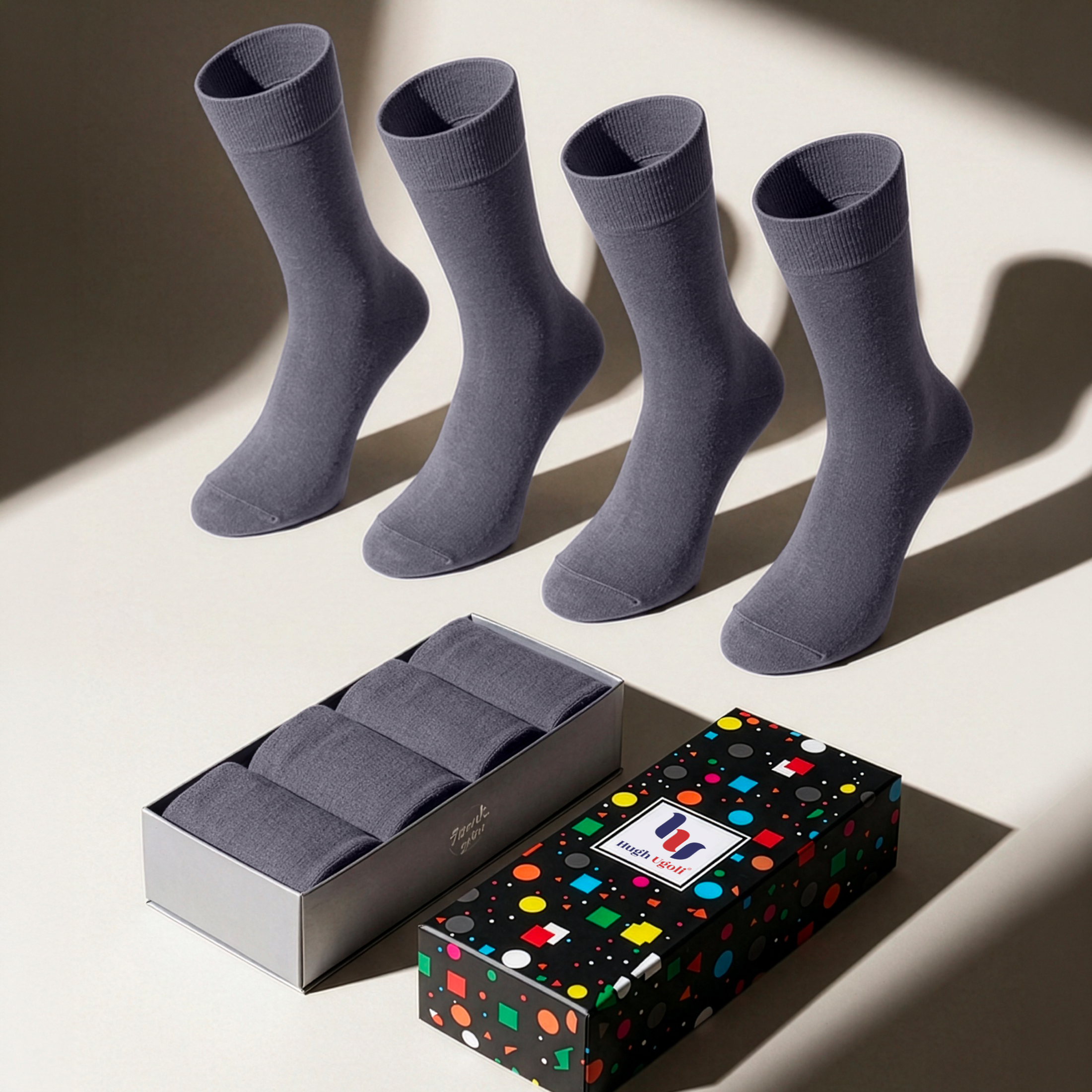
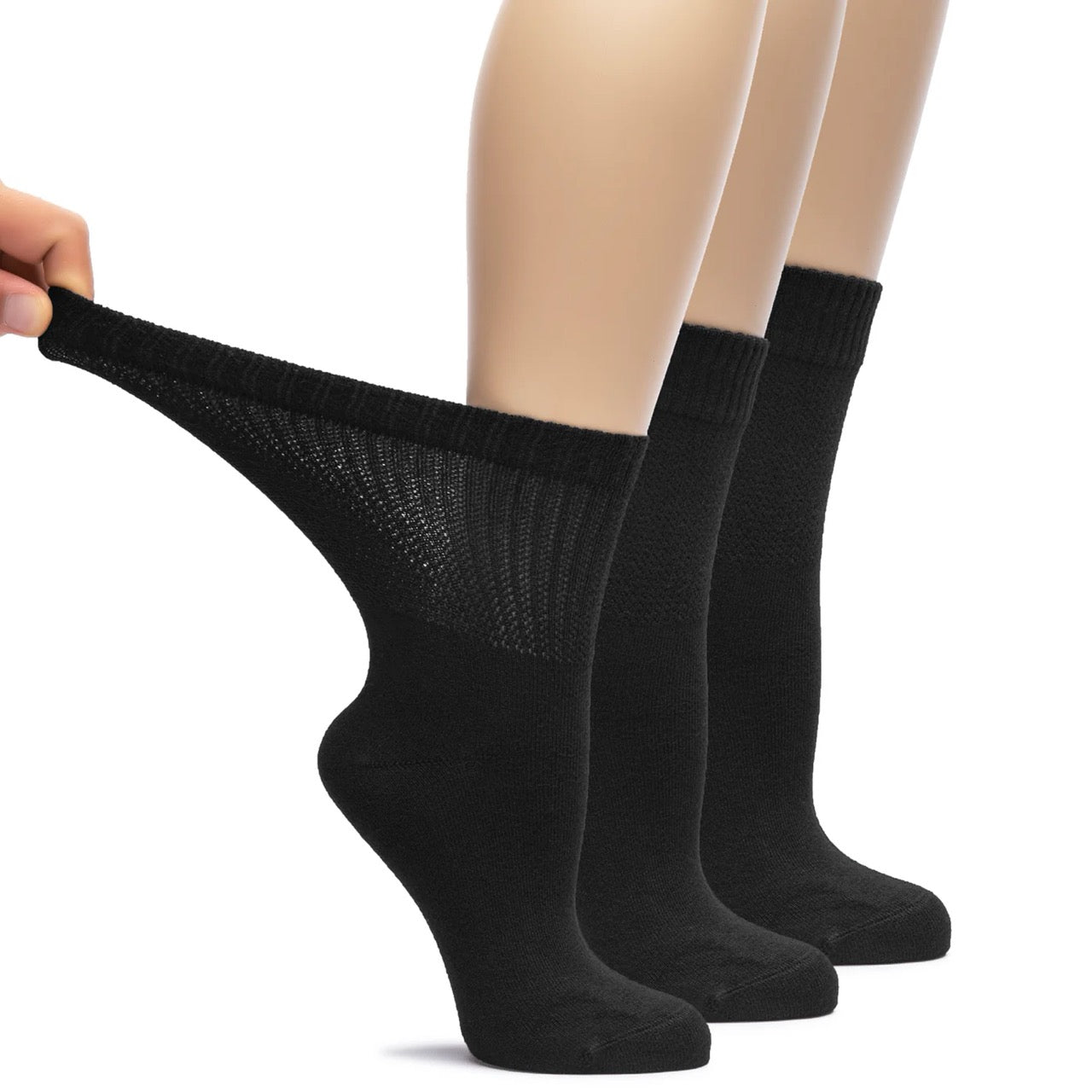
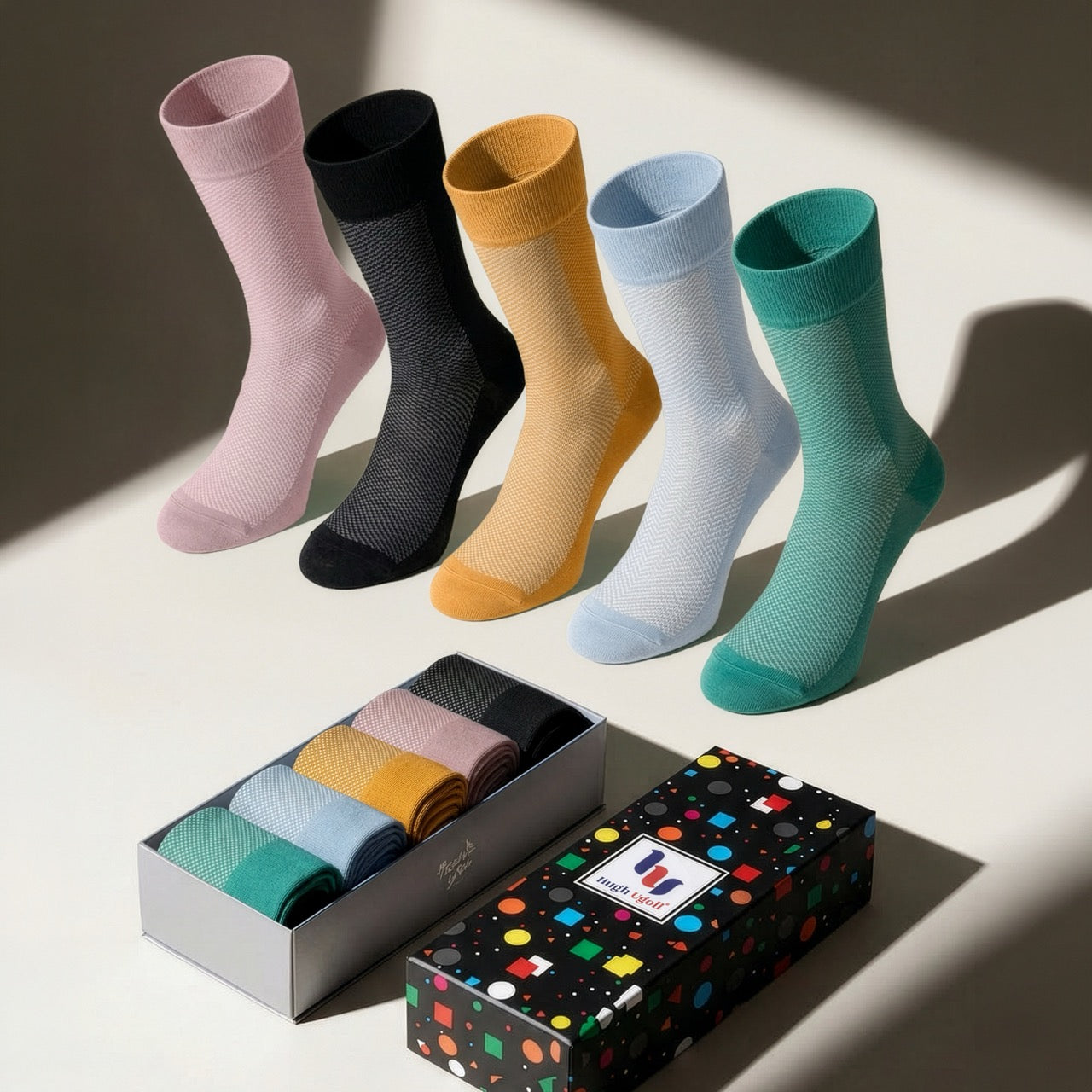
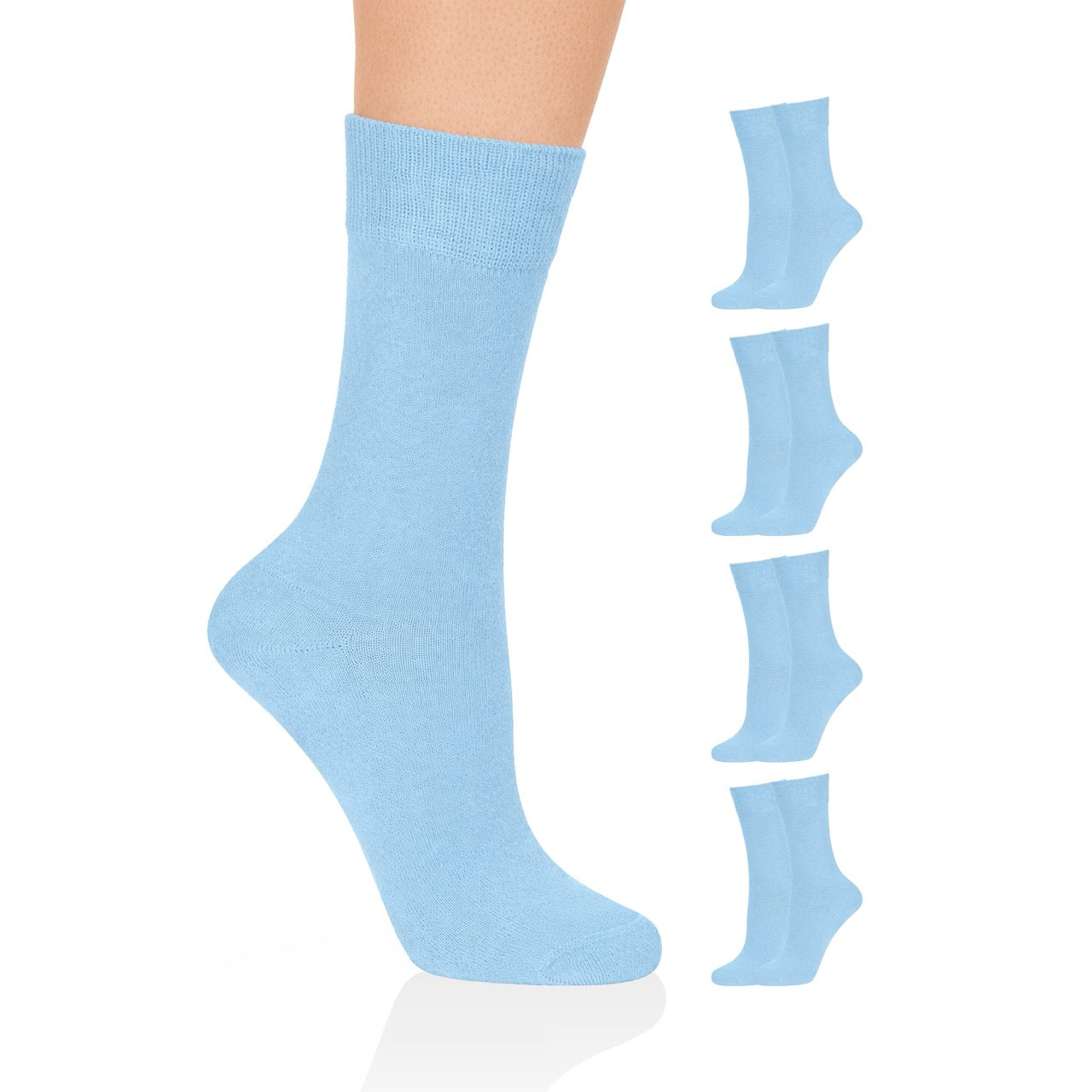
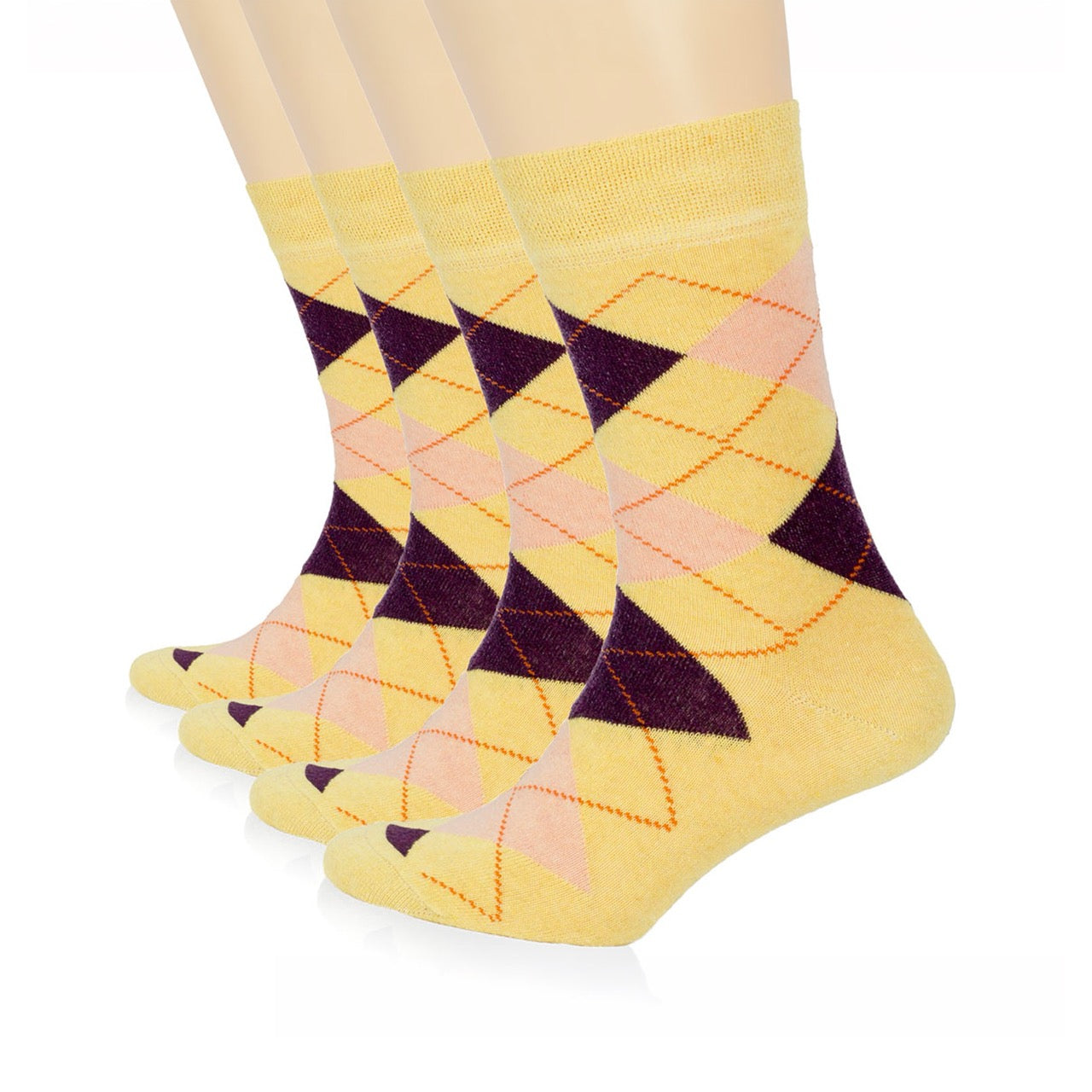
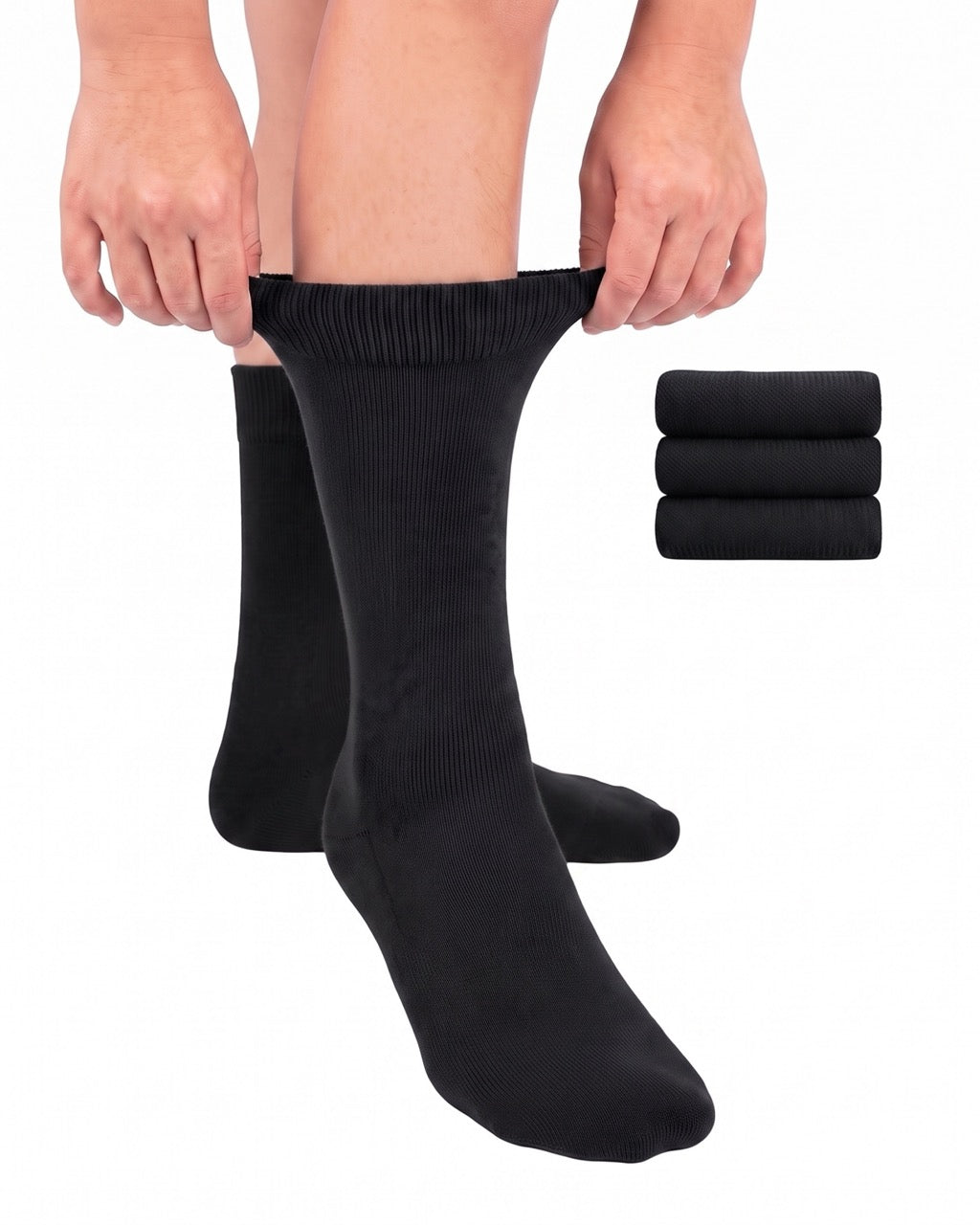
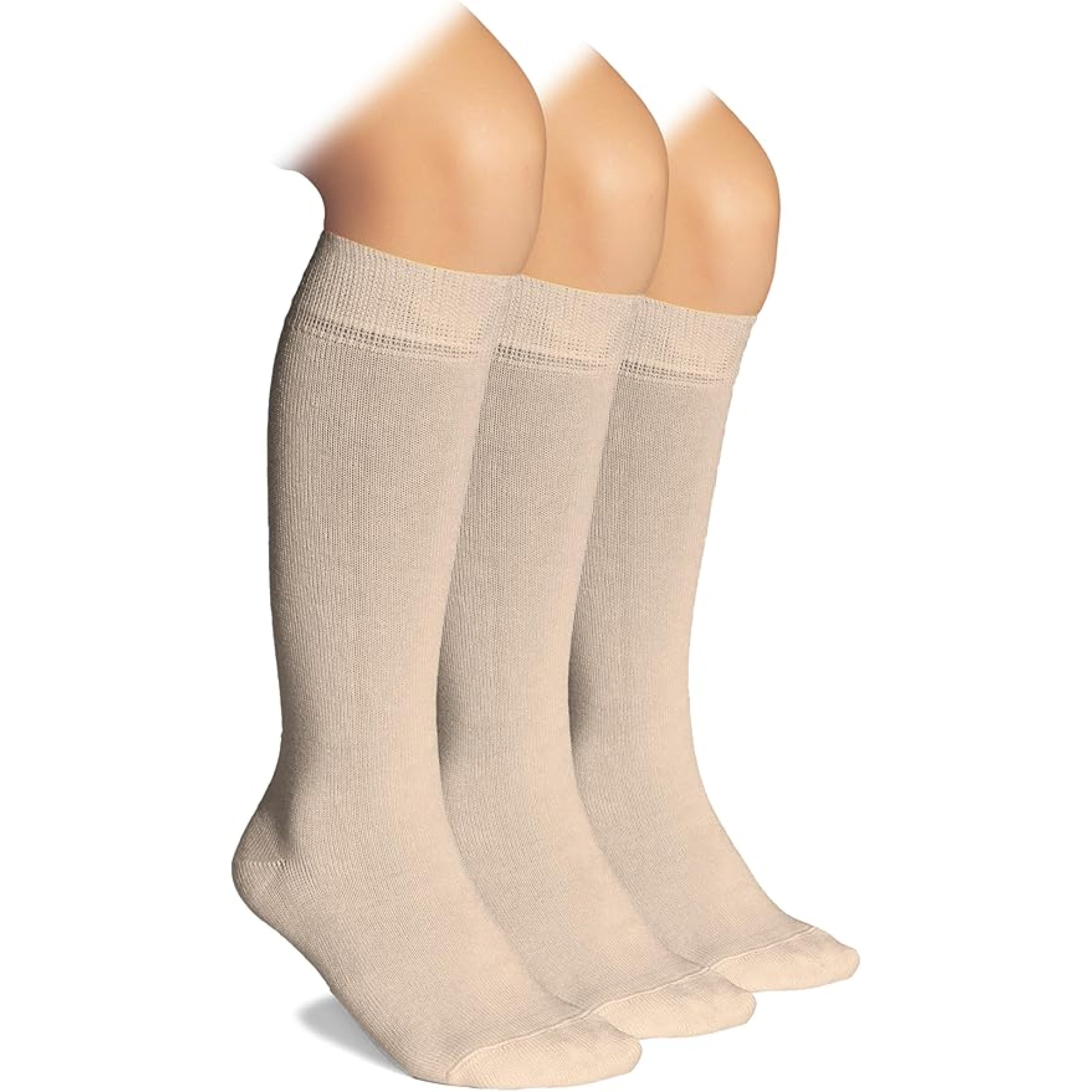


Quick Answer: The best dress socks for long office hours and evening events are designed for comfort, moisture wicking, and a perfect fit. Look for non-binding cuffs, breathable materials like merino wool, and socks that comfortably fit without restricting blood flow.
Long workdays don’t end at 5 PM anymore. Many professionals move straight from office meetings to dinners, events, or social gatherings. In this transition, one small detail often overlooked can make or break your comfort: your dress socks.
Tight, restrictive socks may look sharp with dress shoes, but they can quietly cut circulation, leaving your feet tired, swollen, and uncomfortable by the end of the day. Choosing dress socks that are designed for comfort ensures your feet stay dry and comfortable—from morning presentations to evening plans.
Healthy circulation keeps oxygen and nutrients flowing to your lower legs and feet. When socks are too tight around the calf or ankle, they may leave marks, cause pressure, and make your feet feel fatigued.
This doesn’t mean dress socks should be loose. Instead, socks are designed to provide a comfortably fit that supports your legs without squeezing them. The goal is a balance between structure and softness.
High-quality comfortable socks use gentle elasticity so socks stay up without digging into the skin. That’s the difference between socks that feel restrictive and socks that feel good all day long.

Some dress socks rely on aggressive elastic to prevent slipping. While this keeps socks stay in place, it can also restrict circulation. A non-binding cuff offers better long-term comfort.
Socks that don’t match your shoe size can cause bunching or tightness. Socks that fit properly should sit smoothly along the calf and foot without compression lines.
Cheap synthetic fabrics often lack flexibility and breathability. Without moisture wicking properties, feet stay damp, increasing discomfort and friction inside dress shoes.
Not all dress socks are created equal. If you’re transitioning from office to evening, here’s what to look for:
Even in formal settings, your feet generate heat. Moisture wicking fabrics help keep feet dry and comfortable throughout the day. When feet stay dry, they feel lighter and less fatigued.
Merino wool is especially effective. It regulates temperature naturally and keeps feet comfortable in both warm offices and cooler evening air.
The perfect fit means socks comfortably fit without squeezing. Quality dress socks are designed for comfort, offering enough stretch to adapt to your leg shape while maintaining structure.
Socks that fit properly won’t slide down or leave deep marks. Instead, they feel secure without pressure.
Breathability ensures feet stay fresh inside leather dress shoes. Materials like merino wool or premium cotton blends allow airflow while maintaining a polished look.
Durability matters when socks are worn from morning to night. Reinforced zones prevent thinning and improve longevity without adding bulk.
Your schedule may include:
Dress socks are perfect for this lifestyle when they are designed for comfort and elegance. They must look refined with tailored trousers yet provide comfort all day long.
Unlike athletic socks, dress socks offer a slim profile that works seamlessly with dress shoes. But modern comfortable socks combine that sleek appearance with technical comfort features.
Merino wool stands out among dress sock materials. It offers:
Unlike traditional wool, merino fibers are fine and flexible. This allows socks to comfortably fit while adapting to movement throughout the day. As a result, feet stay dry and comfortable from office hours into the evening.
Pay attention to these signs:
If you notice these symptoms, your socks may be too tight. Switching to socks that fit better and are designed for comfort can dramatically improve how your feet feel by the end of the day.
When selecting dress socks for work and evening wear, focus on:
High-quality comfortable socks offer more than style. They support healthy circulation, maintain elegance, and provide comfort all day long.
Dressing well doesn’t mean enduring discomfort. The right dress socks are designed for comfort while preserving a clean, professional appearance.
From the first step into your office to your final evening engagement, socks that don’t cut circulation ensure your feet stay supported, dry and comfortable. When socks stay in place without pressure and comfortably fit your legs, your entire day feels easier.
Ultimately, socks offer more than a finishing touch—they define how you feel inside your shoes. And when your feet feel good, everything else follows.
The best dress socks for long office hours are breathable, moisture wicking, and designed with a comfortable non-binding fit that stays up without restricting circulation.
Yes. Dress socks that are too tight around the calf or ankle may leave marks, create pressure, and make feet feel tired or uncomfortable over time.
Merino wool is a strong choice because it regulates temperature, manages moisture, resists odor, and stays comfortable during long hours of wear.
Common signs include deep marks on the calf, tingling, numbness, swelling near the ankle, or feet that feel heavy by the middle of the day.
Comfortable dress socks should have non-binding tops, breathable materials, moisture-wicking performance, proper sizing, and durable heel and toe construction.
He has been working for more than 20 years in the textile industry and has work experience in many parts of the world.