Cart
0
You may also like
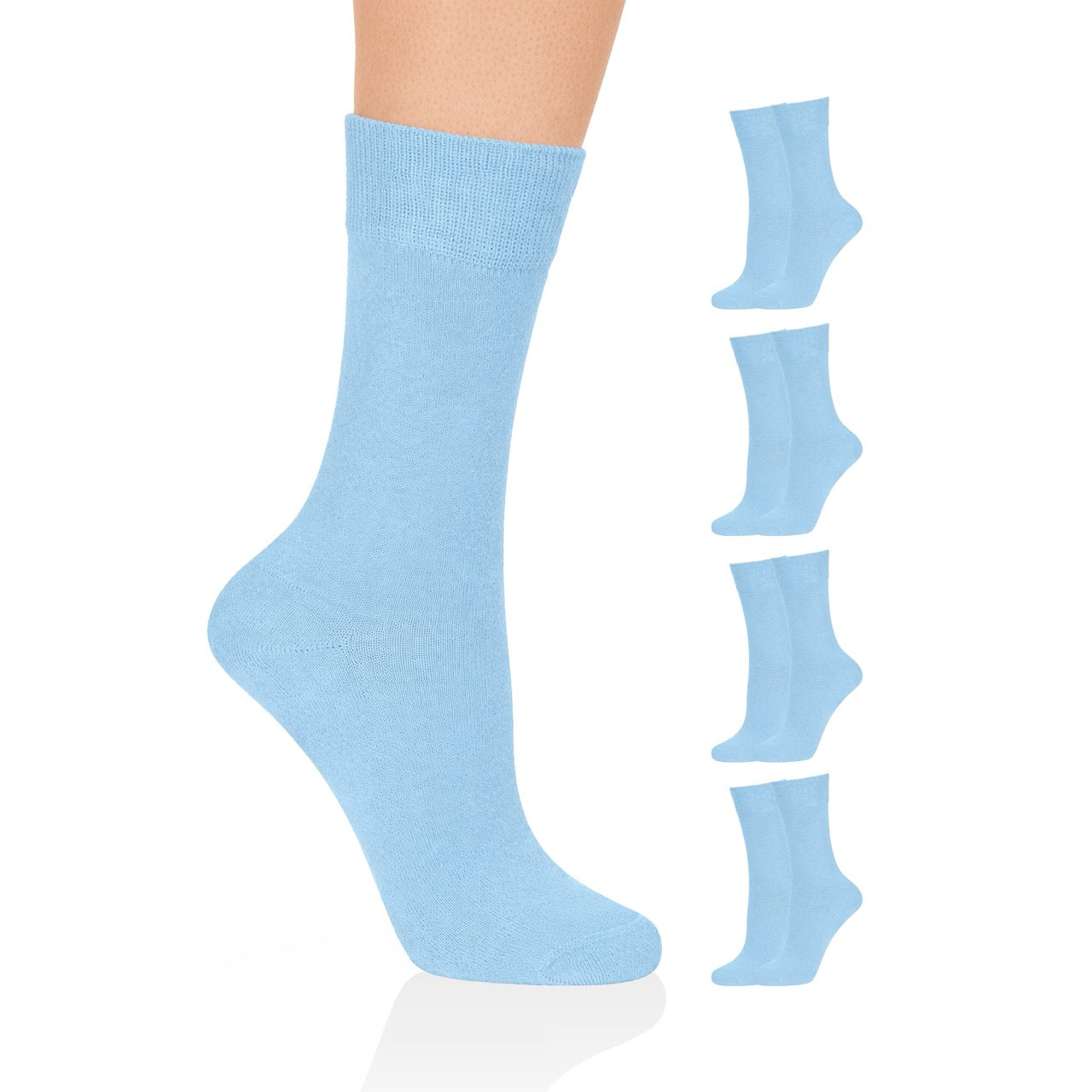
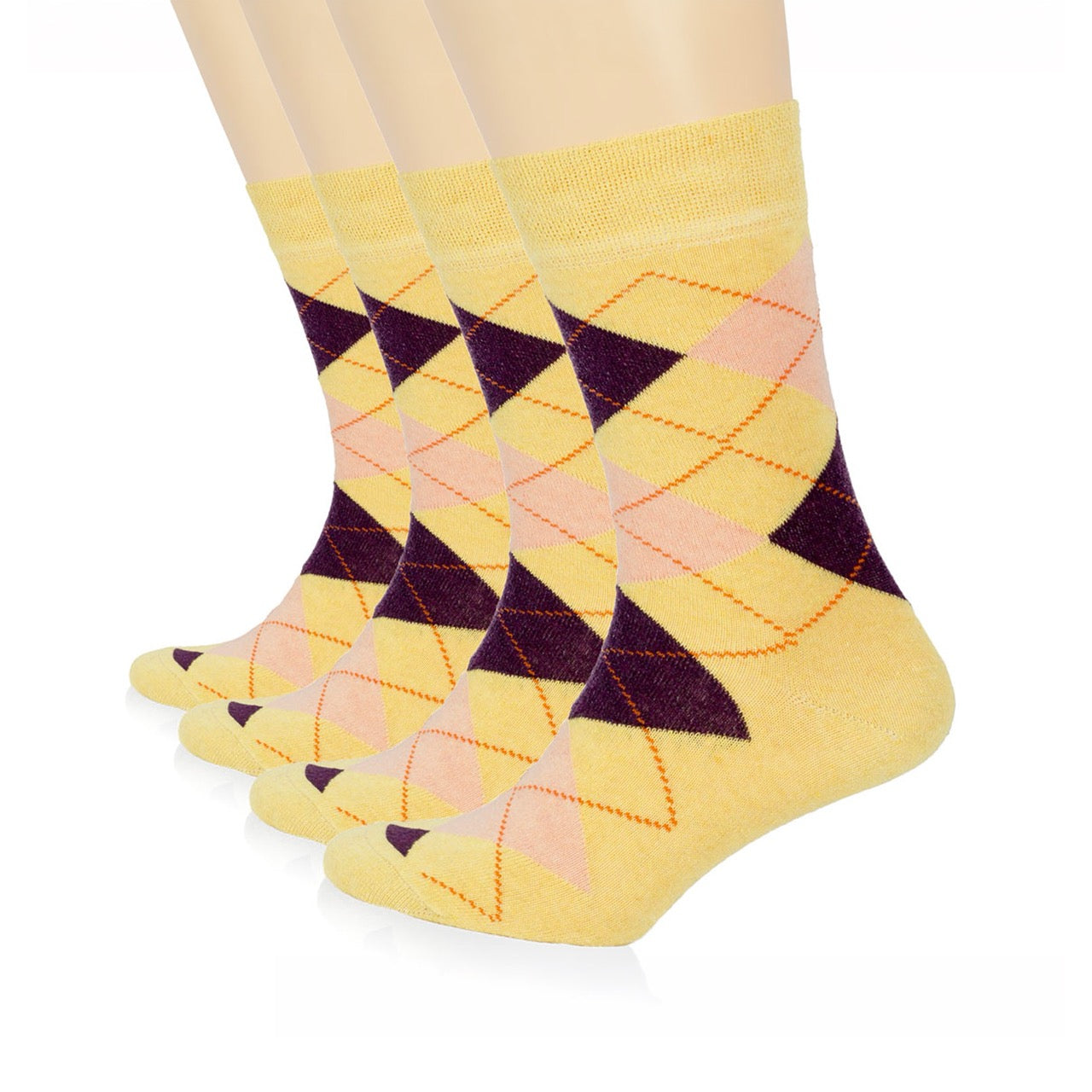
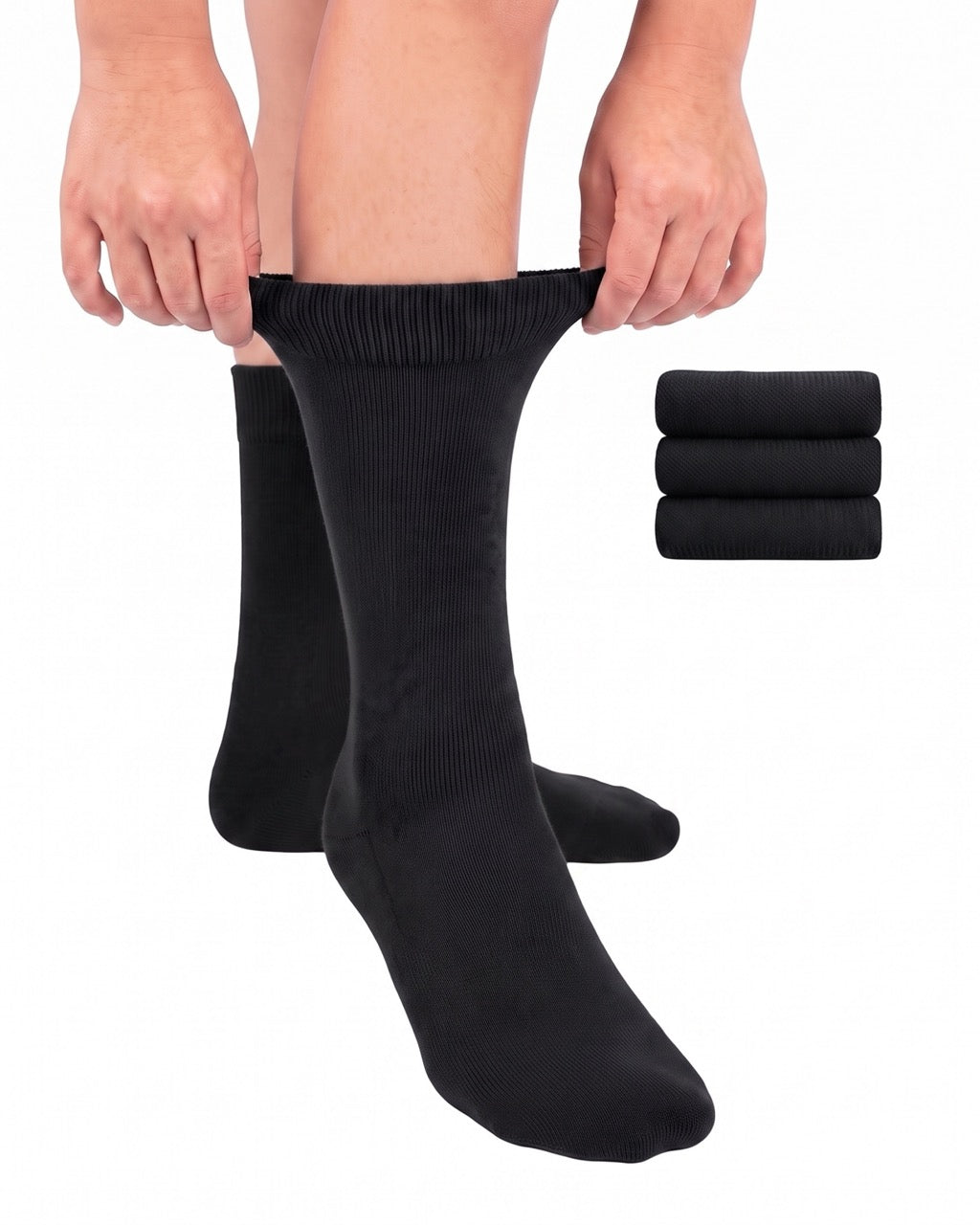
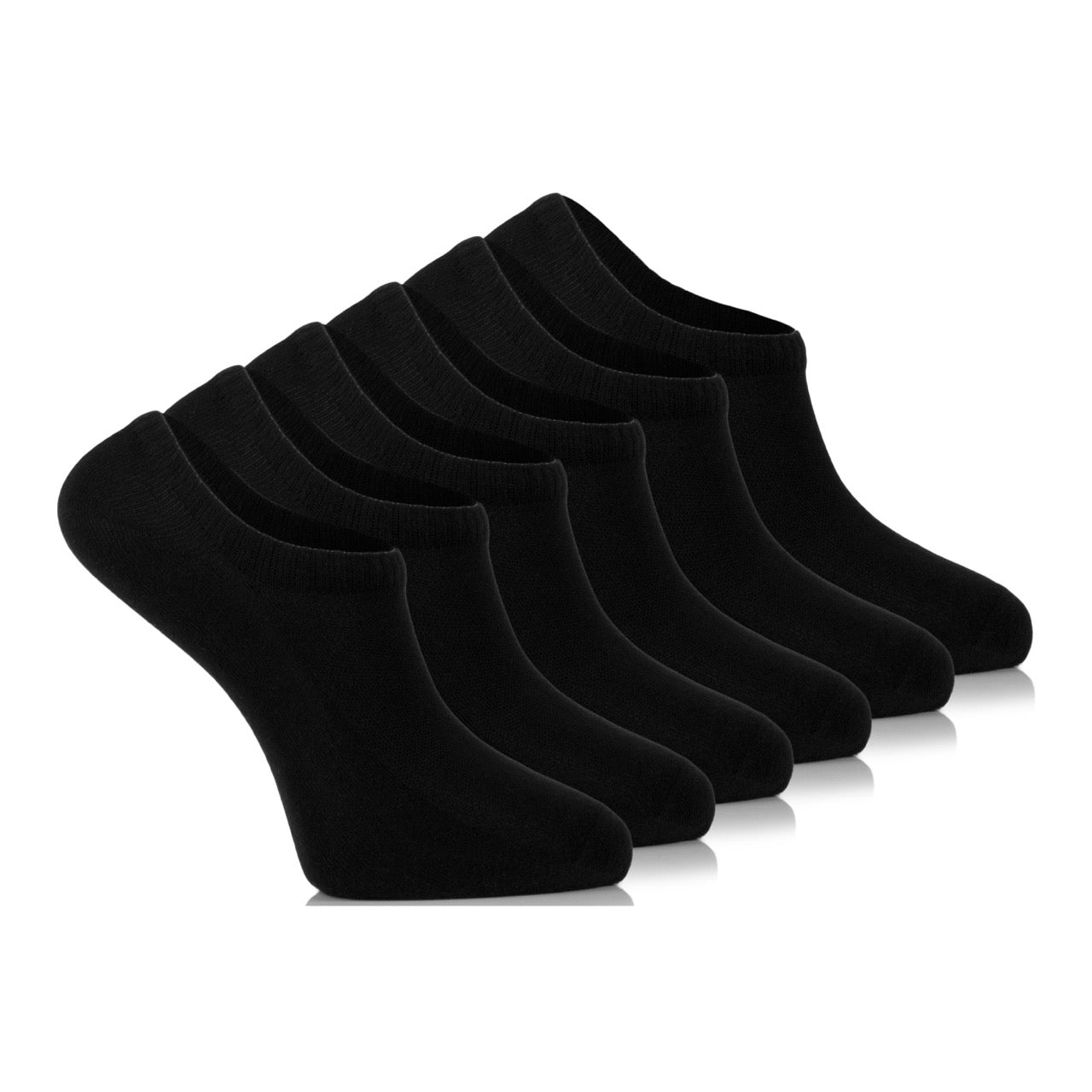


Quick Answer: Blisters form when heat, moisture, and shear force combine inside tight or poorly ventilated shoes. The right moisture wicking socks help keep feet dry, reduce friction at the heels and toes, and significantly lower blister formation in summer footwear.
Summer means lighter shoes, more walking, and longer days outdoors. From sneakers and loafers to sandals and travel shoes, warm-weather footwear often increases friction and heat around the foot. Unfortunately, this combination can quickly lead to blisters.
Many people assume that going sockless is the best way to stay cool. In reality, proper socks are one of the most effective tools for blister prevention. When you choose the right socks, you create a protective layer that manages moisture, reduces friction, and helps your feet stay dry and comfortable all day.
Blister formation occurs when repeated friction causes layers of skin to separate. Fluid builds up between those layers, creating a painful bubble. In hot weather, the risk increases for three main reasons:
When moisture is trapped inside shoes, it increases blister formation dramatically. Damp skin breaks down faster under pressure. That’s why moisture management is essential.
Blisters typically form at pressure points such as the heels and toes. These areas experience the most movement and rubbing during walking.
Inside summer footwear, especially narrow designs with a tight toe box, the foot may slide slightly with each step. This repeated motion creates shear force between the skin and the shoe lining.
When sweat accumulates and the skin stays damp, friction multiplies. Moisture leads to blisters because softened skin tears more easily. Without a protective barrier, irritation develops quickly.

Proper socks act as a buffer between your foot and your shoe. Instead of skin rubbing directly against shoe material, friction occurs between the sock and the shoe.
Here’s how socks help prevent blisters:
Moisture wicking socks pull moisture away from the skin. Instead of allowing sweat to stay against your foot, they move moisture away from the skin and disperse it through breathable fibers.
This helps feet dry faster and prevents the damp environment that leads to blisters.
Socks reduce direct skin contact with footwear. By minimizing shear force at the heels and toes, they lower the risk of irritation.
High-quality pairs of socks provide light cushioning in high-friction areas. This padding absorbs movement and stabilizes the foot inside fitting shoes.
Not all socks are suitable for hot weather. To prevent blisters, choose the right socks with these features:
It may sound surprising, but merino wool is excellent for summer blister prevention. Unlike traditional wool, merino fibers are thin and breathable.
Merino wool naturally regulates temperature and supports moisture management. It helps feet stay dry even during extended wear. Because it moves moisture away from the skin efficiently, it reduces the dampness that increases blister risk.
Socks alone cannot solve the problem if shoes are poorly fitted.
Fitting shoes should:
A narrow toe box increases blister formation by compressing the toes. Shoes that are too loose allow excess movement, which increases shear force.
The right combination of fitting shoes and moisture wicking socks is essential for true blister prevention.
Beyond choosing proper socks, consider these tips for preventing blisters in summer footwear:
Foot powders can help reduce moisture buildup, but they work best when combined with moisture wicking socks that actively manage sweat.
Many summer styles encourage bare ankles. However, wearing shoes without socks removes the protective layer that reduces friction.
Without socks, sweat accumulates directly against the shoe lining. This creates a damp environment where shear force increases. Over time, this leads to blisters—especially around the heels and toes.
Even lightweight, breathable socks are far more effective than going completely sockless.
Blisters are especially common during travel. Exploring new cities often means long walks in warm conditions.
Having multiple pairs of socks allows you to switch into dry socks midday. This simple step dramatically reduces blister formation.
Dry socks combined with breathable footwear help maintain skin integrity throughout extended activity.
Some socks may actually increase blister risk. Watch for:
Socks that don’t fit properly bunch under the foot, increasing friction and pressure. Choosing properly fitted socks prevents this issue.
Preventing blisters is not about a single product. It requires a complete approach:
When moisture management, cushioning, and fit work together, blister prevention becomes much easier.
Summer footwear may feel lighter, but it often creates harsher conditions for your feet. Heat, sweat, and friction combine to increase blister formation.
Moisture wicking socks help keep feet dry, protect sensitive areas like the heels and toes, and reduce the shear force that leads to blisters.
By selecting proper socks, rotating dry socks, and ensuring fitting shoes with an adequate toe box, you can enjoy summer activities without discomfort.
Blister prevention starts before you step outside. When you choose the right socks, your feet stay dry, supported, and ready for wherever summer takes you.
Blisters are more common in summer because heat, moisture, and friction increase. Sweat softens the skin, making it more vulnerable to damage from repeated movement inside shoes.
Yes. Proper socks create a protective layer between your foot and the shoe, reducing friction and helping manage moisture.
Yes. Moisture wicking socks move sweat away from the skin, keeping feet drier and reducing the risk of friction-related irritation and blisters.
No. Going sockless often increases moisture buildup and friction inside shoes, which can lead to blisters, especially during long periods of walking.
Merino wool and performance synthetic blends are ideal because they manage moisture, reduce friction, and help maintain a comfortable temperature.
He has been working for more than 20 years in the textile industry and has work experience in many parts of the world.