Cart
0
You may also like
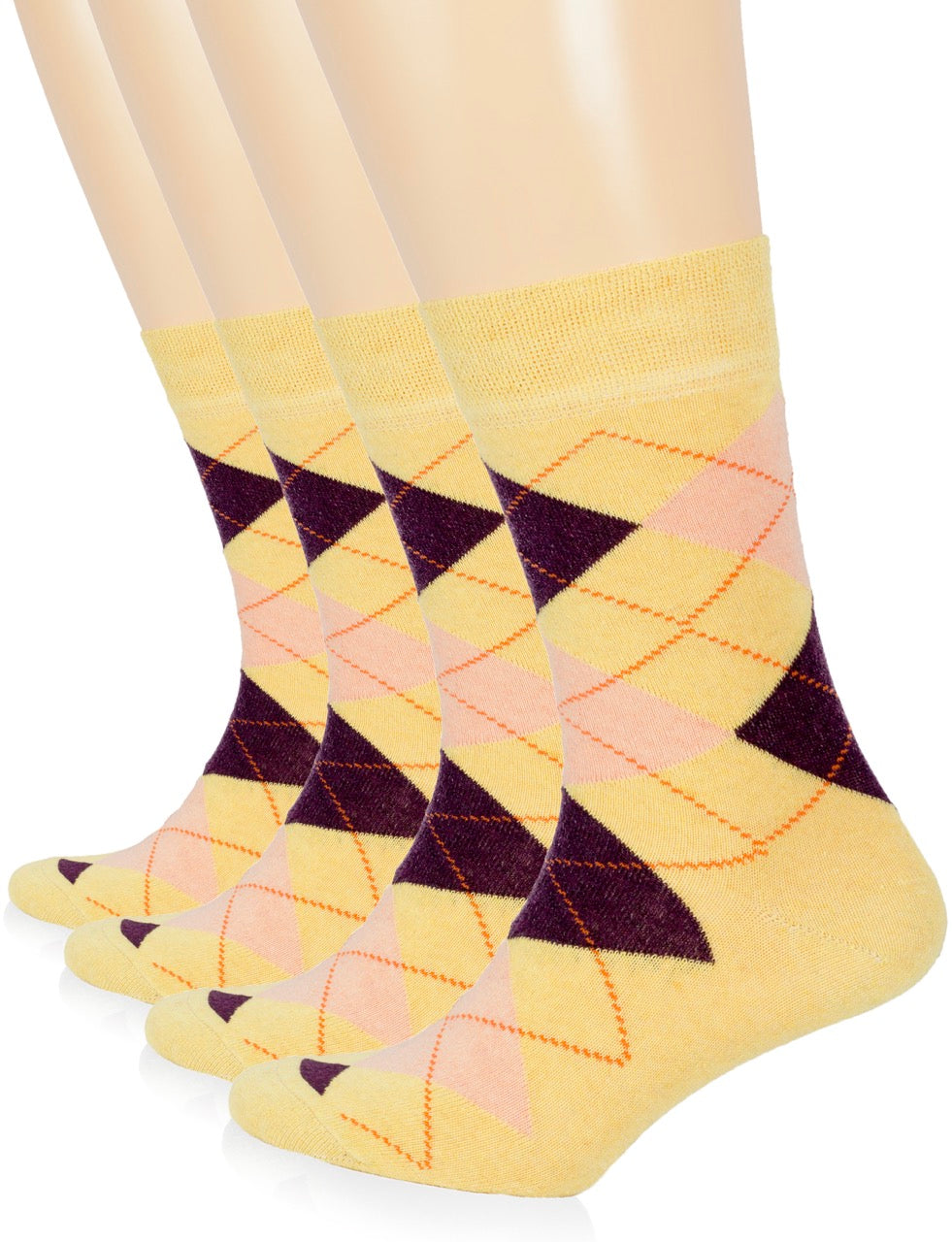


Many people choose socks based on color, style, or material, but thickness also plays an important role in daily comfort. The thickness of a sock affects how warm your feet feel, how moisture is managed, and how comfortable your shoes remain throughout the day.
Some people assume thicker socks are always warmer and thinner socks are always cooler. In reality, comfort depends on how thickness interacts with airflow, sweat, and the environment around your feet.
Sock thickness affects how heat and moisture are managed inside shoes. Thick socks may provide cushioning and warmth, while thinner socks may feel lighter and cooler. However, the ideal thickness depends on activity level, shoe type, weather conditions, and how well the socks handle excess moisture.
Socks create a layer between your feet and your shoes. That layer affects:
Even small differences in thickness can noticeably change how comfortable your feet feel during the day.
Thicker socks trap more warmth because they contain more material and air pockets.
This is why thicker socks are popular for hiking, colder weather, and certain outdoor activities.
In warm conditions, thick socks may:
If moisture cannot escape properly, feet may become uncomfortable quickly.

Thin socks generally allow more airflow and feel lighter on the feet.
However, very thin socks are not always the most comfortable option.
Thin socks may feel cooler at first but become uncomfortable if sweat builds up.
Heat and moisture are closely connected.
Feet naturally produce sweat throughout the day. When sweat cannot evaporate, humidity increases inside the shoe.
This creates an environment filled with:
The wrong sock thickness may trap this humidity against the skin.
The real comfort issue is often not heat alone—it is moisture.
The amount of moisture trapped inside socks affects:
Too much excess moisture may lead to:
Thickness alone does not determine breathability.
A thick sock made from breathable fibers may perform better than a thin sock made from low-quality synthetic material.
This balance is essential for daily comfort.
Medium-light socks are usually best.
They provide:
Moderate cushioning often works best for outdoor activities.
Extra padding helps reduce friction and improve comfort during walking or hiking.
Lightweight breathable socks are usually ideal in hot conditions.
However, extremely thin socks may not manage moisture effectively enough for long wear.
The same socks may feel completely different depending on the shoes.
Thick socks inside tight shoes can:
Shoes with good ventilation allow socks to manage moisture more effectively.
More movement creates more heat and sweat.
For active days, socks must balance:
The ideal thickness changes depending on how active you are.
Different materials handle heat and moisture differently.
Natural materials often provide better airflow and comfort.
Modern performance blends are designed to move sweat away from the skin quickly.
This helps reduce the buildup of water vapor and heat inside shoes.
The best socks are usually not extremely thick or extremely thin.
Balanced socks provide:
This combination supports all-day comfort in different environments.
Sock thickness has a direct effect on heat, moisture, and overall comfort. Thick socks provide cushioning and insulation, while thinner socks feel lighter and cooler. However, comfort depends less on thickness alone and more on how well socks manage airflow and excess moisture.
The best socks create a balance between breathability, cushioning, and moisture control to keep feet comfortable throughout daily activities and outdoor activities.
Usually yes, but breathable materials can help reduce overheating.
They may feel cooler initially, but poor moisture control can still cause discomfort.
Excess moisture increases heat, friction, and irritation inside shoes.
Lightweight breathable socks with moisture control are usually best.
Often yes. Moderate cushioning helps improve comfort during walking and hiking.
He has been working for more than 20 years in the textile industry and has work experience in many parts of the world.