Cart
0
You may also like
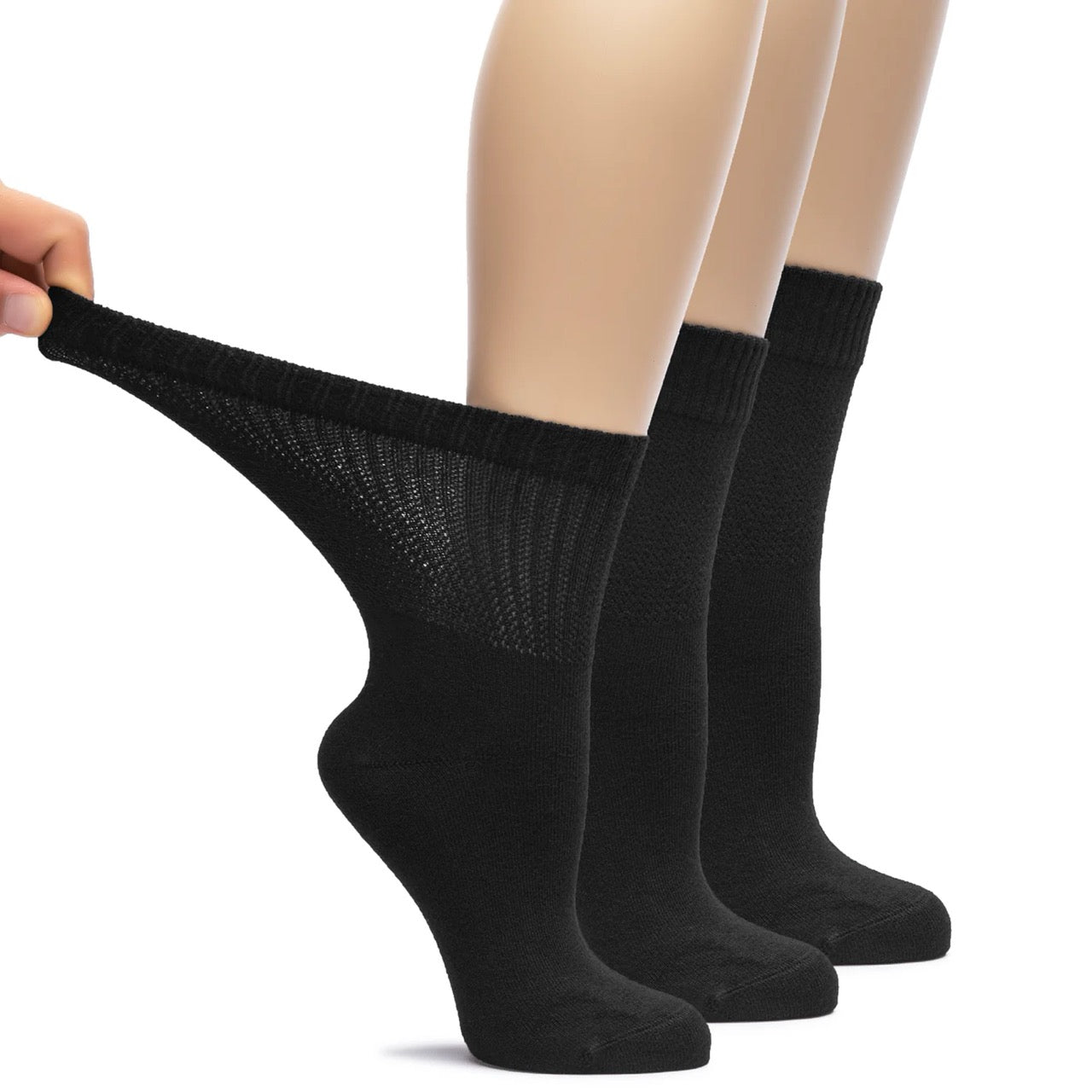
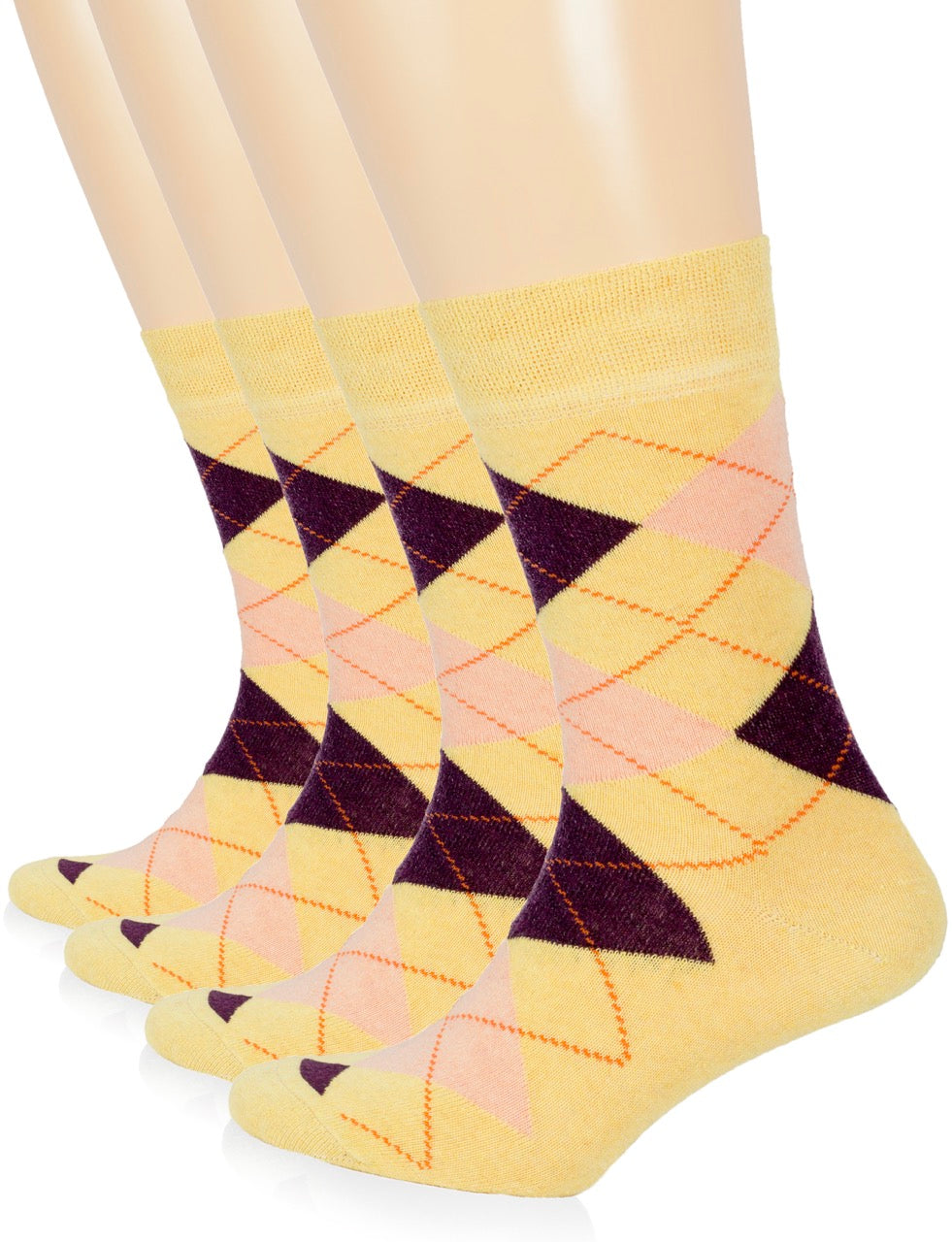


Socks are designed to support comfort, protect the skin, and help manage moisture inside shoes. However, when socks are too tight, wearing them every day can create unwanted pressure around the foot, ankle, or calf. Many people notice the marks tight socks leave behind on their skin after long periods of wear, but the effects can go beyond simple indentations.
In most cases, tight socks only cause mild discomfort. But if they are worn daily and apply excessive pressure, they may contribute to circulation issues, skin irritation, and other foot-related health problems. Understanding how tight socks affect the body can help you choose socks that support comfort and proper blood flow.
The primary concern with tight socks is their effect on circulation. Socks with strong elastic bands may compress the tissues around the ankle or calf. When pressure becomes excessive, it can partially restrict blood flow through the small blood vessels in the lower leg.
Healthy circulation helps deliver oxygen and nutrients throughout the body while also carrying waste products away from tissues. If socks consistently apply pressure to the same area, they may reduce circulation slightly and contribute to discomfort during long periods of sitting or standing.
This issue is especially noticeable for people who already experience leg swelling or circulation concerns. When blood flow slows, fluid can accumulate in the lower legs, leading to swelling around the ankles.
One of the most visible signs of tight socks is the indentation they leave on the skin. These marks are often temporary and disappear shortly after removing the socks. However, if socks are worn tightly every day, the constant pressure may irritate the skin.
Skin irritation may develop as redness, sensitivity, or dryness around the cuff area. In some cases, tight elastic bands can also cause friction against the skin, particularly if the socks are worn for long periods or if moisture becomes trapped inside the fabric.
Choosing socks with softer cuffs or moisture-wicking materials can help reduce the risk of irritation while keeping the skin more comfortable throughout the day.

When socks apply strong pressure around the calf or ankle, they may contribute to fluid buildup below the tight area. This can sometimes worsen leg swelling, especially for people who spend long periods sitting, traveling, or working at a desk.
In situations where swelling already exists, tight socks may make the condition more noticeable because the elastic band prevents fluid from circulating freely. This is one reason why healthcare professionals often recommend specialized socks for individuals who experience persistent swelling.
Unlike regular tight socks, properly designed compression stockings apply controlled pressure that gradually decreases along the leg. This design helps improve blood circulation and reduce swelling rather than restricting it.
It is important to distinguish between socks that are accidentally too tight and compression socks that are intentionally designed to apply pressure.
Compression stockings are safe when used properly and are often recommended to improve blood circulation in the legs. They are measured in millimeters of mercury, a unit that indicates the amount of pressure applied by the garment.
Medical compression socks can help reduce swelling, support circulation, and lower the risk of blood clots during long periods of inactivity, such as long-distance travel or extended bed rest.
Because compression socks apply pressure in a controlled way, they are very different from regular socks that simply feel tight due to improper sizing or strong elastic bands.
For individuals with certain circulation conditions, tight socks may worsen symptoms. Conditions such as chronic venous insufficiency or peripheral artery disease (PAD) affect how blood flows through the legs and feet.
People with chronic venous insufficiency may experience swelling, heaviness in the legs, or visible varicose veins. In these cases, socks that restrict circulation can increase discomfort.
Peripheral artery disease affects the arteries that supply blood to the limbs. If circulation is already limited, tight socks that compress the leg may aggravate symptoms or reduce comfort.
For individuals with these conditions, doctors often recommend medical compression stockings rather than regular tight socks.
In most healthy individuals, wearing tight socks occasionally will not cause serious complications. However, prolonged pressure combined with limited movement may contribute to circulation issues.
Reduced circulation over long periods can increase the risk of blood clots forming in the legs. A condition known as deep vein thrombosis (DVT) occurs when a blood clot develops in a deep vein, typically in the lower leg.
Although tight socks alone rarely cause deep vein thrombosis, poor circulation combined with long periods of immobility may increase the risk in certain individuals. Maintaining healthy circulation by moving regularly and wearing properly fitting socks helps reduce this risk.
Tight socks are generally safe when they are worn occasionally and do not cause discomfort or restrict movement. Many athletic socks include elastic components that keep the sock securely in place during physical activity.
The key factor is whether the socks feel comfortable and allow normal circulation. If socks leave deep marks on the skin, create numbness, or worsen swelling, they may be too tight for everyday wear.
Choosing socks that fit properly and use flexible materials can help ensure that they remain secure without applying unnecessary pressure.
Selecting the right socks can significantly improve comfort and help maintain healthy circulation throughout the day. Several features can help reduce the risks associated with tight socks.
For individuals who experience frequent swelling or circulation issues, medical-grade compression socks may provide additional support.
Wearing tight socks every day may seem harmless, but over time they can contribute to discomfort, skin irritation, and reduced circulation in the lower legs. Tight cuffs may leave marks on the skin, worsen leg swelling, or create pressure that interferes with healthy blood flow.
In contrast, socks designed with proper fit and breathable materials support comfort and help maintain healthy circulation. Compression stockings, when recommended by medical professionals, can improve blood flow and reduce swelling in a controlled way.
Ultimately, the best approach is to choose socks that feel comfortable, fit correctly, and allow the legs to move freely throughout the day. By selecting the right socks, you can support both foot comfort and long-term leg health.
Tight socks may restrict blood flow if they apply too much pressure around the ankle or calf, which can lead to discomfort or swelling.
No. Compression socks apply controlled pressure measured in millimeters of mercury and are designed to improve blood circulation, while regular tight socks may restrict circulation unevenly.
Yes. Tight cuffs may trap fluid below the pressure point and make leg swelling more noticeable.
Compression stockings are generally safe when used properly and when the correct compression level is selected.
People with circulation conditions such as peripheral artery disease or chronic venous insufficiency should avoid tight socks and consult a healthcare professional for appropriate options.
He has been working for more than 20 years in the textile industry and has work experience in many parts of the world.