Cart
0
You may also like
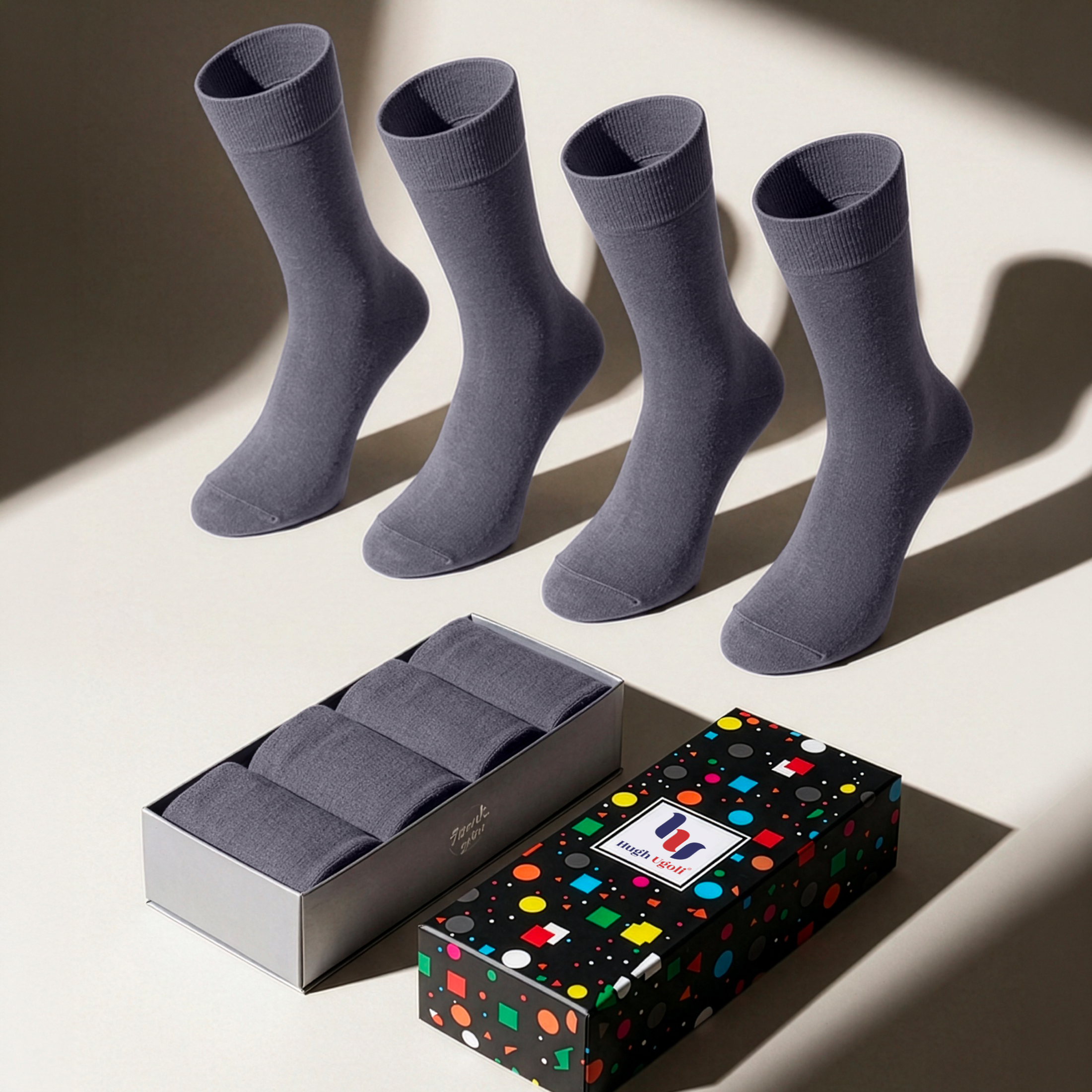
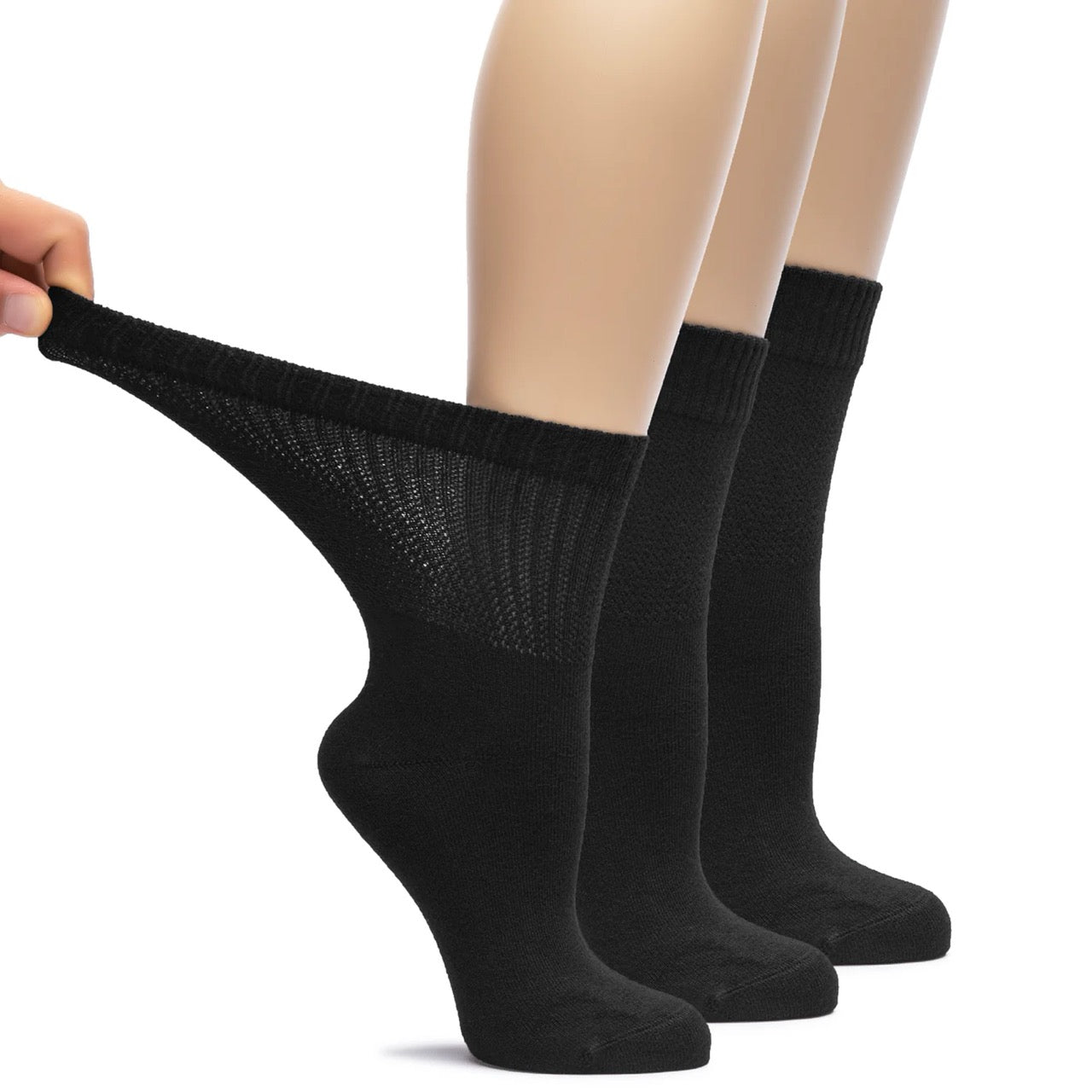
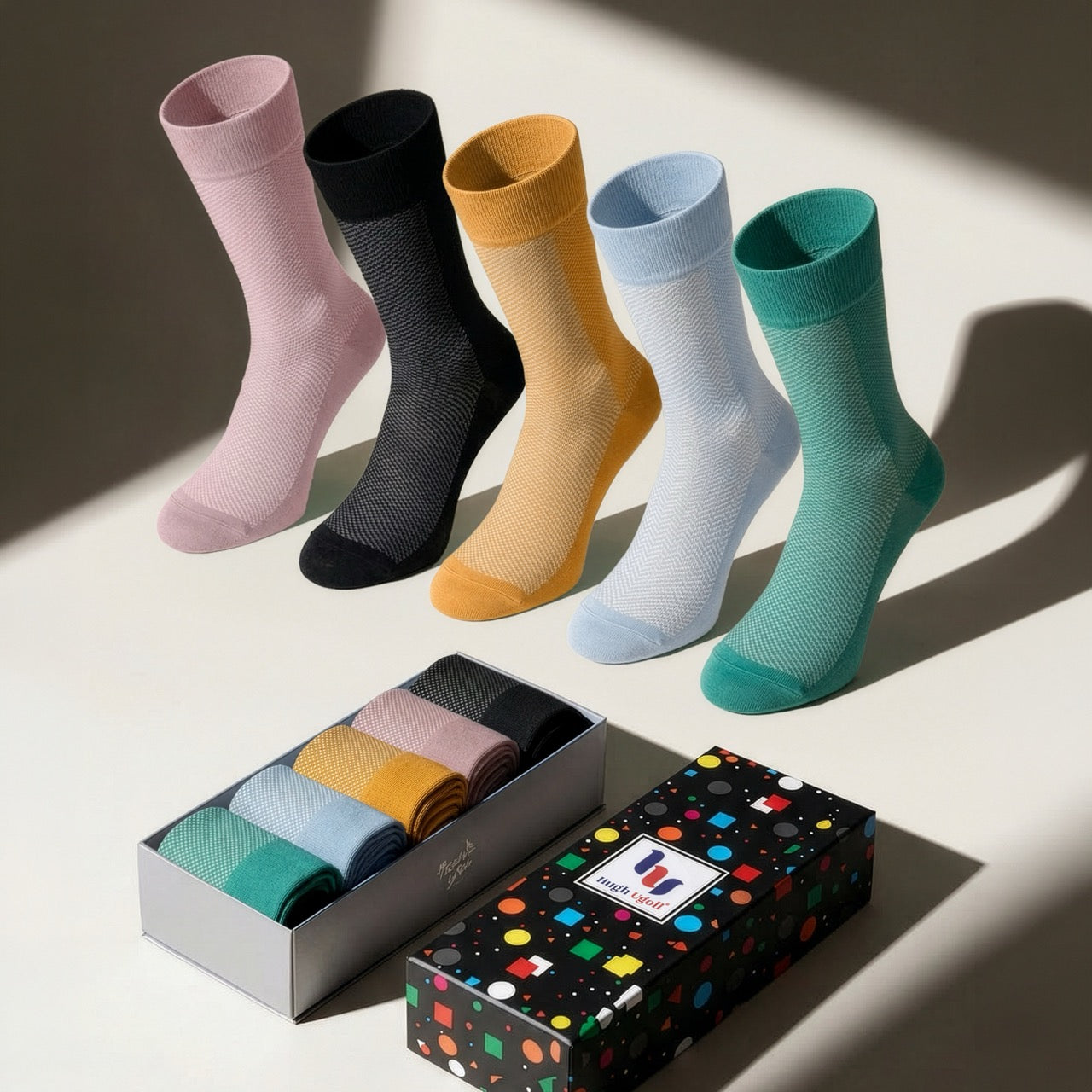
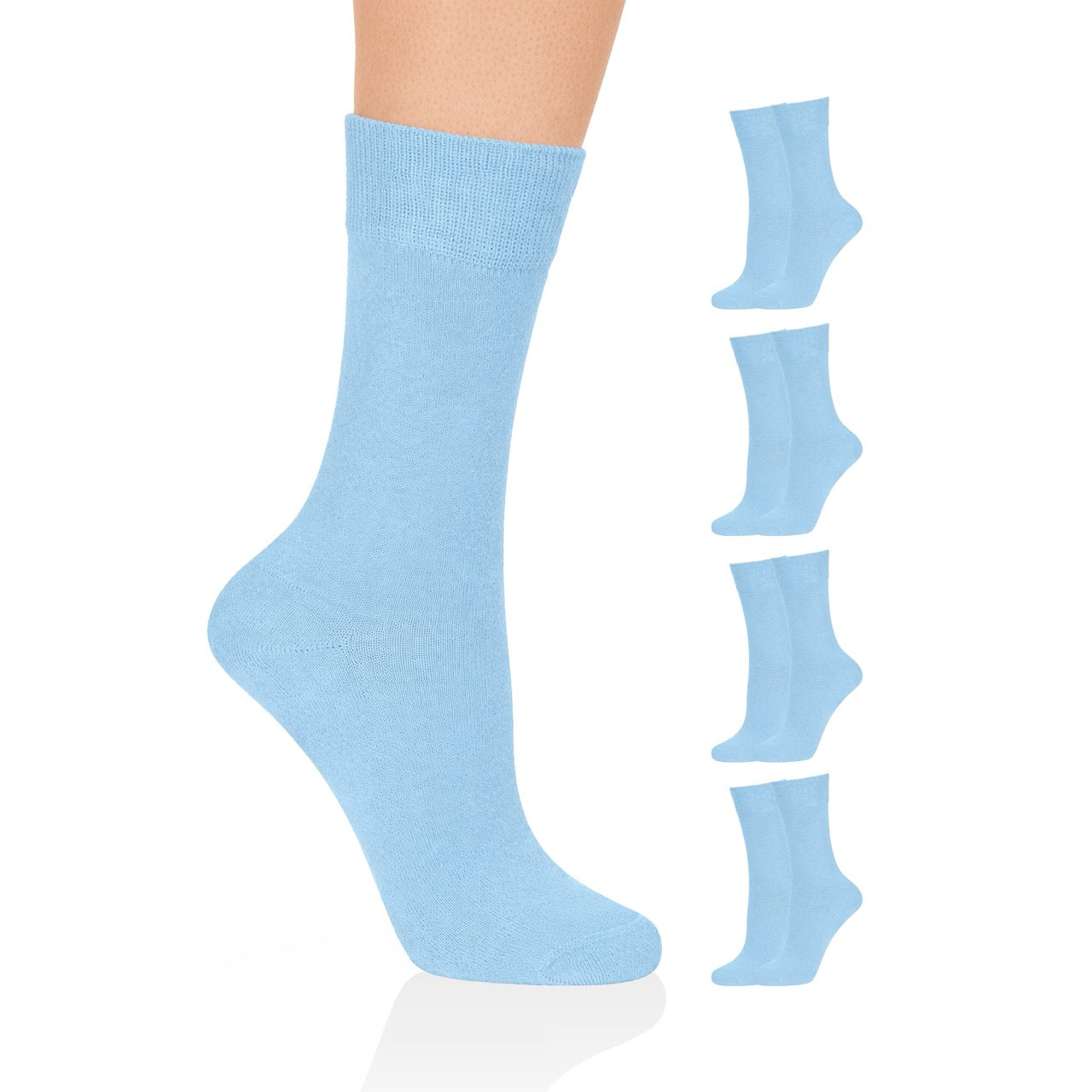
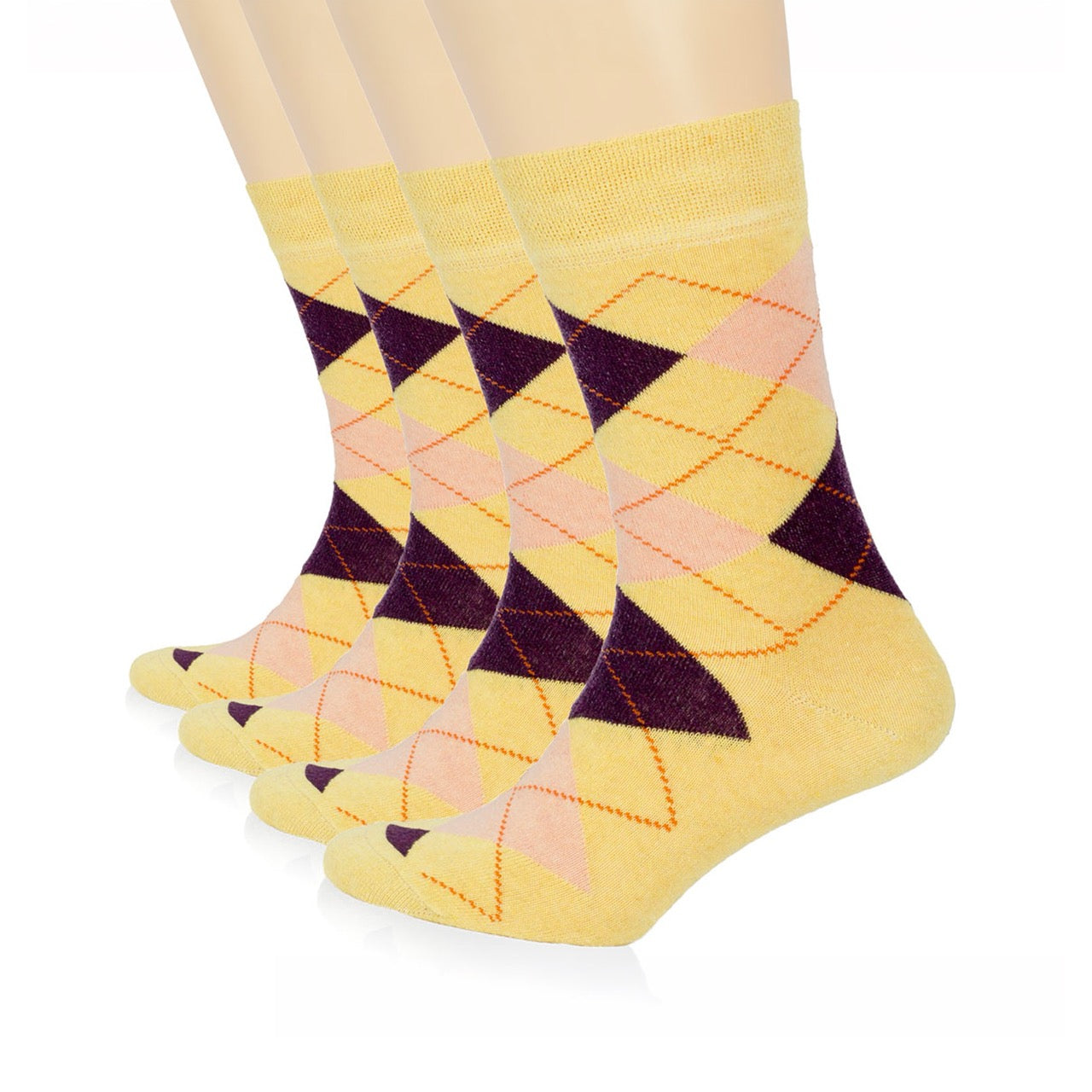
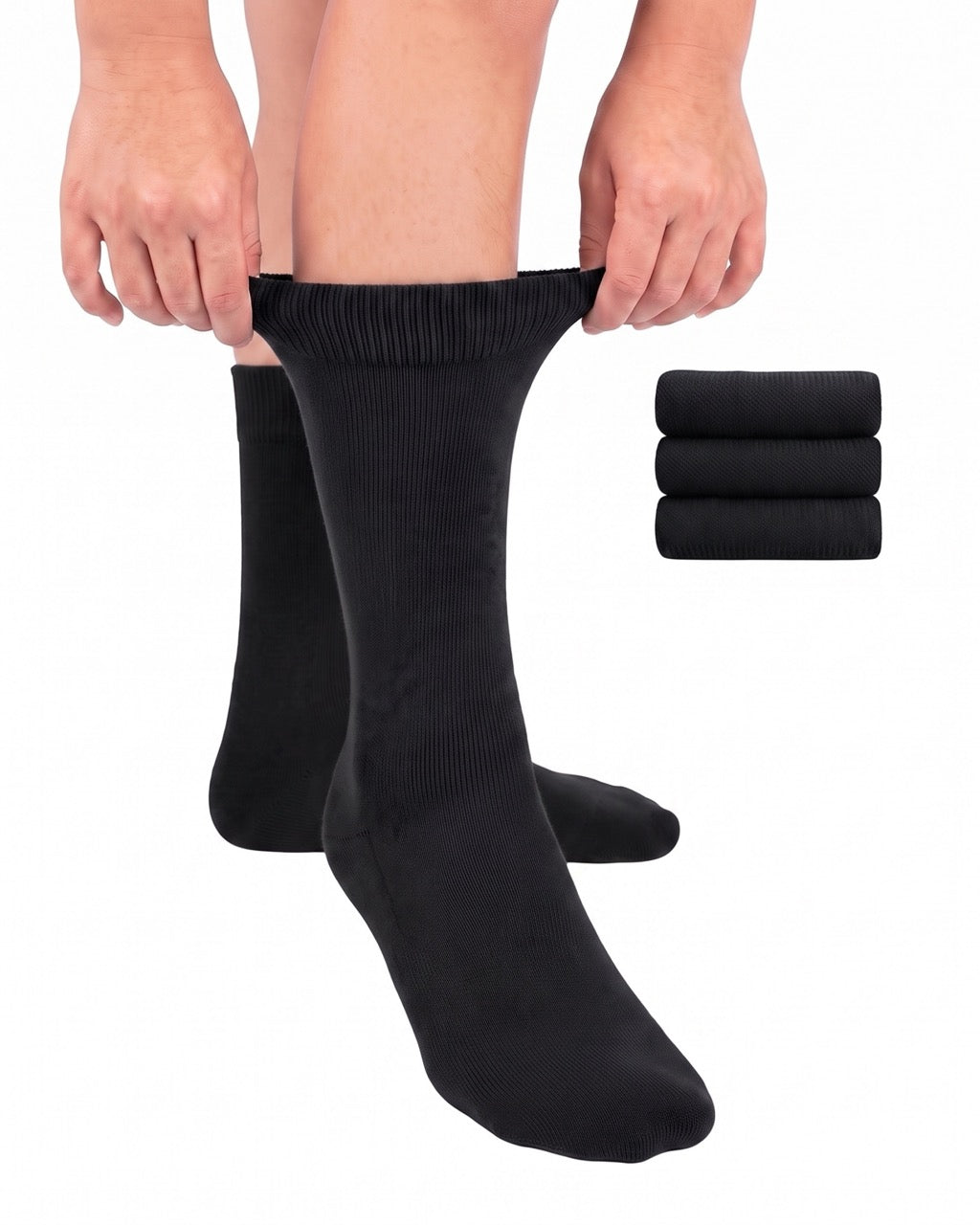
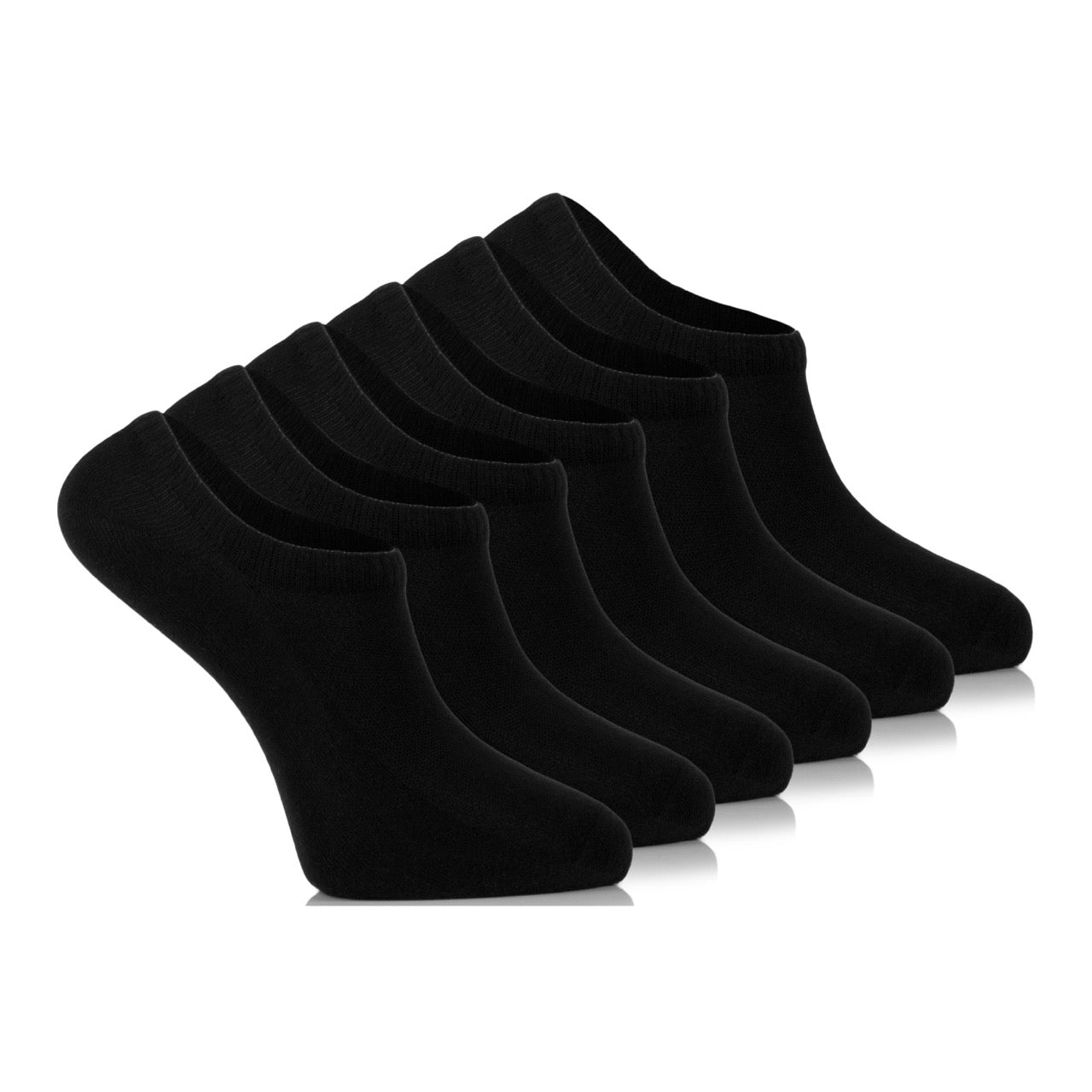
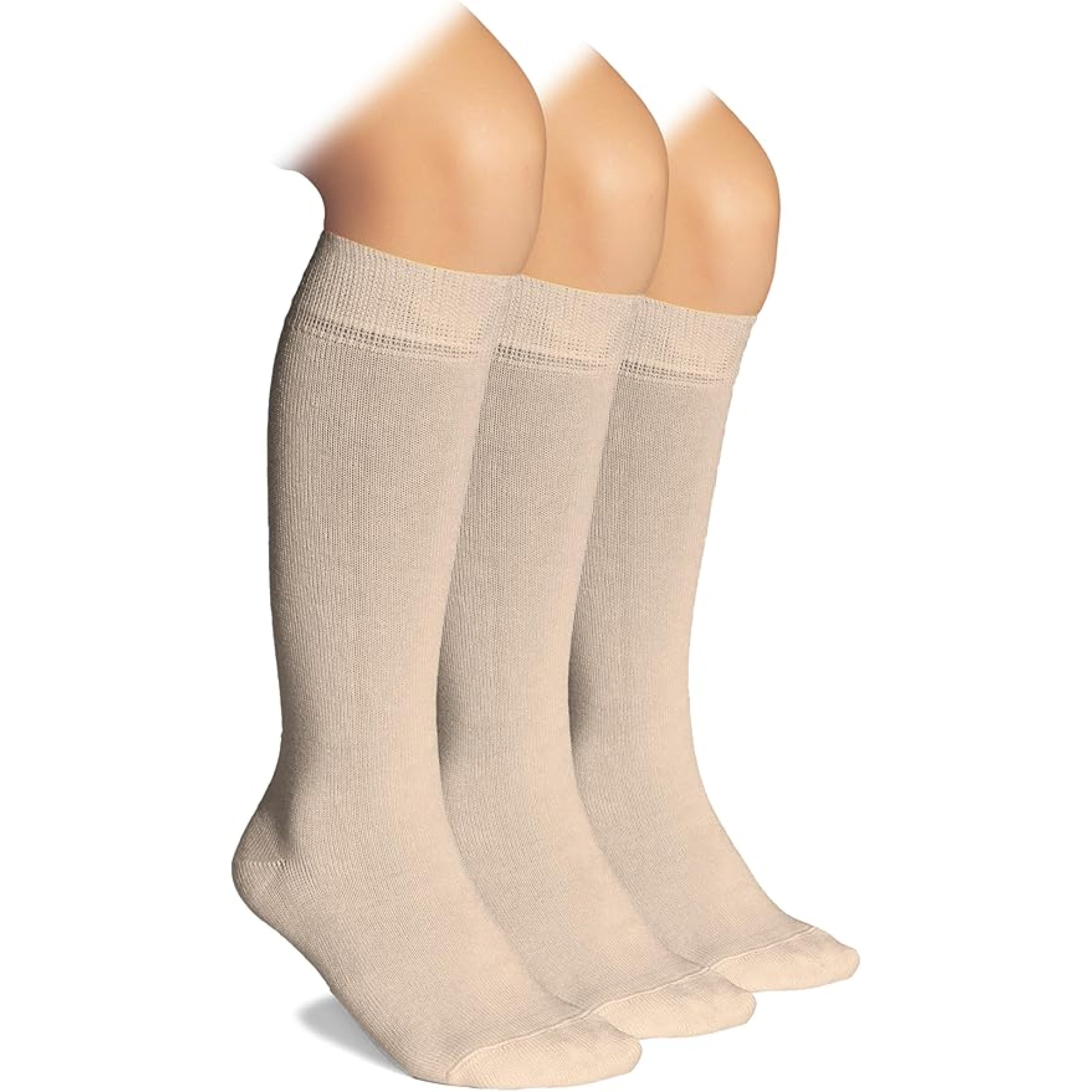


Socks are one of the most overlooked essentials in a man’s wardrobe, yet they play a critical role in comfort, style, and daily performance. The right pair of socks can elevate an outfit, support your feet throughout the day, and ensure long-term durability. From formal wear to casual outfits, understanding the basics of socks for men helps you build a functional and versatile sock drawer.
This guide covers the types of socks, materials, lengths, and key features every man should know. Whether you are dressing for work, travel, or everyday comfort, mastering these basics ensures that every pair of socks works for you—not against you.
A good pair of socks does more than complete your outfit. Socks are designed to protect your feet, manage moisture, and reduce friction inside your shoes. Without the right socks, even the best shoes can become uncomfortable.
High quality socks help wick moisture away from the skin, keeping your feet dry and comfortable. This is especially important during long days, where sweat and friction can lead to discomfort or irritation.
Beyond comfort, socks also play a role in style. The right socks can subtly enhance your look, while the wrong choice can disrupt the balance of an otherwise well-put-together outfit.
There are several types of socks designed for different purposes. Knowing when to wear each type helps you make better decisions when building your sock collection.
A men’s dress sock is designed for formal wear and professional settings. These socks are typically thinner and made from refined materials to fit comfortably inside dress shoes.
Dress socks are usually mid calf or calf socks, providing enough coverage to ensure that no skin is visible when sitting down. They pair well with suits, tailored trousers, and other formal outfits.
Neutral colors such as black, navy, and gray are common, making them easy to match with formal wear.
Crew socks are one of the most versatile options. They typically reach mid calf and can be worn in both casual and semi-formal settings.
Crew socks work well with sneakers, boots, and even some business casual outfits. They offer more cushioning than dress socks, making them ideal for everyday use.
Athletic socks are designed for performance and activity. These socks often include features such as arch support, moisture-wicking fabrics, and reinforced heel and toe areas.
They are built to handle movement and friction, making them suitable for workouts, sports, and physically active days.
No-show socks are designed to remain hidden inside shoes, making them ideal for warm weather or minimalist styles. They work well with loafers, sneakers, and casual footwear.
Show socks, on the other hand, are meant to be visible and can add personality to an outfit. These socks often include colors or patterns that complement the rest of your clothing.

Sock length plays an important role in both comfort and style. Different situations call for different length socks.
For formal outfits, calf socks are preferred because they provide full coverage. For casual settings, shorter lengths offer flexibility and comfort.
The material of a sock affects how it feels, performs, and lasts over time. Choosing the right fabric is essential for comfort and durability.
Merino wool is one of the most popular materials for quality socks. It helps regulate temperature, wick moisture, and maintain comfort throughout the day. Despite being associated with warmth, merino wool is breathable enough for year-round use.
Cotton is another common material. It offers softness and breathability but may retain moisture if not blended with performance fibers.
Synthetic blends are often used in athletic socks to improve durability and moisture management. These materials help socks maintain their shape and perform well under pressure.
Not all socks are created equal. High quality socks include features that improve comfort, fit, and longevity.
These features ensure that socks remain comfortable and reliable even after repeated use.
When wearing socks with dress shoes, coordination is key. The color of your socks should generally match your trousers rather than your shoes. This creates a seamless visual line and makes the outfit appear more polished.
For formal occasions, sticking to classic colors ensures a refined look. In more relaxed environments, subtle patterns or textures can add interest without being distracting.
Pairs of dress socks should always be clean, well-fitted, and free from visible wear to maintain a professional appearance.
A well-organized sock drawer includes a mix of styles that cover different needs. Instead of relying on a single type, having a variety of socks ensures you are prepared for any situation.
This balance allows you to choose the right pair of socks depending on the occasion, improving both comfort and style.
Even the best socks require proper care to maintain their quality. Simple habits can help extend their lifespan.
Proper care ensures that your socks remain comfortable and durable over time.
Many men overlook small details when choosing or wearing socks. Avoiding these common mistakes can improve both comfort and appearance.
Paying attention to these details helps ensure that every pair of socks works as intended.
Socks are a small but essential part of every man’s wardrobe. Understanding the different types of socks, choosing the right materials, and paying attention to fit can make a significant difference in both comfort and style.
From men’s dress sock options for formal wear to crew socks for everyday use, having the right selection ensures that your feet stay comfortable in any situation. High quality socks not only last longer but also provide better performance throughout the day.
By building a thoughtful sock drawer and choosing the right pair of socks for each occasion, you can improve your overall wardrobe and step into every day with confidence.
Every man should have dress socks, crew socks, athletic socks, and no-show socks to cover different occasions and needs.
Mid calf or calf socks are best for formal wear because they provide full coverage and maintain a polished appearance.
Yes. Merino wool socks are breathable, moisture-wicking, and comfortable, making them suitable for everyday wear.
Wash them in cold water, avoid harsh detergents, air dry when possible, and rotate usage to reduce wear.
A proper fit prevents slipping, reduces friction, and ensures comfort throughout the day.
He has been working for more than 20 years in the textile industry and has work experience in many parts of the world.