Cart
0
You may also like
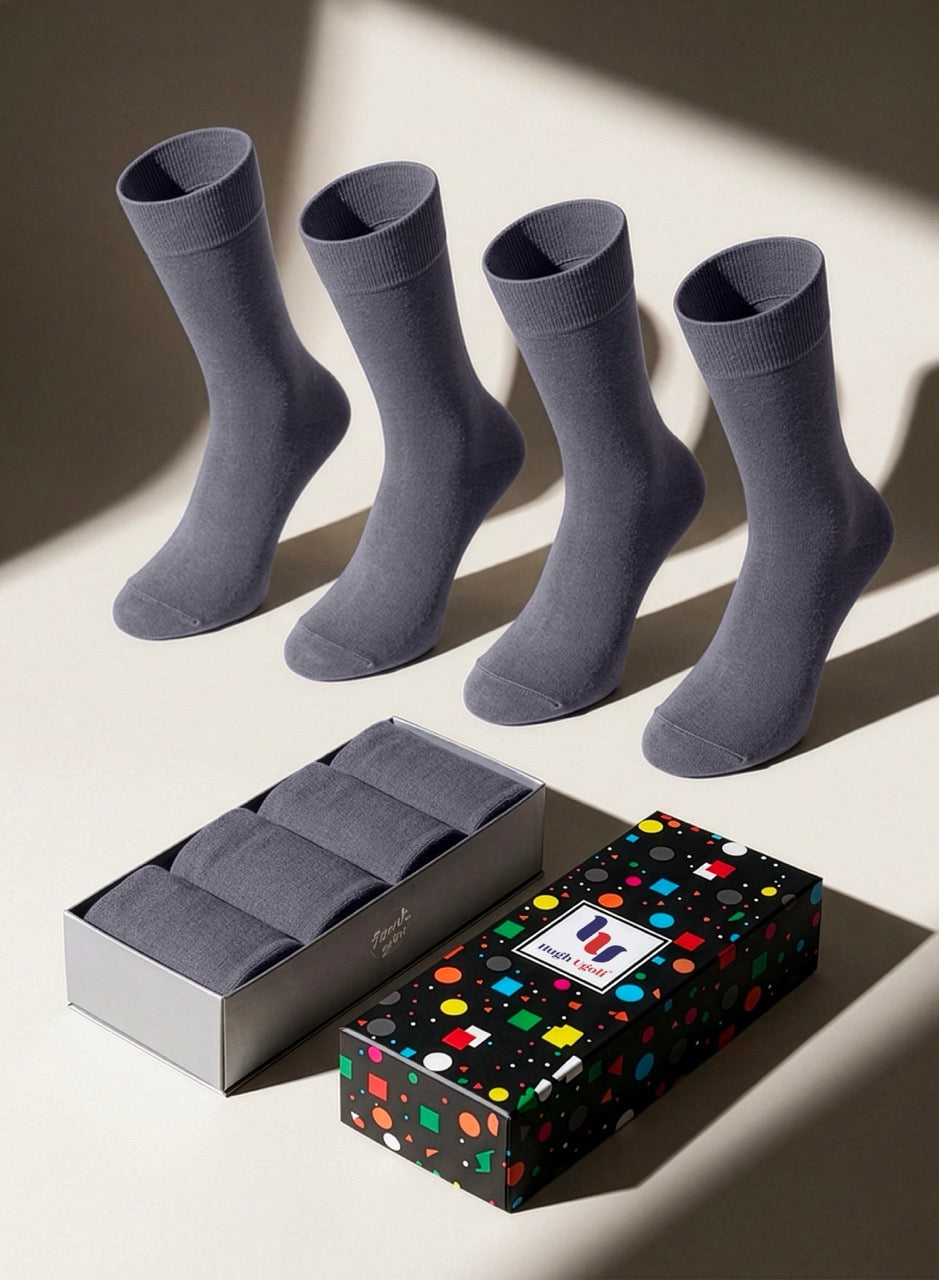
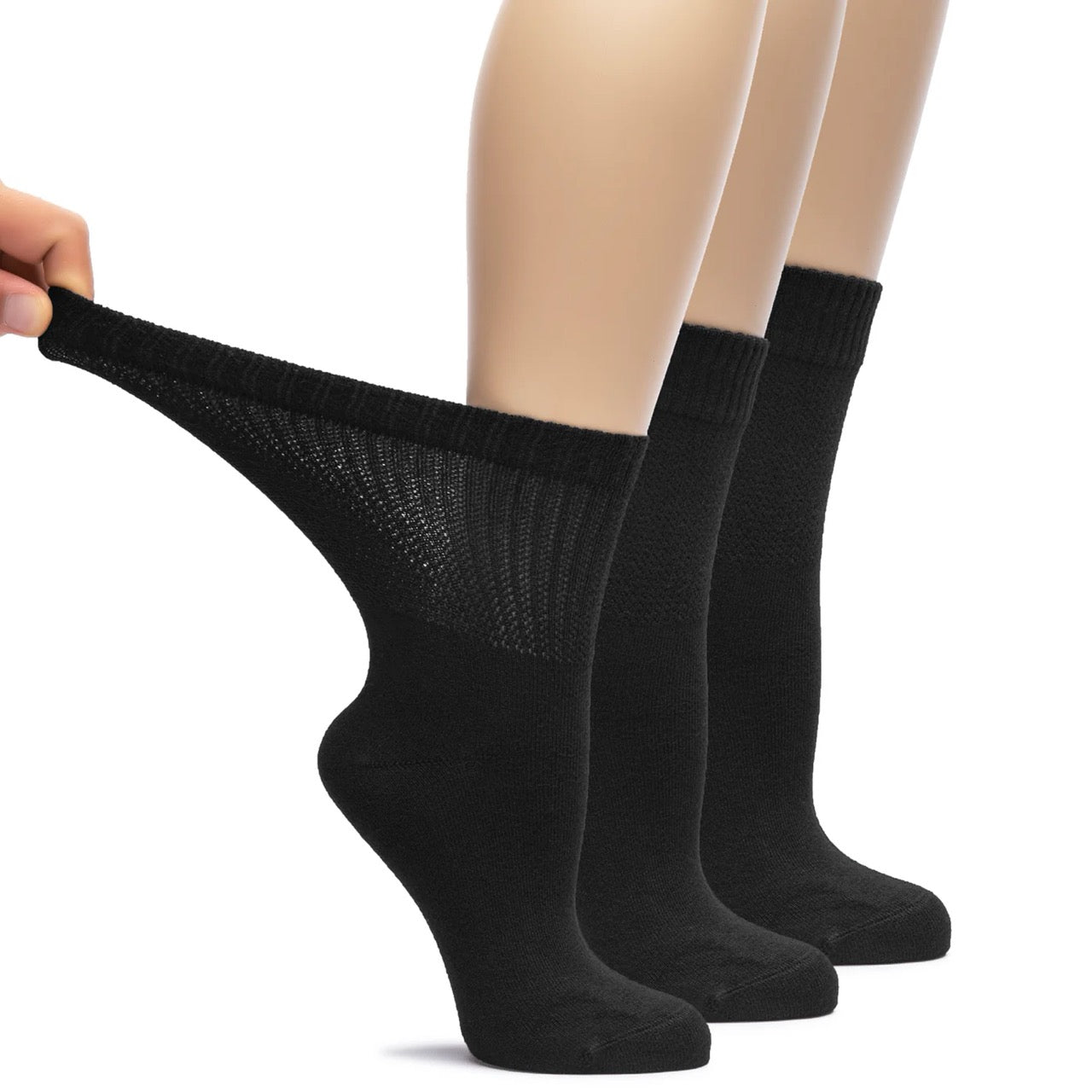
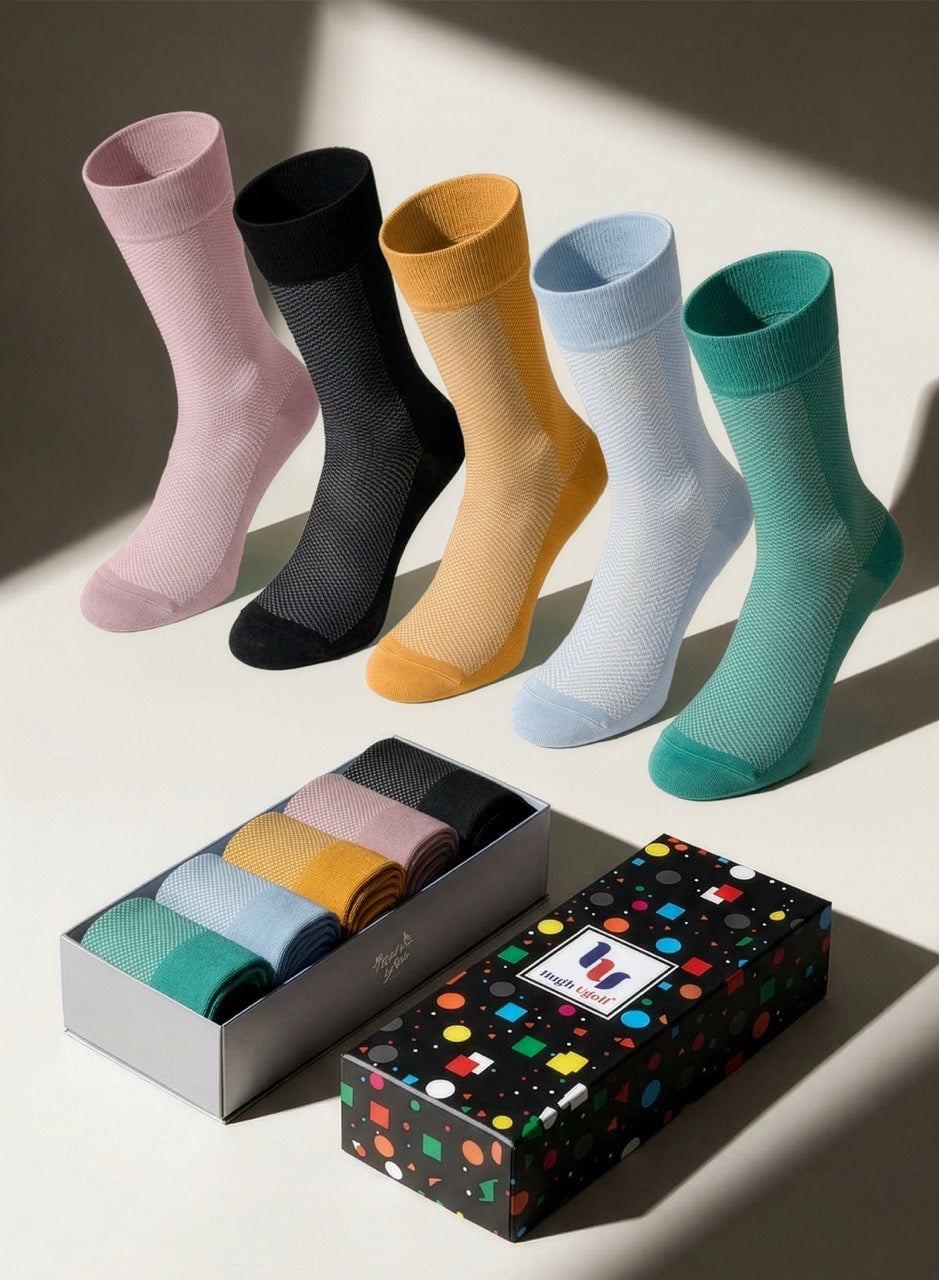
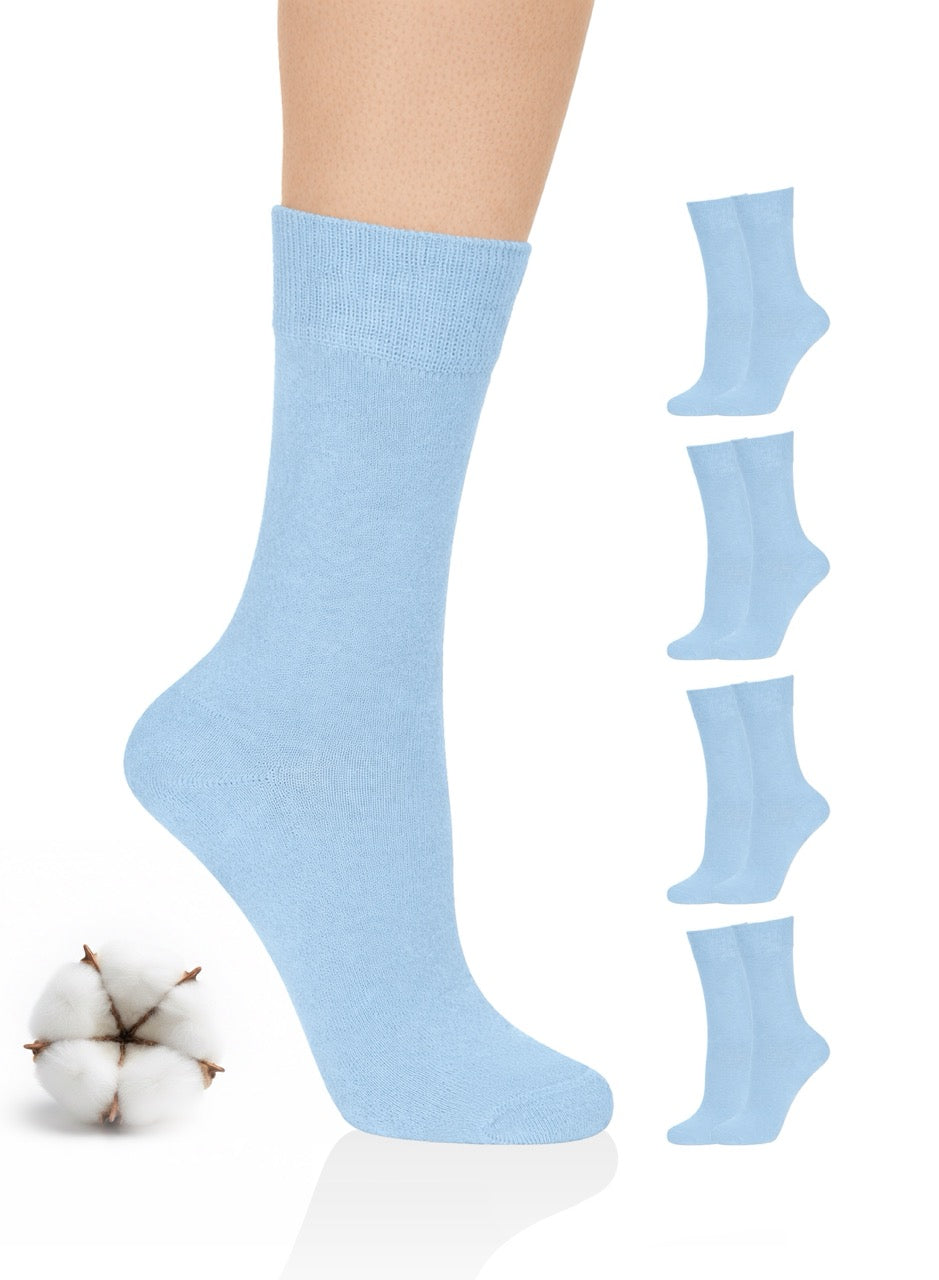
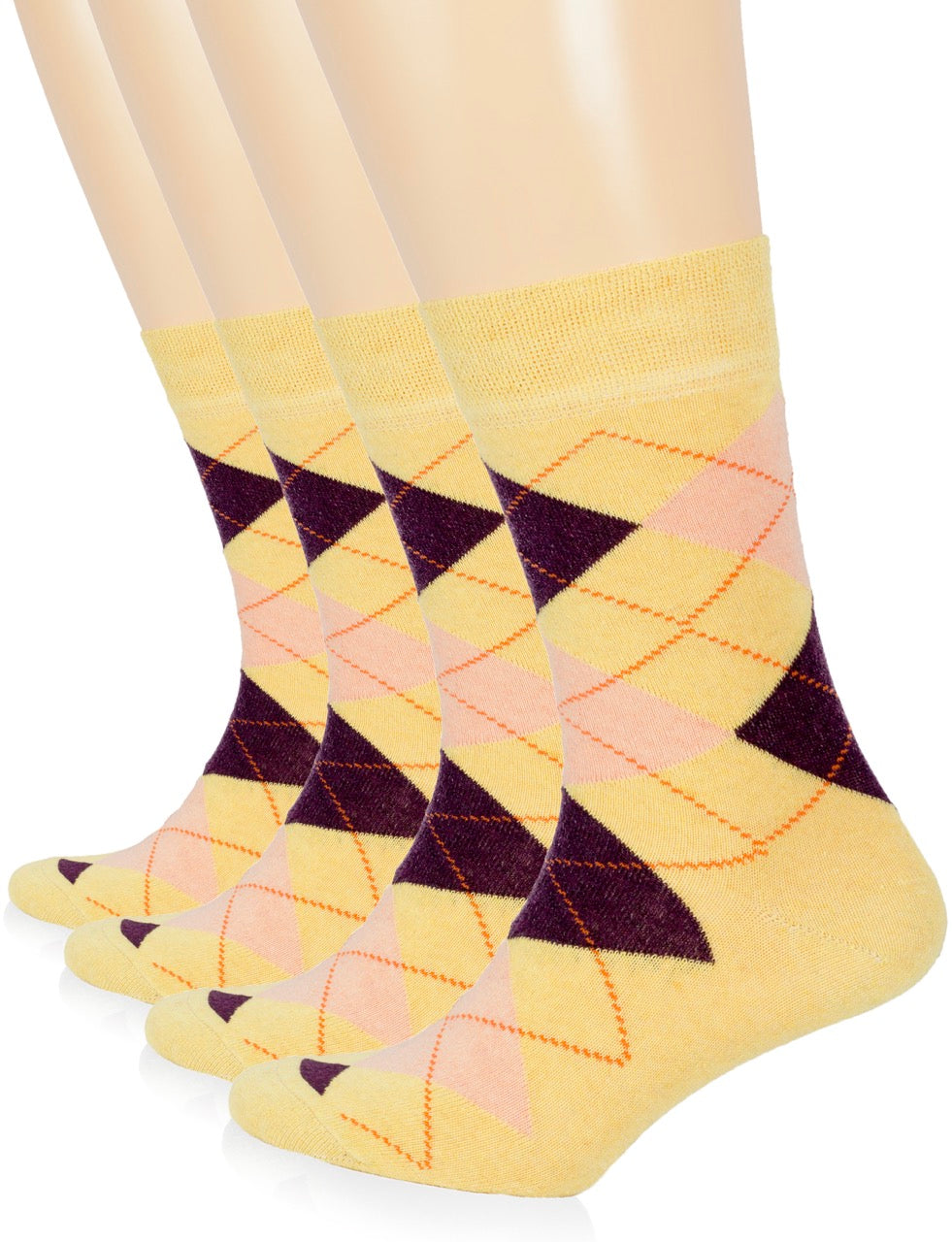


It is a common frustration: you buy a new pair of socks, wear them a few times, and suddenly they start thinning, stretching, or developing holes. Cheap socks wear out much faster than expected, leaving many people wondering why this happens so quickly.
The answer lies in a combination of material quality, construction, fit, and care. While low-cost socks may seem like a convenient option, they often lack the durability needed for long-term use. Understanding why socks wear out can help you choose long lasting socks that perform better over time.
The biggest reason cheap socks wear out is the quality of the materials used. Many inexpensive socks are made from lower-grade fibers that quickly break under pressure.
These materials often lack strength and elasticity, meaning they cannot handle repeated movement and friction inside shoes. As a result, the fabric begins to thin, lose shape, and eventually tear.
In contrast, high quality socks use stronger fibers and better blends. Materials like merino wool or durable cotton blends are designed to maintain their structure and resist wear over time.
When socks are made with better materials, they are less likely to quickly break and more likely to last through repeated use and washing.

In addition to materials, construction plays a major role in durability. Cheap socks are often produced with minimal attention to detail, resulting in weaker stitching and less reinforcement.
The areas that experience the most stress—such as the heel and toe—are particularly vulnerable. Without proper reinforcement, these sections wear down quickly and develop holes.
High quality socks are designed with reinforced heels and toes to handle constant movement and friction. This added structure helps extend the life of each pair of socks and prevents early damage.
A fitting sock is essential for durability. Socks that are too loose or too tight are more likely to wear out faster.
If socks are too loose, they move around inside the shoe. This extra movement increases friction, causing the fabric to break down more quickly. On the other hand, socks that are too tight stretch the fibers beyond their limit, weakening the material over time.
A snug fit helps keep the sock in place and reduces unnecessary friction. When socks fit properly, they distribute pressure evenly across the foot, allowing them to last longer.
Every step you take creates movement and friction between your socks and your shoes. Over time, this repeated motion wears down the fibers of the sock.
Cheap socks are less capable of handling this constant stress. Because they use weaker materials and construction, they begin to show signs of wear much sooner than higher-quality alternatives.
The type of shoes you wear can also affect how quickly socks wear out. Shoes with rough interiors or poor fit can increase friction, accelerating damage to the fabric.
How you care for your socks also plays a significant role in how long they last. Improper washing and drying can weaken fibers and reduce elasticity.
Using harsh detergents can break down the fabric over time, making socks more likely to tear. Similarly, high heat during drying can damage the fibers and cause shrinkage.
To help socks last longer, it is important to follow proper washing and drying practices:
Properly cared socks retain their structure longer and are less likely to wear out quickly.
High quality socks are designed with durability in mind. They use better materials, stronger construction, and thoughtful design features that help them withstand daily use.
Materials like merino wool offer natural strength and flexibility, while advanced blends provide moisture control and long-term shape retention. These features allow socks to maintain comfort and performance even after repeated washing.
Although high quality socks may cost more upfront, they often provide better value because they last longer and perform better over time.
Extending the life of your socks does not require complicated steps. A few simple habits can help ensure your socks stay in good condition.
By caring for your socks properly, you can significantly reduce wear and extend their lifespan.
Cheap socks wear out quickly because of low-quality materials, weak construction, poor fit, and improper care. These factors combine to create a product that cannot withstand daily movement and friction.
Investing in long lasting socks made from better materials and maintaining proper care routines can make a noticeable difference. High quality socks not only last longer but also provide better comfort and performance throughout their lifespan.
Ultimately, choosing the right pair of socks and caring for them properly ensures that each pair stays comfortable, durable, and reliable for everyday use.
Cheap socks wear out fast because they use lower-quality materials and weaker construction, which cannot handle daily movement and friction.
Yes. Materials like merino wool and durable blends are stronger and maintain their structure better, helping socks last longer.
Yes. Using harsh detergents and high heat can damage fibers, while gentle washing and air drying help preserve them.
Choose high quality socks, ensure a proper fit, rotate usage, and follow proper washing and drying practices.
Yes. High quality socks are more durable, more comfortable, and provide better long-term value compared to cheaper options.
He has been working for more than 20 years in the textile industry and has work experience in many parts of the world.